

RedCrocus Tiny Dancer Elephant Ear Alocasia, Compact Foliage Plant for Shade, Indoor & Container Use, Tough, Attractive, Pet Warning, Well-DRained Soil, Moderate Humidity 6" Pot
RedCrocus Tiny Dancer Elephant Ear Alocasia, Compact Foliage Plant for Shade, Indoor & Container Use, Tough, Attractive, Pet Warning, Well-DRained Soil, Moderate Humidity 6" Pot
Regular price
$51.60 USD
Regular price
$67.08 USD
Sale price
$51.60 USD
Unit price
per
Shipping calculated at checkout.
SKU:trfl1999-redcrocus
Couldn't load pickup availability
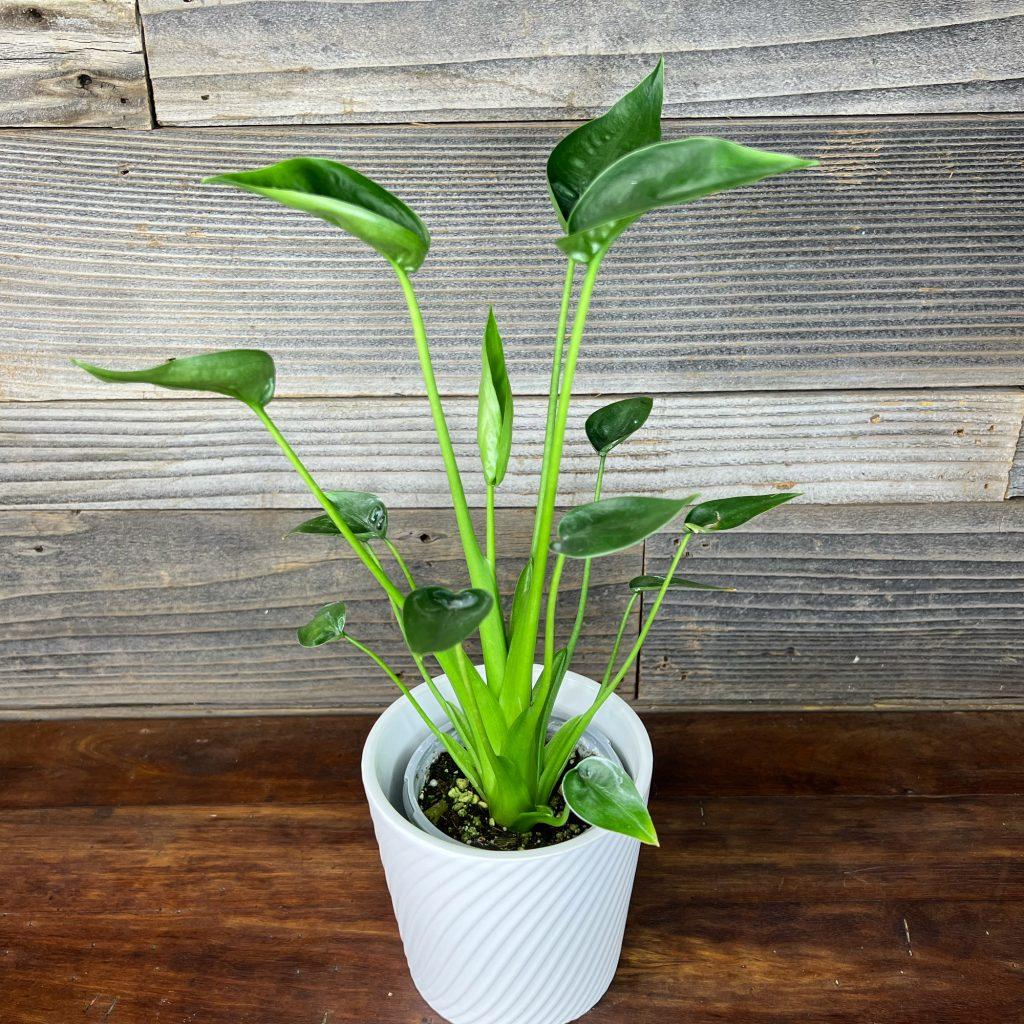
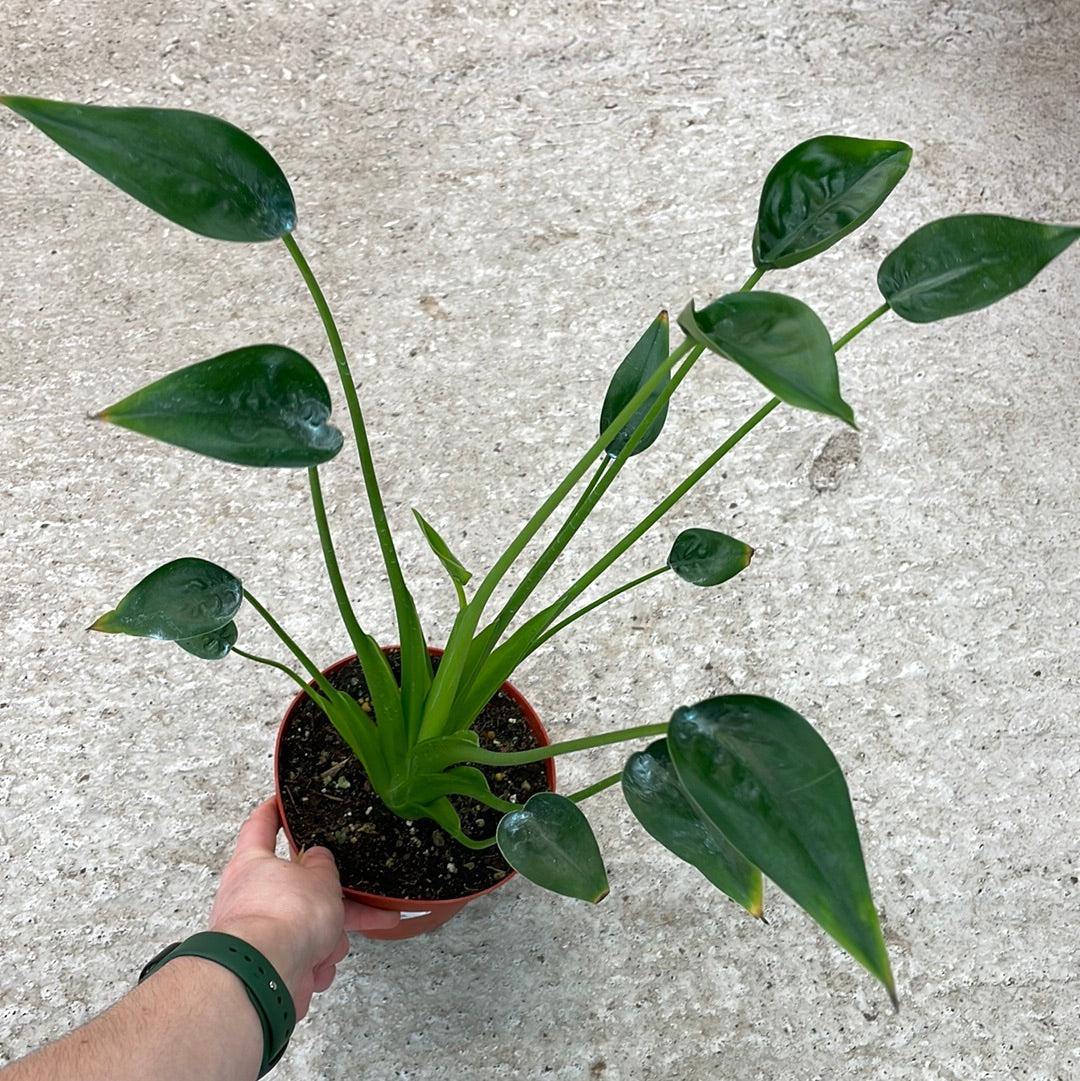
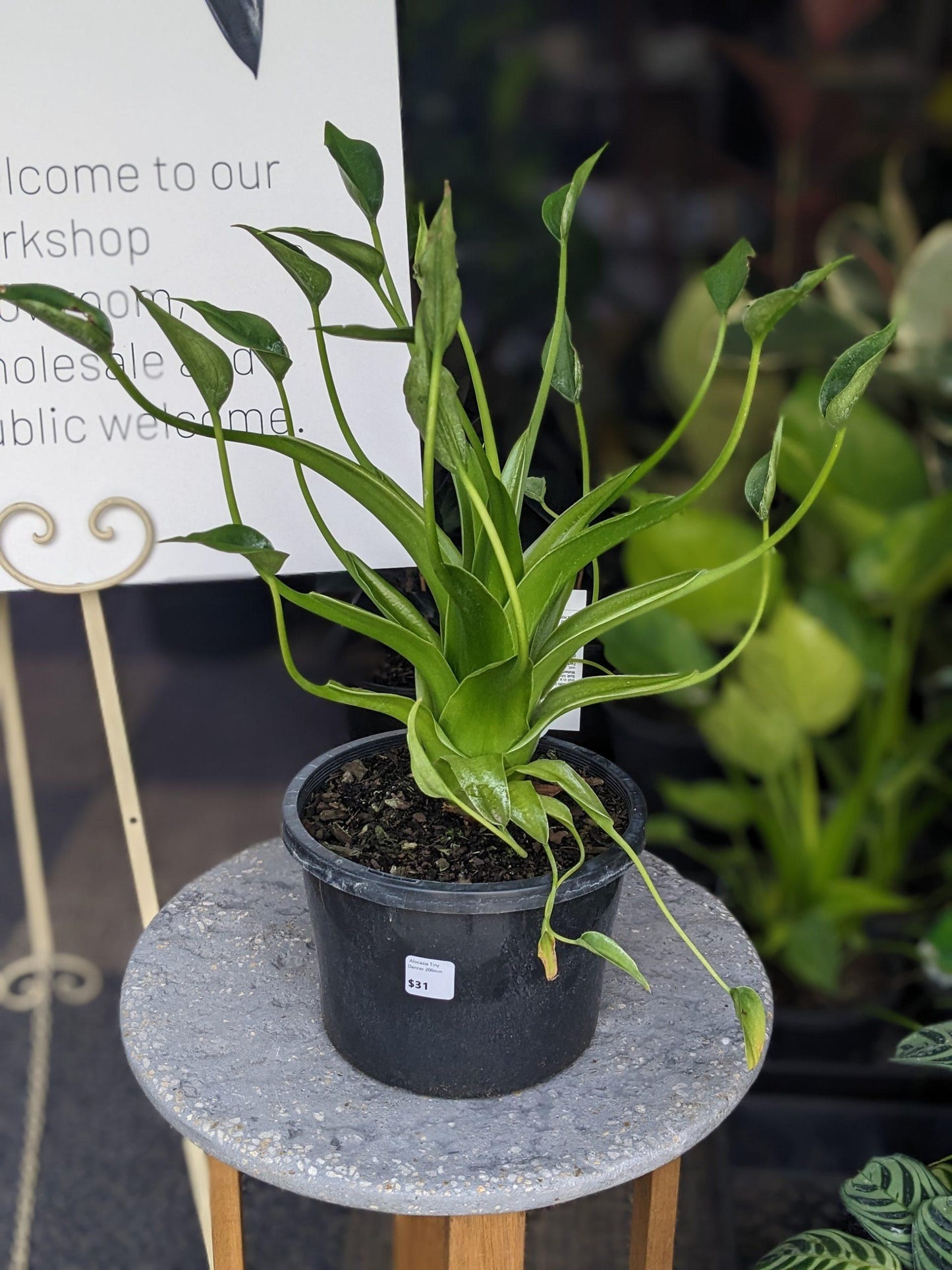
Tiny Dancer' Elephant Ear Alocasia 'Tiny Dancer'
Description
This compact, vibrant perennial features lush, arrow-shaped leaves with striking patterning. It thrives in warm, shaded environments and adds a tropical touch to any garden or indoor space.
Suggested Uses
Ideal for shaded borders, container displays, indoor gardens, and accent plantings that require bold foliage.
Plant Details
-
 Botanical Name: Alocasia 'Tiny Dancer'
 -
 Common Name: Tiny Dancer Elephant Ear
 -
 Size & Growth: Reaches 2-3 feet tall, with a compact habit
 -
 Hardiness Zones: 10-140
 -
 Foliage Type: Broad-leafed perennial
 -
 Bloom Time: Rarely flowers; primarily grown for foliage
 -
 Growth Rate: Moderate
 -
 Light Requirements: Bright, indirect sunlight or partial shade
 -
 Attracts Pollinators: No
 -
 Indoor Friendly: Yes
 -
 Container Friendly: Yes
 -
 Deer Resistant: Yes
 -
 Pet Warning: Toxic if ingested
 -
 Fragrant: No
 -
 Cut Flower: No
 -
 Grows Well With: Ferns, hostas, and other shade-loving plants
Care Tips
-
 Planting Instructions: Plant bulbs 2-3 inches deep in well-draining soil during spring or fall
 -
 Soil Moisture: Keep consistently moist but not soggy
 -
 Soil Type: Rich, organic, well-draining soil
 -
 Humidity: Prefers moderate to high humidity
 -
 Pruning Instructions: Remove dead or damaged leaves to maintain appearance
 -
 Winter Care: Bring indoors or provide frost protection in cooler zones
 -
 Planting Depth: 2-3 inches below soil surface
 -
 Fertilization: Feed monthly during active growth with balanced fertilizer
 -
 Special Care: Avoid overwatering, and provide shaded conditions in hot climates