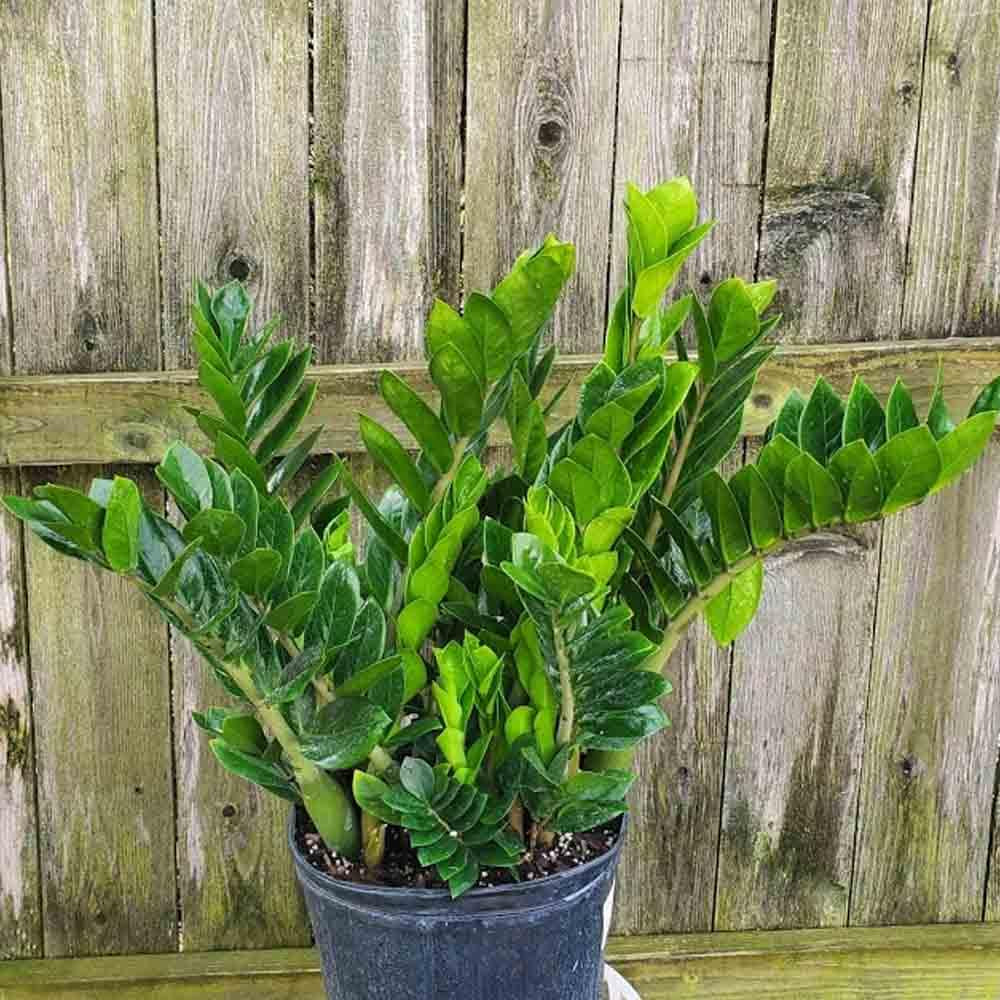


RedCrocus ZZ Plant Zamioculcas zamiifolia- Low-Maintenance Indoor Tropical Plant, Glossy Green Foliage, Pet Safe (with Caution), Modern Decor, Office Ready 10" Pot
RedCrocus ZZ Plant Zamioculcas zamiifolia- Low-Maintenance Indoor Tropical Plant, Glossy Green Foliage, Pet Safe (with Caution), Modern Decor, Office Ready 10" Pot
Regular price
$99.60 USD
Regular price
$129.48 USD
Sale price
$99.60 USD
Unit price
per
Shipping calculated at checkout.
SKU:trfl170-redcrocus
Couldn't load pickup availability
ZZ Plant Zamioculcas zamiifolia
Description
The ZZ Plant (Zamioculcas zamiifolia) is a low-maintenance, tropical perennial known for its glossy, dark green leaves and upright growth habit. It thrives indoors and outdoors, adding a lush, modern touch to any space.
Suggested Uses
Ideal for interior decor, office spaces, and shaded garden beds. Perfect for low-light environments and modern landscape designs.
Plant Details
-
 Botanical Name: ZZ Plant Zamioculcas zamiifolia
 -
 Common Name: ZZ Plant
 -
 Size & Growth: typically reaches 2-3 feet tall with upright, robust stems
 -
 Hardiness Zones: 9-11
 -
 Foliage Type: Evergreen, glossy bipinnate leaves
 -
 Bloom Time: Rarely flowers indoors; outdoors in summer
 -
 Growth Rate: Moderate
 -
 Light Requirements: Indirect bright to low light
 -
 Attracts Pollinators: No
 -
 Indoor Friendly: Yes
 -
 Container Friendly: Yes
 -
 Deer Resistant: Yes
 -
 Pet Warning: Toxic to pets if ingested
 -
 Fragrant: No
 -
 Cut Flower: No
 -
 Grows Well With: Snake Plant, pothos, peace lily
Care Tips
-
 Planting Instructions: Use well-draining soil; plant bulbs or rhizomes shallowly
 -
 Soil Moisture: Allow top inch of soil to dry out between watering
 -
 Soil Type: Well-draining potting mix
 -
 Humidity: Tolerant of average household humidity
 -
 Pruning Instructions: Remove dead or yellowing leaves as needed
 -
 Winter Care: Protect from frost; indoors in colder zones
 -
 Planting Depth: Shallow planting of rhizomes
 -
 Fertilization: Feed with balanced liquid fertilizer monthly during growing season
 -
 Special Care: Avoid overwatering to prevent root rot