

RedCrocus Baby Pete's Lily of the Nile Agapanthus | Compact Blue Flowering Perennial | Attracts Pollinators | Container & Garden Use | Toxin Alert 6" Pot
RedCrocus Baby Pete's Lily of the Nile Agapanthus | Compact Blue Flowering Perennial | Attracts Pollinators | Container & Garden Use | Toxin Alert 6" Pot
Regular price
$67.60 USD
Regular price
$87.88 USD
Sale price
$67.60 USD
Unit price
per
Shipping calculated at checkout.
SKU:trbl126-redcrocus
Couldn't load pickup availability
Baby Pete's Lily of the Nile Agapanthus x 'Baby Pete'
Description
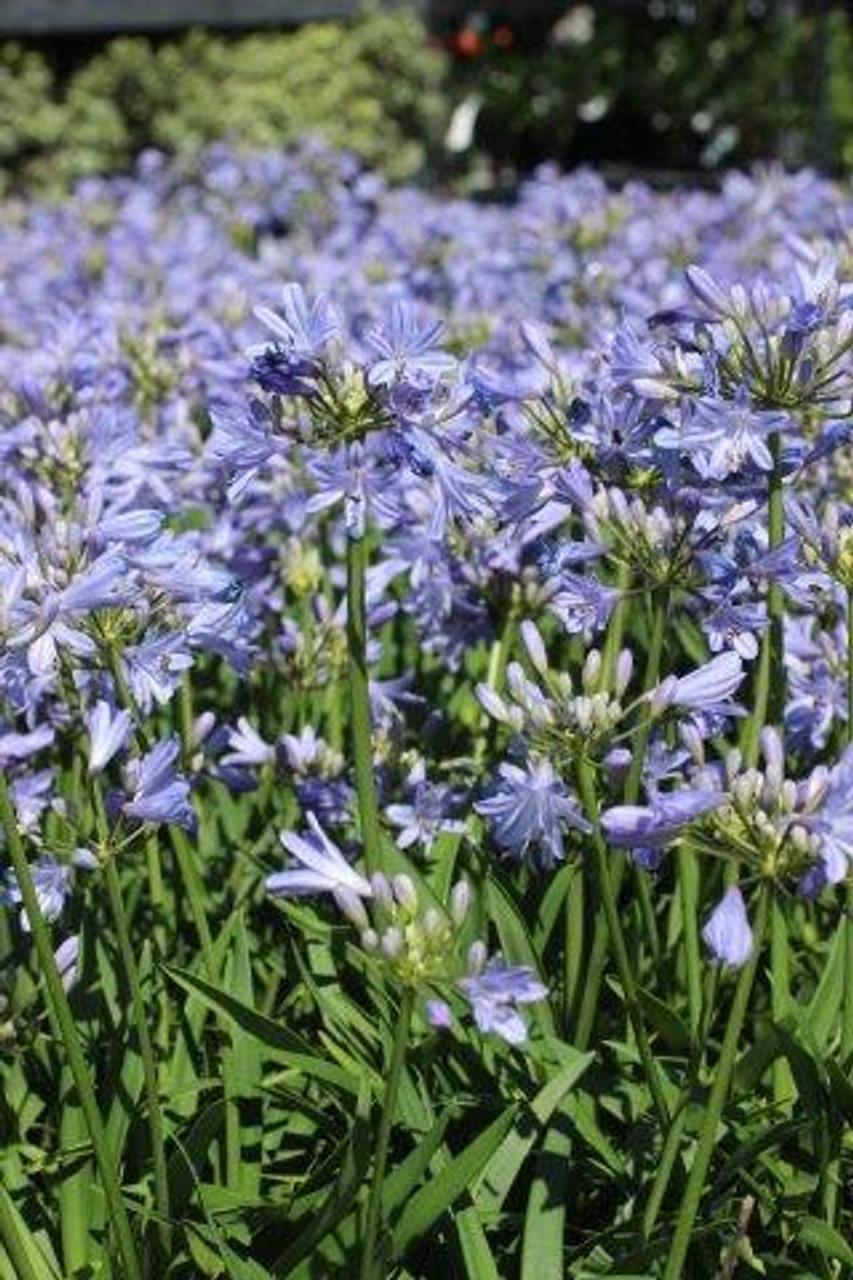
This cultivar features compact, vibrant clusters of blue flowers on sturdy, upright stems. It is known for its moderate growth and lush foliage, making it ideal for borders and container gardening.
Suggested Uses
Perfect for garden beds, borders, containers, and landscape accents. Its striking blooms attract pollinators and add vibrant color to outdoor spaces.
Plant Details
-
 Botanical Name: Baby Pete's Lily of the Nile Agapanthus x 'Baby Pete'
 -
 Common Name: Baby Pete's Lily of the Nile
 -
 Size & Growth: 1-2 feet tall with a spread of similar width
 -
 Hardiness Zones: 6-10
 -
 Foliage Type: Evergreen to semi-evergreen
 -
 Bloom Time: Summer months (June to August)
 -
 Growth Rate: Moderate
 -
 Light Requirements: Full sun to partial shade
 -
 Attracts Pollinators: Yes
 -
 Indoor Friendly: No
 -
 Container Friendly: Yes
 -
 Deer Resistant: Yes
 -
 Pet Warning: Toxic if ingested
 -
 Fragrant: Yes
 -
 Cut Flower: Yes
 -
 Grows Well With: Ferns, Hostas, daylilies
Care Tips
-
 Planting Instructions: Plant in well-drained soil in full sun for optimal growth.
 -
 Soil Moisture: Keep evenly moist, not waterlogged.
 -
 Soil Type: Fertile, well-drained soil rich in organic matter.
 -
 Humidity: Tolerant of average humidity levels.
 -
 Pruning Instructions: Remove spent flower stalks to encourage repeat blooming.
 -
 Winter Care: Mulch to protect roots in colder zones; otherwise, minimal winter coverage needed.
 -
 Planting Depth: Plant so that the crown is level with the soil surface.
 -
 Fertilization: Apply balanced fertilizer in spring and mid-summer for best blooms.
 -
 Special Care: Avoid overly rich soil that promotes excessive foliage at the expense of flowers.