

RedCrocus Kangaroo Paw Anigozanthos- Vibrant, Assorted Colors, Drought-Tolerant Perennial for Gardens & Floral Arrangements 6" Pot
RedCrocus Kangaroo Paw Anigozanthos- Vibrant, Assorted Colors, Drought-Tolerant Perennial for Gardens & Floral Arrangements 6" Pot
Regular price
$71.60 USD
Regular price
$93.08 USD
Sale price
$71.60 USD
Unit price
per
Shipping calculated at checkout.
SKU:trbl1194-redcrocus
Couldn't load pickup availability
Kangaroo Paw Anigozanthos, Assorted
Description
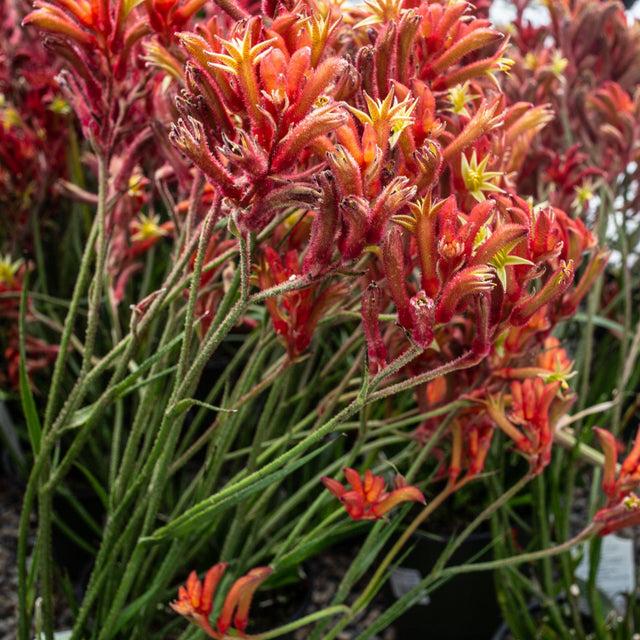
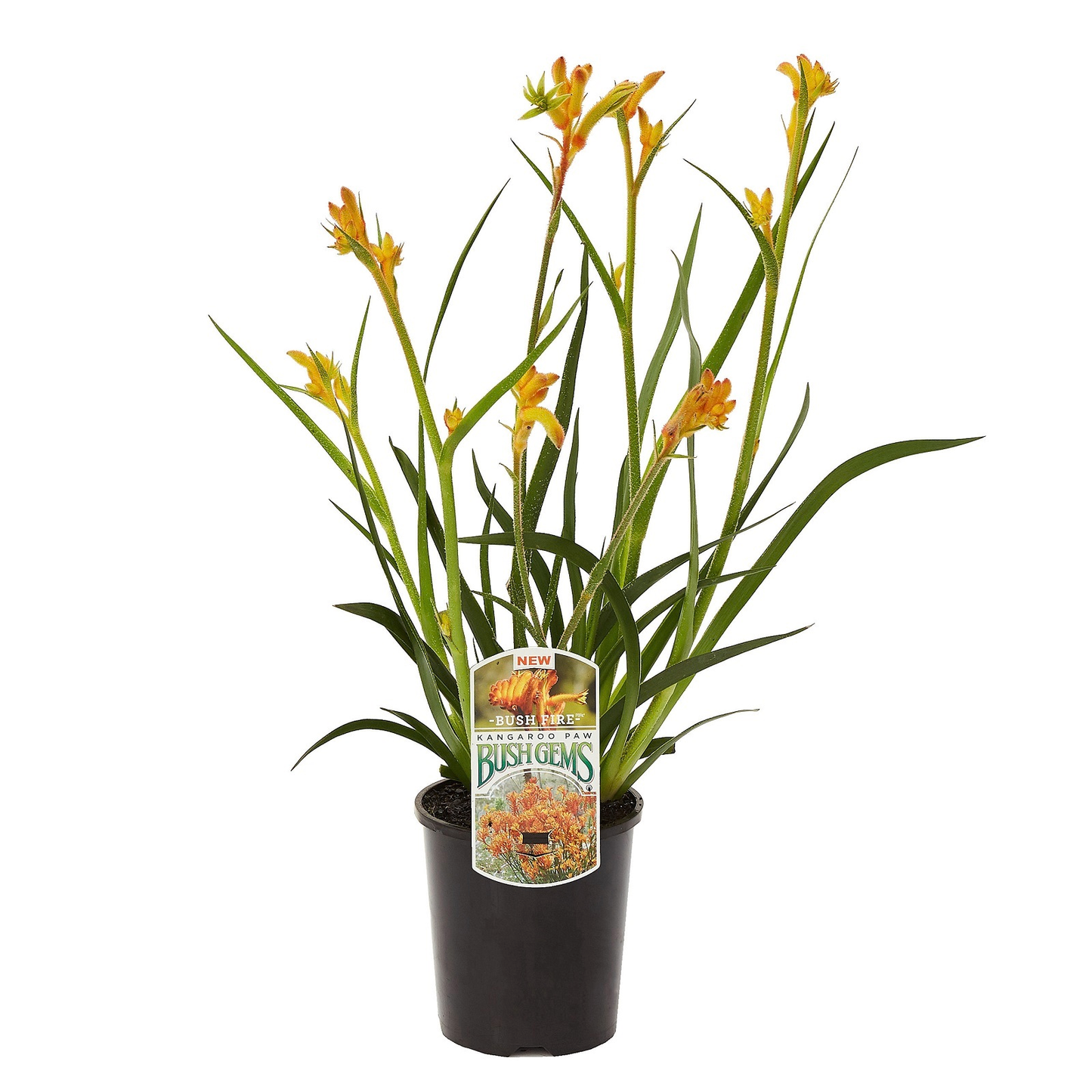
A striking perennial native to Australia, Kangaroo Paw features unique, velvety flowers resembling kangaroo paws, in vibrant shades of red, yellow, and green. It thrives in sunny spots with well-drained soil and adds a distinctive touch to gardens and floral arrangements.
Suggested Uses
Ideal for borders, container gardens, and cut flower displays. Its drought tolerance makes it suitable for xeriscaping and low-maintenance landscapes.
Plant Details
-
 Botanical Name: Anigozanthos spp.
 -
 Common Name: Kangaroo Paw
 -
 Size & Growth: 1-3 ft tall, spreading 1-2 ft wide
 -
 Hardiness Zones: 9-11
 -
 Foliage Type: Sword-shaped, velvety
 -
 Bloom Time: Spring to Fall
 -
 Growth Rate: Moderate
 -
 Light Requirements: Full Sun
 -
 Attracts Pollinators: Yes
 -
 Indoor Friendly: No
 -
 Container Friendly: Yes
 -
 Deer Resistant: Yes
 -
 Pet Warning: Non-toxic
 -
 Fragrant: No
 -
 Cut Flower: Yes
 -
 Grows Well With: Succulents, native plants, ornamental grasses
Care Tips
-
 Planting Instructions: Plant in well-drained soil in full sun, spacing 1-2 feet apart.
 -
 Soil Moisture: Water regularly but avoid overwatering; drought tolerant once established.
 -
 Soil Type: Sandy or well-draining loam
 -
 Humidity: Prefers moderate humidity levels
 -
 Pruning Instructions: Remove spent flowers to encourage new blooms.
 -
 Winter Care: Protect in colder zones; mulching helps insulate roots.
 -
 Planting Depth: Plant at same depth as in container
 -
 Fertilization: Apply balanced fertilizer during active growth
 -
 Special Care: Avoid overwatering and ensure good airflow to prevent disease