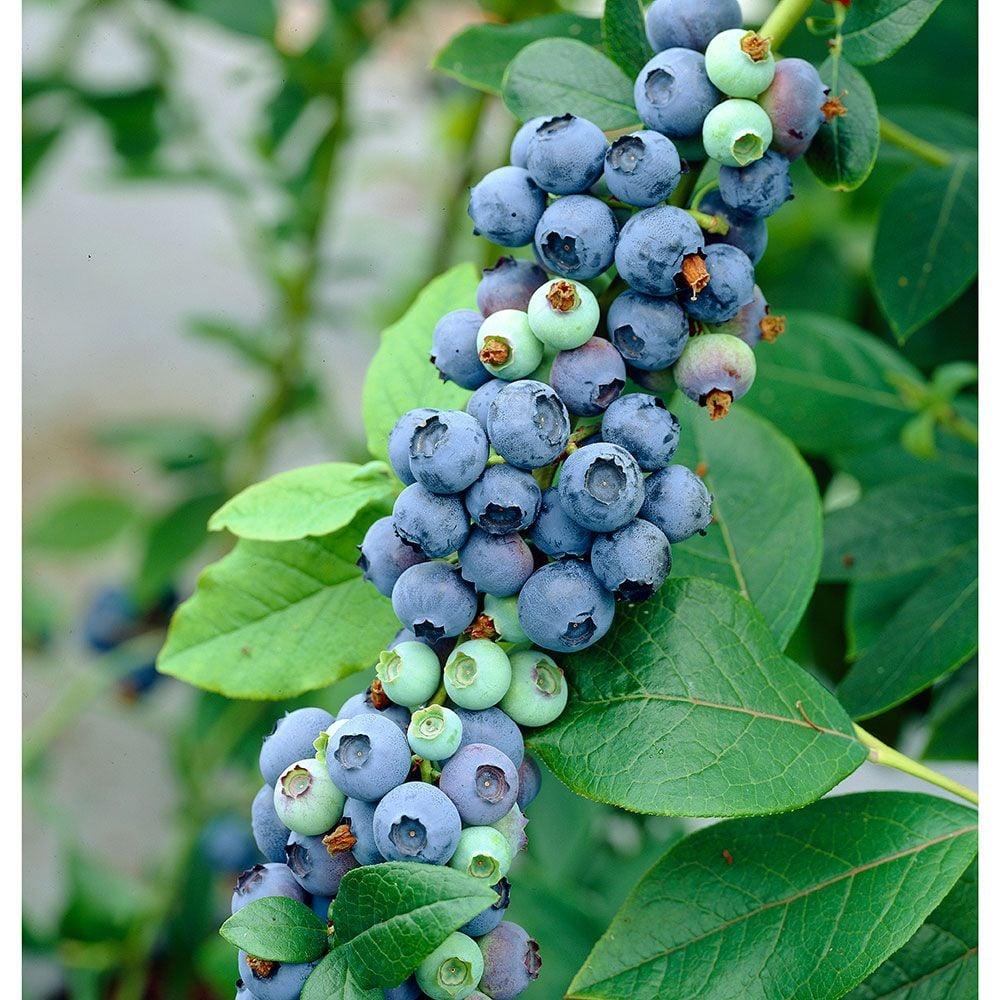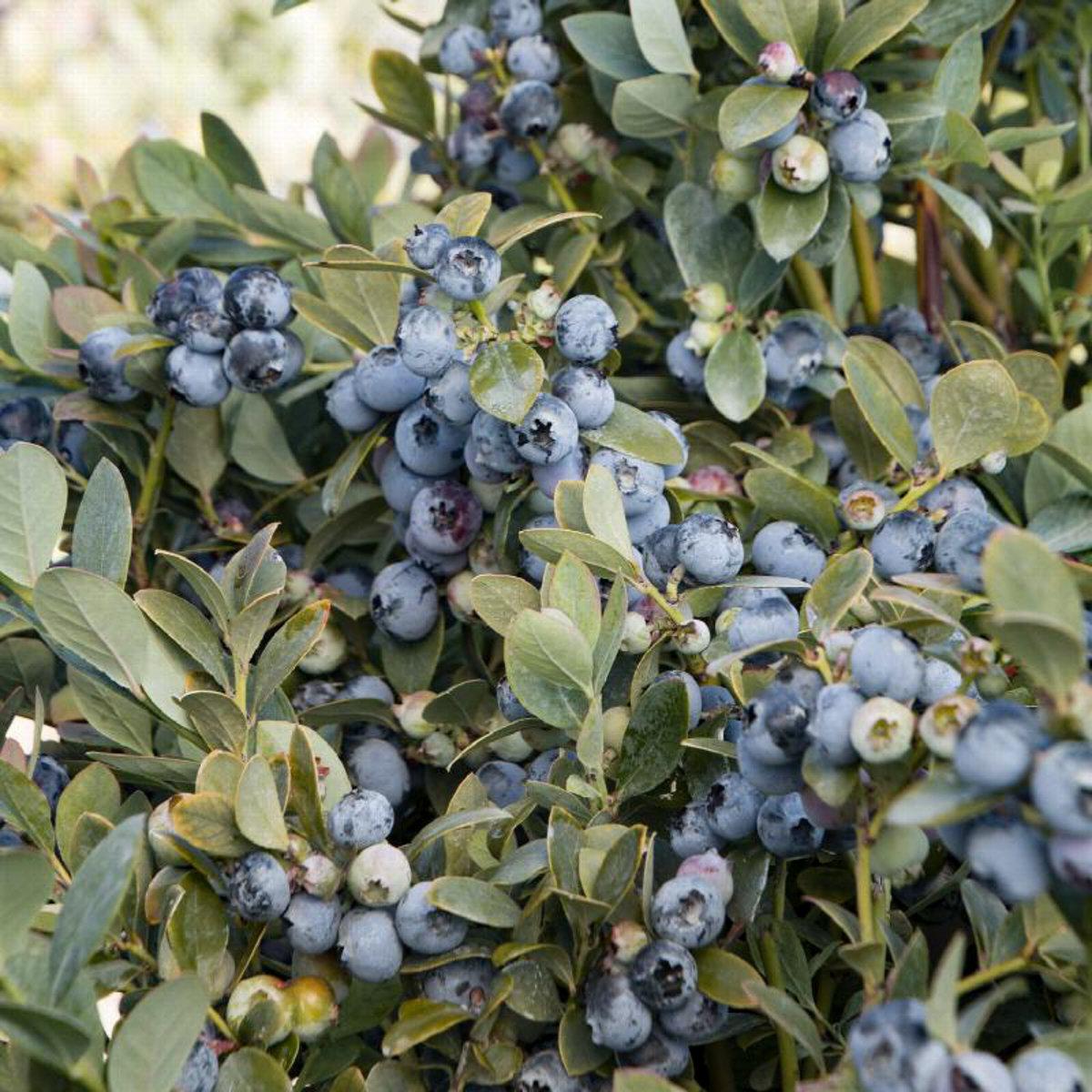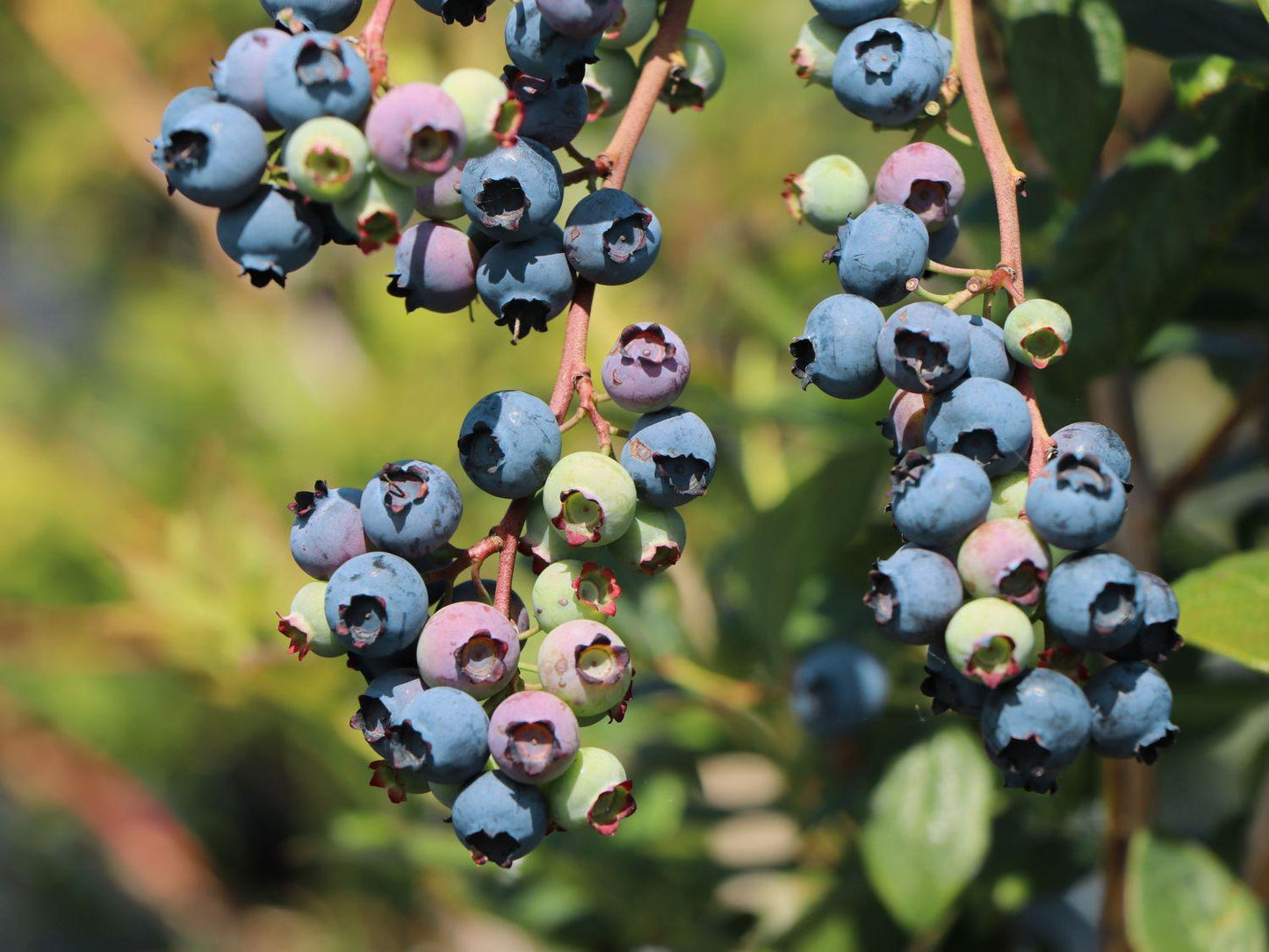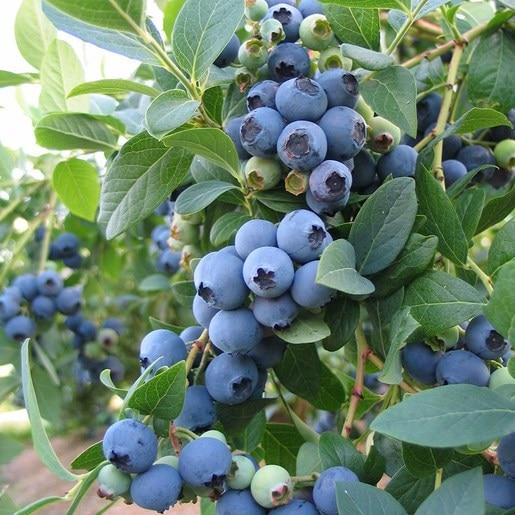


RedCrocus Bluejay Highbush Blueberry- Edible Garden Bush for Pollinators & Containers 1 Gallon (Pack of 2)
RedCrocus Bluejay Highbush Blueberry- Edible Garden Bush for Pollinators & Containers 1 Gallon (Pack of 2)
Regular price
$72.00 USD
Regular price
$93.60 USD
Sale price
$72.00 USD
Unit price
per
Shipping calculated at checkout.
SKU:pefr045-alt1-redcrocus
Couldn't load pickup availability
Bluejay' Highbush Blueberry Blueberry, Vaccinium corymbosum 'Bluejay'
Description
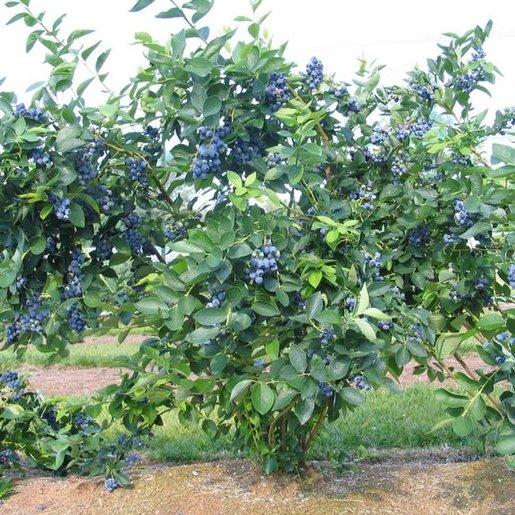
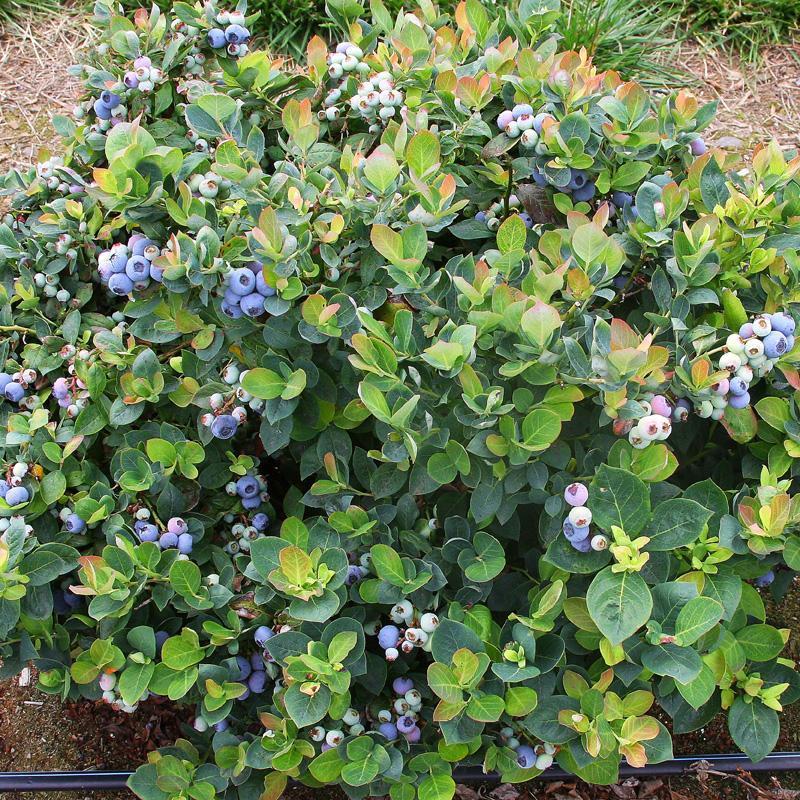
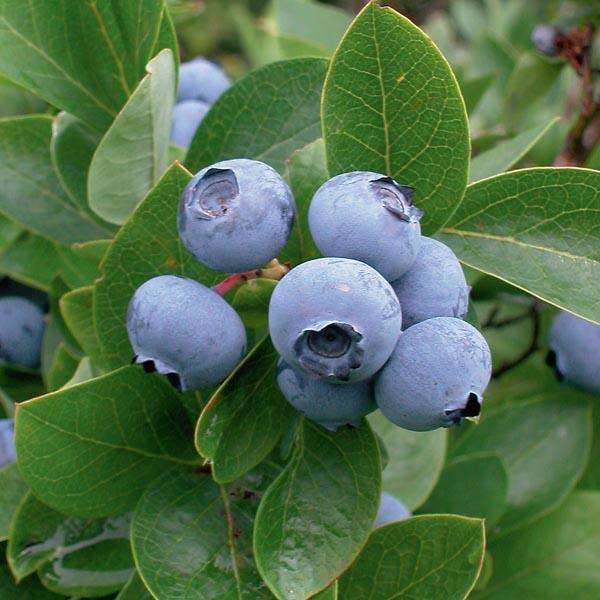
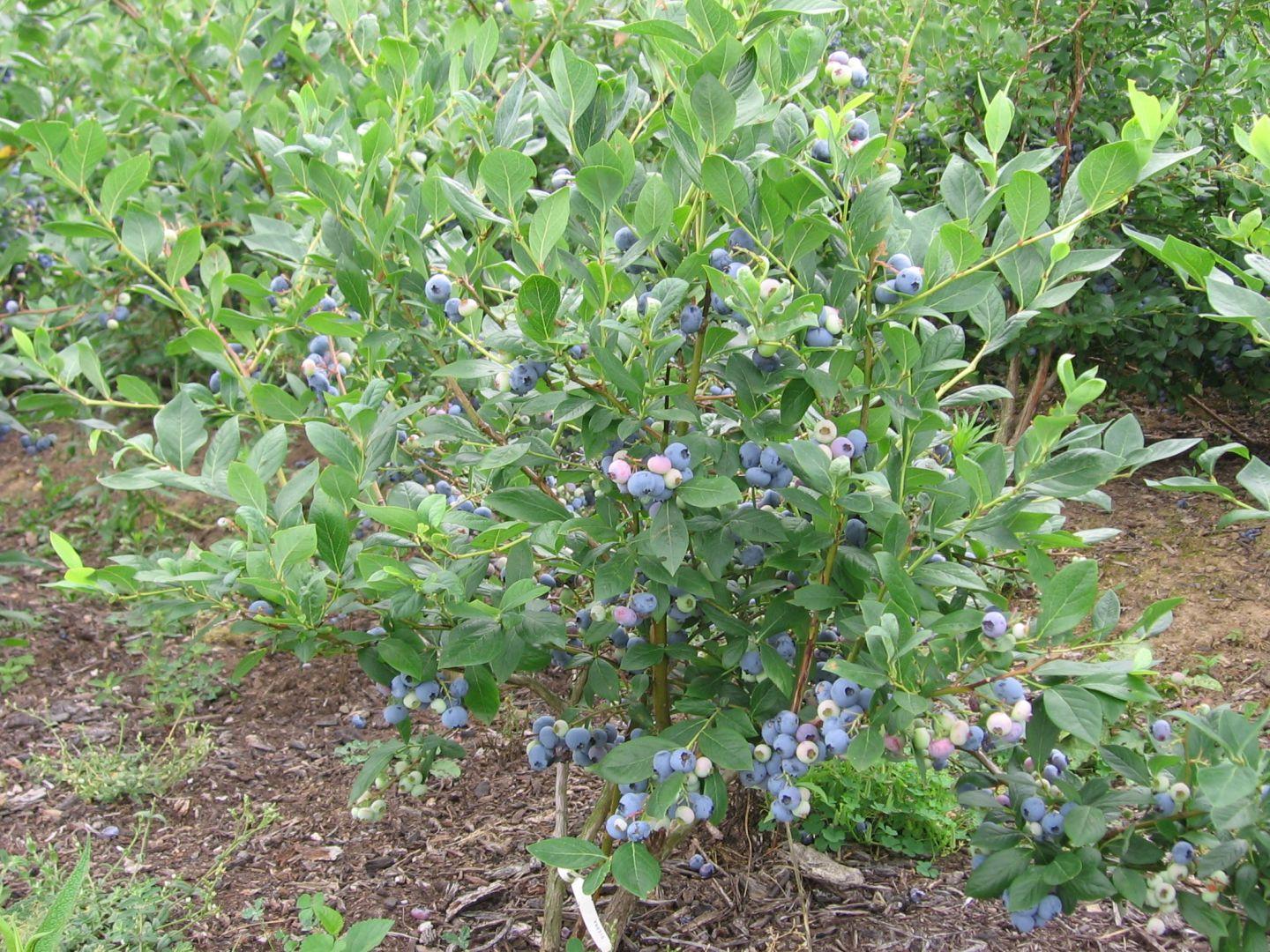
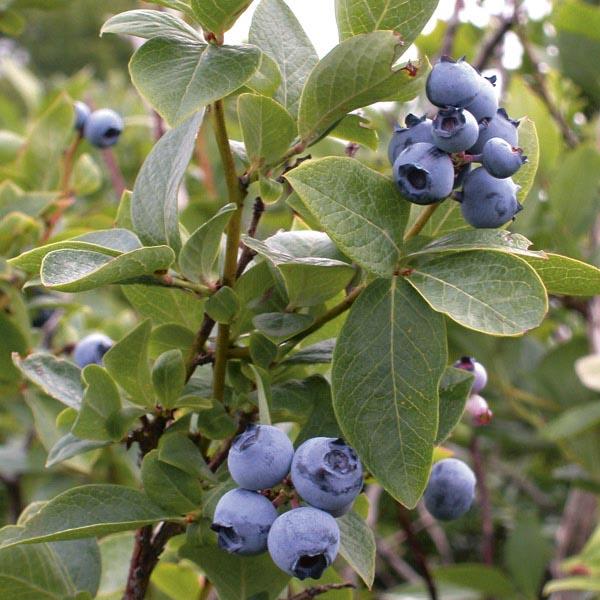
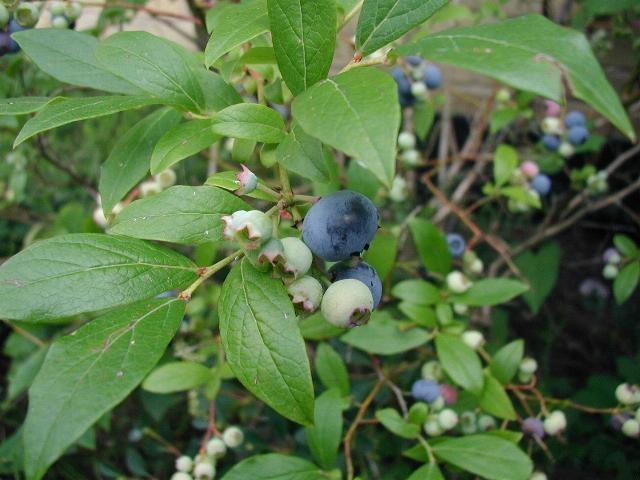
A vigorous deciduous shrub producing delicious blue berries, with dark green foliage in summer that turns vibrant red in fall. Prefers acidic, well-drained soils and full sun for optimal fruit production.
Suggested Uses
Ideal for edible gardens, berry patches, border planting, and naturalized areas. Suitable for small yards and landscape beds.
Plant Details
-
 Botanical Name: Vaccinium corymbosum 'Bluejay'
 -
 Common Name: Bluejay' Highbush Blueberry
 -
 Size & Growth: Typically 3-4 ft tall and wide at maturity; Bushy habit with vigorous growth.
 -
 Hardiness Zones: 4-7
 -
 Foliage Type: Deciduous
 -
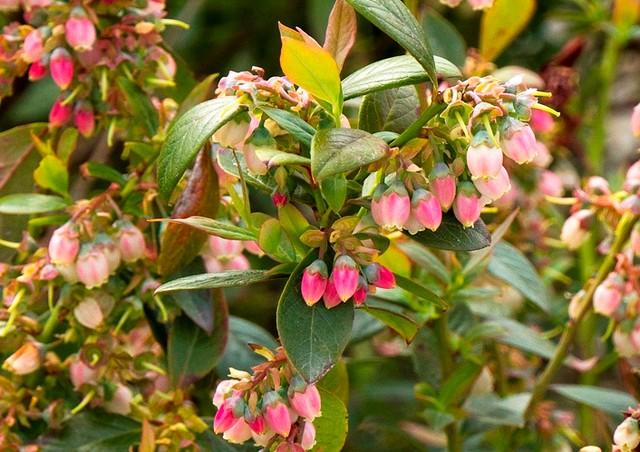
 Bloom Time: Early spring
 -
 Growth Rate: Moderate to vigorous
 -
 Light Requirements: Full sun to partial shade
 -
 Attracts Pollinators: Yes, bees and butterflies
 -
 Indoor Friendly: No
 -
 Container Friendly: Yes, in large pots
 -
 Deer Resistant: Moderately
 -
 Pet Warning: Non-toxic to pets
 -
 Fragrant: No
 -
 Cut Flower: Yes, small clusters
 -
 Grows Well With: Raspberries, strawberries, and other berry plants
Care Tips
-
 Planting Instructions: Choose well-drained, acidic soil; space 4-5 feet apart; plant in spring or early fall.
 -
 Soil Moisture: Keep consistently moist; avoid waterlogging.
 -
 Soil Type: Acidic, sandy loam preferred
 -
 Humidity: Moderate; avoid extremely dry conditions
 -
 Pruning Instructions: Prune in late winter to remove dead wood and shape the bush.
 -
 Winter Care: Mulch to protect roots; minimal protection needed in Zones 4-5.
 -
 Planting Depth: Plant so that the root ball is level with the soil surface.
 -
 Fertilization: Use acidic fertilizer in early spring; avoid overfeeding.
 -
 Special Care: Mulch annually; monitor pH and adjust soil accordingly.