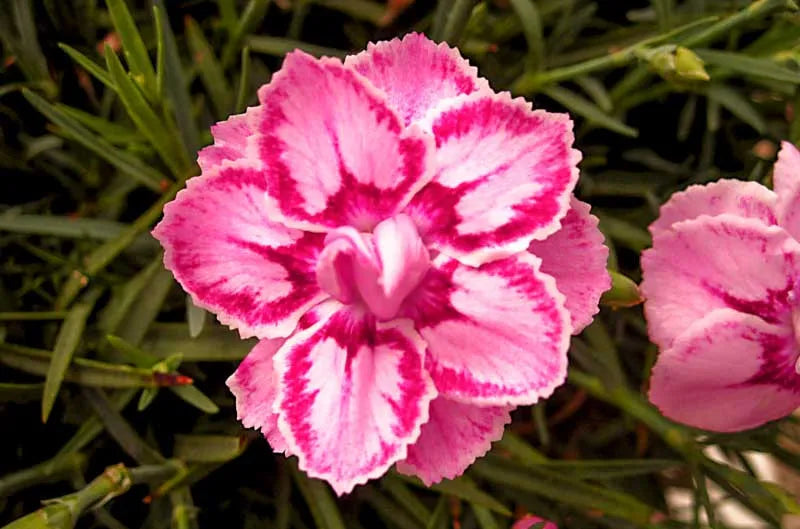


RedCrocus Dianthus x 'Starburst' Pink Blooms, Fragrant, Pollinator Attracting, Container & Garden Plant, Full Sun, Well-Draining Soil, Deer & Pet Warning 2 Gallon
RedCrocus Dianthus x 'Starburst' Pink Blooms, Fragrant, Pollinator Attracting, Container & Garden Plant, Full Sun, Well-Draining Soil, Deer & Pet Warning 2 Gallon
Regular price
$45.99 USD
Regular price
$59.79 USD
Sale price
$45.99 USD
Unit price
per
Shipping calculated at checkout.
SKU:pecc0134-redcrocus
Couldn't load pickup availability
Starburst' Pinks, Sweet William, Carnations Dianthus x 'Starburst'
Description
A compact perennial with vibrant, showy pink blooms in mid-summer. Features fragrant flowers and gray-green foliage, ideal for borders and rock gardens.
Suggested Uses
Perfect for flower beds, edging, containers, and attracting pollinators in your garden landscape.
Plant Details
-
 Botanical Name: Dianthus x 'Starburst'
 -
 Common Name: Starburst' Pinks, Sweet William, Carnations
 -
 Size & Growth: 8-12 inches tall, spreading up to 12 inches
 -
 Hardiness Zones: 3-9
 -
 Foliage Type: Evergreen, with gray-green narrow leaves
 -
 Bloom Time: Late Spring to Early Summer
 -
 Growth Rate: Moderate
 -
 Light Requirements: Full Sun
 -
 Attracts Pollinators: Bees and butterflies
 -
 Indoor Friendly: No
 -
 Container Friendly: Yes
 -
 Deer Resistant: Yes
 -
 Pet Warning: Toxic to cats and dogs if ingested
 -
 Fragrant: Yes
 -
 Cut Flower: Yes
 -
 Grows Well With: Lavender, Rosemary, and other perennial herbs
Care Tips
-
 Planting Instructions: Plant in well-draining soil in full sun during spring or fall.
 -
 Soil Moisture: Keep soil evenly moist but not waterlogged.
 -
 Soil Type: Loamy or sandy soil with good drainage.
 -
 Humidity: Prefers dry to moderate humidity levels.
 -
 Pruning Instructions: Deadhead spent flowers to encourage continuous blooming.
 -
 Winter Care: Mulch or bring indoors in cold zones to protect from severe frost.
 -
 Planting Depth: 1-2 inches deep.
 -
 Fertilization: Apply a balanced fertilizer in early spring.
 -
 Special Care: Provide good air circulation and avoid overhead watering to prevent disease.