

RedCrocus Low Bush Blueberry- Vaccinium angustifolium Plant, Edible Shrub for Gardens, Containers, Pollinator Attractant 3 Gallon
RedCrocus Low Bush Blueberry- Vaccinium angustifolium Plant, Edible Shrub for Gardens, Containers, Pollinator Attractant 3 Gallon
Regular price
$89.95 USD
Regular price
$116.94 USD
Sale price
$89.95 USD
Unit price
per
Shipping calculated at checkout.
SKU:pe3g106-redcrocus
Couldn't load pickup availability
Low Bush Blueberry Blueberry, Vaccinium Assorted Variety 3 Gallon
Description
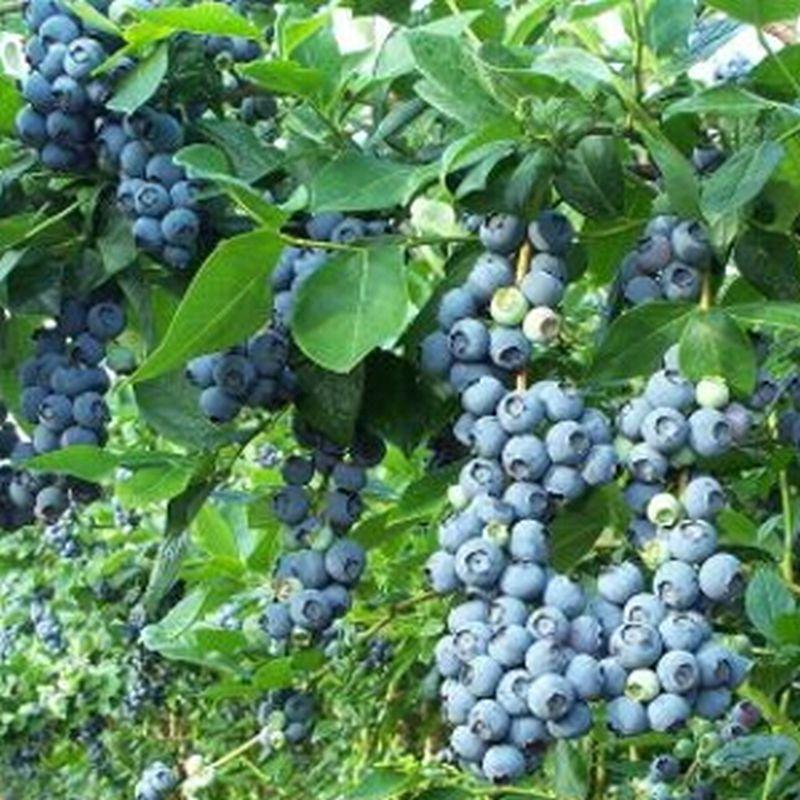
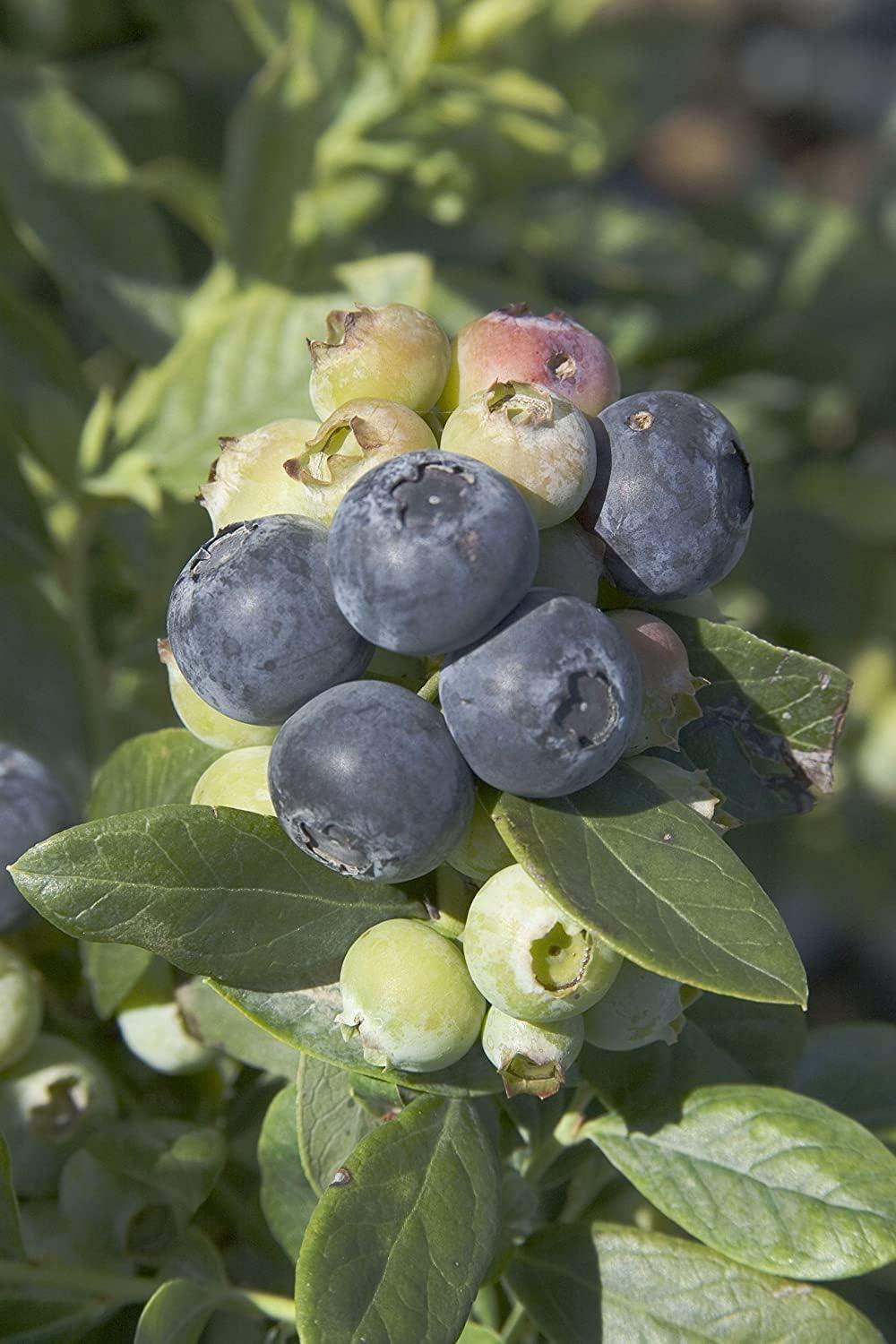
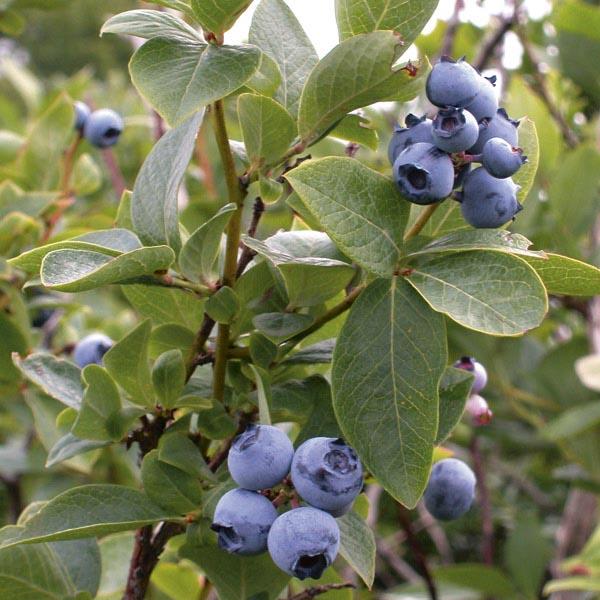
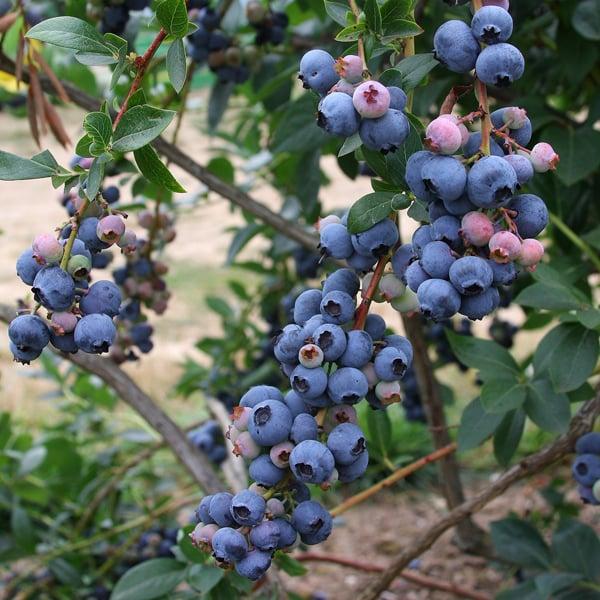
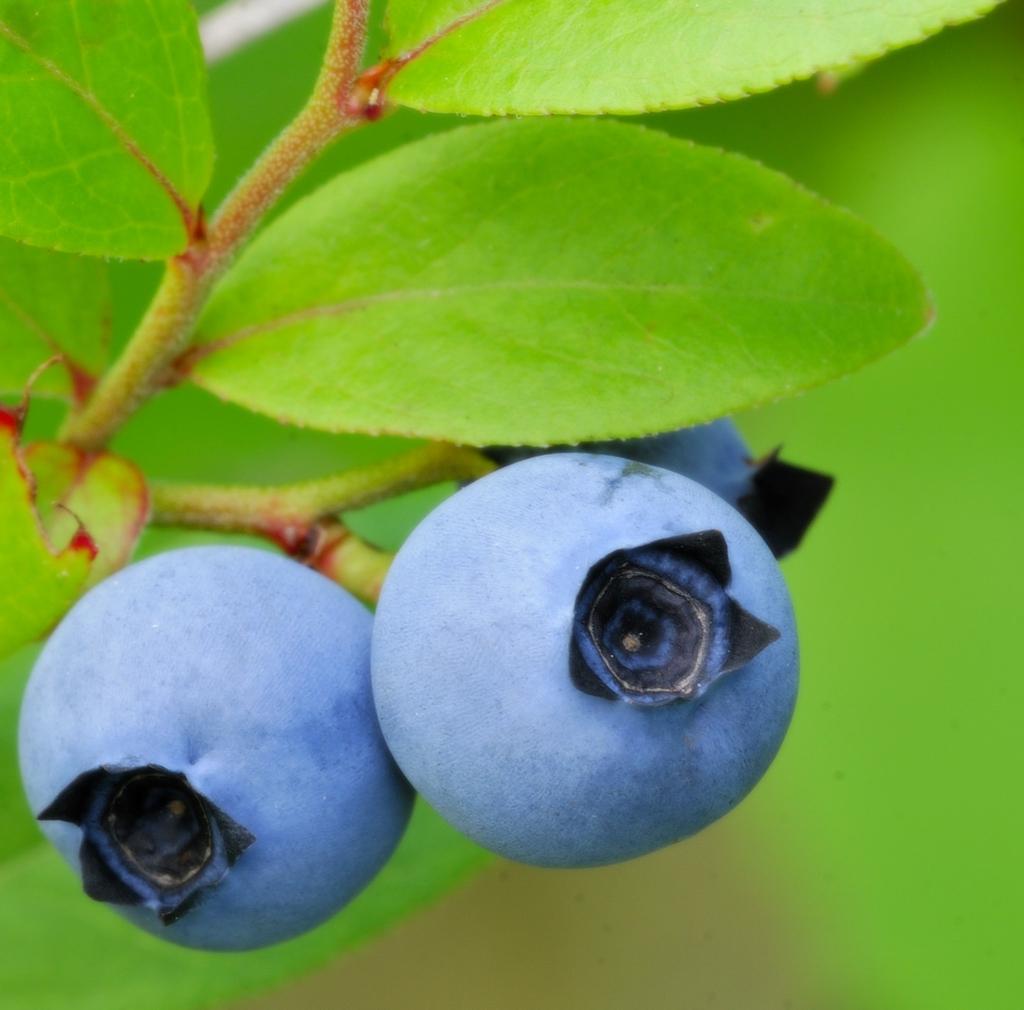
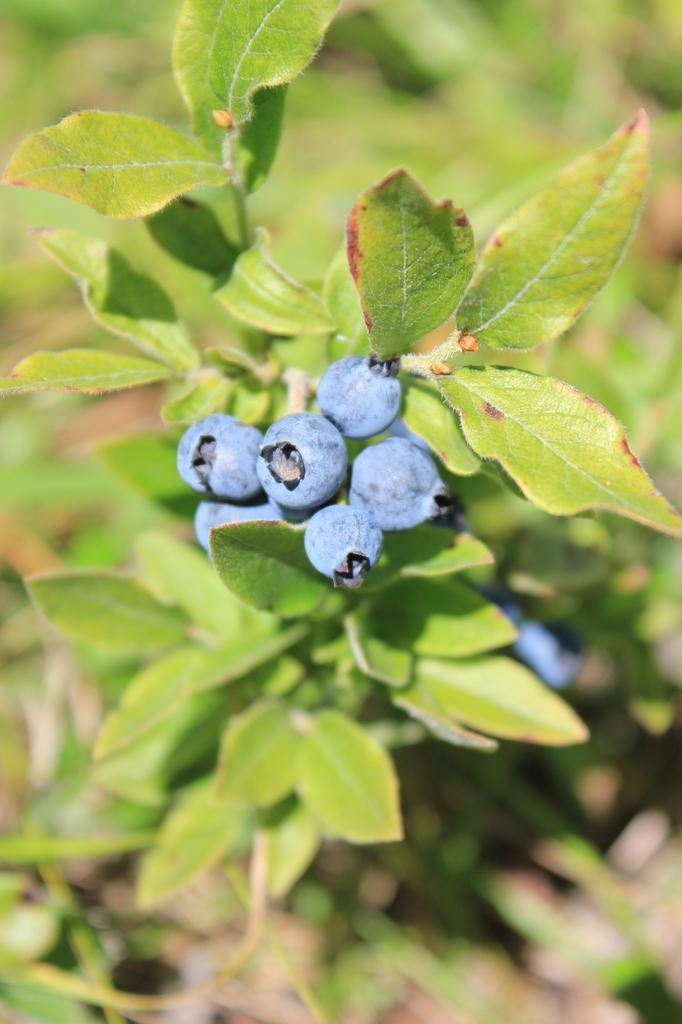
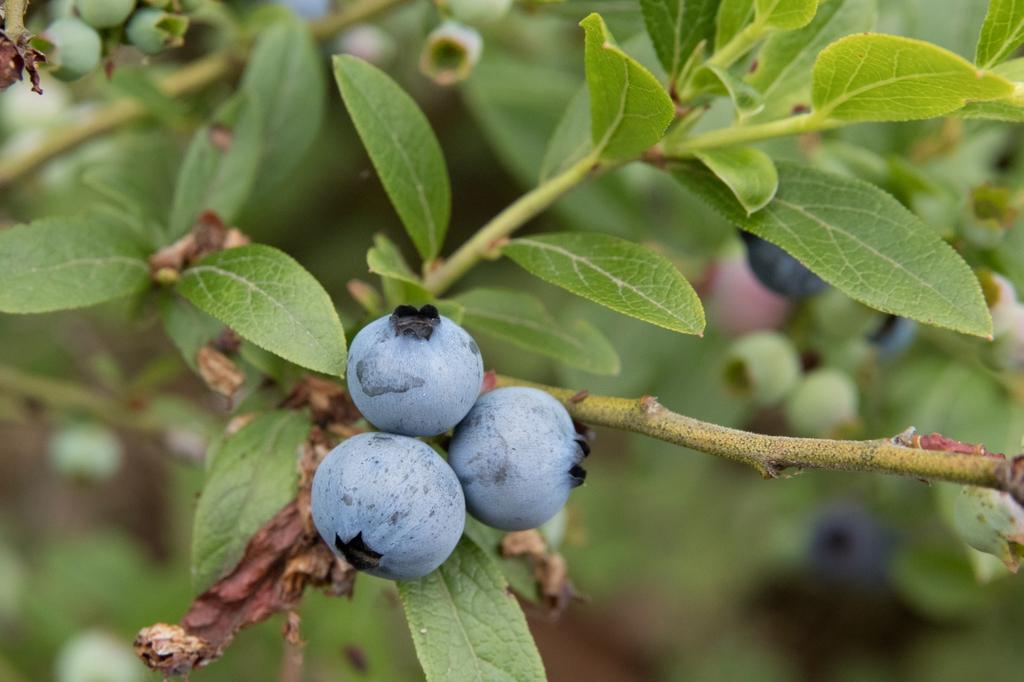
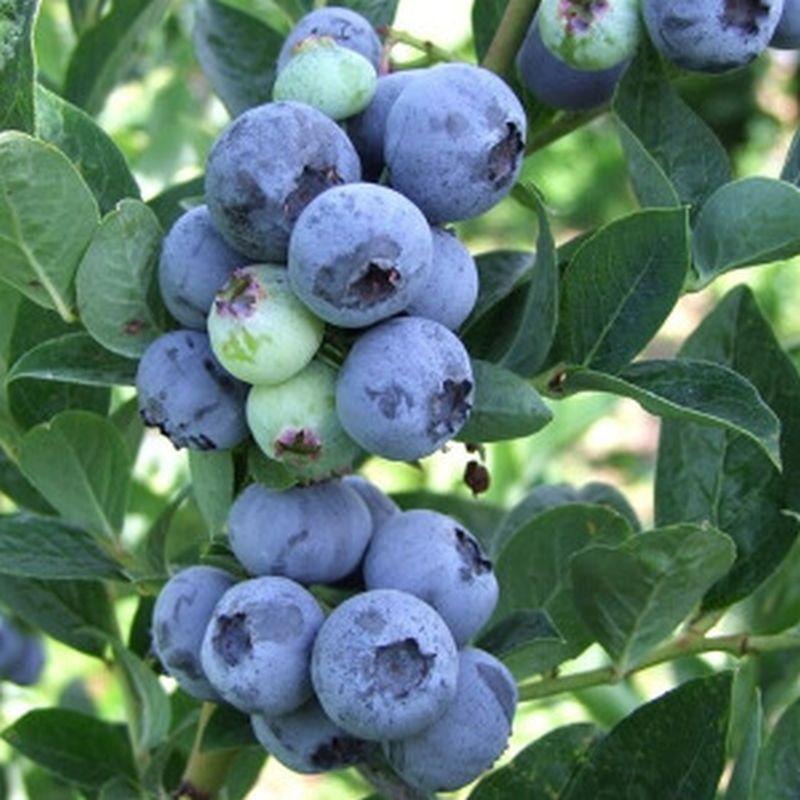
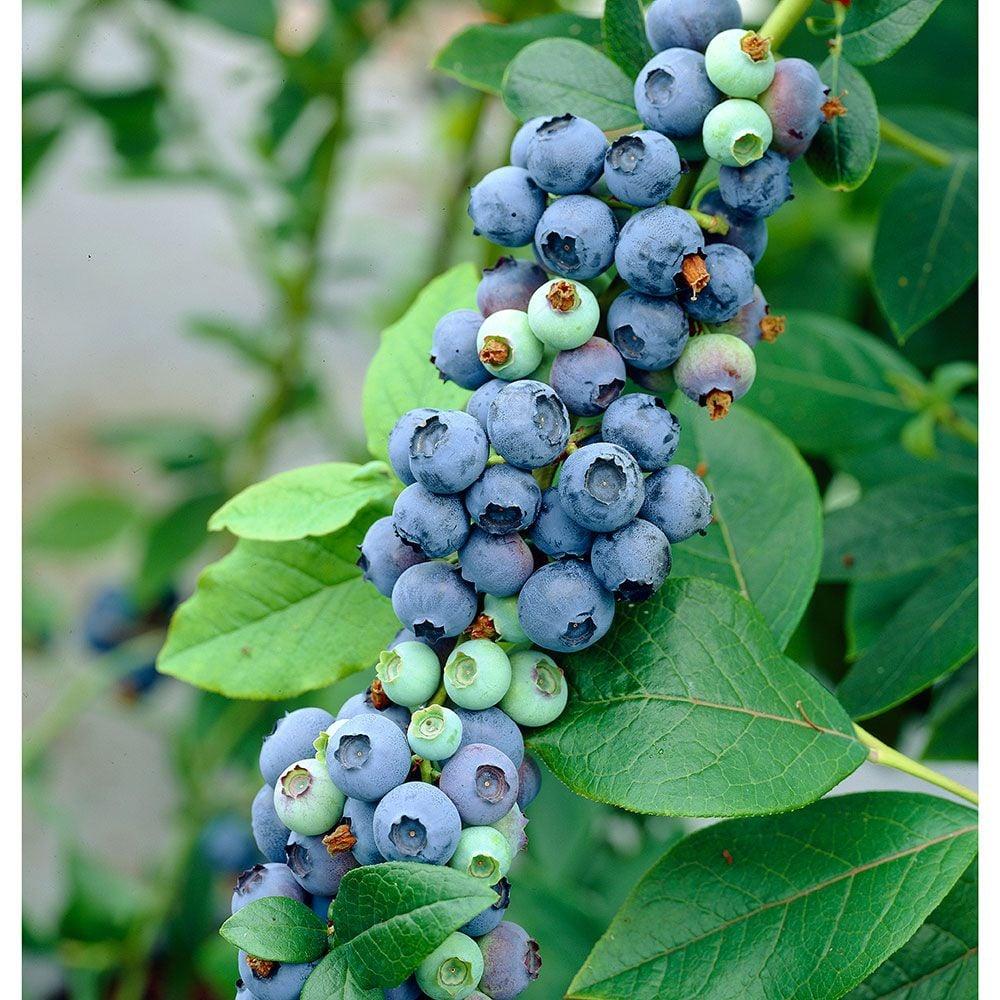
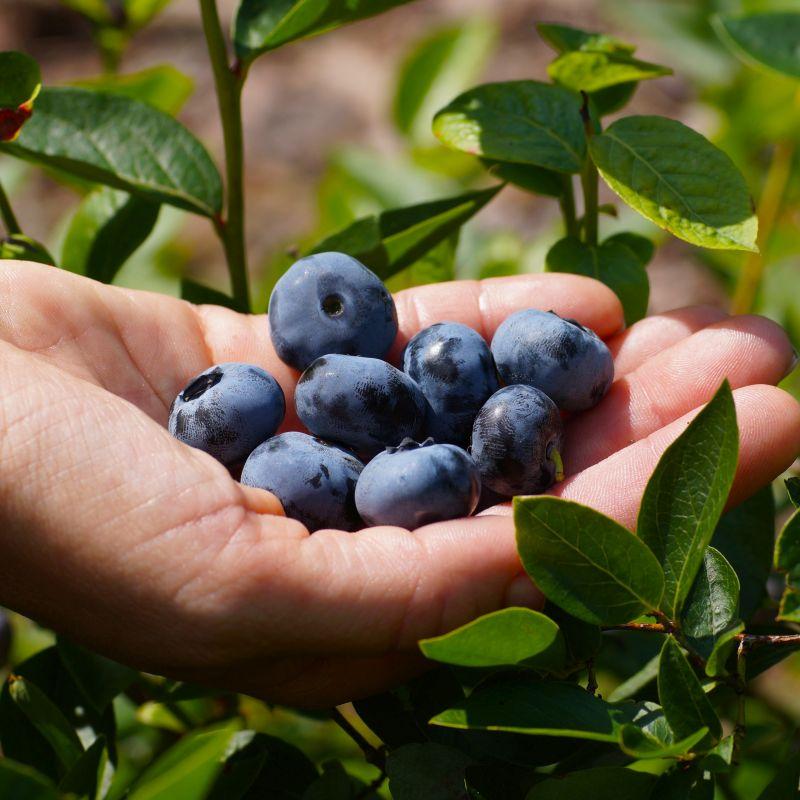
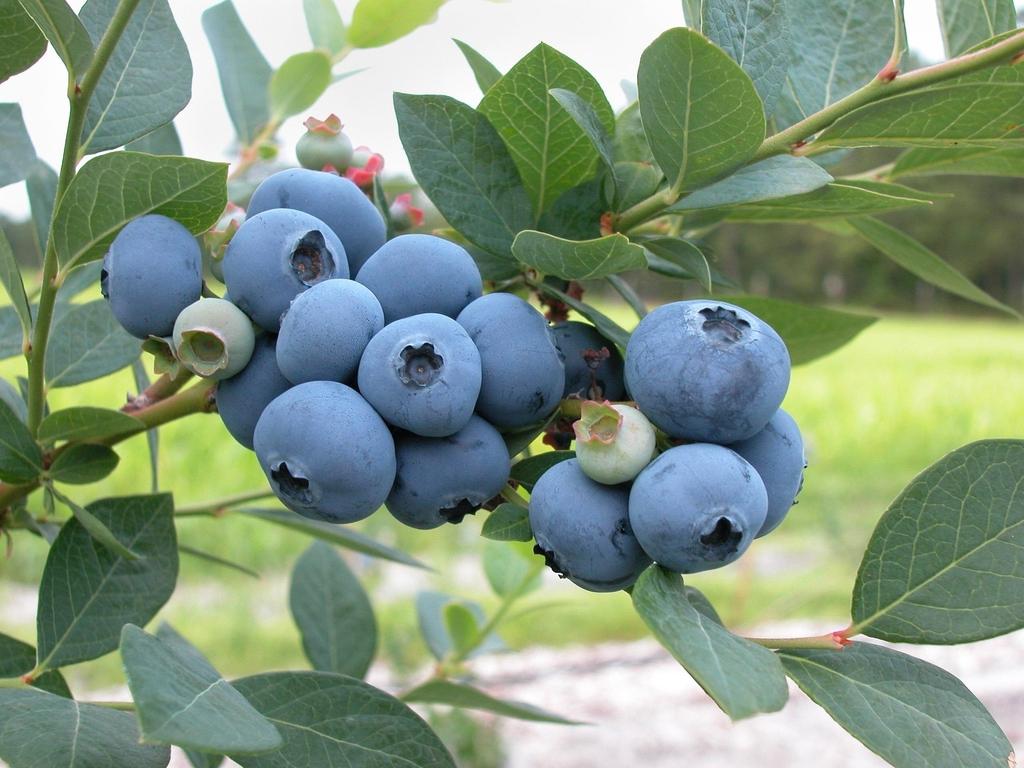
The Low Bush Blueberry is a compact, hardy shrub featuring small, dark green foliage and sweet, blue berries. It is ideal for edible landscapes and requires minimal maintenance, thriving in various soil types and full sun to partial shade.
Suggested Uses
Perfect for home gardens, edible landscapes, and container gardening. Its attractive foliage and fruit production make it a versatile addition to vegetable beds, decorative borders, or patio setups.
Plant Details
-
 Botanical Name: Vaccinium angustifolium
 -
 Common Name: Low Bush Blueberry
 -
 Size & Growth: 3-4 feet tall and wide at maturity
 -
 Hardiness Zones: 3-7
 -
 Foliage Type: Deciduous
 -
 Growth Rate: Moderate
 -
 Light Requirements: Full sun to partial shade
 -
 Attracts Pollinators: Yes
 -
 Indoor Friendly: No
 -
 Container Friendly: Yes
 -
 Deer Resistant: Moderate
 -
 Pet Warning: Non-toxic to pets
 -
 Fragrant: No
 -
 Cut Flower: No
 -
 Grows Well With: Raspberries, strawberries, lavender
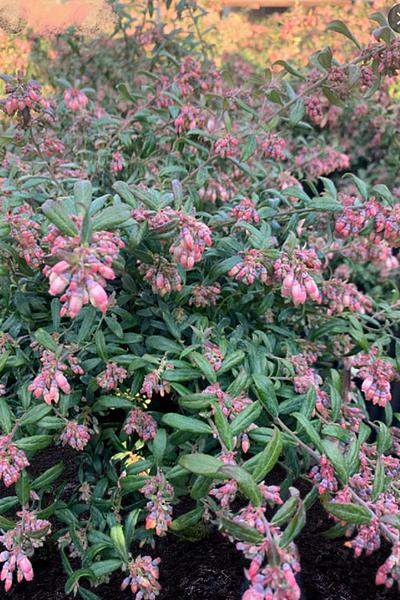
 Bloom Time: Late spring to early summer
Care Tips
-
 Planting Instructions: Amend soil with organic matter and plant in early spring or fall.
 -
 Soil Moisture: Keep consistently moist, well-drained soil.
 -
 Soil Type: Acidic, sandy or loamy soil preferred.
 -
 Humidity: Tolerant of average humidity levels.
 -
 Pruning Instructions: Prune after harvest to shape and increase fruit production.
 -
 Winter Care: Mulch plants for winter protection in colder zones.
 -
 Planting Depth: Set root ball slightly below soil surface.
 -
 Fertilization: Apply acid-forming fertilizer in early spring.
 -
 Special Care: Avoid overwatering and ensure good airflow to prevent disease.