

RedCrocus Medusa's Ornamental Onion Allium 'Medusa'- Vibrant Purple Foliage & Unique Blooms for Garden Borders & Containers 2 Gallon
RedCrocus Medusa's Ornamental Onion Allium 'Medusa'- Vibrant Purple Foliage & Unique Blooms for Garden Borders & Containers 2 Gallon
Regular price
$59.60 USD
Regular price
$77.48 USD
Sale price
$59.60 USD
Unit price
per
Shipping calculated at checkout.
SKU:pe2g797-redcrocus
Couldn't load pickup availability
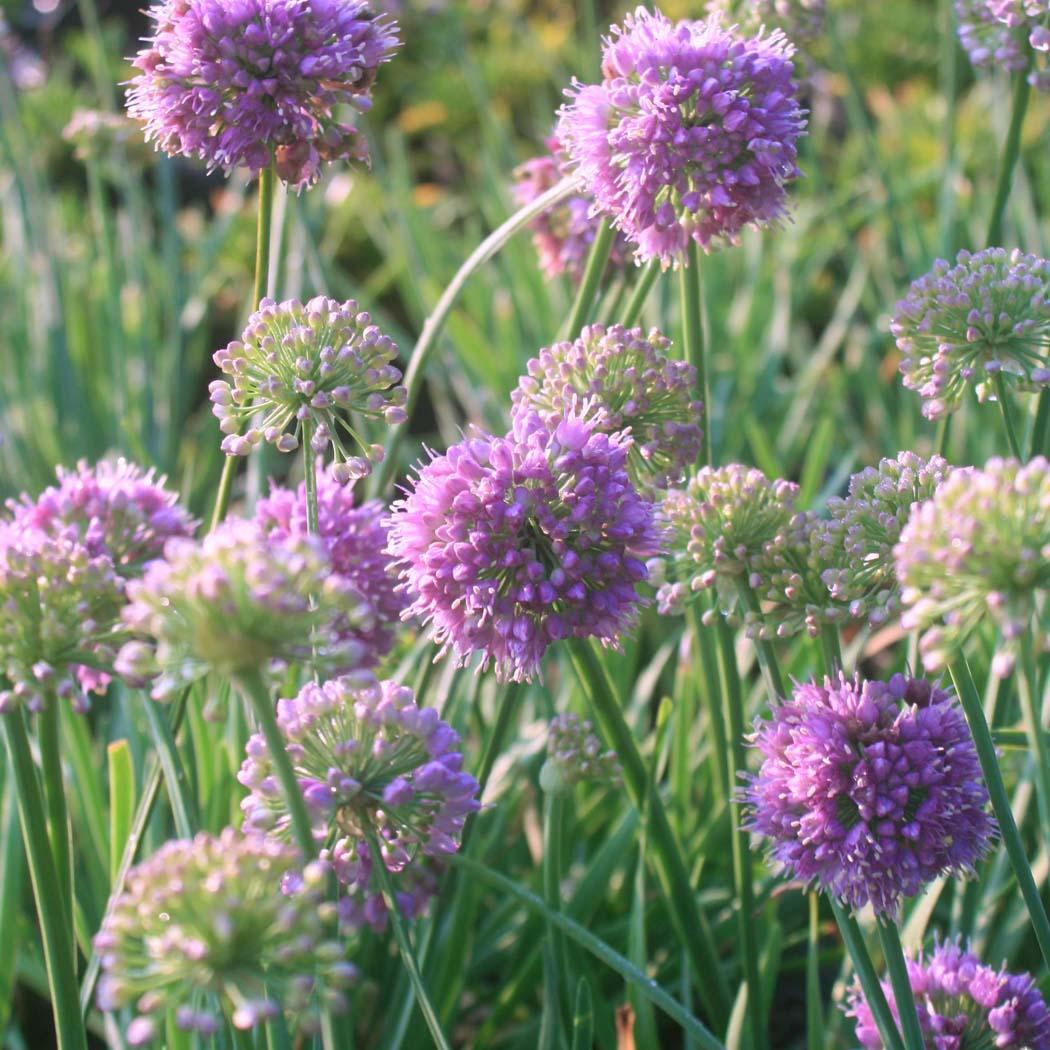
Medusa's Ornamental Onion Allium 'Medusa'
Description
This striking ornamental onion features unique, tangled purple florets resembling Medusa's hair, making it a bold focal point in any garden. Its sturdy clumps add texture and color from late spring to early summer.
Suggested Uses
Perfect for borders, rock gardens, containers, and butterfly gardens. Its dramatic appearance pairs well with grasses and other perennials for a striking landscape display.
Plant Details
-
 Botanical Name: Allium 'Medusa'
 -
 Common Name: Medusa's Ornamental Onion
 -
 Size & Growth: 12-24 inches tall; Clump-forming
 -
 Hardiness Zones: 4-9
 -
 Foliage Type: Basal clumps of strap-like leaves
 -
 Bloom Time: Late spring to early summer
 -
 Growth Rate: Moderate
 -
 Light Requirements: Full sun
 -
 Attracts Pollinators: Bees, butterflies
 -
 Indoor Friendly: Not recommended
 -
 Container Friendly: Yes
 -
 Deer Resistant: Yes
 -
 Pet Warning: Non-toxic, but may cause discomfort if ingested
 -
 Fragrant: Lightly fragrant
 -
 Cut Flower: Suitable for floral arrangements
 -
 Grows Well With: Lavender, ornamental grasses, succulents
Care Tips
-
 Planting Instructions: Plant bulbs in well-drained soil in full sun during fall
 -
 Soil Moisture: Keep soil moderately moist; avoid waterlogged conditions
 -
 Soil Type: Well-draining sandy or loamy soil
 -
 Humidity: Average humidity is fine
 -
 Pruning Instructions: Remove spent flowers to encourage new growth
 -
 Planting Depth: 4-6 inches deep
 -
 Fertilization: Apply balanced fertilizer during early spring
 -
 Special Care: Avoid disturbance during dormancy to ensure healthy bulbs
 Winter Care: Mulch in colder zones; allow foliage to die back naturally