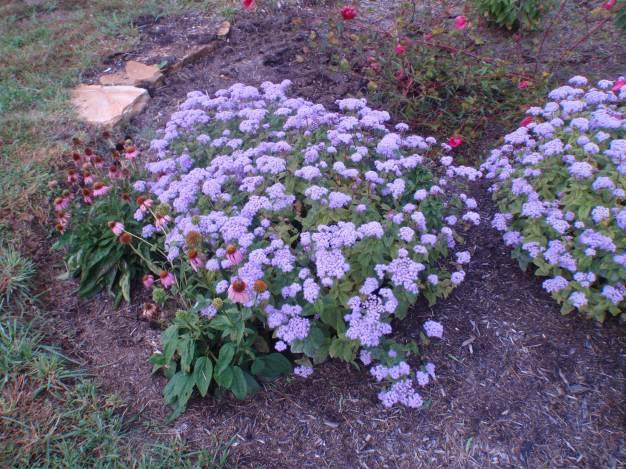


Blue Mistflower Hardy Ageratum Eupatorium coelestinum- Vibrant Blue Clusters, Attracts Pollinators, Container Friendly, Deer Resistant, Full Sun, Mid-Late Summer Blooms 2 Gallon
Blue Mistflower Hardy Ageratum Eupatorium coelestinum- Vibrant Blue Clusters, Attracts Pollinators, Container Friendly, Deer Resistant, Full Sun, Mid-Late Summer Blooms 2 Gallon
Regular price
$59.60 USD
Regular price
$77.48 USD
Sale price
$59.60 USD
Unit price
per
Shipping calculated at checkout.
SKU:pe2g667-redcrocus
Couldn't load pickup availability
Blue Mistflower, Hardy Ageratum Eupatorium coelestinum
Description
A perennial flowering plant known for its vibrant blue clusters of blooms and lush green foliage. It thrives in warm climates and attracts pollinators such as butterflies and bees.
Suggested Uses
Ideal for border plantings, butterfly gardens, naturalized areas, and container gardening to add vibrant color and attract pollinators.
Plant Details
-
 Botanical Name: Blue Mistflower, Hardy Ageratum Eupatorium coelestinum
 -
 Common Name: Blue Mistflower, Hardy Ageratum
 -
 Size & Growth: Typically reaches 3-4 feet tall with a similar spread; tends to grow quickly.
 -
 Hardiness Zones: 4-9
 -
 Foliage Type: Green, ovate leaves that are slightly fuzzy.
 -
 Bloom Time: Mid to late summer through fall.
 -
 Growth Rate: Fast
 -
 Light Requirements: Full sun to partial shade
 -
 Attracts Pollinators: Yes, including butterflies and bees
 -
 Indoor Friendly: No
 -
 Container Friendly: Yes, suitable for large containers
 -
 Deer Resistant: Yes
 -
 Pet Warning: Toxic if ingested; keep away from pets and children
 -
 Fragrant: No
 -
 Cut Flower: Yes
 -
 Grows Well With: Other native perennials, ornamental grasses, and shrubs
Care Tips
-
 Planting Instructions: Plant in spring after the last frost, in well-drained soil.
 -
 Soil Moisture: Keep evenly moist during active growing season.
 -
 Soil Type: Prefers rich, loamy soil but tolerates a range of soil conditions.
 -
 Humidity: Prefers moderate humidity; avoid overly wet conditions.
 -
 Pruning Instructions: Deadhead spent blooms to encourage reblooming and maintain shape.
 -
 Winter Care: Mulch heavily in colder zones; plants may die back and regrow in spring.
 -
 Planting Depth: Plant at same depth as in nursery container.
 -
 Fertilization: Apply balanced fertilizer early in the growing season.
 -
 Special Care: Avoid overwatering; ensure good air circulation to prevent fungal issues.