

RedCrocus Goat's Beard Aruncus dioicus- Hardy Perennial for Shade Gardens- White Flower Plumes- Attracts Pollinators- Ideal for Borders & Naturalized Areas 2 Gallon
RedCrocus Goat's Beard Aruncus dioicus- Hardy Perennial for Shade Gardens- White Flower Plumes- Attracts Pollinators- Ideal for Borders & Naturalized Areas 2 Gallon
Regular price
$55.60 USD
Regular price
$72.28 USD
Sale price
$55.60 USD
Unit price
per
Shipping calculated at checkout.
SKU:pe2g240-redcrocus
Couldn't load pickup availability
Goat's Beard Aruncus dioicus
Description
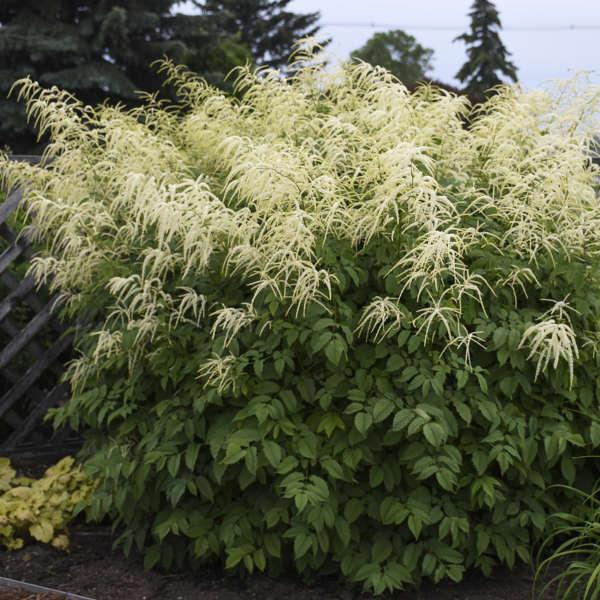
An herbaceous perennial known for its tall, feathery white flower plumes that bloom in mid to late summer. It features lush green foliage and provides a soft, elegant texture to garden landscapes.
Suggested Uses
Ideal for woodland gardens, border plantings, and naturalized areas. Its striking flowers attract pollinators and add vertical interest to perennial borders.
Plant Details
-
 Botanical Name: Goat's Beard Aruncus dioicus
 -
 Common Name: Goat's Beard
 -
 Size & Growth: Usually reaches 4-6 feet tall with a spread of 3-4 feet.
 -
 Hardiness Zones: 3-8
 -
 Foliage Type: Deciduous
 -
 Bloom Time: Mid to Late Summer
 -
 Growth Rate: Moderate to Fast
 -
 Light Requirements: Partial Shade to Full Shade
 -
 Attracts Pollinators: Yes
 -
 Indoor Friendly: No
 -
 Container Friendly: Yes, with adequate space and drainage
 -
 Deer Resistant: Yes
 -
 Pet Warning: Non-toxic
 -
 Fragrant: No
 -
 Cut Flower: Yes
 -
 Grows Well With: Ferns, Hostas, Astilbes
Care Tips
-
 Planting Instructions: Plant in spring or fall in partial to full shade. Ensure well-draining, rich soil.
 -
 Soil Moisture: Keep consistently moist; tolerates damp conditions.
 -
 Soil Type: Prefers loamy, fertile soil.
 -
 Humidity: Prefers moderate to high humidity levels.
 -
 Pruning Instructions: Deadhead spent flowers to encourage more blooms. Cut back in late fall or early spring.
 -
 Winter Care: Mulch around base for winter protection in colder zones.
 -
 Planting Depth: Plant at same depth as previously grown or as indicated on container.
 -
 Fertilization: Apply a balanced, slow-release fertilizer in early spring.
 -
 Special Care: Divide every 3-4 years to maintain vigor and prevent overcrowding.