

RedCrocus American Beachgrass Grass Ammophila breviligulata for Dune Stabilization Coastal Gardens Native Plant Landscape 4" Pot (Pack of 12)
RedCrocus American Beachgrass Grass Ammophila breviligulata for Dune Stabilization Coastal Gardens Native Plant Landscape 4" Pot (Pack of 12)
Regular price
$126.00 USD
Regular price
$163.80 USD
Sale price
$126.00 USD
Unit price
per
Shipping calculated at checkout.
SKU:pe1q1192-redcrocus
Couldn't load pickup availability
American Beachgrass Grass, Ammophila breviligulata
Description
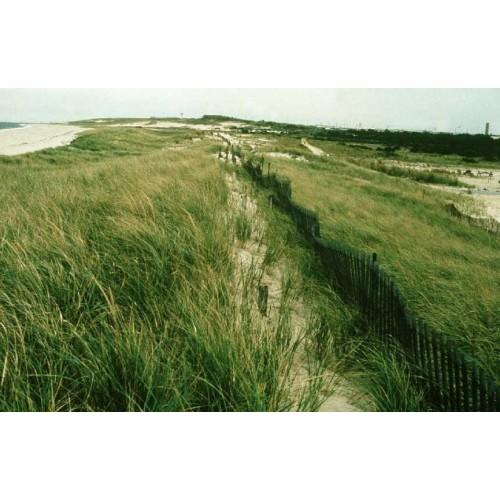
American Beachgrass (Ammophila breviligulata) is a perennial grass native to Atlantic coastal dunes. It features narrow, blue-green foliage and produces tall, feathery flower spikes in late summer. Well-adapted to sandy soils, it provides excellent erosion control and adds natural beauty to coastal landscapes.
Suggested Uses
Ideal for dune stabilization, shoreline planting, native plant gardens, and naturalized landscapes. Its drought tolerance and low maintenance make it suitable for coastal and xeriscape gardens.
Plant Details
-
 Botanical Name: American Beachgrass Grass, Ammophila breviligulata
 -
 Common Name: American Beachgrass
 -
 Size & Growth: Typically 2-3 feet tall with spreading clumps
 -
 Hardiness Zones: 3-8
 -
 Foliage Type: Grass
 -
 Bloom Time: Late Summer to Fall
 -
 Growth Rate: Moderate
 -
 Light Requirements: Full Sun
 -
 Attracts Pollinators: Yes
 -
 Indoor Friendly: No
 -
 Container Friendly: Yes, in large containers
 -
 Deer Resistant: Yes
 -
 Pet Warning: Non-toxic
 -
 Fragrant: No
 -
 Cut Flower: Yes
 -
 Grows Well With: Other native coastal plants
Care Tips
-
 Planting Instructions: Sow in spring or fall in well-draining sandy soil. Space 12-18 inches apart.
 -
 Soil Moisture: Drought-tolerant once established
 -
 Soil Type: Sandy or well-drained loamy soil
 -
 Humidity: Tolerates dry coastal air
 -
 Pruning Instructions: Remove dead or damaged foliage in early spring
 -
 Winter Care: Mulch or slightly isolate in colder zones
 -
 Planting Depth: Bury roots at soil level
 -
 Fertilization: Generally not required; can apply a balanced fertilizer in early spring if needed
 -
 Special Care: Avoid excessive fertilization to maintain natural dune resilience