

Wild Quinine Parthenium integrifolium- Native Wildflower for Pollinators, Garden Borders & Wildflower Mixes | Rustic & Natural Garden Plant 1 Gallon
Wild Quinine Parthenium integrifolium- Native Wildflower for Pollinators, Garden Borders & Wildflower Mixes | Rustic & Natural Garden Plant 1 Gallon
Regular price
$39.60 USD
Regular price
$51.48 USD
Sale price
$39.60 USD
Unit price
per
Shipping calculated at checkout.
SKU:pe1g6077-redcrocus
Couldn't load pickup availability
Wild Quinine Parthenium integrifolium
Description
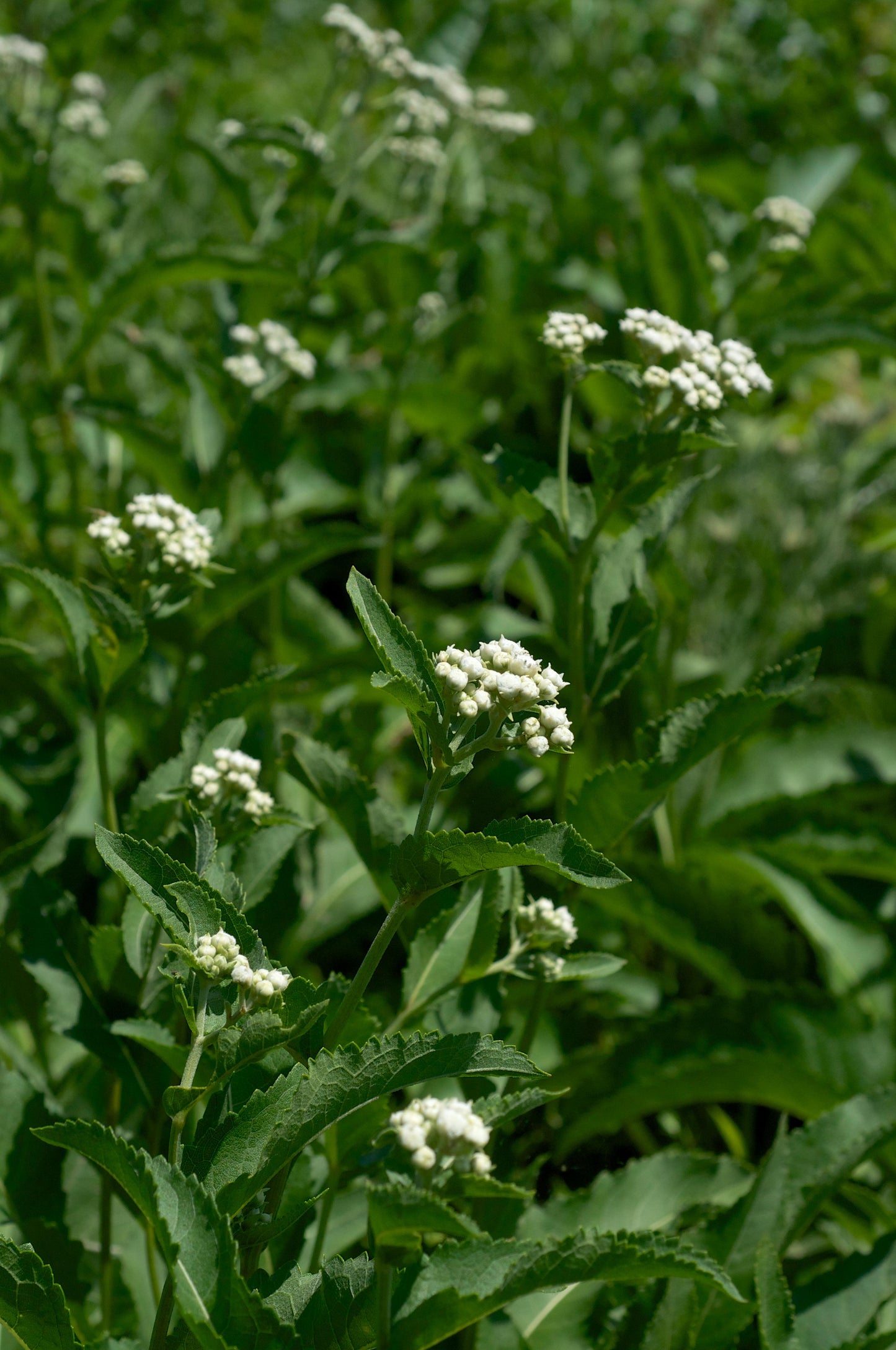
A perennial native wildflower featuring delicate, fern-like foliage and clusters of small, fluffy white blooms during summer. It thrives in open sunny areas and is valued for its attractiveness to pollinators.
Suggested Uses
Perfect for naturalized gardens, prairie plantings, and butterfly gardens. It can be used as a border plant or in wildflower meadows to add native charm and support local pollinators.
Plant Details
-
 Botanical Name: Wild Quinine Parthenium integrifolium
 -
 Common Name: Wild Quinine
 -
 Size & Growth: Typically reaches 2-4 feet tall with a spread of 1-2 feet. Moderate growth rate.
 -
 Hardiness Zones: 4-9
 -
 Foliage Type: Fern-like, feathery
 -
 Bloom Time: Summer (June to August)
 -
 Growth Rate: Moderate
 -
 Light Requirements: Full sun to partial shade
 -
 Attracts Pollinators: Yes, bees and butterflies
 -
 Indoor Friendly: Not suitable for indoor growing
 -
 Container Friendly: Yes, in large containers
 -
 Deer Resistant: Yes
 -
 Pet Warning: Non-toxic to pets
 -
 Fragrant: Slight aroma when in bloom
 -
 Cut Flower: Yes, suitable for floral arrangements
 -
 Grows Well With: Native grasses, other prairie perennials
Care Tips
-
 Planting Instructions: Sow seeds in early spring or fall in well-drained soil. Space 12-18 inches apart.
 -
 Soil Moisture: Moderate; keep evenly moist during establishment.
 -
 Soil Type: Well-drained loamy or sandy soil
 -
 Humidity: Tolerant of variable humidity levels
 -
 Pruning Instructions: Remove dead or damaged stems in late fall or early spring.
 -
 Winter Care: Mulch in colder zones to protect roots, minimal winter protection needed elsewhere.
 -
 Planting Depth: Cover seeds lightly with soil; seed depth about 1/8 inch.
 -
 Fertilization: Use a balanced fertilizer in spring if needed.
 -
 Special Care: Minimal; drought tolerant once established.