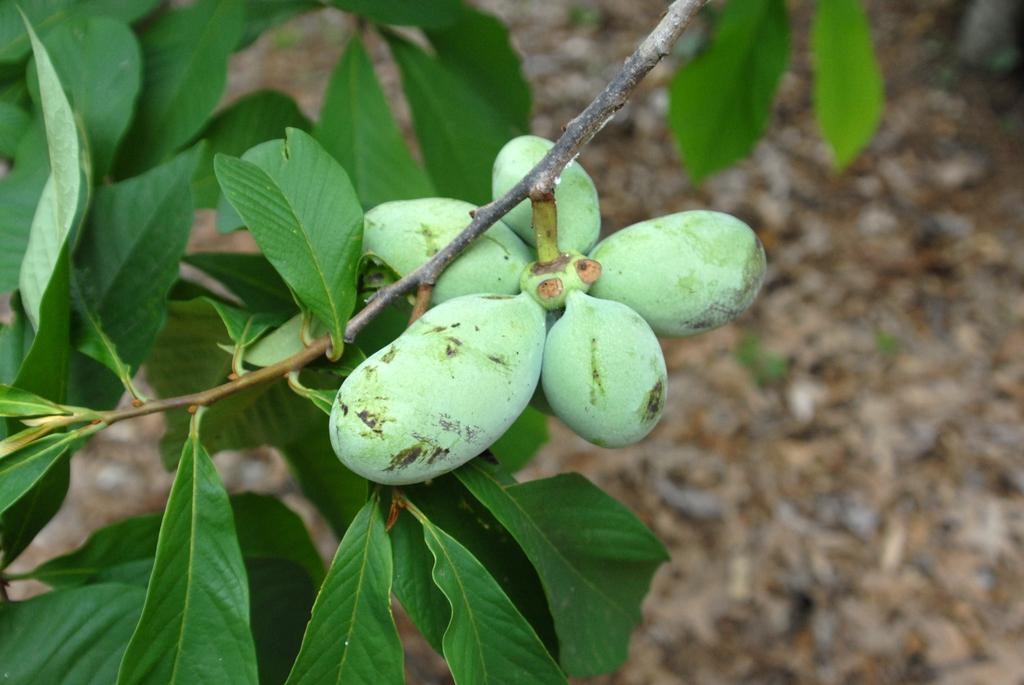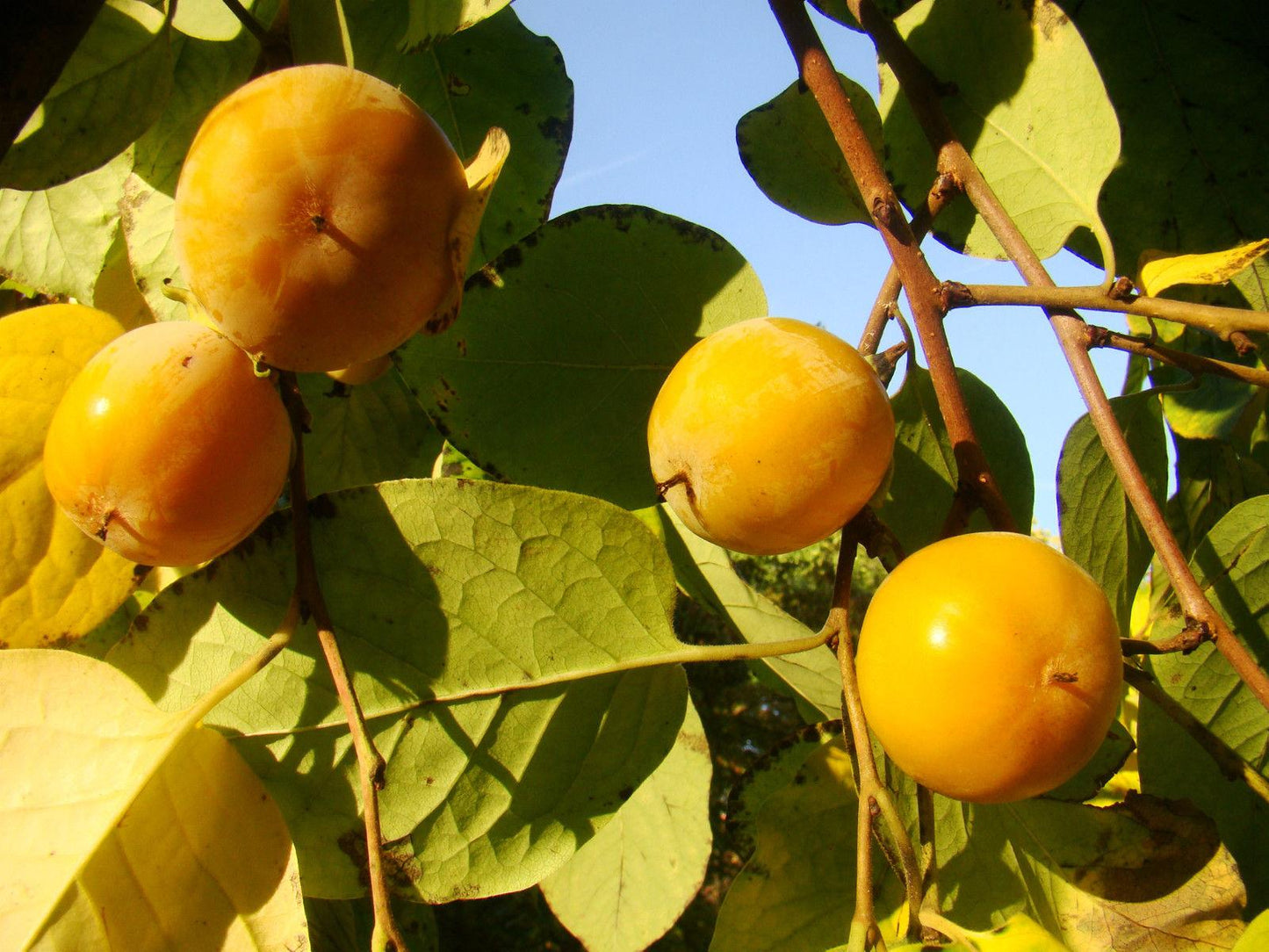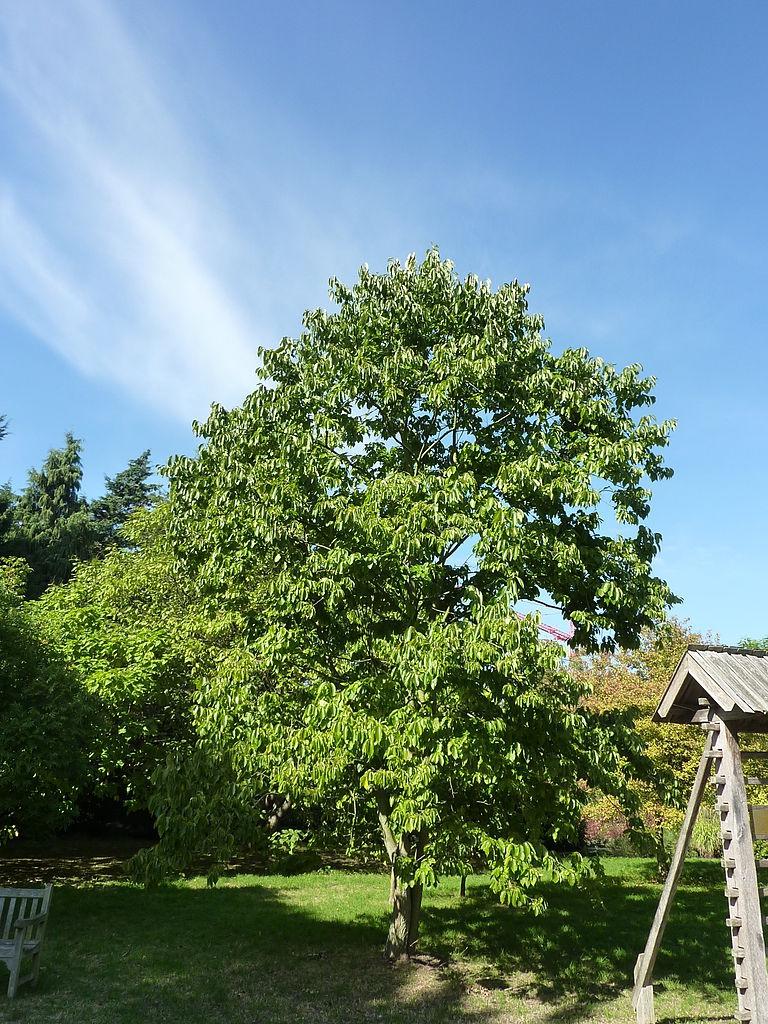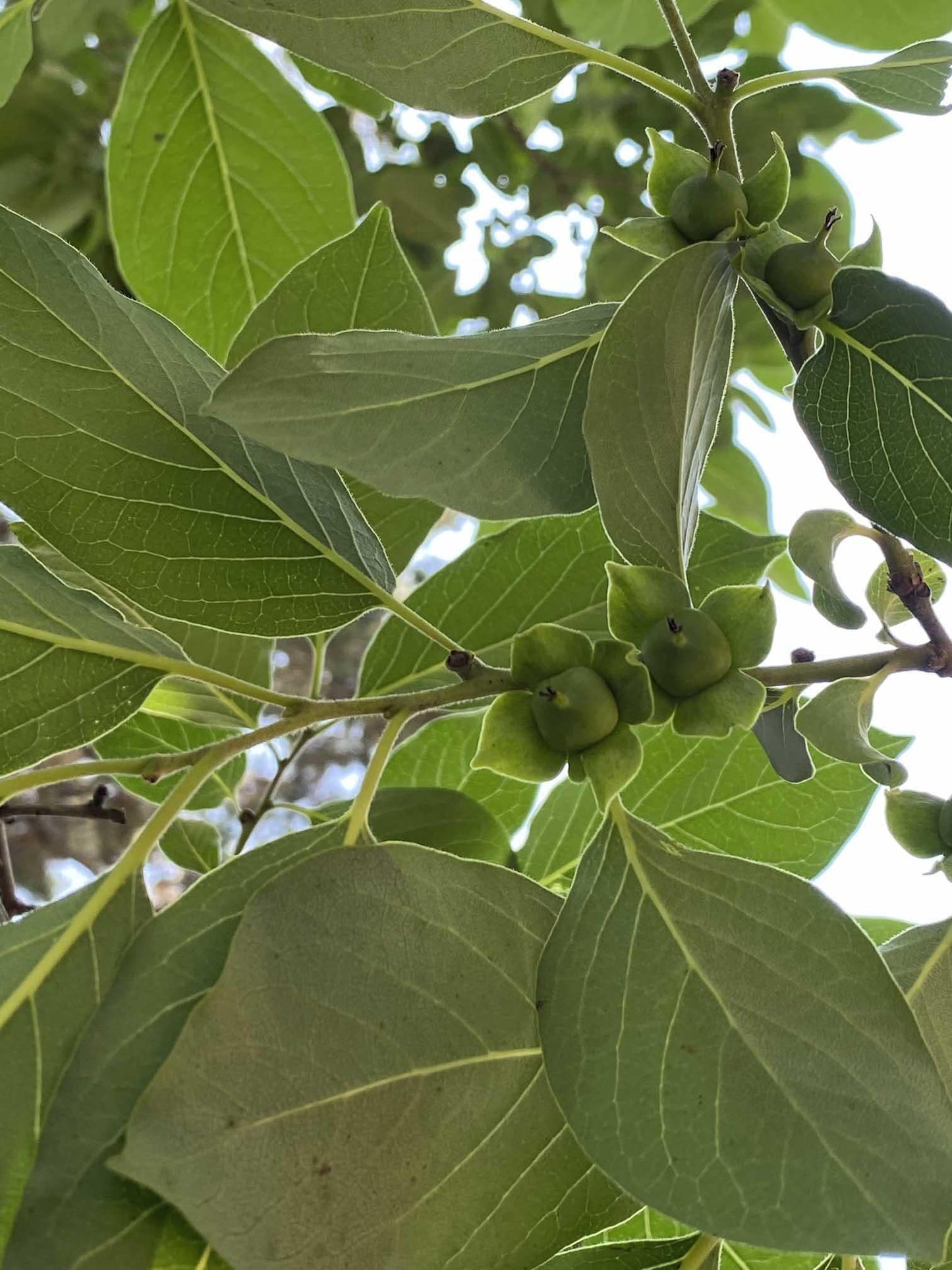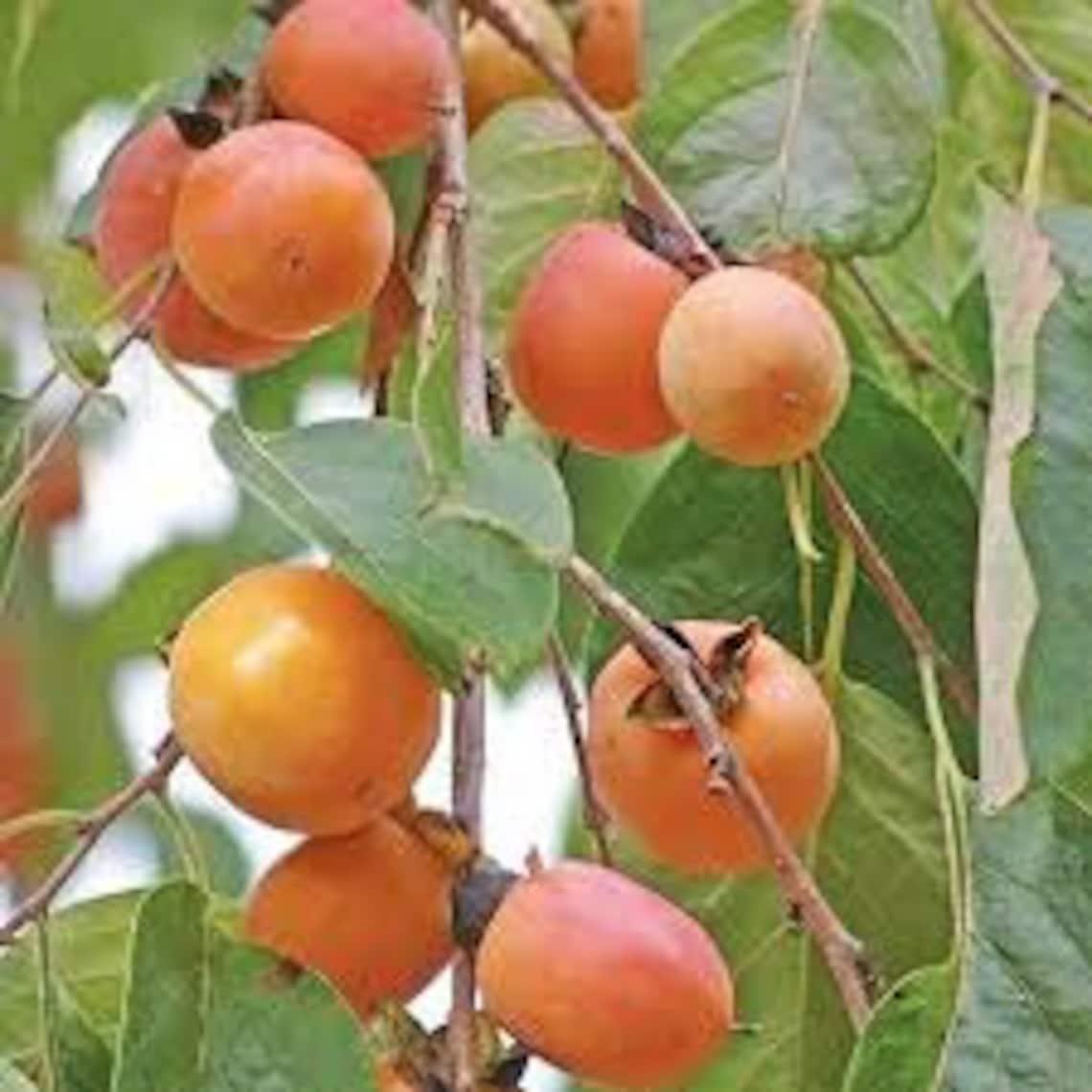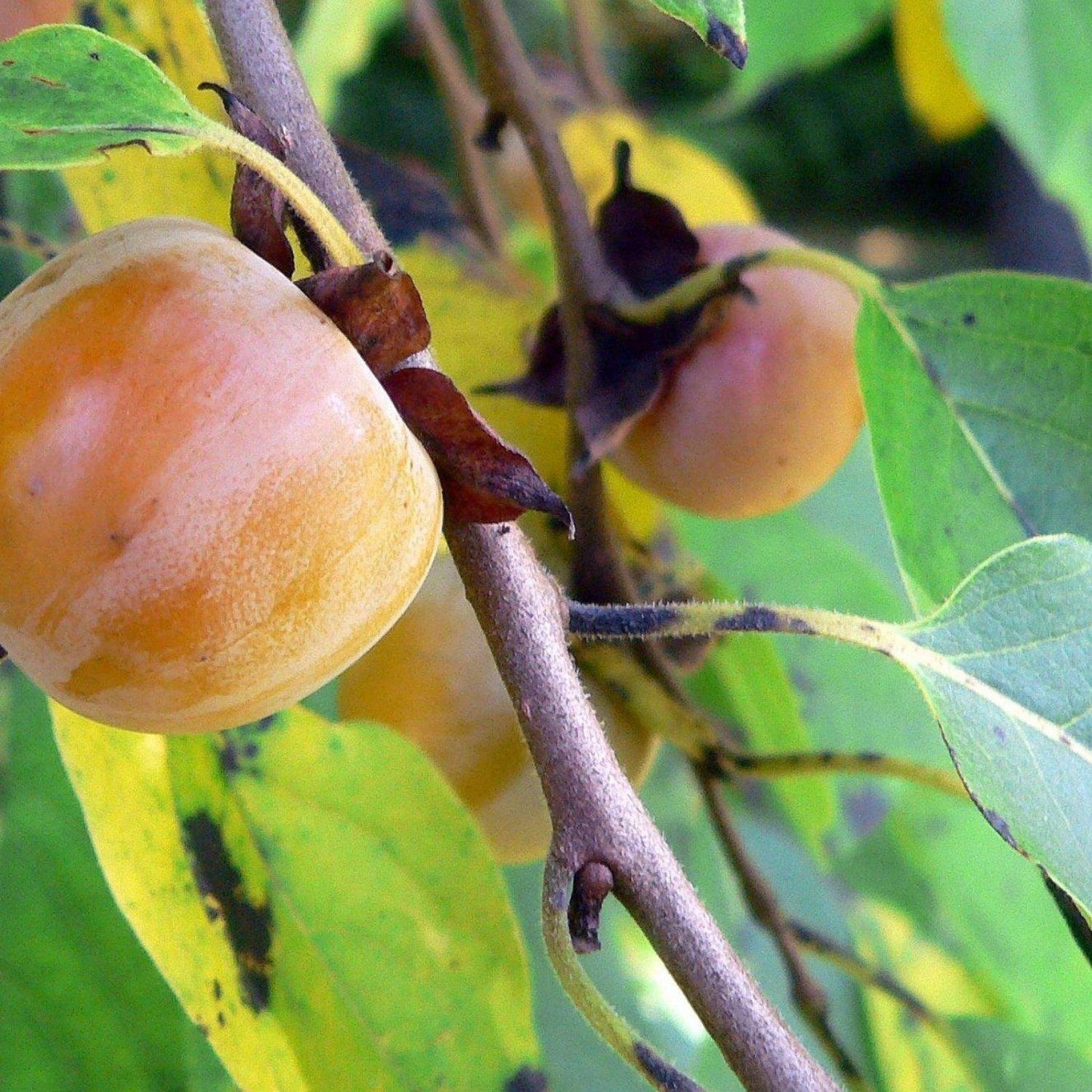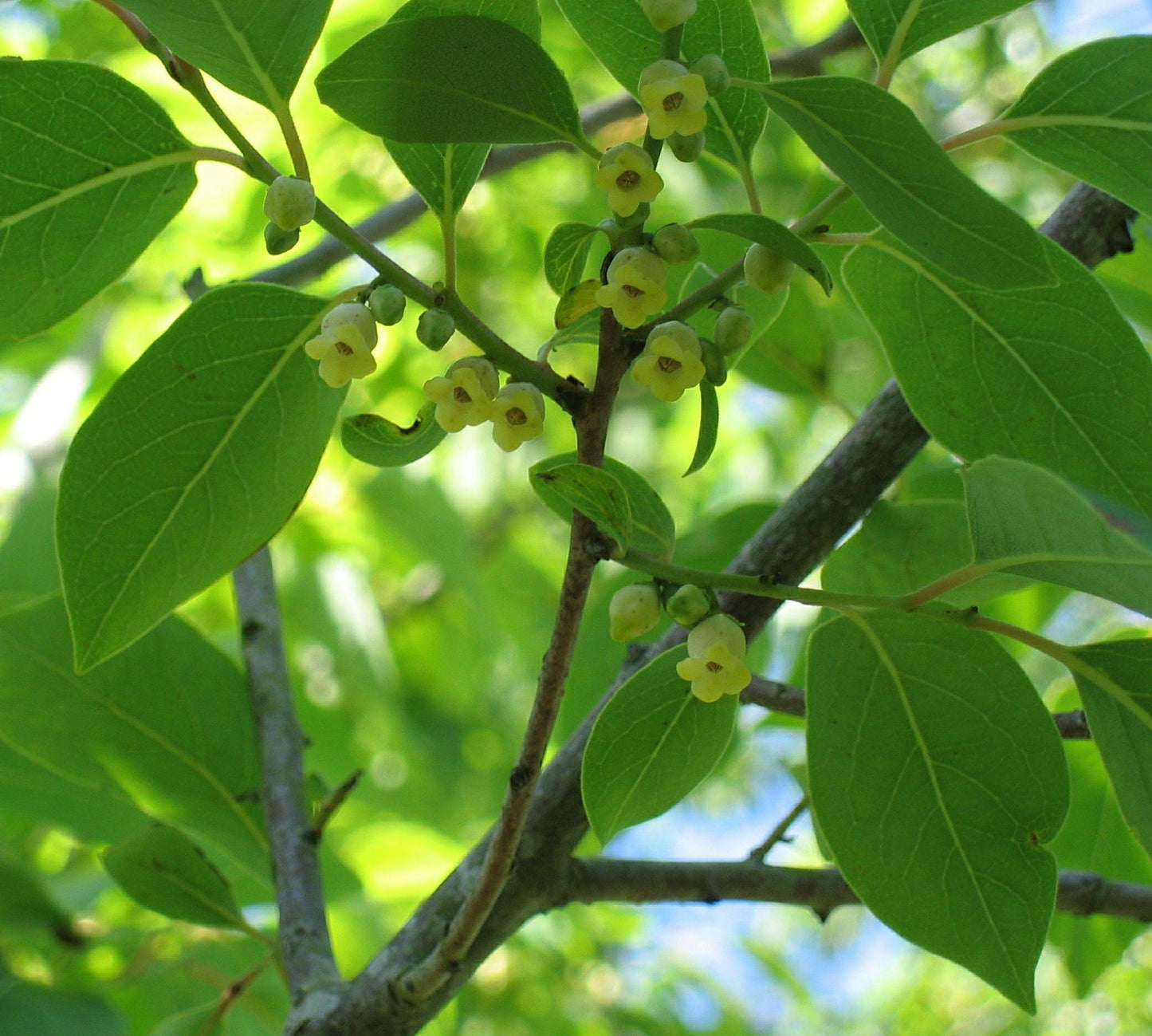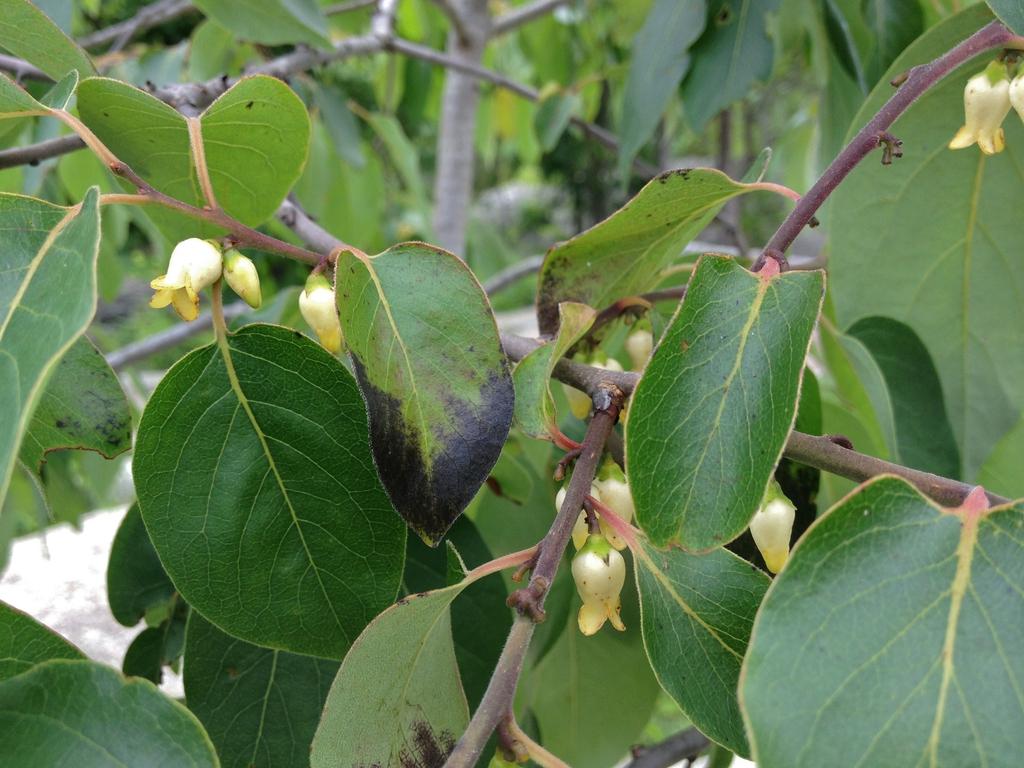


RedCrocus Common Persimmon Tree Diospyros virginiana | Edible Fruit, Vibrant Fall Foliage, Wildlife Habitat, Garden Accent, Fruit Producing Native Tree 1.5-2" cal B&B
RedCrocus Common Persimmon Tree Diospyros virginiana | Edible Fruit, Vibrant Fall Foliage, Wildlife Habitat, Garden Accent, Fruit Producing Native Tree 1.5-2" cal B&B
Regular price
$928.00 USD
Regular price
$1,206.40 USD
Sale price
$928.00 USD
Unit price
per
Shipping calculated at checkout.
SKU:nxxx2382-redcrocus
Couldn't load pickup availability
Common Persimmon, American Persimmon Diospyros virginiana
Description
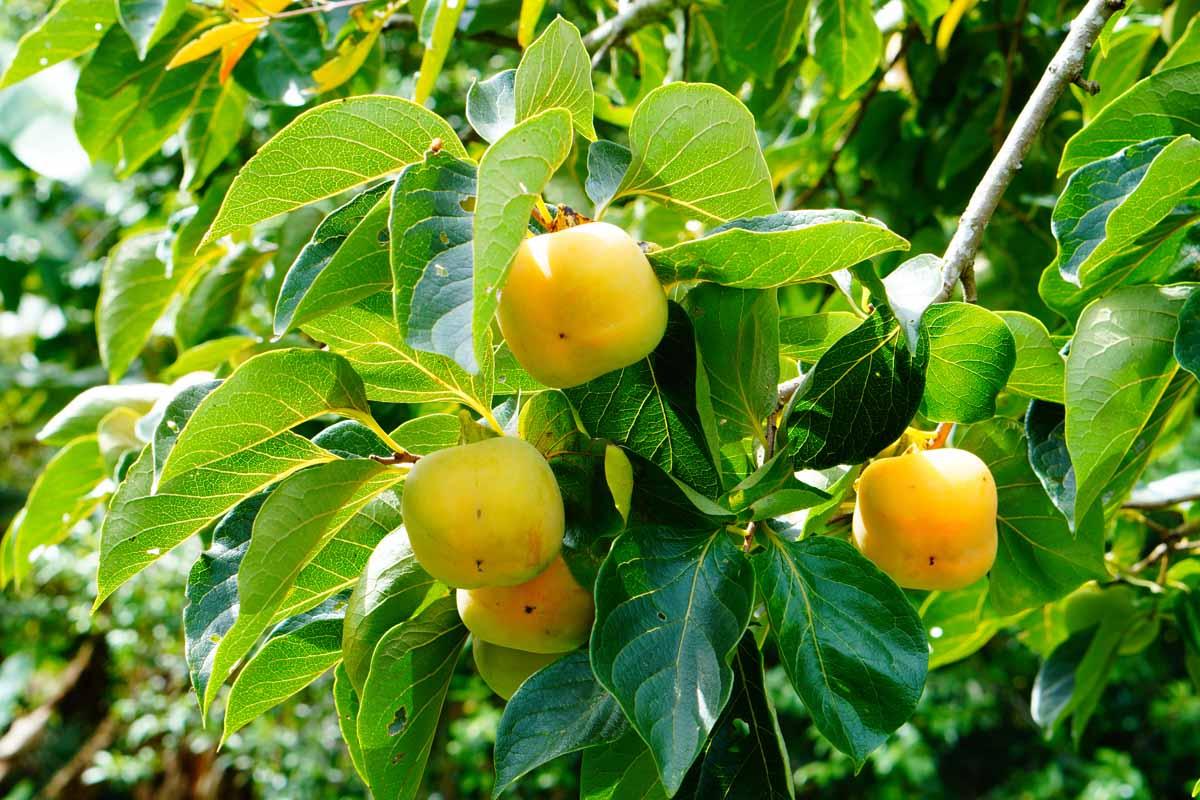
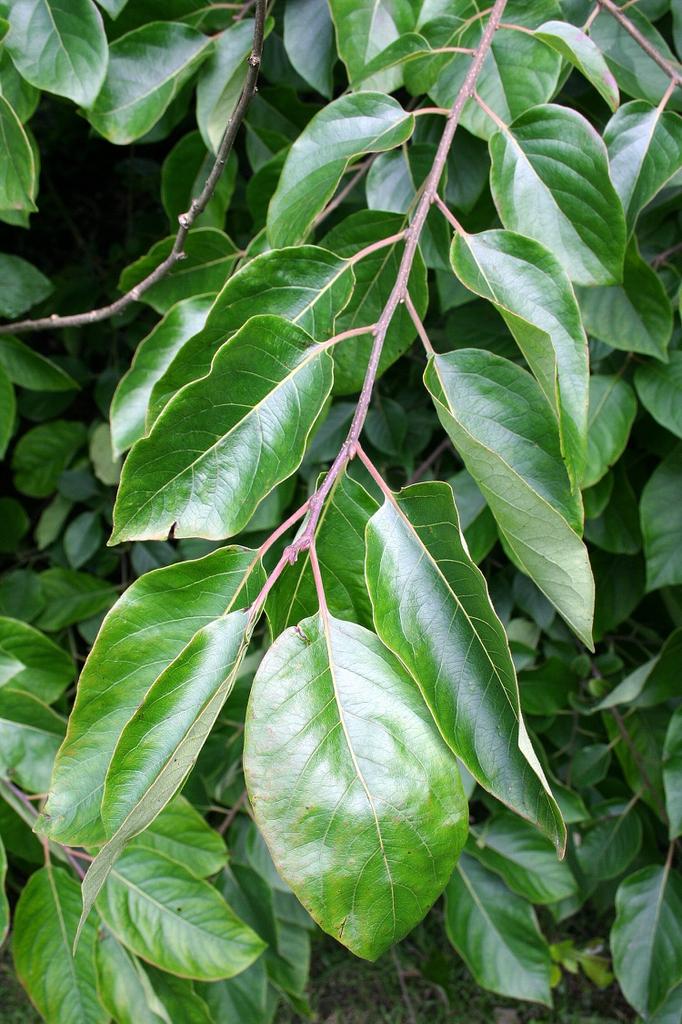
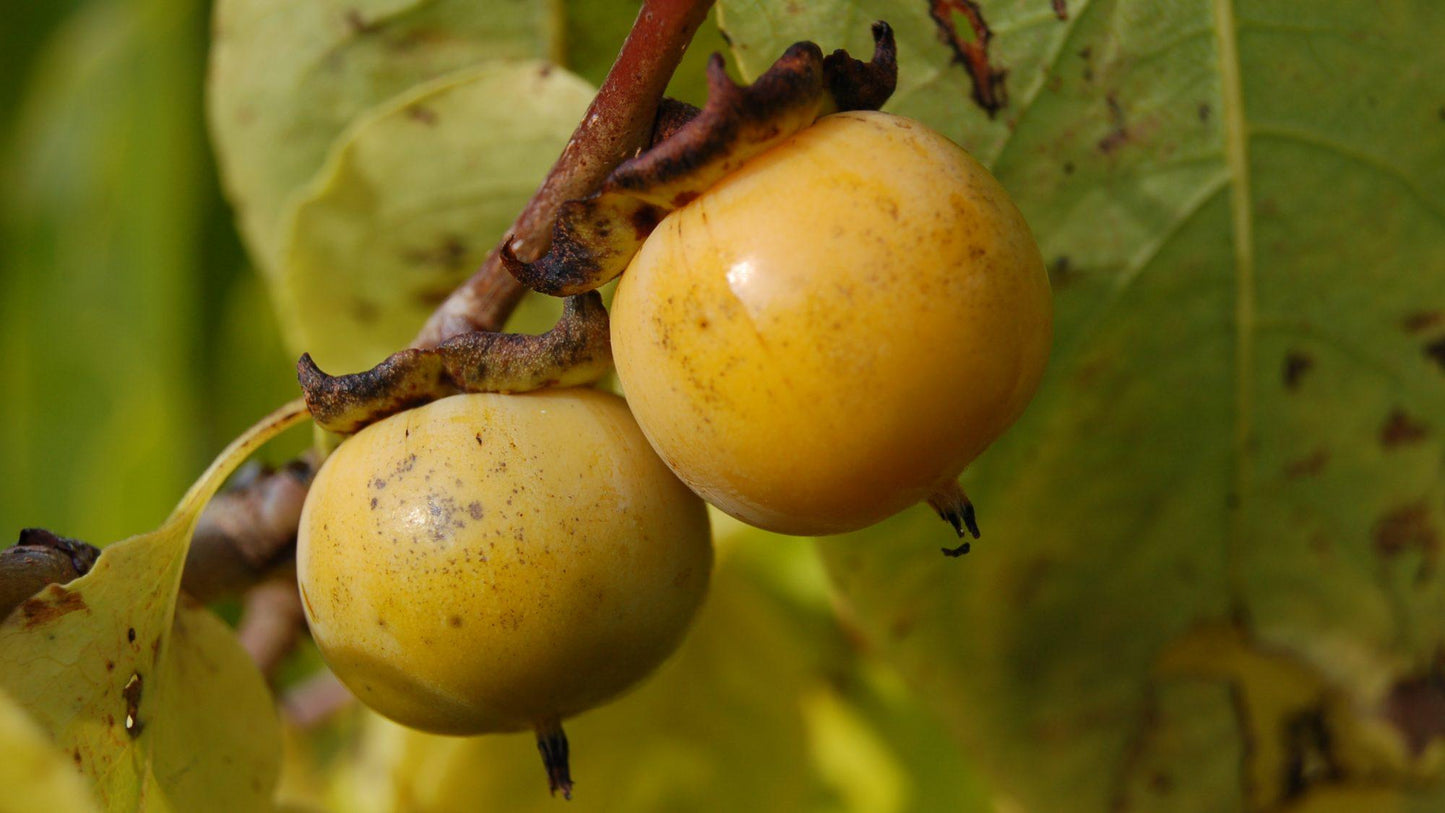
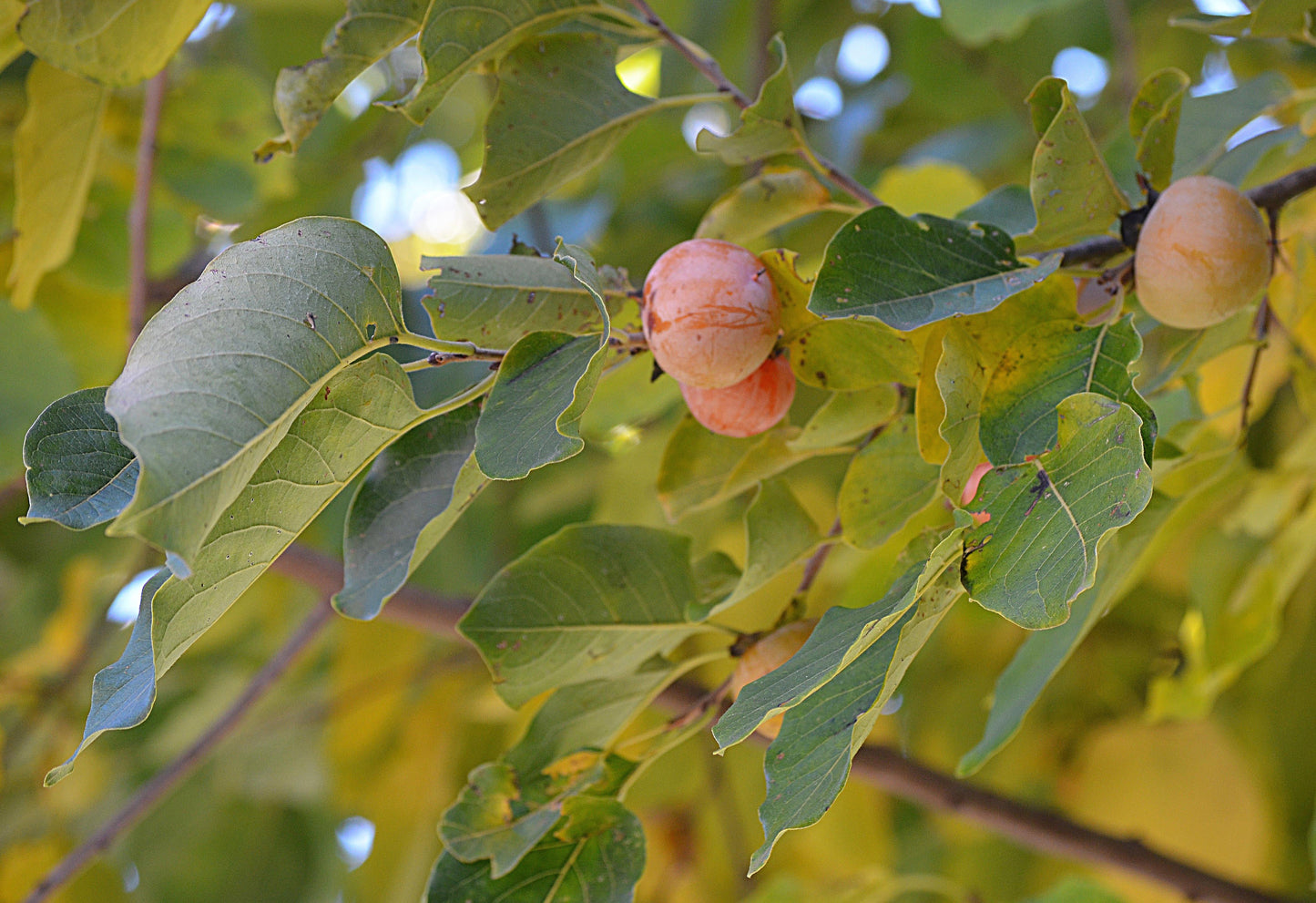
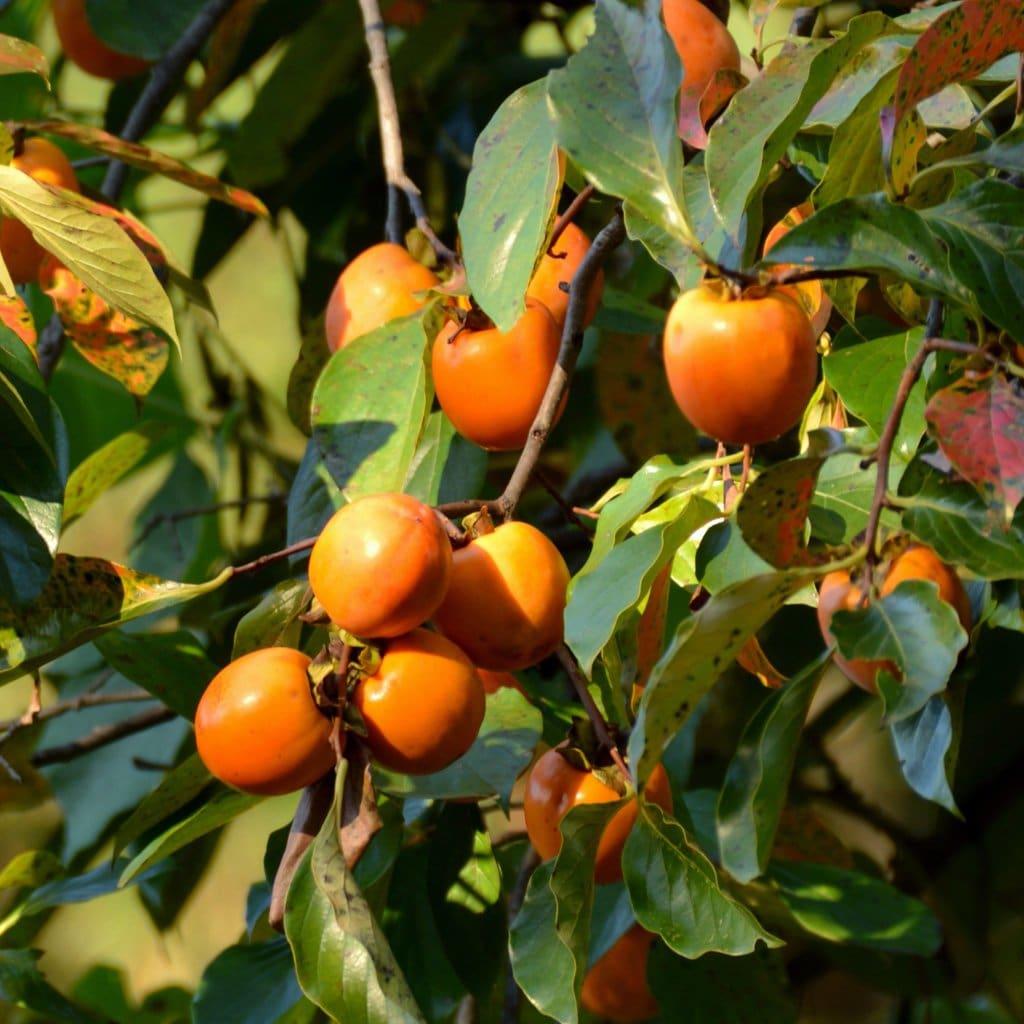
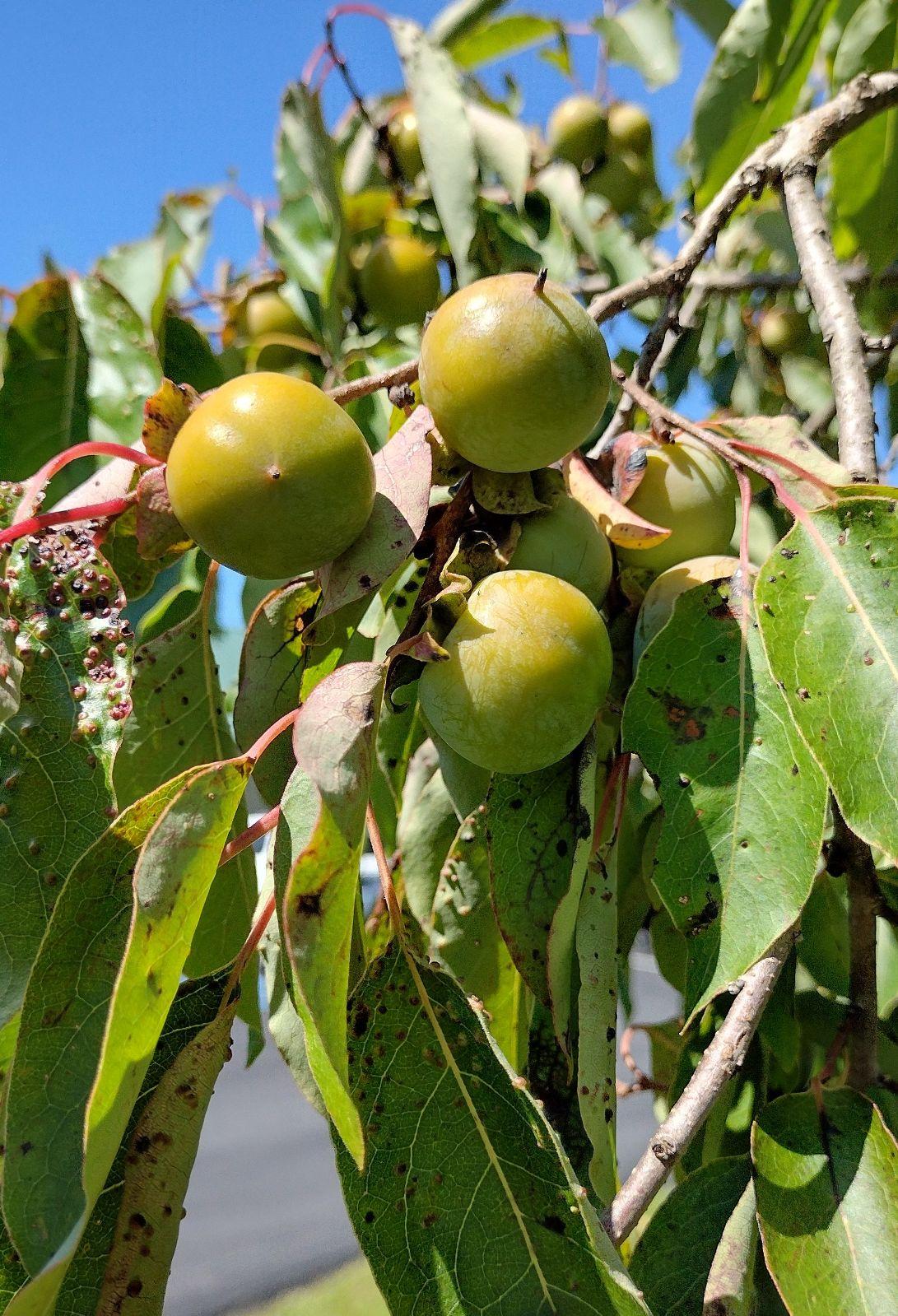
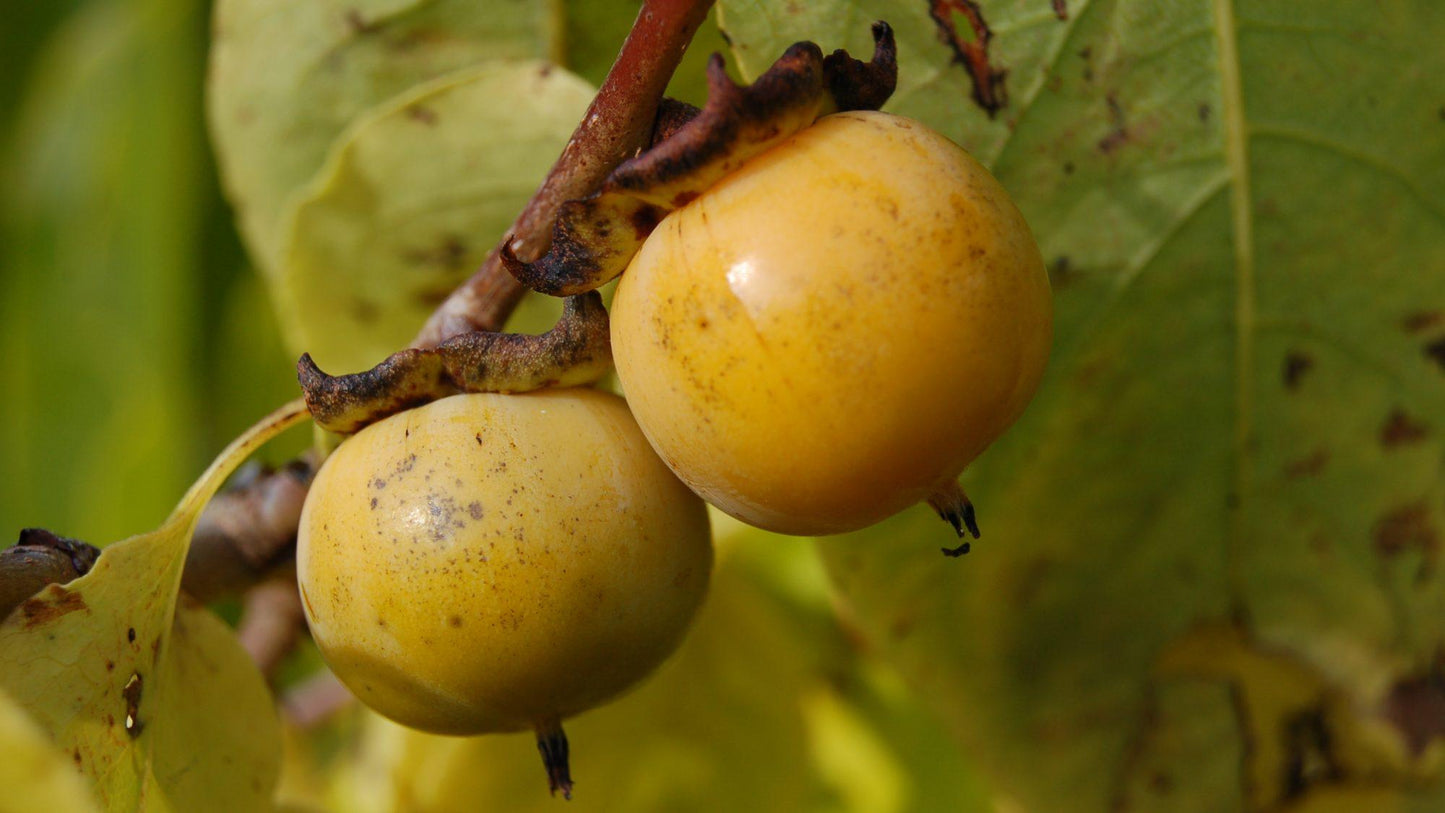
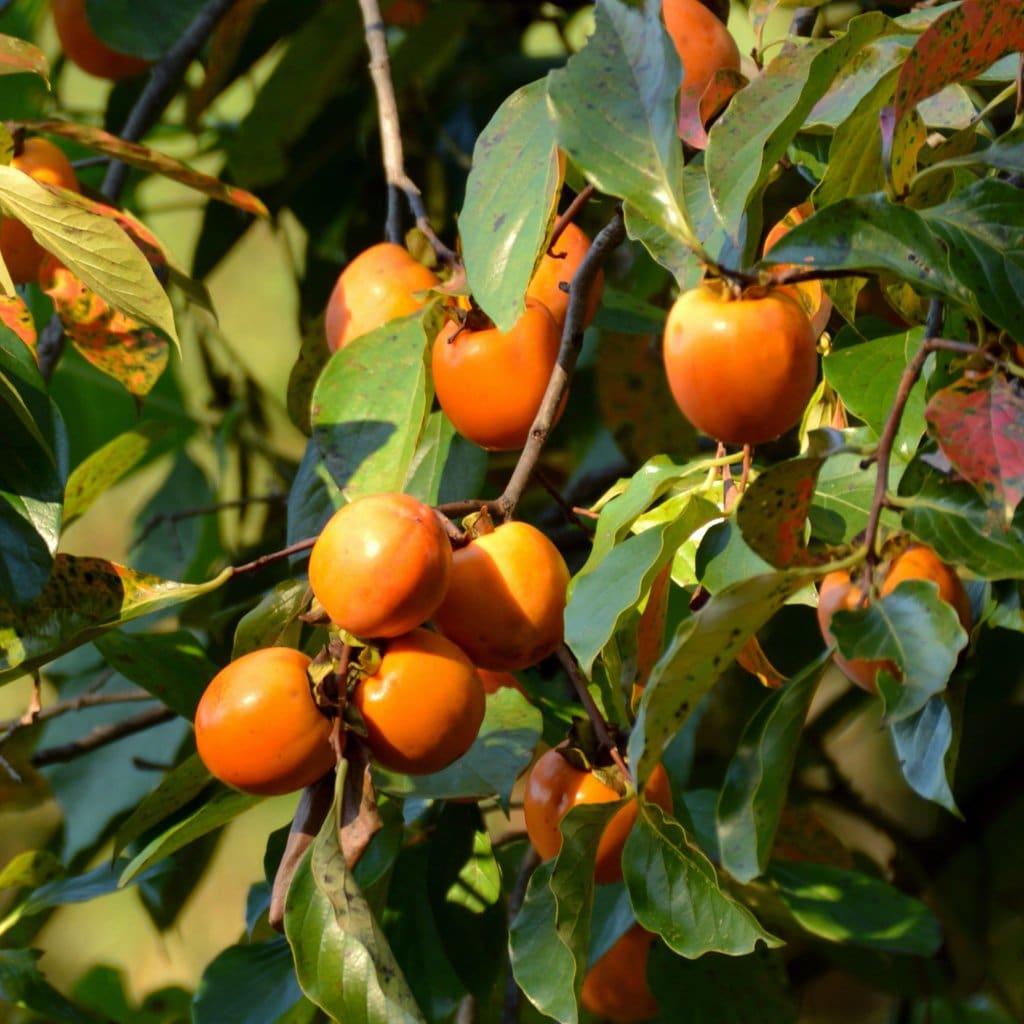
A deciduous tree native to eastern North America, known for its sweet, edible fruit and vibrant fall foliage. It typically grows to heights of 20-40 feet, with dark green, oval-shaped leaves that turn orange, red, or yellow in autumn.
Suggested Uses
Ideal for naturalized gardens, edible landscapes, and wildlife habitats. Suitable for shade planting and decorative purposes in residential and park settings.
Plant Details
-
 Botanical Name: Common Persimmon, American Persimmon Diospyros virginiana
 -
 Common Name: Common Persimmon, American Persimmon
 -
 Size & Growth: Typically reaches 20-40 ft tall with a spread of 15-25 ft; slow to moderate growth rate
 -
 Hardiness Zones: 4 through 9
 -
 Foliage Type: Deciduous
 -
 Bloom Time: Early to mid-spring
 -
 Growth Rate: Moderate
 -
 Light Requirements: Full sun to partial shade
 -
 Attracts Pollinators: Bees and butterflies
 -
 Indoor Friendly: No
 -
 Container Friendly: Suitable with ample space
 -
 Deer Resistant: Yes
 -
 Pet Warning: Toxic if ingested in large quantities
 -
 Fragrant: Yes, particularly during flowering
 -
 Cut Flower: Edible fruit and attractive foliage suitable for floral arrangements
 -
 Grows Well With: Native shrubs, trees, and perennials in naturalistic plantings
Care Tips
-
 Planting Instructions: Choose a sunny location with well-draining soil. Dig a hole twice as wide as the root ball. Water thoroughly after planting.
 -
 Soil Moisture: Keep consistently moist, especially during dry periods.
 -
 Soil Type: Adaptable to sandy, loamy, or clay soils with good drainage.
 -
 Humidity: Prefers moderate humidity; avoid excessively wet conditions.
 -
 Pruning Instructions: Prune in late winter or early spring to promote healthy growth and shape.
 -
 Winter Care: Protect young trees from harsh winter winds with mulch or burlap wraps.
 -
 Planting Depth: Position the graft union slightly above ground level.
 -
 Fertilization: Apply a balanced fertilizer in early spring and mid-summer.
 -
 Special Care: Mulch around the base to conserve moisture and suppress weeds.