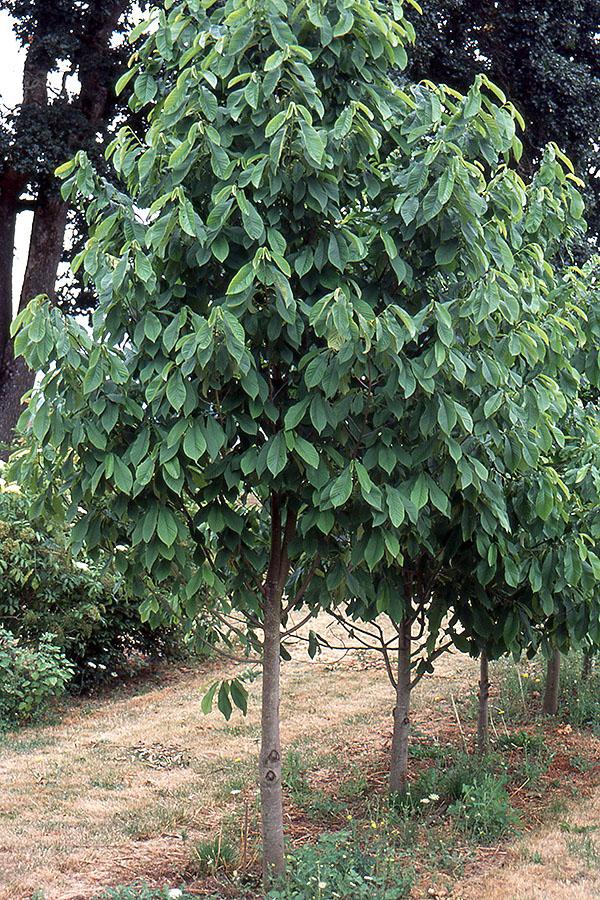


RedCrocus Pawpaw Asimina triloba Edible Tree- Native North American Fruit Tree for Gardens & Wildlife 6/7' h B&B
RedCrocus Pawpaw Asimina triloba Edible Tree- Native North American Fruit Tree for Gardens & Wildlife 6/7' h B&B
Regular price
$828.00 USD
Regular price
$1,076.40 USD
Sale price
$828.00 USD
Unit price
per
Shipping calculated at checkout.
SKU:nxxx2278-redcrocus
Couldn't load pickup availability
Pawpaw Asimina triloba, pawpaw
Description
A deciduous tree native to North America, known for its large, aromatic leaves and edible fruit. It typically grows 12-20 feet tall with a broad, spreading canopy.
Suggested Uses
Ideal for edible gardens, naturalized areas, and wildlife habitats. Its canopy provides shade and attracts pollinators, making it a valuable addition to sustainable landscapes.
Plant Details
-
 Botanical Name: Pawpaw Asimina triloba
 -
 Common Name: Pawpaw
 -
 Size & Growth: Typically 12-20 ft tall with a spread of 8-15 ft
 -
 Hardiness Zones: 4-9
 -
 Foliage Type: Deciduous
 -
 Growth Rate: Moderate
 -
 Light Requirements: Full Sun to Partial Shade
 -
 Attracts Pollinators: Yes
 -
 Indoor Friendly: No
 -
 Container Friendly: Suitable for large containers with space to grow
 -
 Deer Resistant: Moderately Resistant
 -
 Pet Warning: Non-toxic
 -
 Fragrant: Yes, especially during flowering
 -
 Cut Flower: Yes
 -
 Grows Well With: Shade-tolerant under canopies, other native plants
 Bloom Time: Spring (April to May)
Care Tips
-
 Planting Instructions: Plant in well-drained soil in a sunny to partly shaded location.
 -
 Soil Moisture: Keep consistently moist; avoid waterlogging.
 -
 Soil Type: Fertile, loamy soil with good drainage
 -
 Humidity: Prefers moderate humidity levels
 -
 Pruning Instructions: Prune in late winter or early spring to shape and remove dead wood
 -
 Winter Care: Provide mulch and protection in colder zones to prevent frost damage
 -
 Planting Depth: Plant at the same depth as nursery container
 -
 Fertilization: Apply balanced fertilizer in early spring and mid-summer
 -
 Special Care: Mulch around the base and avoid overwatering during dormancy