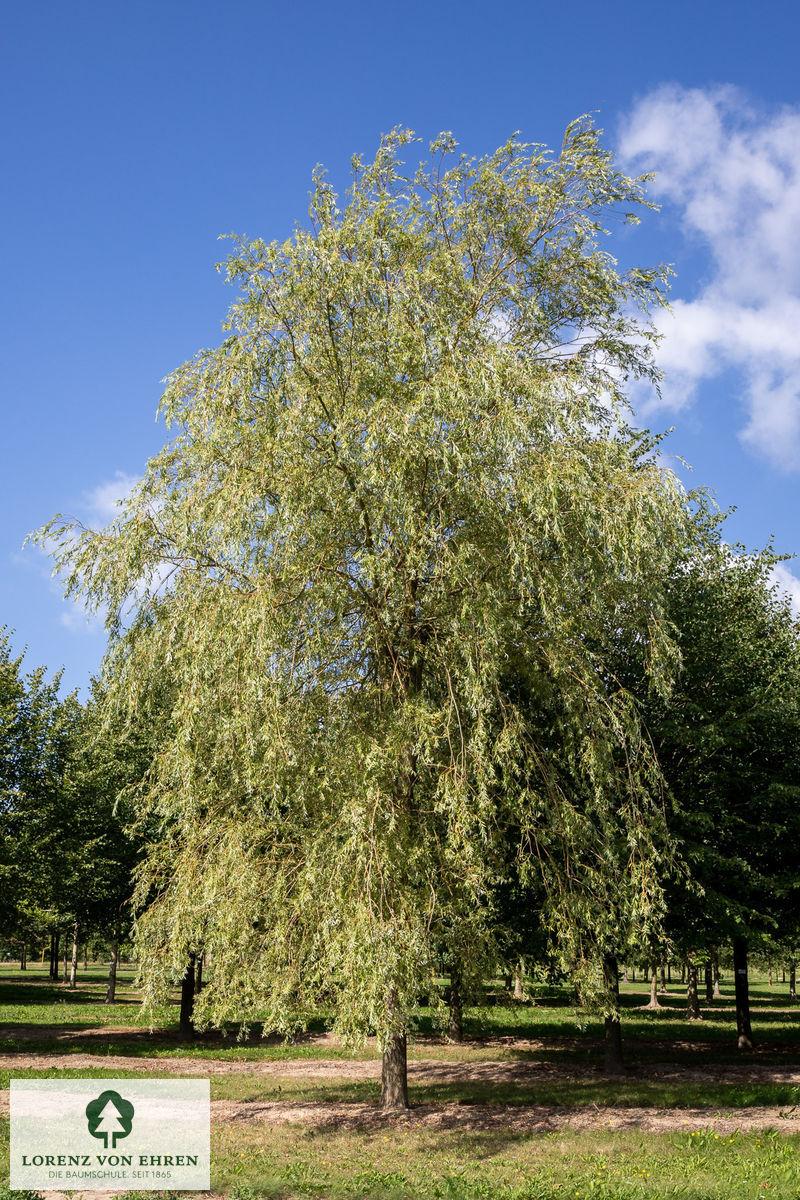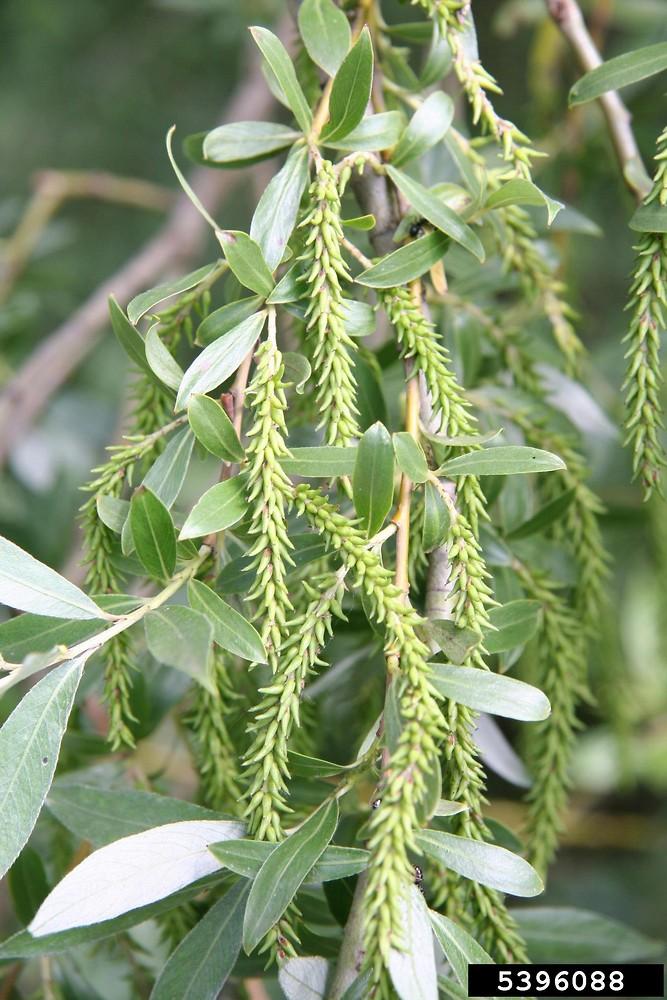


RedCrocus Golden Weeping White Willow Salix alba 'Tristis' | Fast-Growing Deciduous Tree for Large Landscapes | Pollinator Friendly & Water-Loving 1.5-2" cal 7 Gallon
RedCrocus Golden Weeping White Willow Salix alba 'Tristis' | Fast-Growing Deciduous Tree for Large Landscapes | Pollinator Friendly & Water-Loving 1.5-2" cal 7 Gallon
Regular price
$560.00 USD
Regular price
$728.00 USD
Sale price
$560.00 USD
Unit price
per
Shipping calculated at checkout.
SKU:nts1805-redcrocus
Couldn't load pickup availability
Golden Weeping White Willow Salix alba 'Tristis'
Description
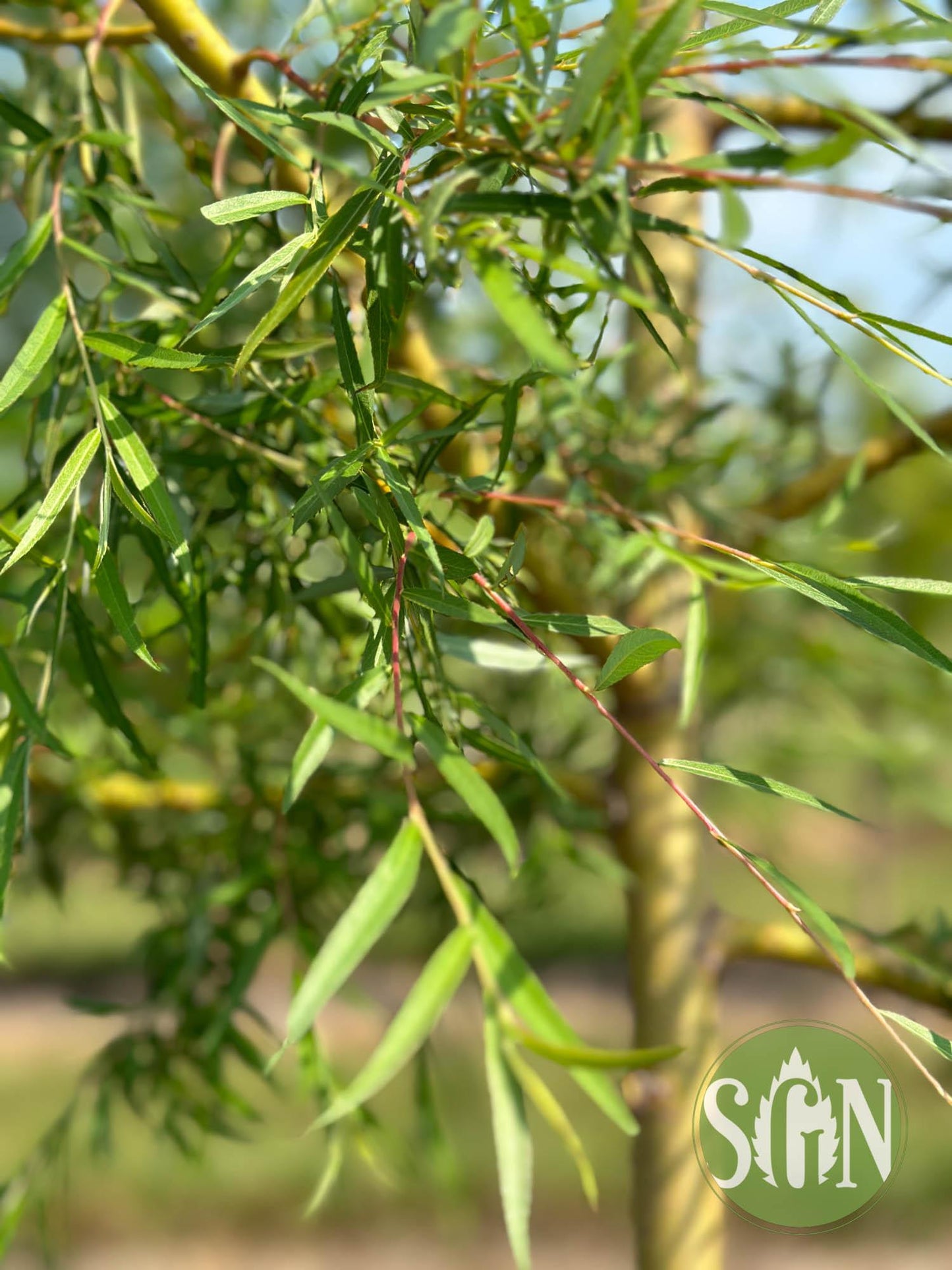
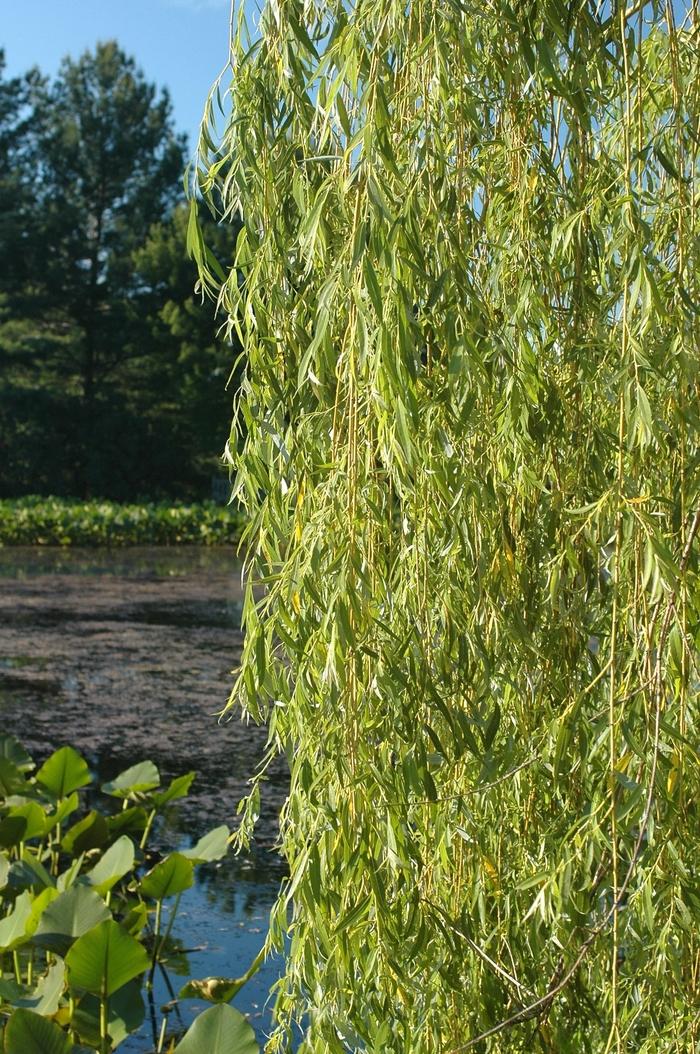
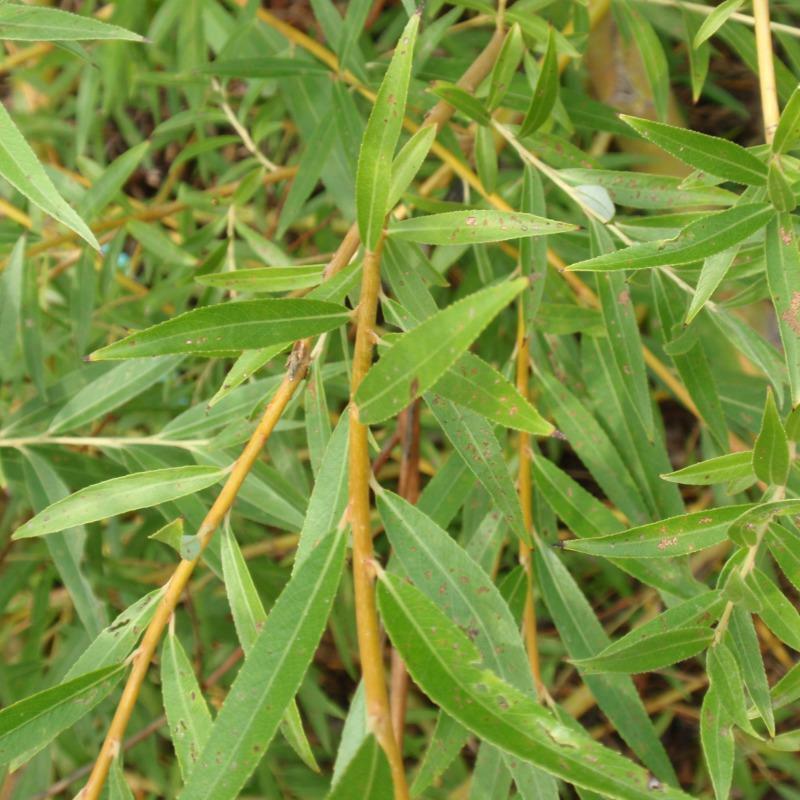
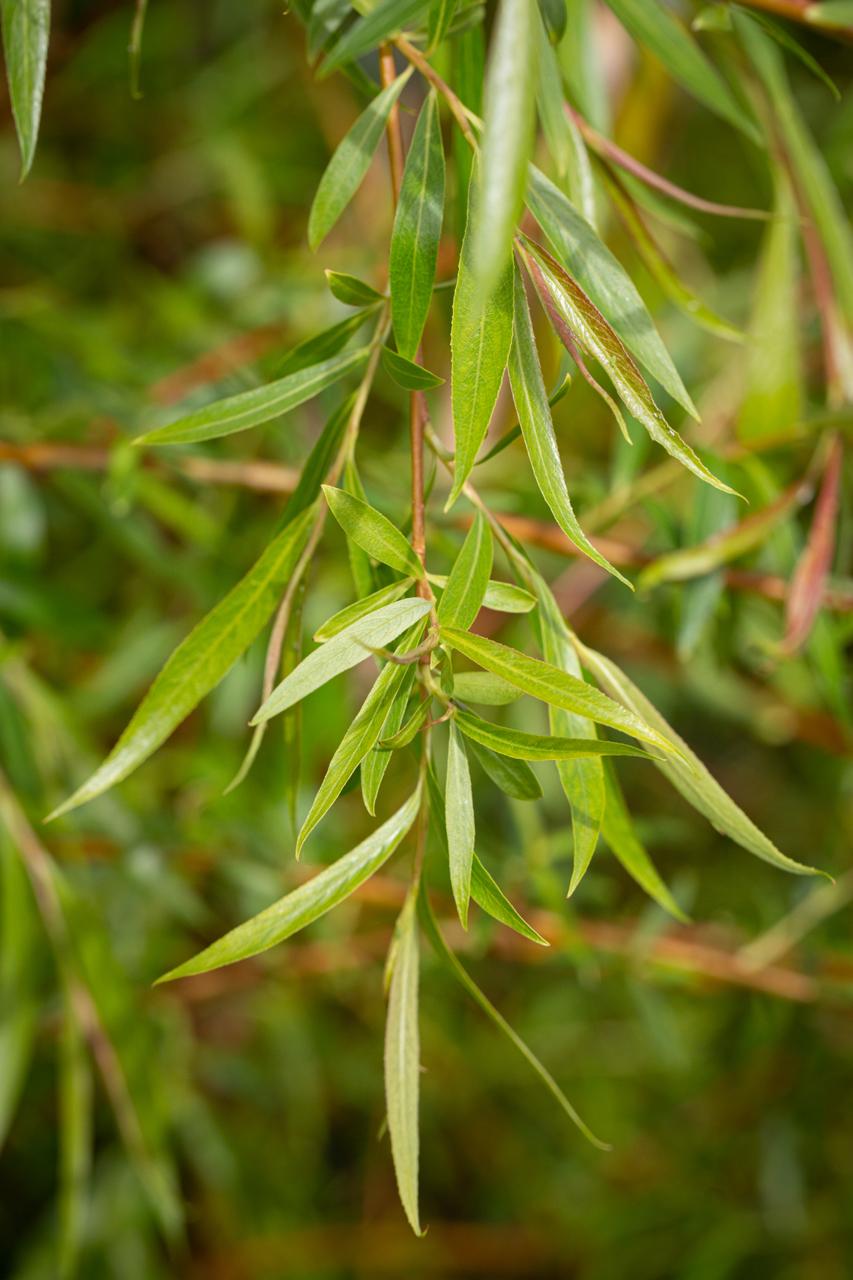
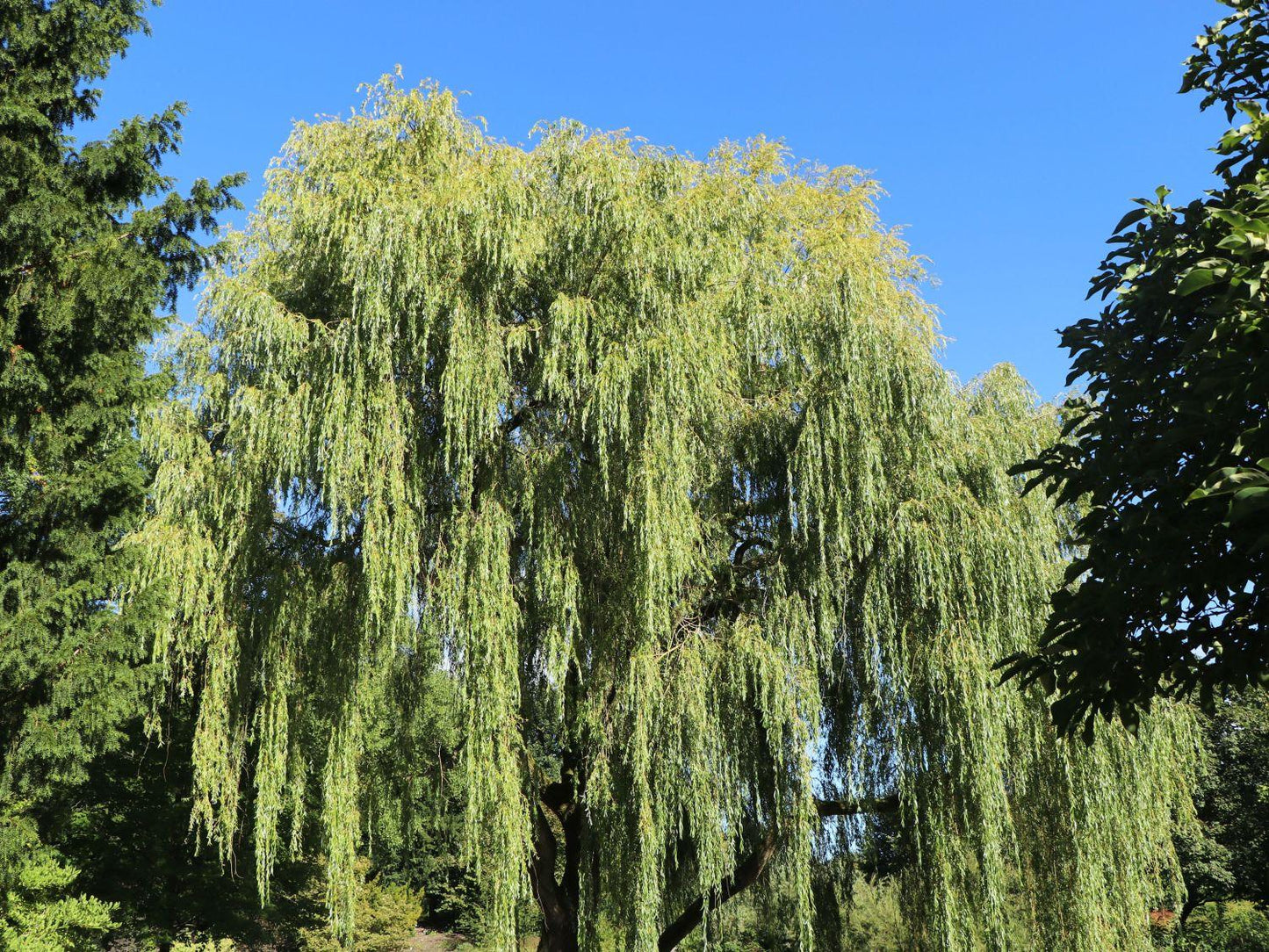
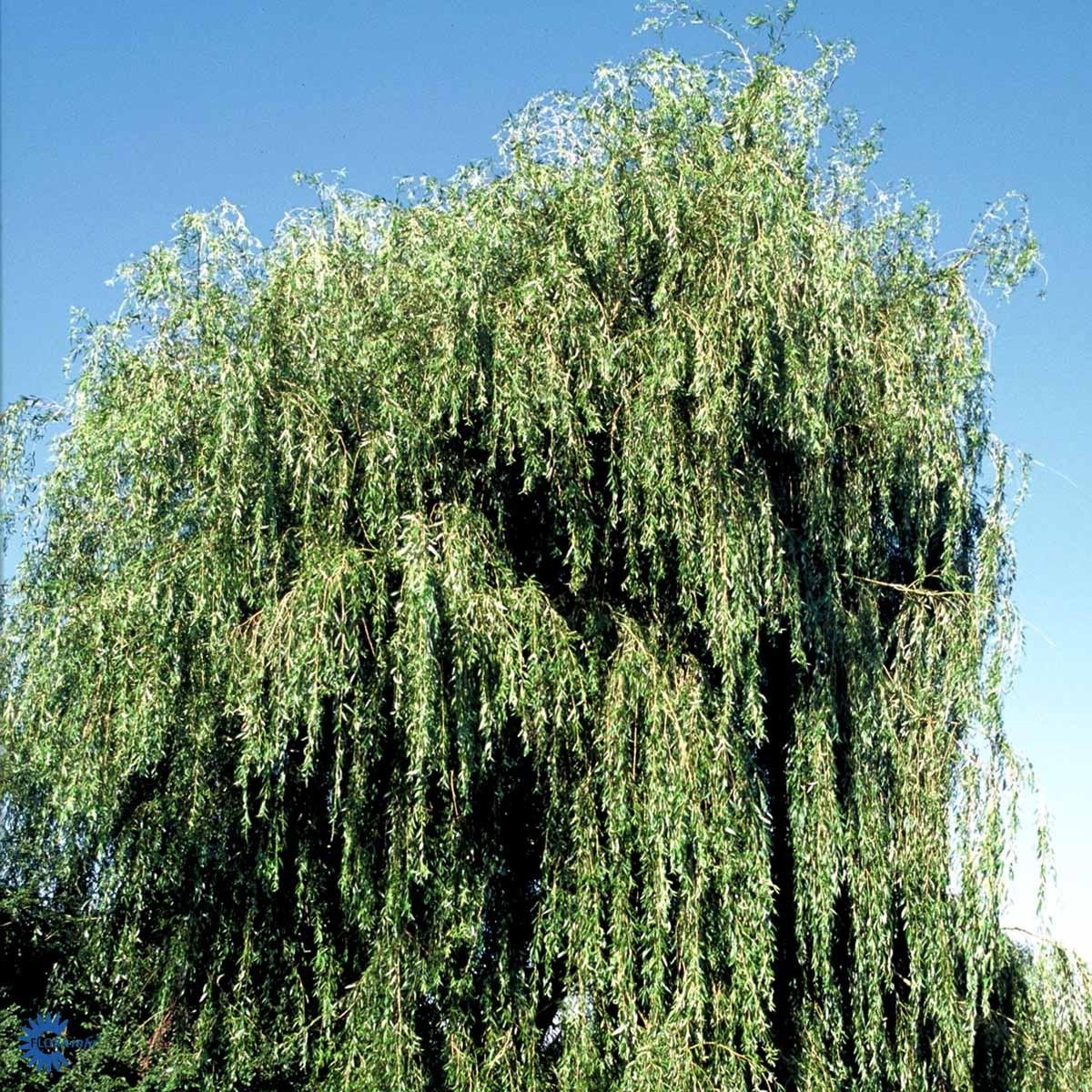
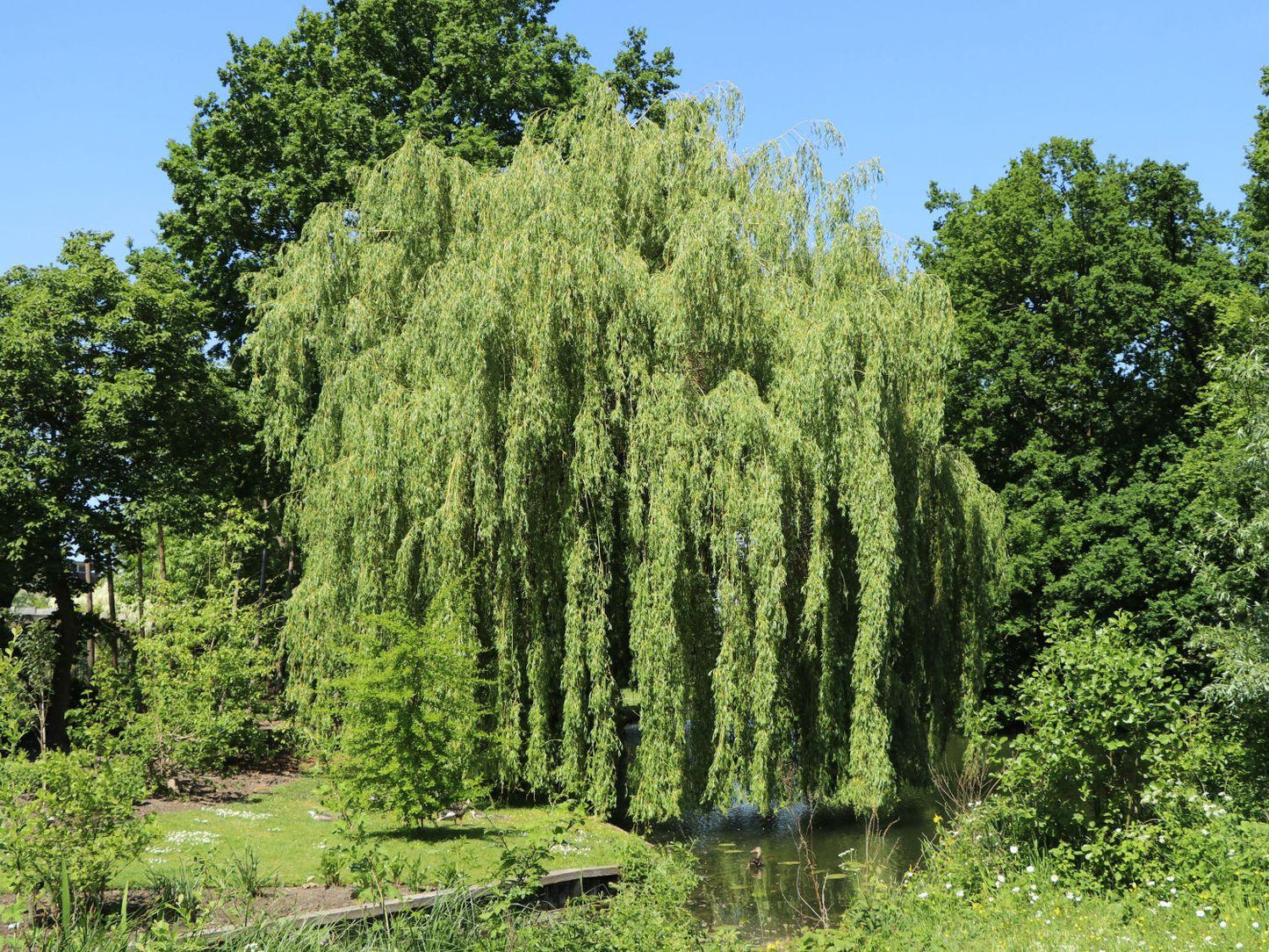
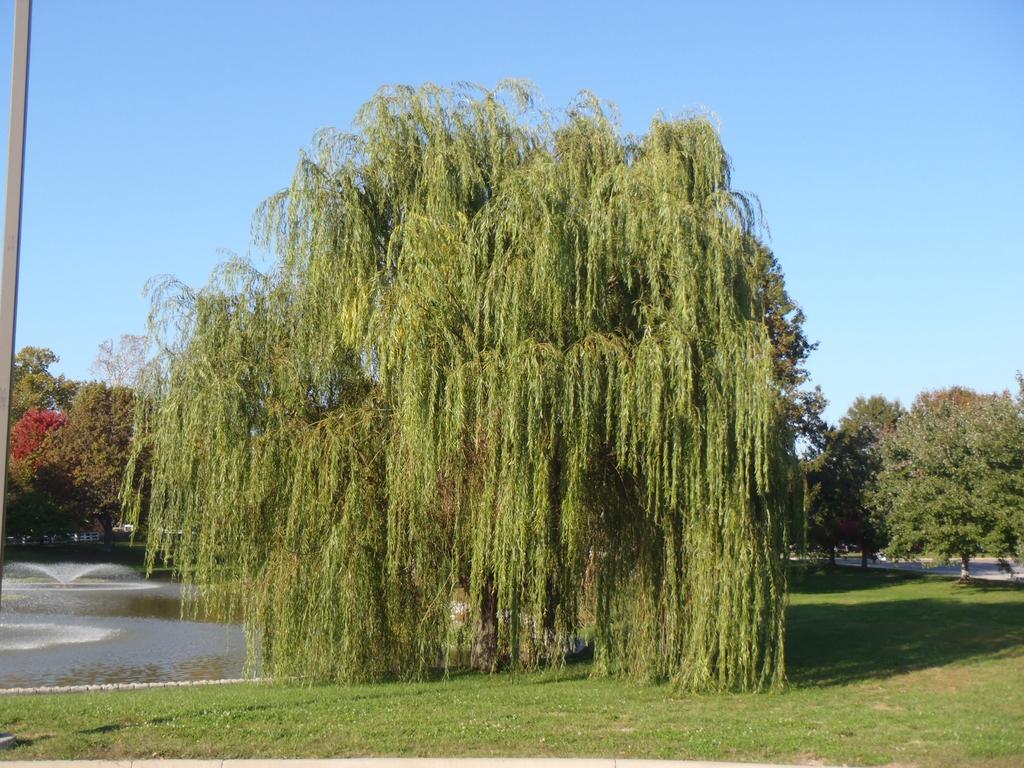
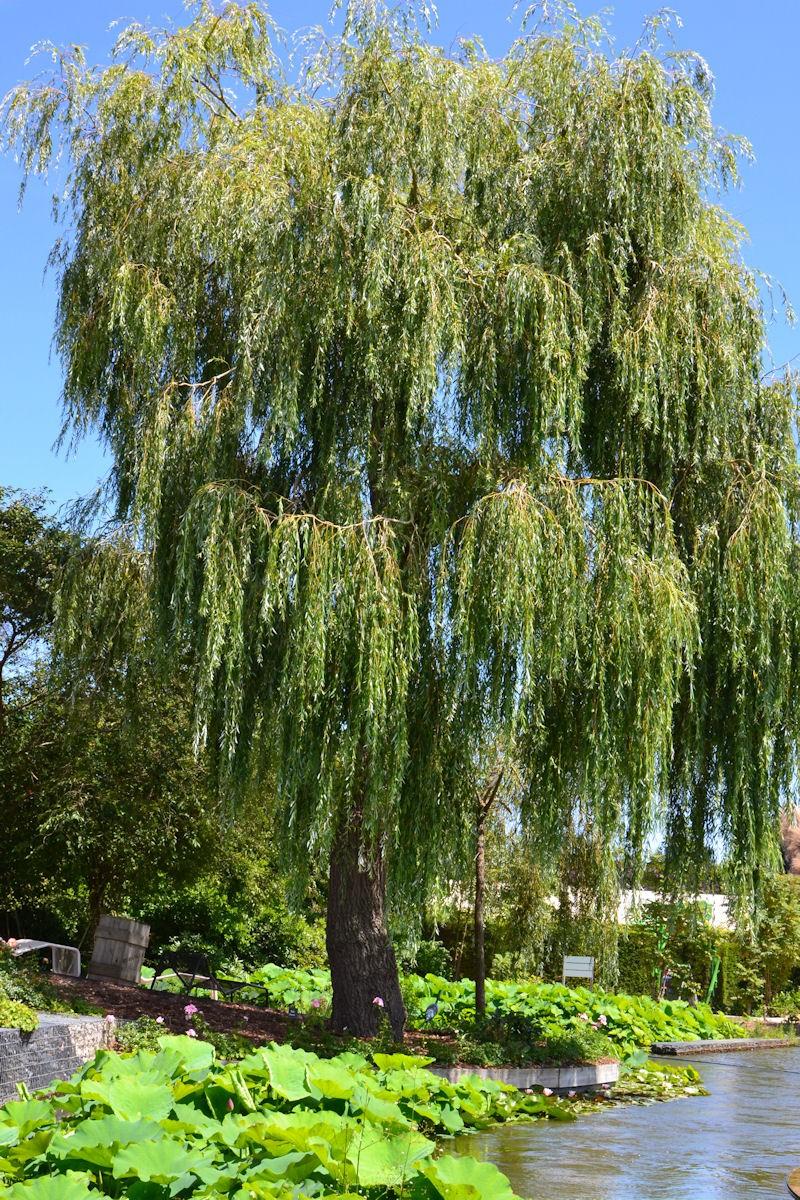
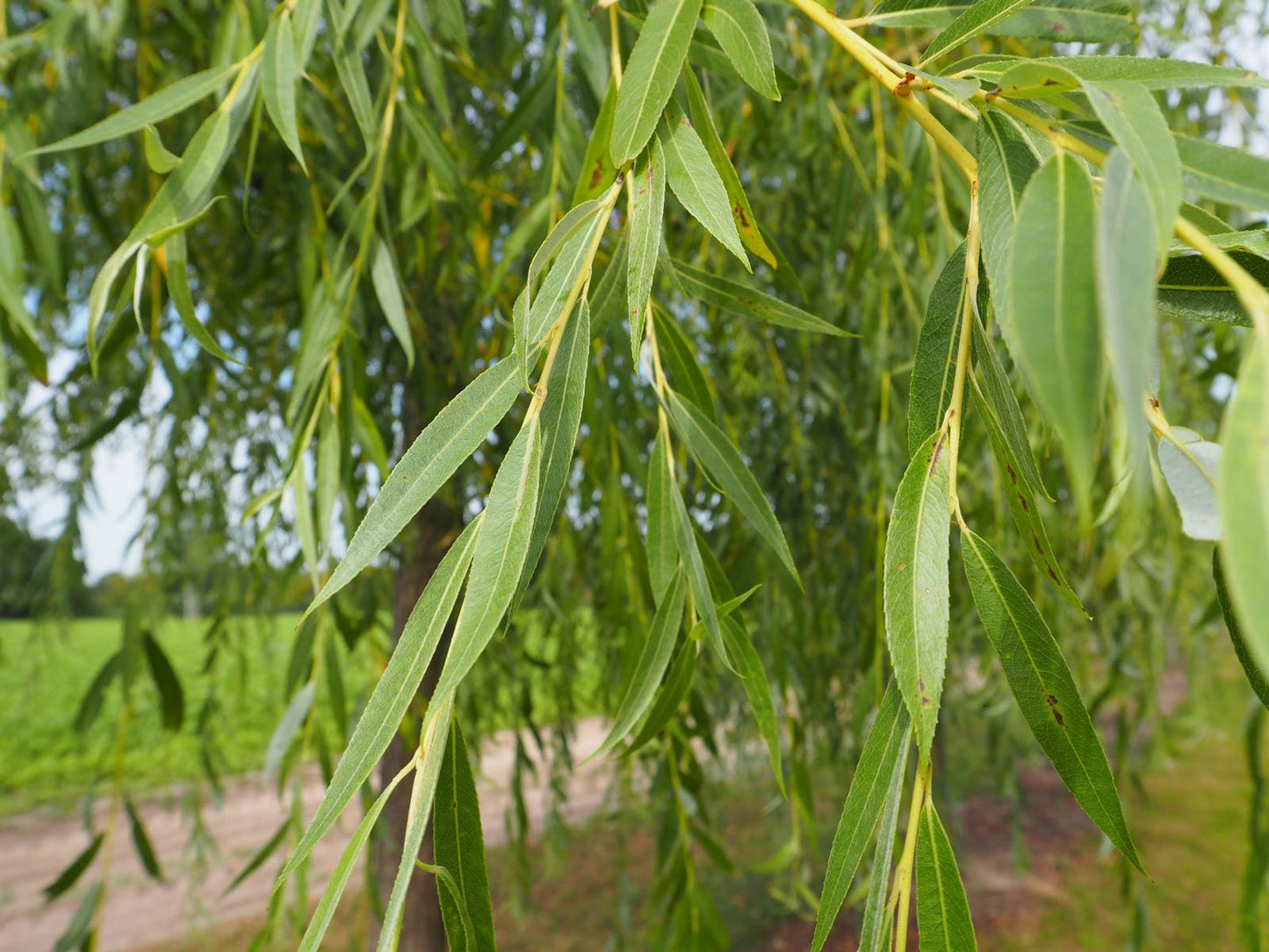
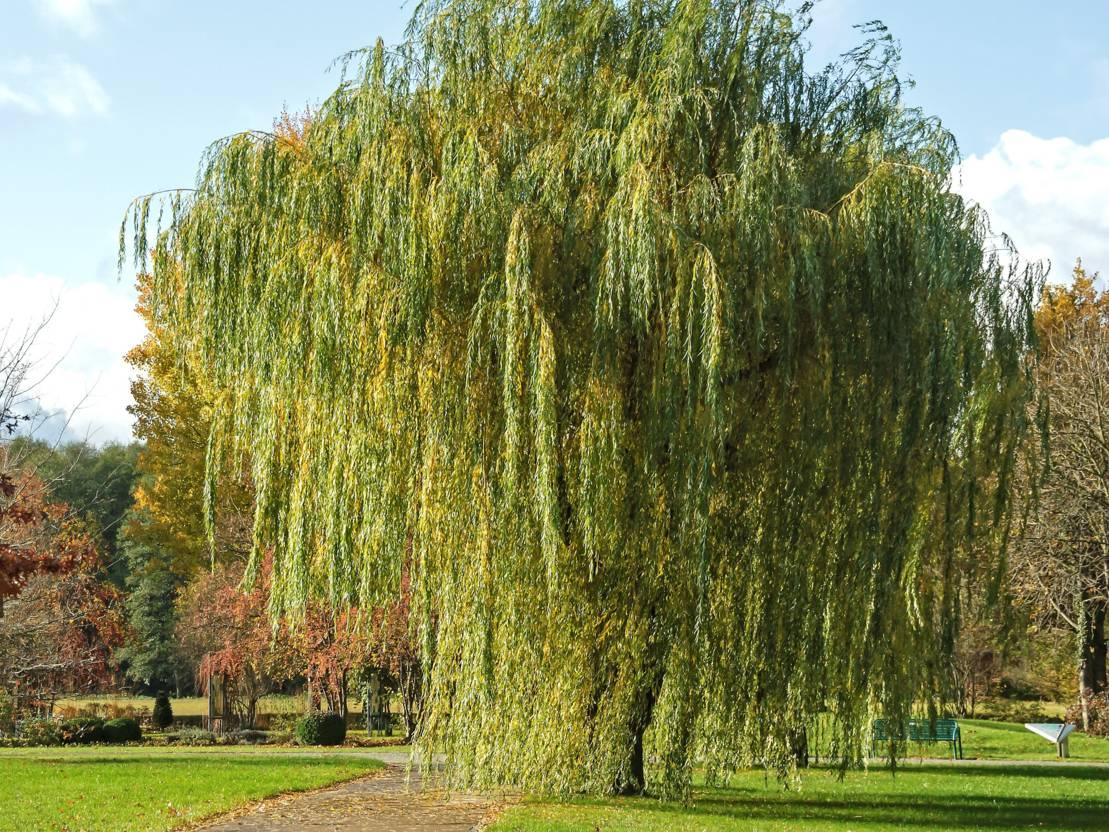
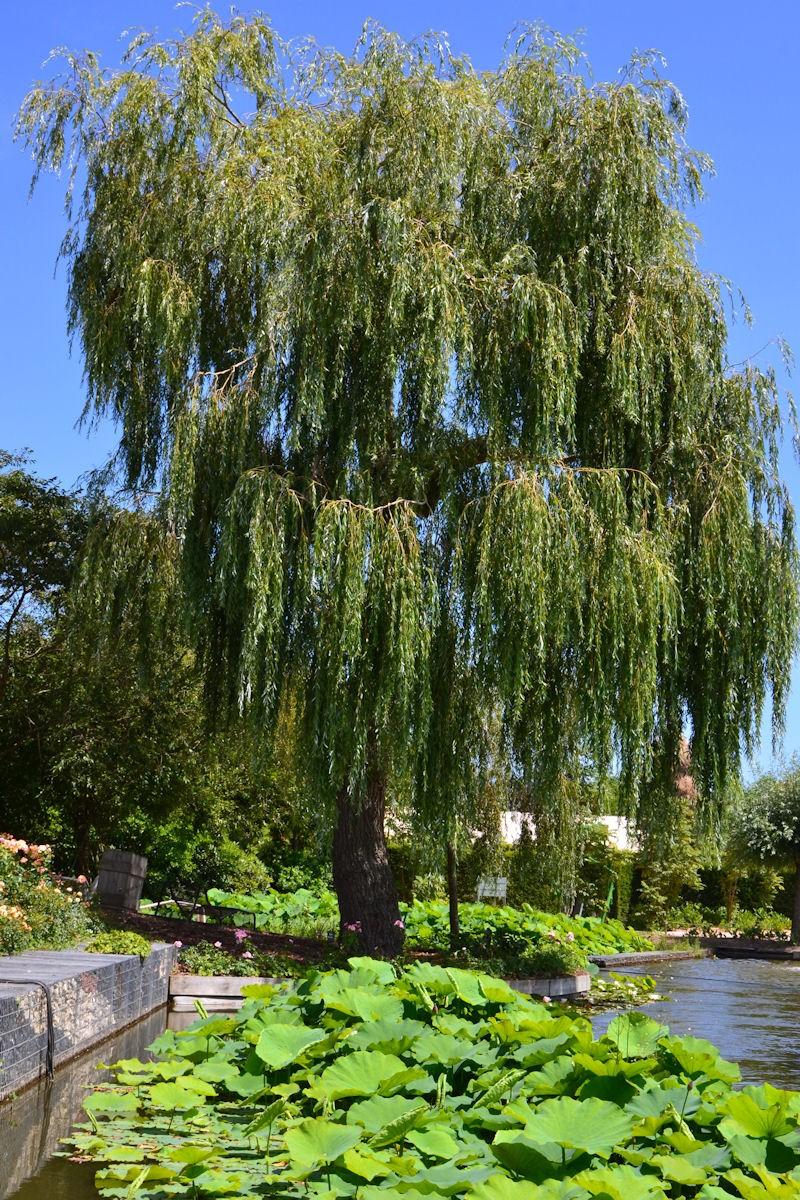
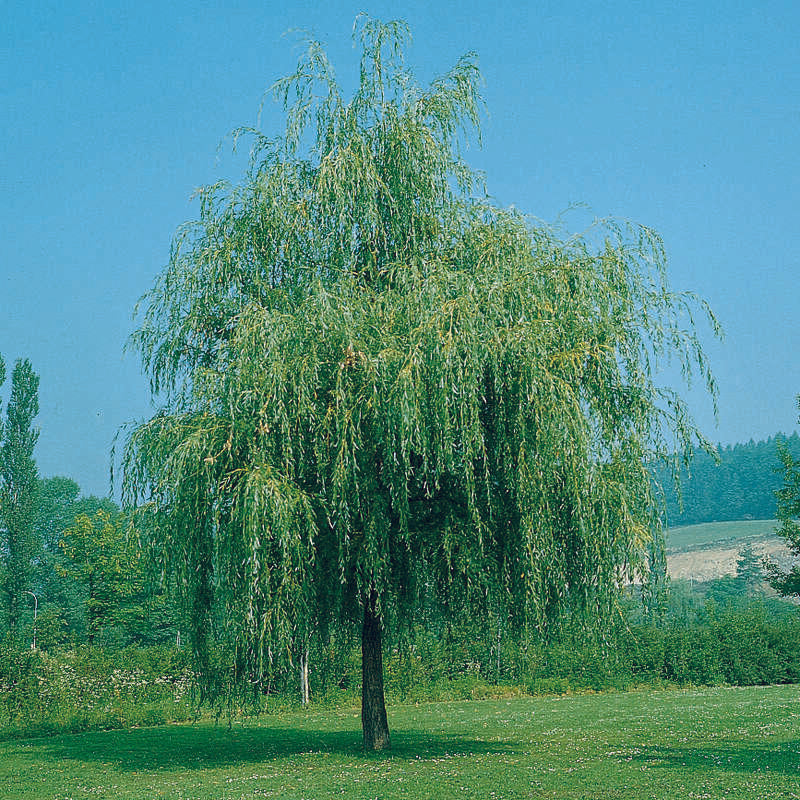
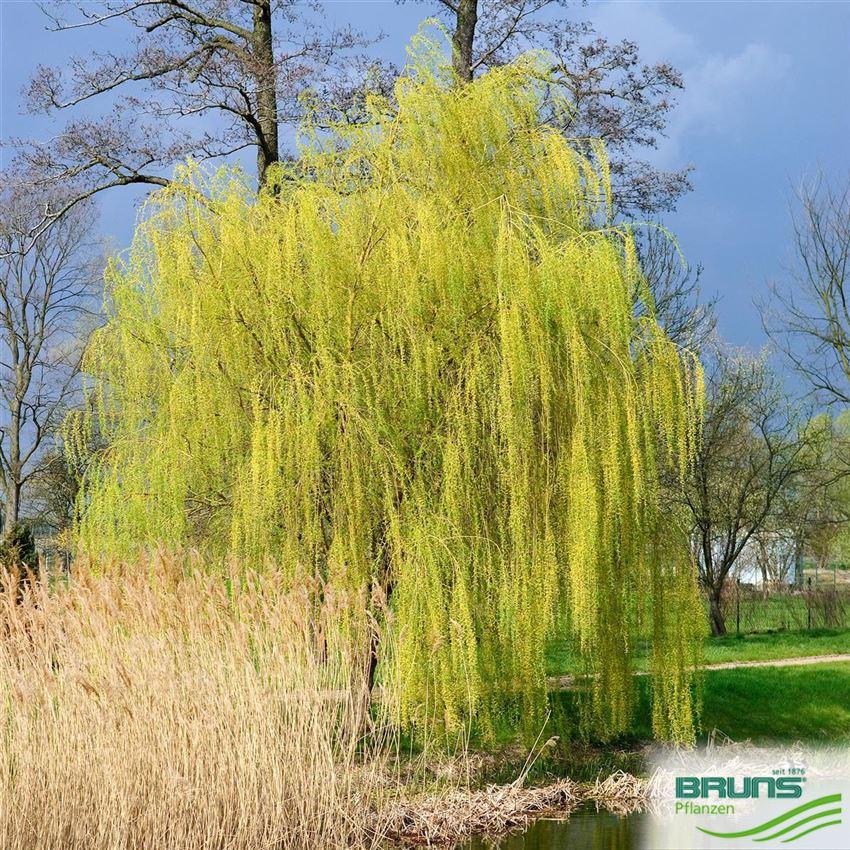
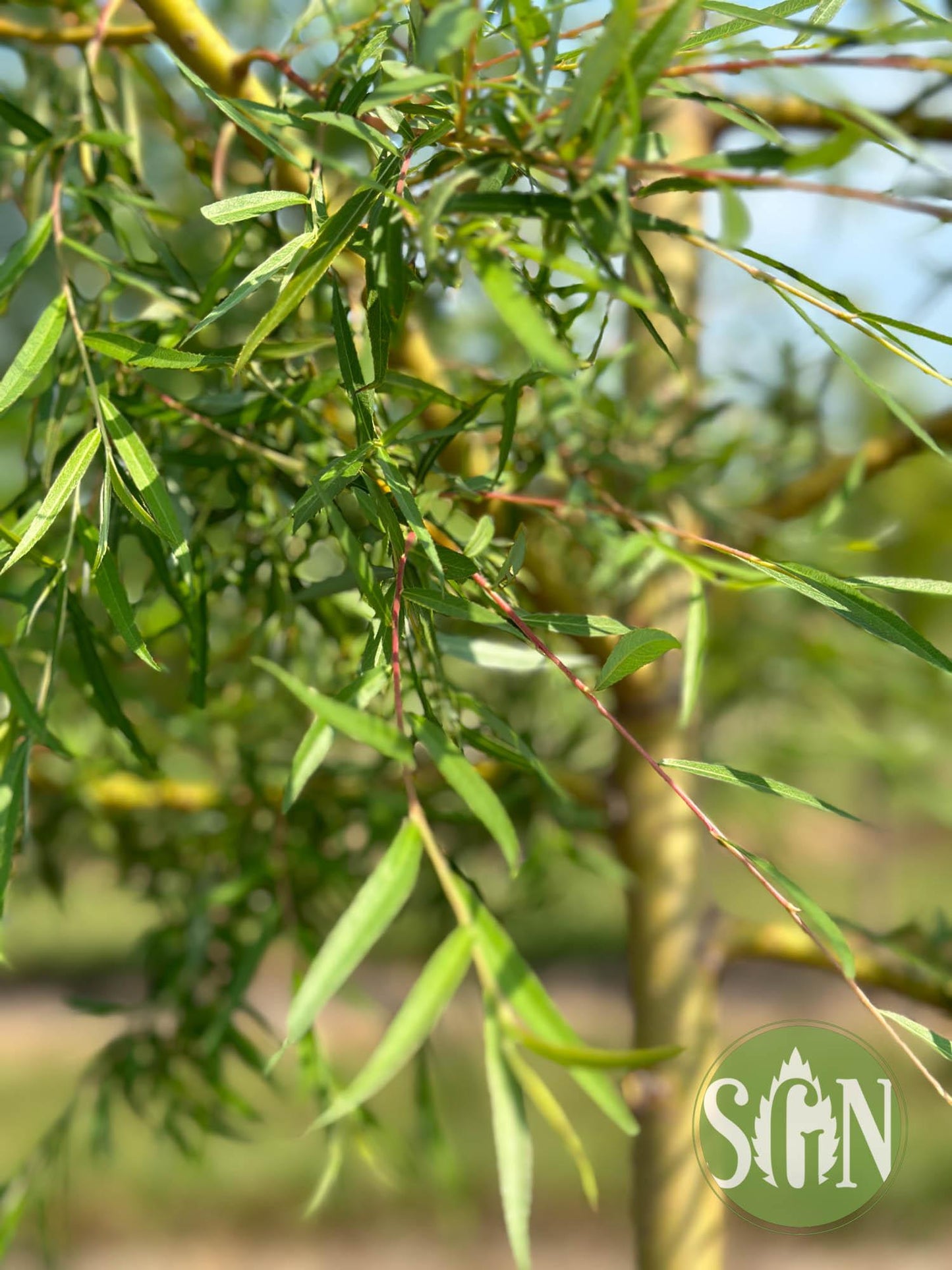
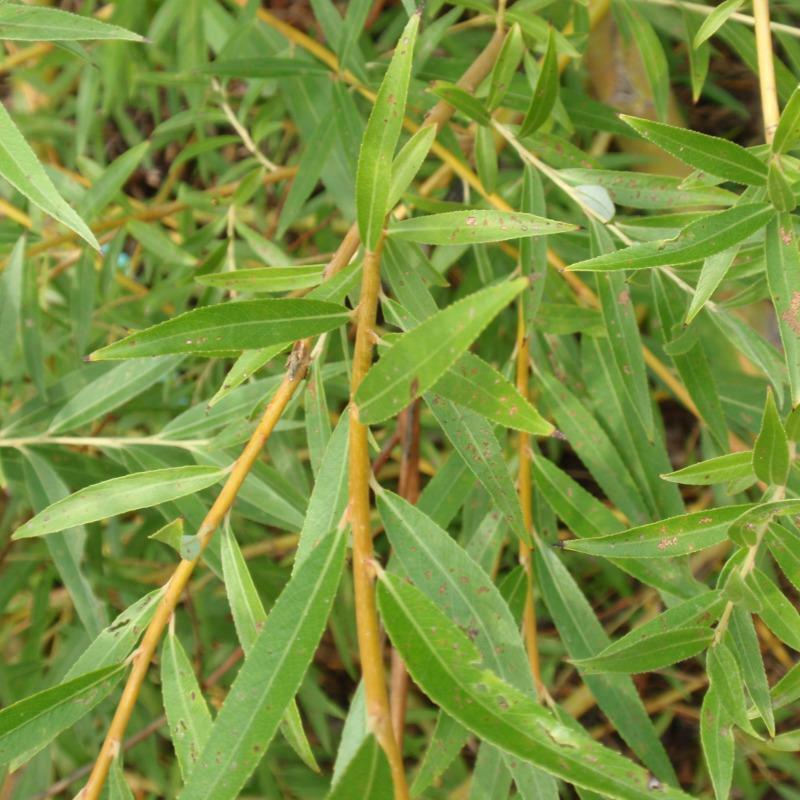
A graceful deciduous tree featuring cascading branches with silvery-green leaves, known for its elegant weeping form. It thrives along water bodies and provides a striking focal point in the landscape.
Suggested Uses
Ideal for ponds, lakesides, and large landscape settings. Also suitable as a shade tree in parks or spacious gardens.
Plant Details
-
 Botanical Name: Golden Weeping White Willow Salix alba 'Tristis'
 -
 Common Name: Golden Weeping White Willow
 -
 Size & Growth: Typically reaches 50-70 ft tall with a similar spread; fast-growing
 -
 Hardiness Zones: 4-9
 -
 Foliage Type: Deciduous
 -
 Growth Rate: Fast
 -
 Light Requirements: Full sun to partial shade
 -
 Attracts Pollinators: Yes
 -
 Indoor Friendly: No
 -
 Container Friendly: Limited, best in large space
 -
 Deer Resistant: Moderate
 -
 Pet Warning: Toxic to pets if ingested
 -
 Fragrant: No
 -
 Cut Flower: No
 -
 Grows Well With: Other water-loving plants and trees
 Bloom Time: Early spring
Care Tips
-
 Planting Instructions: Plant in moist, well-drained soil near water sources for optimal growth.
 -
 Soil Moisture: Prefers consistently moist soil
 -
 Soil Type: Loamy, sandy, or silty soils
 -
 Humidity: Tolerant of varying humidity levels
 -
 Pruning Instructions: Remove dead or damaged branches in late winter or early spring
 -
 Winter Care: Mulch heavily in colder zones to protect roots
 -
 Planting Depth: Plant at same depth as in nursery, ensuring roots are well-covered
 -
 Fertilization: Apply balanced fertilizer annually during early spring
 -
 Special Care: Maintain consistent moisture and avoid compacted soils