

RedCrocus Skyline Thornless Honeylocust Tree- Deciduous, Upright, Pollinator-Friendly, Low Maintenance, Urban & Landscape 4-5" cal B&B
RedCrocus Skyline Thornless Honeylocust Tree- Deciduous, Upright, Pollinator-Friendly, Low Maintenance, Urban & Landscape 4-5" cal B&B
Regular price
$4,680.00 USD
Regular price
$6,084.00 USD
Sale price
$4,680.00 USD
Unit price
per
Shipping calculated at checkout.
SKU:nts0263-redcrocus
Couldn't load pickup availability
Skyline' Thornless Honeylocust Tree Gleditsia triacanthos 'Skyline'
Description
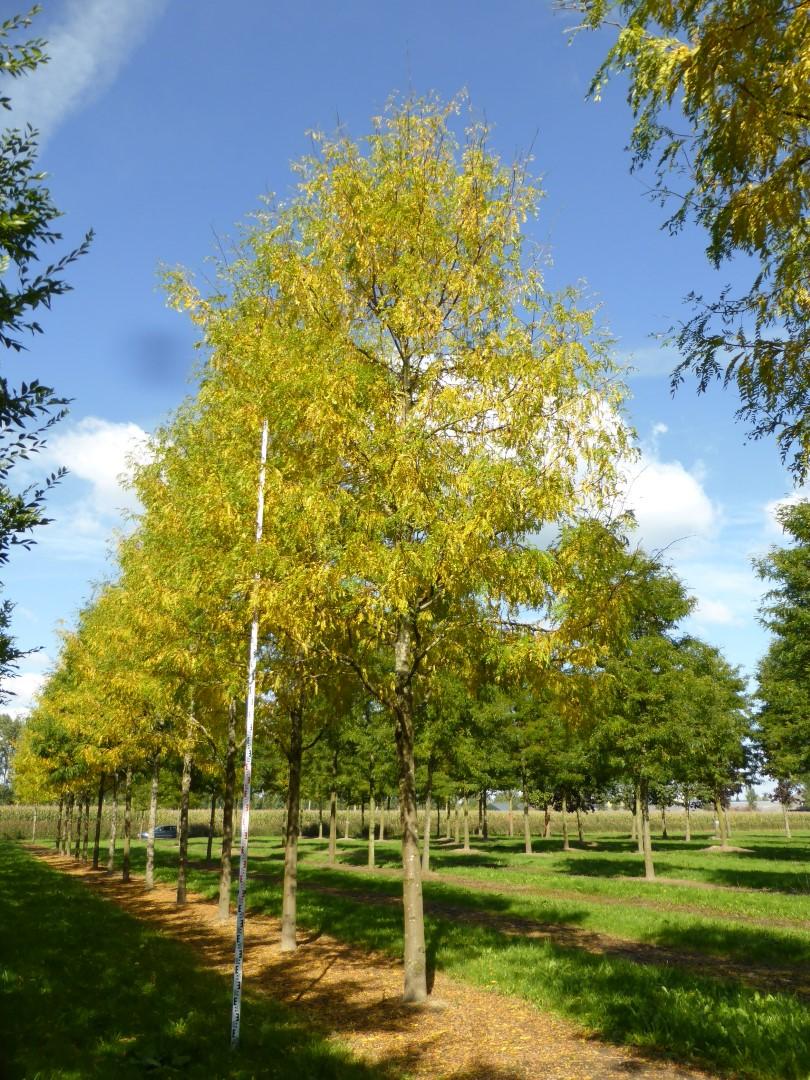
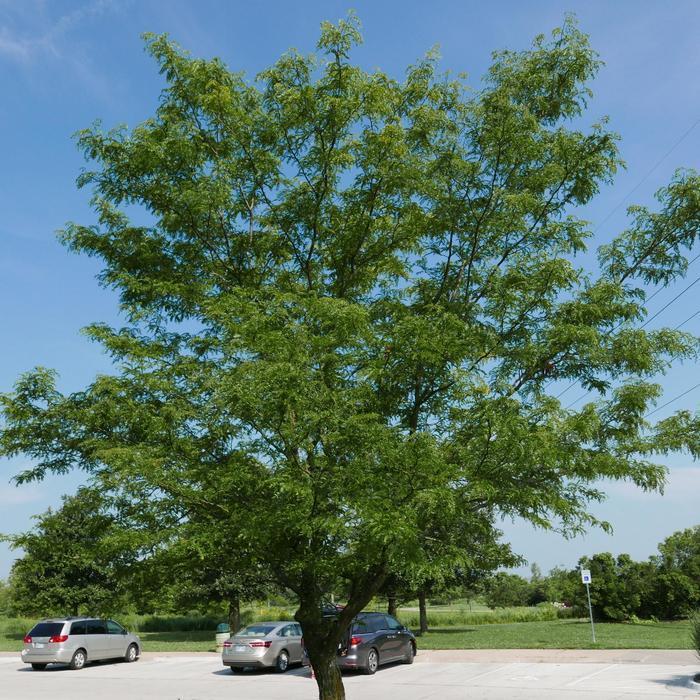
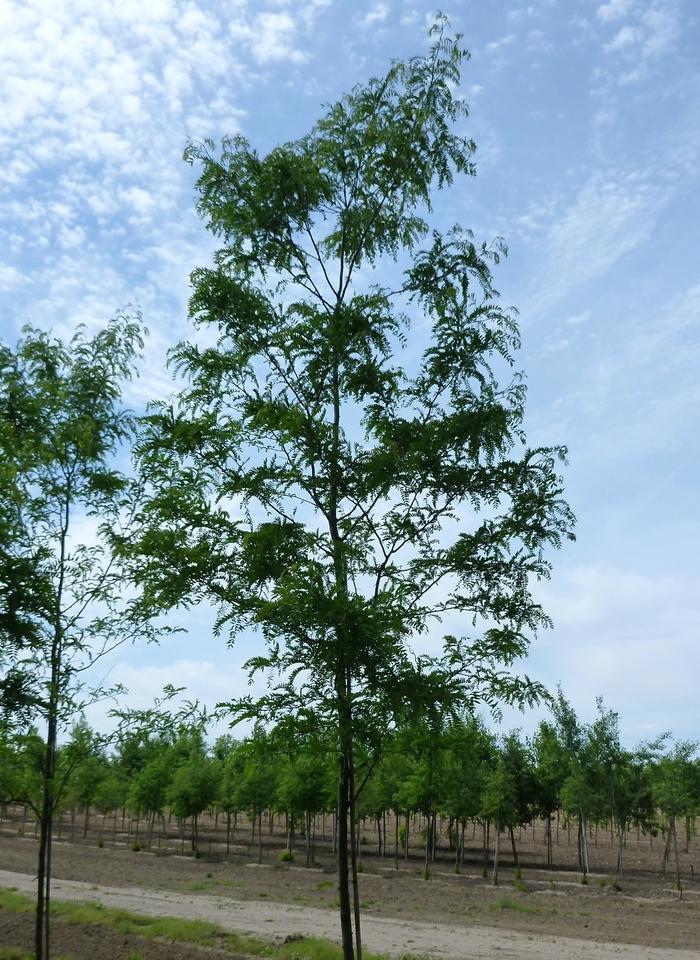
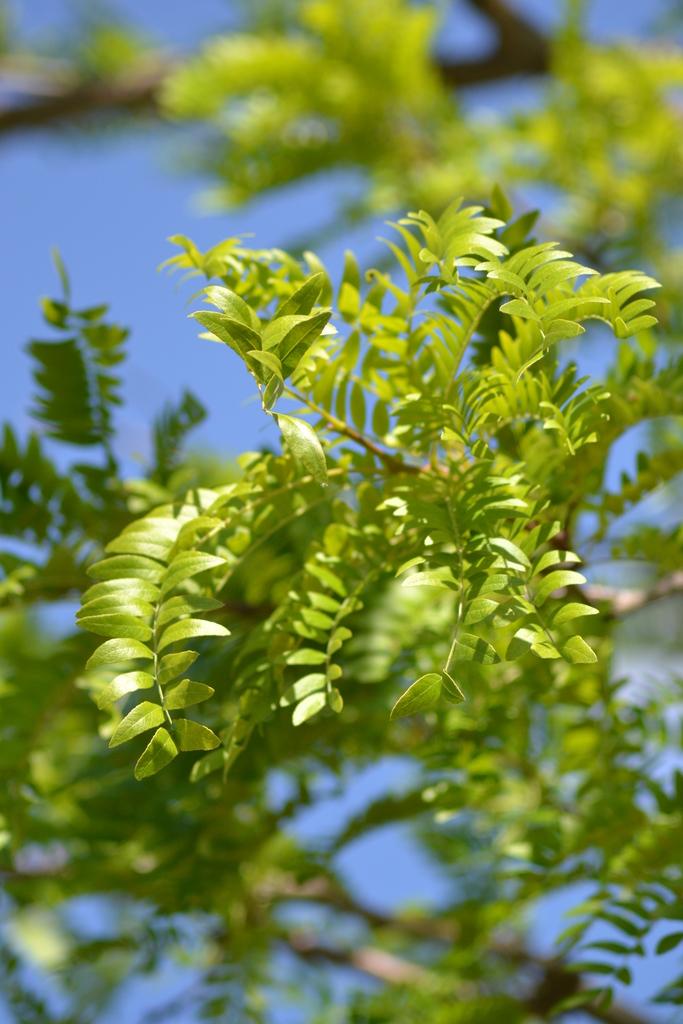
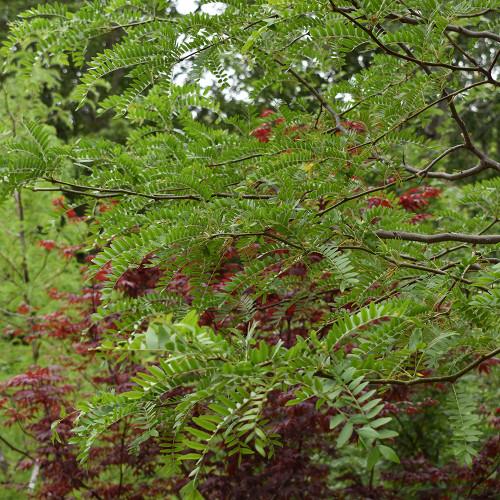
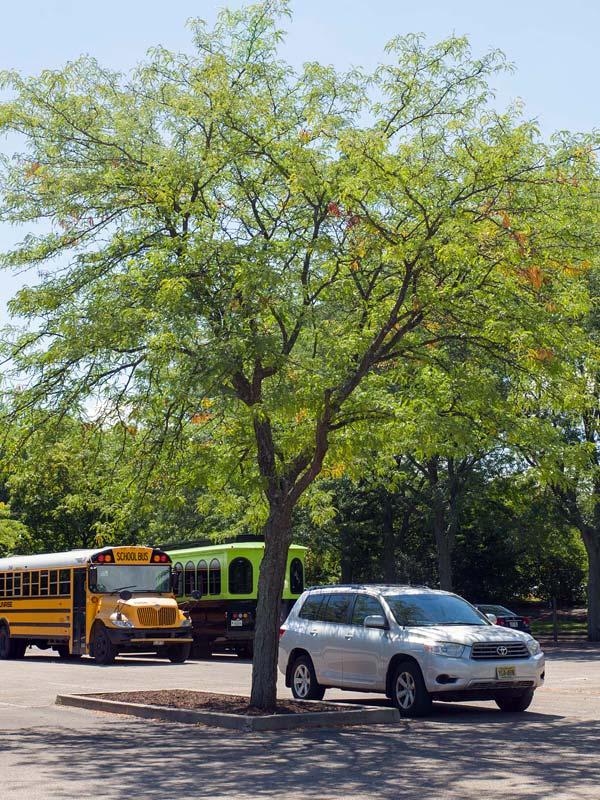
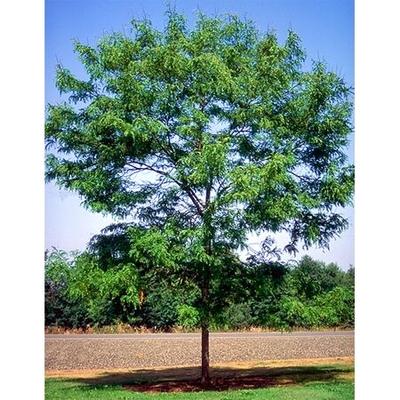
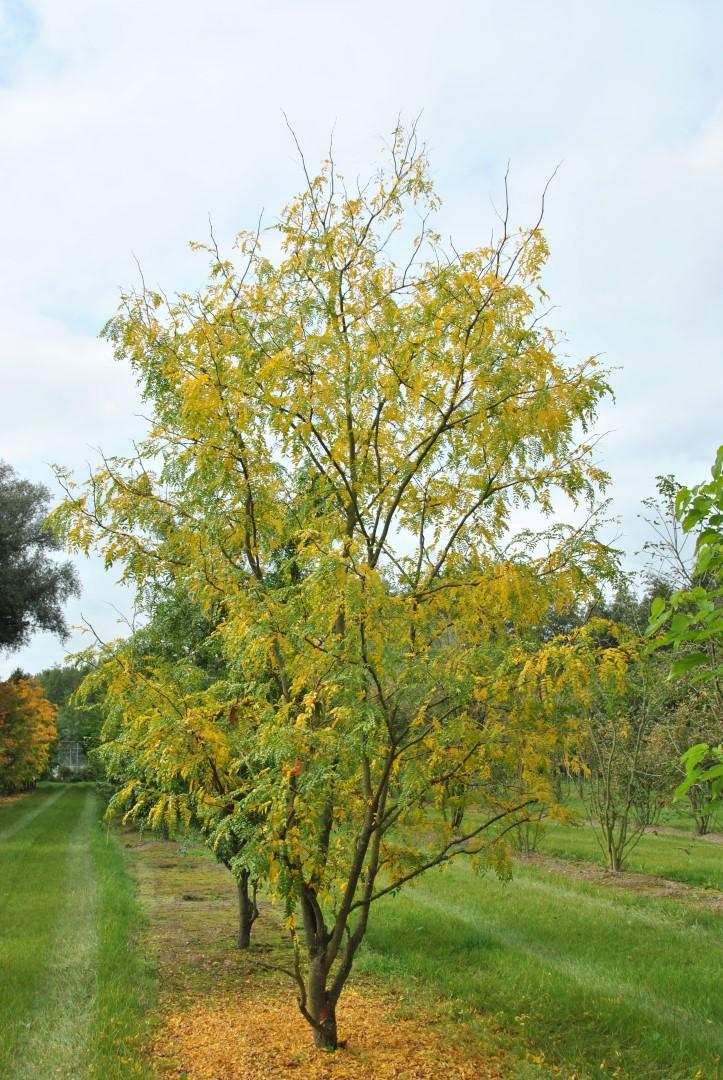
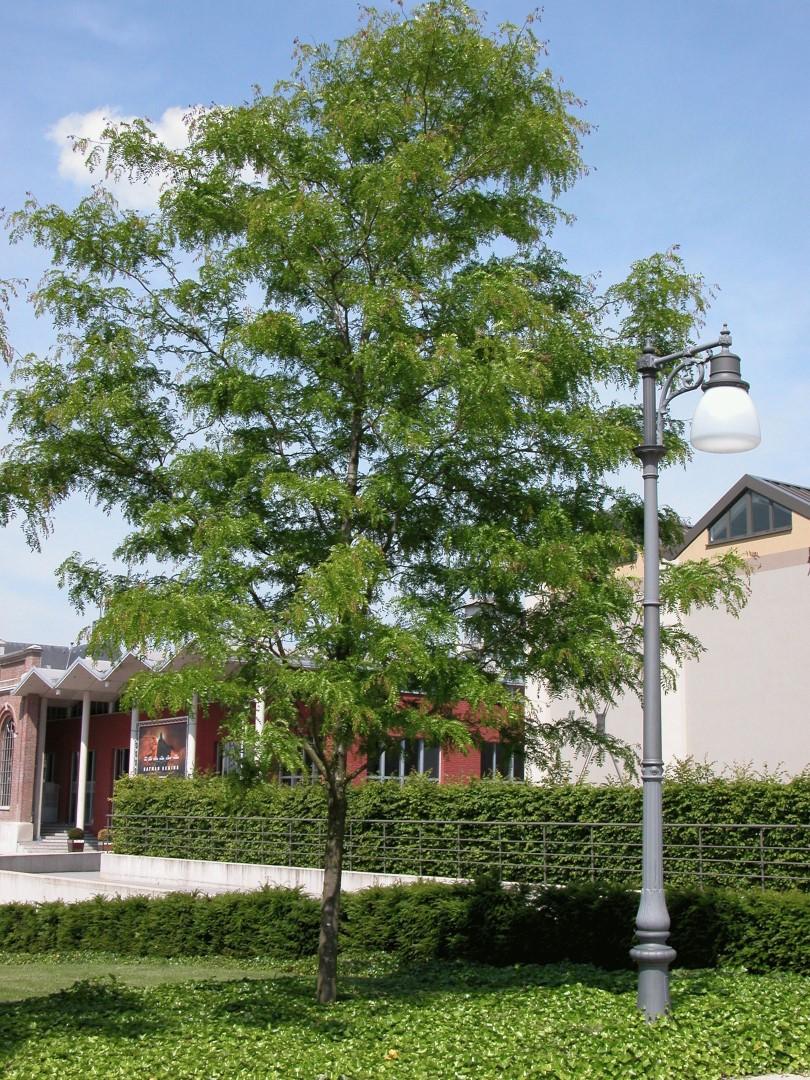
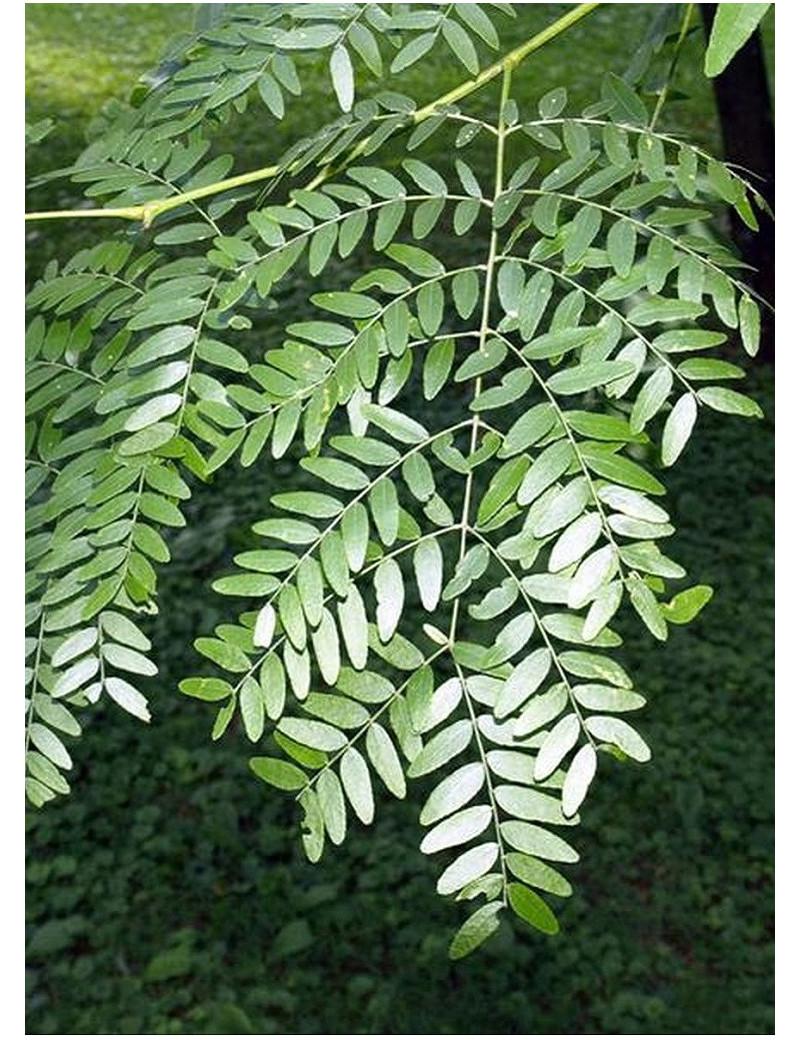
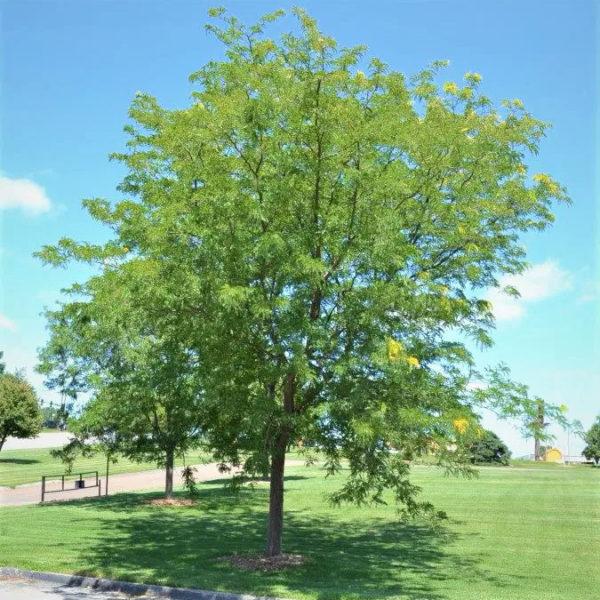
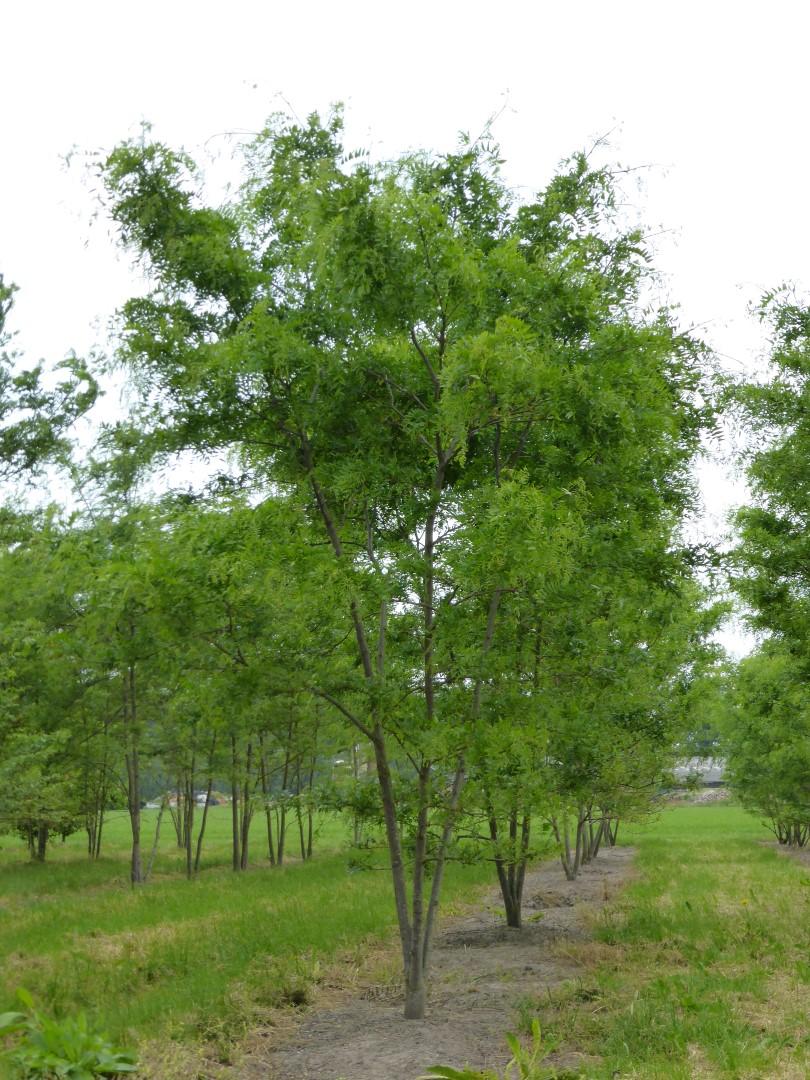
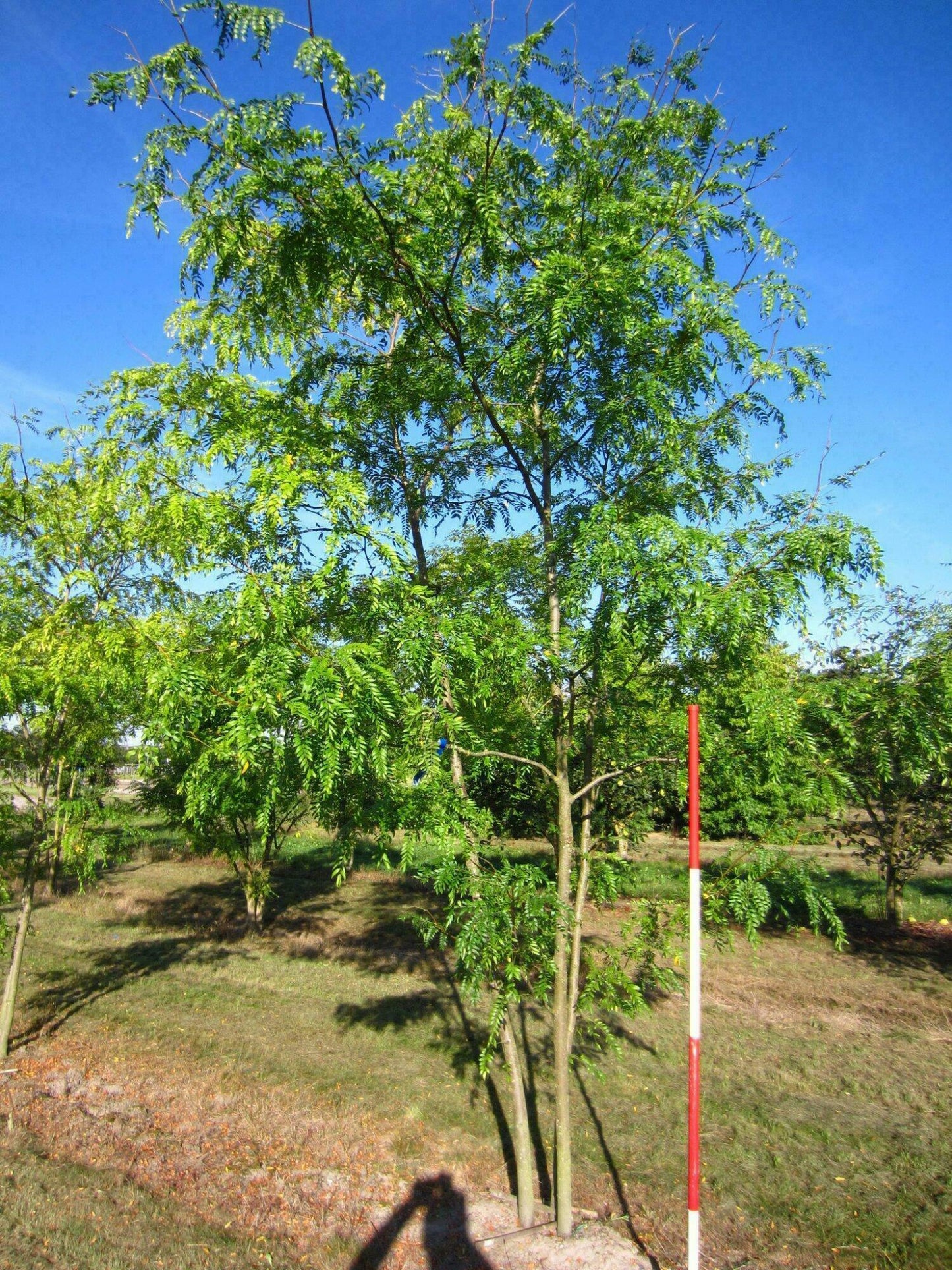
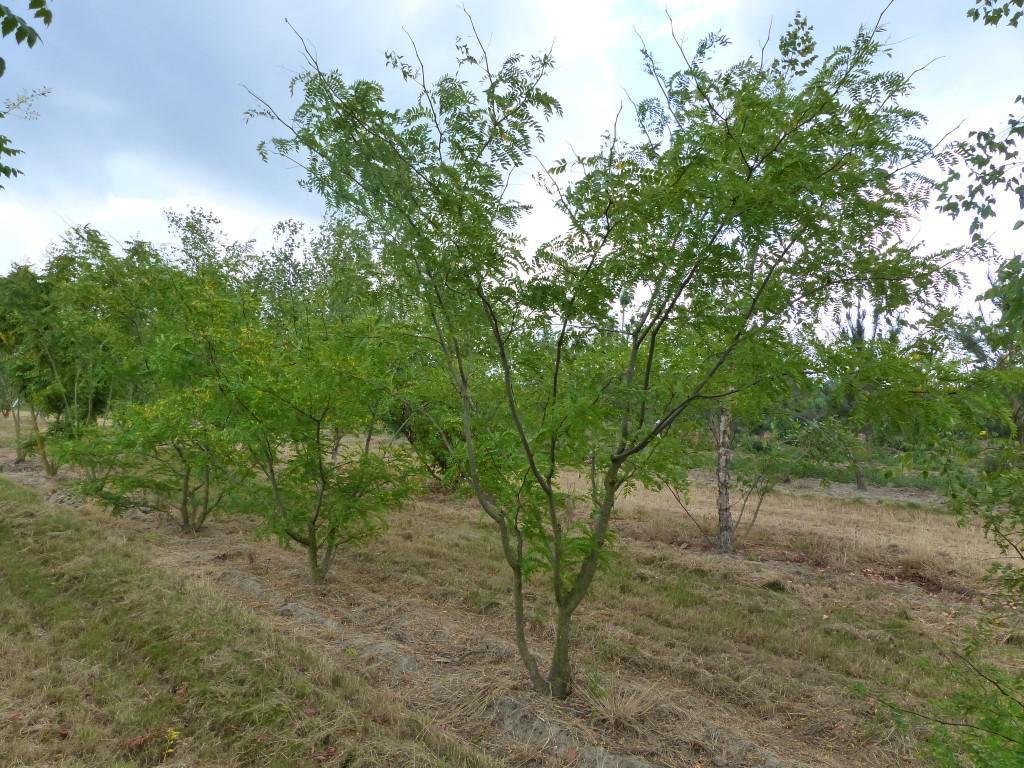
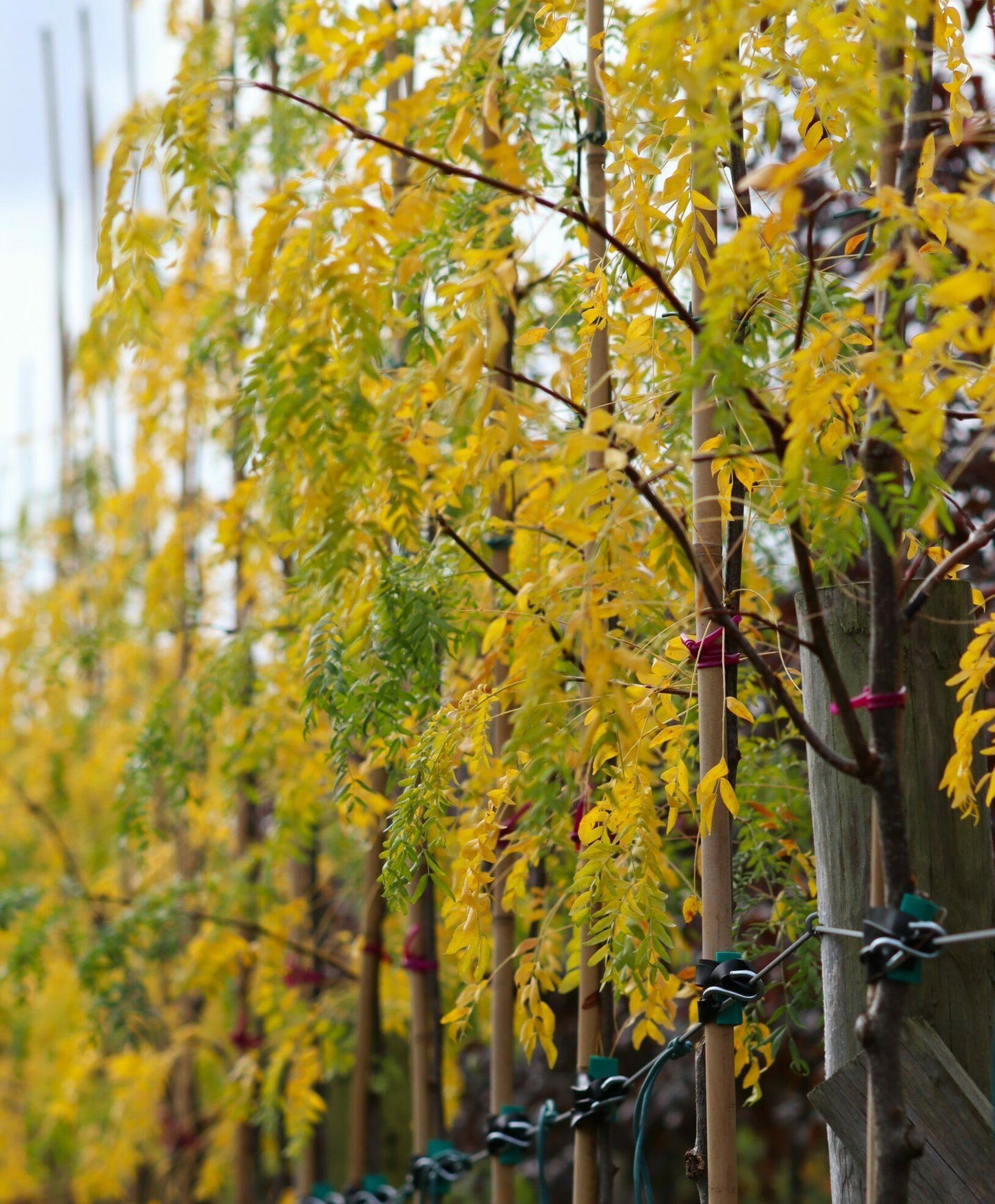
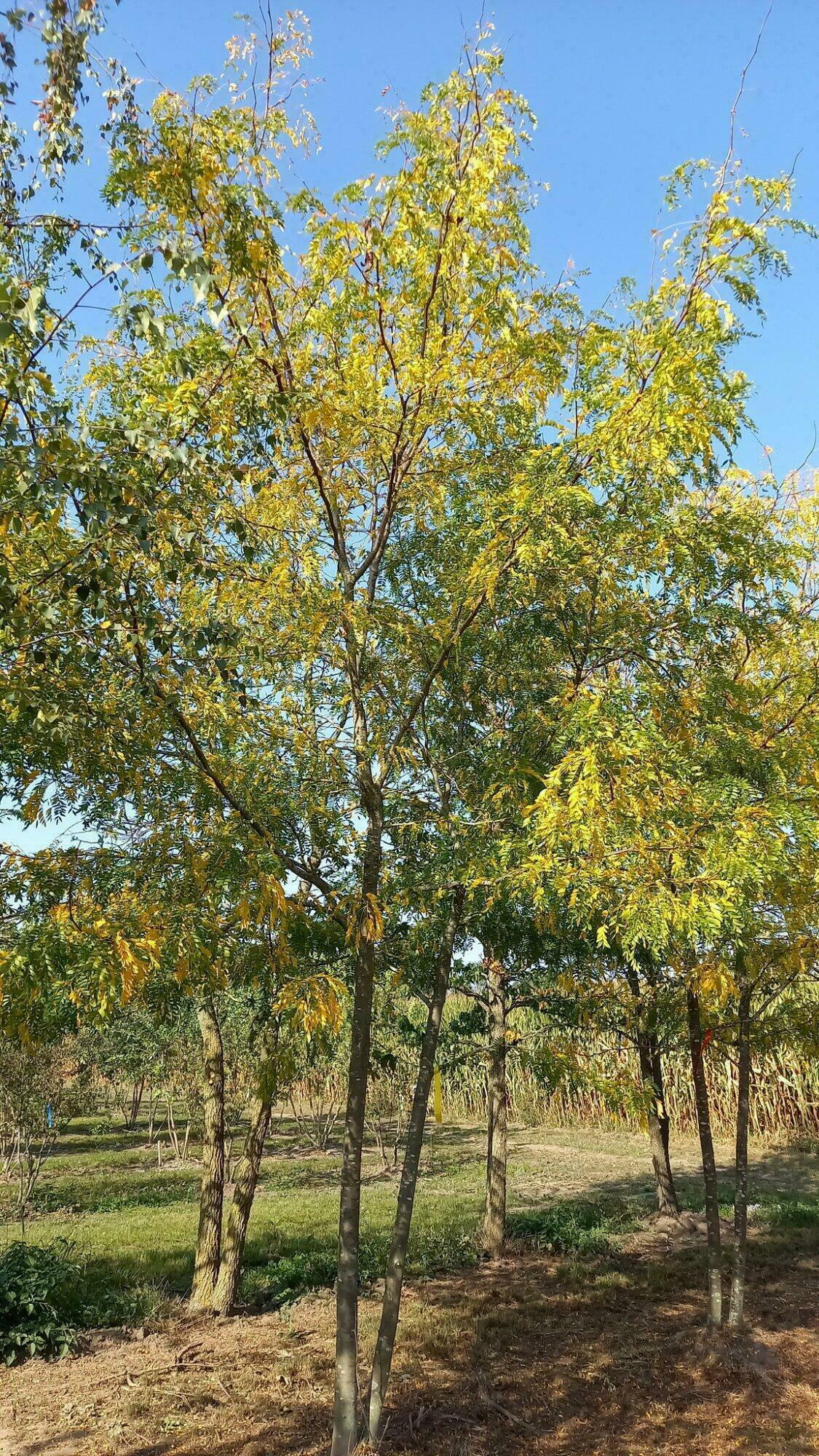
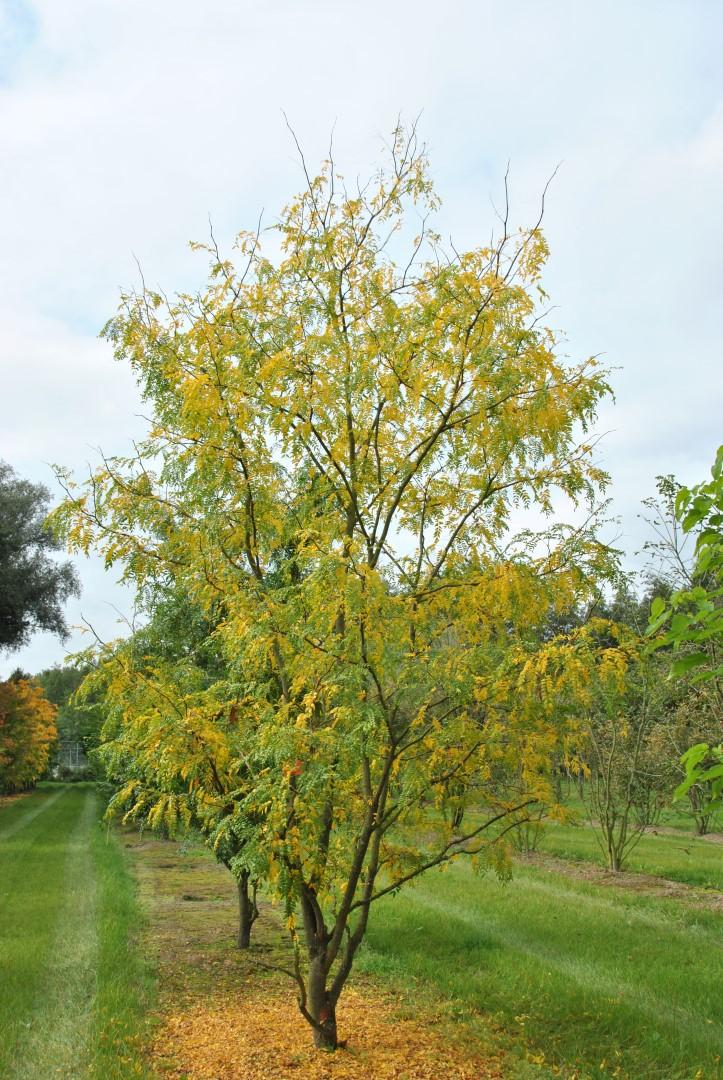
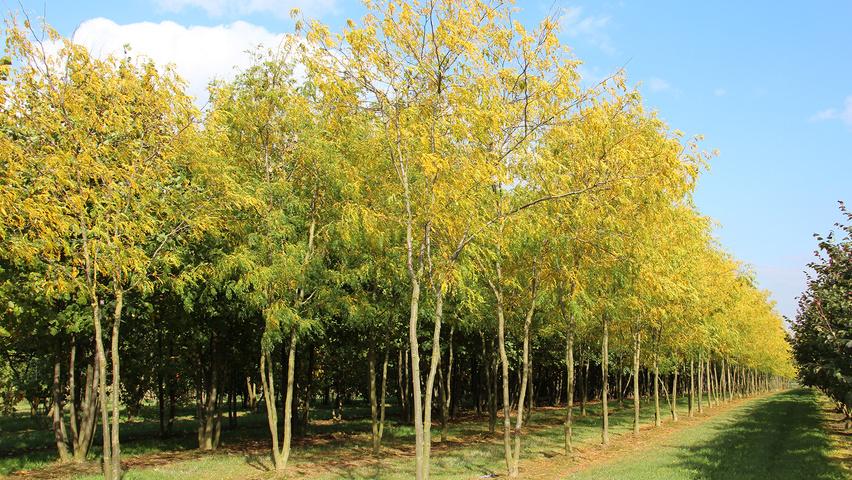
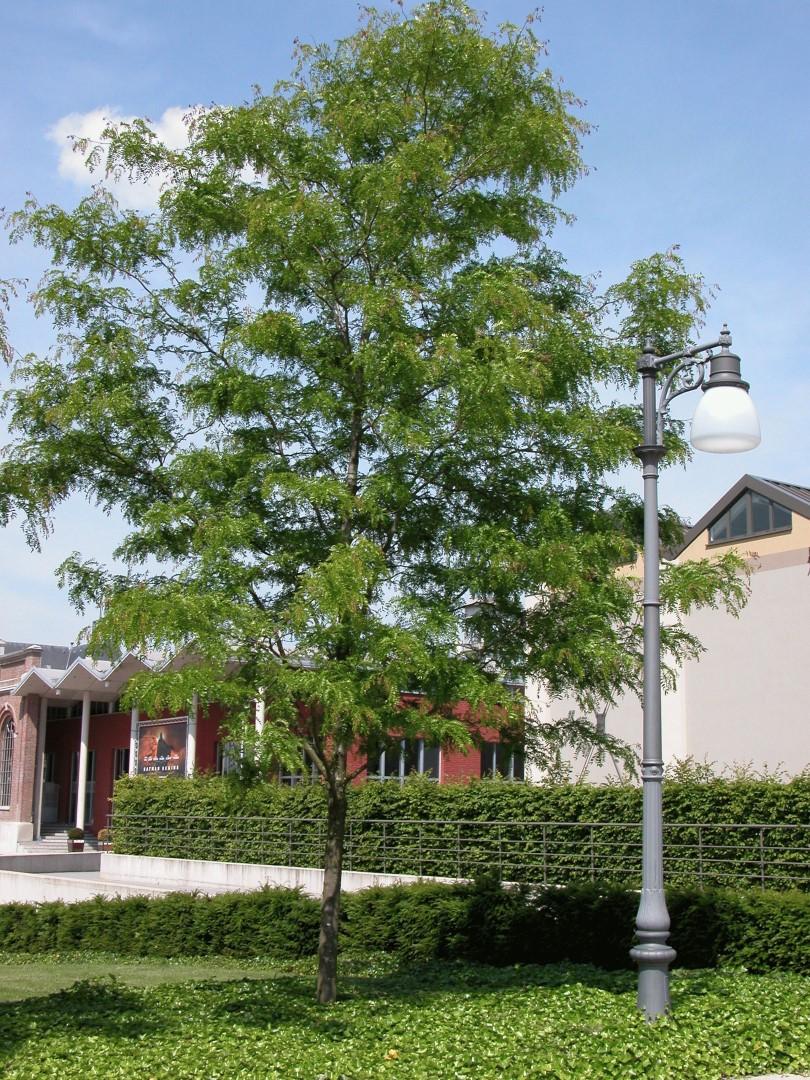
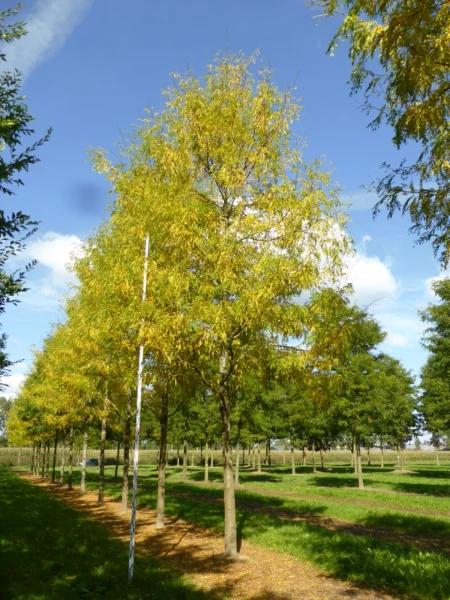
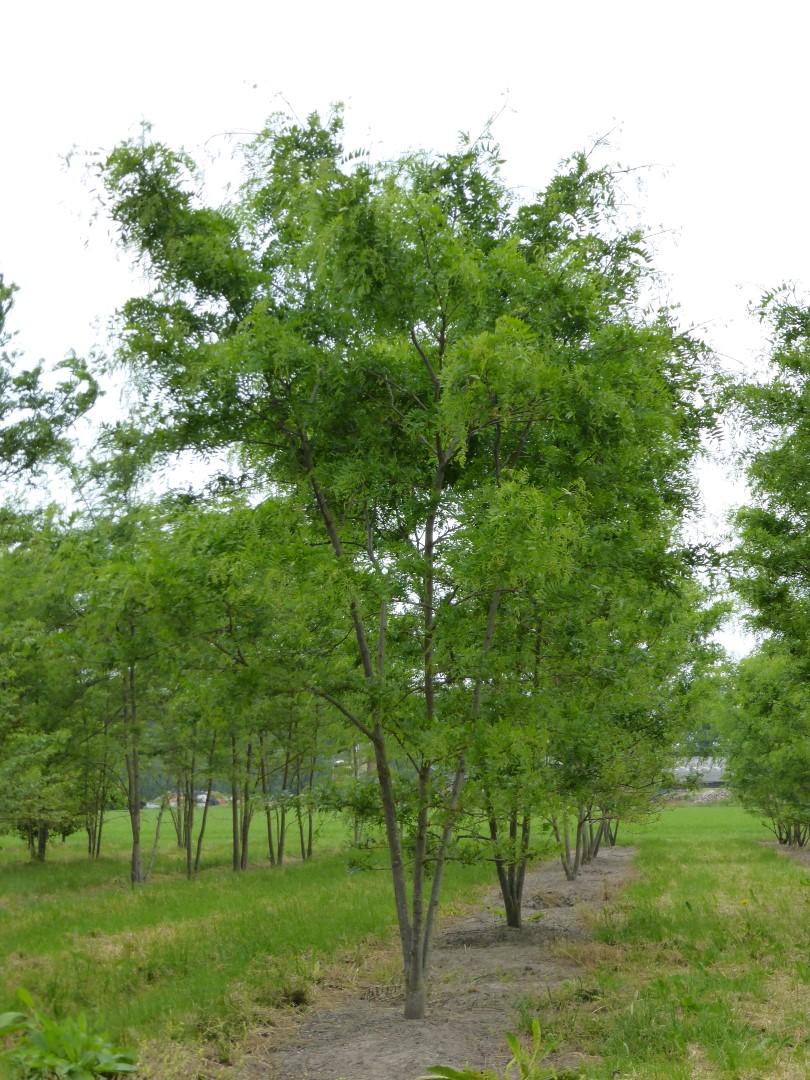
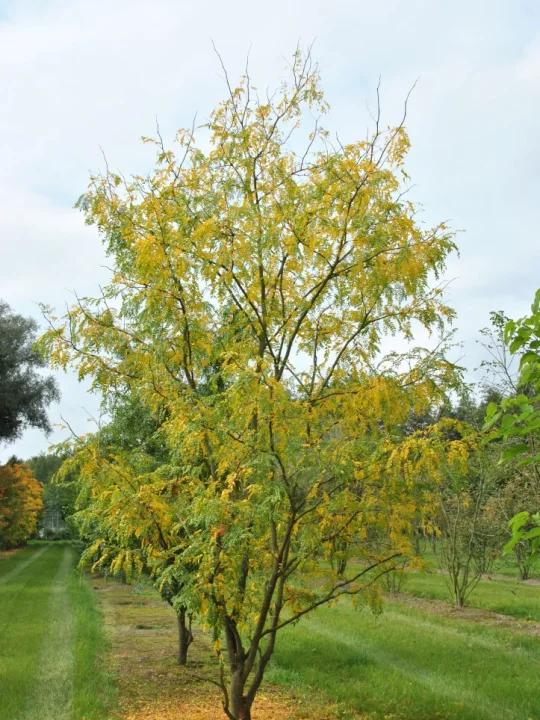
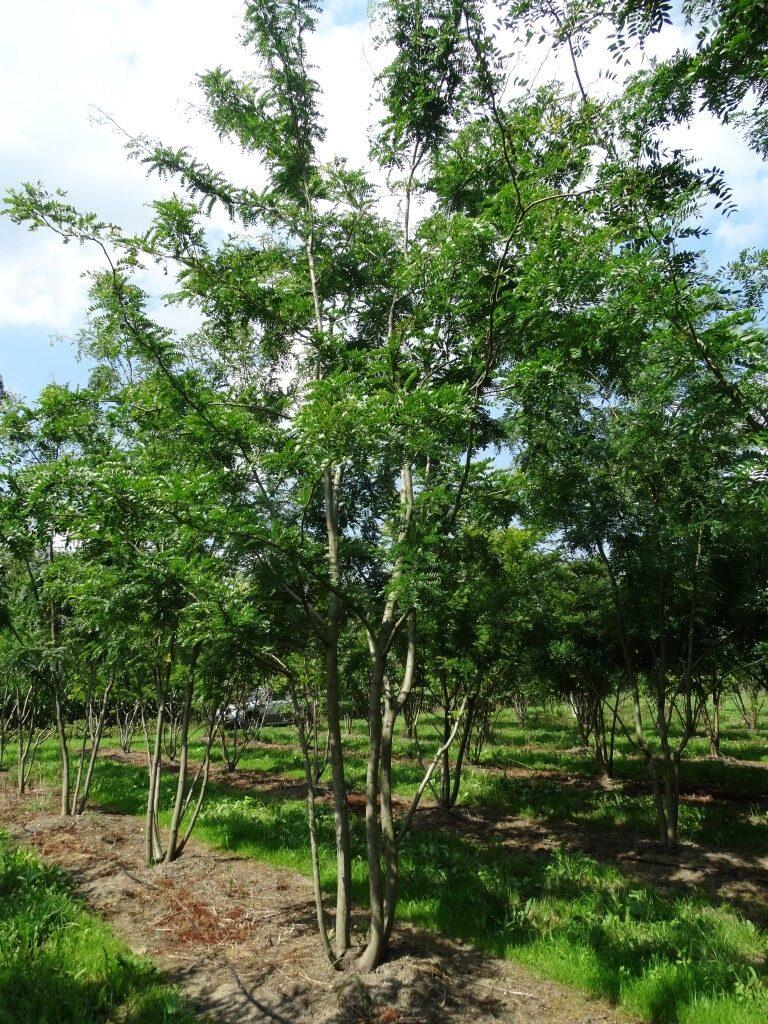
A fast-growing, deciduous tree with a narrow, upright form. Its smooth, thornless branches and delicate, fern-like foliage make it an attractive addition to urban and landscaped areas. During the summer, it produces small, fragrant, yellowish-green flowers that attract pollinators, followed by graceful pods.
Suggested Uses
Ideal for street planting, urban landscaping, shading patios, and providing privacy screens in residential gardens.
Plant Details
-
 Botanical Name: Skyline' Thornless Honeylocust Tree Gleditsia triacanthos 'Skyline'
 -
 Common Name: Skyline' Thornless Honeylocust Tree
 -
 Size & Growth: Typically reaches 30-40 ft tall with a narrow, upright habit; grows about 2-3 ft per year
 -
 Hardiness Zones: 3-8
 -
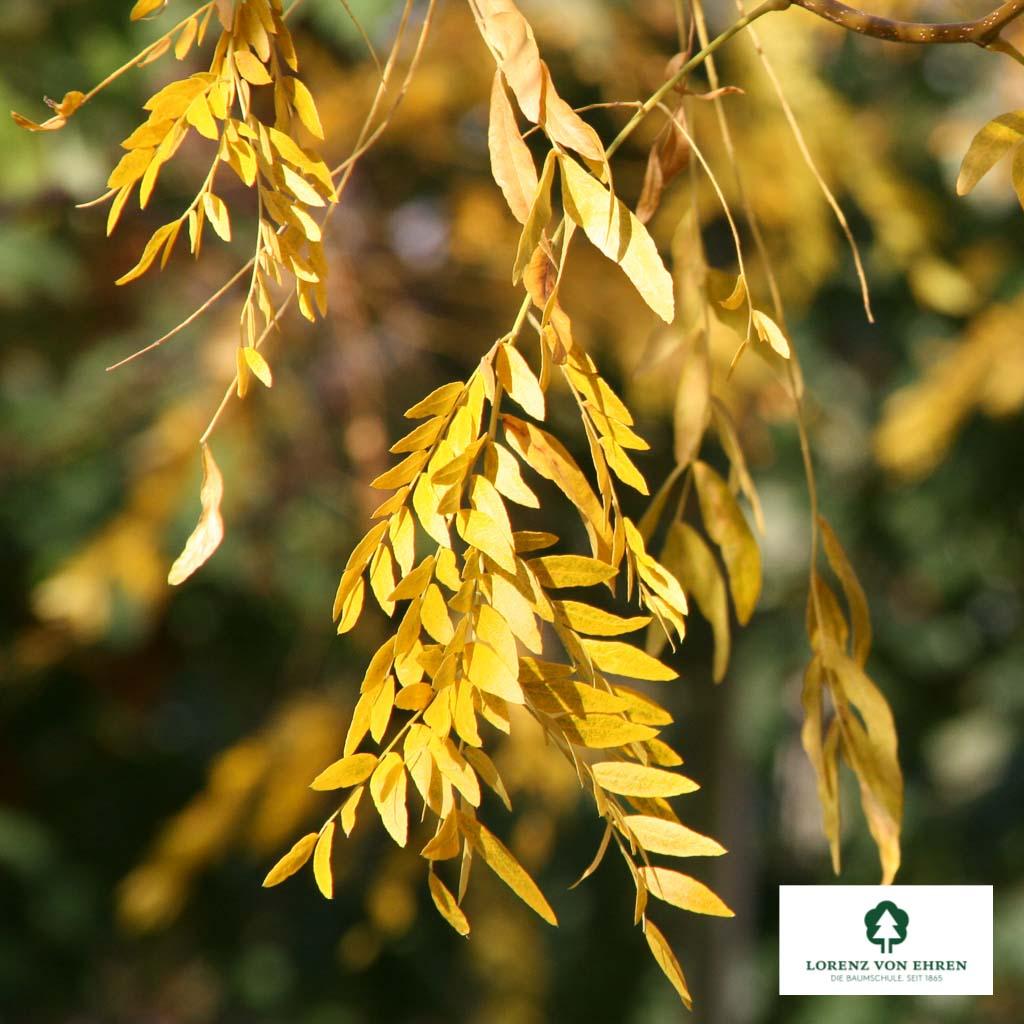
 Foliage Type: Compound, fern-like deciduous leaves
 -
 Bloom Time: Late spring to early summer
 -
 Growth Rate: Moderate to fast
 -
 Light Requirements: Full sun to partial shade
 -
 Attracts Pollinators: Yes
 -
 Indoor Friendly: No
 -
 Container Friendly: Yes, suitable for large containers
 -
 Deer Resistant: Yes
 -
 Pet Warning: Non-toxic, safe for pets
 -
 Fragrant: Yes, during blooming period
 -
 Cut Flower: Not typically used as cut flower
 -
 Grows Well With: Maples, oaks, ornamental grasses, and shrubs
Care Tips
-
 Planting Instructions: Choose a sunny location with well-drained soil; space trees approximately 30 ft apart
 -
 Soil Moisture: Maintain evenly moist soil during first 1-2 years
 -
 Soil Type: Adaptable to various soils, prefers loamy or sandy soils
 -
 Humidity: Tolerant of a range of humidity levels
 -
 Pruning Instructions: Light pruning in late winter or early spring; remove dead or crossing branches
 -
 Winter Care: Mulch around base in cold climates; generally hardy without protection
 -
 Planting Depth: Plant so that the root flare is at ground level
 -
 Fertilization: Apply balanced fertilizer in early spring annually
 -
 Special Care: Generally low maintenance; monitor for pests and diseases as needed