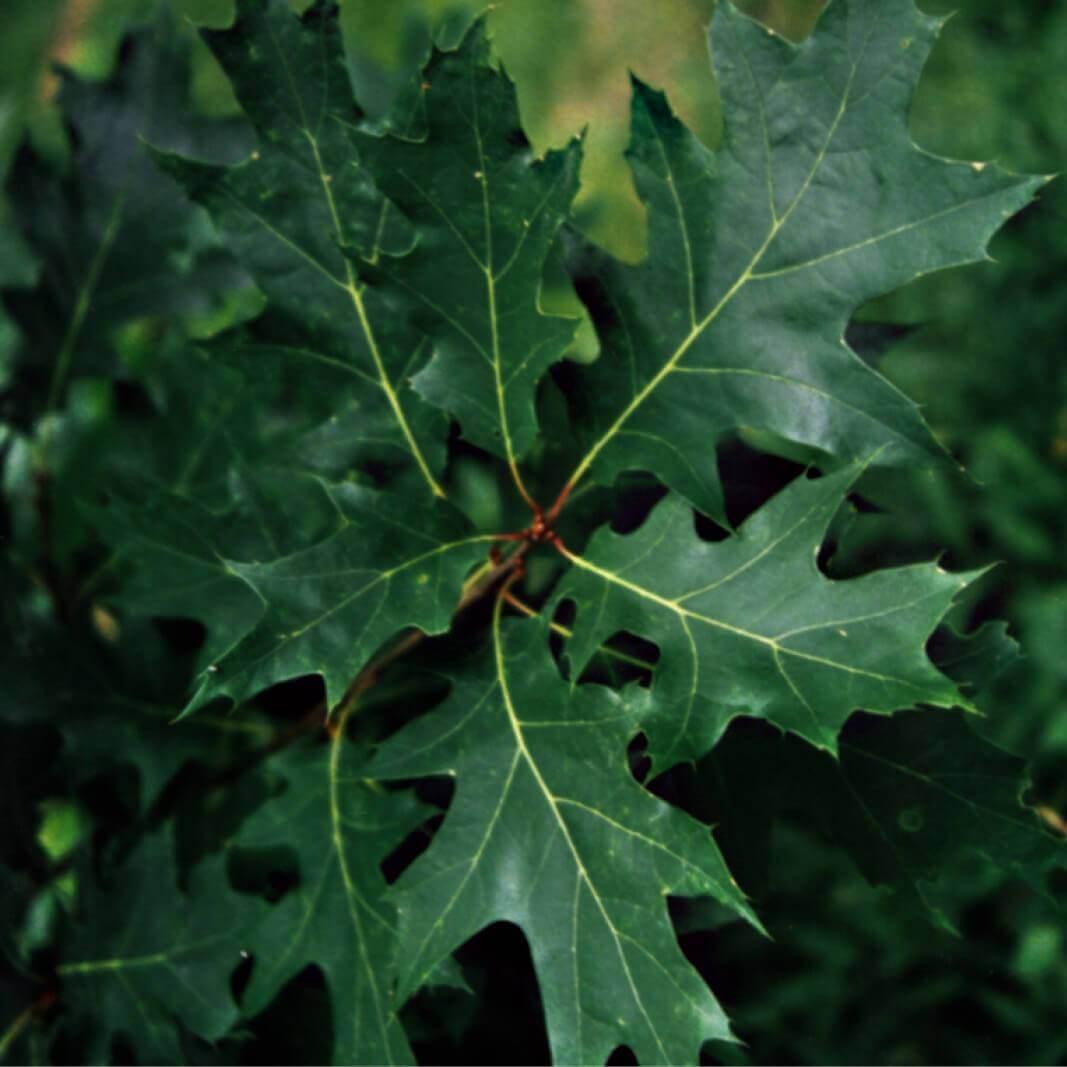


Red Oak Quercus rubra Tree- Fast-Growing Deciduous Shade Tree for Garden & Landscape- Vibrant Fall Foliage 2-2.5" cal B&B
Red Oak Quercus rubra Tree- Fast-Growing Deciduous Shade Tree for Garden & Landscape- Vibrant Fall Foliage 2-2.5" cal B&B
Regular price
$1,348.00 USD
Regular price
$1,752.40 USD
Sale price
$1,348.00 USD
Unit price
per
Shipping calculated at checkout.
SKU:nts0040-redcrocus
Couldn't load pickup availability
Red Oak Quercus rubra
Description
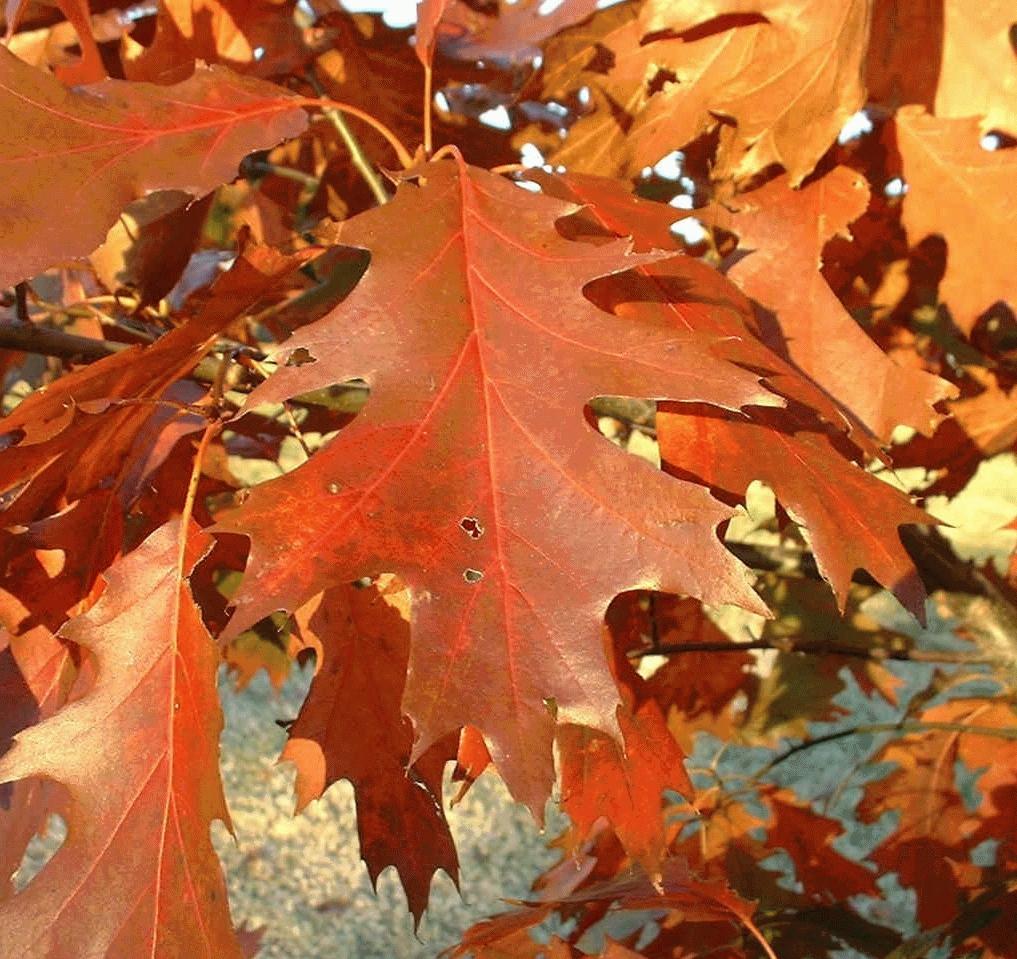
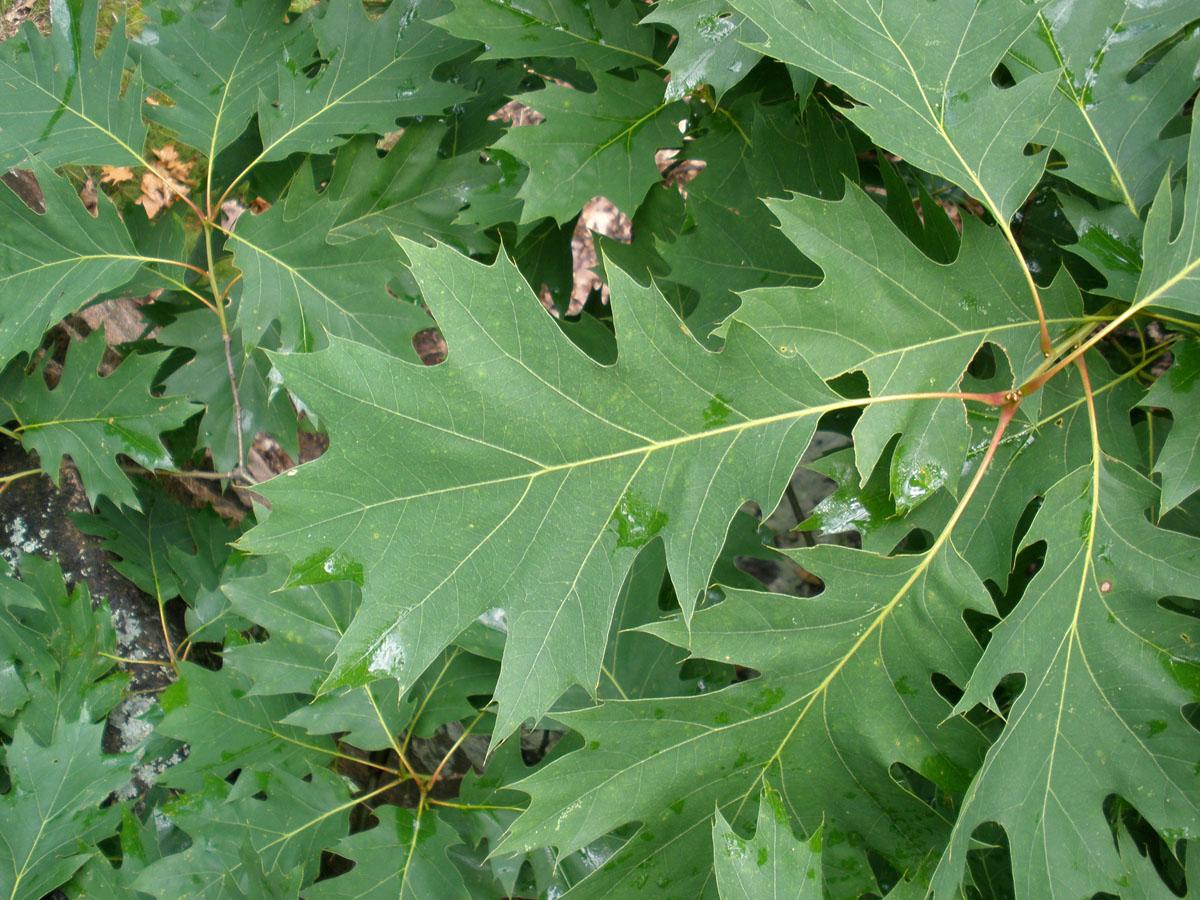
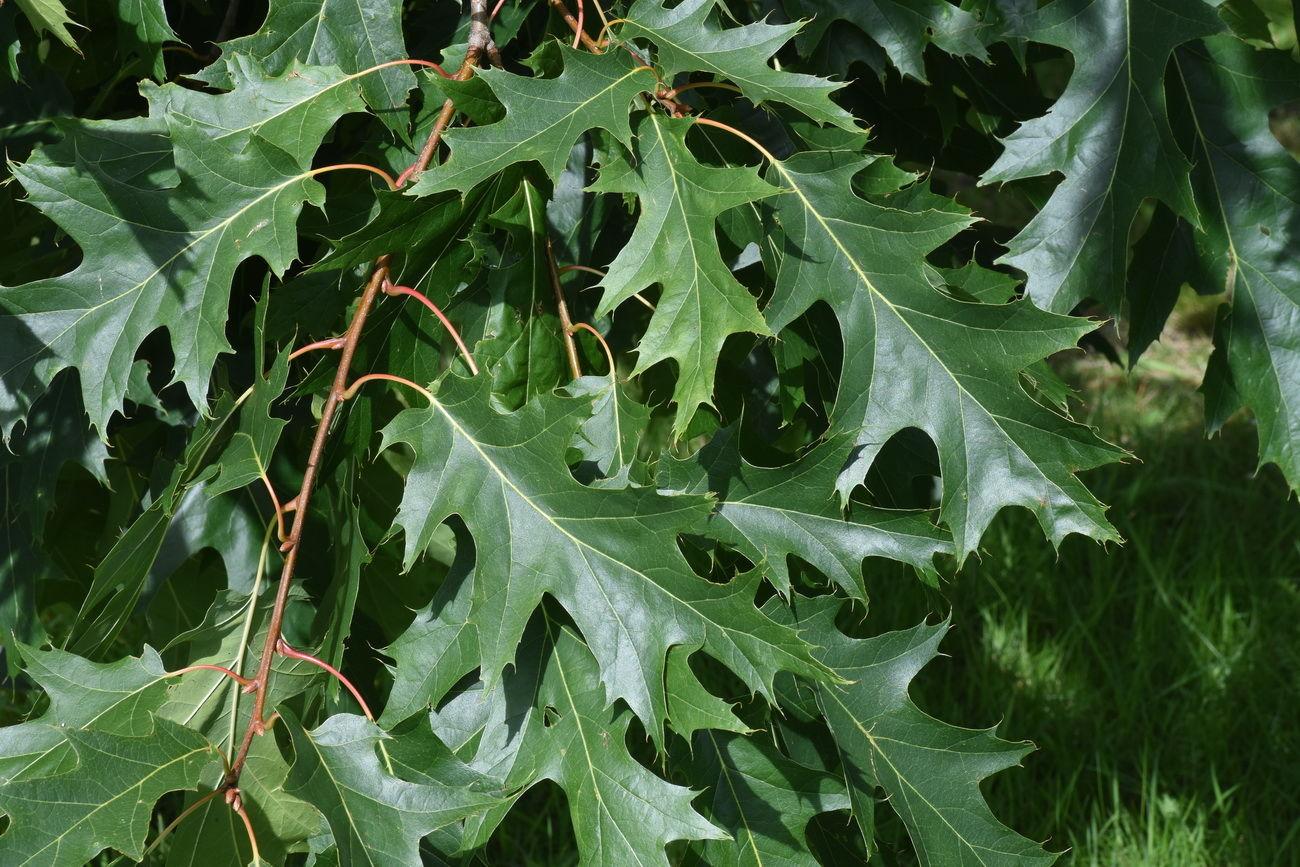
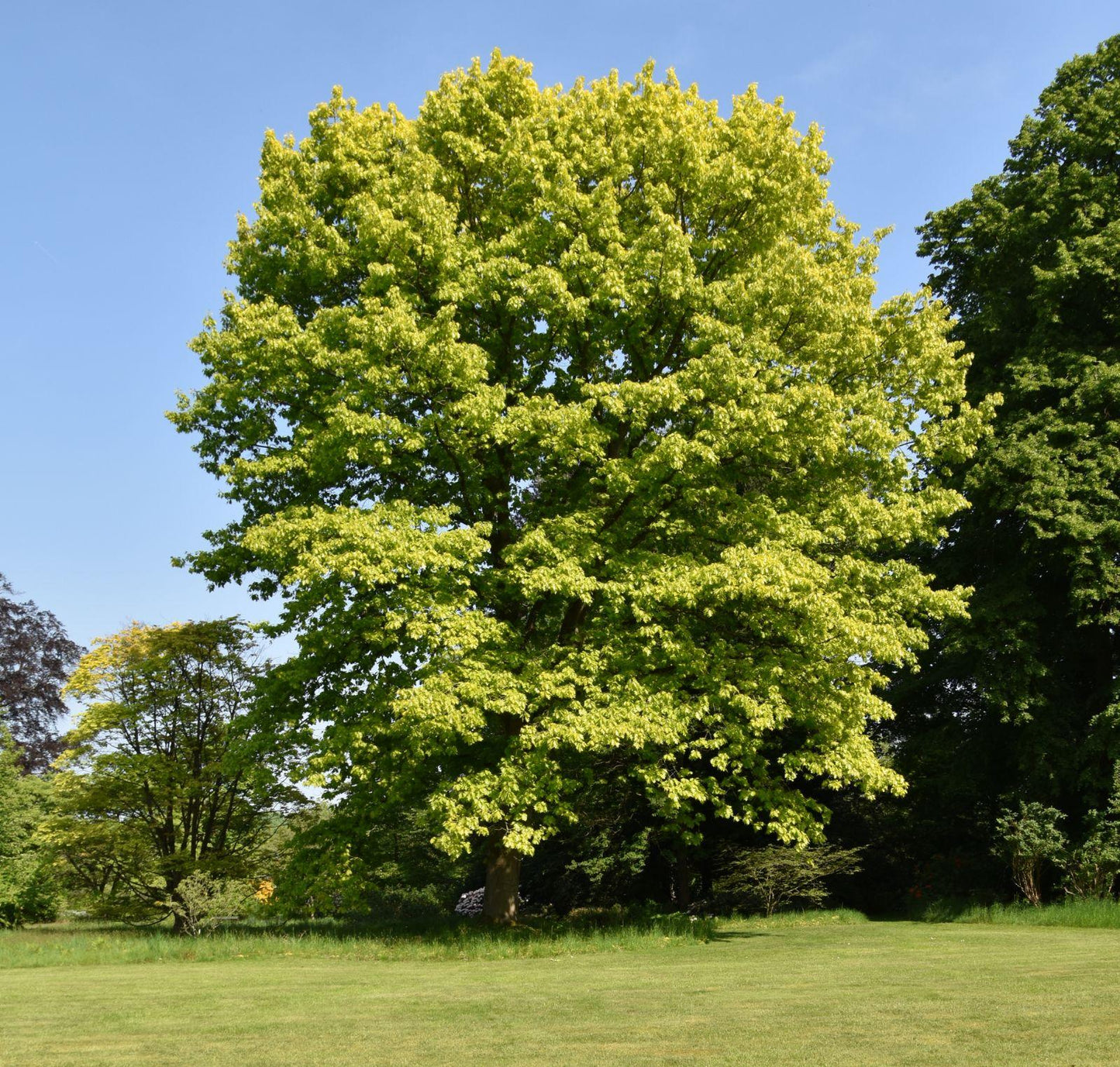
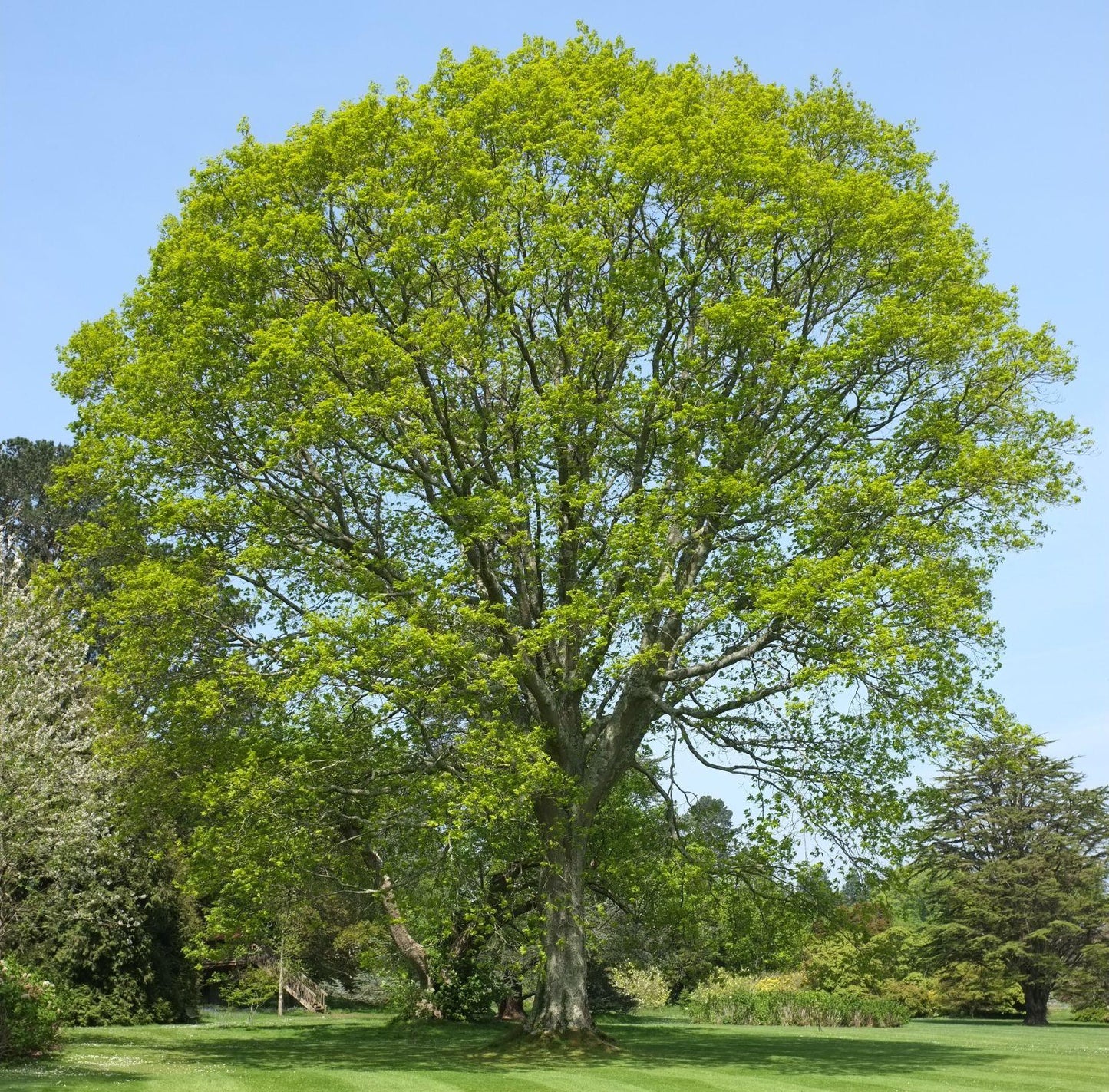
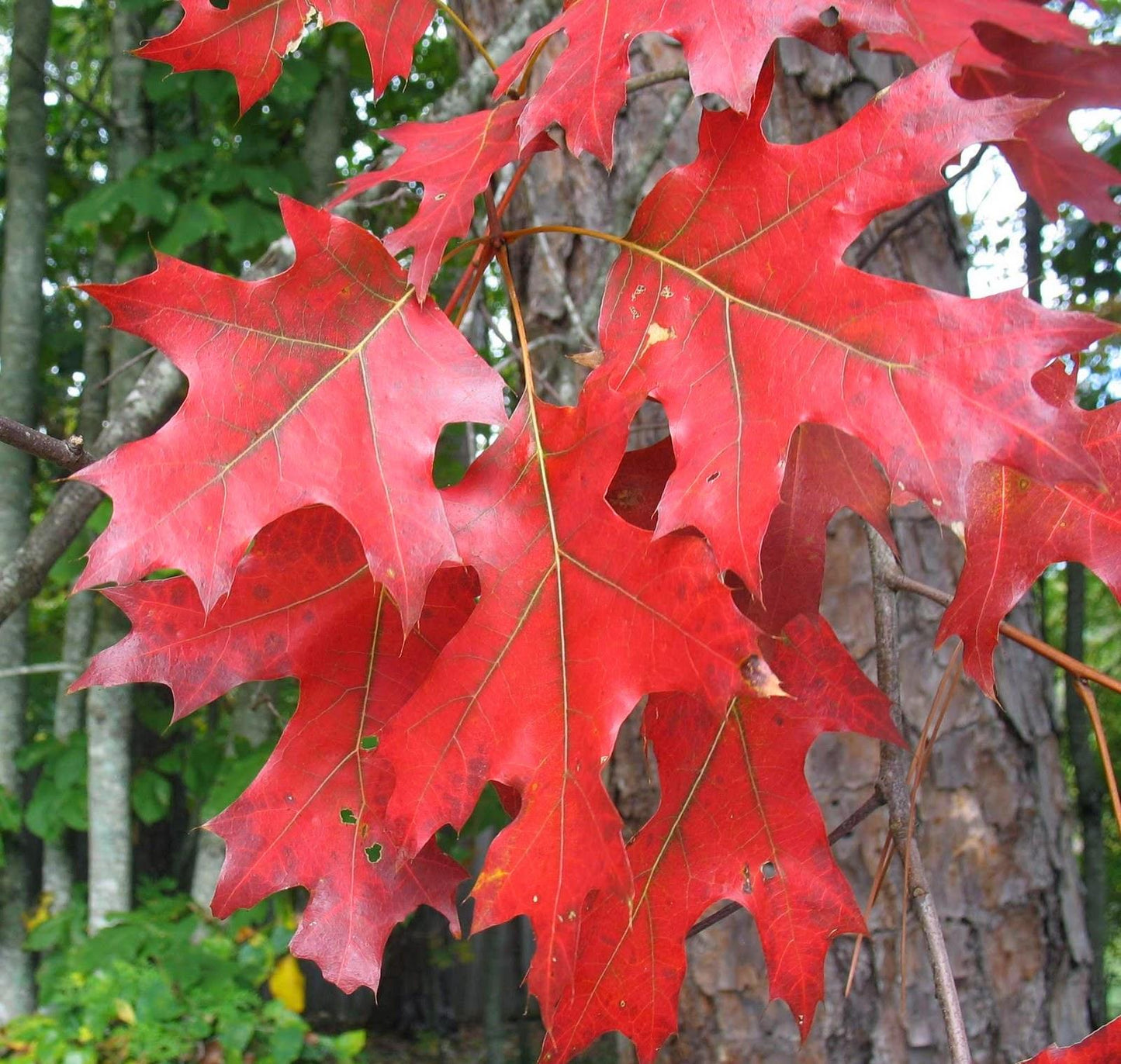
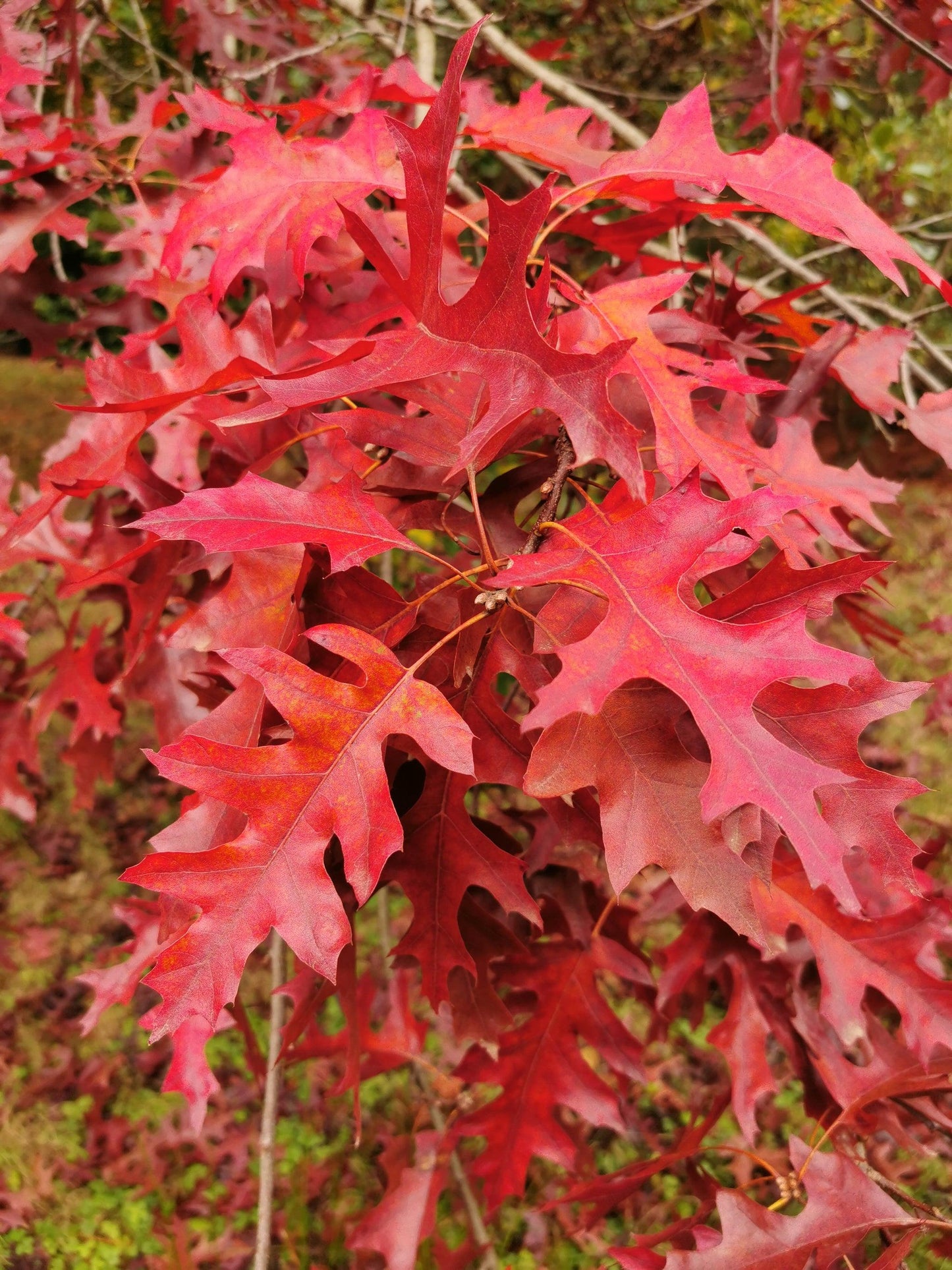
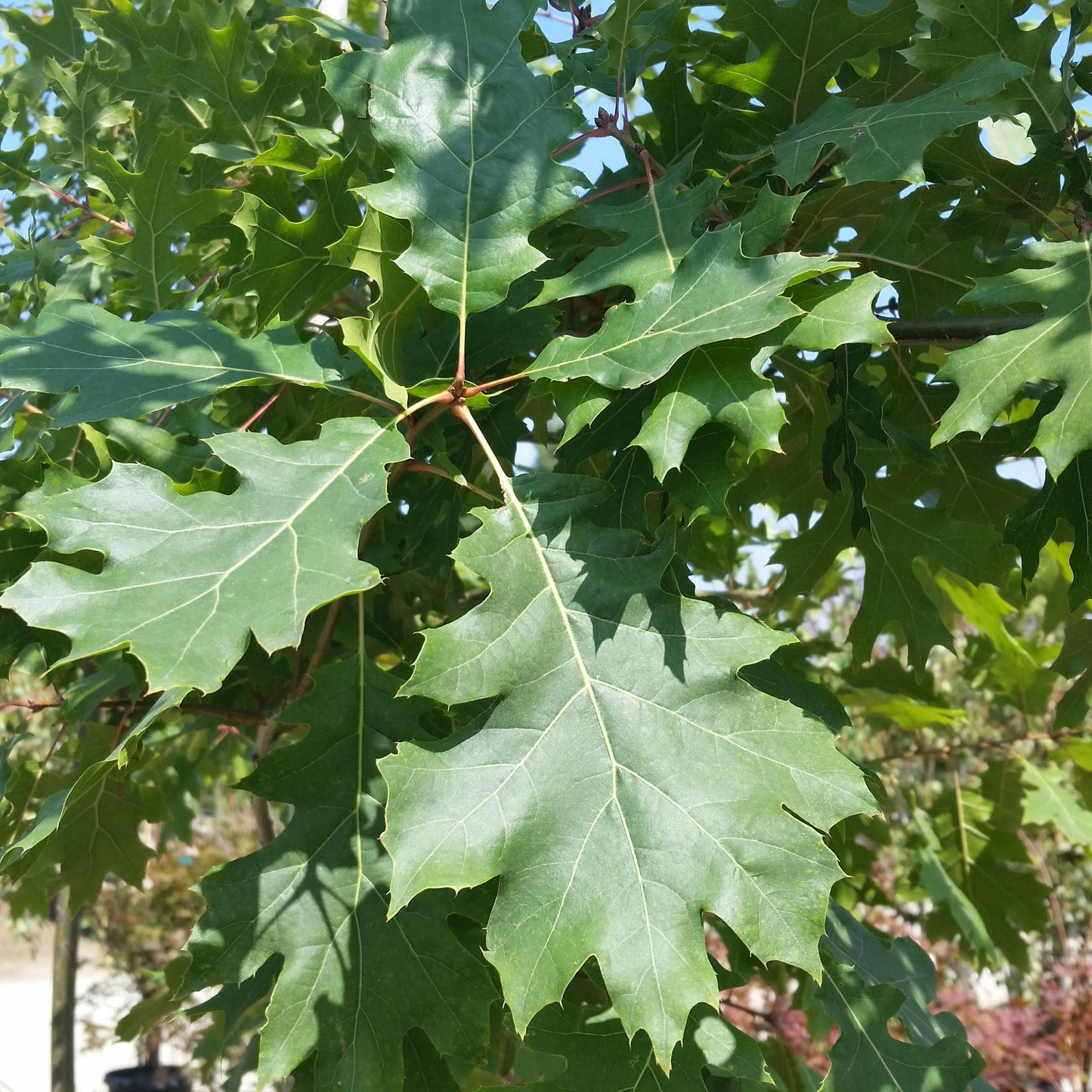
The Red Oak (Quercus rubra) is a deciduous hardwood tree native to eastern North America. It features a broad, rounded crown with vibrant green lobed leaves that turn fiery red in the fall. Known for its fast growth and sturdy structure, it provides excellent shade and creates a striking focal point in any landscape.
Suggested Uses
Perfect for large-scale gardens, parks, and along streets. It is ideal for providing shade in residential yards and serving as a centerpiece in urban landscaping projects.
Plant Details
-
 Botanical Name: Quercus rubra
 -
 Common Name: Red Oak
 -
 Size & Growth: Up to 70 ft tall with a 50 ft spread; fast-growing at about 2-3 ft per year
 -
 Hardiness Zones: 3-8
 -
 Foliage Type: Deciduous
 -
 Growth Rate: Fast
 -
 Light Requirements: Full Sun
 -
 Attracts Pollinators: Yes
 -
 Indoor Friendly: No
 -
 Container Friendly: No
 -
 Deer Resistant: Moderately
 -
 Pet Warning: Toxic to Dogs and Cats if ingested
 -
 Fragrant: No
 -
 Cut Flower: No
 -
 Grows Well With: Maples, Pines, other Deciduous Trees
 Bloom Time: Spring (April to May)
Care Tips
-
 Planting Instructions: Select a sunny location with well-draining soil. Dig a hole twice as wide as the root ball and position the tree so the top of the root ball is level with the soil surface.
 -
 Soil Moisture: Keep soil evenly moist, especially during dry periods
 -
 Soil Type: Prefers loamy, well-drained soil
 -
 Humidity: Tolerant of various humidity levels
 -
 Pruning Instructions: Prune in late winter or early spring to maintain shape and remove dead or diseased branches
 -
 Winter Care: Mulch around base to protect roots in colder zones; avoid heavy pruning in winter
 -
 Planting Depth: Ensure the root flare is at soil level
 -
 Fertilization: Apply a balanced fertilizer in early spring annually
 -
 Special Care: Watch for signs of pests such as gypsy moths; maintain regular watering during droughts