

RedCrocus American Hophornbeam Ostrya virginiana | Native Deciduous Tree for Gardens | Attracts Pollinators, Fall Foliage, Container Friendly, Deer Resistant 1.5-2" cal B&B
RedCrocus American Hophornbeam Ostrya virginiana | Native Deciduous Tree for Gardens | Attracts Pollinators, Fall Foliage, Container Friendly, Deer Resistant 1.5-2" cal B&B
Regular price
$1,424.00 USD
Regular price
$1,851.20 USD
Sale price
$1,424.00 USD
Unit price
per
Shipping calculated at checkout.
SKU:nto9940-redcrocus
Couldn't load pickup availability
American Hophornbeam Ostrya virginiana
Description
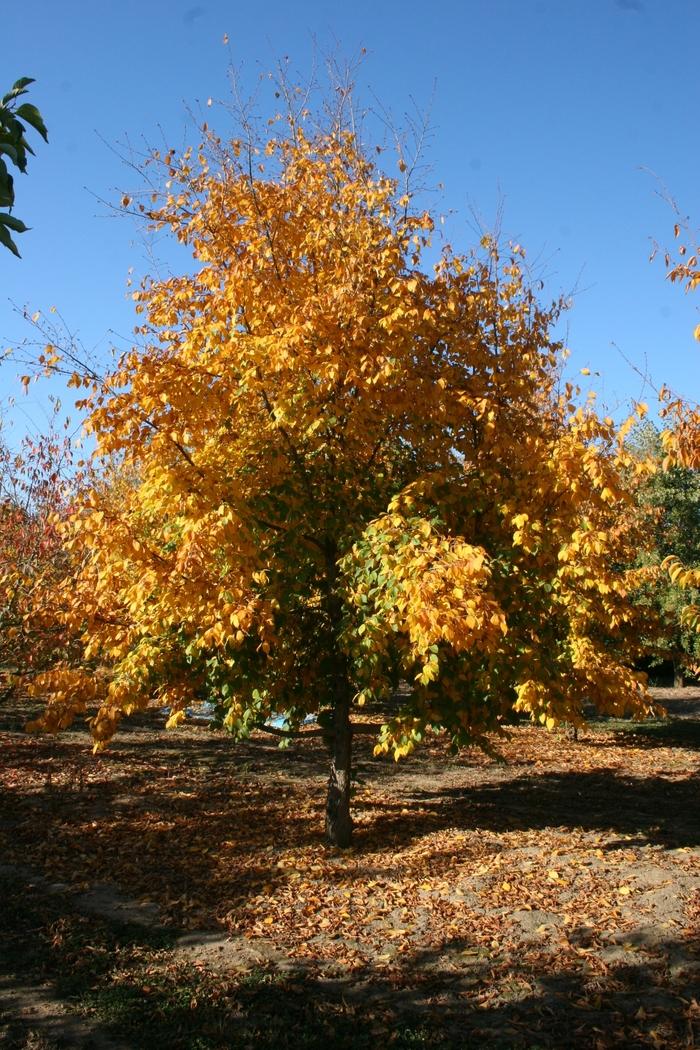
A deciduous tree native to eastern North America, characterized by its delicate, hanging seed clusters and attractive exfoliating bark. It typically reaches 20-30 feet in height with a rounded crown, offering dense foliage in spring and summer, turning vibrant yellow in fall.
Suggested Uses
Ideal for naturalized gardens, woodland landscapes, and as a shade tree in residential yards. Its attractive bark and foliage make it a great focal point or understory plant.
Plant Details
-
 Botanical Name: American Hophornbeam Ostrya virginiana
 -
 Common Name: American Hophornbeam
 -
 Size & Growth: Typically 20-30 ft tall with a rounded canopy
 -
 Hardiness Zones: 4-9
 -
 Foliage Type: Deciduous
 -
 Growth Rate: Moderate
 -
 Light Requirements: Full sun to partial shade
 -
 Attracts Pollinators: Yes
 -
 Indoor Friendly: No
 -
 Container Friendly: Yes, suitable for large containers
 -
 Deer Resistant: Yes
 -
 Pet Warning: Non-toxic to pets
 -
 Fragrant: No
 -
 Cut Flower: Yes, its seed clusters add ornamental value
 -
 Grows Well With: Shade-tolerant plants, native shrubs
 Bloom Time: Spring
Care Tips
-
 Planting Instructions: Plant in well-drained soil in full sun to partial shade. Space appropriately for mature size.
 -
 Soil Moisture: Prefers consistently moist, well-drained soil
 -
 Soil Type: Adaptable to various soils, prefers loamy
 -
 Humidity: Tolerant of average humidity levels
 -
 Pruning Instructions: Minimal pruning necessary, remove dead or damaged branches in late winter
 -
 Winter Care: Mulch around base to protect roots in colder zones
 -
 Planting Depth: Set at same depth as in container or nursery pot
 -
 Fertilization: Apply balanced fertilizer in early spring
 -
 Special Care: Mulch to maintain soil moisture and suppress weeds