

European Hornbeam Carpinus betulus- Single Stem | Ornamental Deciduous Tree for Gardens and Landscaping | Low Maintenance, Hardy, and Attracts Pollinators 3-3.5" cal B&B
European Hornbeam Carpinus betulus- Single Stem | Ornamental Deciduous Tree for Gardens and Landscaping | Low Maintenance, Hardy, and Attracts Pollinators 3-3.5" cal B&B
Regular price
$2,892.00 USD
Regular price
$3,759.60 USD
Sale price
$2,892.00 USD
Unit price
per
Shipping calculated at checkout.
SKU:nto9925-redcrocus
Couldn't load pickup availability
European Hornbeam Carpinus betulus - Single Stem
Description
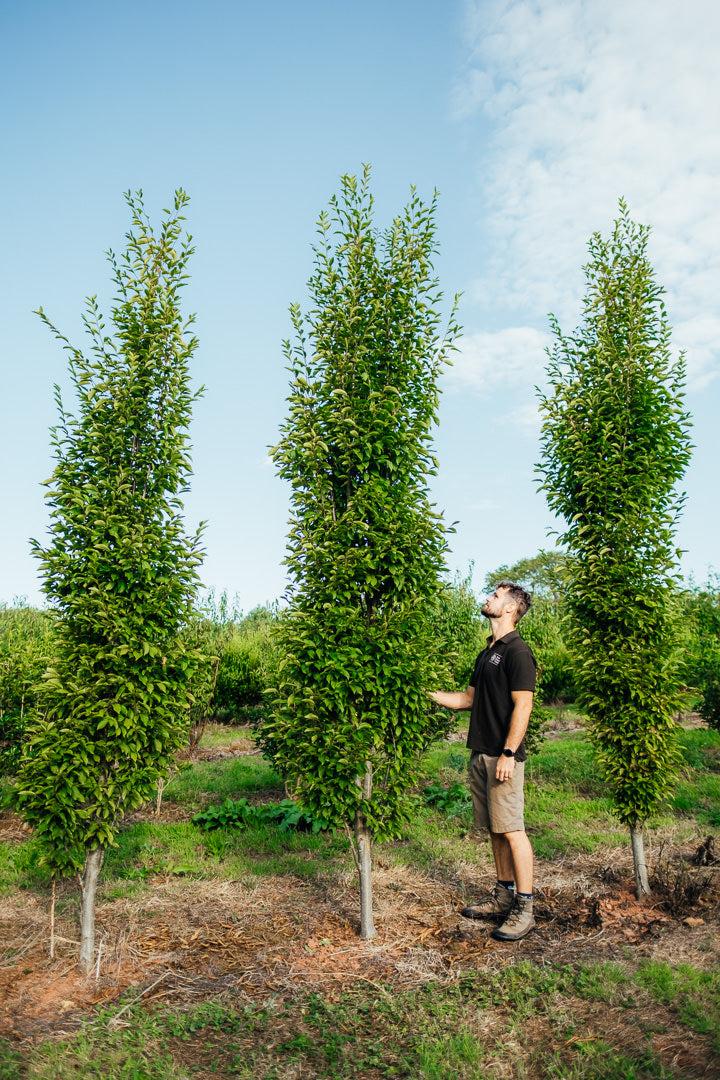
A deciduous ornamental tree known for its dense, rounded canopy and attractive, serrated green leaves. It exhibits a graceful form and is often used for formal hedges or standalone focal points in gardens.
Suggested Uses
Ideal for shaping into hedges, topiary, or as a specimen tree in urban and rural landscapes. Suitable for small to medium-sized gardens.
Plant Details
-
 Botanical Name: European Hornbeam Carpinus betulus - Single Stem
 -
 Common Name: European Hornbeam
 -
 Size & Growth: Typically reaches 30-40 ft tall with a spread of 20-30 ft; slow to moderate growth rate
 -
 Hardiness Zones: 4-7
 -
 Foliage Type: Deciduous
 -
 Growth Rate: Slow to moderate
 -
 Light Requirements: Full sun to partial shade
 -
 Attracts Pollinators: Yes
 -
 Indoor Friendly: No
 -
 Container Friendly: Yes, with adequate space and care
 -
 Deer Resistant: Yes
 -
 Pet Warning: Non-toxic to pets
 -
 Fragrant: No
 -
 Cut Flower: Yes (foliage accentuates cut arrangements)
 -
 Grows Well With: Boxwoods, Hollies, and other Shrubs
 Bloom Time: Spring (April to May)
Care Tips
-
 Planting Instructions: Choose a sunny to partly shaded location with well-draining soil. Space adequately for mature size.
 -
 Soil Moisture: Keep evenly moist, especially during establishment.
 -
 Soil Type: Tolerant of a variety of soil types but prefers fertile, moist, and well-drained soil.
 -
 Humidity: Average humidity is suitable
 -
 Pruning Instructions: Prune in late winter or early spring to maintain shape and remove any dead or crossing branches
 -
 Winter Care: Mulch around the base; protect young trees from harsh winter winds
 -
 Planting Depth: Plant at the same depth as the root ball, ensuring no crown is buried
 -
 Fertilization: Apply balanced fertilizer in early spring
 -
 Special Care: Monitor for pests and diseases; generally low maintenance