

RedCrocus American Hazelnut Corylus americana Bush- Edible Nuts, Wildlife Attractant, Privacy Screen, Native Flowering Shrub 3 Gallon
RedCrocus American Hazelnut Corylus americana Bush- Edible Nuts, Wildlife Attractant, Privacy Screen, Native Flowering Shrub 3 Gallon
Regular price
$240.00 USD
Regular price
$312.00 USD
Sale price
$240.00 USD
Unit price
per
Shipping calculated at checkout.
SKU:nto7745-redcrocus
Couldn't load pickup availability
American Hazelnut Corylus americana
Description
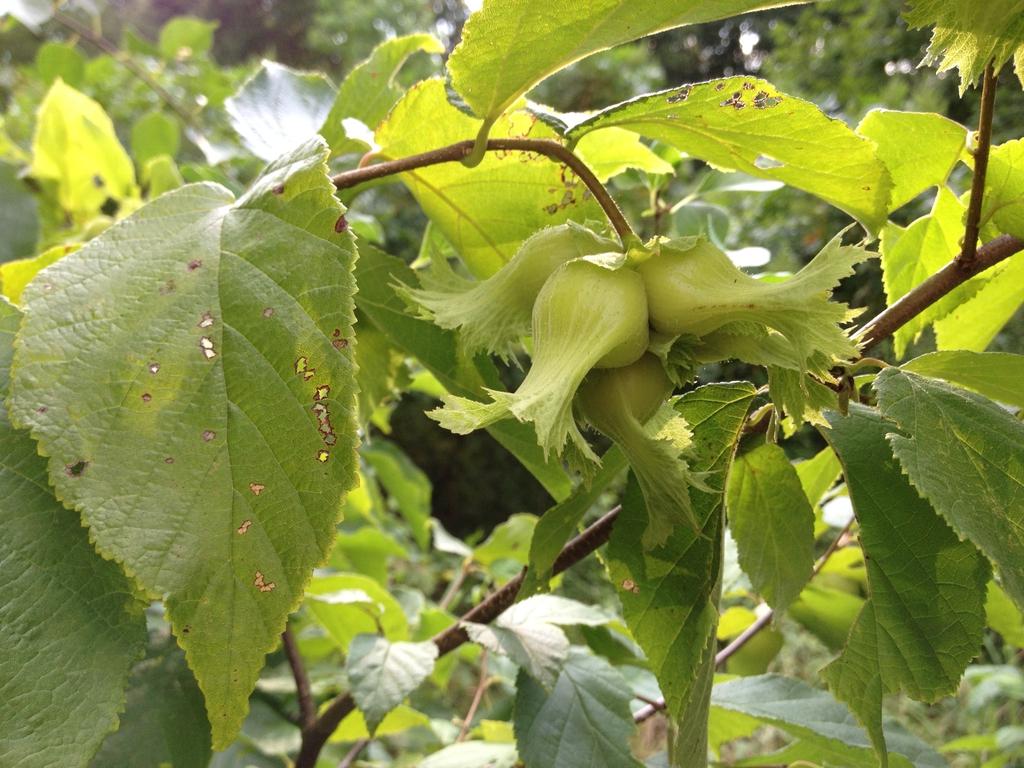
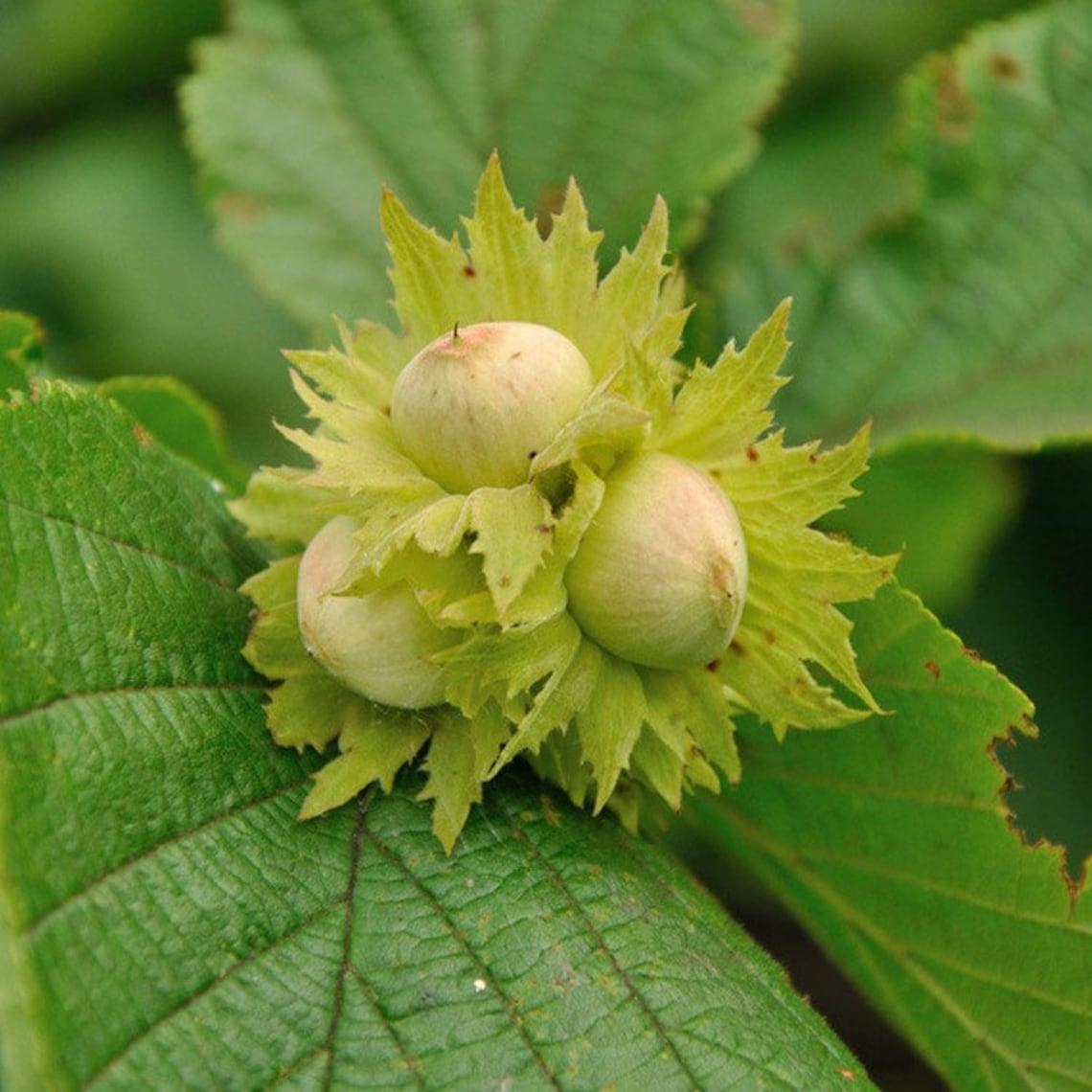
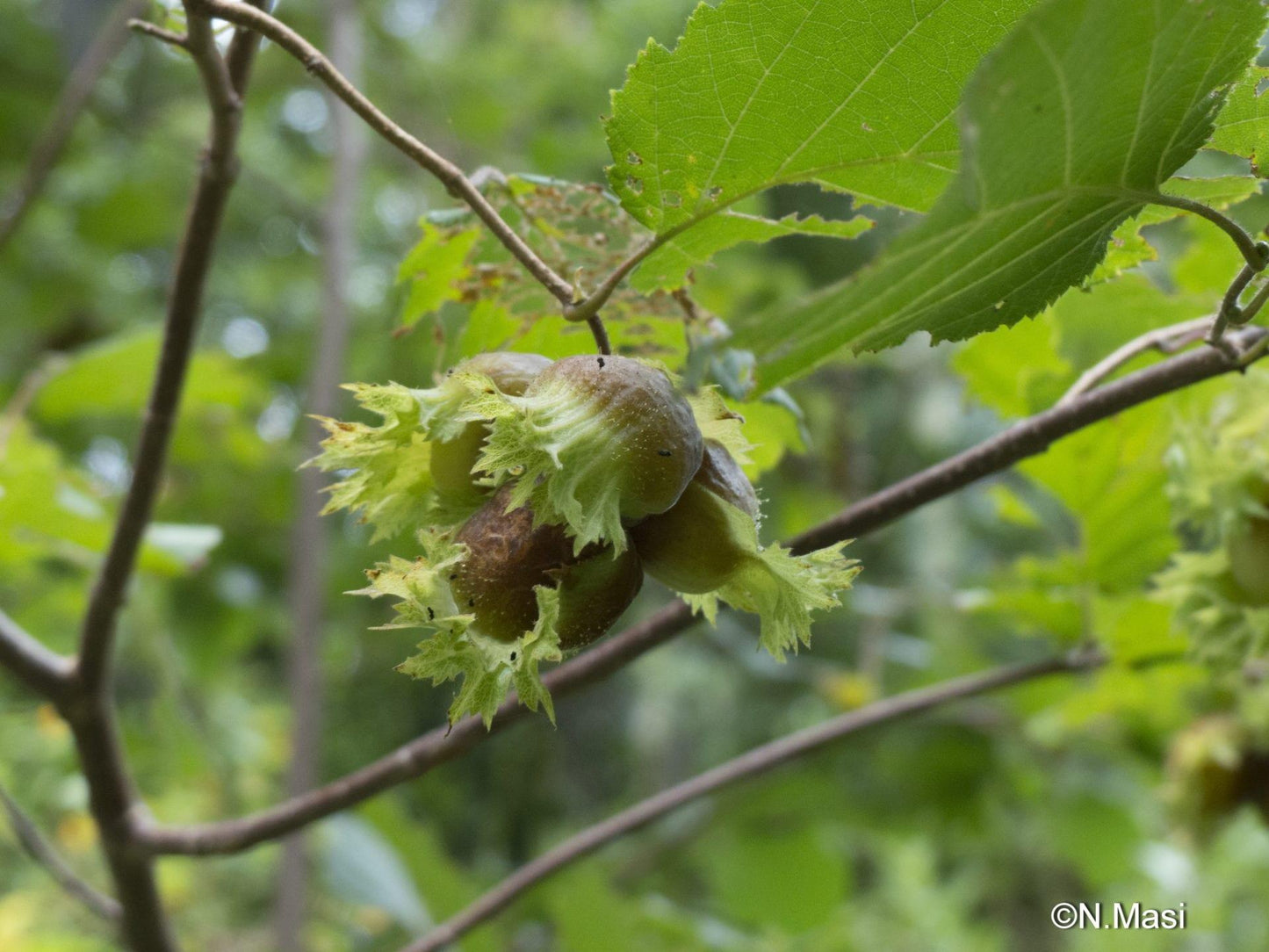
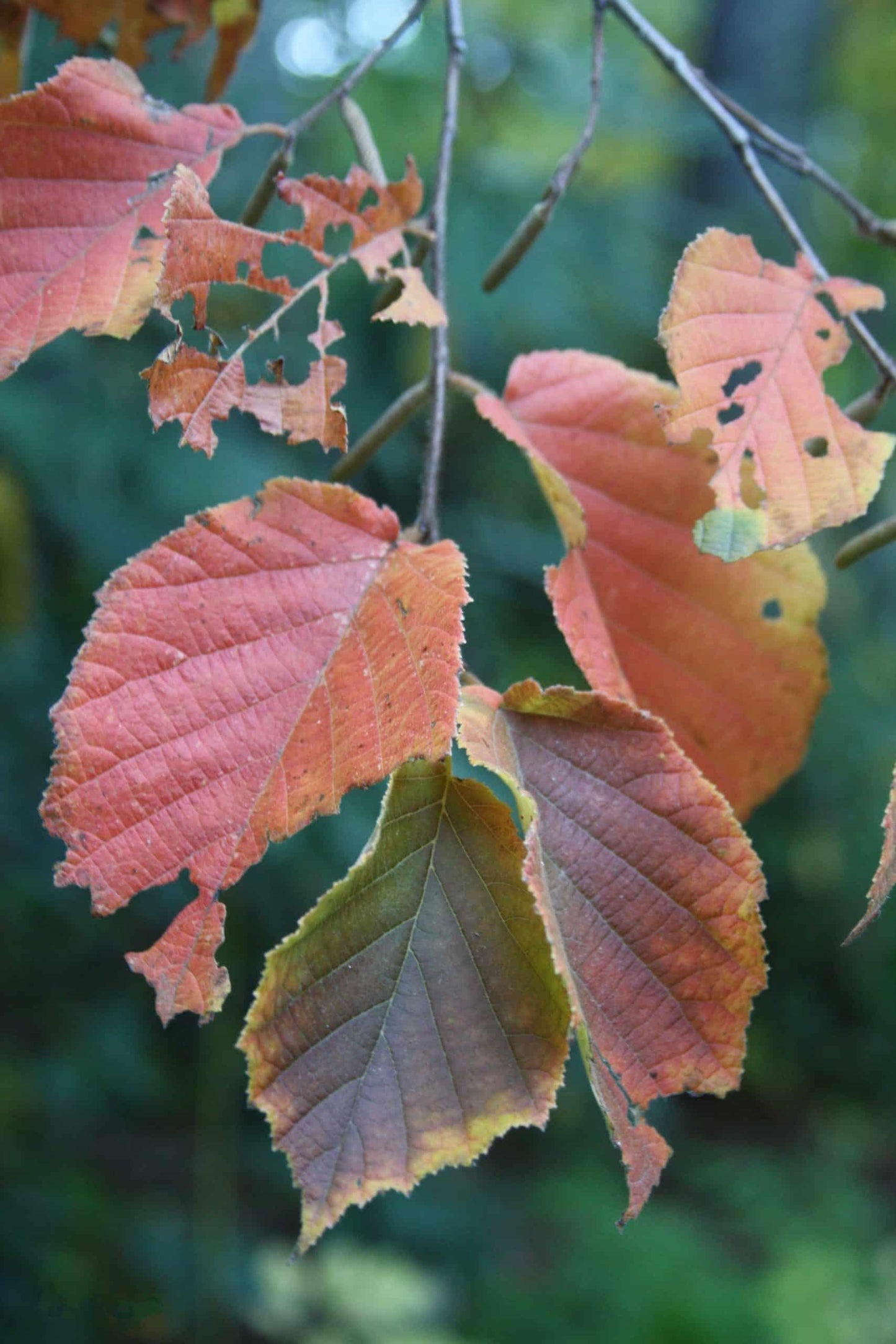
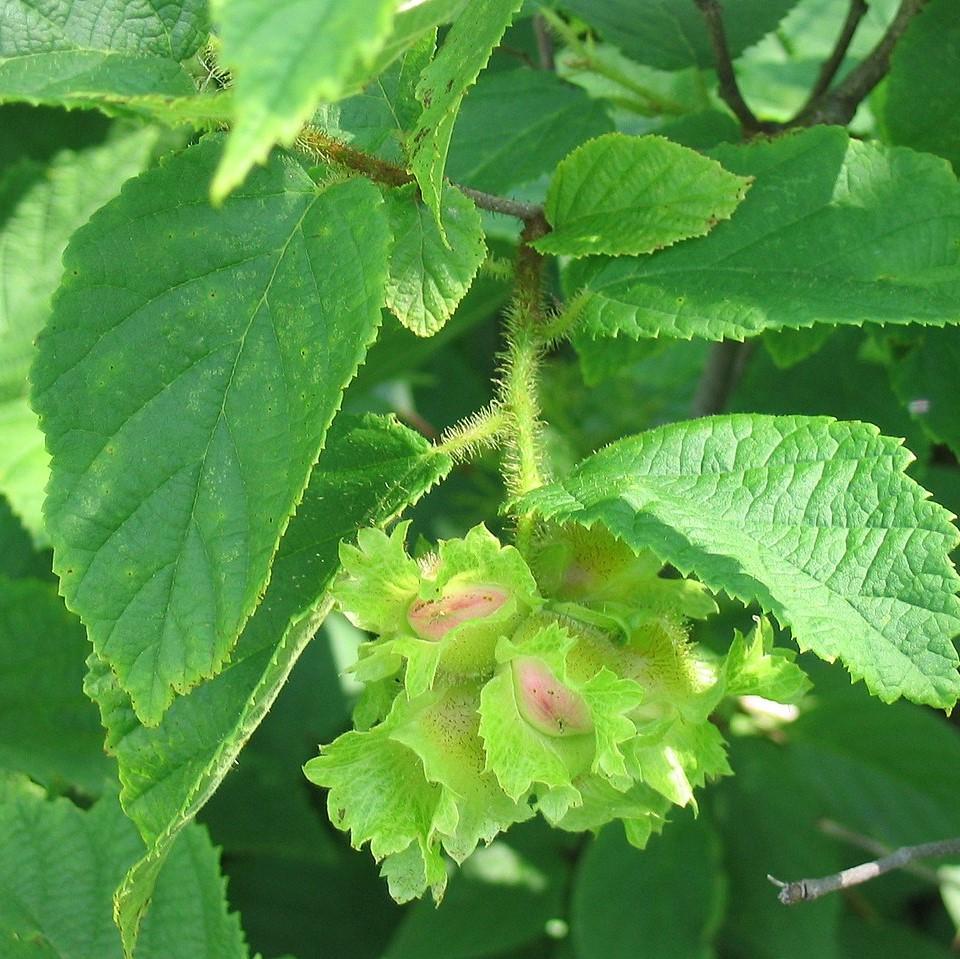
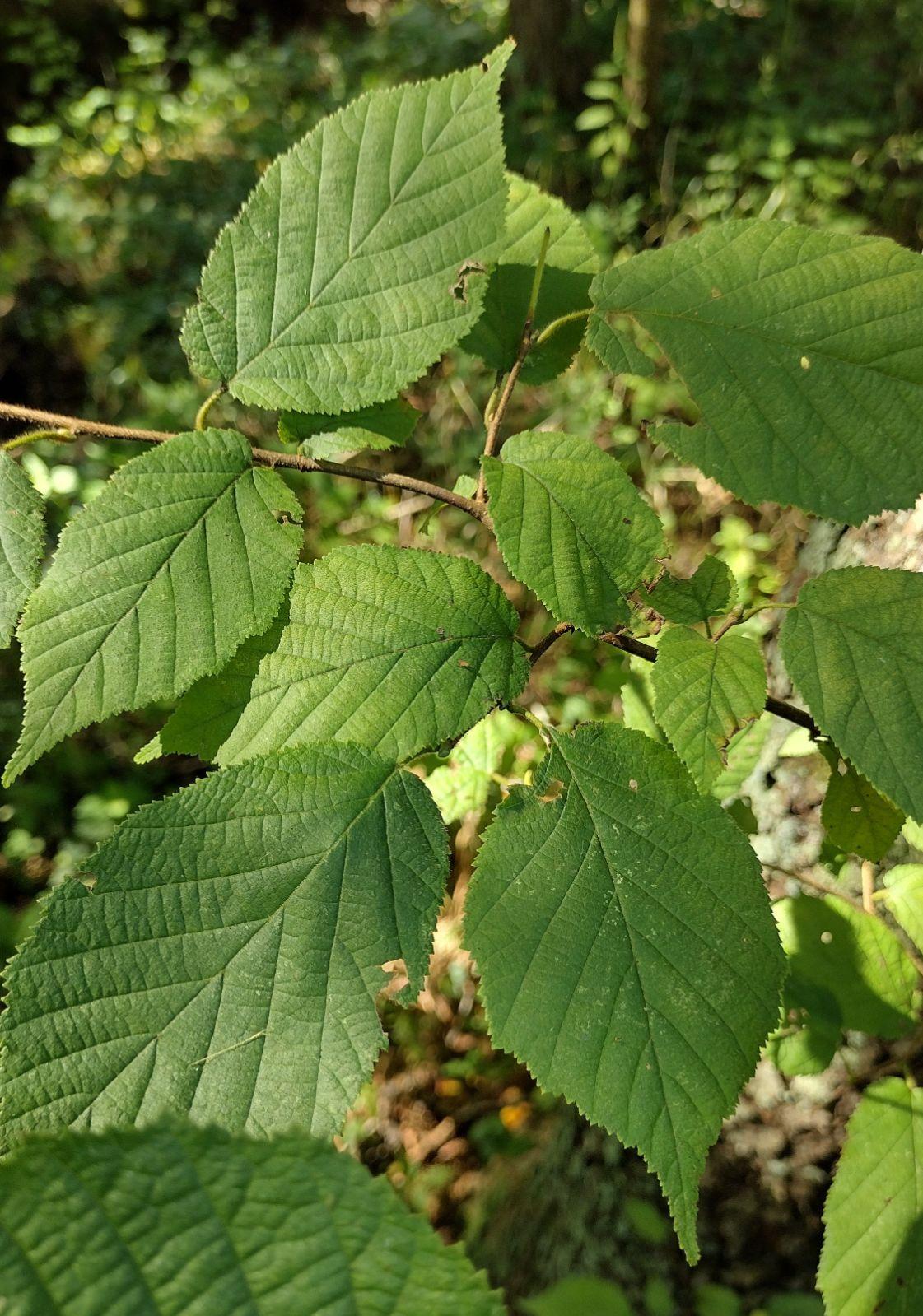
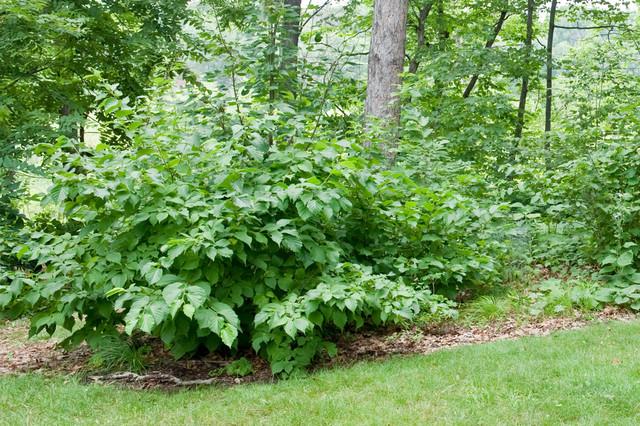
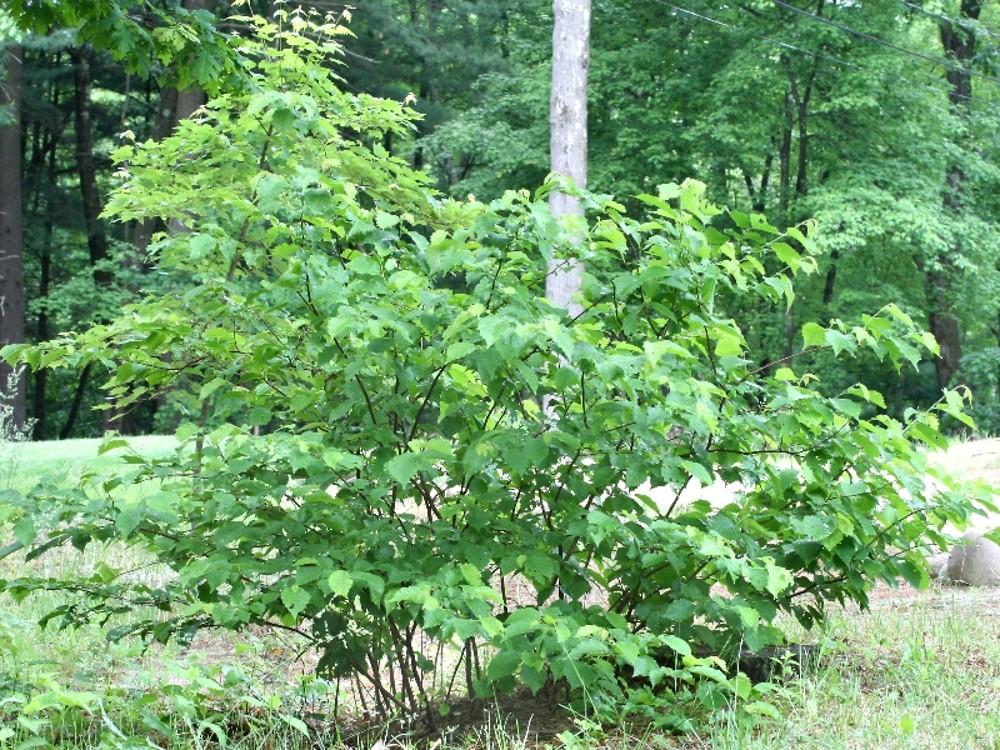
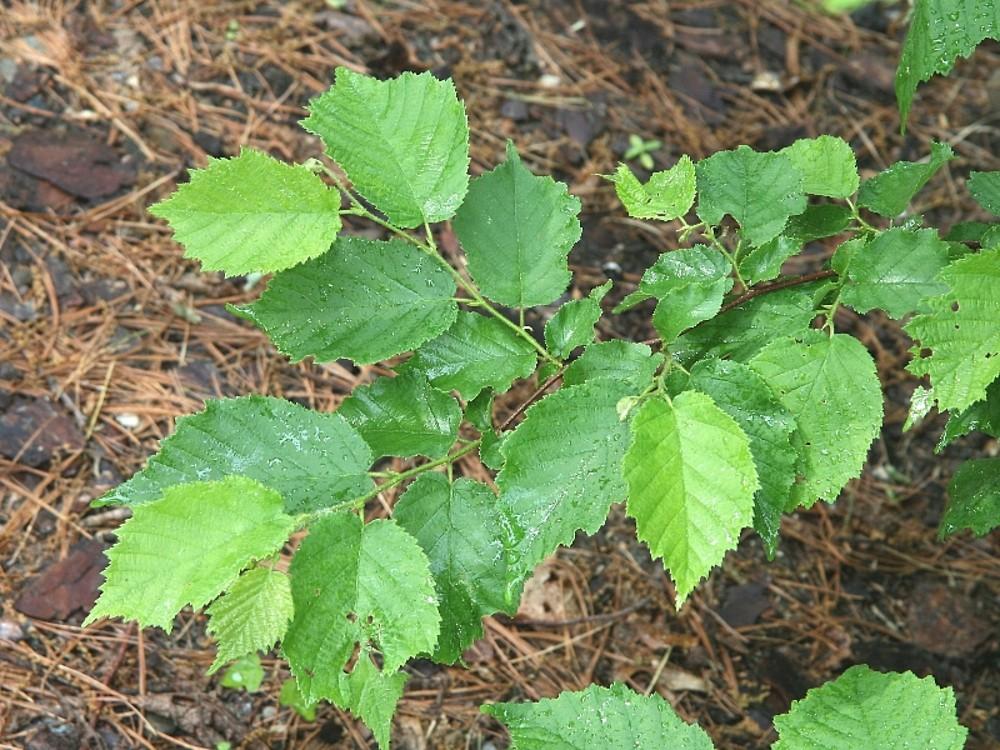
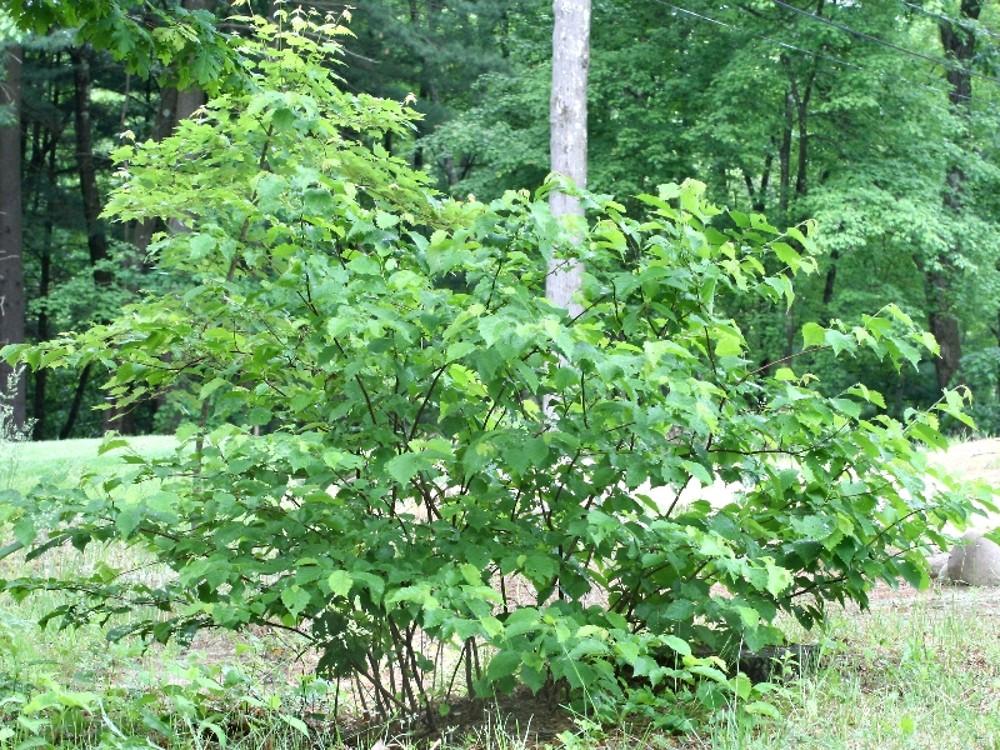
An upright deciduous shrub typically reaching 10-15 feet tall, featuring broad ovate leaves that turn vibrant colors in autumn. Produces clusters of edible nuts encased in husks, providing year-round interest and wildlife value.
Suggested Uses
Ideal for naturalizing areas, privacy screens, and erosion control. Its attractive foliage and edible nuts make it perfect for wildlife gardens and edible landscaping.
Plant Details
-
 Botanical Name: American Hazelnut Corylus americana
 -
 Common Name: American Hazelnut
 -
 Size & Growth: Typically 10-15 ft tall with a spreading habit
 -
 Hardiness Zones: 4-8
 -
 Foliage Type: Deciduous
 -
 Growth Rate: Moderate
 -
 Light Requirements: Full Sun to Partial Shade
 -
 Attracts Pollinators: Yes
 -
 Indoor Friendly: No
 -
 Container Friendly: Yes, with proper pruning
 -
 Deer Resistant: Yes
 -
 Pet Warning: Non-toxic
 -
 Fragrant: No
 -
 Cut Flower: Yes
 -
 Grows Well With: Other native shrubs and perennials
 Bloom Time: Early Spring
Care Tips
-
 Planting Instructions: Plant in early spring or fall in well-drained soil, spacing 8-10 ft apart.
 -
 Soil Moisture: Keep evenly moist, especially during establishment.
 -
 Soil Type: Prefers rich, loamy soil.
 -
 Humidity: Tolerant of average humidity levels.
 -
 Pruning Instructions: Prune in late winter to remove dead or crossing branches and encourage bushiness.
 -
 Winter Care: Mulch around roots to protect from cold.
 -
 Planting Depth: Set the root collar at soil level.
 -
 Fertilization: Apply a balanced fertilizer in early spring.
 -
 Special Care: Avoid overwatering and excessive fertilization to prevent root rot.