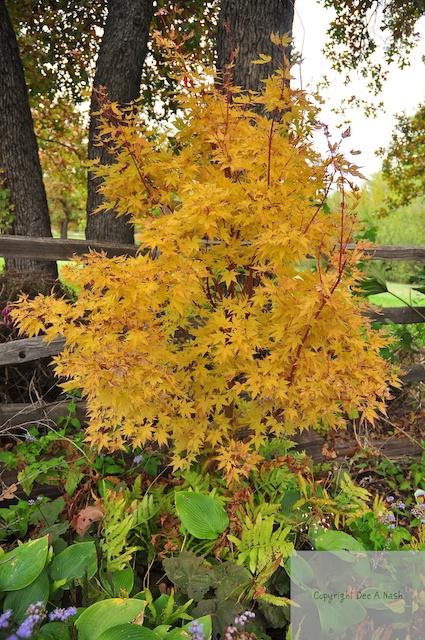


RedCrocus Sango Kaku Japanese Maple- Vibrant Coral-Red Bark, Deciduous Foliage, Ornamental Tree for Gardens & Containers 3-3.5" cal B&B
RedCrocus Sango Kaku Japanese Maple- Vibrant Coral-Red Bark, Deciduous Foliage, Ornamental Tree for Gardens & Containers 3-3.5" cal B&B
Regular price
$3,724.00 USD
Regular price
$4,841.20 USD
Sale price
$3,724.00 USD
Unit price
per
Shipping calculated at checkout.
SKU:nto2198-redcrocus
Couldn't load pickup availability
Sango Kaku' Japanese Maple Acer palmatum 'Sango Kaku'
Description
The Sango Kaku Japanese Maple is a deciduous tree renowned for its vibrant coral-red bark in winter and delicate, lobed foliage during the growing season. It typically grows up to 15-20 feet tall with a graceful, upright form, making it an ideal ornamental tree for diverse landscapes.
Suggested Uses
Perfect for focal points in garden beds, patio planting, or as a shade tree. Its striking bark and seasonal color make it suitable for small yards, courtyards, and container planting.
Plant Details
-
 Botanical Name: Sango Kaku' Japanese Maple Acer palmatum 'Sango Kaku'
 -
 Common Name: Sango Kaku Japanese Maple
 -
 Size & Growth: Typically 15-20 ft tall with a spread up to 10-15 ft. Slow to moderate growth rate.
 -
 Hardiness Zones: 5-8
 -
 Foliage Type: Deciduous, lobed leaves
 -
 Bloom Time: Spring
 -
 Growth Rate: Slow to Moderate
 -
 Light Requirements: Partial sun to full sun
 -
 Attracts Pollinators: Yes
 -
 Indoor Friendly: No
 -
 Container Friendly: Yes
 -
 Deer Resistant: Yes
 -
 Pet Warning: None
 -
 Fragrant: No
 -
 Cut Flower: No
 -
 Grows Well With: Other deciduous trees, shade plants, ornamental shrubs
Care Tips
-
 Planting Instructions: Plant in well-draining soil in a location with partial to full sun. Space adequately to allow for mature growth.
 -
 Soil Moisture: Keep soil consistently moist but not waterlogged.
 -
 Soil Type: Slightly acidic, well-draining loam or sandy loam.
 -
 Humidity: Prefers moderate humidity levels.
 -
 Pruning Instructions: Prune in late winter or early spring to maintain shape and remove any dead or crossing branches.
 -
 Winter Care: Mulch around the base for insulation; protect from harsh winds if necessary.
 -
 Planting Depth: Plant at the same depth as it was in the nursery
 -
 Fertilization: Feed with a balanced, slow-release fertilizer in early spring.
 -
 Special Care: Avoid excessive wind exposure and dry conditions for optimal bark color and foliage health.