

RedCrocus Paperbark Maple Acer griseum- Ornamental Deciduous Tree for Gardens & Containers, Pollinator Attractant, Multi-Use Focal Plant 3.5-4" cal B&B
RedCrocus Paperbark Maple Acer griseum- Ornamental Deciduous Tree for Gardens & Containers, Pollinator Attractant, Multi-Use Focal Plant 3.5-4" cal B&B
Regular price
$3,644.00 USD
Regular price
$4,737.20 USD
Sale price
$3,644.00 USD
Unit price
per
Shipping calculated at checkout.
SKU:nto1312-redcrocus
Couldn't load pickup availability
Paperbark Maple Acer griseum - Single Stem
Description
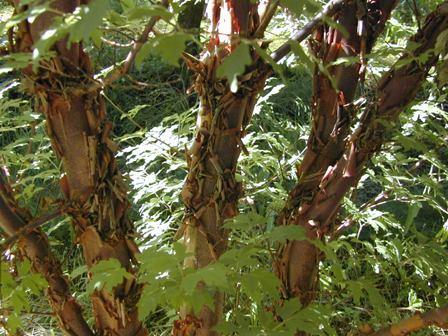
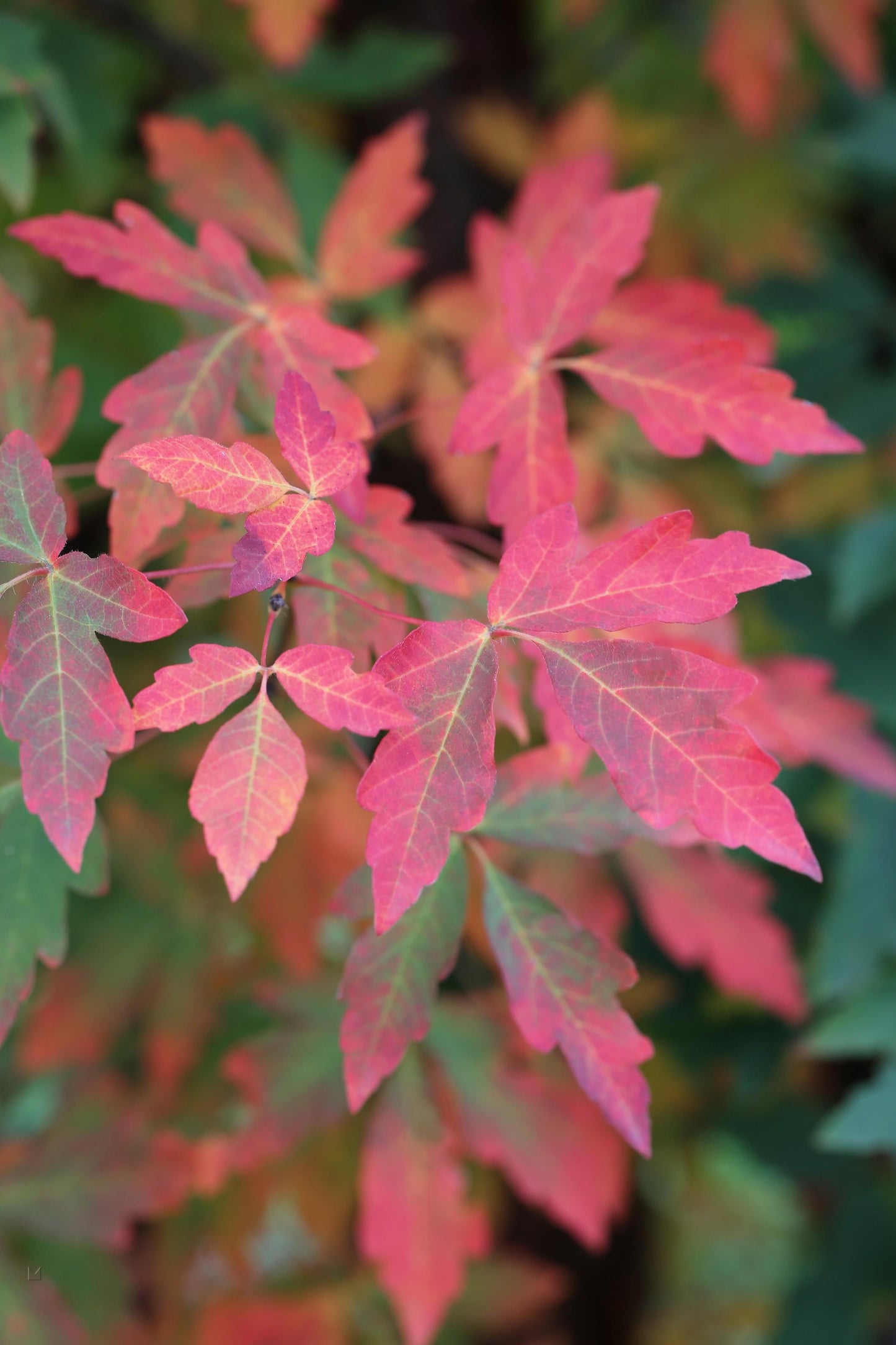
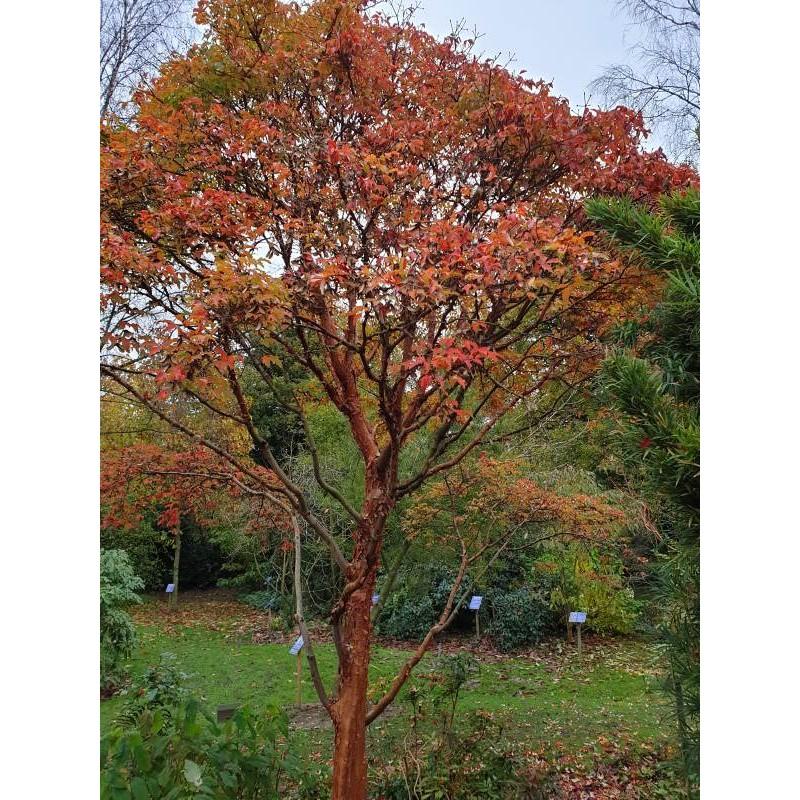
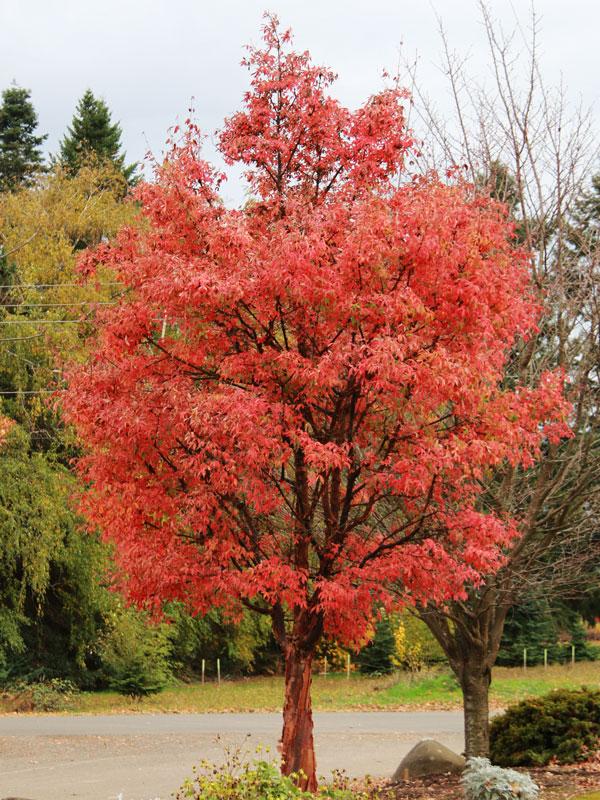
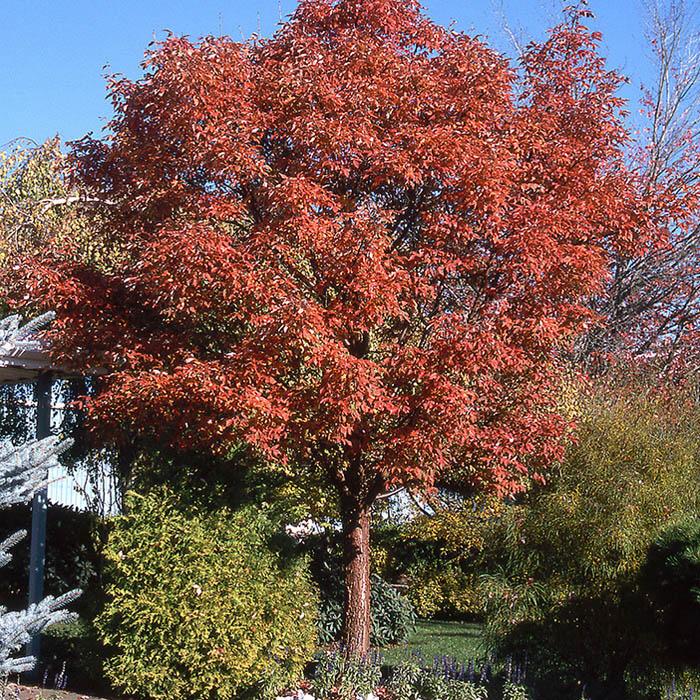
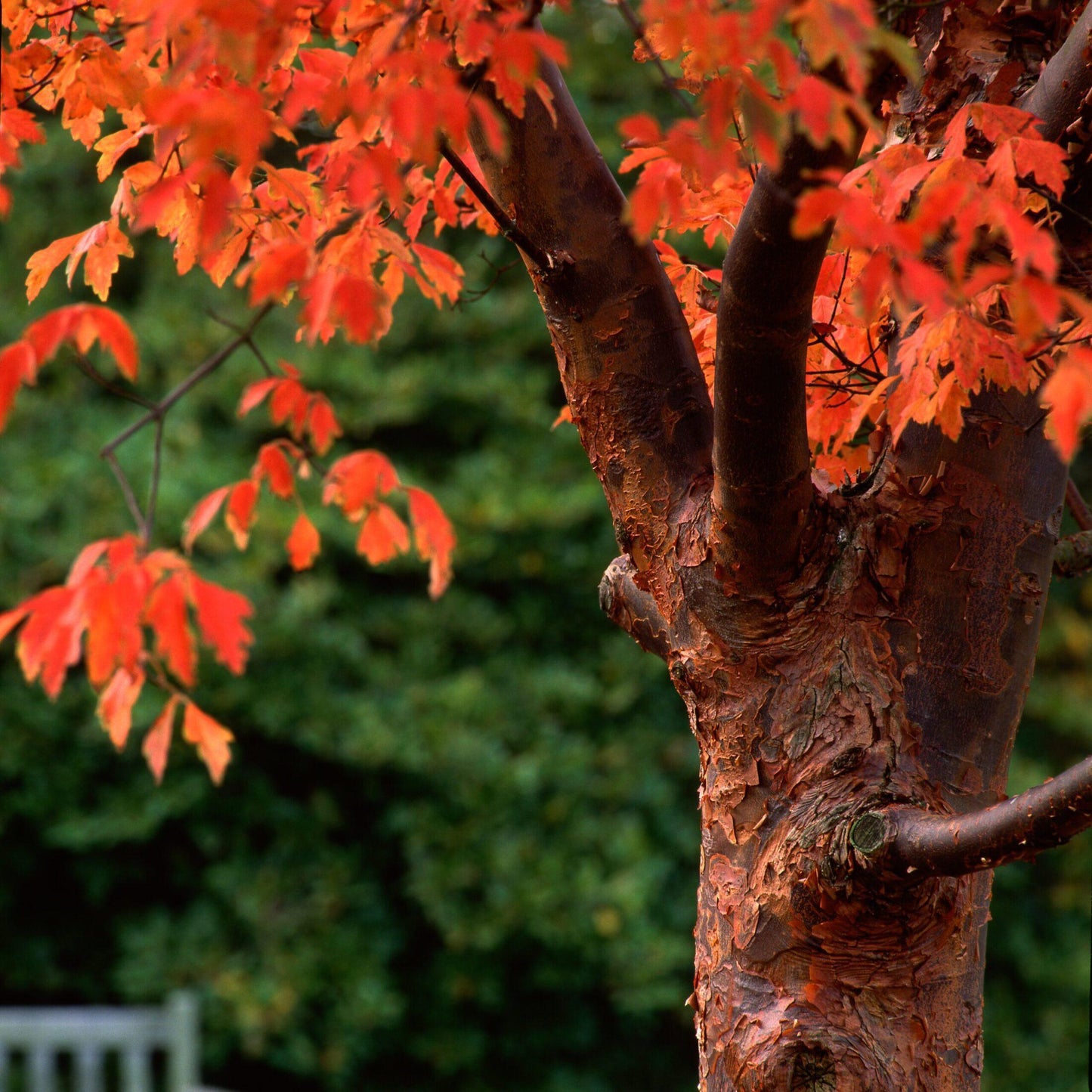
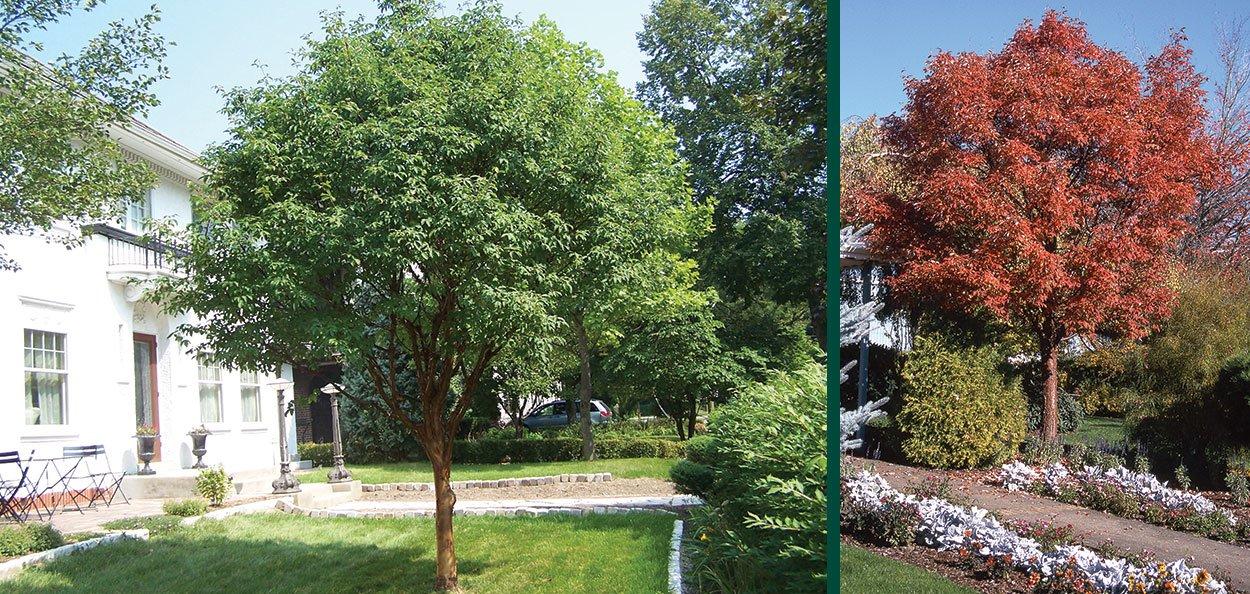
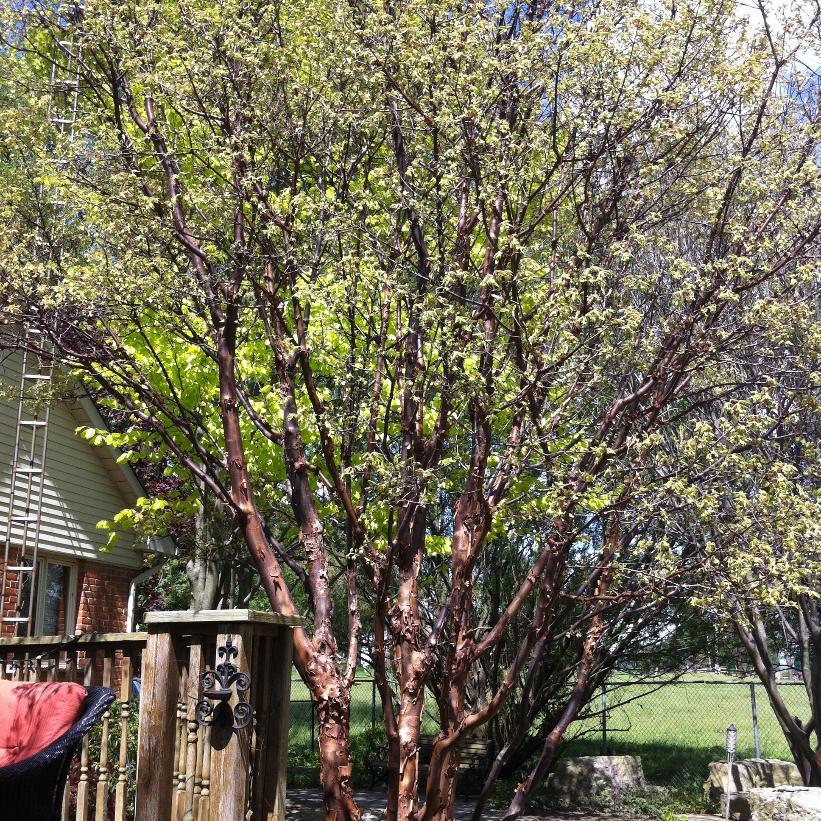
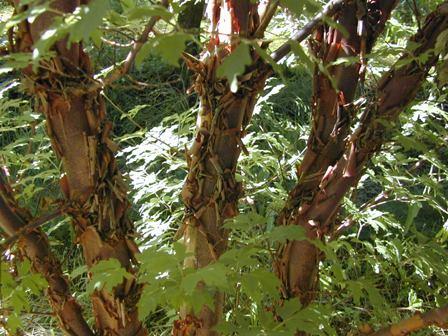
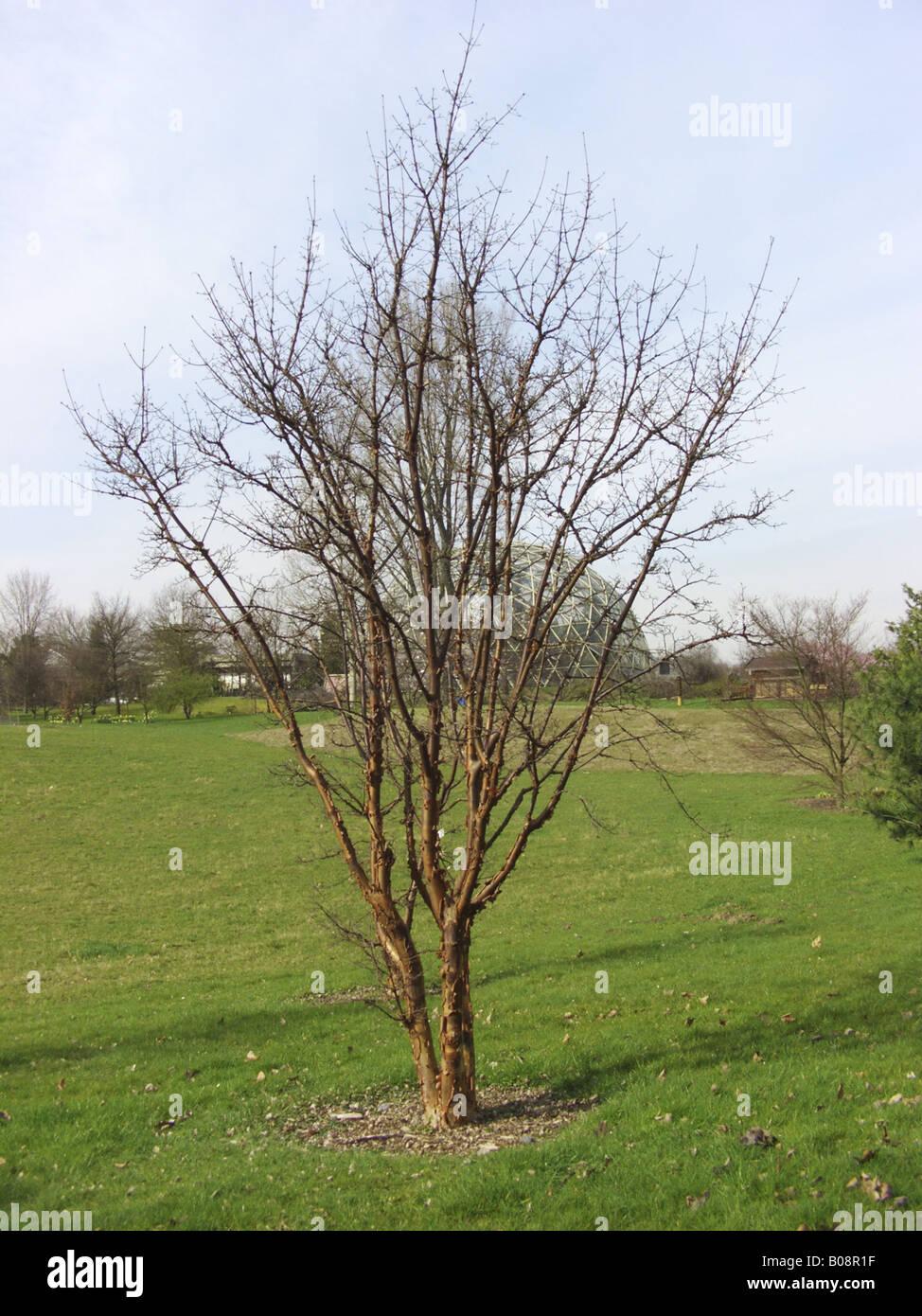
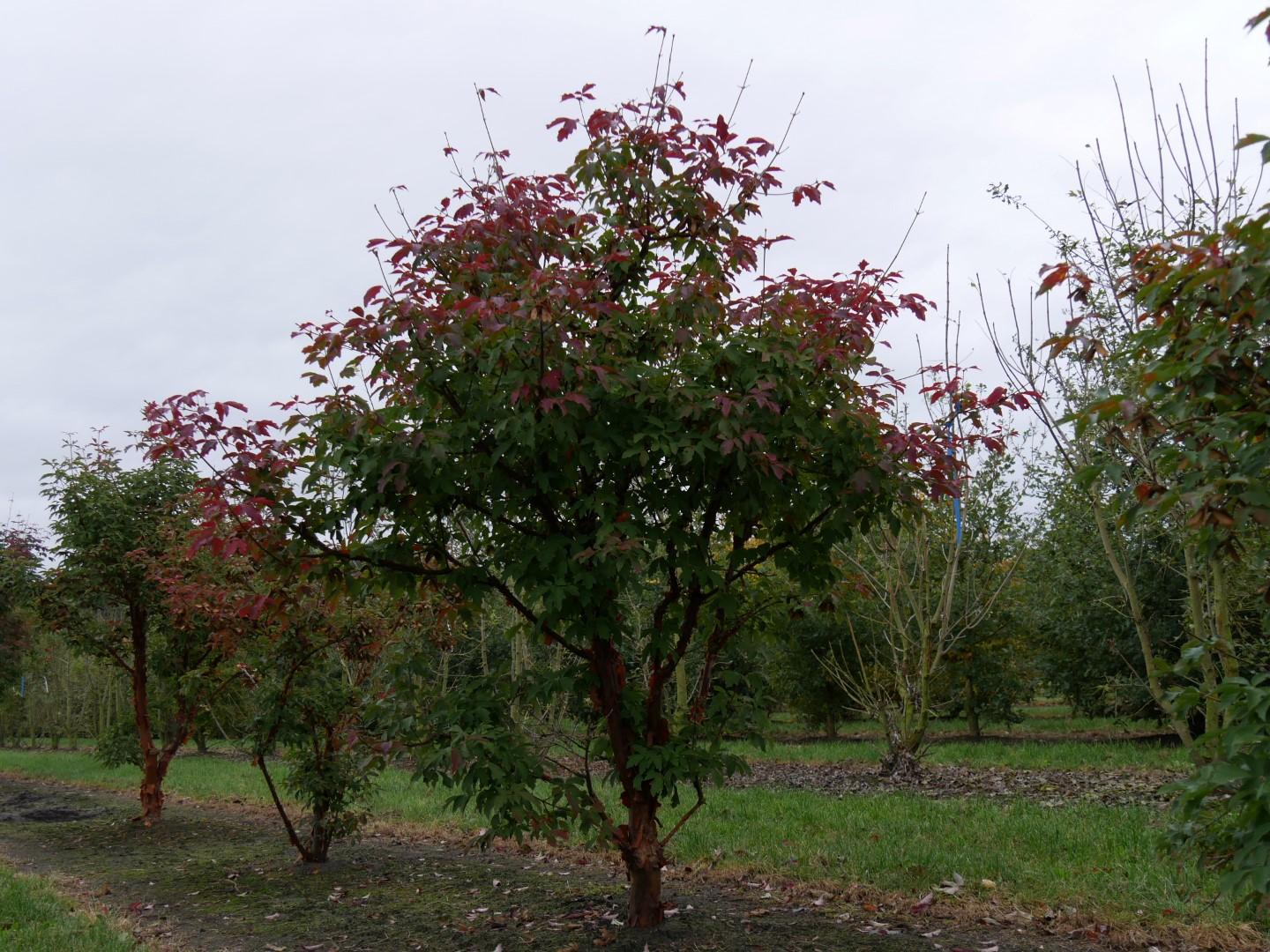
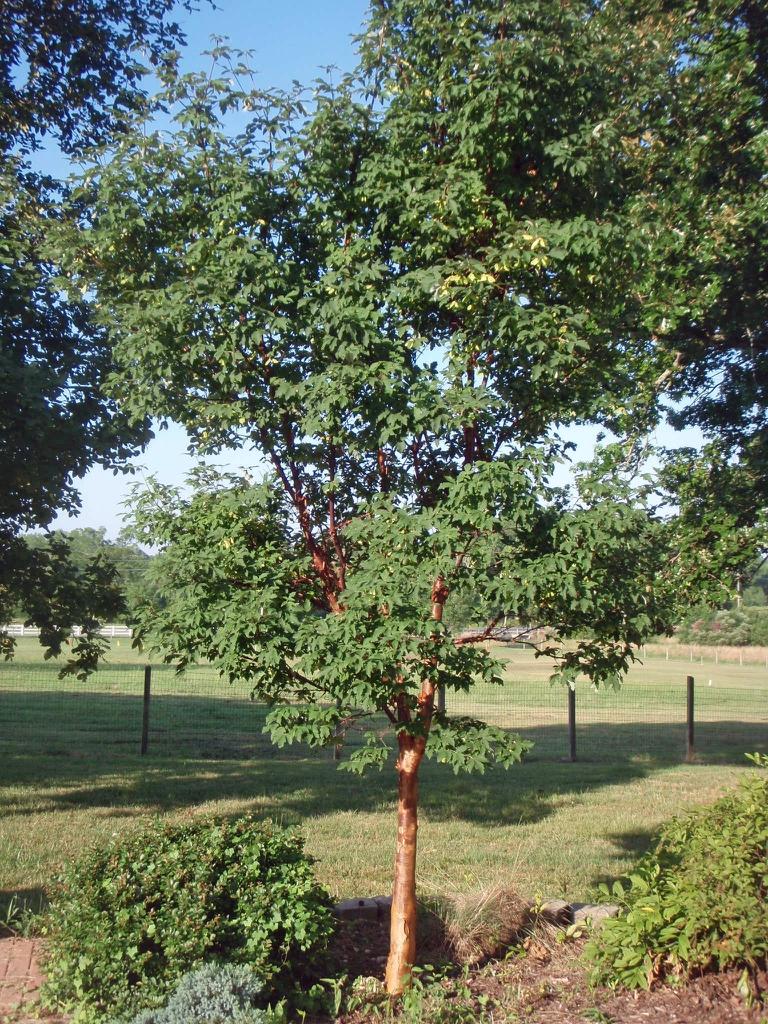
The Paperbark Maple (Acer griseum) is a deciduous tree renowned for its distinctive cinnamon-bink bark that peels in papery layers. It features lobed, trifoliate leaves that display vibrant fall colors, and produces small, greenish flowers in spring. Its compact growth habit makes it ideal for focal points or small gardens.
Suggested Uses
Perfect for accent planting, courtyard gardens, and as a focal specimen. It adds visual interest with its bark and autumn foliage, enhancing both formal and natural landscape designs.
Plant Details
-
 Botanical Name: Acer griseum
 -
 Common Name: Paperbark Maple
 -
 Size & Growth: 15–20 ft tall with a spread of 10–15 ft; slow to moderate growth rate
 -
 Hardiness Zones: 5–8
 -
 Foliage Type: Deciduous
 -
 Bloom Time: Spring (April–May)
 -
 Growth Rate: Slow to Moderate
 -
 Light Requirements: Partial Shade to Full Sun
 -
 Attracts Pollinators: Yes
 -
 Indoor Friendly: No
 -
 Container Friendly: Yes, ideal for patios and containers
 -
 Deer Resistant: Yes
 -
 Pet Warning: Mildly Toxic if ingested
 -
 Fragrant: No
 -
 Cut Flower: No
 -
 Grows Well With: Fothergilla, Japanese Maples, Ferns
Care Tips
-
 Planting Instructions: Select well-draining soil, plant in early spring or fall, and water regularly during establishment.
 -
 Soil Moisture: Keep soil evenly moist but not waterlogged.
 -
 Soil Type: Adaptable to loamy, slightly acidic to neutral soils.
 -
 Humidity: Average to high humidity preferred.
 -
 Pruning Instructions: Prune in late winter or early spring to maintain shape and remove deadwood.
 -
 Winter Care: Mulch around roots and protect from harsh winds in colder zones.
 -
 Planting Depth: Plant so that the root flare is at ground level.
 -
 Fertilization: Feed with a balanced fertilizer in early spring annually.
 -
 Special Care: Avoid harsh pruning and provide protection from strong winter winds.