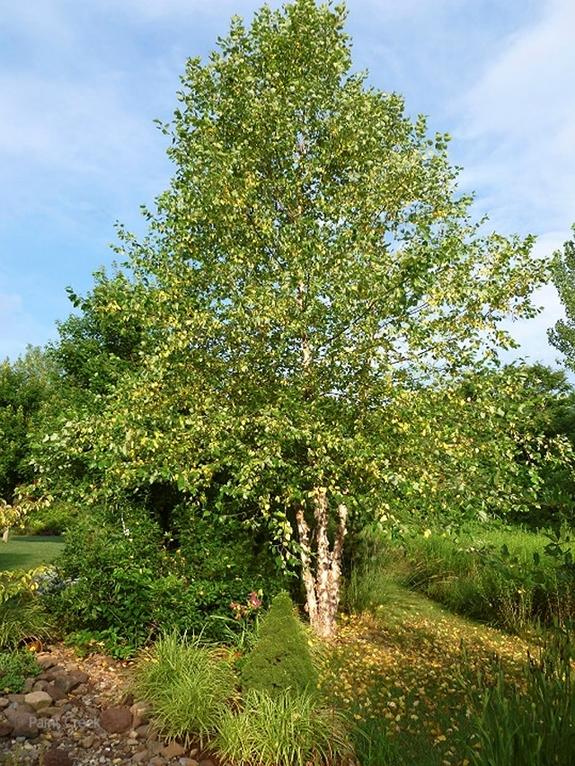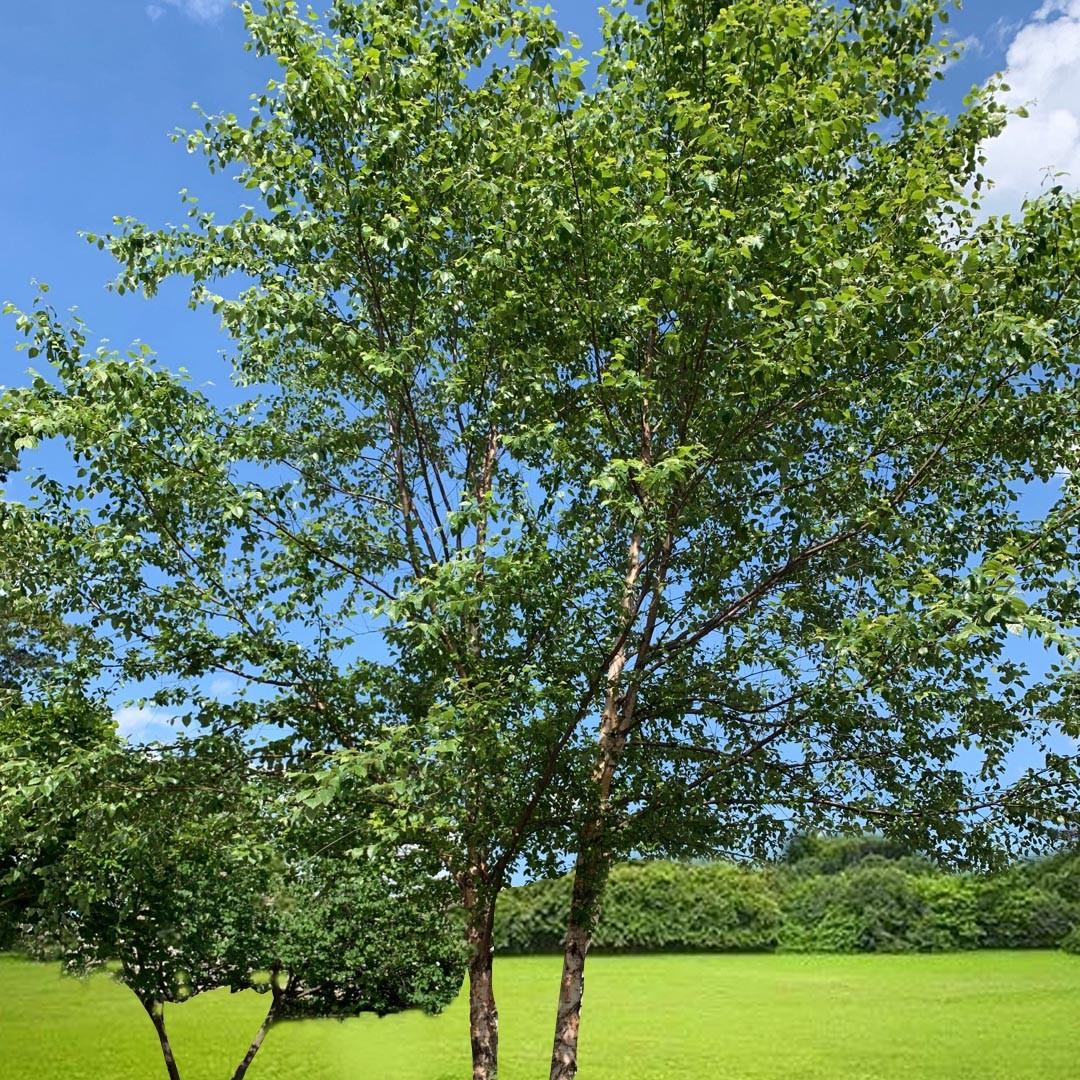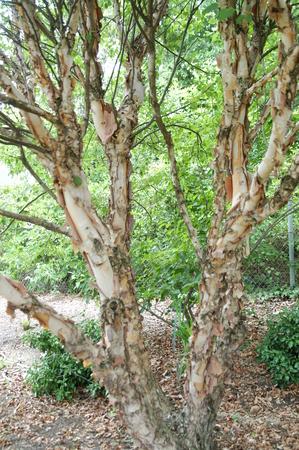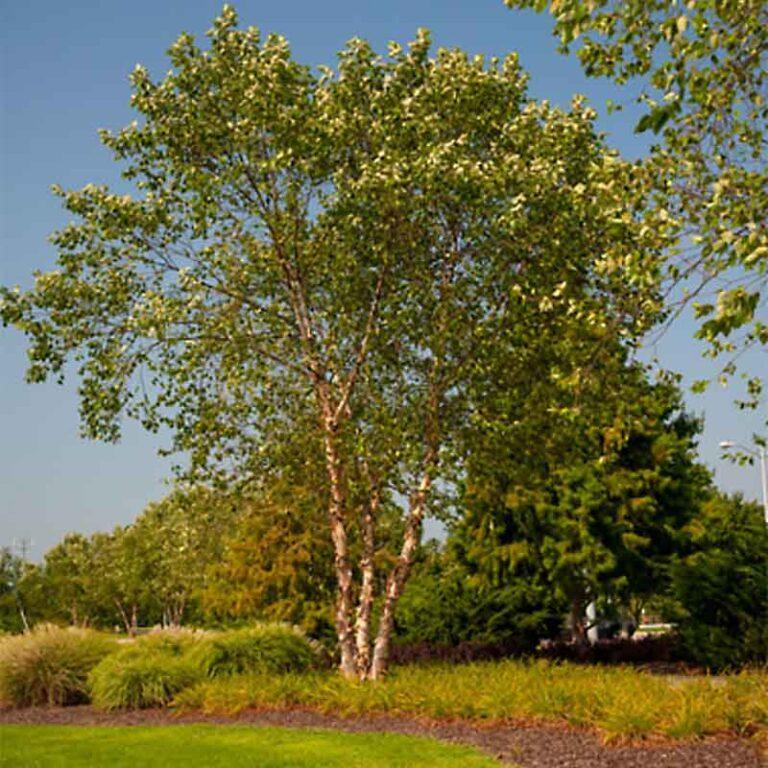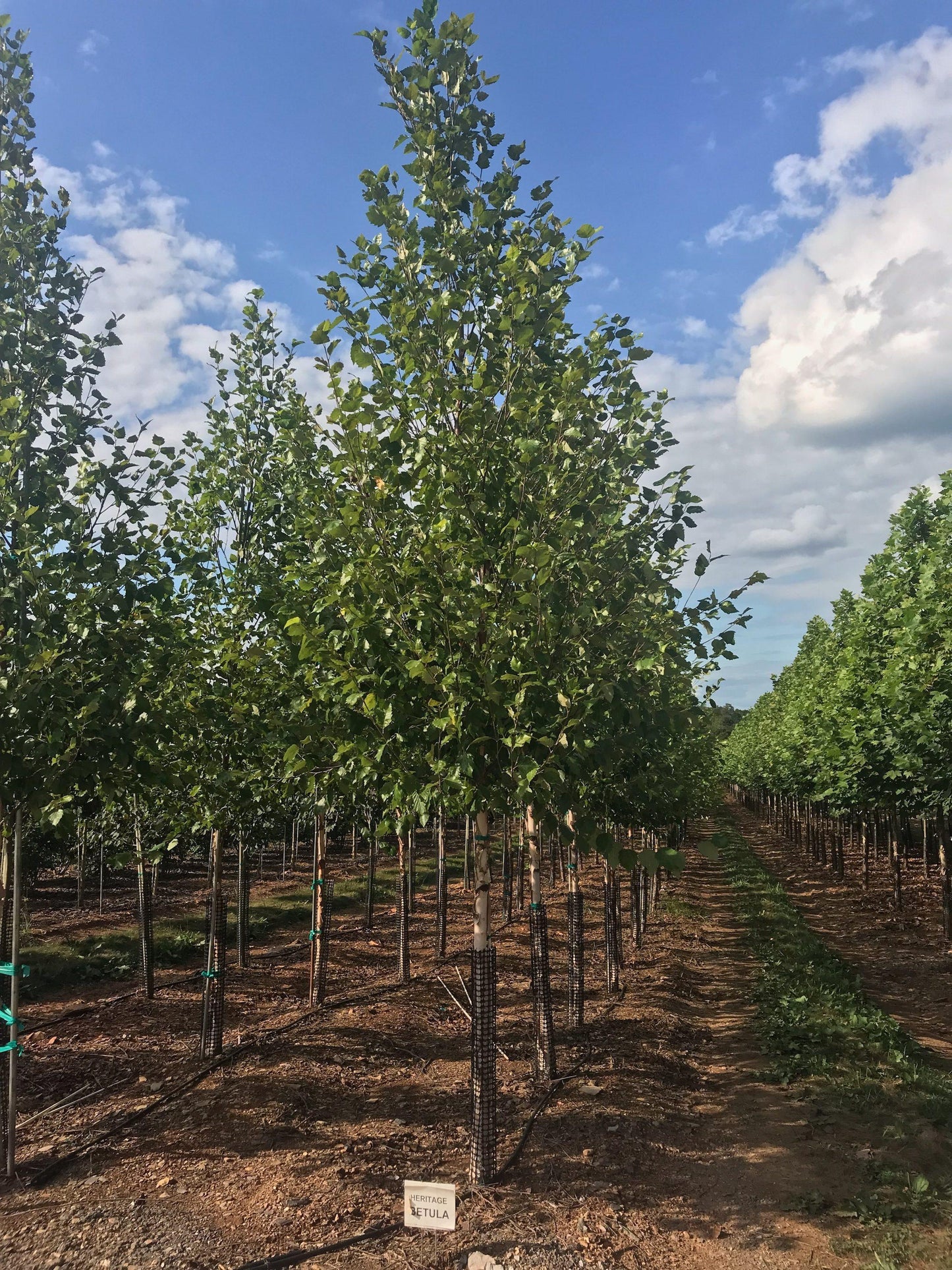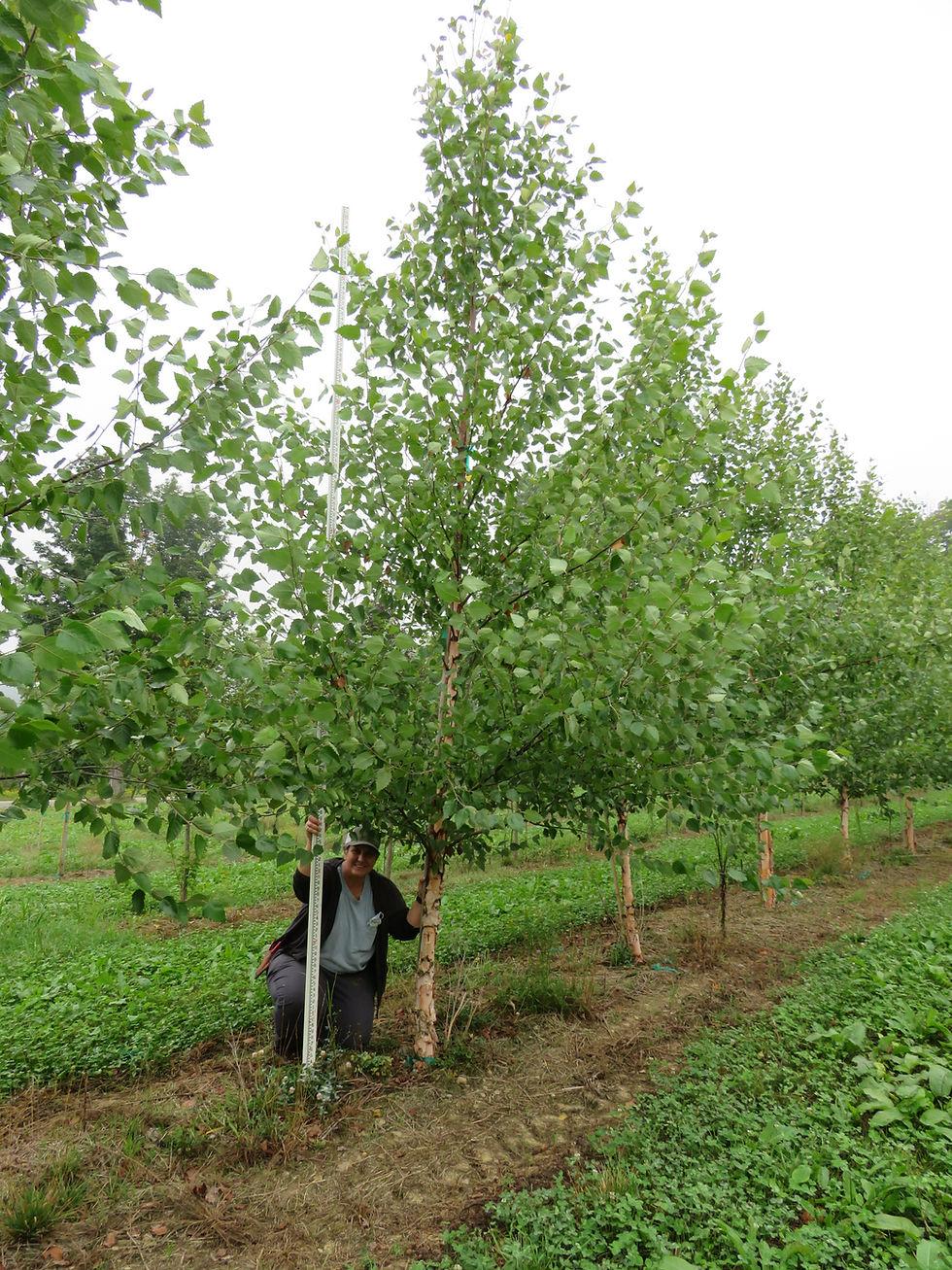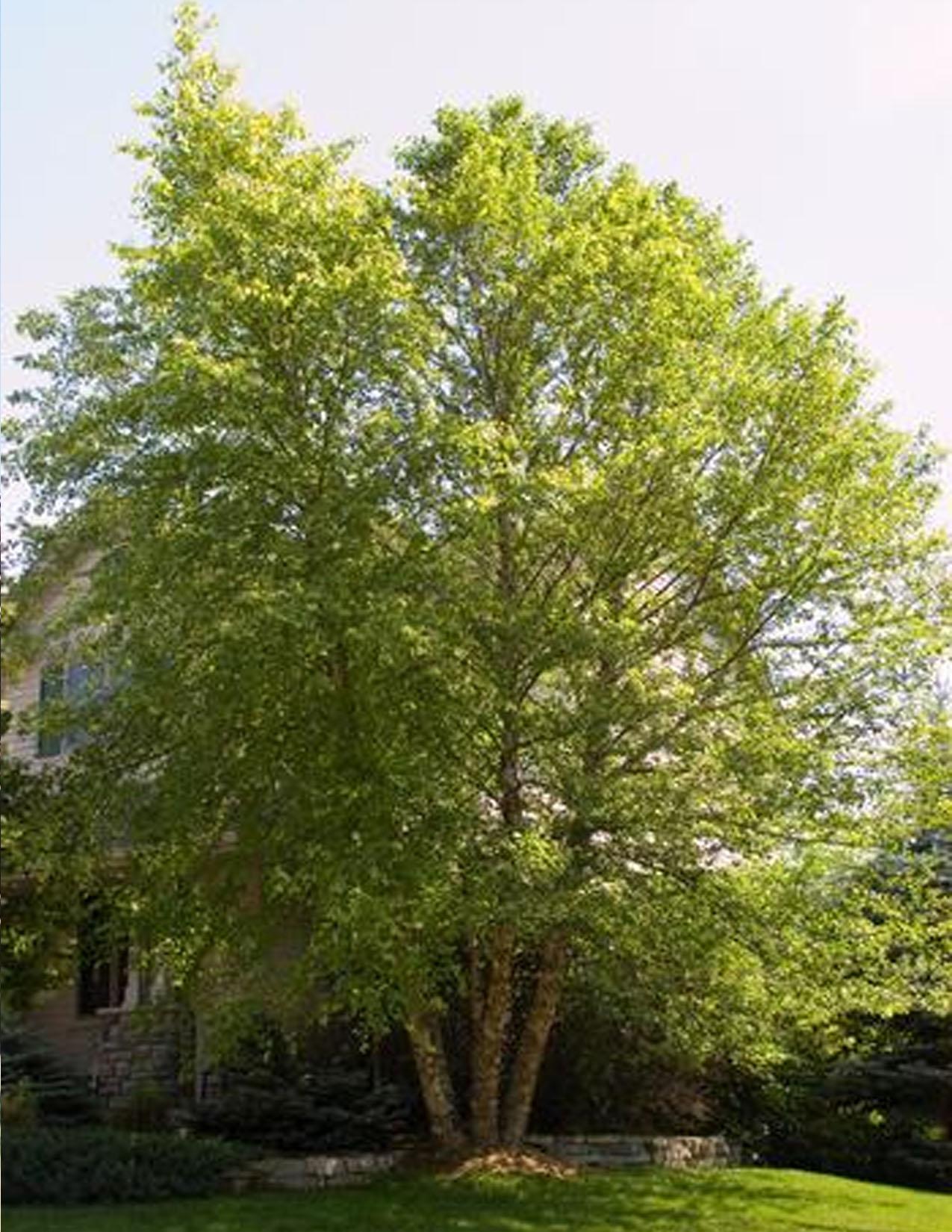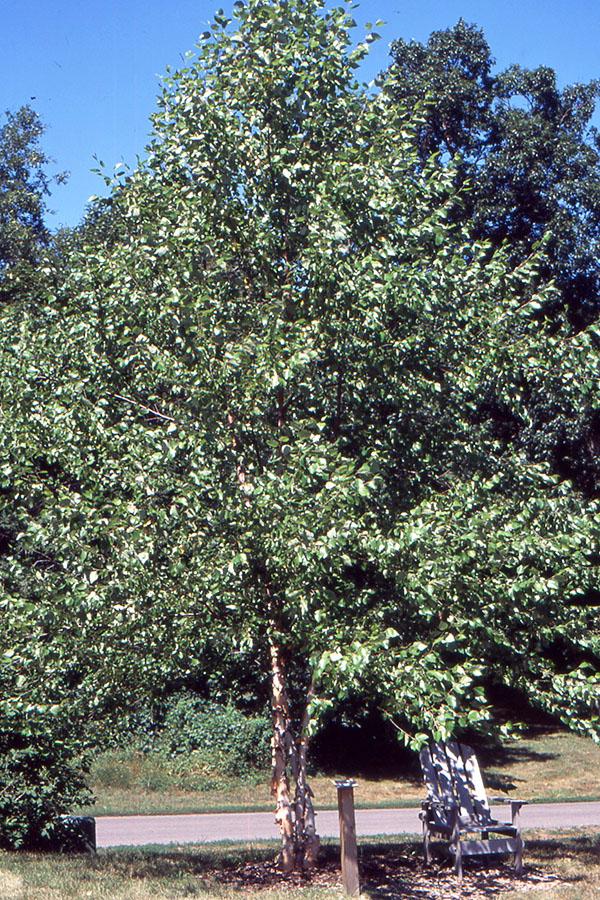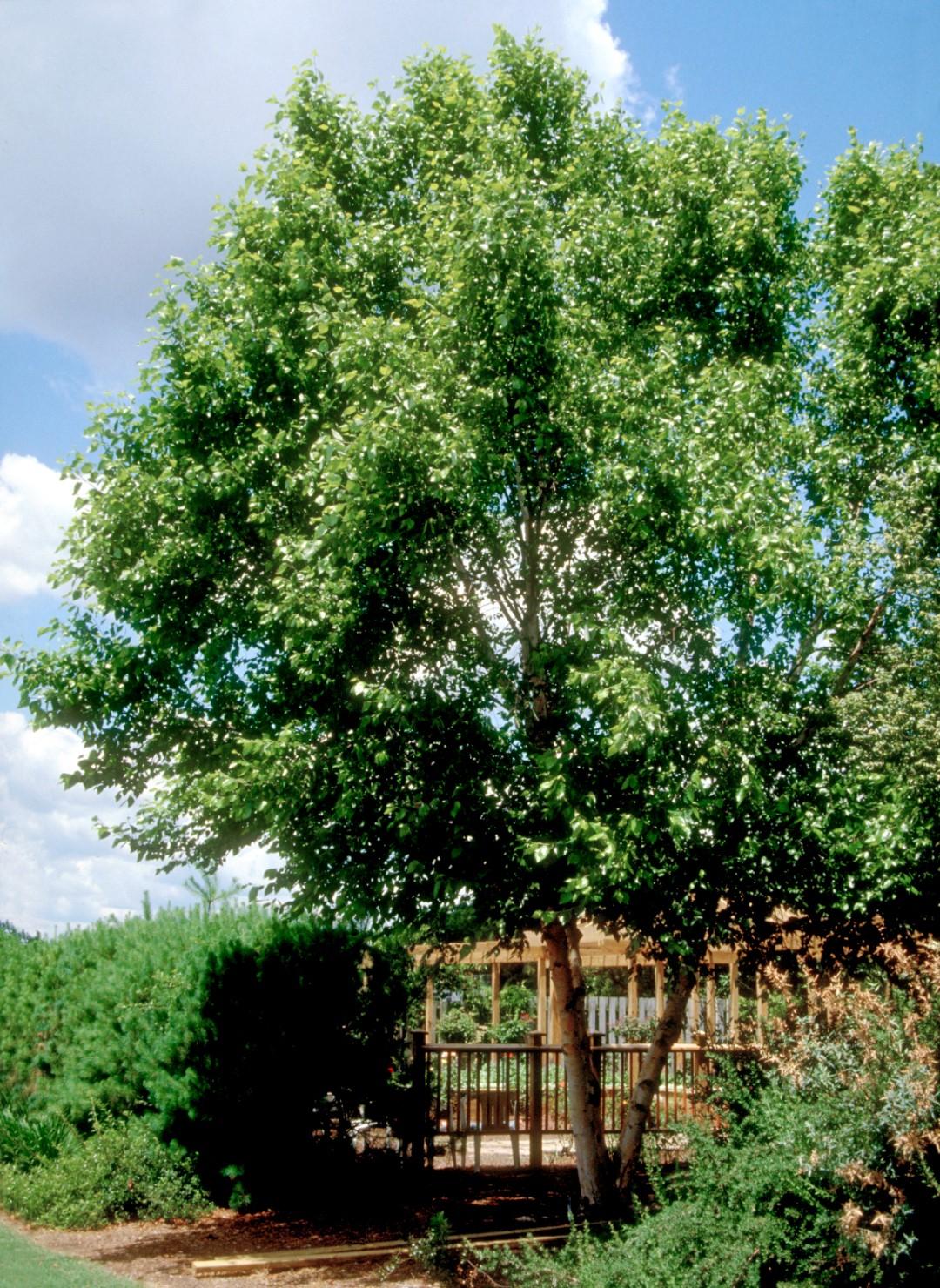


Heritage River Birch Betula nigra 'Heritage'- Single Stem- Deciduous Tree, Attractive Bark, Bright Foliage for Landscape & Garden- Hardy in Zones 4-9 4-5" cal B&B
Heritage River Birch Betula nigra 'Heritage'- Single Stem- Deciduous Tree, Attractive Bark, Bright Foliage for Landscape & Garden- Hardy in Zones 4-9 4-5" cal B&B
Regular price
$3,960.00 USD
Regular price
$5,148.00 USD
Sale price
$3,960.00 USD
Unit price
per
Shipping calculated at checkout.
SKU:nto0108-redcrocus
Couldn't load pickup availability
Heritage' River Birch Betula nigra 'Heritage' - Single Stem
Description
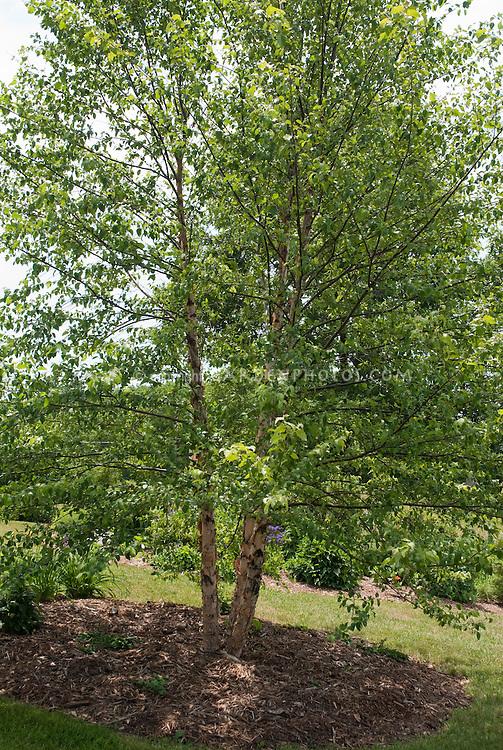
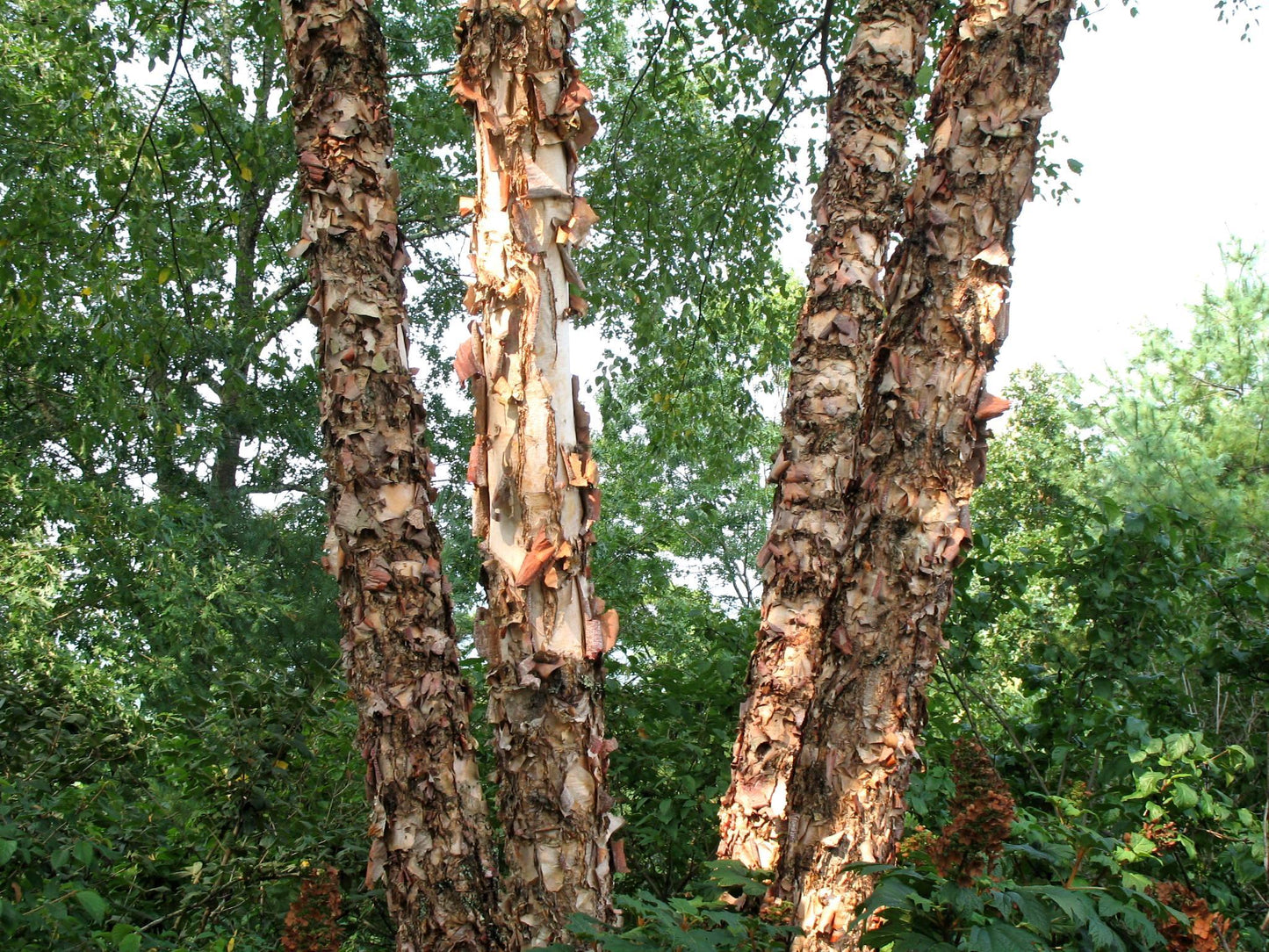
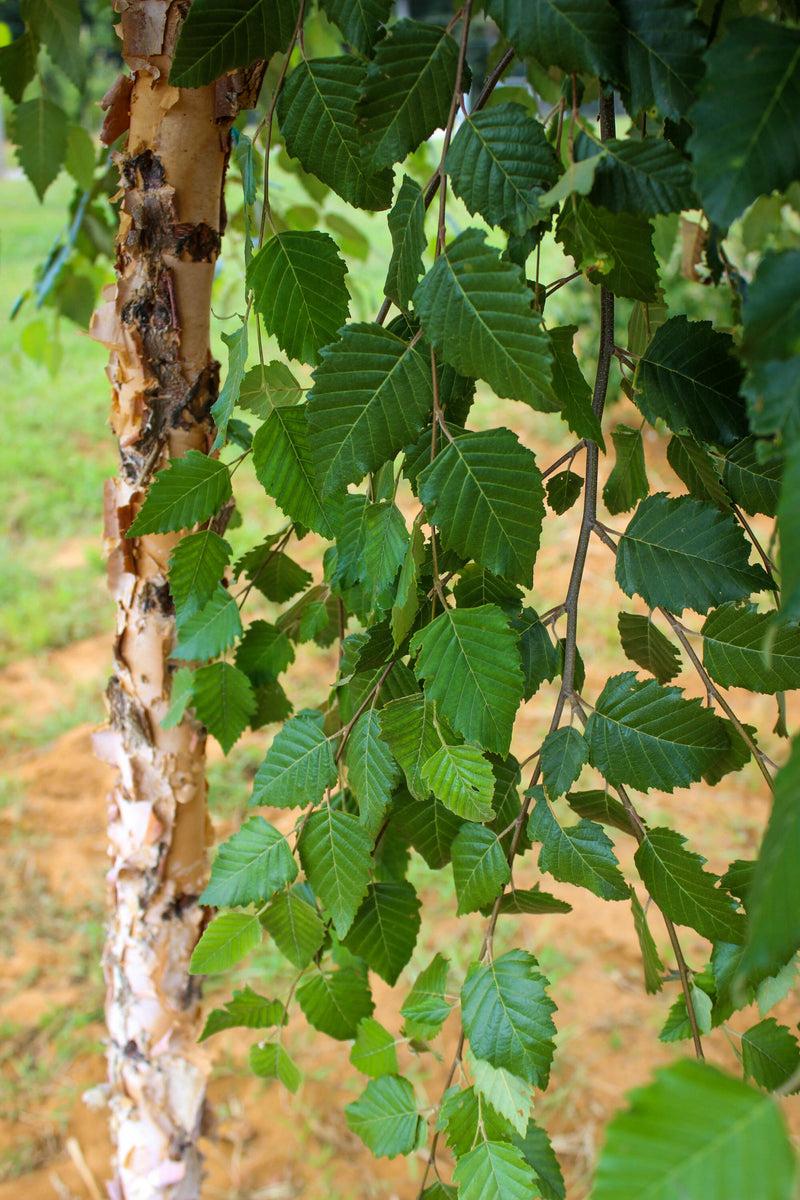
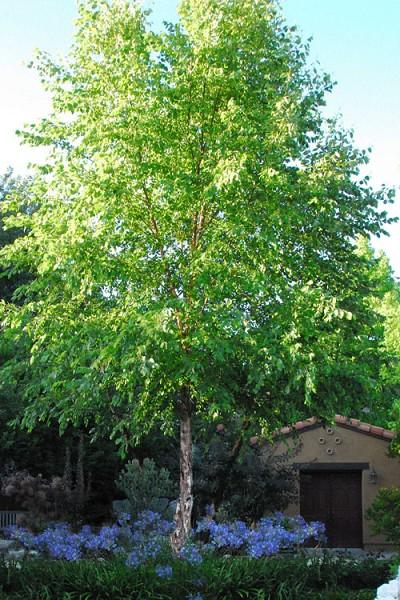
A deciduous tree known for its graceful form and distinctive bark, the Heritage River Birch features bright green foliage that turns yellow in fall. It thrives in moist soils and is ideal for adding height and texture to landscape designs.
Suggested Uses
Perfect for streetscapes, large landscape borders, rain gardens, and as a focal point in park settings. Its adaptable nature makes it suitable for both residential and commercial projects.
Plant Details
-
 Botanical Name: Heritage' River Birch Betula nigra 'Heritage' - Single Stem
 -
 Common Name: Heritage' River Birch
 -
 Size & Growth: Typically reaches 40-50 ft tall with a spread of 20-30 ft, with a moderate growth rate.
 -
 Hardiness Zones: 4-9
 -
 Foliage Type: Deciduous
 -
 Bloom Time: Late Spring to Early Summer
 -
 Growth Rate: Moderate
 -
 Light Requirements: Full Sun to Part Shade
 -
 Attracts Pollinators: Yes
 -
 Indoor Friendly: No
 -
 Container Friendly: No
 -
 Deer Resistant: Moderate
 -
 Pet Warning: Non-toxic
 -
 Fragrant: No
 -
 Cut Flower: No
 -
 Grows Well With: Other moisture-loving plants and native species
Care Tips
-
 Planting Instructions: Plant in full sun to part shade in moist, well-drained soil. Water regularly to establish.
 -
 Soil Moisture: Prefers moist to wet conditions
 -
 Soil Type: Adaptable, thrives in loamy, sandy, or clay soils
 -
 Humidity: Moderate to high
 -
 Pruning Instructions: Prune in late winter or early spring to remove dead or crossing branches
 -
 Winter Care: Mulch to protect roots in colder zones, minimal additional care needed
 -
 Planting Depth: Plant root ball slightly above surrounding soil level
 -
 Fertilization: Feed in early spring with a balanced fertilizer
 -
 Special Care: Mulch annually and monitor soil moisture as needed