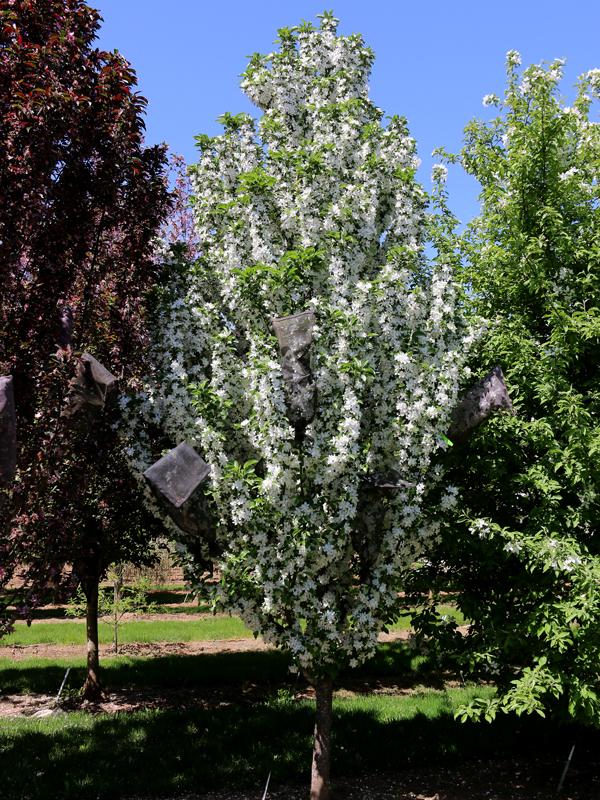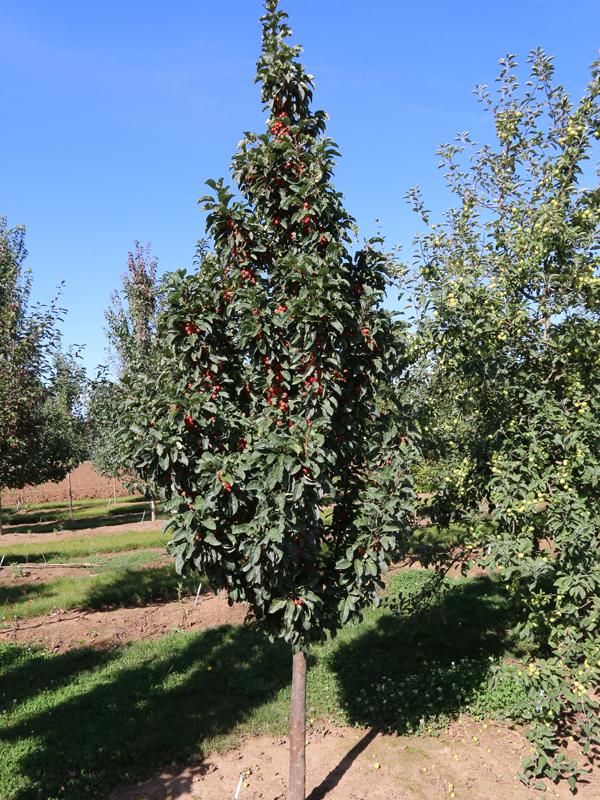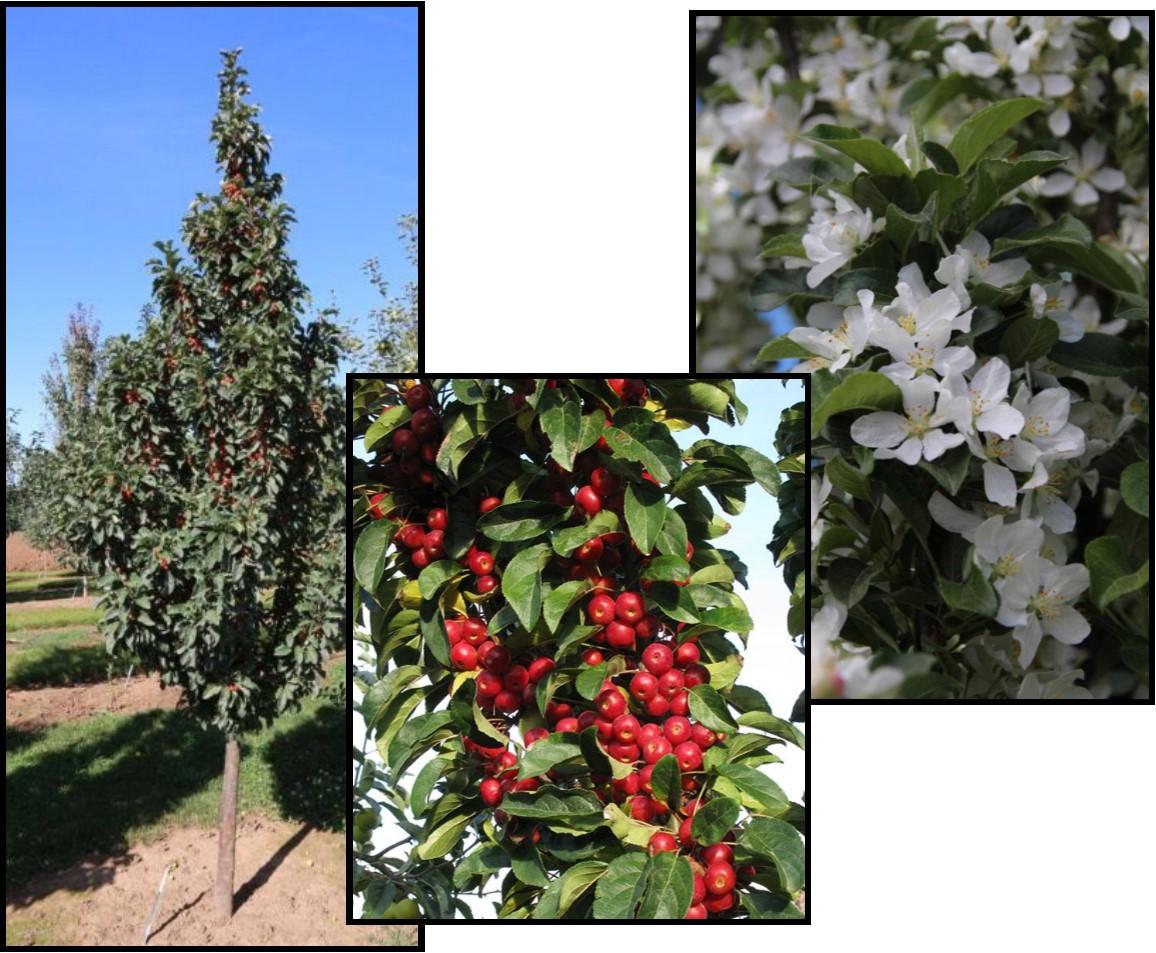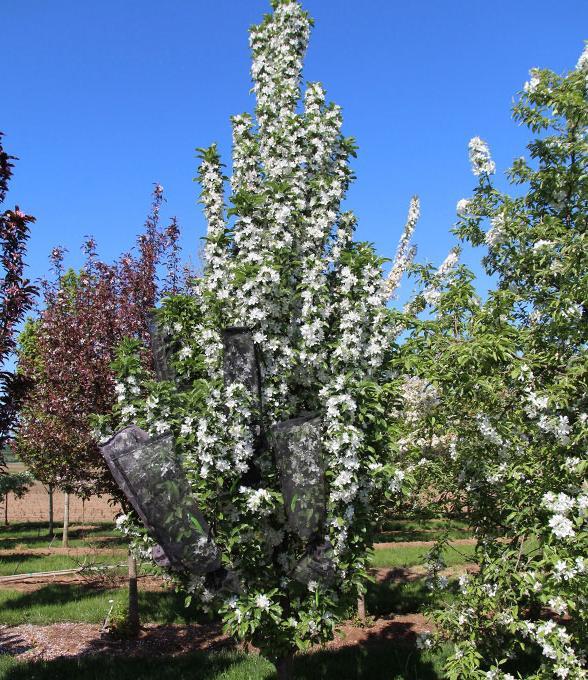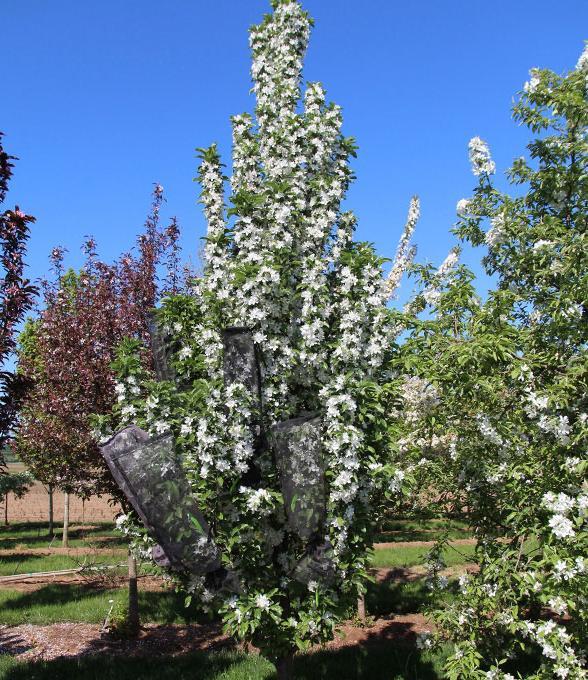


RedCrocus Ivory Spear Crabapple- Malus 'Ivory Spear' Tree, Spring Blooms, Attracts Pollinators, Container Friendly, Deer Resistant, Full Sun to Part Shade 20 Gallon
RedCrocus Ivory Spear Crabapple- Malus 'Ivory Spear' Tree, Spring Blooms, Attracts Pollinators, Container Friendly, Deer Resistant, Full Sun to Part Shade 20 Gallon
Regular price
$1,480.00 USD
Regular price
$1,924.00 USD
Sale price
$1,480.00 USD
Unit price
per
Shipping calculated at checkout.
SKU:ntf8254-redcrocus
Couldn't load pickup availability
Ivory Spear' Crabapple Malus 'Ivory Spear'
Description
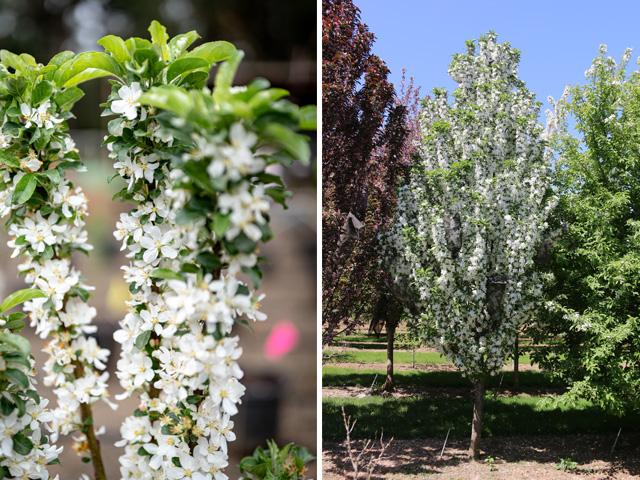
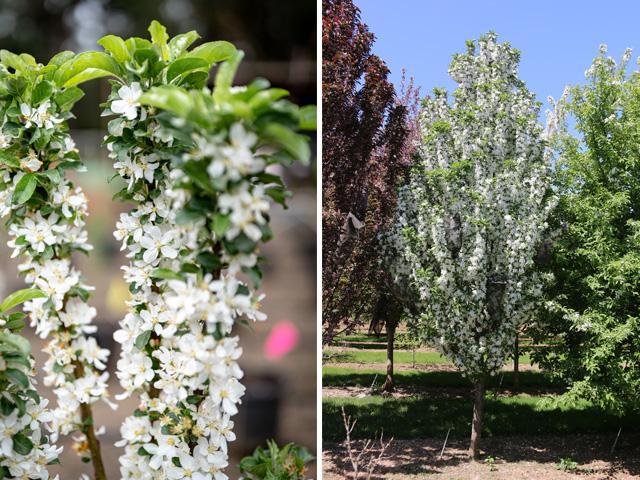
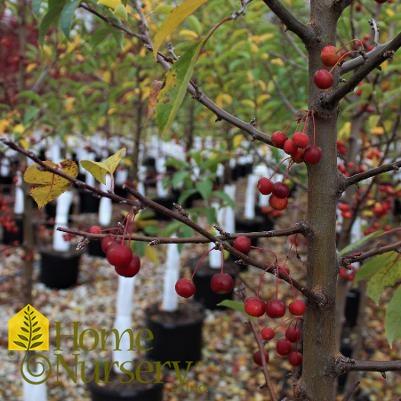
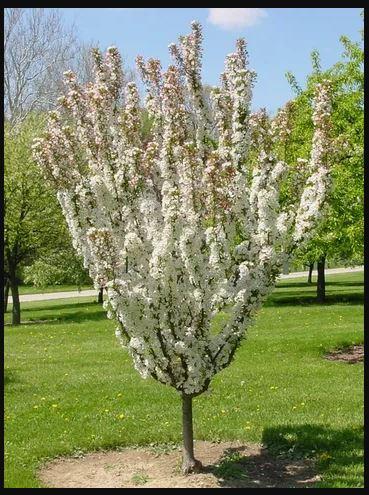
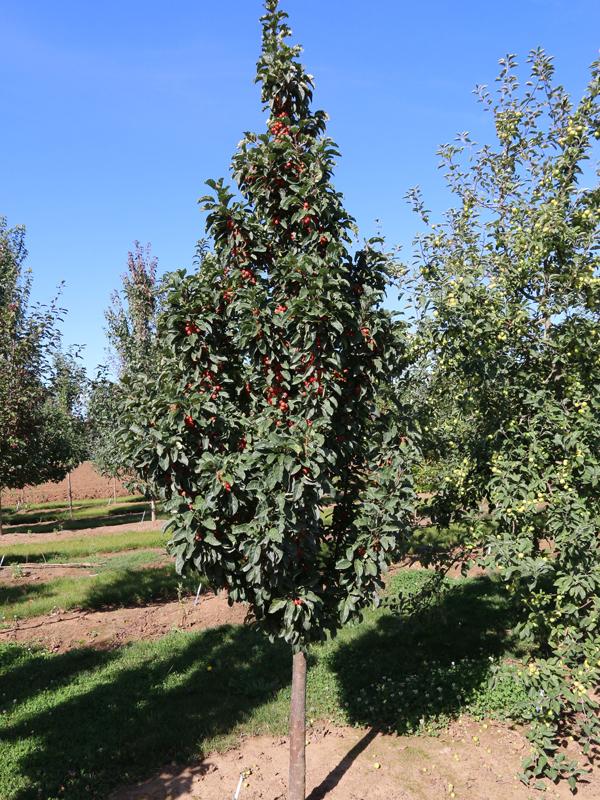
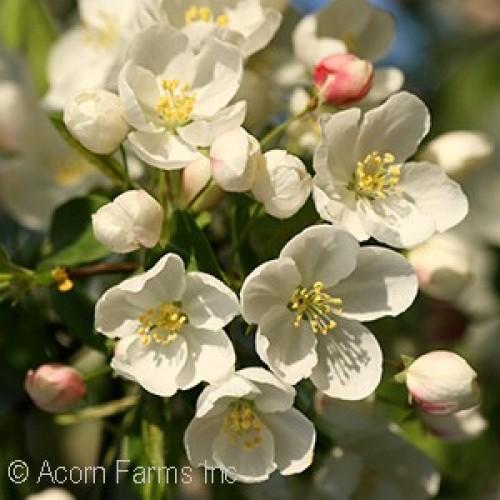
A compact deciduous tree prized for its striking ivory-white spear-shaped blossoms in early spring and vibrant foliage during the summer. Its dense, small-sized growth makes it ideal for smaller gardens and focal points.
Suggested Uses
Perfect for accent gardens, small landscape borders, and as a container specimen on patios or decks. Its ornamental features provide year-round interest.
Plant Details
-
 Botanical Name: Malus 'Ivory Spear'
 -
 Common Name: Ivory Spear Crabapple
 -
 Size & Growth: 8-12 ft tall, 4-6 ft wide; slow to moderate growth rate
 -
 Hardiness Zones: 4-8
 -
 Foliage Type: Deciduous
 -
 Bloom Time: Early Spring (March-April)
 -
 Growth Rate: Slow to Moderate
 -
 Light Requirements: Full Sun to Part Shade
 -
 Attracts Pollinators: Bees and Butterflies
 -
 Indoor Friendly: No
 -
 Container Friendly: Yes
 -
 Deer Resistant: Yes
 -
 Pet Warning: Mildly Toxic if ingested
 -
 Fragrant: Yes, lightly scented blossoms
 -
 Cut Flower: Suitable for floral arrangements
 -
 Grows Well With: Japanese Maples, Ornamental Grasses, Hydrangeas
Care Tips
-
 Plant in well-drained soil with full sun to light shade for optimal flowering.
 -
 Keep soil consistently moist; avoid waterlogging.
 -
 Prefers loamy, slightly acidic to neutral soil.
 -
 Tolerant of average humidity levels.
 -
 Prune after flowering to maintain shape and remove dead or crossing branches.
 -
 Provide winter protection in colder zones (below zone 4).
 -
 Plant at same depth as in container or nursery to avoid root stress.
 -
 Fertilize in early spring with a balanced, slow-release fertilizer.
 -
 Mulch around the base to conserve moisture and regulate soil temperature.