

RedCrocus Appalachian Red Eastern Redbud Cercis canadensis 'Appalachian Red'- Single Stem, Deciduous Tree, Attracts Pollinators, Suitable for Containers, Garden 3-3.5" cal B&B
RedCrocus Appalachian Red Eastern Redbud Cercis canadensis 'Appalachian Red'- Single Stem, Deciduous Tree, Attracts Pollinators, Suitable for Containers, Garden 3-3.5" cal B&B
Regular price
$2,488.00 USD
Regular price
$3,234.40 USD
Sale price
$2,488.00 USD
Unit price
per
Shipping calculated at checkout.
SKU:ntf5795-redcrocus
Couldn't load pickup availability
Appalachian Red' Eastern Redbud Cercis canadensis 'Appalachian Red' - Single Stem
Description
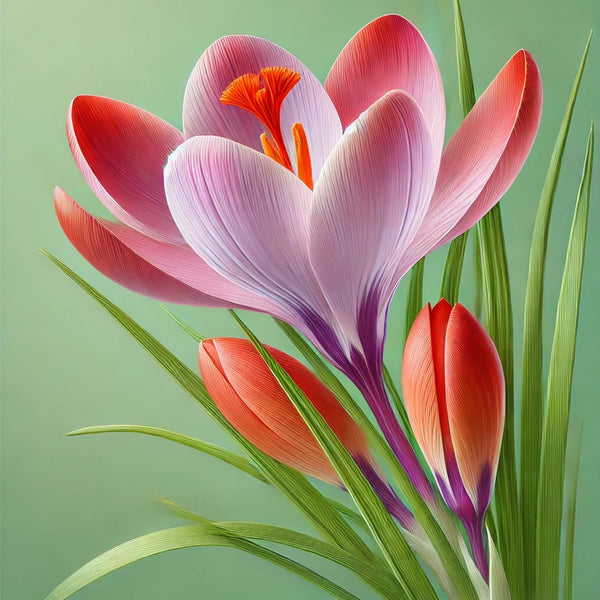
A vibrant deciduous tree featuring stunning pink to purple blossoms in early spring, followed by lush green foliage throughout the summer. Its single-stem growth habit makes it an eye-catching focal point in any landscape.
Suggested Uses
Ideal for small gardens, urban landscapes, and courtyard plantings. Perfect as a focal point, specimen tree, or in mixed borders to add seasonal color and structure.
Plant Details
-
 Botanical Name: Cercis canadensis 'Appalachian Red'
 -
 Common Name: Appalachian Red Eastern Redbud
 -
 Size & Growth: Typically 20-30 ft tall with a similar spread; moderate growth rate
 -
 Hardiness Zones: 4 to 9
 -
 Foliage Type: Deciduous
 -
 Bloom Time: Early Spring (March-April)
 -
 Growth Rate: Moderate
 -
 Light Requirements: Full Sun to Partial Shade
 -
 Attracts Pollinators: Yes
 -
 Indoor Friendly: No
 -
 Container Friendly: Yes
 -
 Deer Resistant: Moderately
 -
 Pet Warning: Non-toxic
 -
 Fragrant: Yes, lightly fragrant blooms
 -
 Cut Flower: Suitable for floral arrangements
 -
 Grows Well With: Other shade-tolerant plants and early bloomers
Care Tips
-
 Planting Instructions: Prefers well-drained soil; plant in full sun or partial shade, spacing 15-20 ft apart.
 -
 Soil Moisture: Keep consistently moist, especially during active growth
 -
 Soil Type: Loamy, well-draining soil
 -
 Humidity: Tolerant of average to high humidity
 -
 Pruning Instructions: Light maintenance; prune dead or crossing branches in late winter or early spring
 -
 Winter Care: Mulch around the base in colder zones; protect in harsh winter conditions
 -
 Planting Depth: Plant at same depth as in container or nursery
 -
 Fertilization: Apply balanced fertilizer in early spring
 -
 Special Care: Monitor for aphids and caterpillars; treat as needed