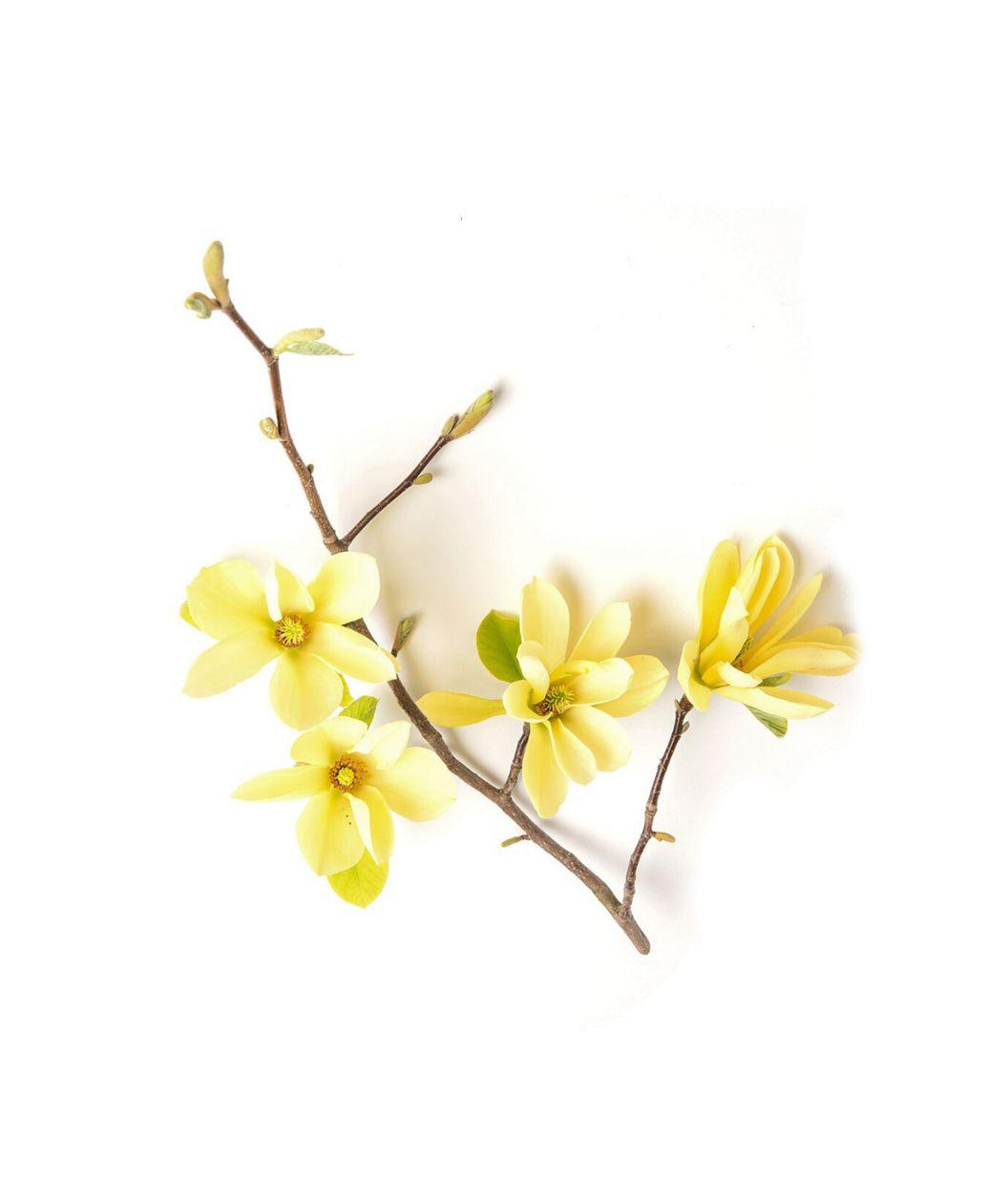


RedCrocus Magnolia acuminata 'Butterflies'- Elegant, Fragrant Tree for Garden & Landscape, Pollinator Attractant, Container Friendly, Deer Resistant, Toxic if Ingested 2-2.5" cal B&B
RedCrocus Magnolia acuminata 'Butterflies'- Elegant, Fragrant Tree for Garden & Landscape, Pollinator Attractant, Container Friendly, Deer Resistant, Toxic if Ingested 2-2.5" cal B&B
Regular price
$1,700.00 USD
Regular price
$2,210.00 USD
Sale price
$1,700.00 USD
Unit price
per
Shipping calculated at checkout.
SKU:ntf1015-redcrocus
Couldn't load pickup availability
Butterflies' Cucumbertree Magnolia Magnolia acuminata 'Butterflies' - Single Stem
Description
A majestic deciduous tree known for its large, fragrant flowers and distinctive palmate leaves. The Butterflies' Cucumbertree Magnolia features a single trunk and vigorous growth, making it a striking addition to gardens and landscapes.
Suggested Uses
Ideal for focal points in gardens, park landscapes, large yards, and as a shade tree. Its beautiful flowers also attract pollinators, enhancing local biodiversity.
Plant Details
-
 Botanical Name: Magnolia acuminata 'Butterflies'
 -
 Common Name: Butterflies' Cucumbertree Magnolia
 -
 Size & Growth: Up to 50 ft tall with a Spread of 20-30 ft; Moderate to fast growth rate
 -
 Hardiness Zones: 4-8
 -
 Foliage Type: Deciduous
 -
 Bloom Time: Late Spring to Early Summer
 -
 Growth Rate: Moderate to Fast
 -
 Light Requirements: Full Sun to Partial Shade
 -
 Attracts Pollinators: Yes
 -
 Indoor Friendly: No
 -
 Container Friendly: Suitable for large containers with ample space
 -
 Deer Resistant: Moderately resistant
 -
 Pet Warning: Toxic if ingested
 -
 Fragrant: Yes, highly aromatic flowers
 -
 Cut Flower: Suitable for floral arrangements
 -
 Grows Well With: Other shade trees and understory plants
Care Tips
-
 Planting Instructions: Best planted in early spring or fall in well-drained soil
 -
 Soil Moisture: Keep moist but not waterlogged
 -
 Soil Type: Acidic to neutral, rich soil
 -
 Humidity: Prefers moderate to high humidity
 -
 Pruning Instructions: Minimal; remove dead or crossing branches after flowering
 -
 Winter Care: Protect from harsh winds and heavy snow in colder zones
 -
 Planting Depth: Plant so the top of rootball is level with the soil surface
 -
 Fertilization: Feed with a balanced fertilizer in early spring
 -
 Special Care: Mulch around base to conserve moisture and regulate soil temperature