

RedCrocus Himalayan Cedar Cedrus deodara 'Karl Fuchs' | Evergreen Conifer for Large Landscapes, Windbreaks & Focal Points | Deer & Pollinator Friendly | Full Sun 10 Gallon
RedCrocus Himalayan Cedar Cedrus deodara 'Karl Fuchs' | Evergreen Conifer for Large Landscapes, Windbreaks & Focal Points | Deer & Pollinator Friendly | Full Sun 10 Gallon
Regular price
$848.00 USD
Regular price
$1,102.40 USD
Sale price
$848.00 USD
Unit price
per
Shipping calculated at checkout.
SKU:nte9473-redcrocus
Couldn't load pickup availability
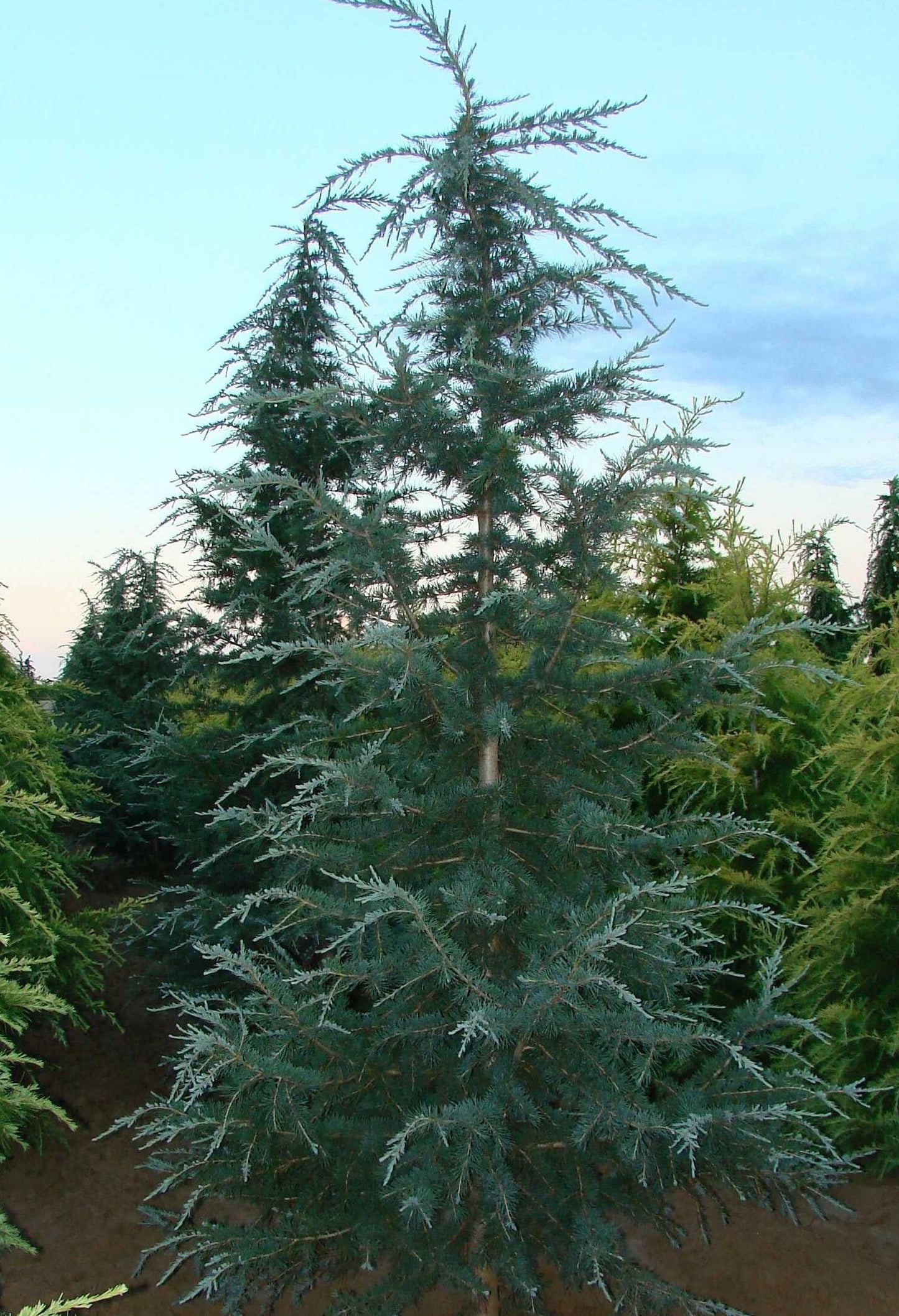
Karl Fuchs' Himalayan Cedar Cedrus deodara 'Karl Fuchs'
Description
A majestic evergreen conifer known for its graceful, aromatic foliage and impressive height, making it a popular choice for focal points in large landscapes.
Suggested Uses
Ideal for specimen planting, windbreaks, or as part of a woodland garden to add texture and height.
Plant Details
-
 Botanical Name: Cedrus deodara 'Karl Fuchs'
 -
 Common Name: Himalayan Cedar
 -
 Size & Growth: Reaches 50-60 ft tall over time with a 20-30 ft spread; moderate to fast growth rate.
 -
 Hardiness Zones: 7-9
 -
 Foliage Type: Needle-like, bright green in summer, turning golden-yellow in winter.
 -
 Bloom Time: Cones form in late summer, with seed dispersal in autumn.
 -
 Growth Rate: Moderate to fast, approximately 12-24 inches per year.
 -
 Light Requirements: Full sun for optimal growth.
 -
 Attracts Pollinators: Yes, especially bees during cone production.
 -
 Indoor Friendly: No, prefers outdoor environments.
 -
 Container Friendly: Suitable for large containers if kept in appropriate size and location.
 -
 Deer Resistant: Yes
 -
 Pet Warning: Toxic to dogs and cats if ingested.
 -
 Fragrant: No
 -
 Cut Flower: Not suitable for floral arrangements.
 -
 Grows Well With: Junipers, firs, and other conifers for a diverse landscape.
Care Tips
-
 Plant in well-drained soil with full sun exposure.
 -
 Keep soil evenly moist during first 2-3 years; once established, it tolerates some drought.
 -
 Prefers sandy-loam to loamy soil types.
 -
 Avoid overly humid environments; good air circulation is beneficial.
 -
 Prune minimally to remove dead or damaged branches in late winter.
 -
 Protect from harsh winter winds and heavy snow if in colder zones.
 -
 Plant at same depth as in nursery; ensure adequate space for growth.
 -
 Fertilize in early spring with a balanced fertilizer.
 -
 Mulching helps retain soil moisture and suppress weeds.