

RedCrocus Early Gold Oriental Spruce- Vibrant Evergreen Conifer for Landscaping, Potted or Garden Plant 7/8' w B&B
RedCrocus Early Gold Oriental Spruce- Vibrant Evergreen Conifer for Landscaping, Potted or Garden Plant 7/8' w B&B
Regular price
$3,280.00 USD
Regular price
$4,264.00 USD
Sale price
$3,280.00 USD
Unit price
per
Shipping calculated at checkout.
SKU:nte7070-redcrocus
Couldn't load pickup availability
'Early Gold' Oriental Spruce Picea orientalis 'Early Gold'
Description
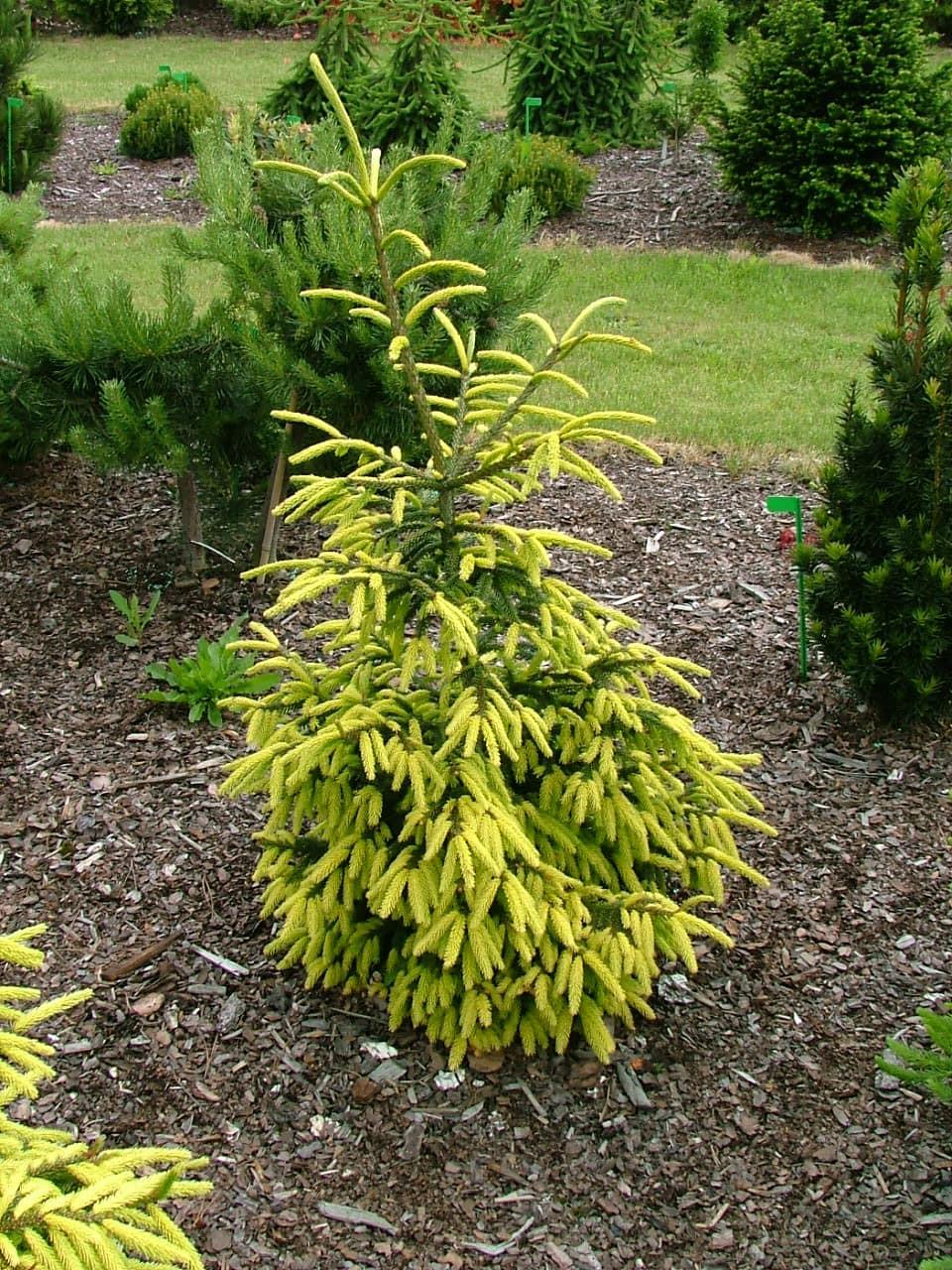
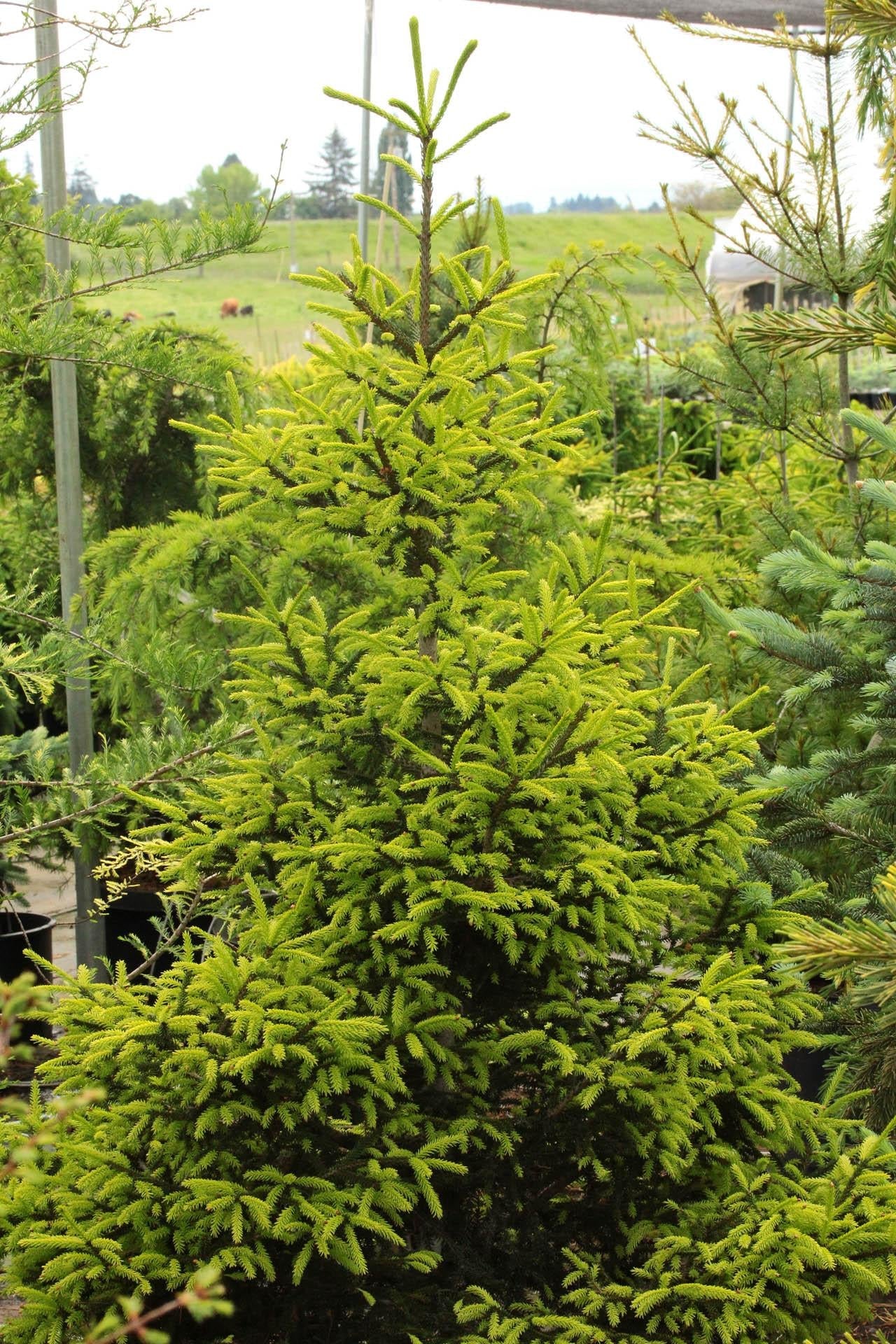
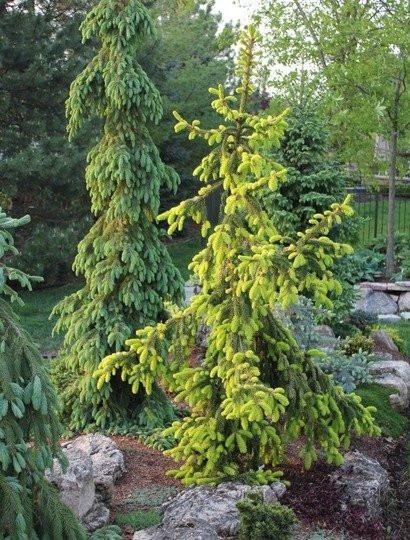
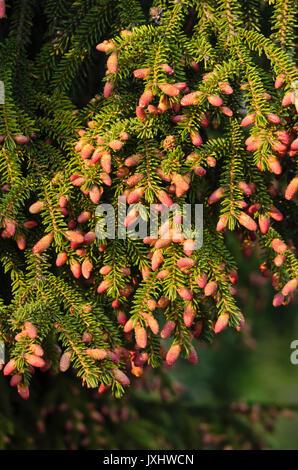
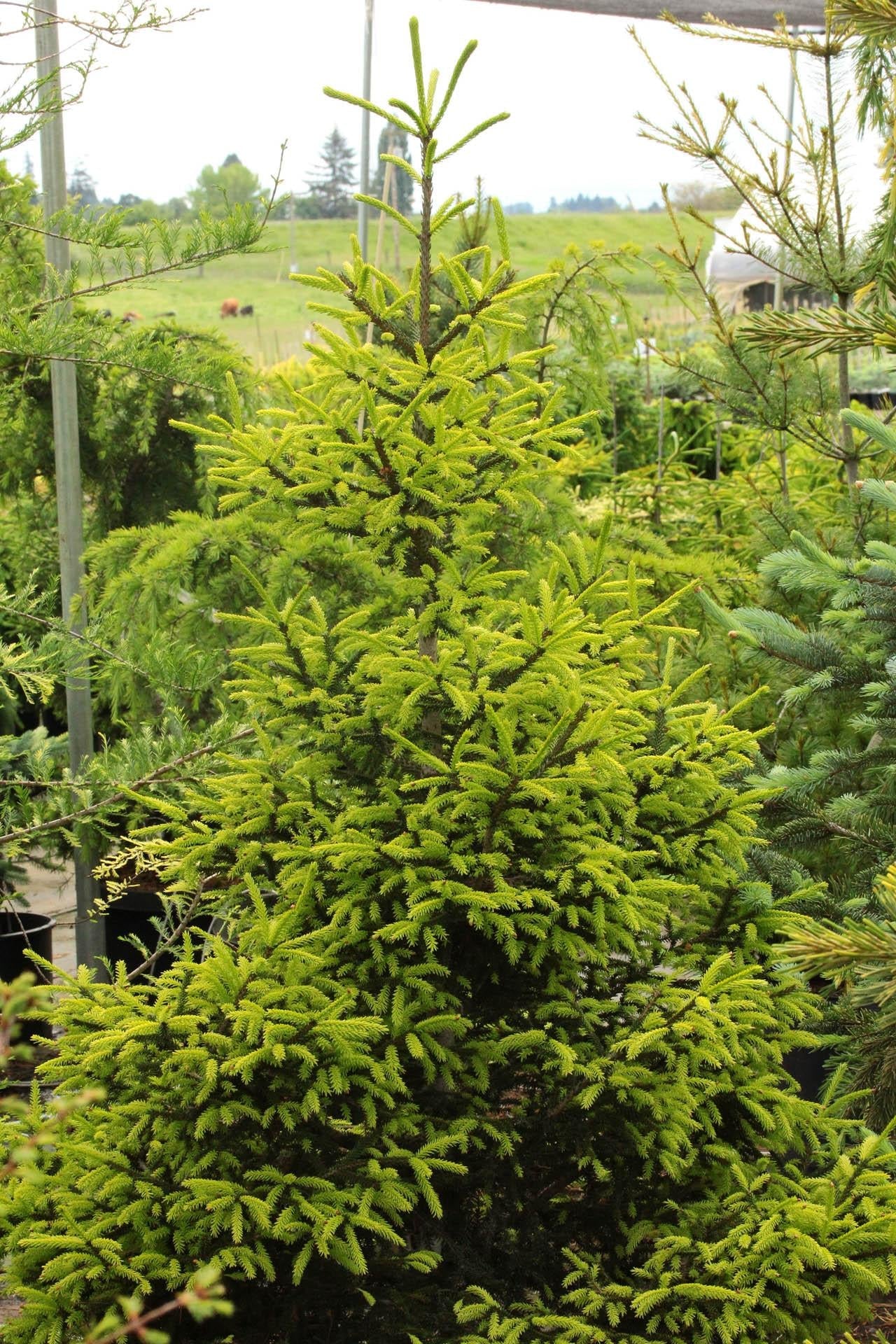
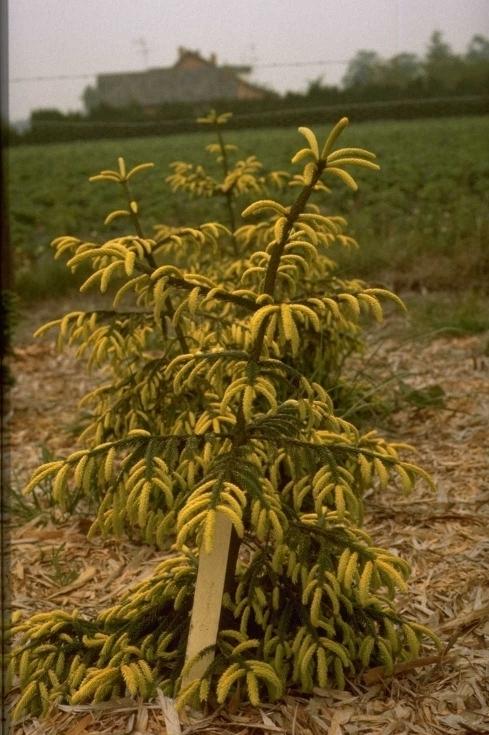
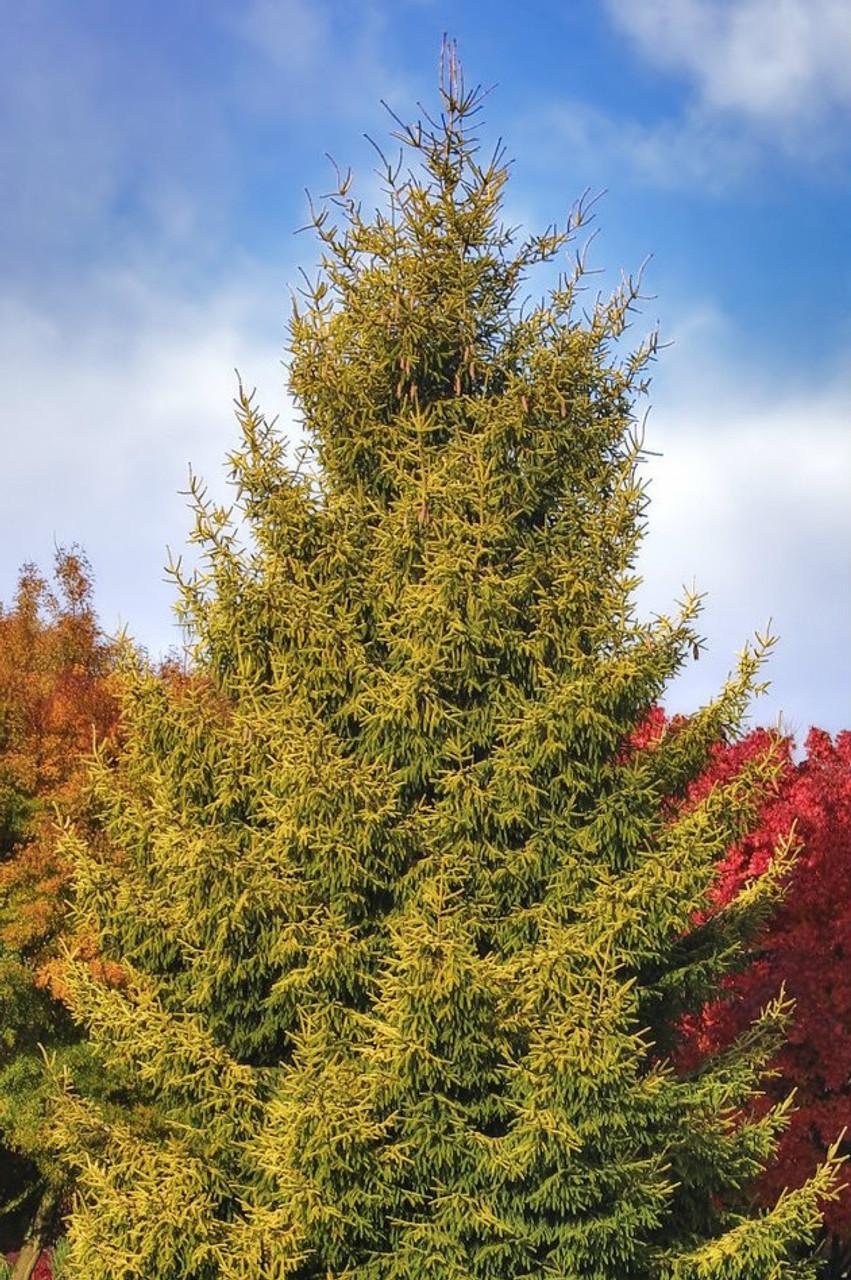
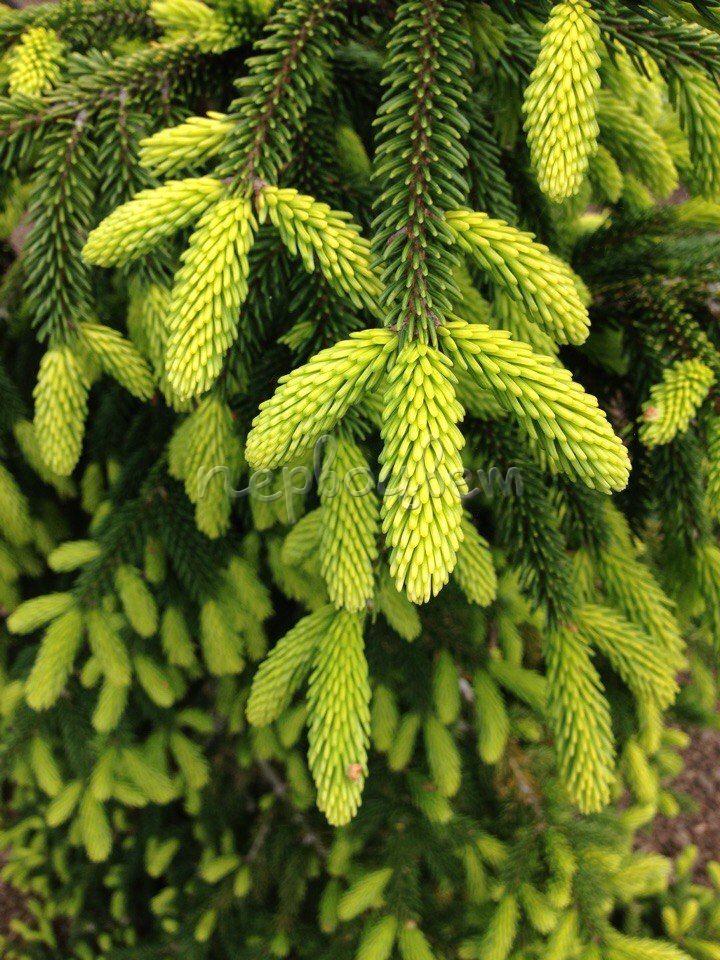
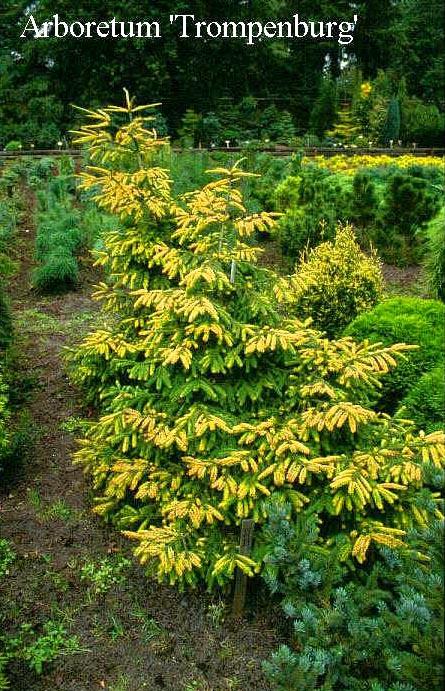
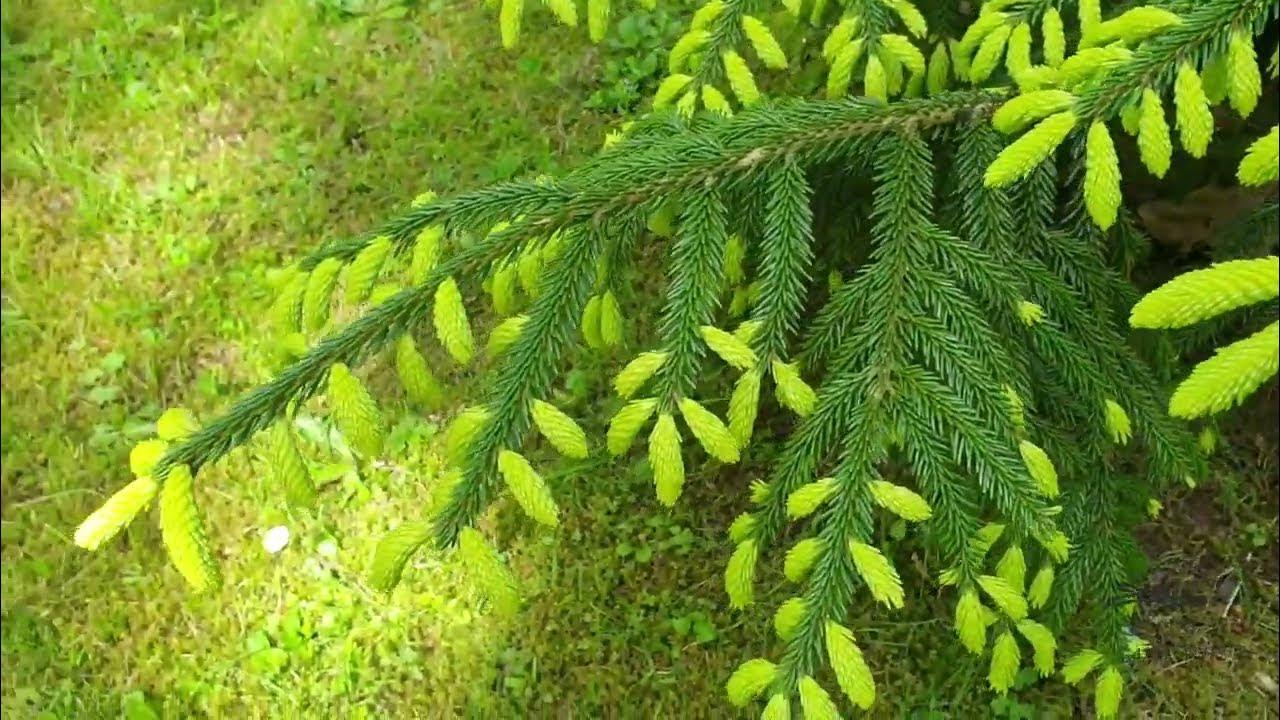
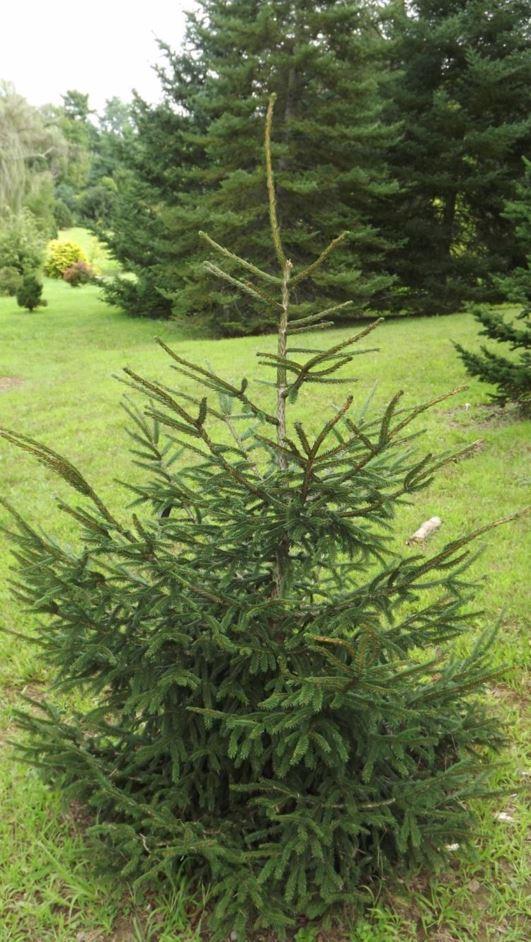
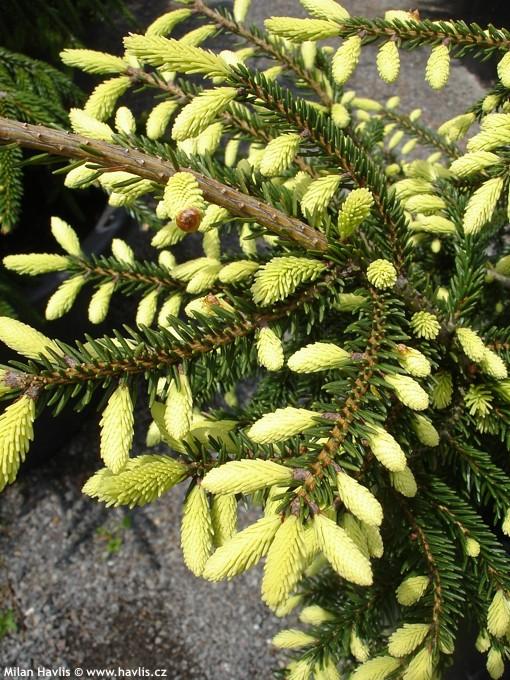
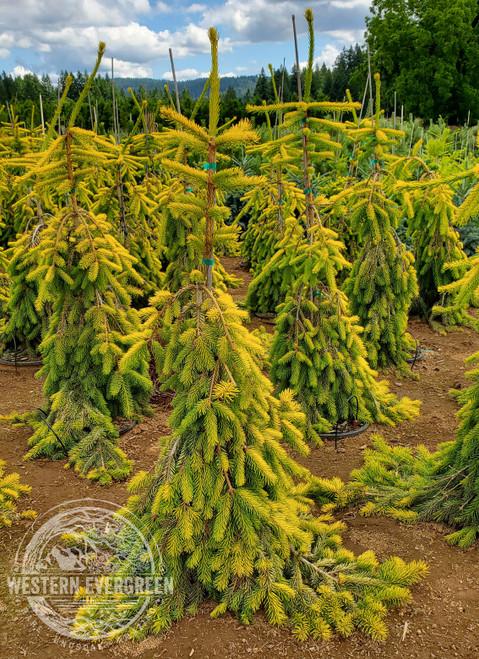
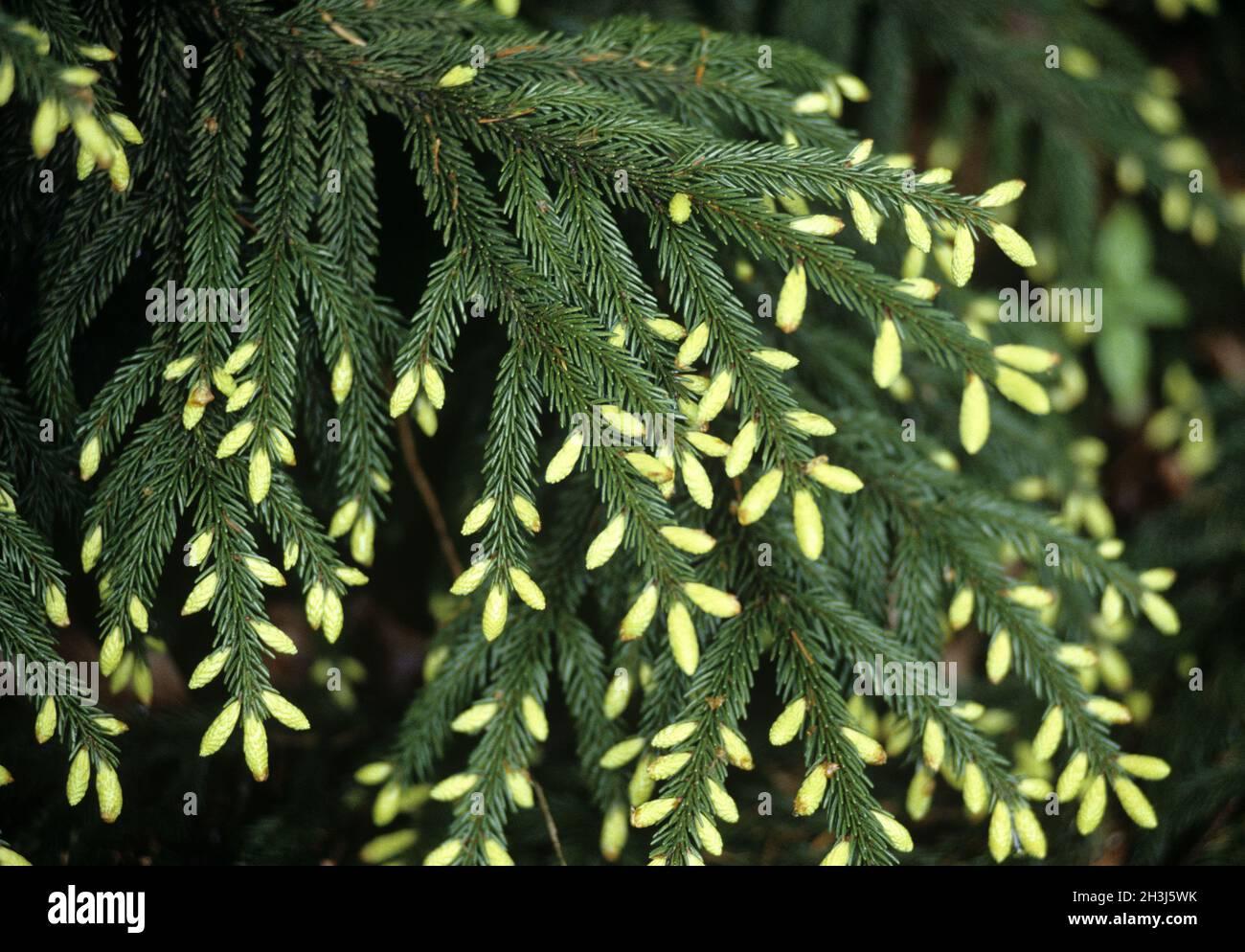
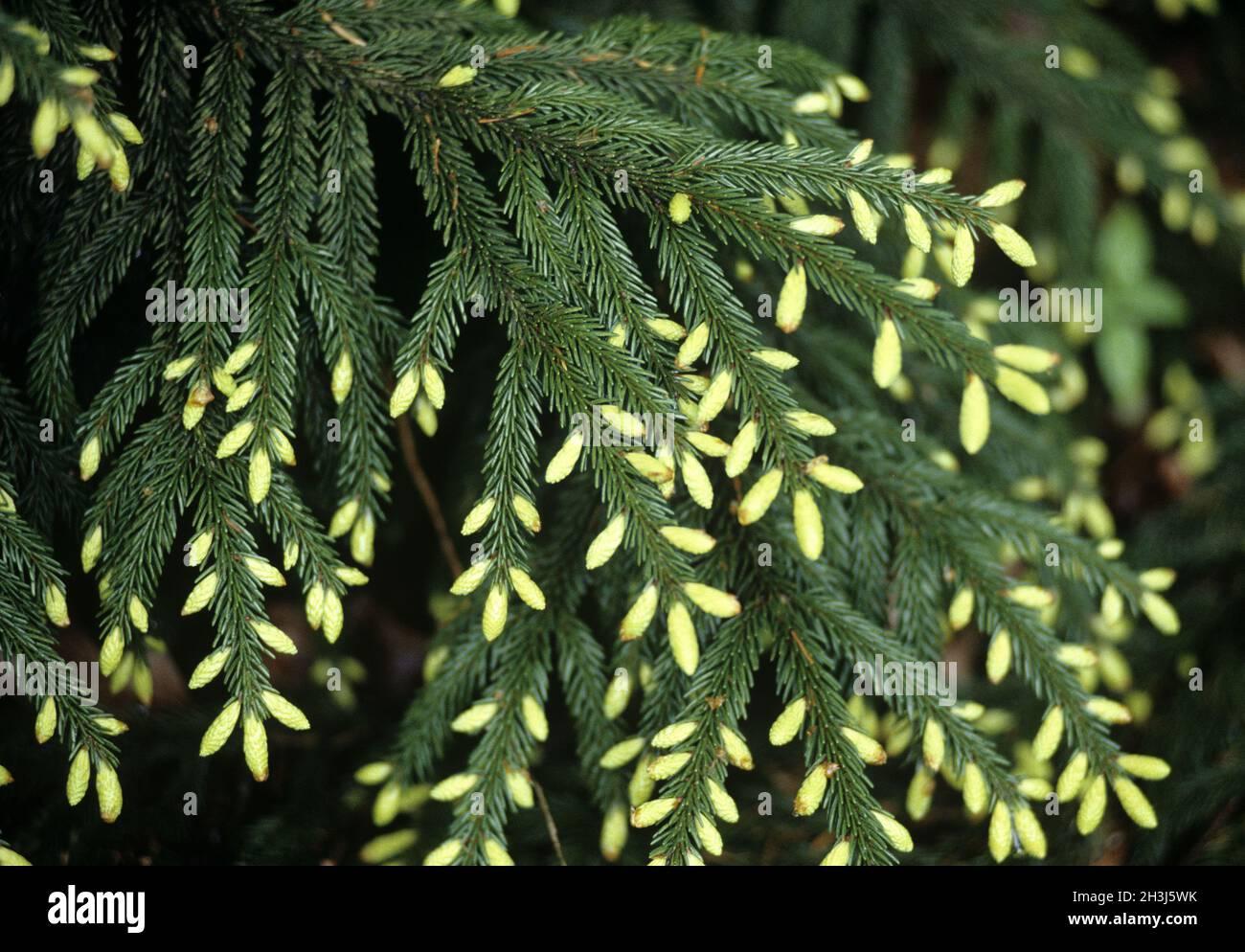
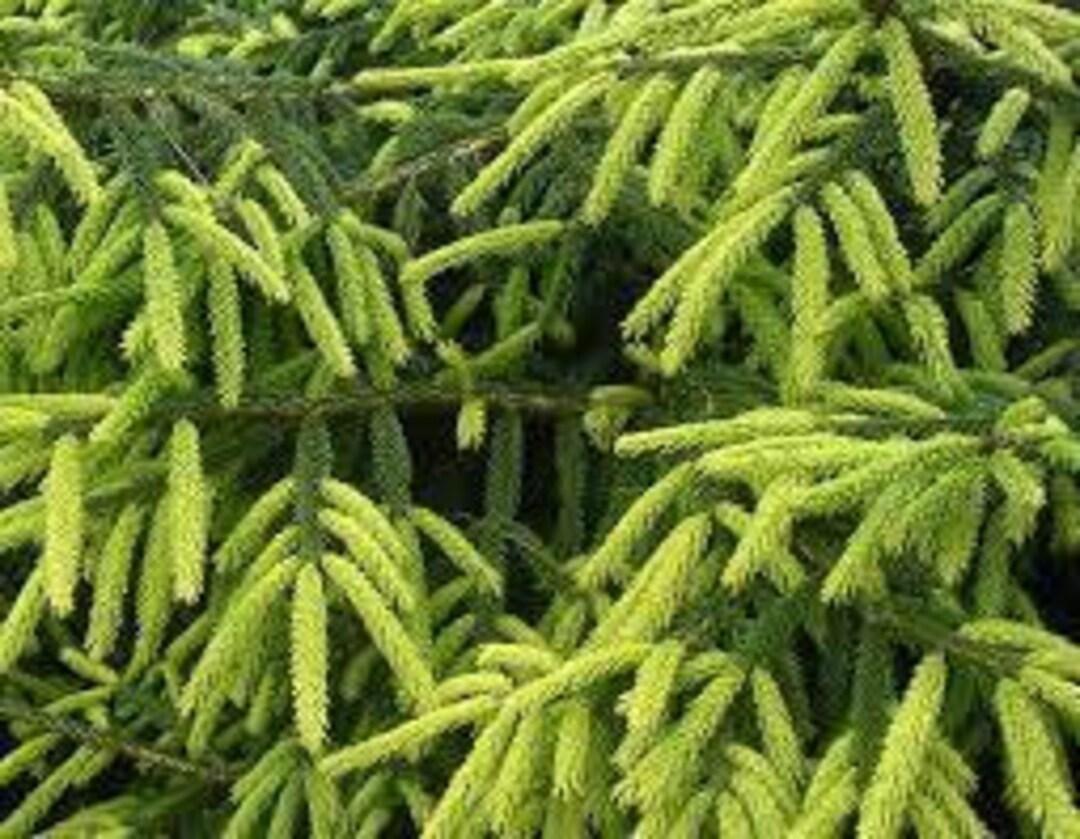
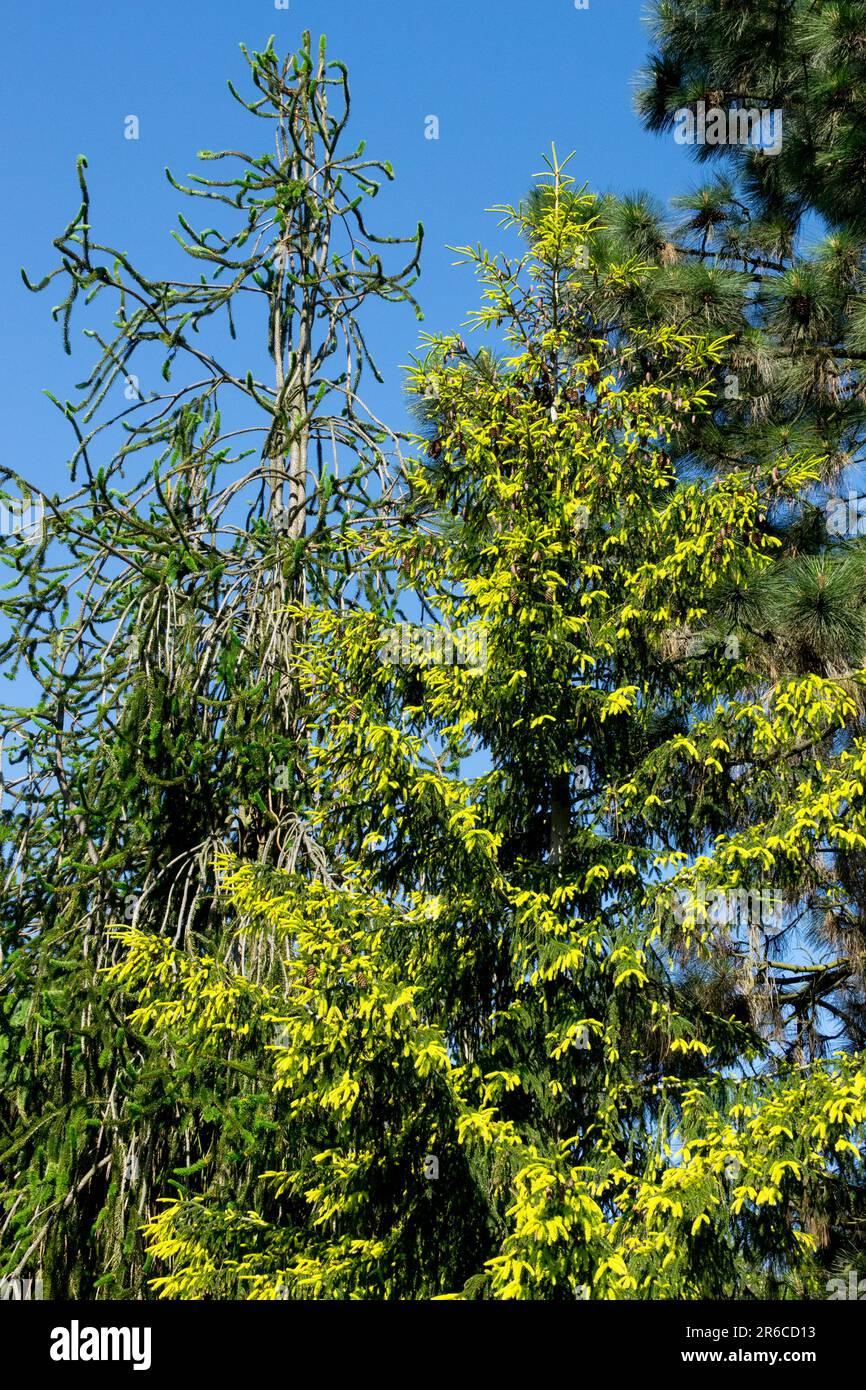
A vibrant conifer featuring golden-yellow new growth that transitions to a rich green, providing year-round interest. It has a dense, pyramidal form with soft foliage and a moderate growth rate.
Suggested Uses
Ideal for Foundation plantings, Specimen trees, Sloped terrain, and Small privacy screens in landscape designs.
Plant Details
-
 Botanical Name: 'Early Gold' Oriental Spruce Picea orientalis 'Early Gold'
 -
 Common Name: Early Gold' Oriental Spruce
 -
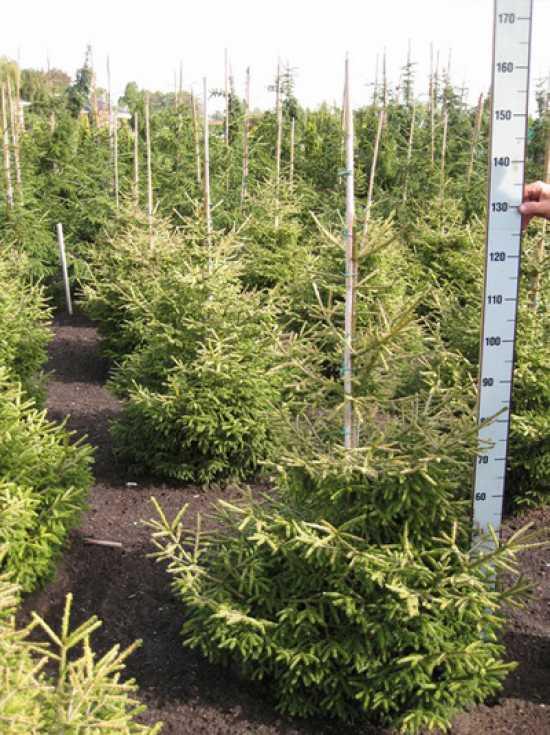
 Size & Growth: 10-15 ft tall, 4-6 ft wide; moderate growth of 4-6 inches per year
 -
 Hardiness Zones: 4-7
 -
 Foliage Type: Evergreen, Needle-leaved
 -
 Bloom Time: No significant flowers, primarily ornamental foliage
 -
 Growth Rate: Moderate
 -
 Light Requirements: Full sun to partial shade
 -
 Attracts Pollinators: No
 -
 Indoor Friendly: No
 -
 Container Friendly: Yes, in large pots
 -
 Deer Resistant: Yes
 -
 Pet Warning: Non-toxic
 -
 Fragrant: No
 -
 Cut Flower: No
 -
 Grows Well With: Junipers, Ornamental Grasses, Deciduous Shrubs
Care Tips
-
 Planting Instructions: Plant in well-drained soil, spacing 4-6 ft apart; amend soil with organic matter as needed
 -
 Soil Moisture: Keep evenly moist, avoid waterlogging
 -
 Soil Type: Well-drained, acidic to neutral soils
 -
 Humidity: Average humidity preferred
 -
 Pruning Instructions: Minimal pruning; remove dead or damaged branches in early spring
 -
 Winter Care: Mulch around base to protect roots in colder zones; avoid heavy snow accumulation
 -
 Planting Depth: Plant at same depth as in nursery, about 2 inches above root ball
 -
 Fertilization: Apply slow-release acid-formula fertilizer in spring
 -
 Special Care: Mulch to retain soil moisture and regulate temperature