

RedCrocus Douglas Fir Pseudotsuga menziesii Evergreen Tree, Large Conifer for Landscaping, Windbreaks, Parks 5/6' h B&B
RedCrocus Douglas Fir Pseudotsuga menziesii Evergreen Tree, Large Conifer for Landscaping, Windbreaks, Parks 5/6' h B&B
Regular price
$1,296.00 USD
Regular price
$1,684.80 USD
Sale price
$1,296.00 USD
Unit price
per
Shipping calculated at checkout.
SKU:nte5381-redcrocus
Couldn't load pickup availability
Douglas Fir Pseudotsuga menziesii
Description
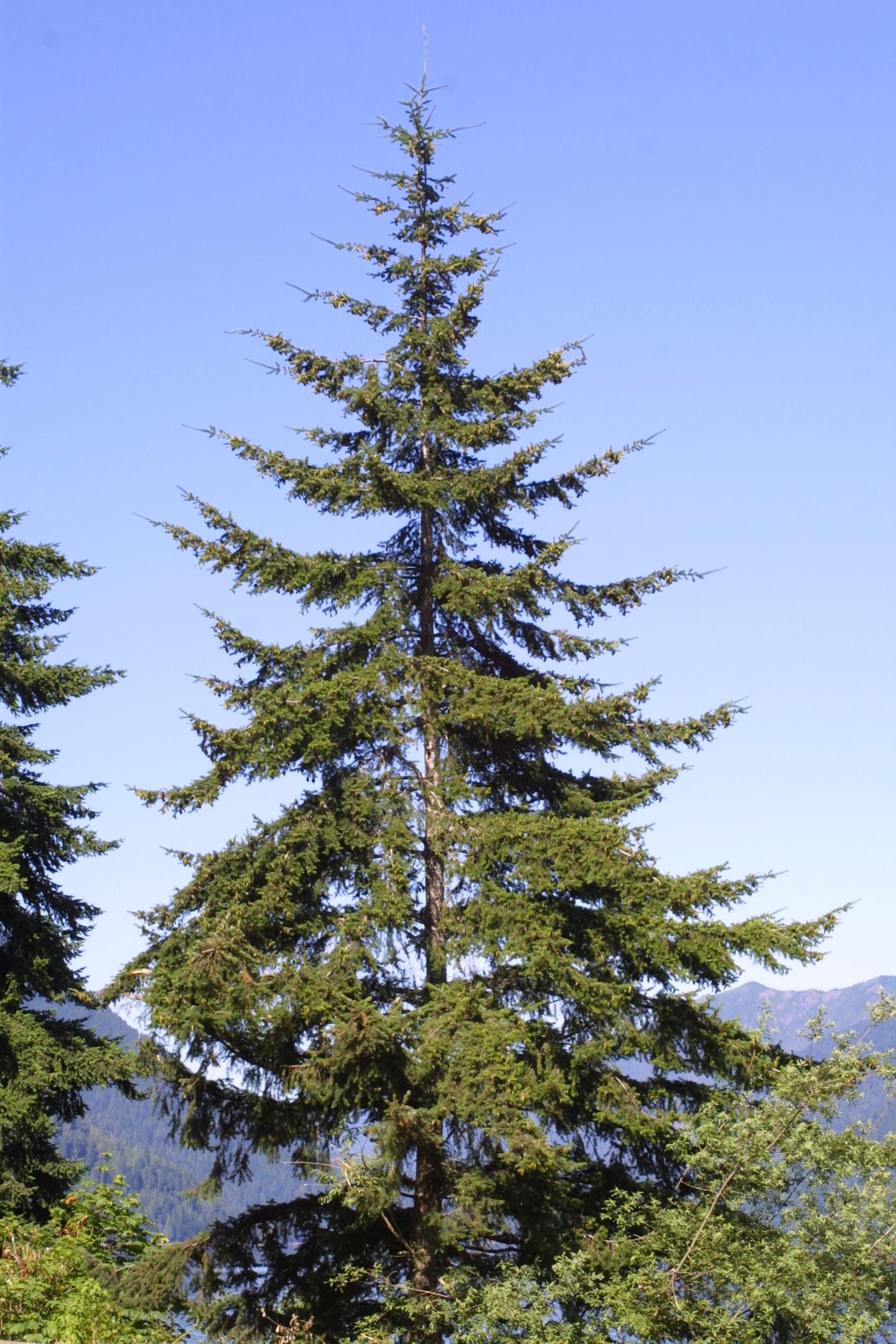
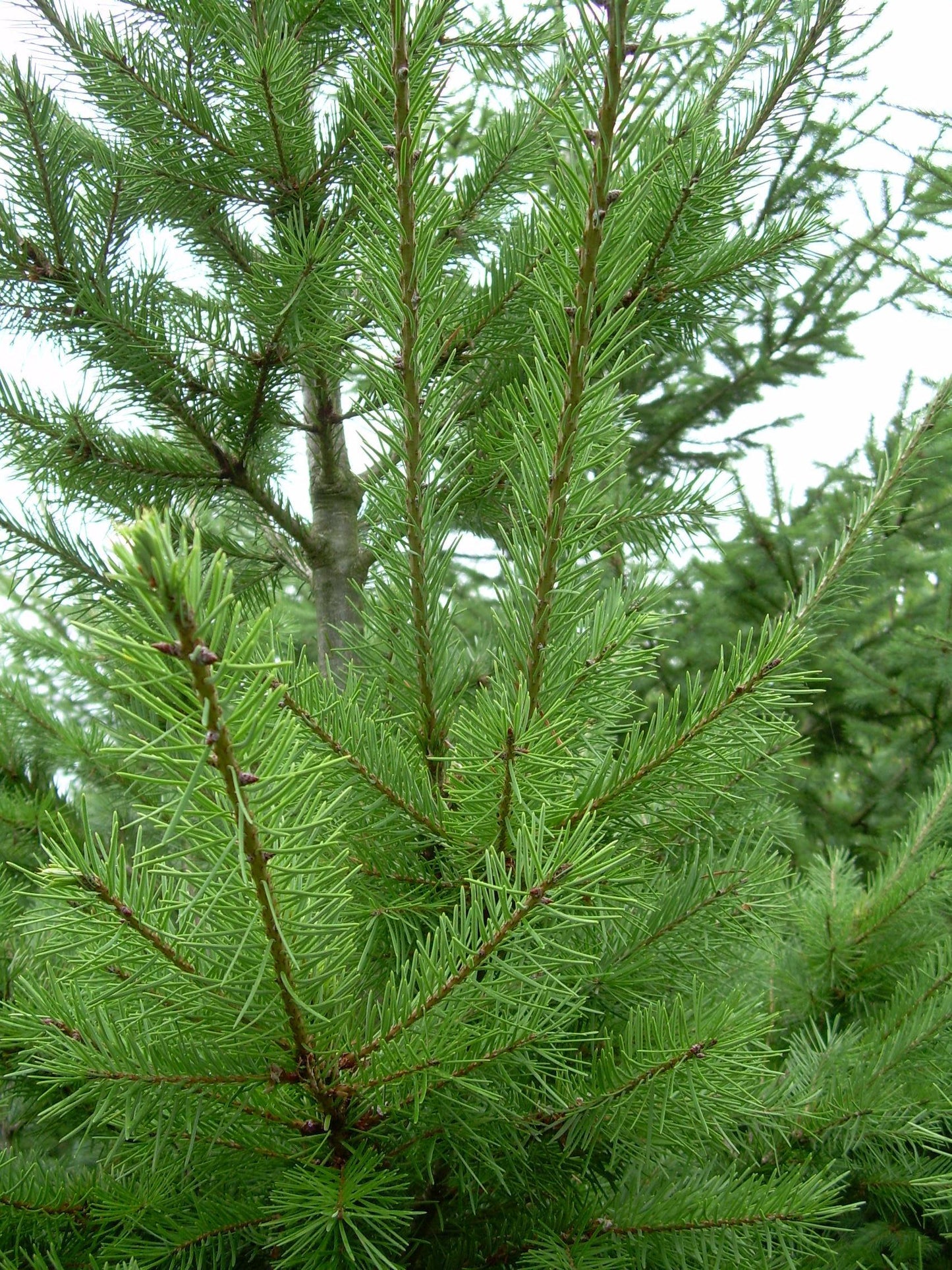
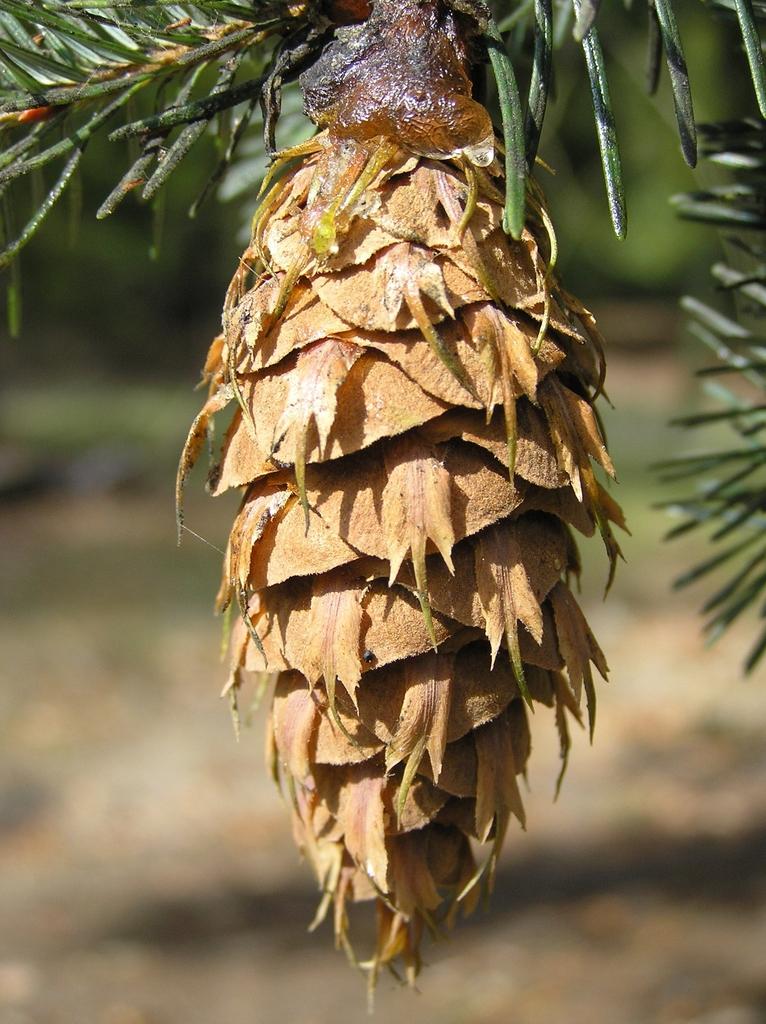
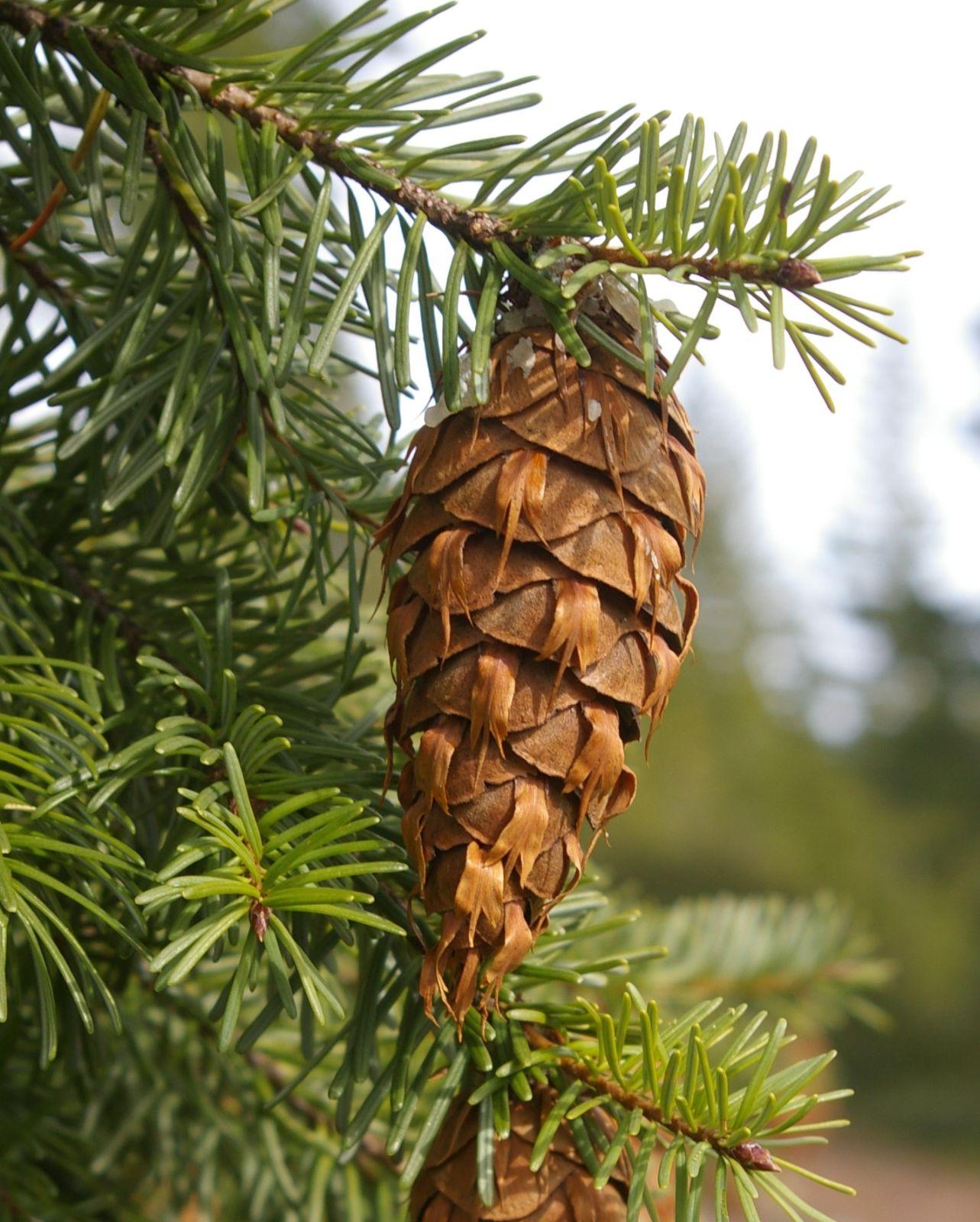
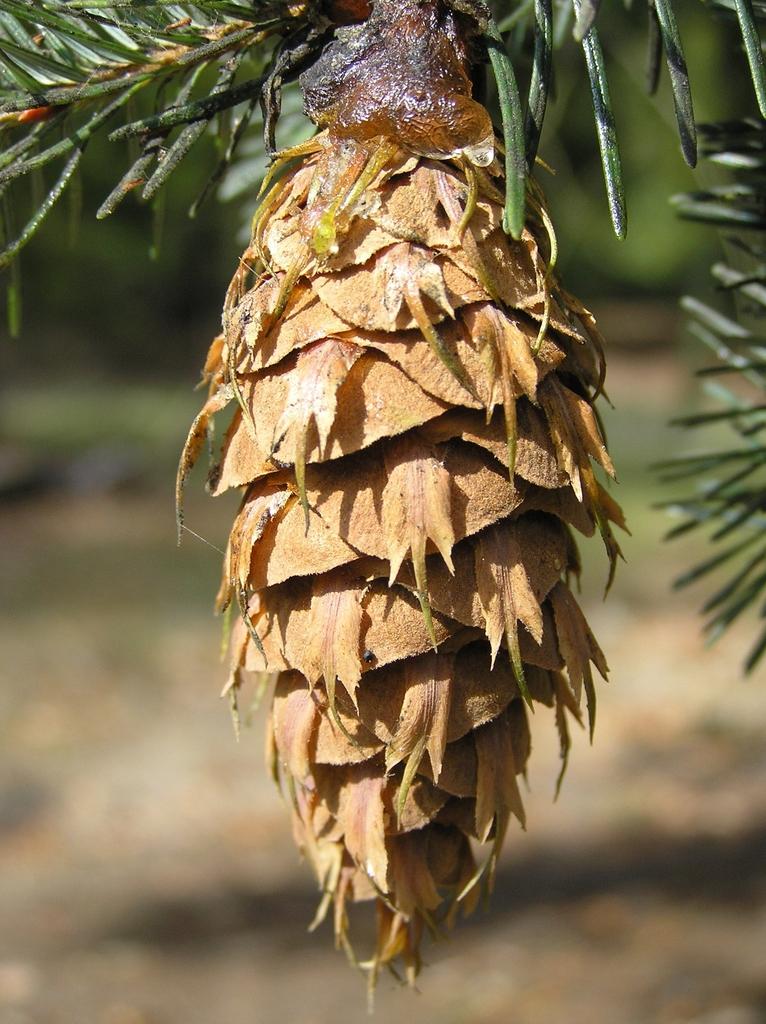
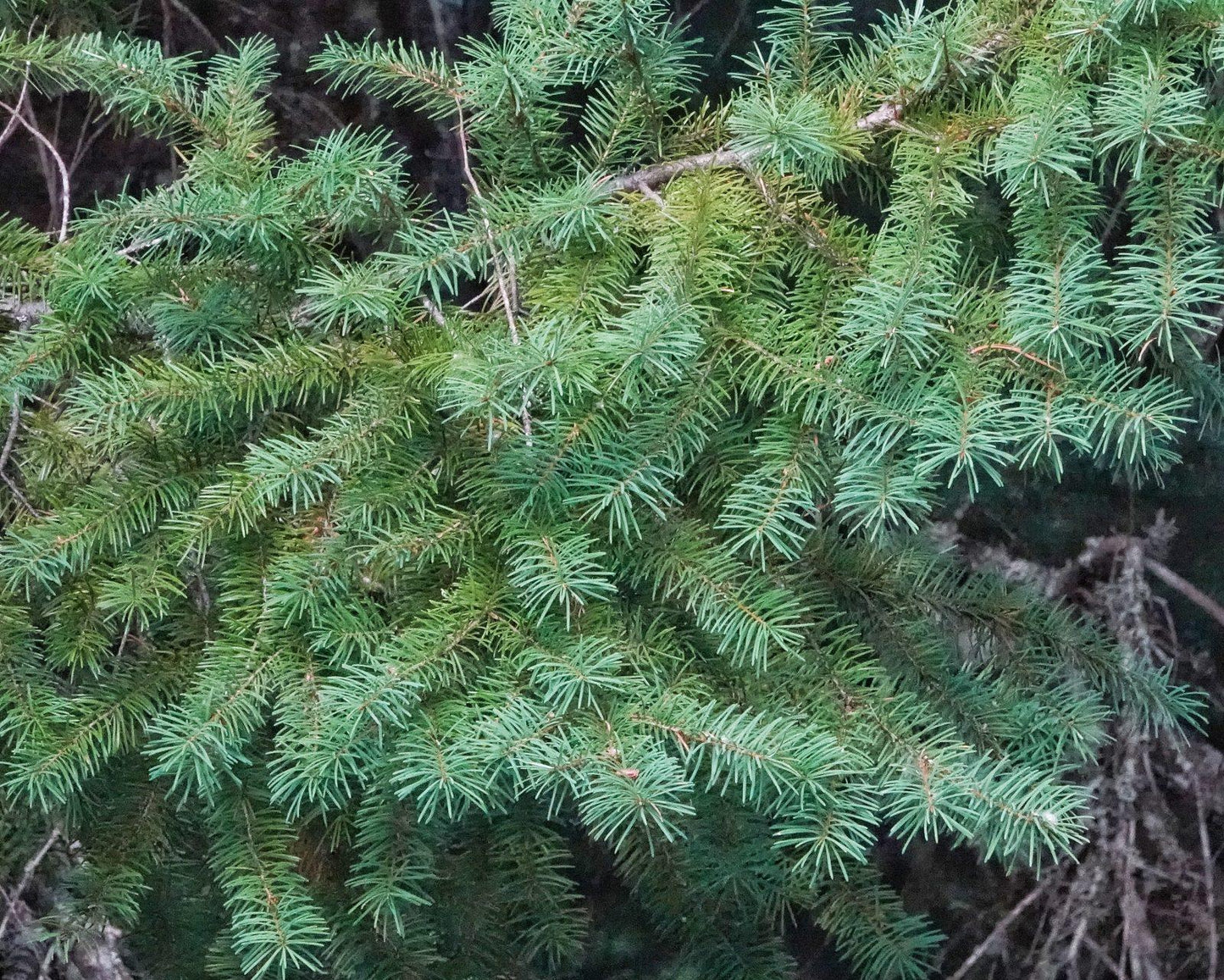
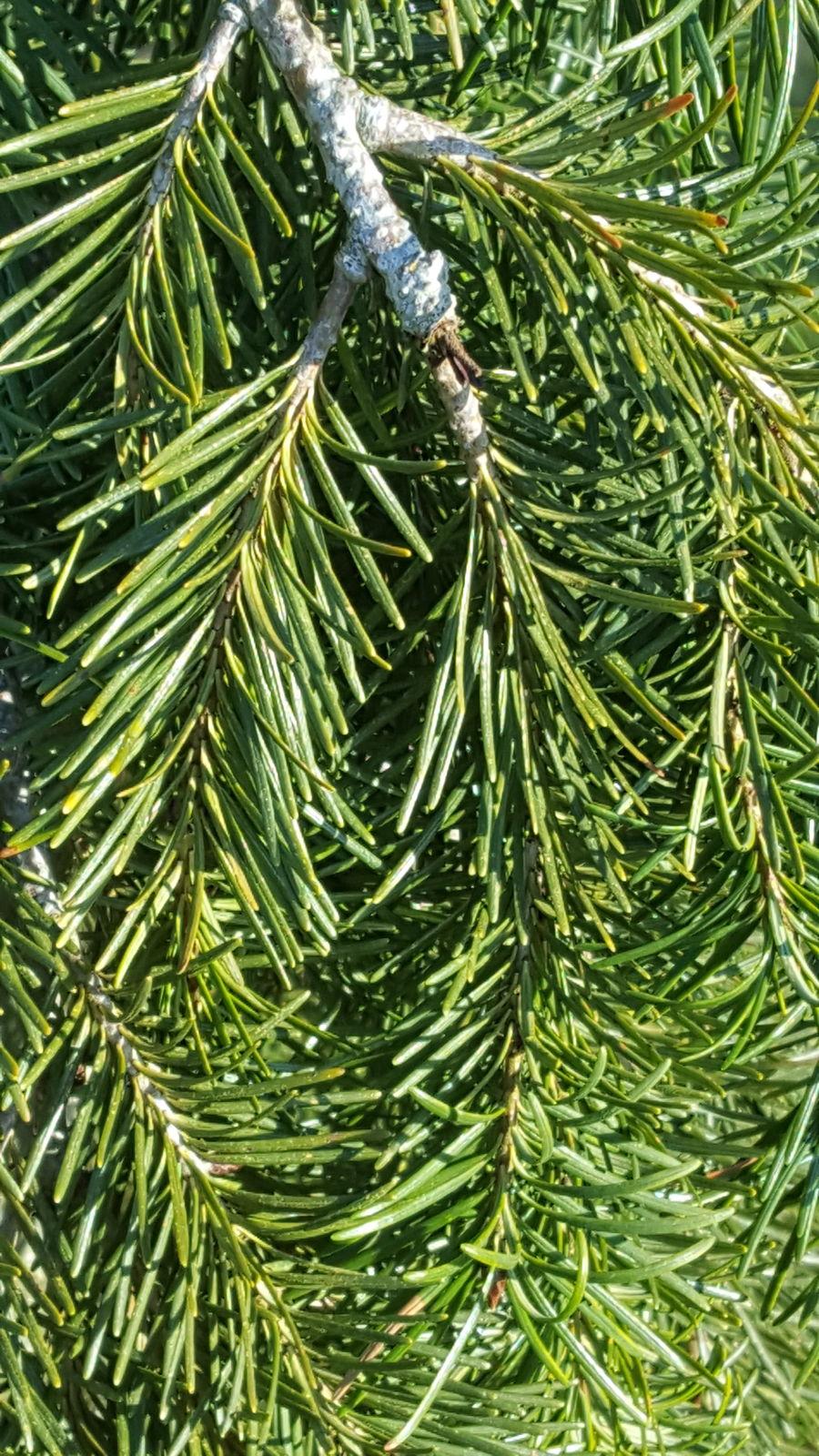
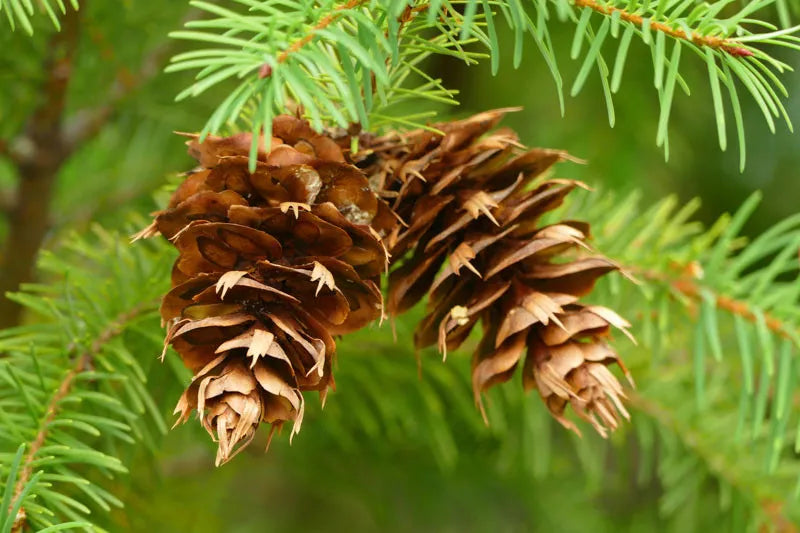
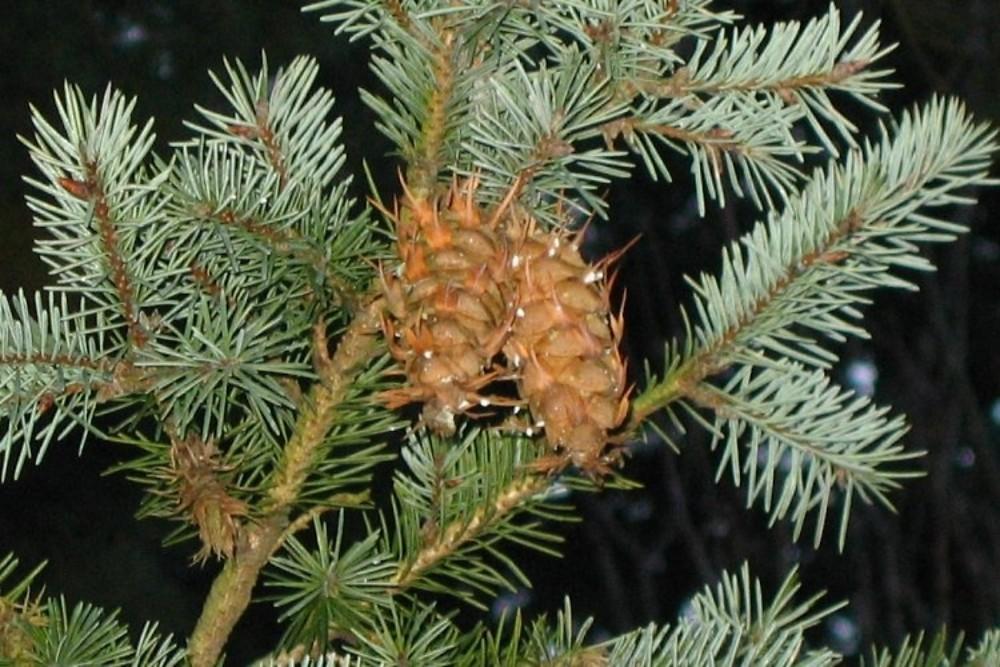
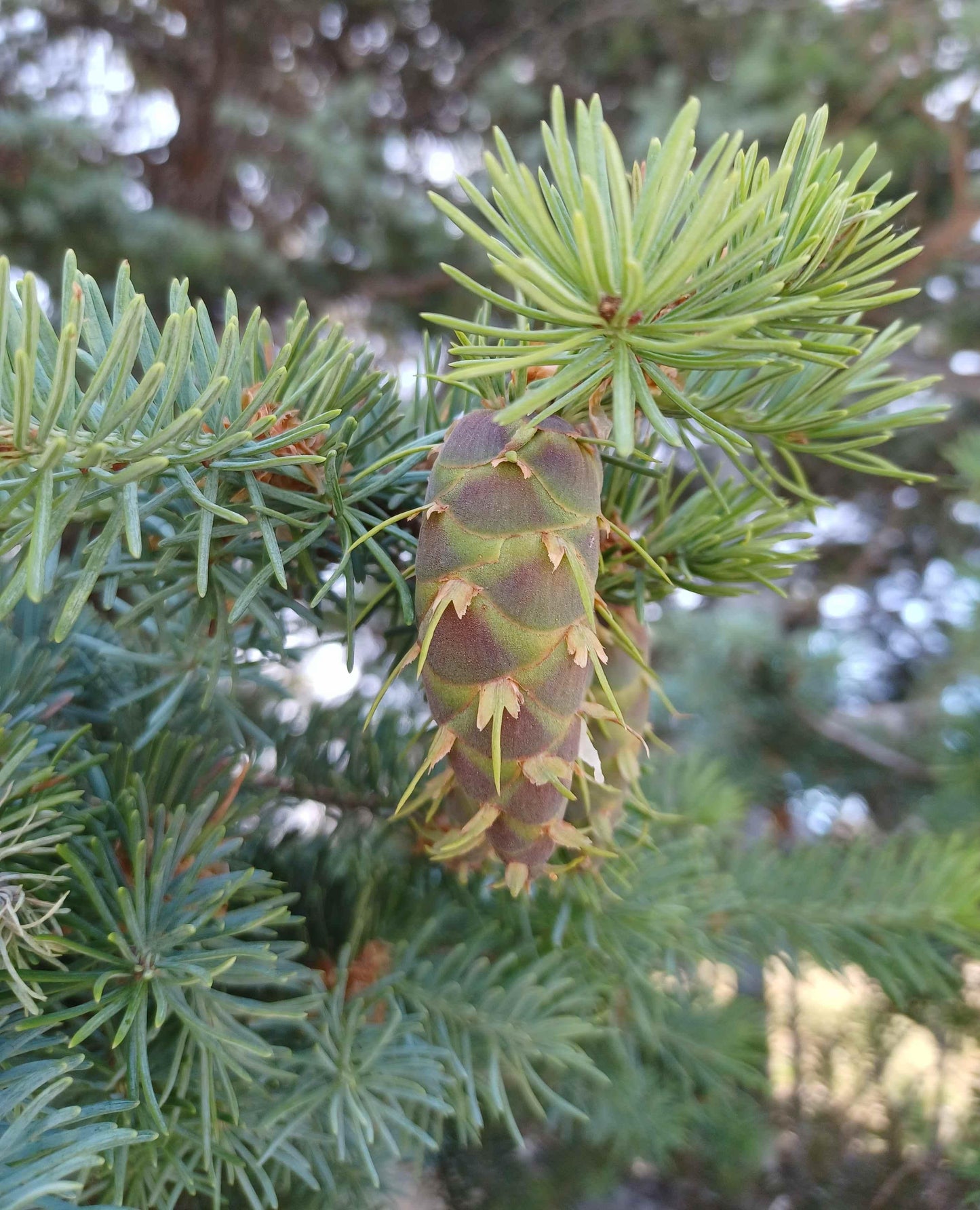
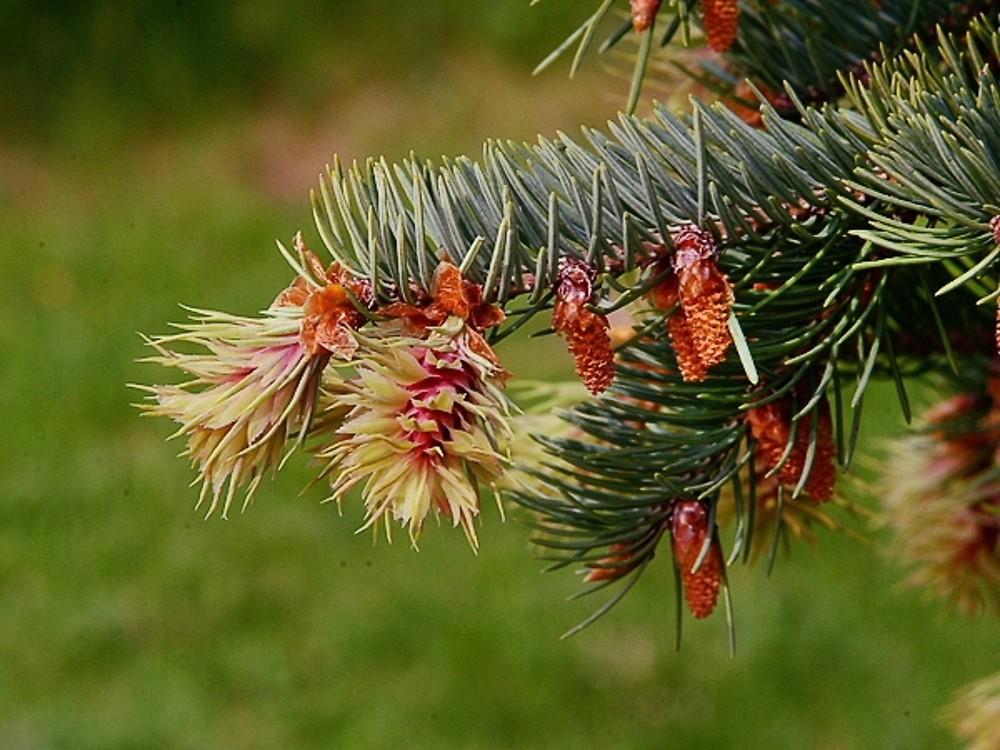
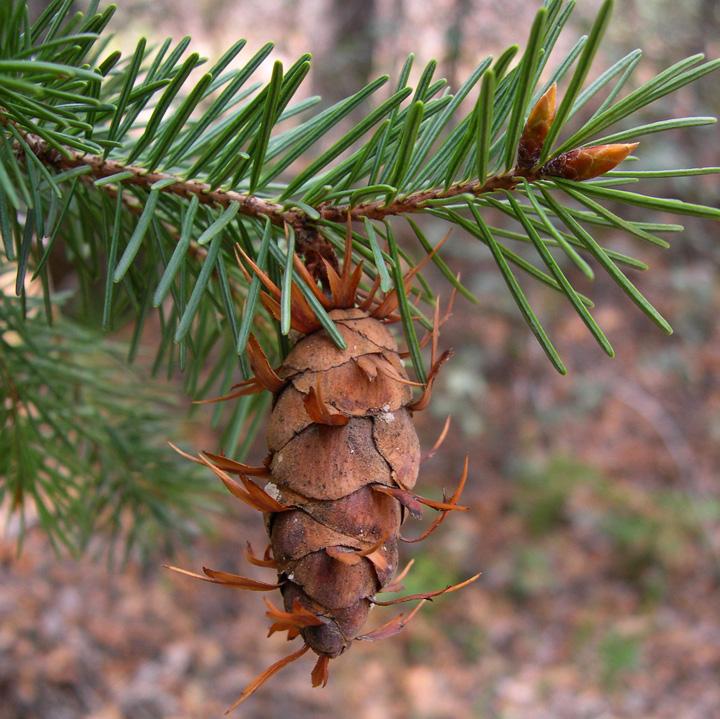
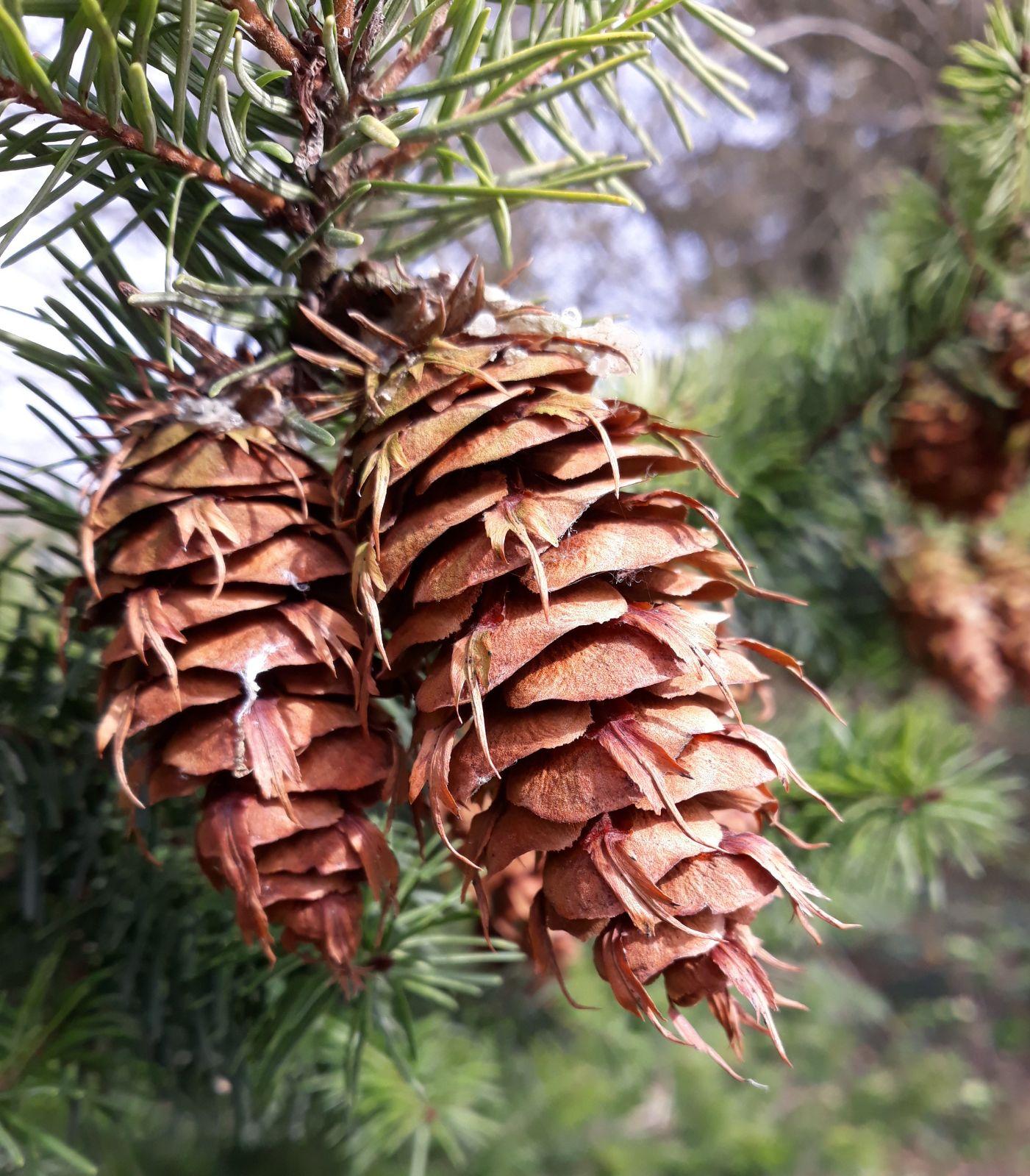
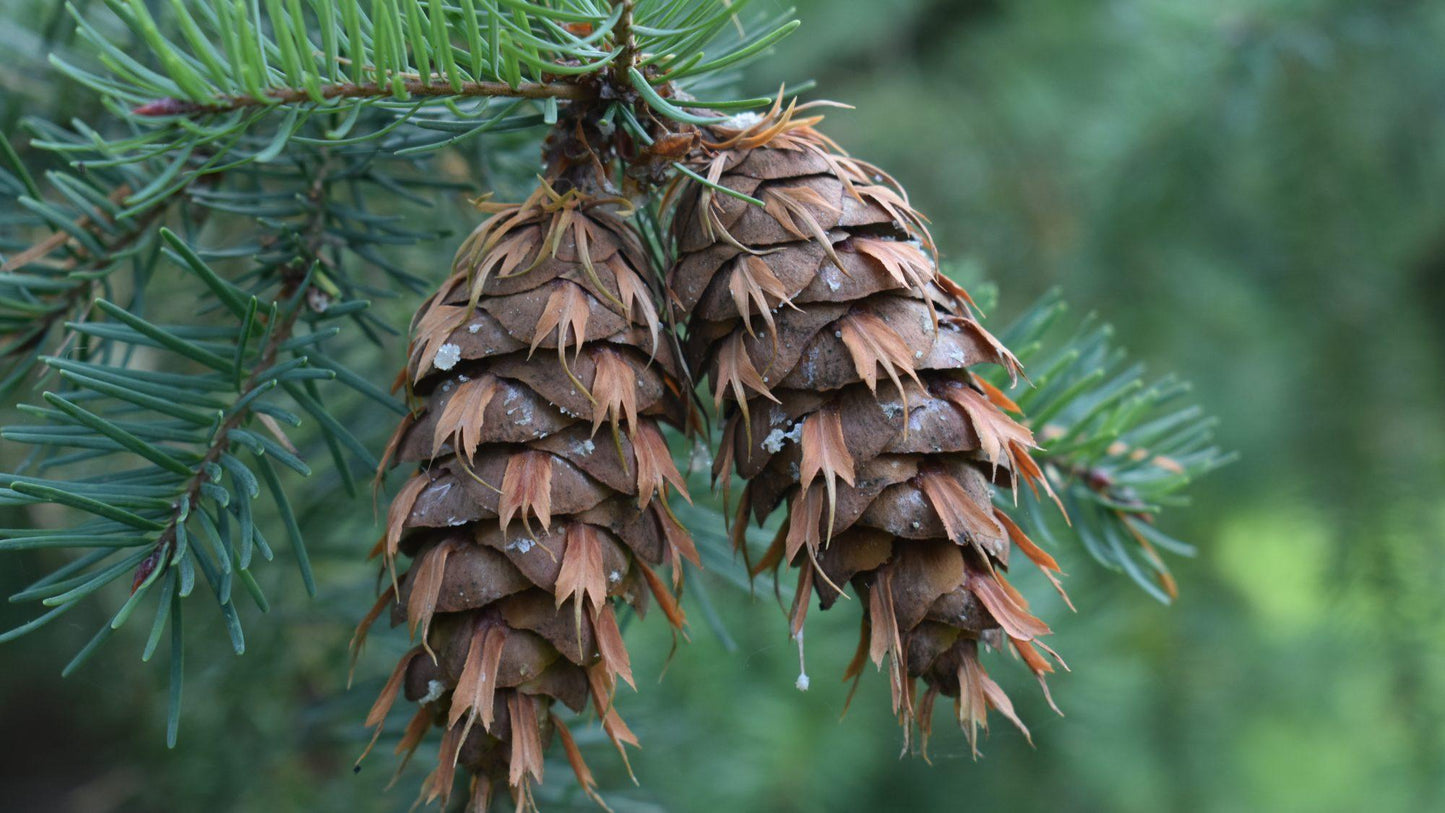
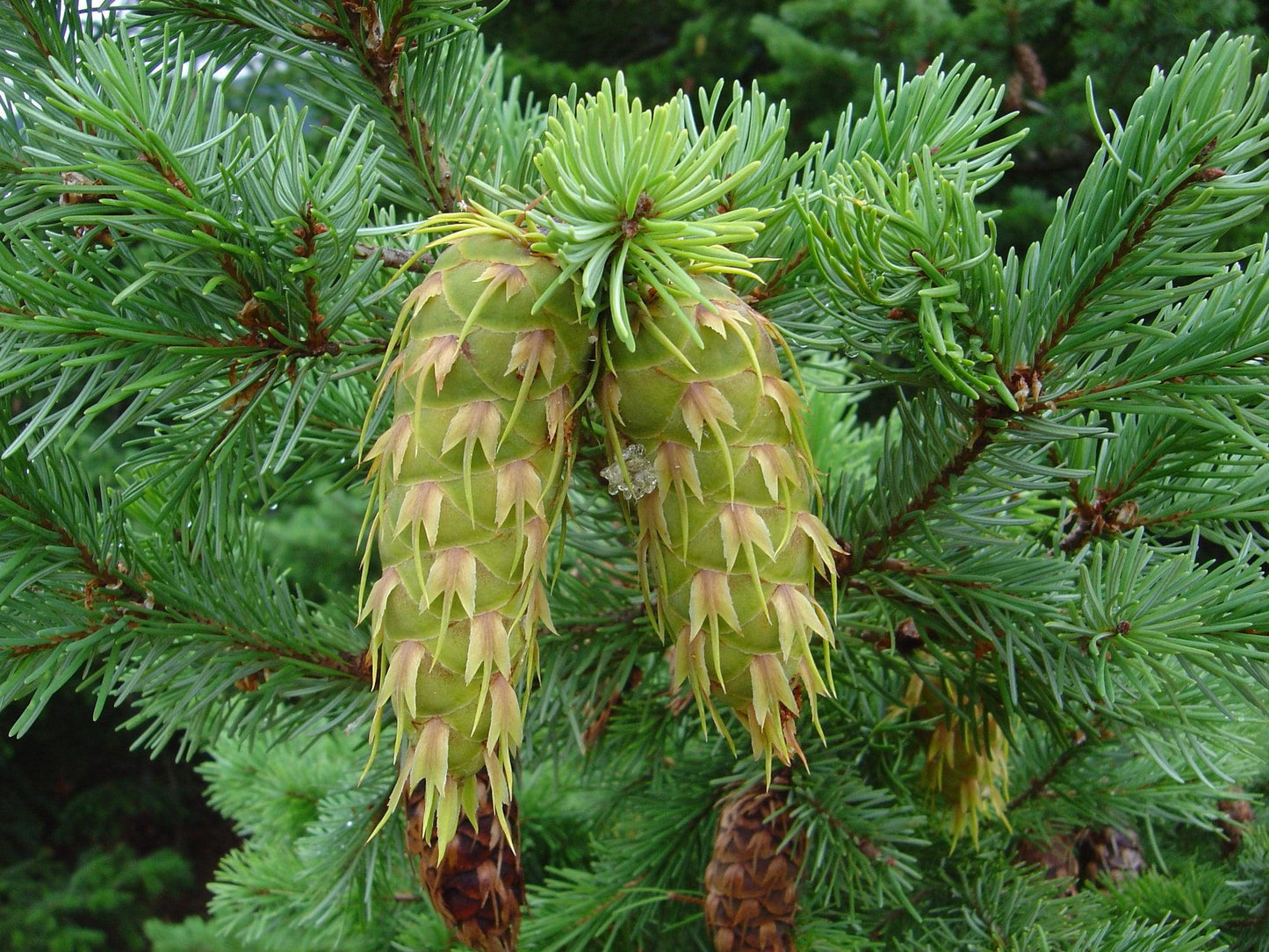
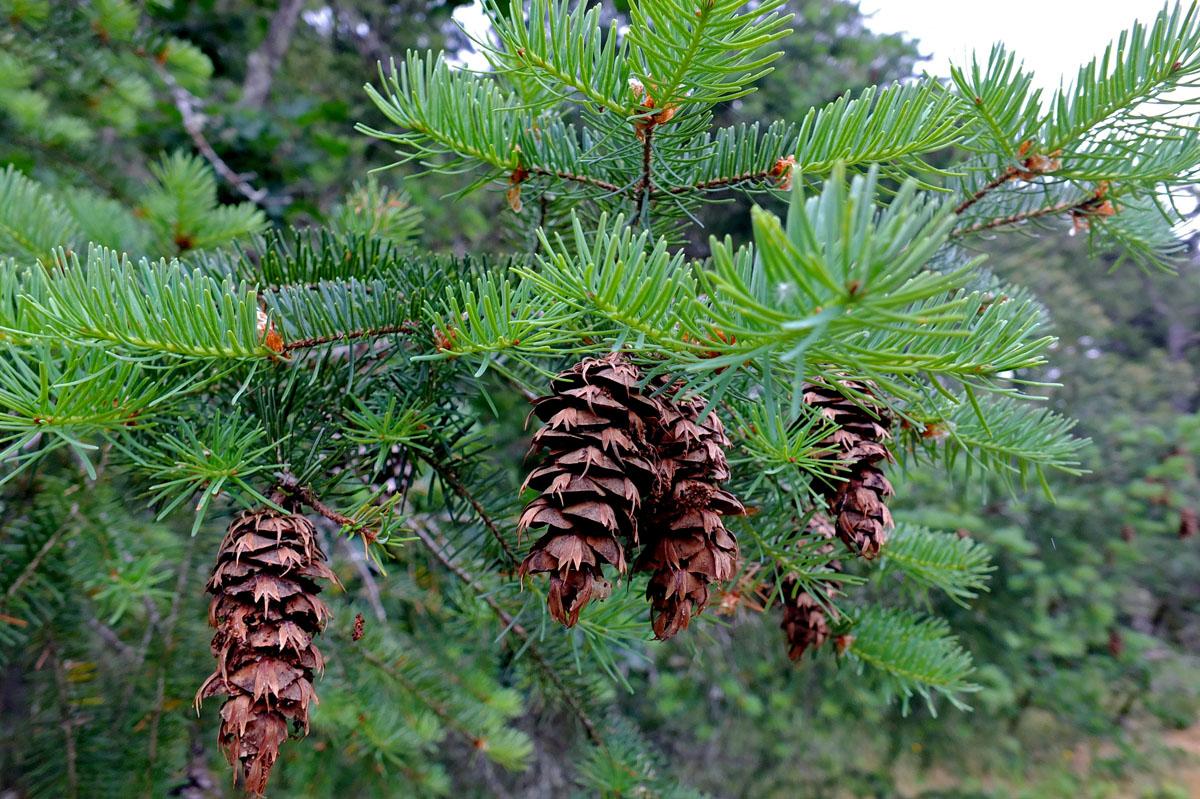
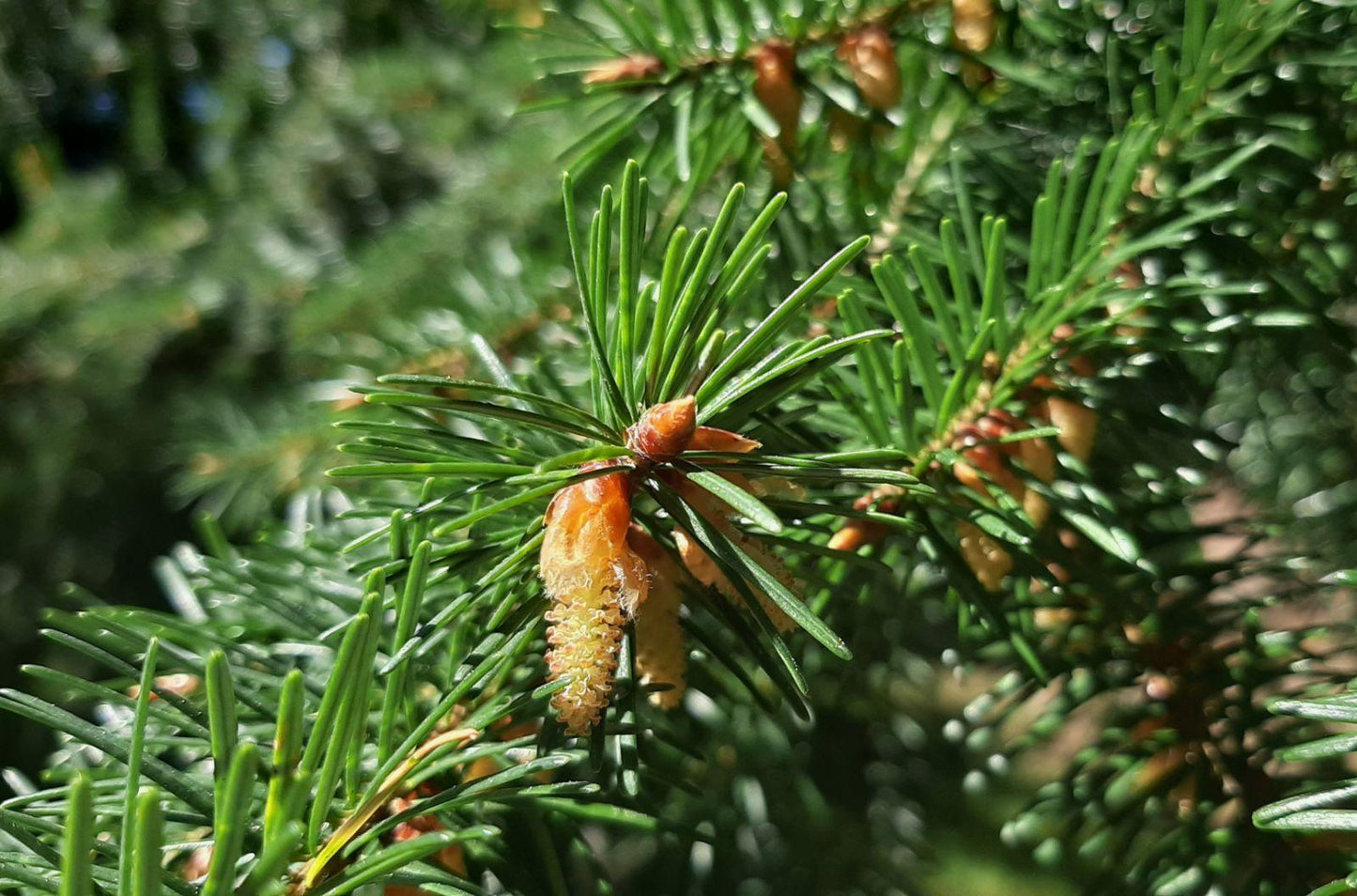
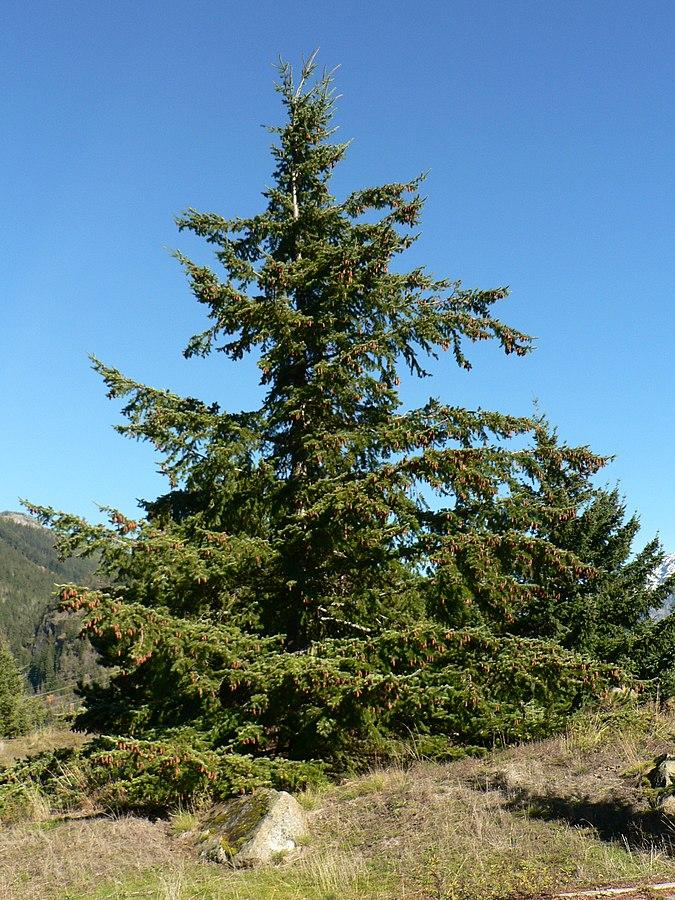
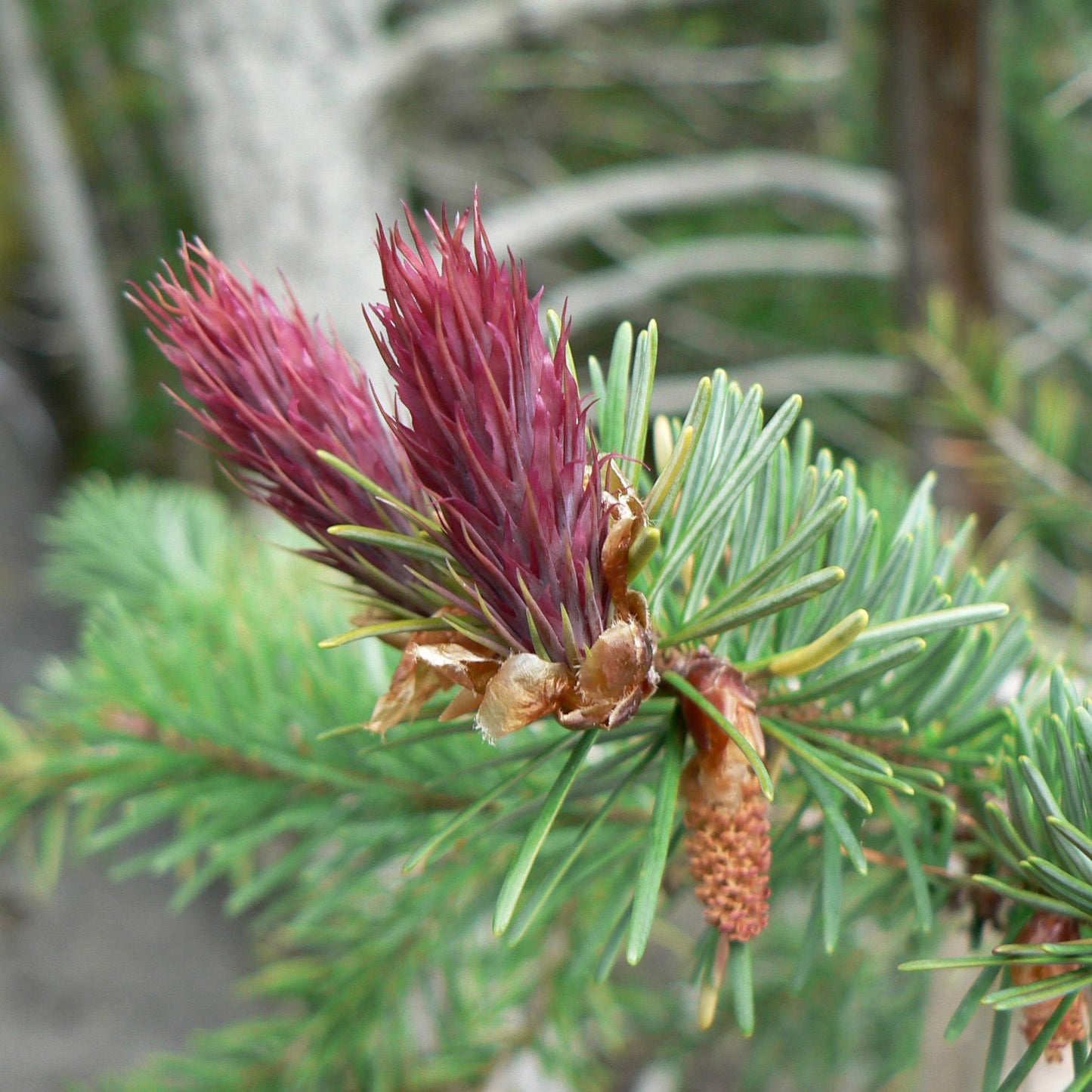
A tall evergreen conifer native to western North America, featuring needle-like foliage and characteristic cones with distinctive three-lobed bracts.
Suggested Uses
Ideal for large-scale landscaping, windbreaks, and as a specimen tree in parks and spacious gardens.
Plant Details
-
 Botanical Name: Douglas Fir Pseudotsuga menziesii
 -
 Common Name: Douglas Fir
 -
 Size & Growth: Up to 70 meters tall with a conical shape when young, becoming more irregular with age.
 -
 Hardiness Zones: 5 to 6
 -
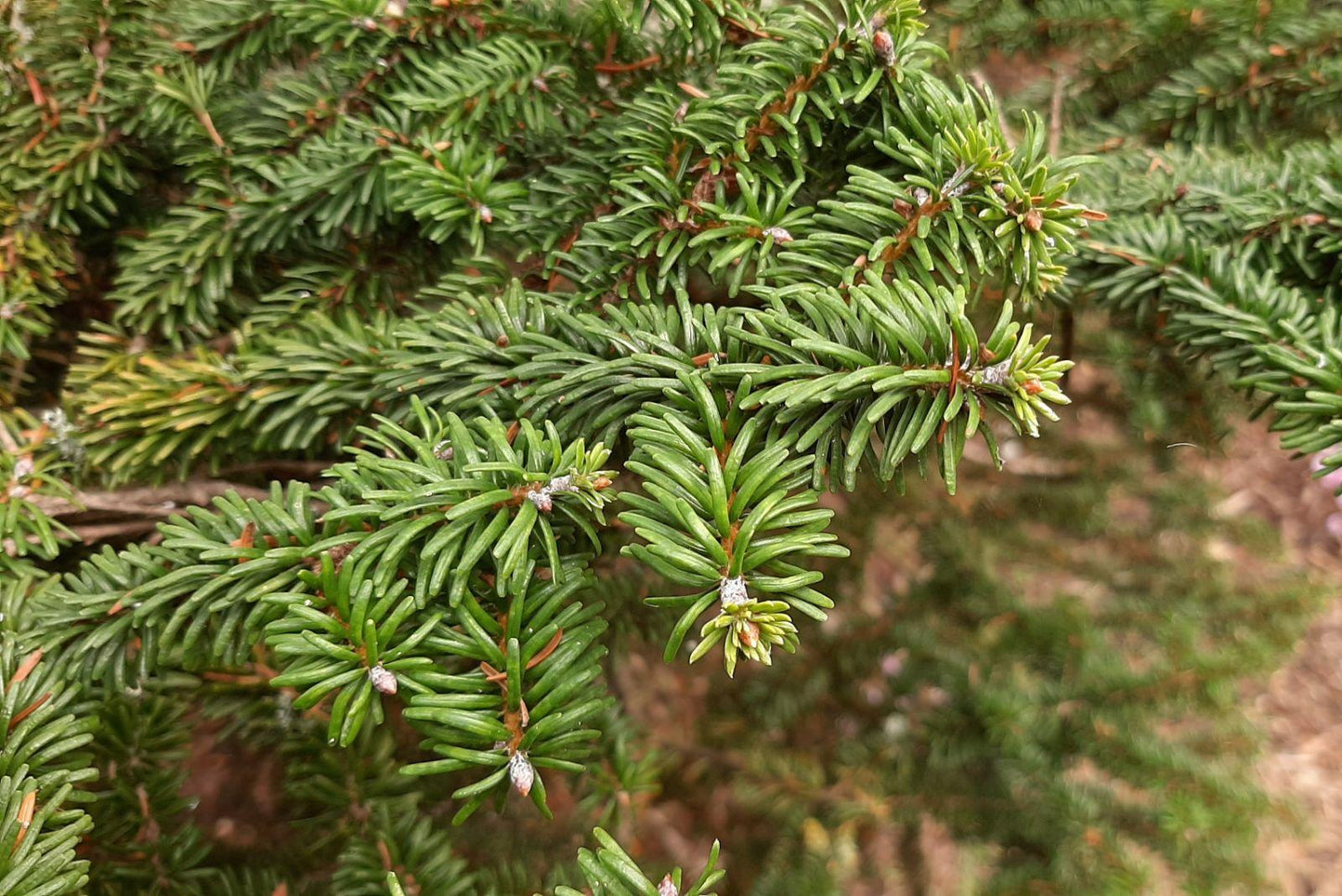
 Foliage Type: Evergreen needles
 -
 Bloom Time: Cones mature in 7-8 months, typically in late summer to fall
 -
 Growth Rate: Moderate to fast
 -
 Light Requirements: Full sun
 -
 Attracts Pollinators: Yes
 -
 Indoor Friendly: No
 -
 Container Friendly: No
 -
 Deer Resistant: Moderately
 -
 Pet Warning: Toxic to pets if ingested
 -
 Fragrant: No
 -
 Cut Flower: Not typically
 -
 Grows Well With: Other conifers, deciduous trees, and native plants
Care Tips
-
 Planting Instructions: Plant in well-drained, slightly acidic soil in a full sun location. Space adequately for mature height.
 -
 Soil Moisture: Keep moist, especially during dry periods
 -
 Soil Type: Loamy or sandy, well-drained soil
 -
 Humidity: Prefers moderate humidity
 -
 Pruning Instructions: Minimal pruning needed; remove dead or damaged branches
 -
 Winter Care: Protect young trees from harsh winter winds; mature trees are hardy
 -
 Planting Depth: Plant at same depth as in nursery; do not plant deeper
 -
 Fertilization: Feed with a balanced fertilizer in early spring
 -
 Special Care: Mulching helps retain soil moisture and regulate temperature