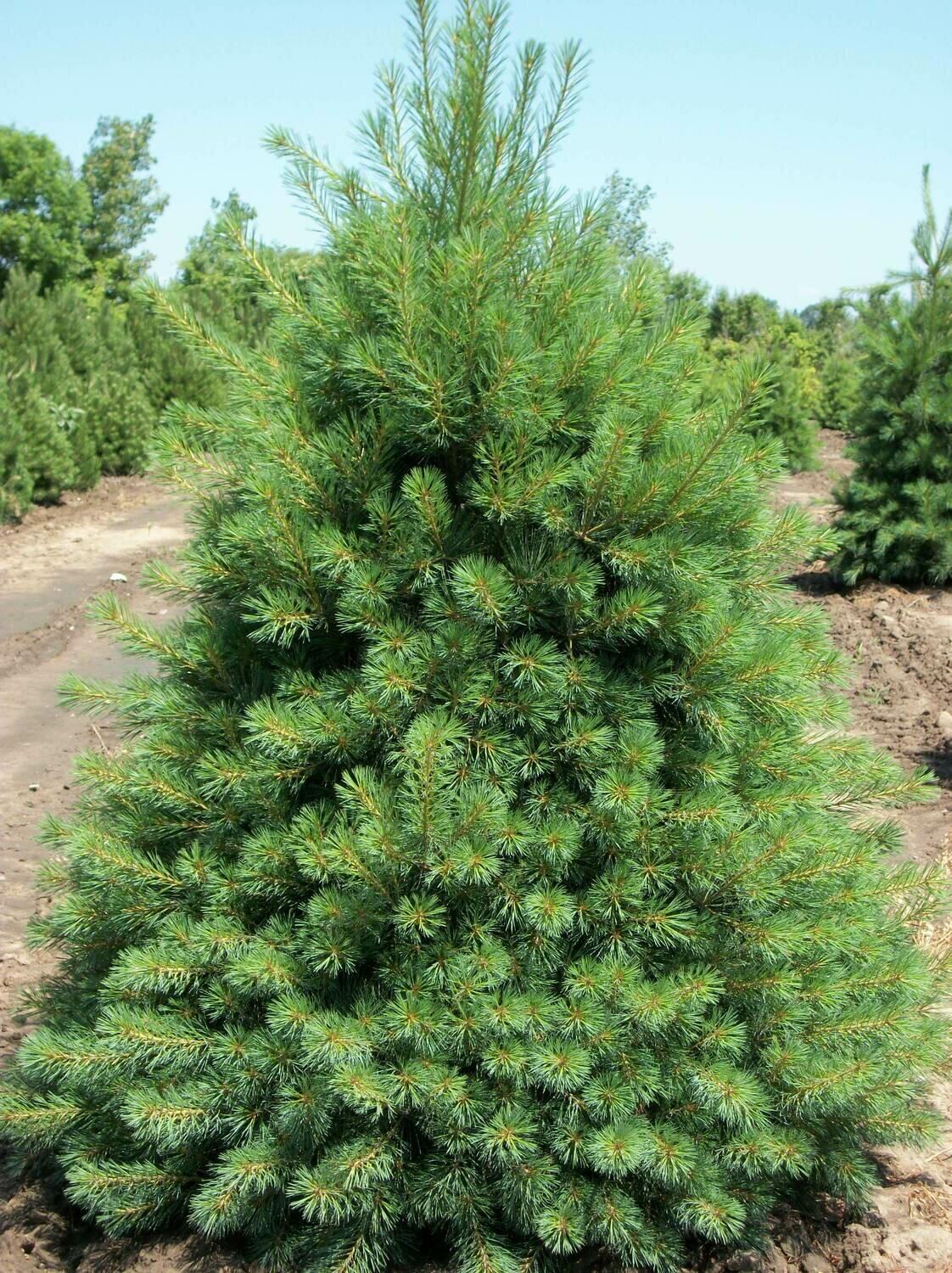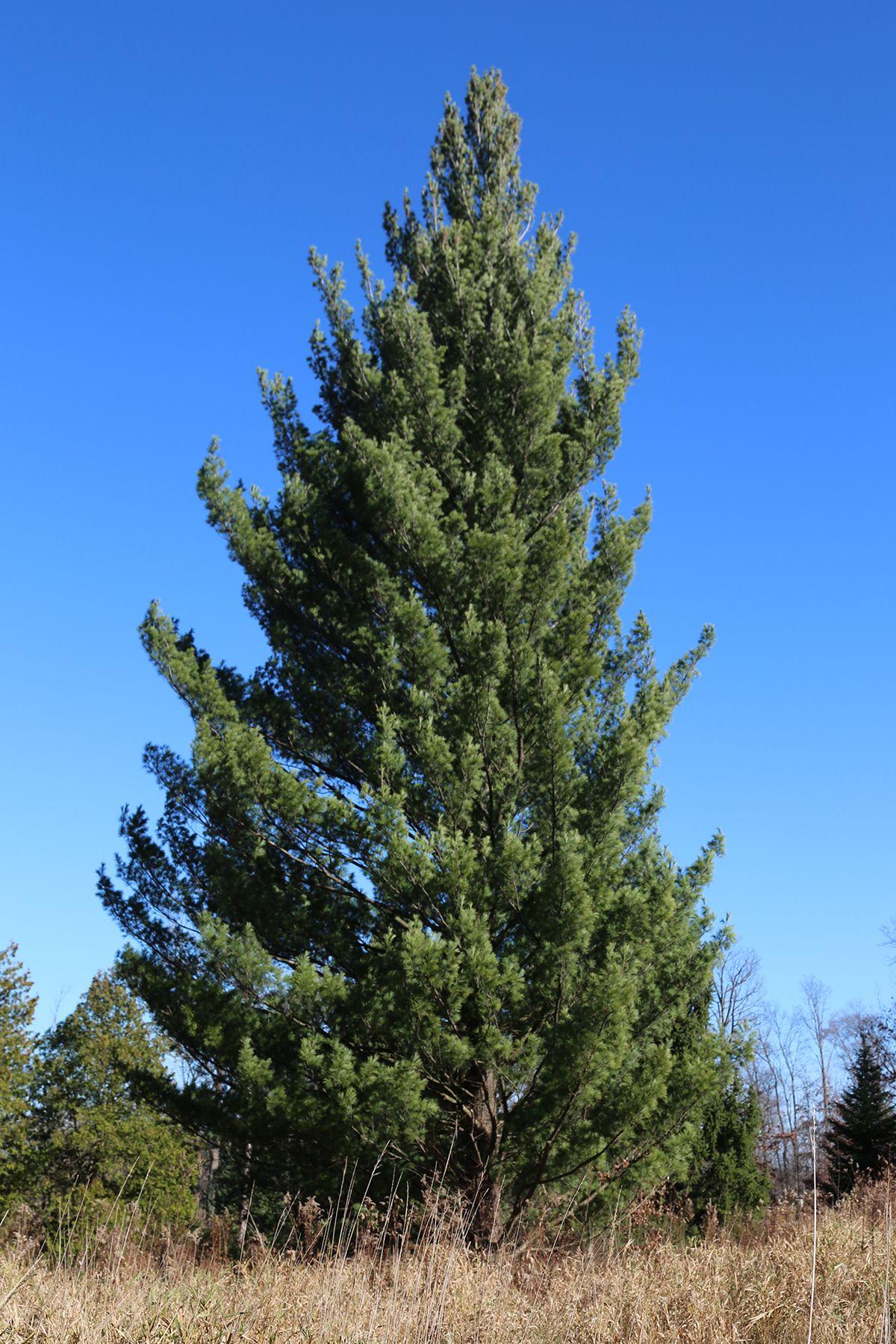


RedCrocus Eastern White Pine Pinus strobus- Evergreen Tree for Landscape & Wildlife Gardens, Hardy, Pyramidal Shape, Attracts Pollinators, Prefers Well-Drained Soil 8/10' h B&B
RedCrocus Eastern White Pine Pinus strobus- Evergreen Tree for Landscape & Wildlife Gardens, Hardy, Pyramidal Shape, Attracts Pollinators, Prefers Well-Drained Soil 8/10' h B&B
Regular price
$1,372.00 USD
Regular price
$1,783.60 USD
Sale price
$1,372.00 USD
Unit price
per
Shipping calculated at checkout.
SKU:nte0030-redcrocus
Couldn't load pickup availability
Eastern White Pine Pinus strobus
Description
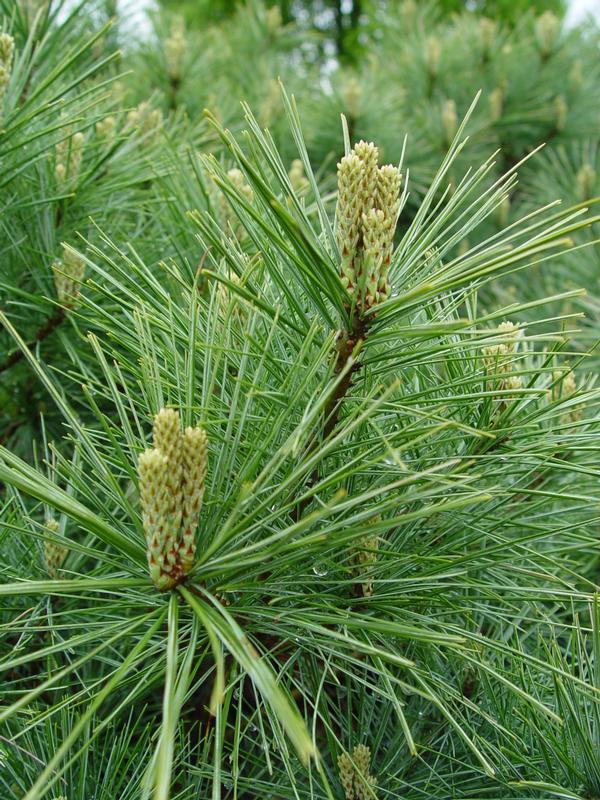
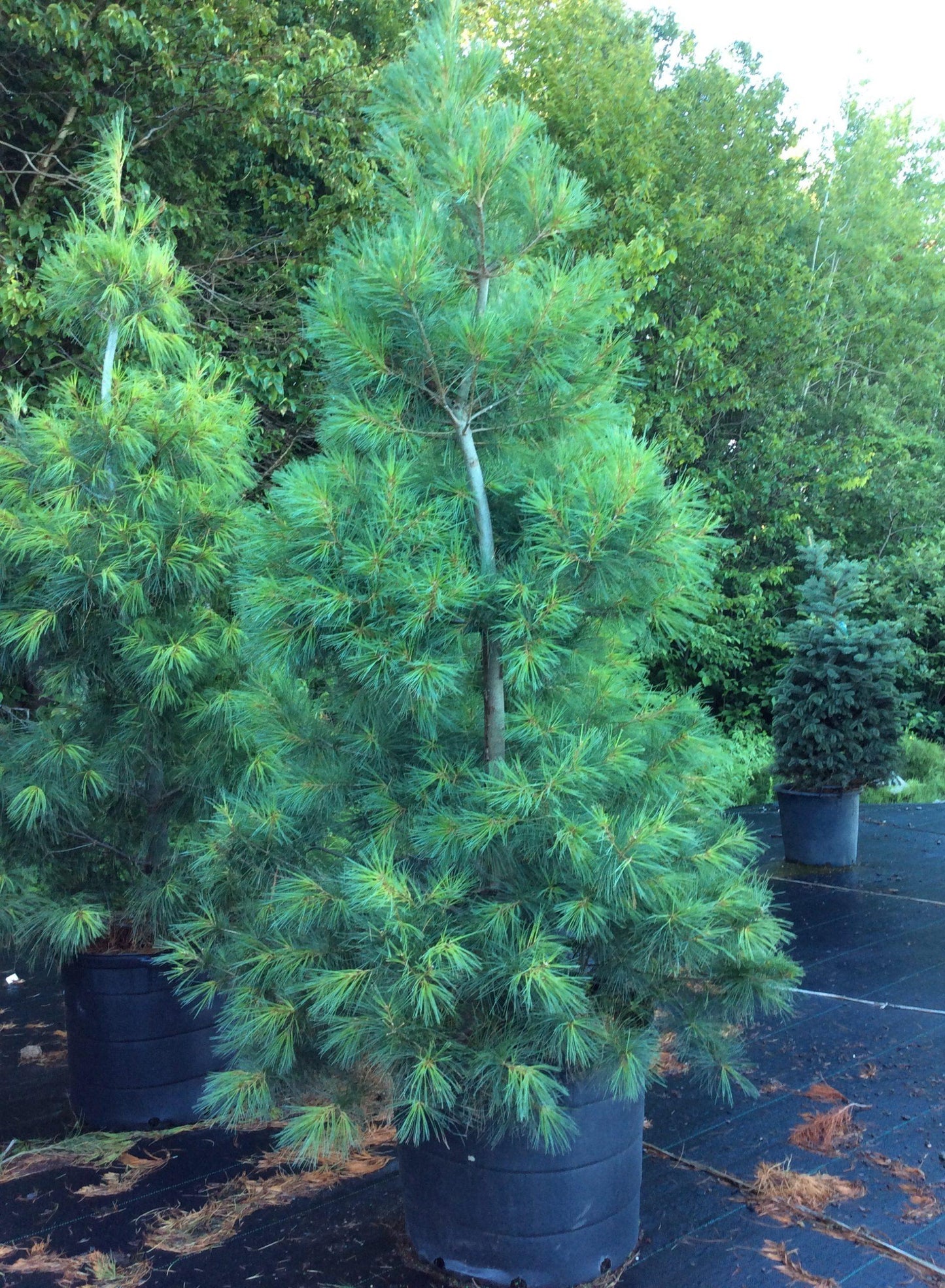
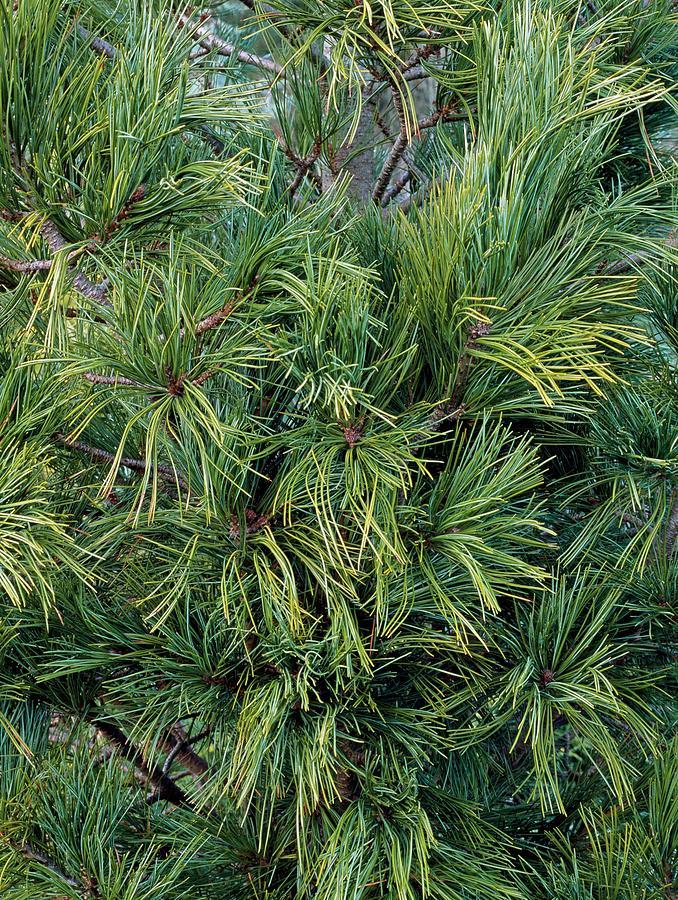
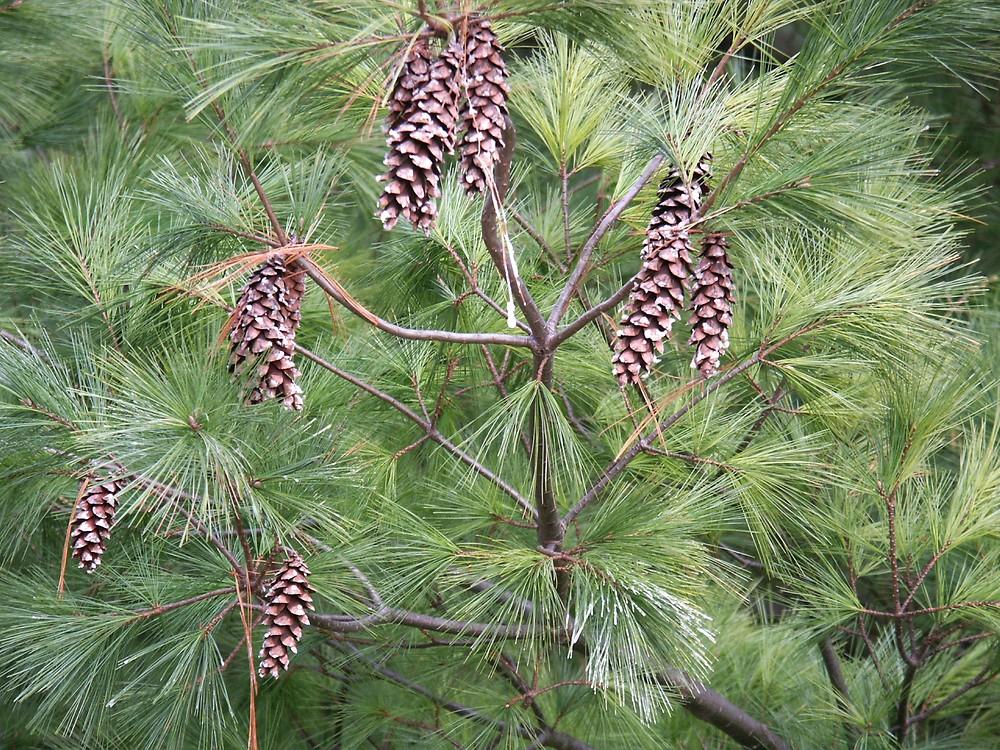
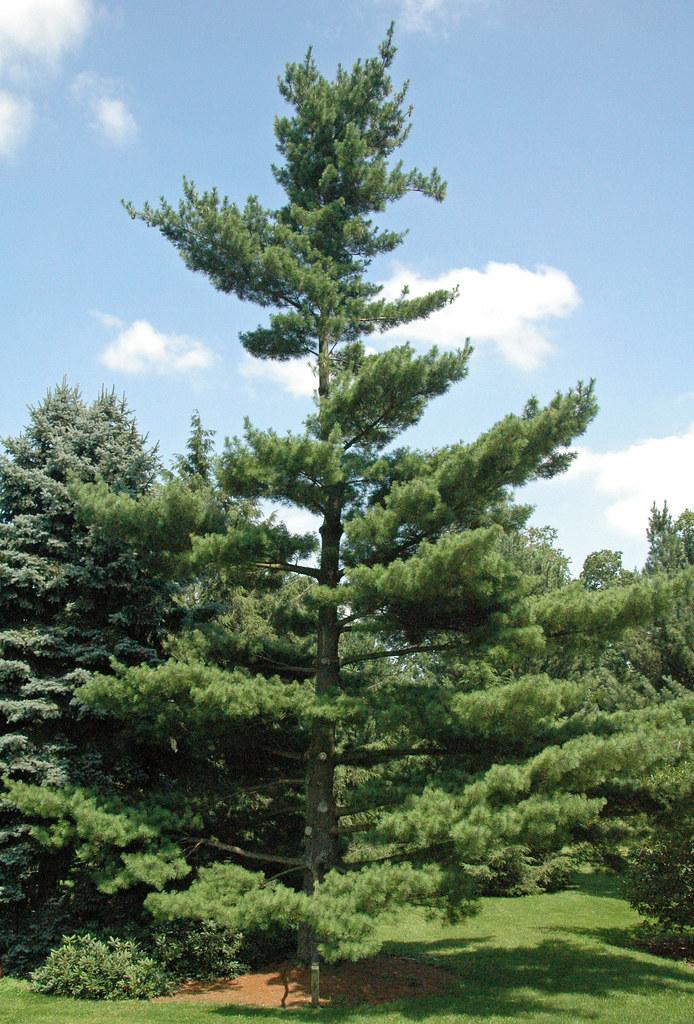
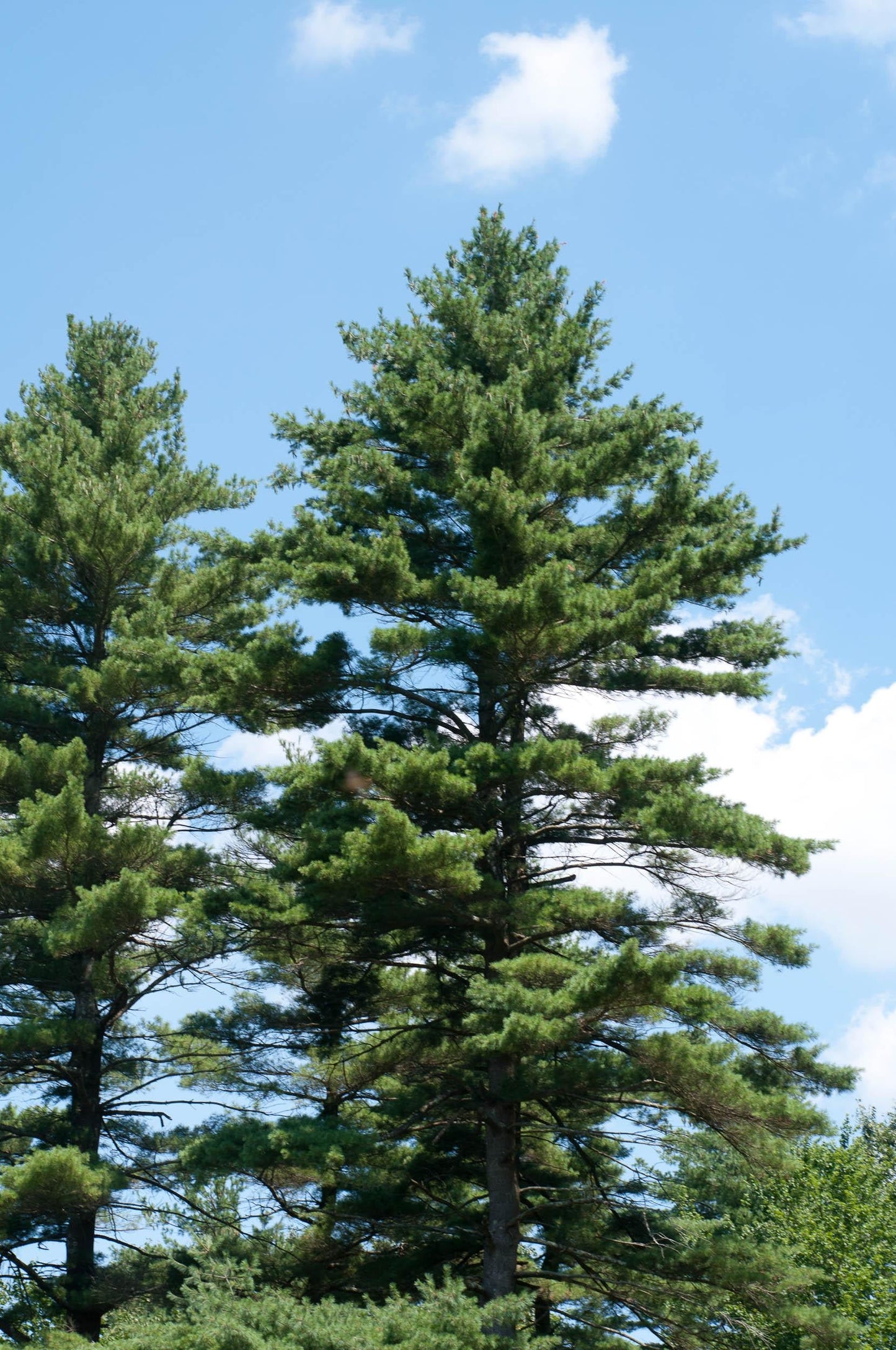
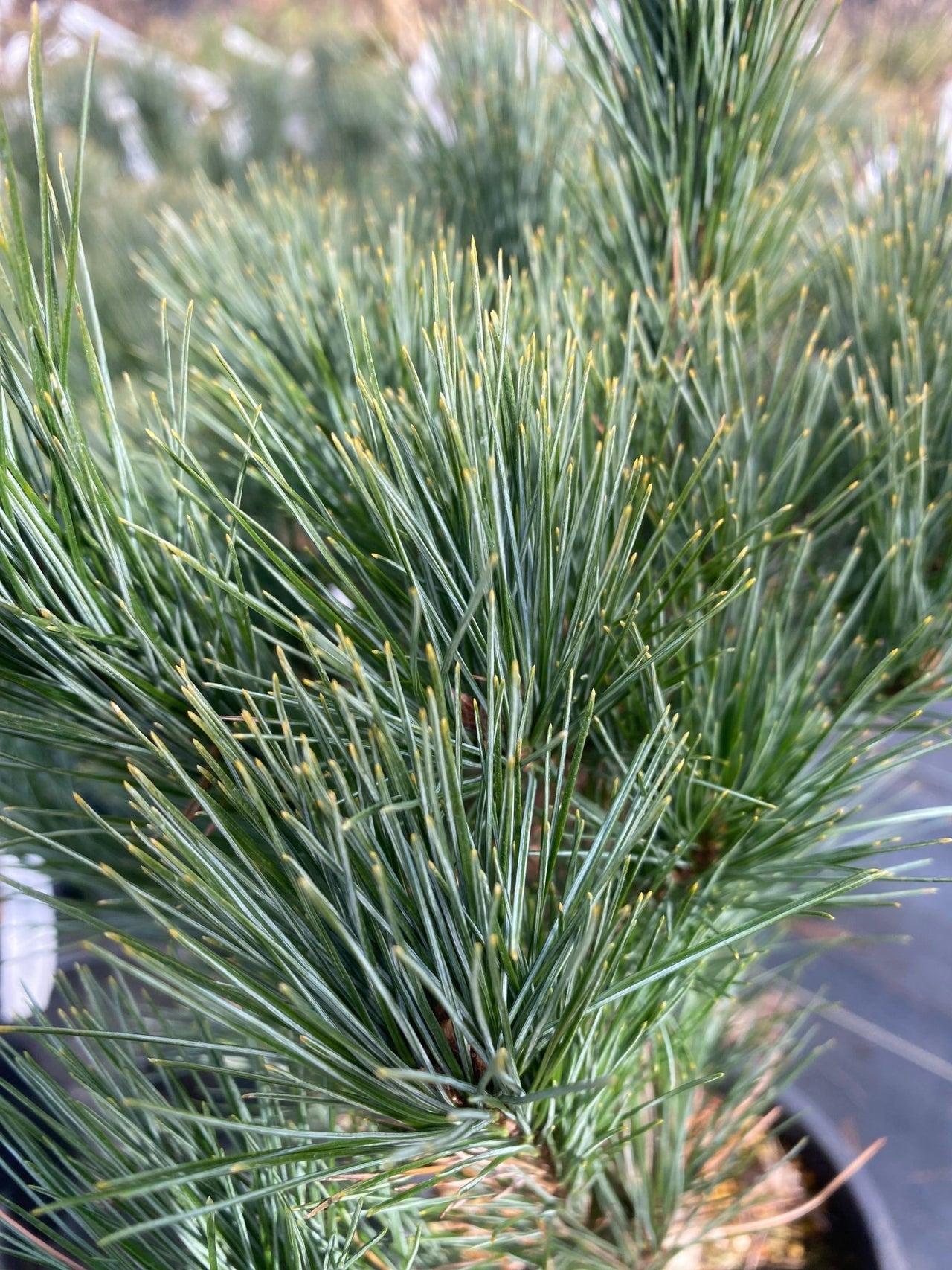
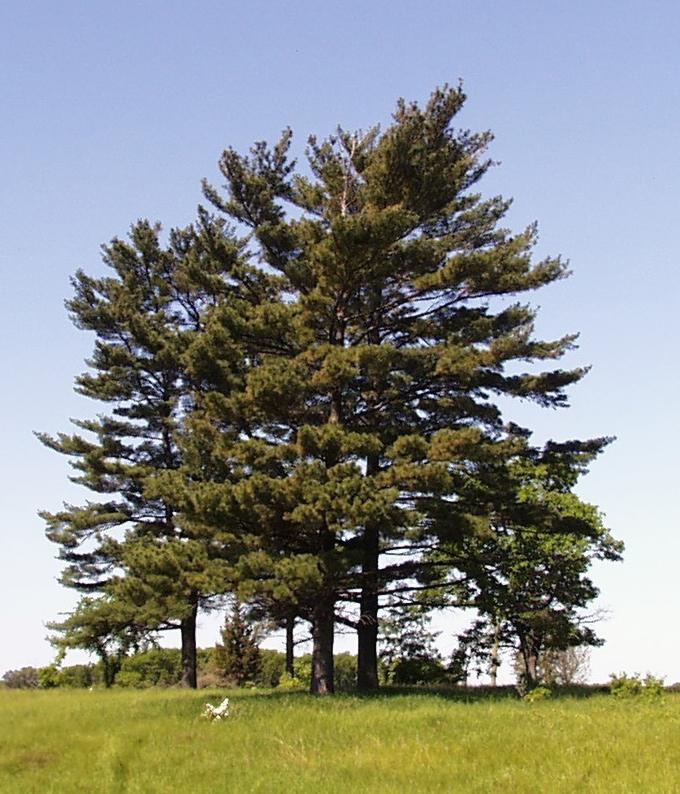
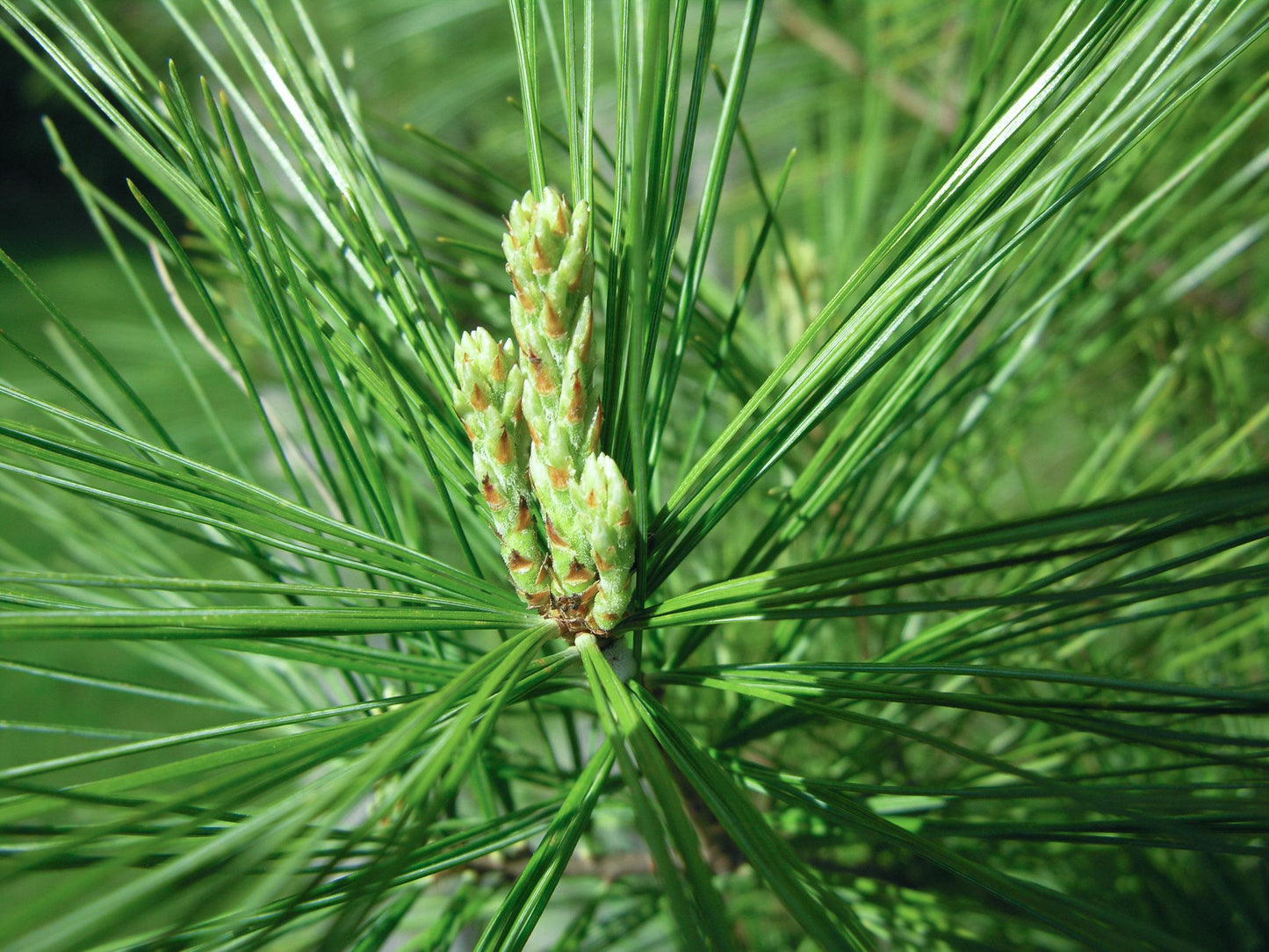
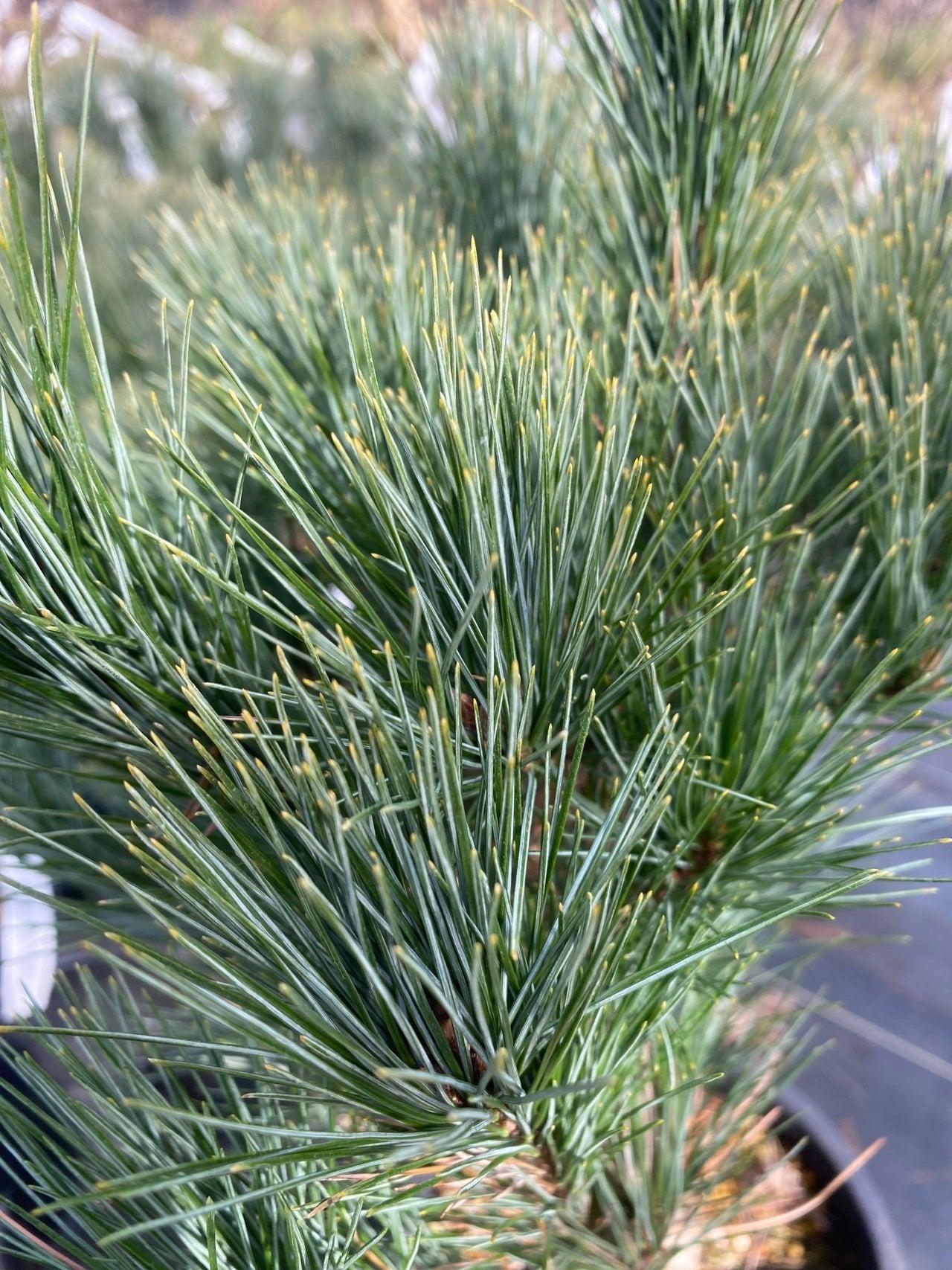
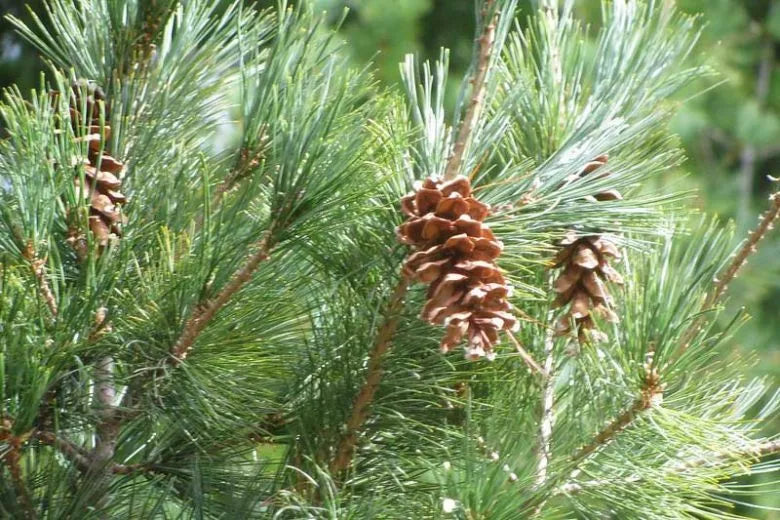
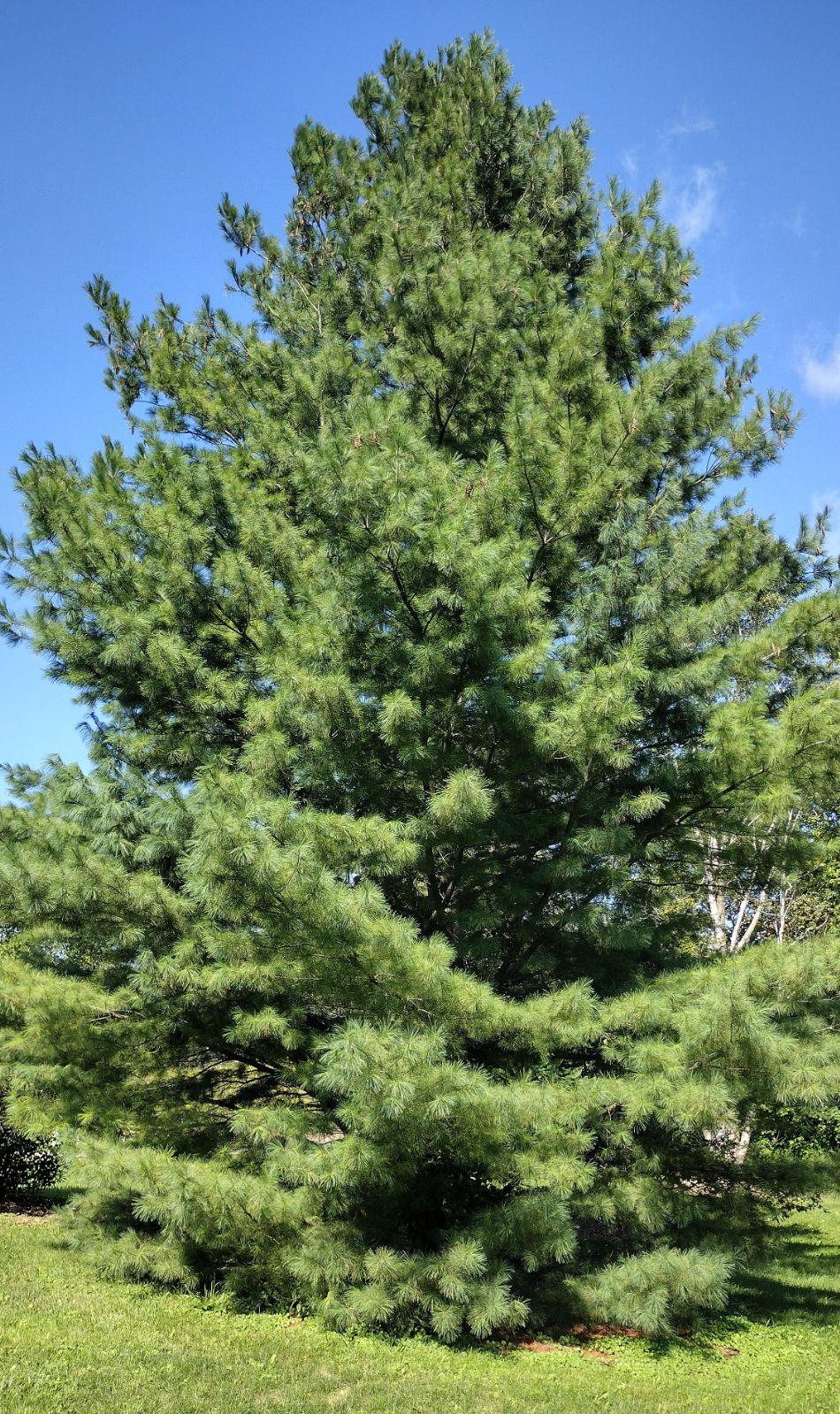
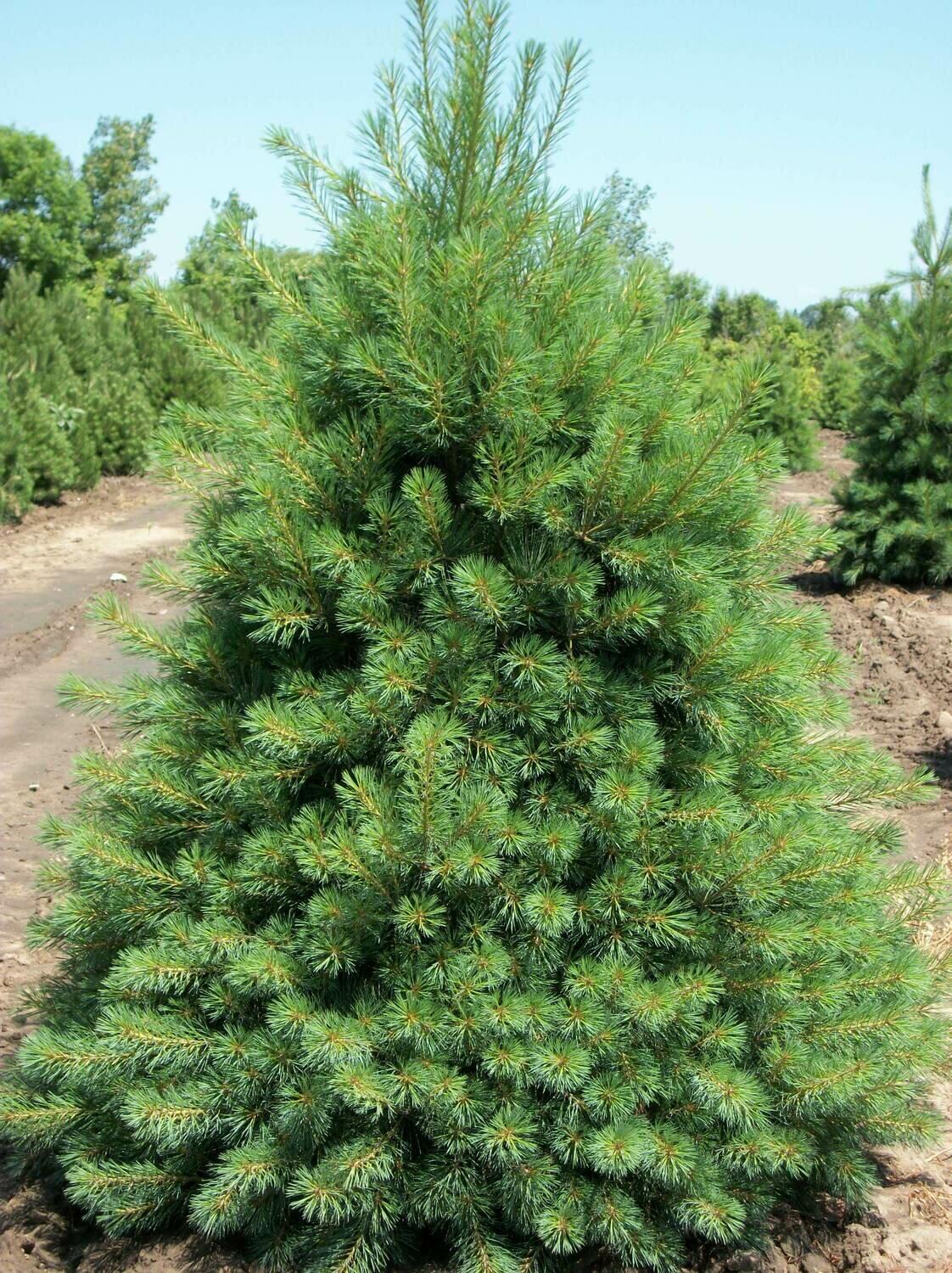
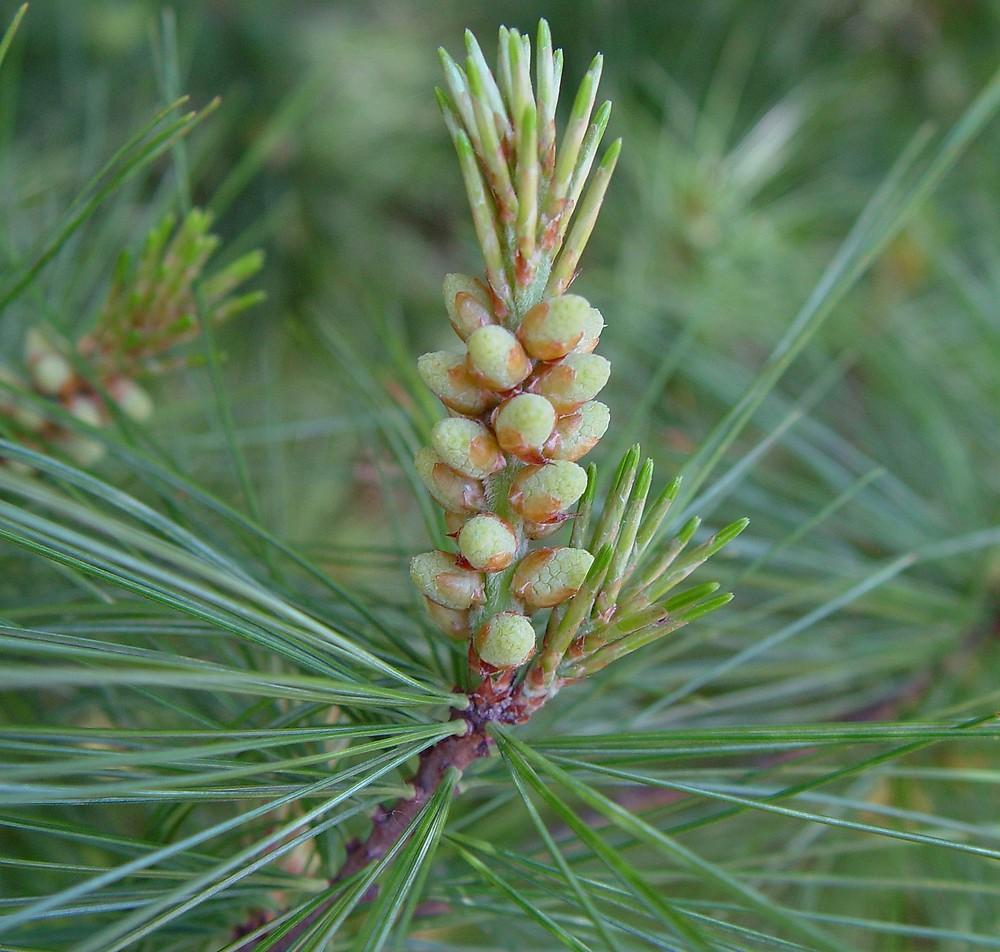
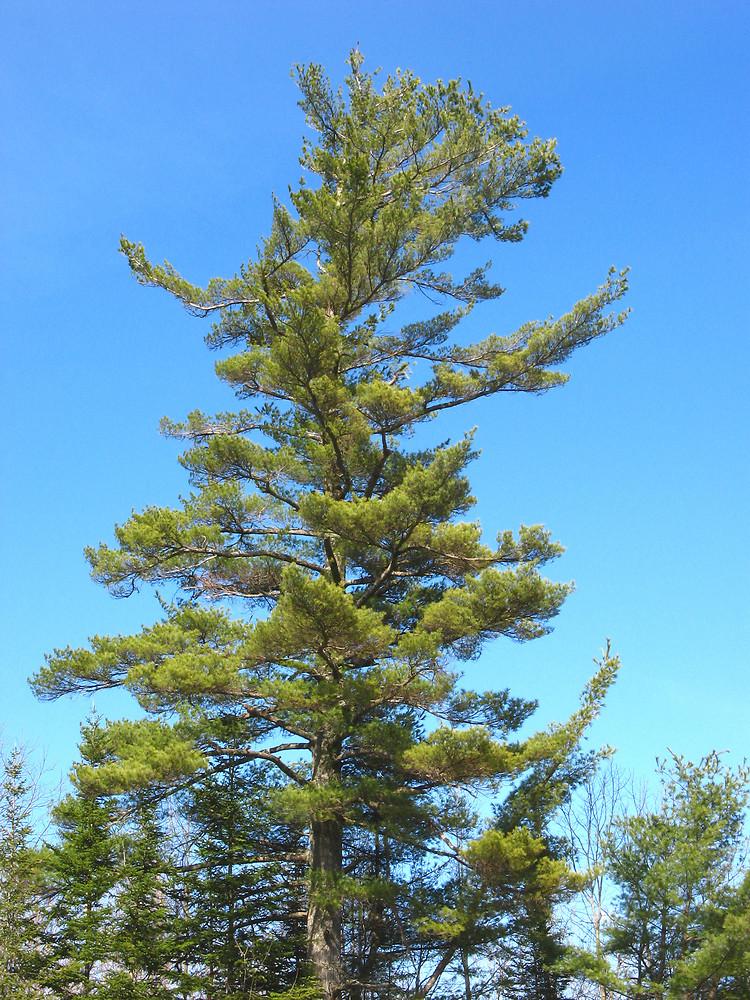
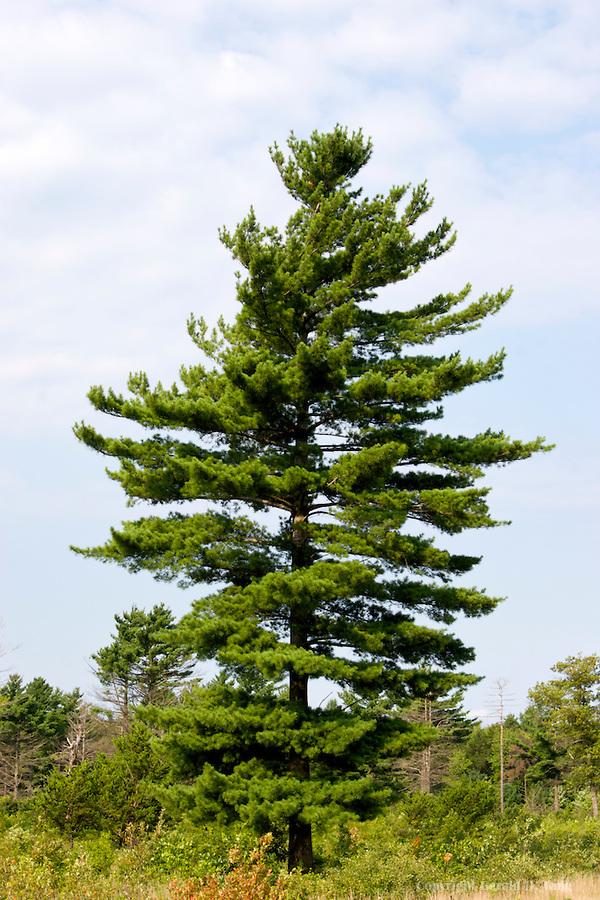
An evergreen conifer known for its long, soft bluish-green needles and tall, pyramidal shape. It is a hardy and versatile tree that thrives in various landscapes.
Suggested Uses
Ideal for large landscape screen-plantings, windbreaks, naturalized areas, and as a focal point in wildlife gardens.
Plant Details
-
 Botanical Name: Eastern White Pine Pinus strobus
 -
 Common Name: Eastern White Pine
 -
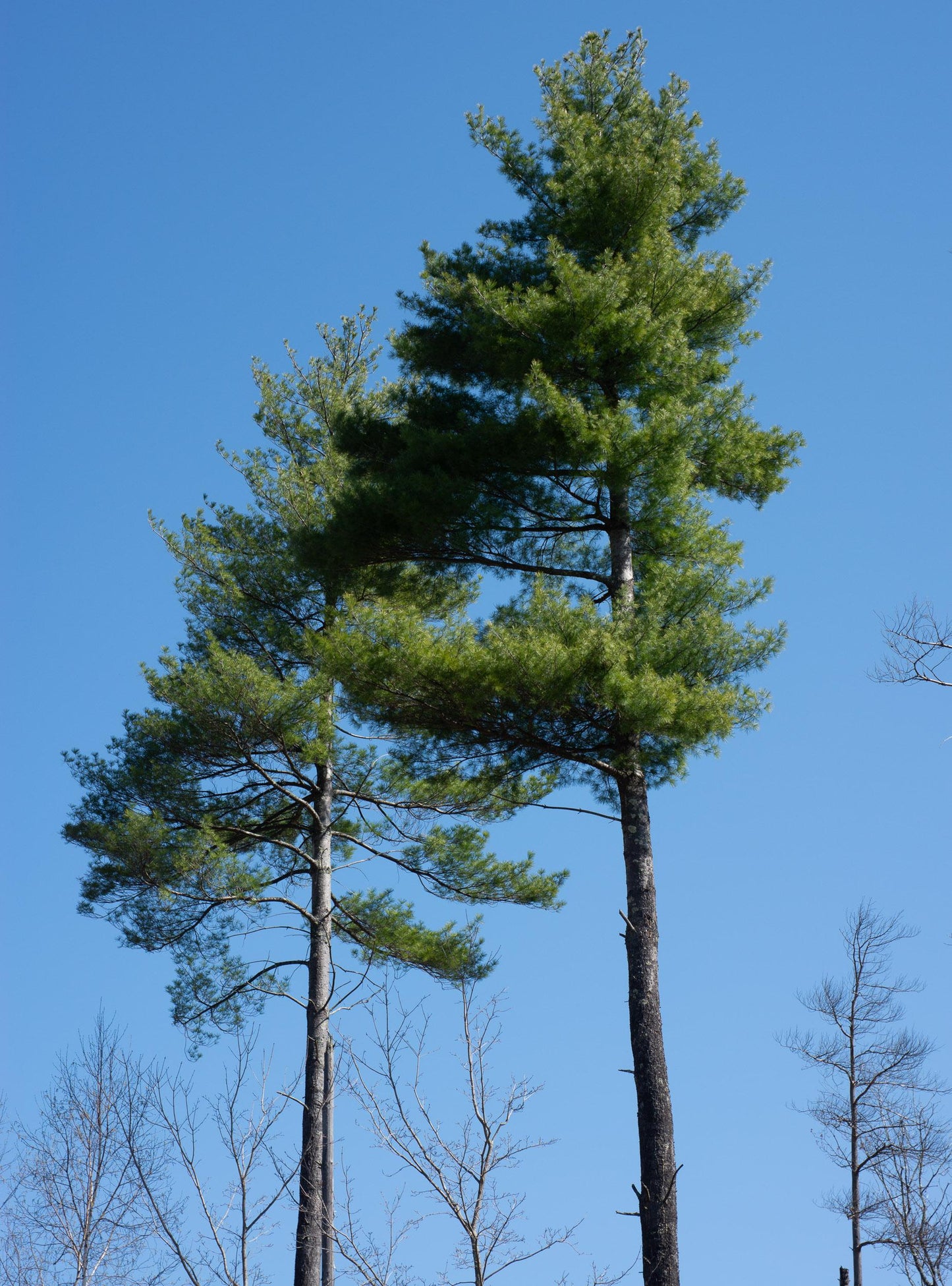
 Size & Growth: Typically reaches 50-150 ft tall with a spread of 20-40 ft, growing 1-2 ft per year.
 -
 Hardiness Zones: 3-8
 -
 Foliage Type: Evergreen needles
 -
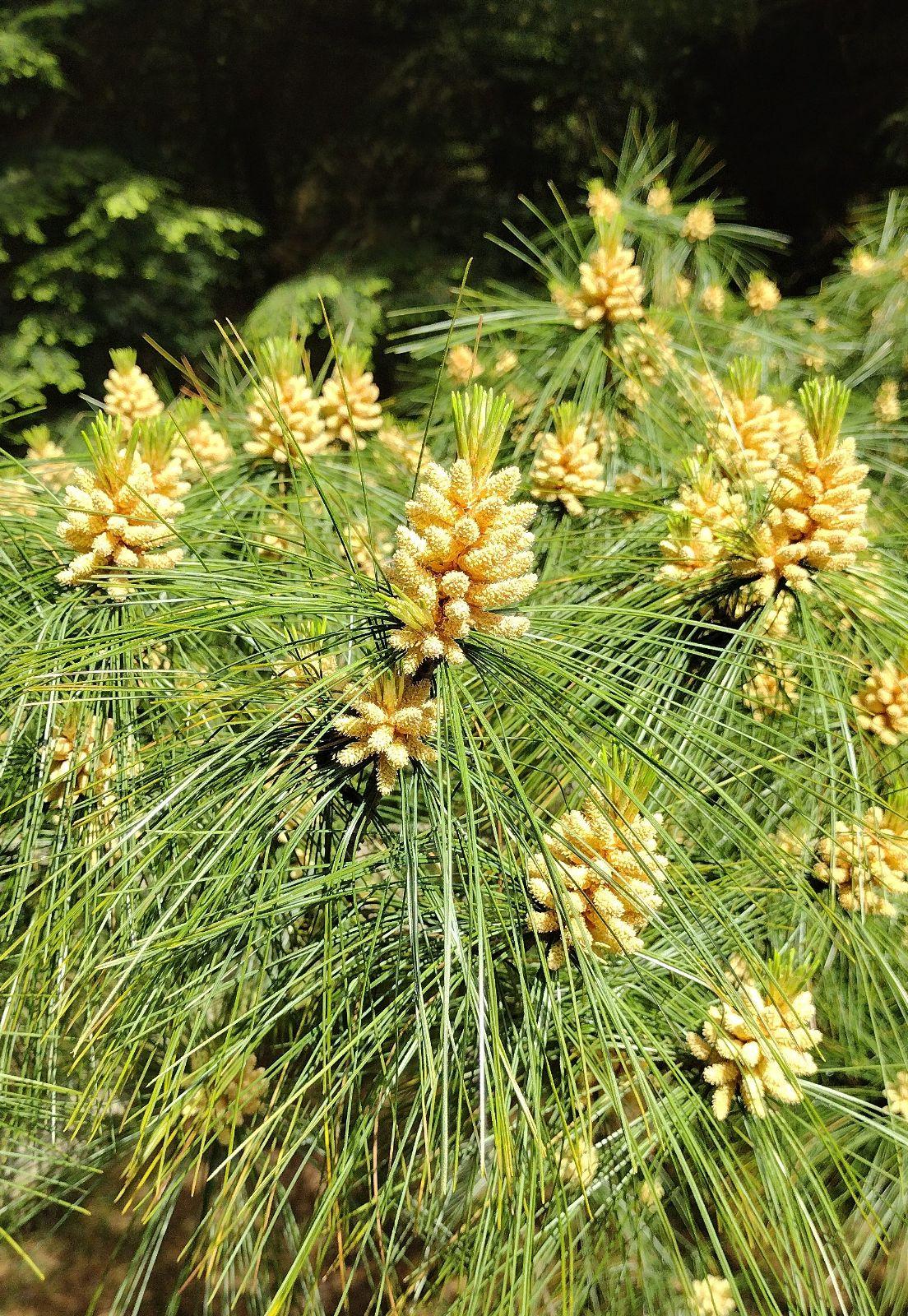
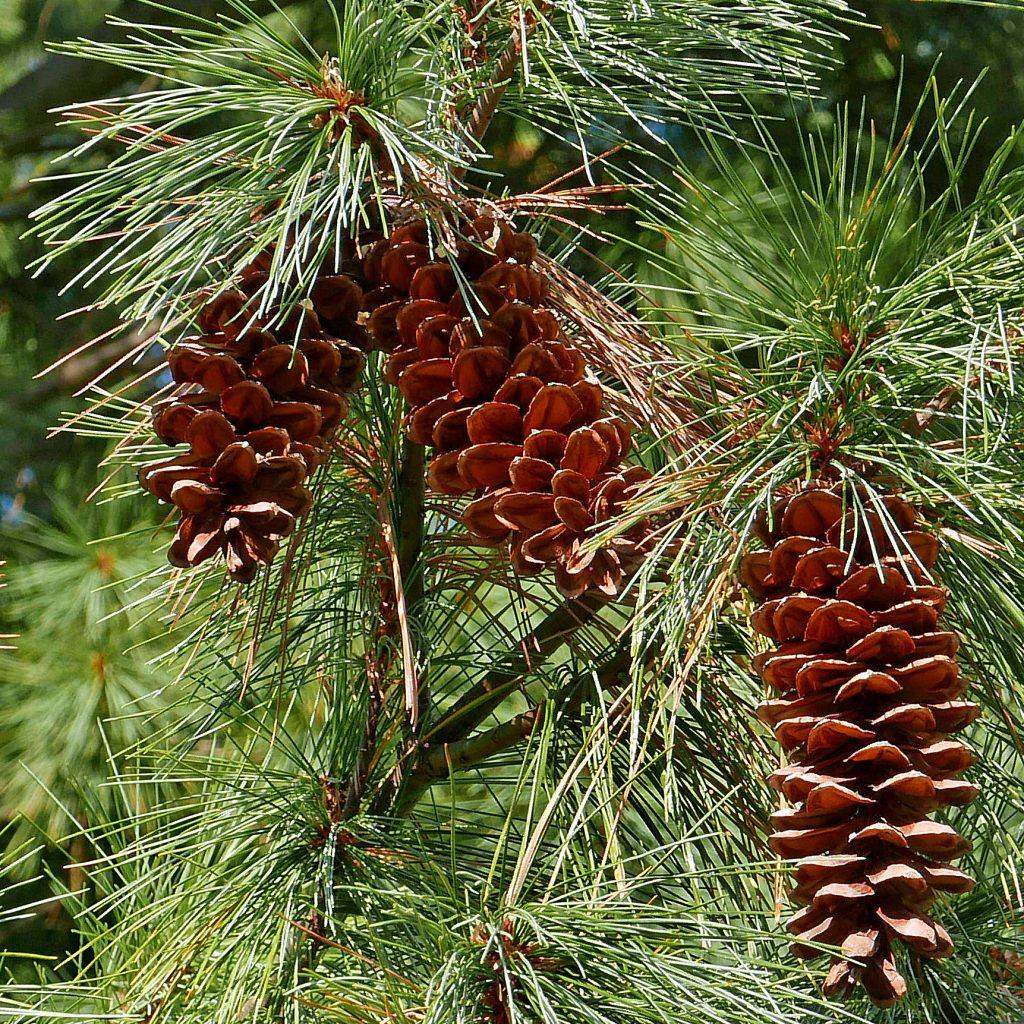
 Bloom Time: Does not produce showy flowers; cones mature in 2 years
 -
 Growth Rate: Moderate (around 12-24 inches per year)
 -
 Light Requirements: Full sun to Partial shade
 -
 Attracts Pollinators: Yes, bees and birds
 -
 Indoor Friendly: No
 -
 Container Friendly: No
 -
 Deer Resistant: Moderately
 -
 Pet Warning: Toxic to pets if ingested
 -
 Fragrant: No
 -
 Cut Flower: No
 -
 Grows Well With: Oak, maples, and other native conifers
Care Tips
-
 Planting Instructions: Plant in well-drained soil in full sun or partial shade, spacing appropriately for mature size.
 -
 Soil Moisture: Prefers evenly moist but well-drained soil
 -
 Soil Type: Loamy, sandy, or clay soils adaptable
 -
 Humidity: Tolerant of various humidity levels
 -
 Pruning Instructions: Light pruning to remove dead or crossed branches in early spring
 -
 Winter Care: Generally hardy; mulching can help protect roots in colder zones
 -
 Planting Depth: Ensure roots are just below soil surface
 -
 Fertilization: Apply balanced fertilizer in early spring
 -
 Special Care: Avoid excessive irrigation during drought periods