

RedCrocus Japanese Skimmia japonica Male Evergreen Shrub Shade Garden Fragrant Blooms Deer Resistant Pet Safe 2 Gallon
RedCrocus Japanese Skimmia japonica Male Evergreen Shrub Shade Garden Fragrant Blooms Deer Resistant Pet Safe 2 Gallon
Regular price
$200.00 USD
Regular price
$260.00 USD
Sale price
$200.00 USD
Unit price
per
Shipping calculated at checkout.
SKU:nsf7108-redcrocus
Couldn't load pickup availability
Japanese Skimmia Skimmia japonica Male
Description
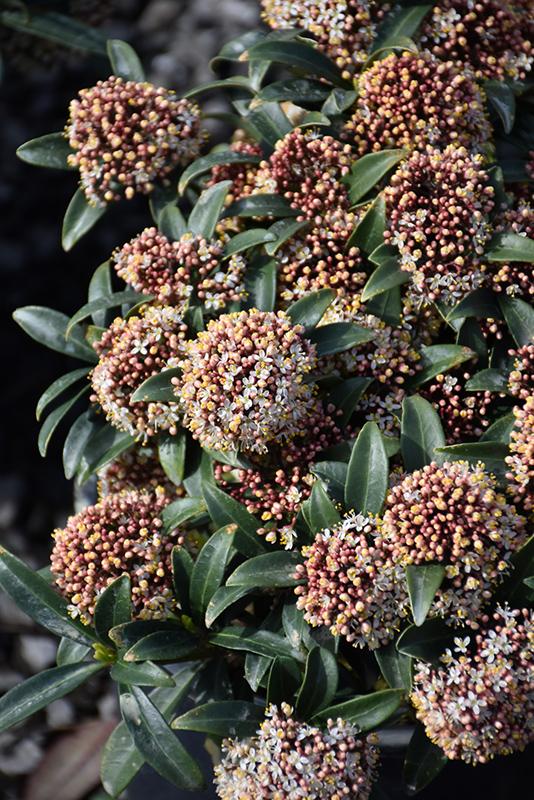
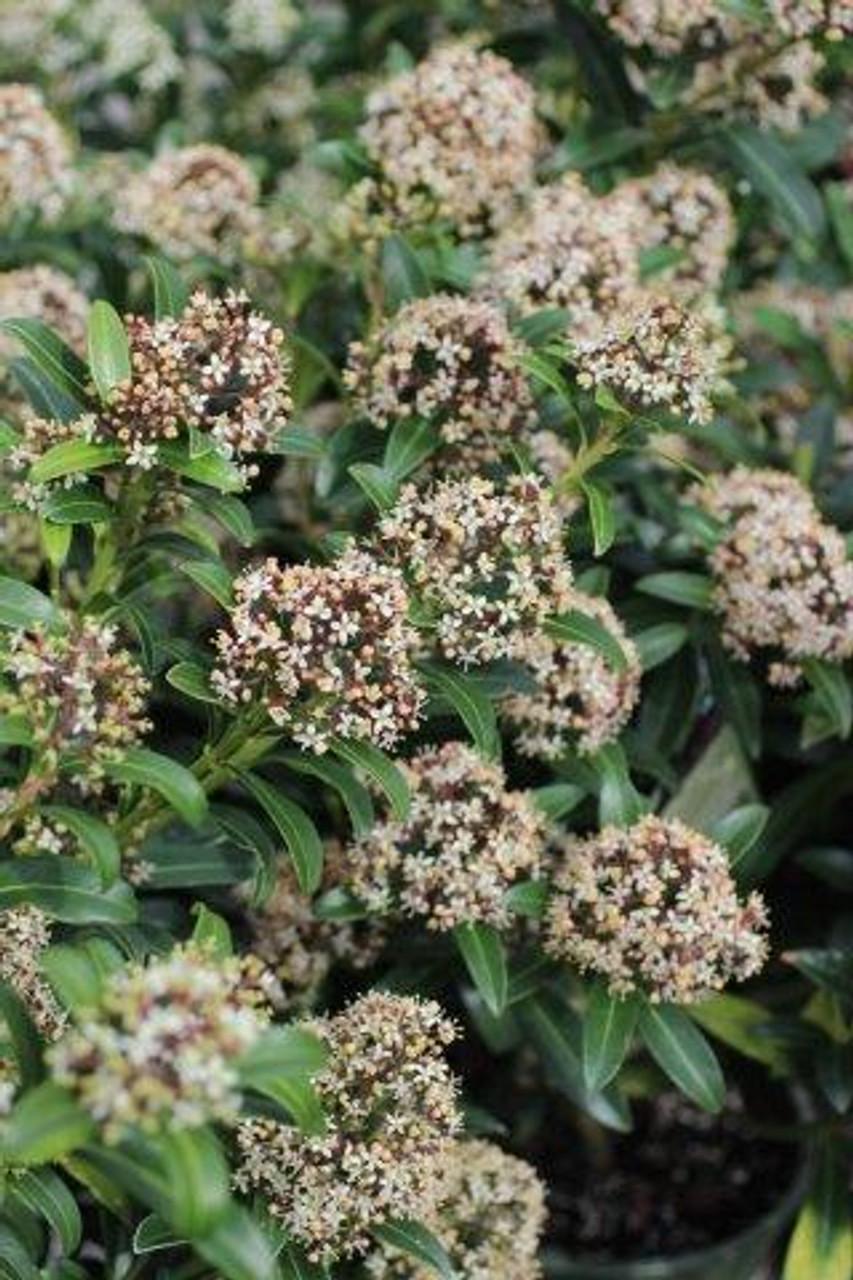
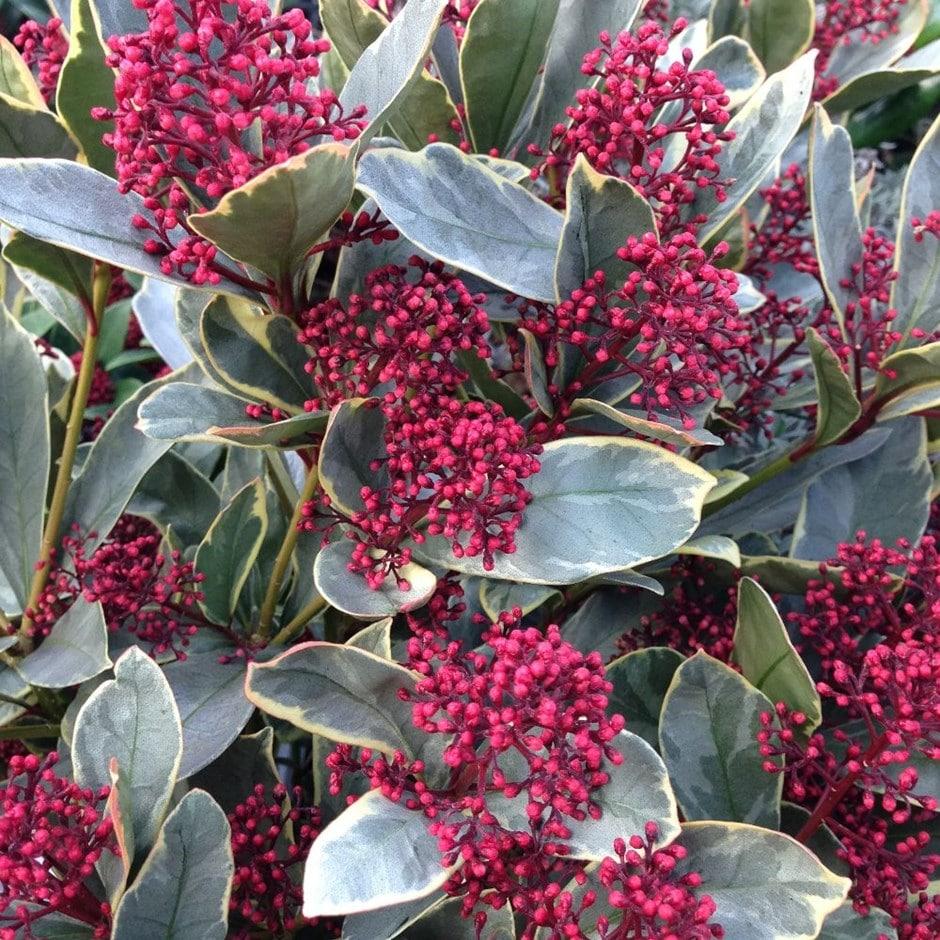
A compact evergreen shrub known for its glossy, aromatic foliage and bright red berries. Ideal for shaded gardens, it provides year-round interest and attracts pollinators.
Suggested Uses
Perfect for shaded borders, hedges, container planting, and landscape accents. Its low maintenance makes it suitable for both beginner and experienced gardeners.
Plant Details
-
 Botanical Name: Japanese Skimmia Skimmia japonica Male
 -
 Common Name: Japanese Skimmia
 -
 Size & Growth: Typically reaches 3-4 feet in height with a spread of 3 feet, slow to moderate growth rate.
 -
 Hardiness Zones: 6-8
 -
 Foliage Type: Evergreen
 -
 Bloom Time: Spring
 -
 Growth Rate: Slow to Moderate
 -
 Light Requirements: Part Shade to Shade
 -
 Attracts Pollinators: Yes
 -
 Indoor Friendly: Yes
 -
 Container Friendly: Yes
 -
 Deer Resistant: Yes
 -
 Pet Warning: Non-toxic
 -
 Fragrant: Yes
 -
 Cut Flower: Yes
 -
 Grows Well With: Azaleas, Rhododendrons, Ferns
Care Tips
-
 Planting Instructions: Plant in well-drained, acidic soil in shaded or partially shaded areas.
 -
 Soil Moisture: Keep evenly moist; do not overwater.
 -
 Soil Type: Acidic, well-draining soil.
 -
 Humidity: Moderate to high humidity preferred.
 -
 Pruning Instructions: Prune after flowering to maintain shape and remove dead or damaged wood.
 -
 Winter Care: Mulch to protect roots in colder zones; protect from frost where necessary.
 -
 Planting Depth: Plant so that the top of the root ball is level with the soil surface.
 -
 Fertilization: Apply a balanced, slow-release fertilizer in early spring.
 -
 Special Care: Protect from strong winds and late frosts; avoid soil compaction around roots.