

RedCrocus Bottlebrush Buckeye Aesculus parviflora Deciduous Shrub Pollinator Attractant Garden Plant 2.5/3' h B&B
RedCrocus Bottlebrush Buckeye Aesculus parviflora Deciduous Shrub Pollinator Attractant Garden Plant 2.5/3' h B&B
Regular price
$1,176.00 USD
Regular price
$1,528.80 USD
Sale price
$1,176.00 USD
Unit price
per
Shipping calculated at checkout.
SKU:nsf6067-redcrocus
Couldn't load pickup availability
Bottlebrush Buckeye Aesculus parviflora
Description
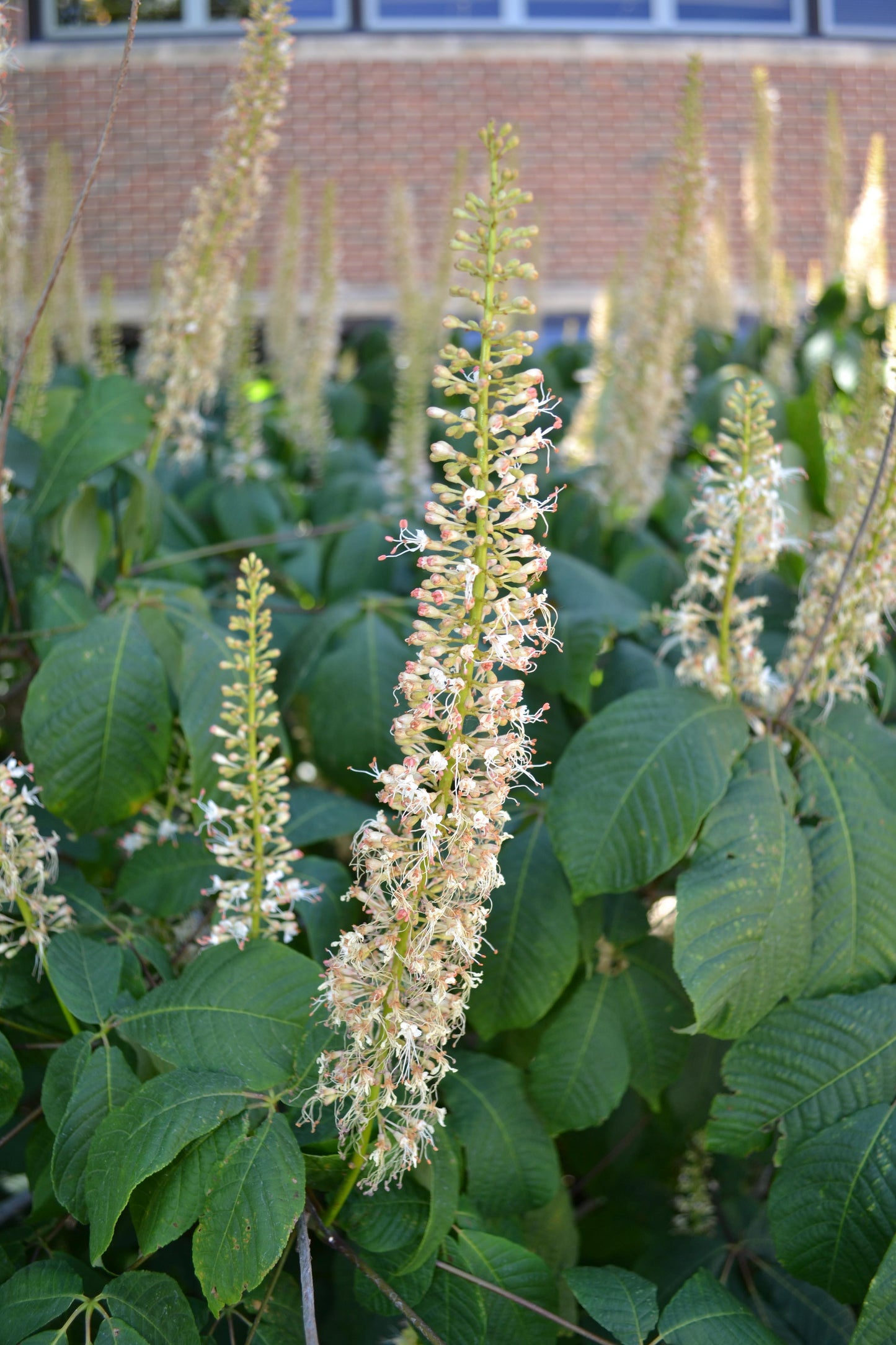
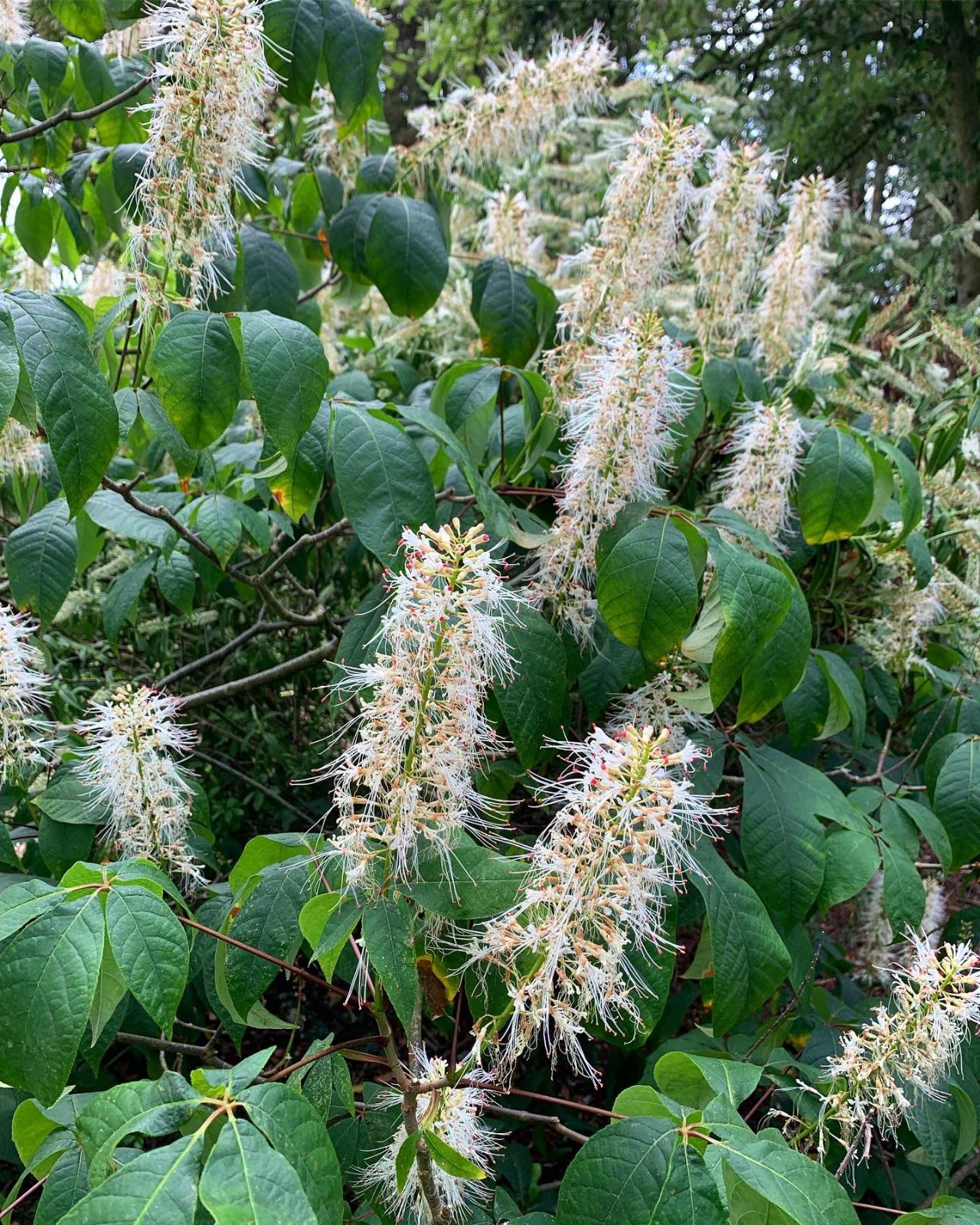
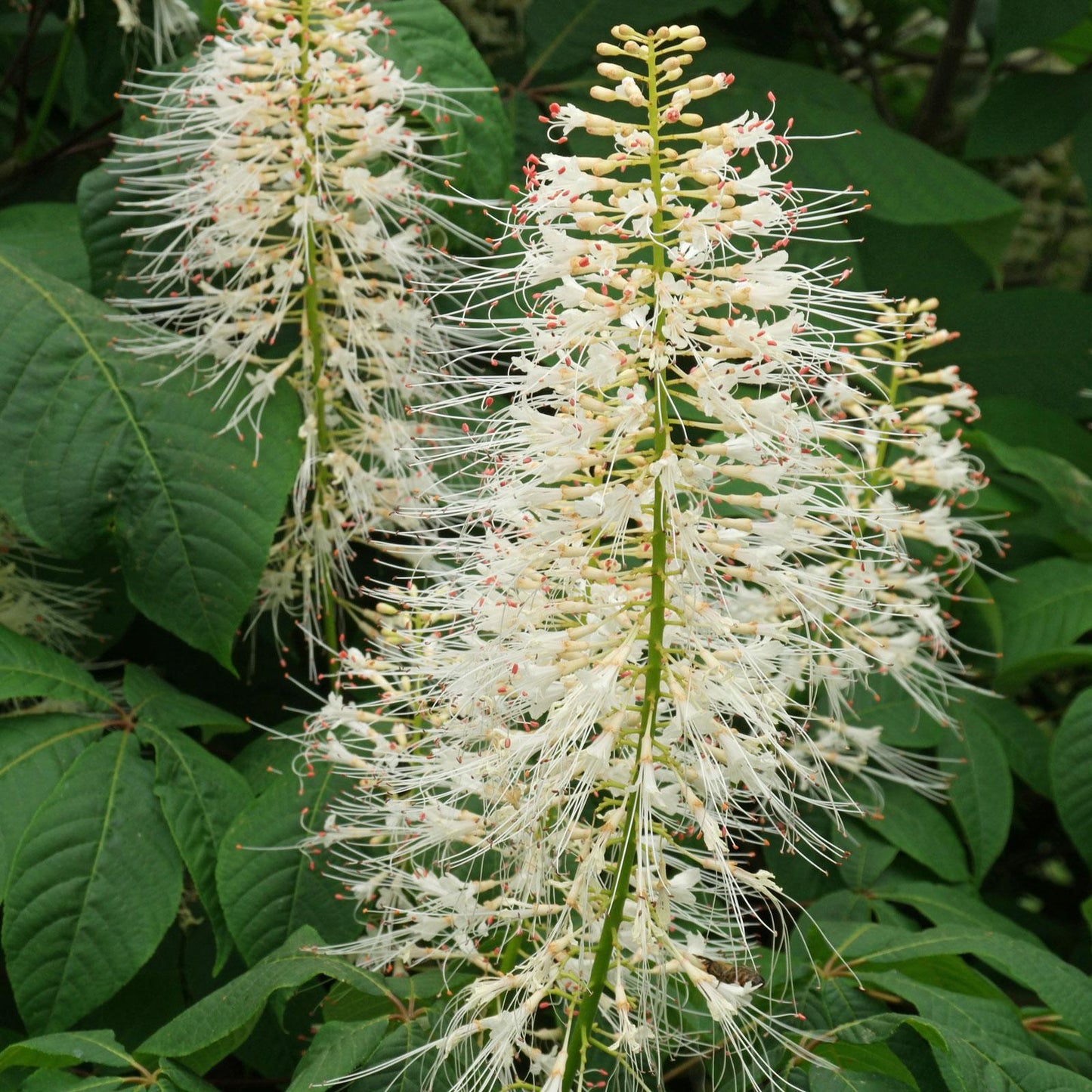
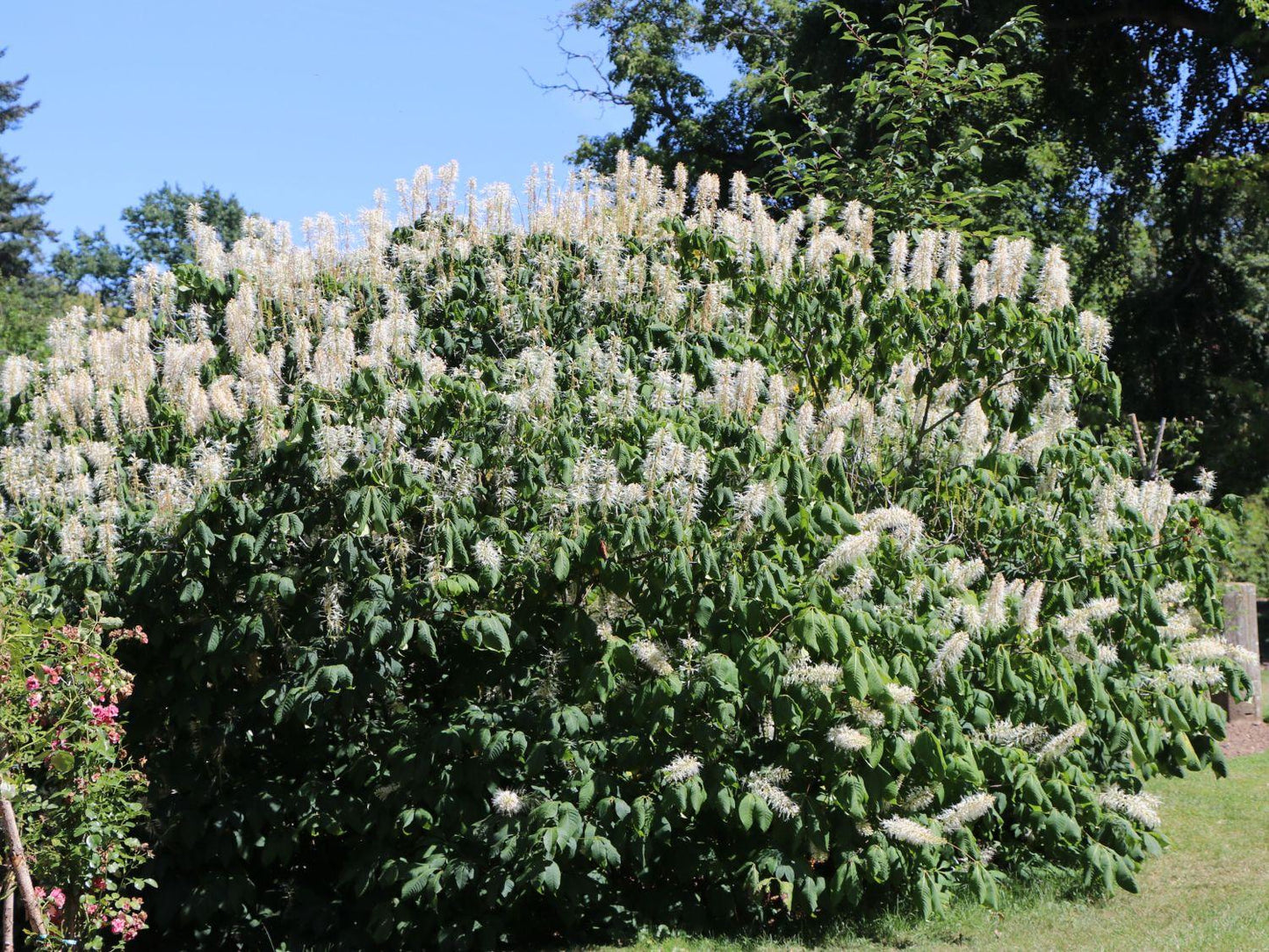
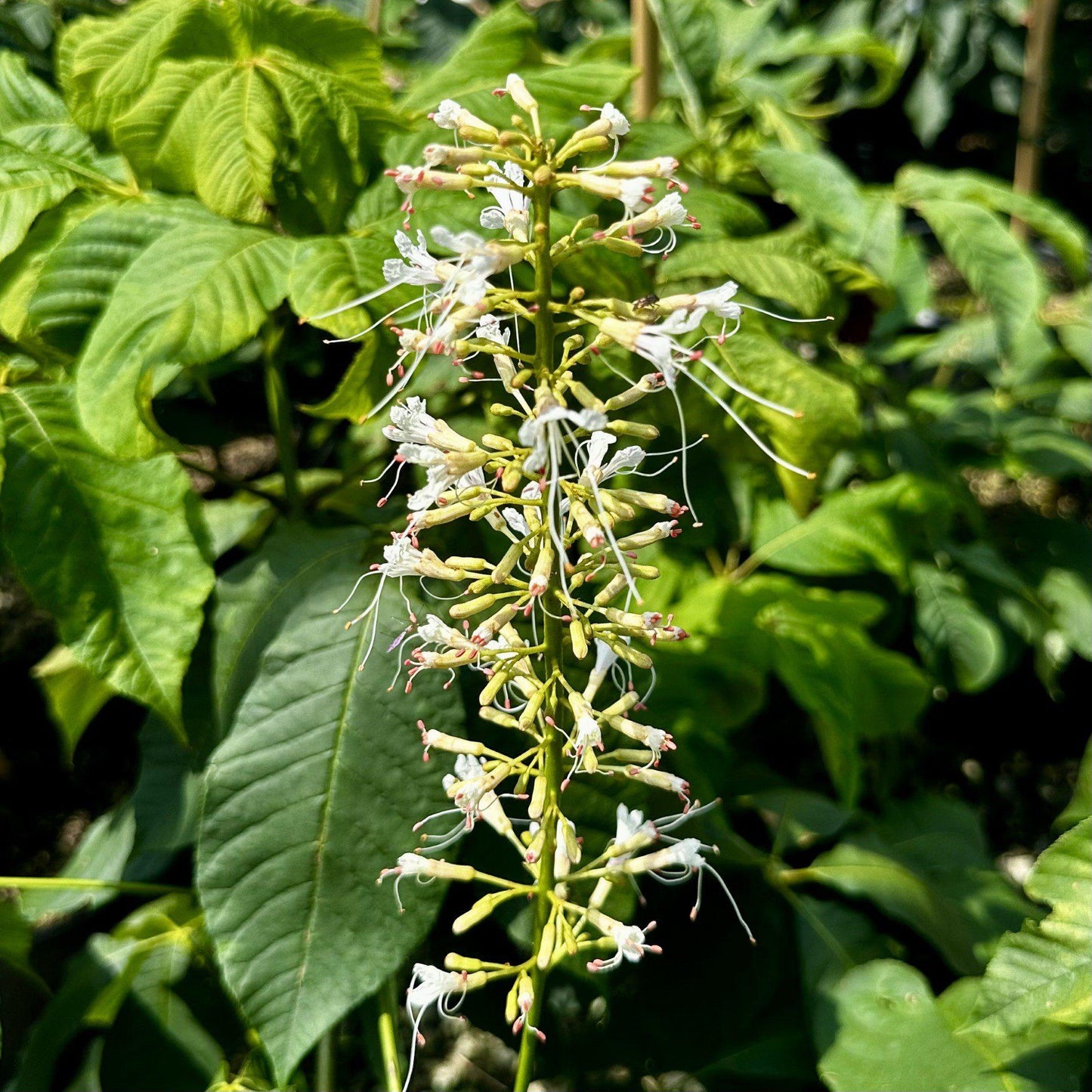
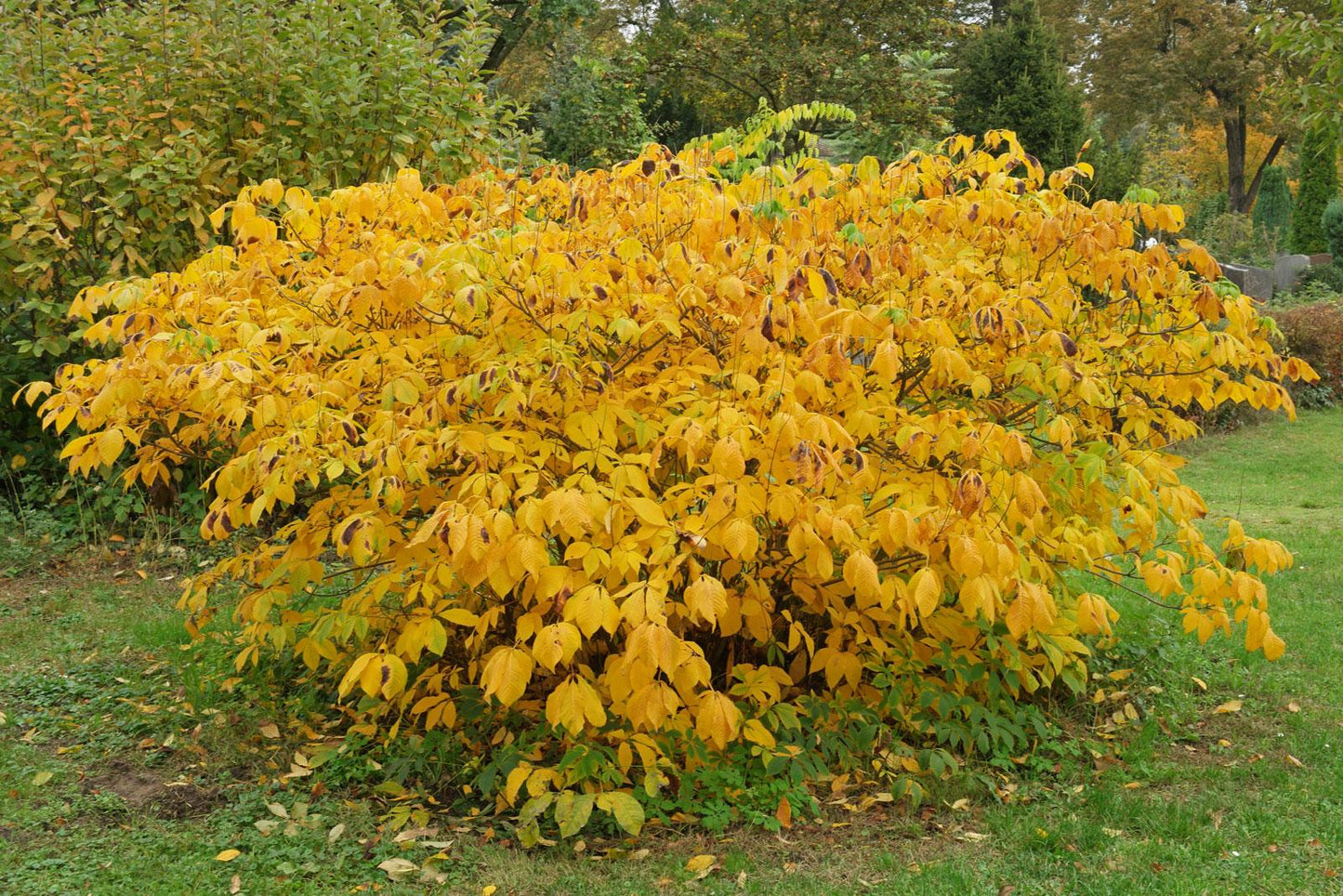
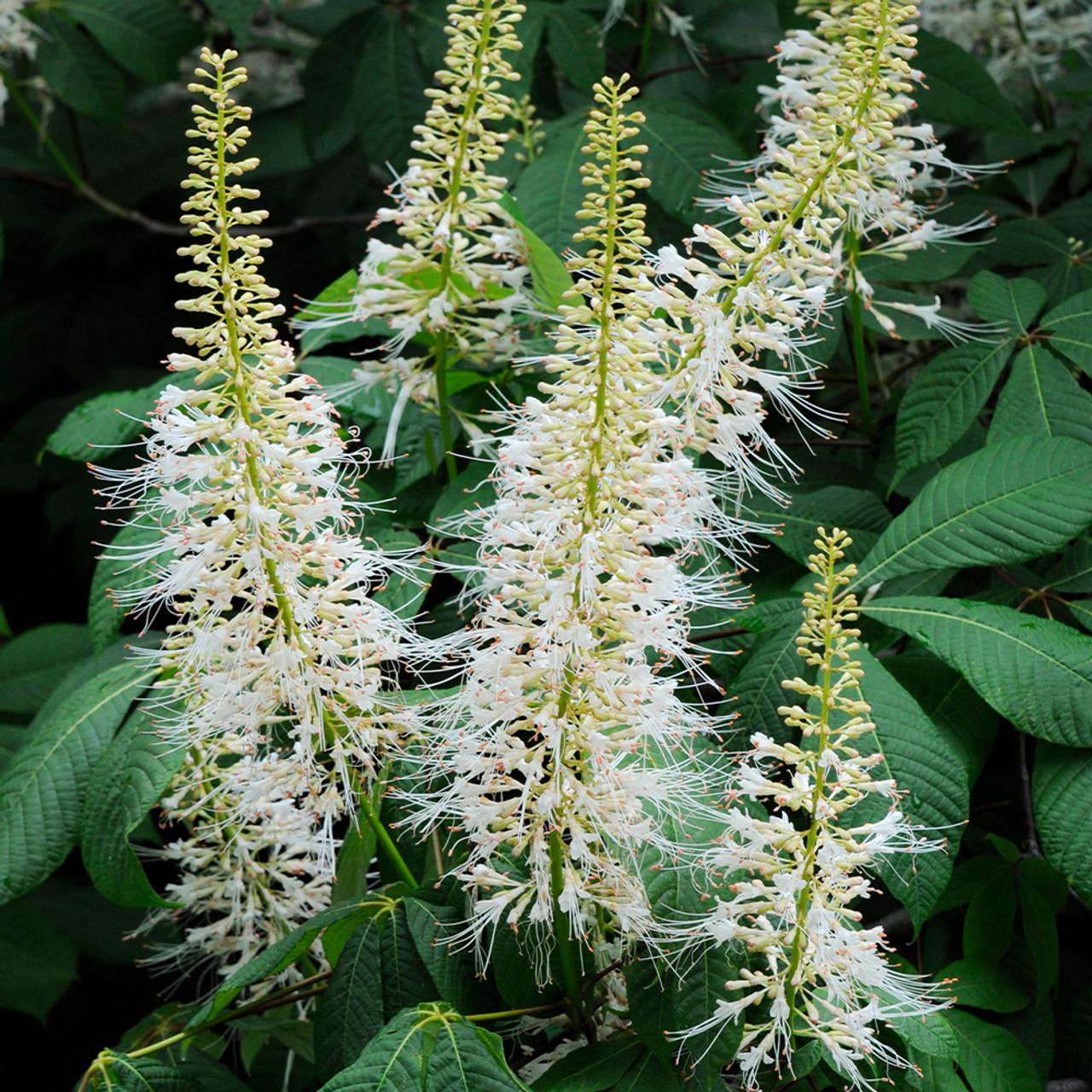
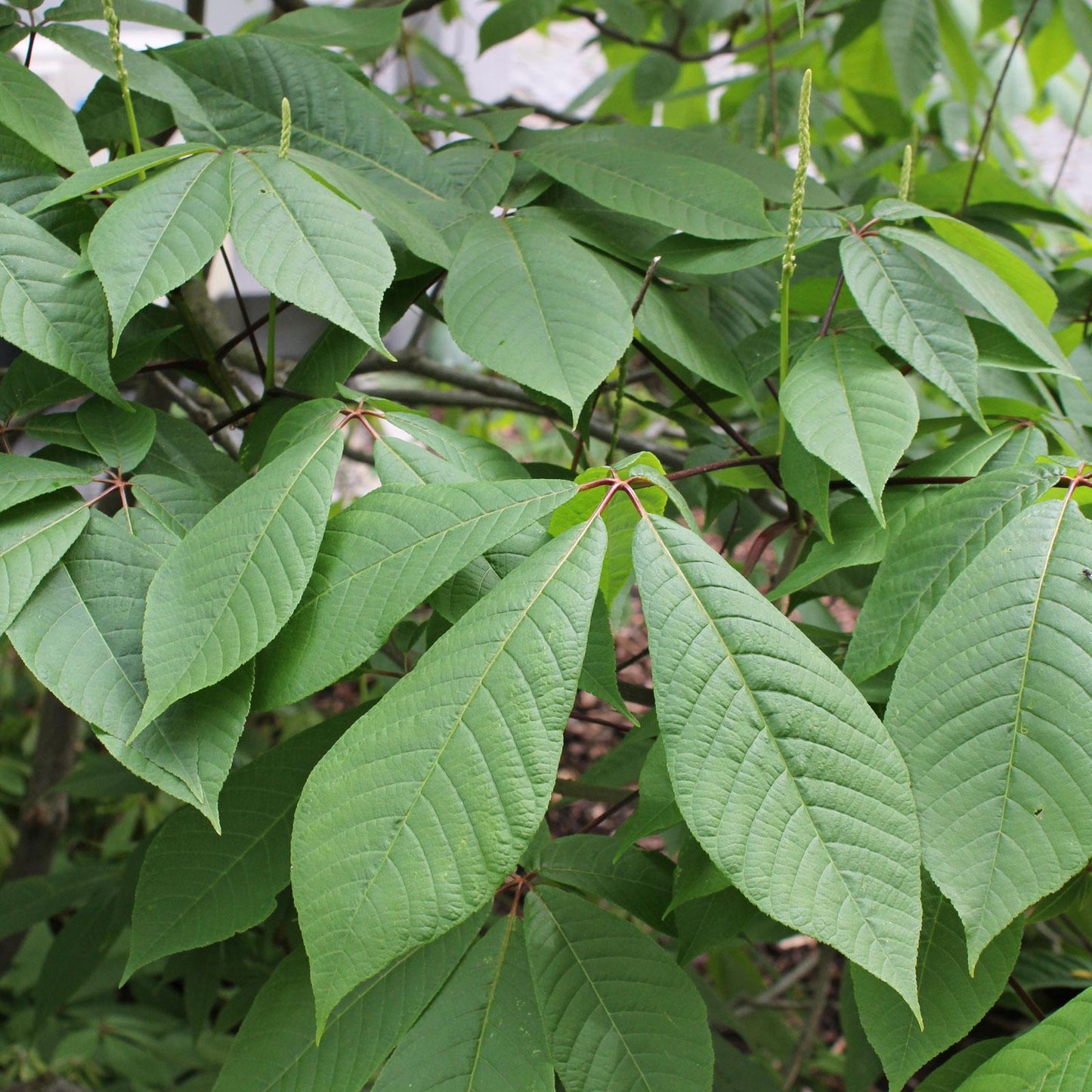
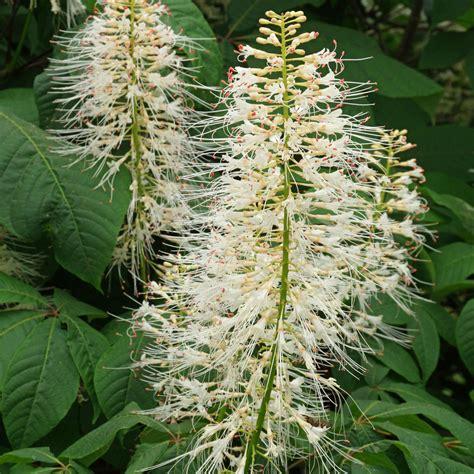
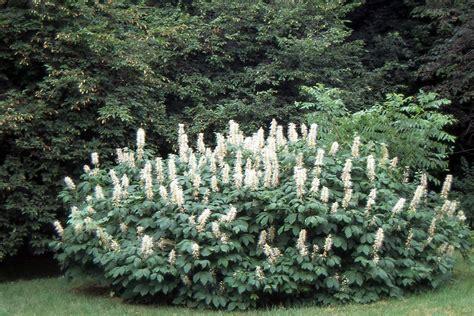
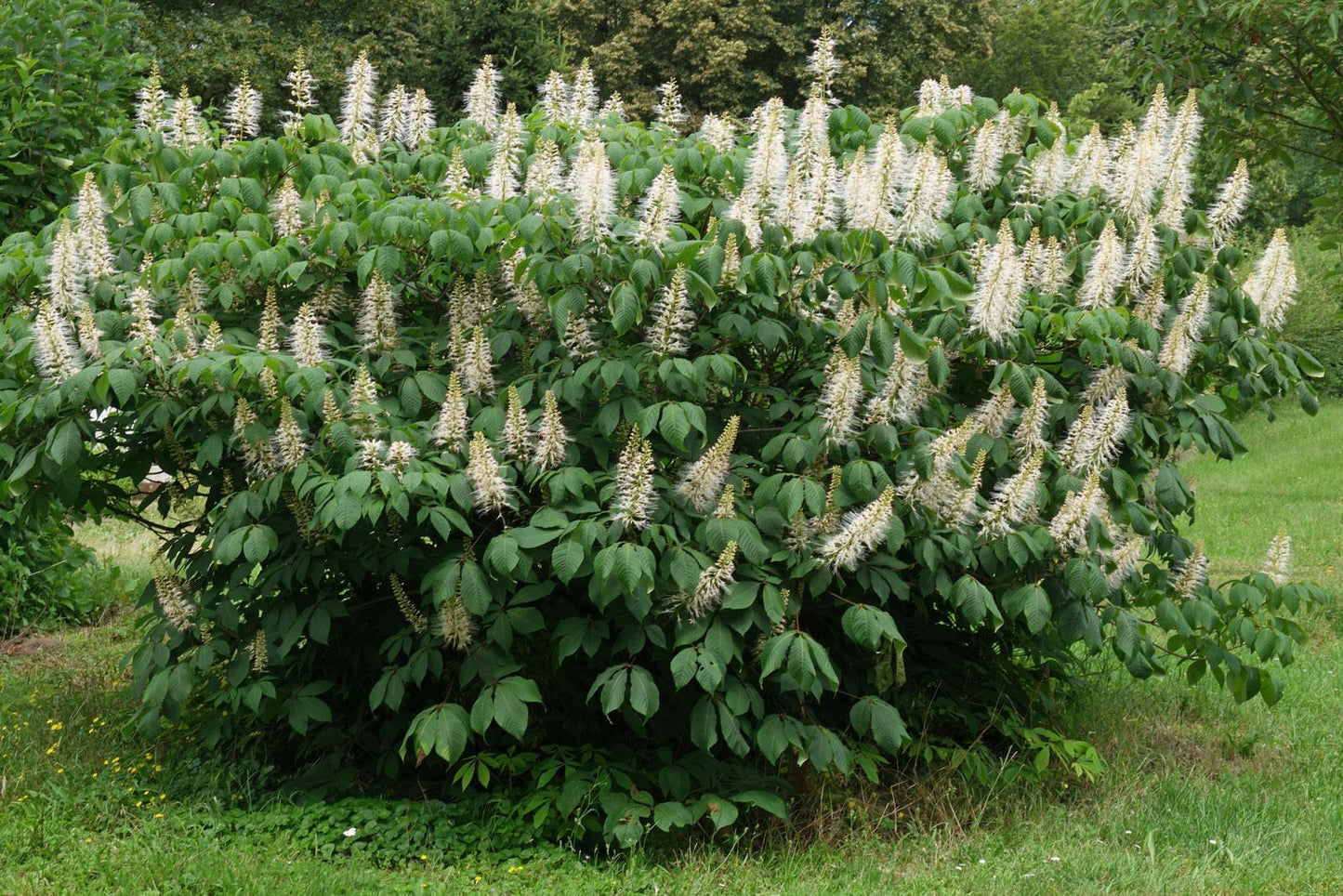
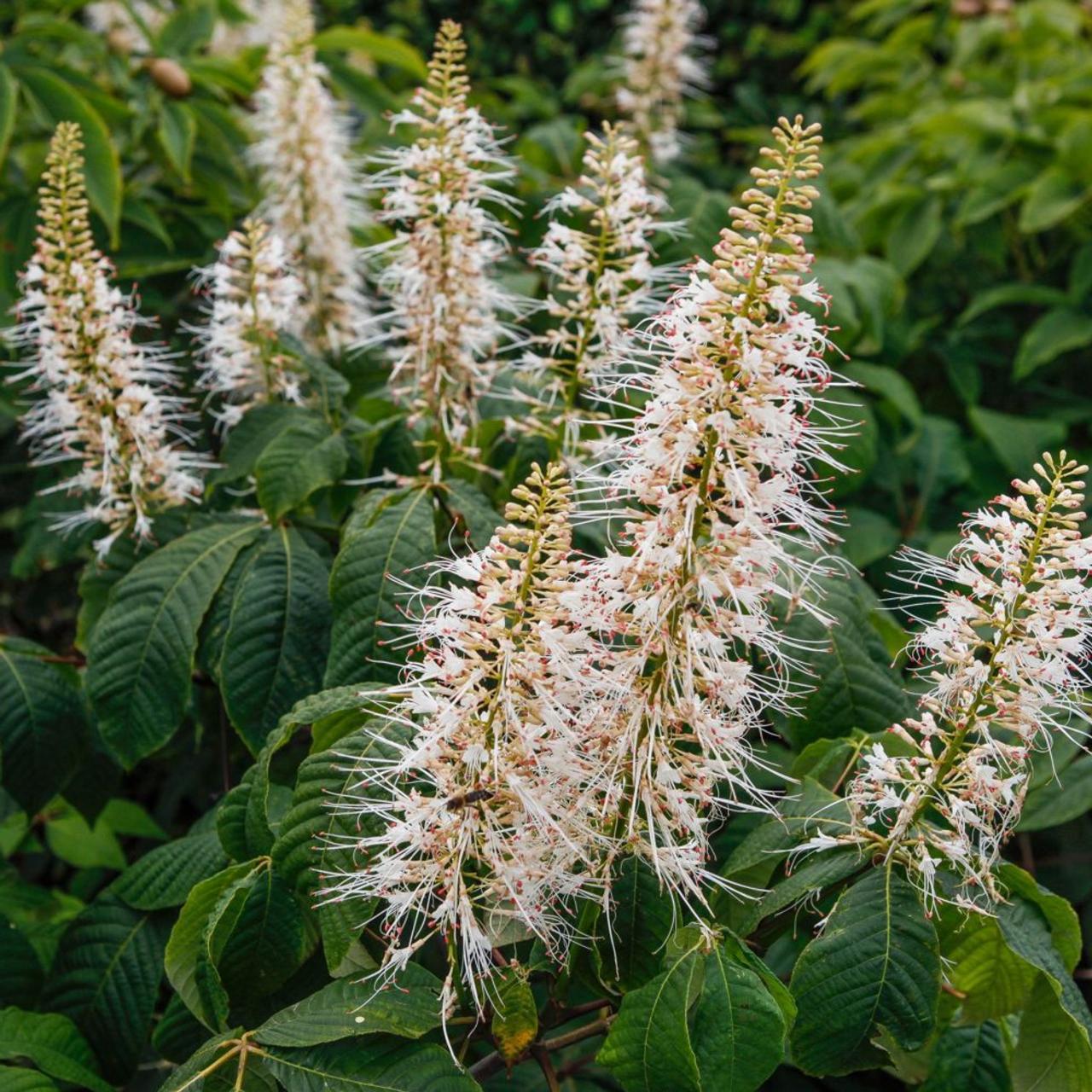
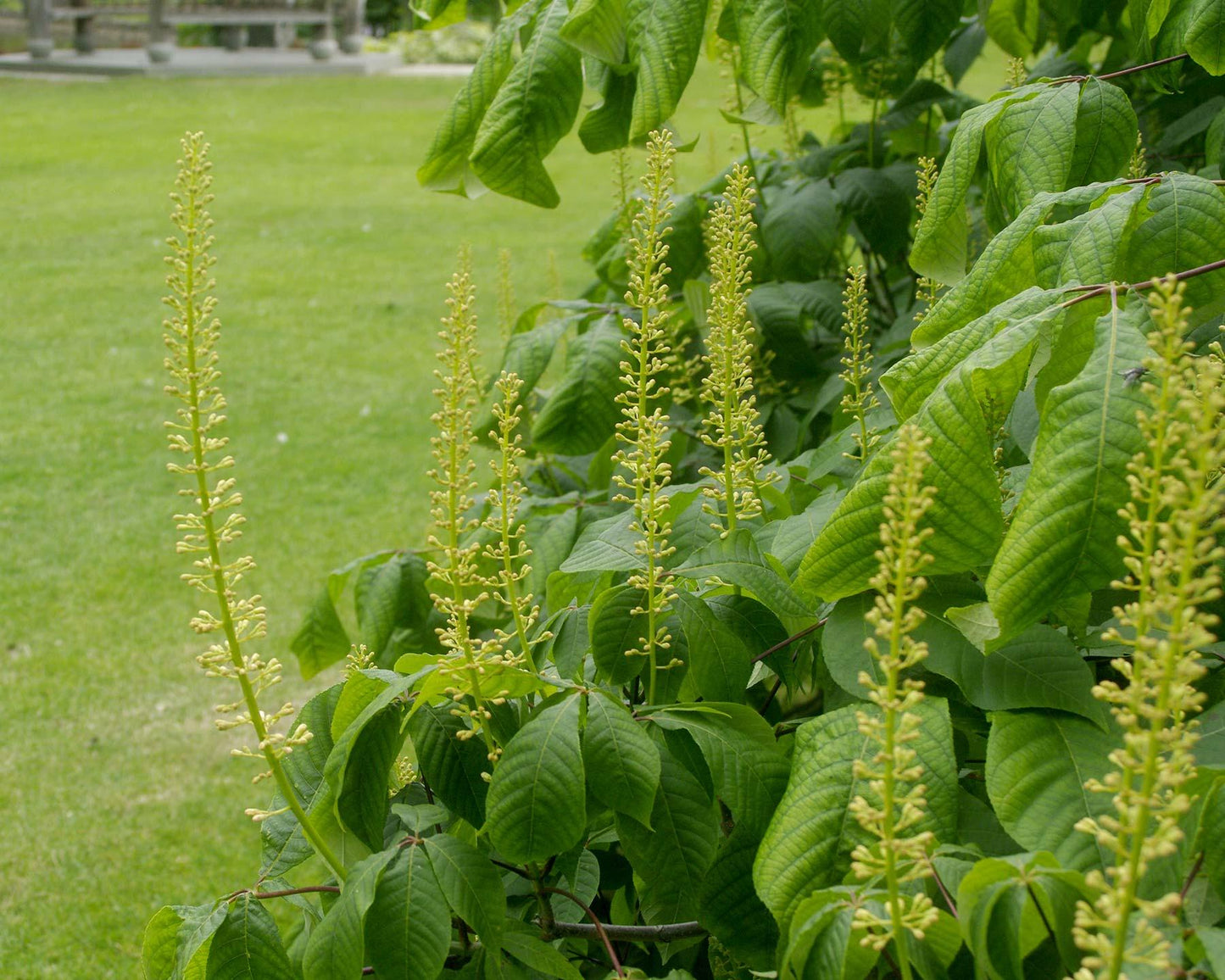
The Bottlebrush Buckeye is a deciduous shrub characterized by large, drooping clusters of white flowers that resemble a bottlebrush. It features palmate leaves and grows up to 12-15 feet tall, making it a striking addition to gardens and landscapes.
Suggested Uses
Ideal for border plantings, shrub gardens, naturalized areas, and as a specimen plant in landscape design. It attracts pollinators such as bees and butterflies.
Plant Details
-
 Botanical Name: Bottlebrush Buckeye Aesculus parviflora
 -
 Common Name: Bottlebrush Buckeye
 -
 Size & Growth: Typically reaches 12-15 feet tall and 6-10 feet wide, with a moderate growth rate.
 -
 Hardiness Zones: 4-8
 -
 Foliage Type: Deciduous, palmate leaves
 -
 Bloom Time: Mid to late summer
 -
 Growth Rate: Moderate
 -
 Light Requirements: Full sun to part shade
 -
 Attracts Pollinators: Yes, including bees and butterflies
 -
 Indoor Friendly: No
 -
 Container Friendly: Yes, when pruned appropriately
 -
 Deer Resistant: Yes
 -
 Pet Warning: Toxic if ingested
 -
 Fragrant: Yes, during flowering
 -
 Cut Flower: Yes
 -
 Grows Well With: Ferns, hostas, and shade-tolerant perennials
Care Tips
-
 Planting Instructions: Plant in well-drained soil with full sun to partial shade. Space sufficiently for growth.
 -
 Soil Moisture: Keep soil consistently moist, especially during dry periods.
 -
 Soil Type: Prefers rich, loamy, and slightly acidic soil.
 -
 Humidity: Moderate to high humidity levels are ideal.
 -
 Pruning Instructions: Prune in late winter or early spring to shape the shrub and remove dead or damaged branches.
 -
 Winter Care: Mulch to protect roots in colder zones; minimal winter protection needed in zones 4-5.
 -
 Planting Depth: Plant at same depth as in nursery containers.
 -
 Fertilization: Apply a balanced fertilizer in early spring annually.
 -
 Special Care: Maintain consistent watering and avoid over-fertilizing to encourage healthy growth.