

RedCrocus Common Lilac Syringa vulgaris- Fragrant, Deciduous Shrub for Gardens and Borders, Attracts Pollinators, Suitable for Hedging and Focal Points 5 Gallon
RedCrocus Common Lilac Syringa vulgaris- Fragrant, Deciduous Shrub for Gardens and Borders, Attracts Pollinators, Suitable for Hedging and Focal Points 5 Gallon
Regular price
$260.00 USD
Regular price
$338.00 USD
Sale price
$260.00 USD
Unit price
per
Shipping calculated at checkout.
SKU:nsf5330-redcrocus
Couldn't load pickup availability
Common Lilac Syringa vulgaris
Description
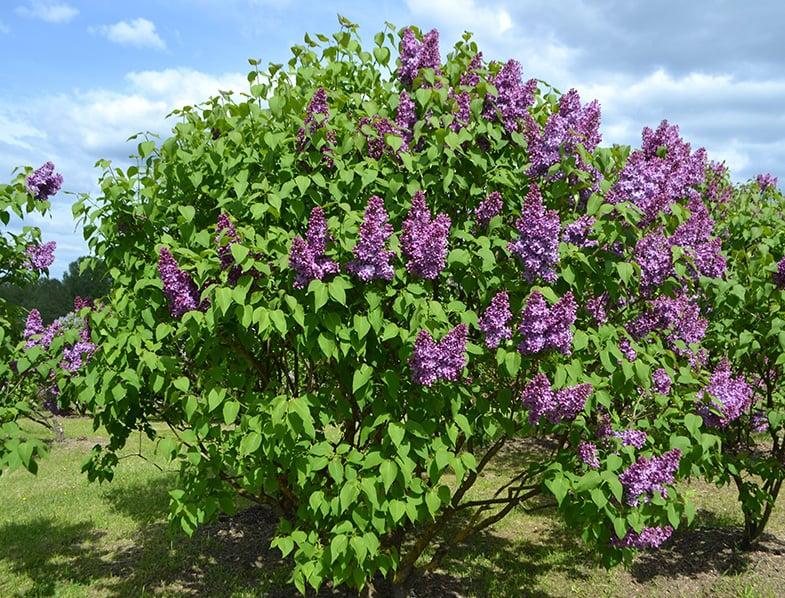
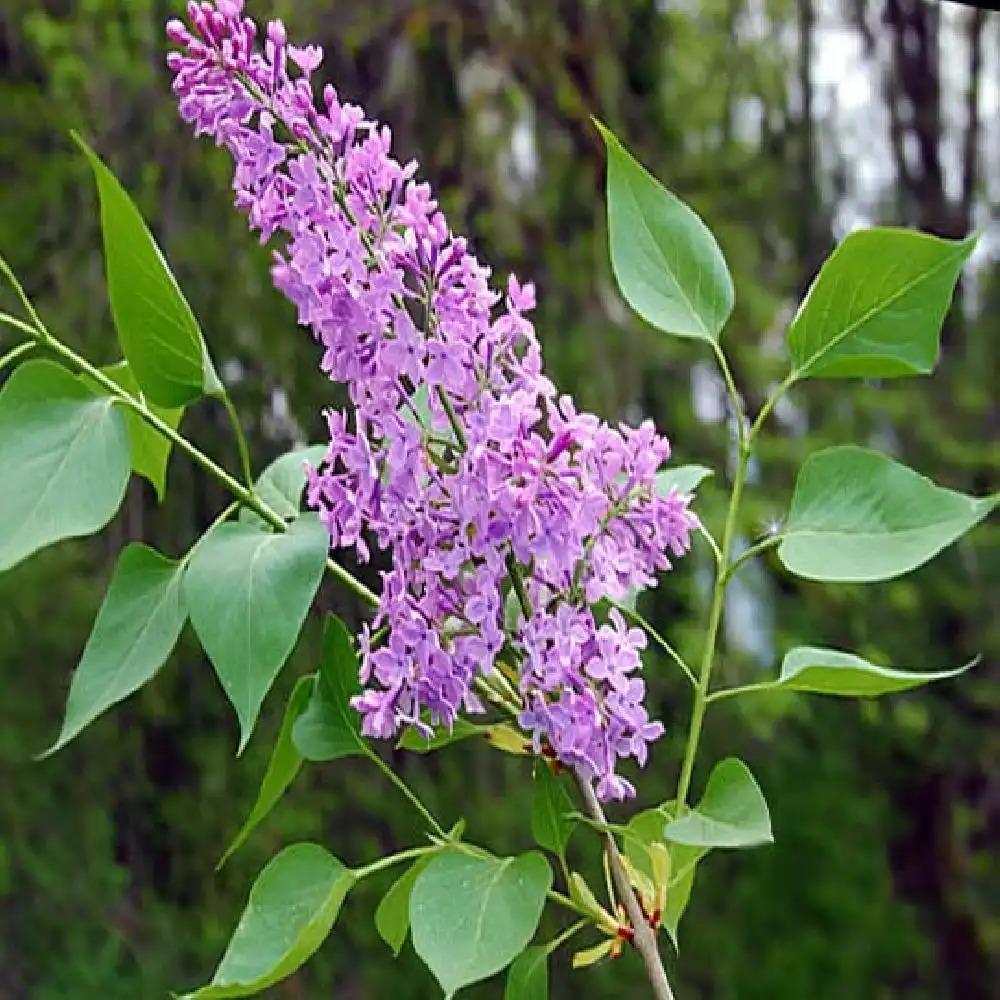
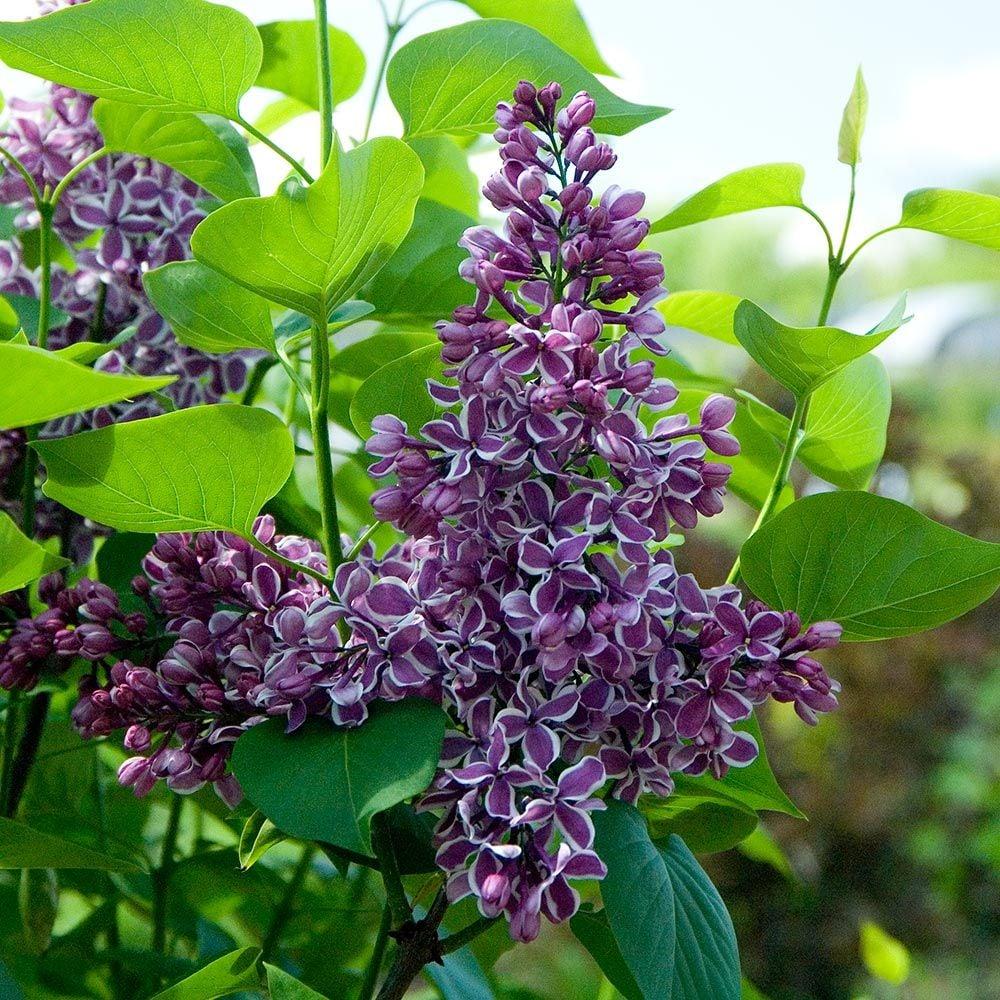
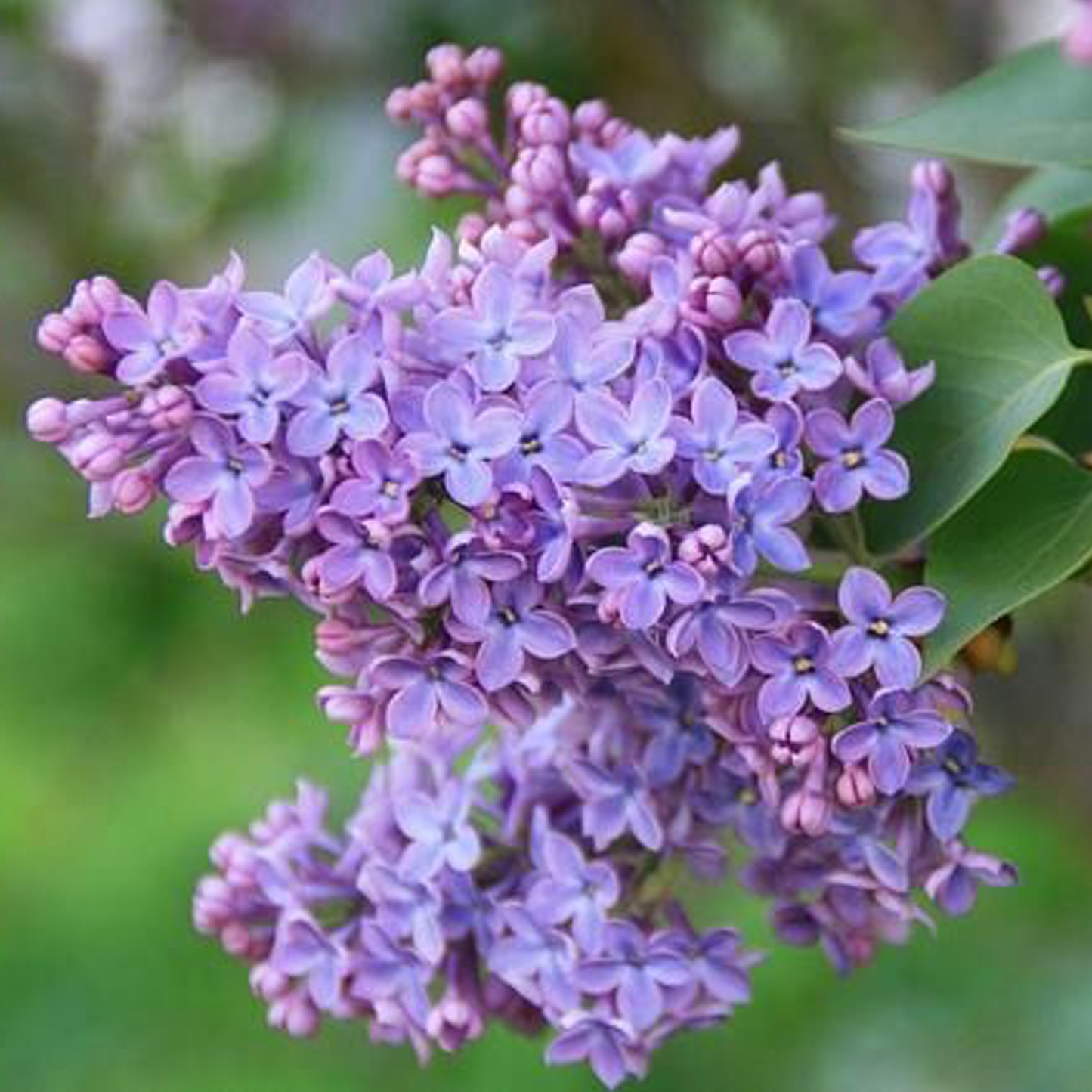
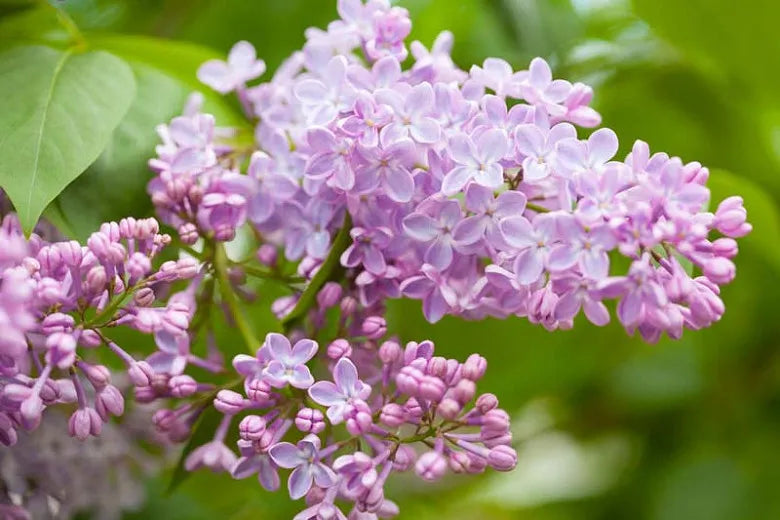
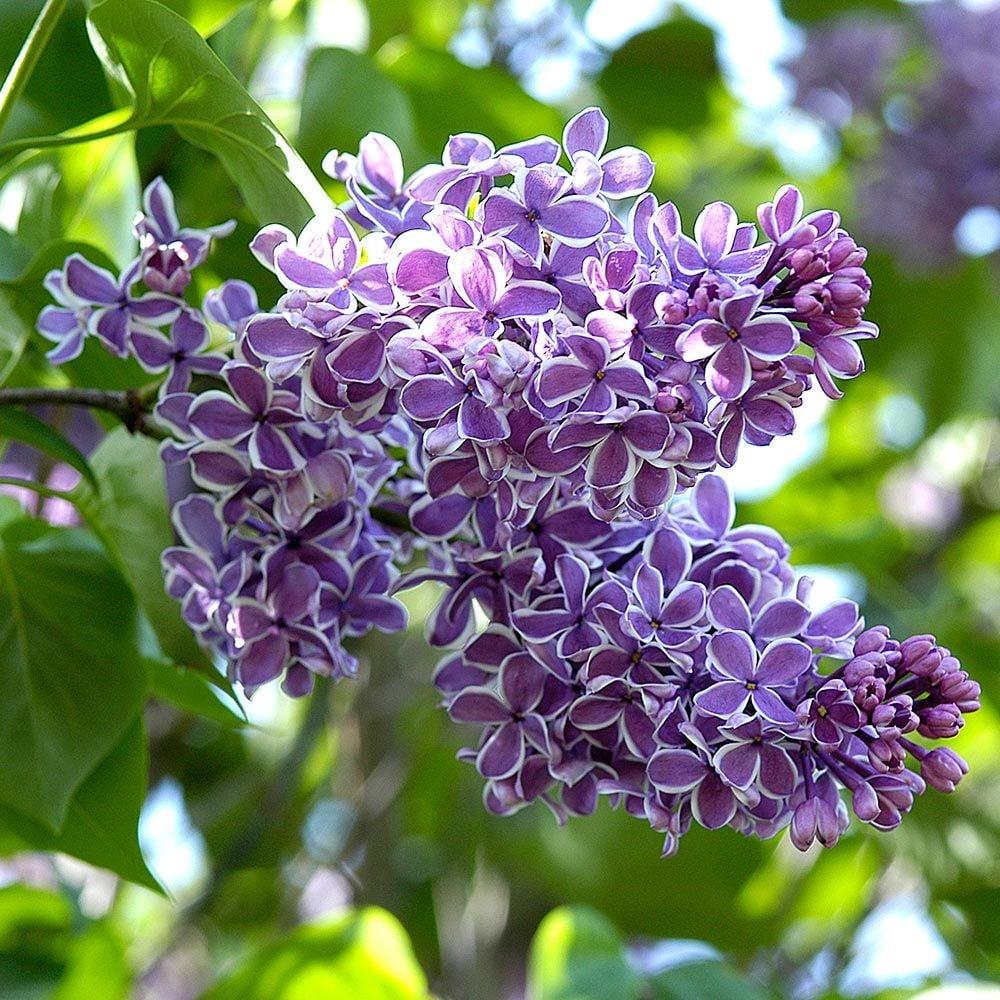
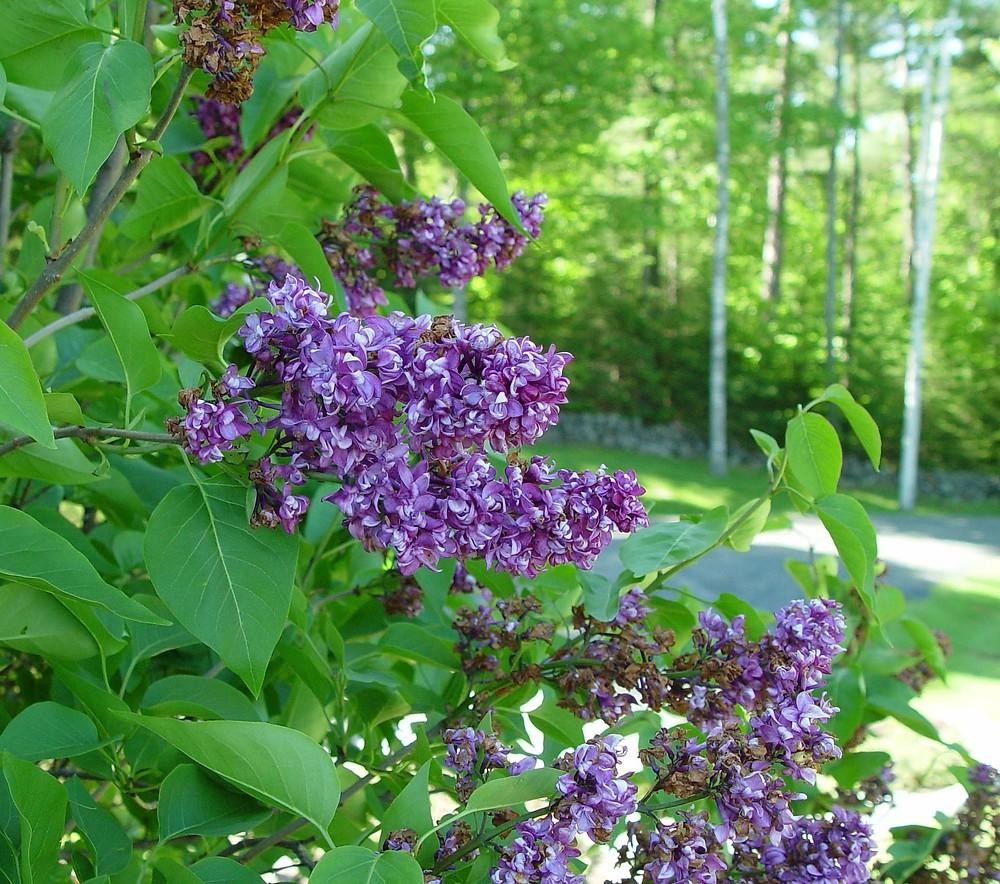
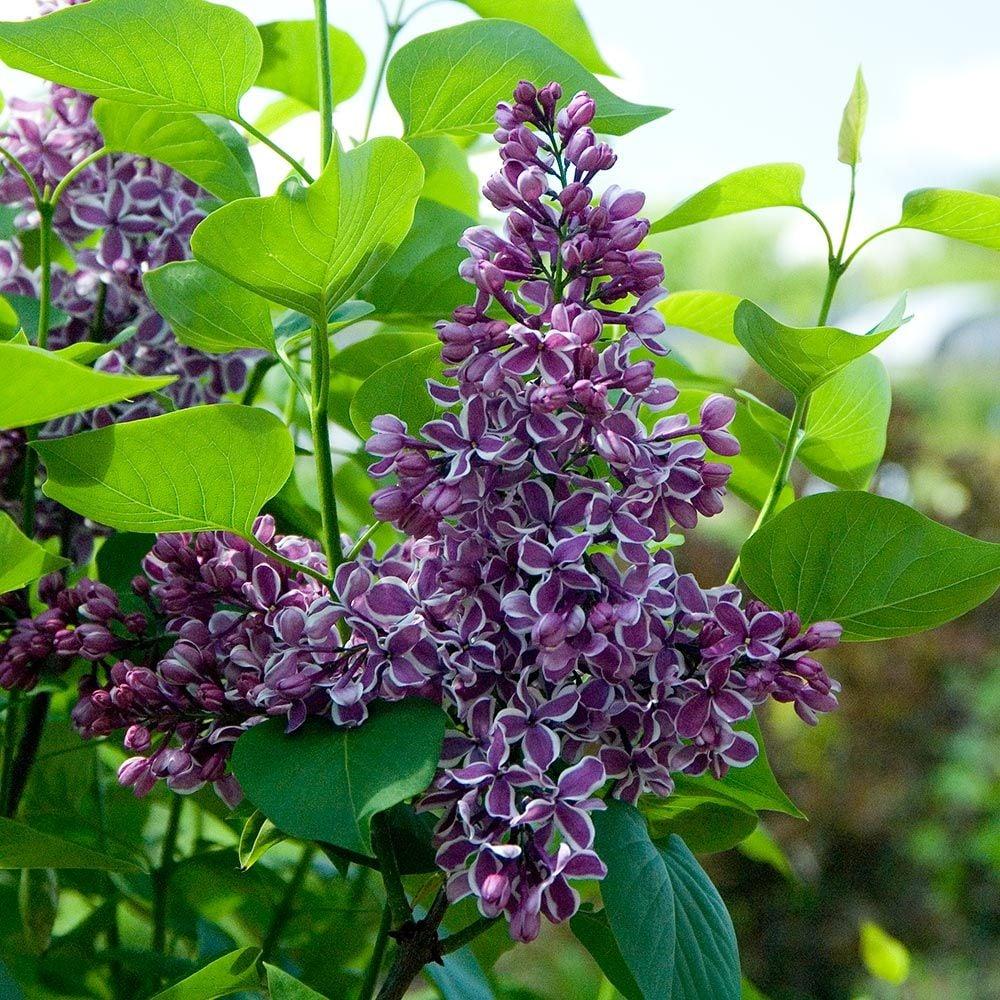
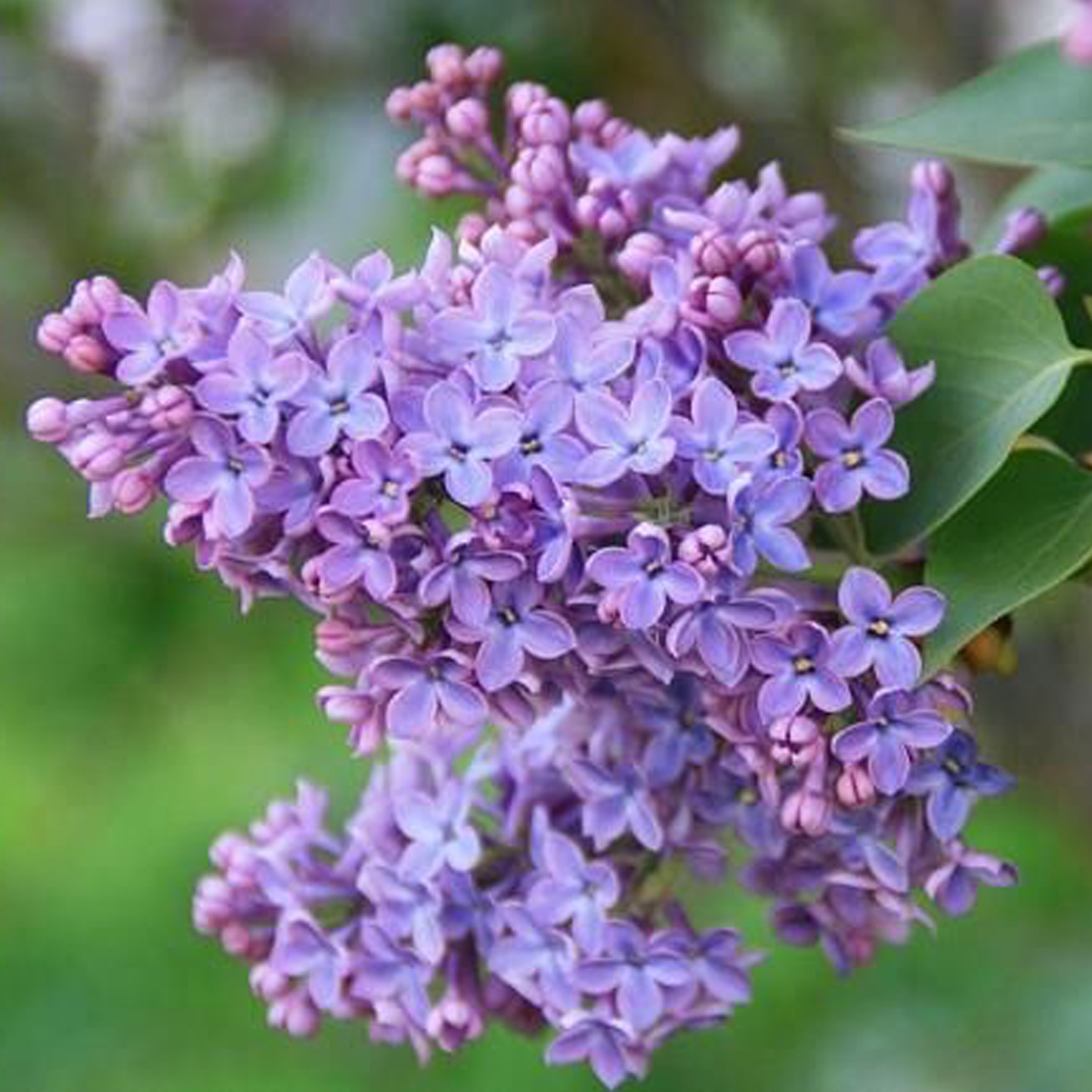
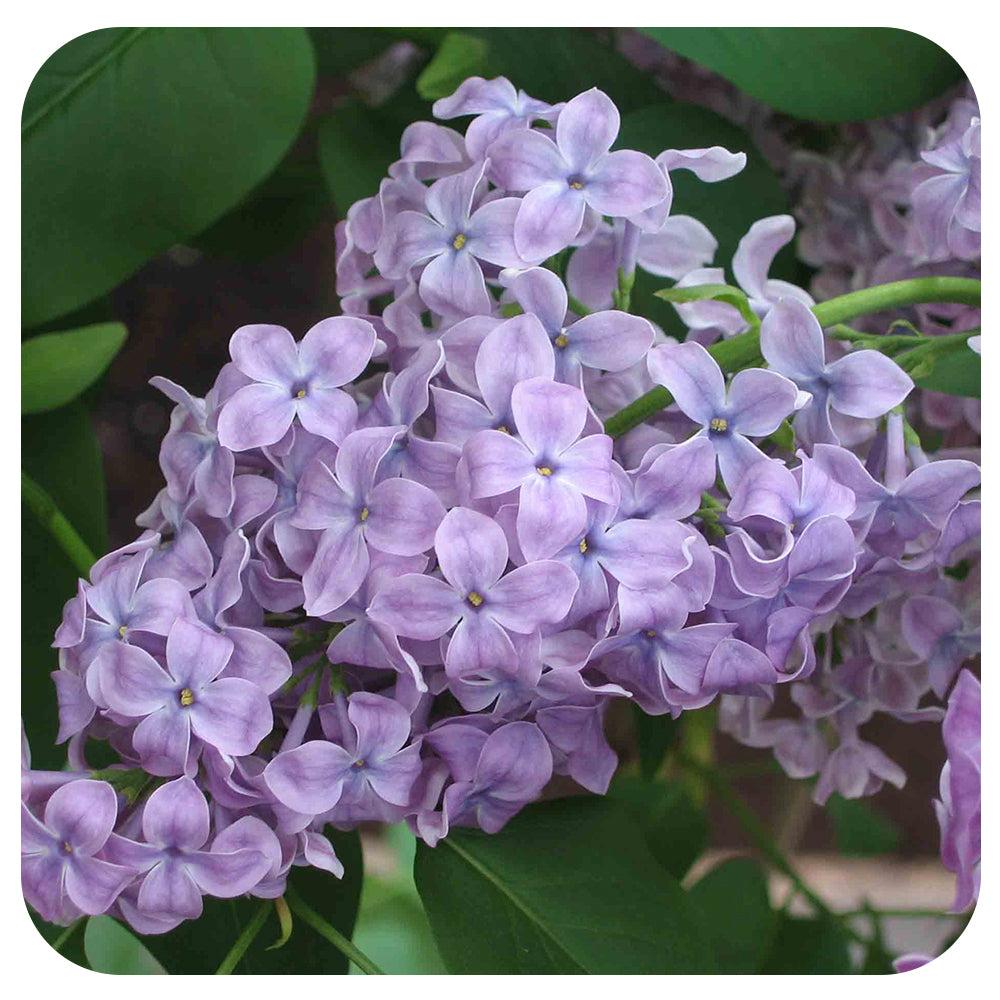
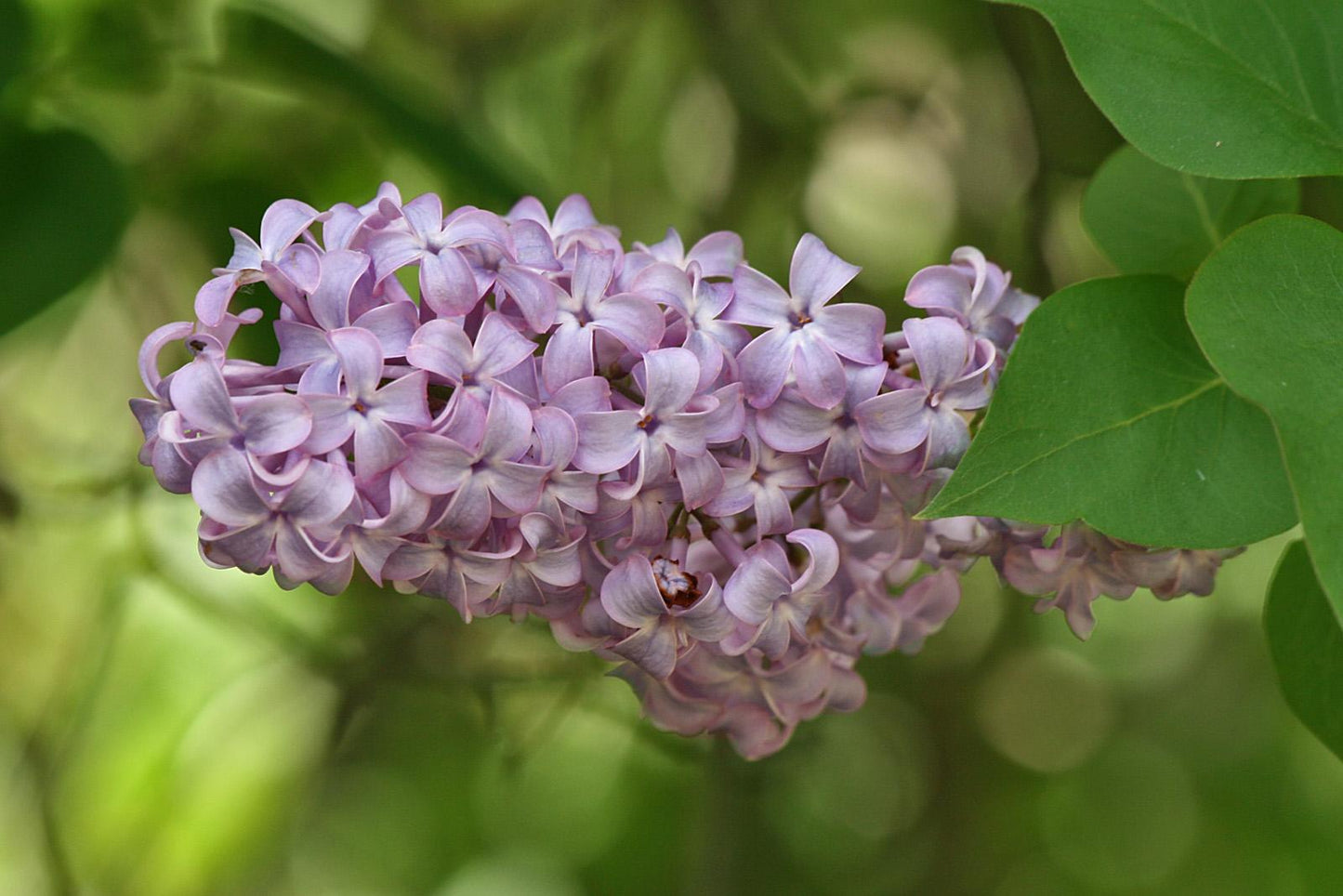
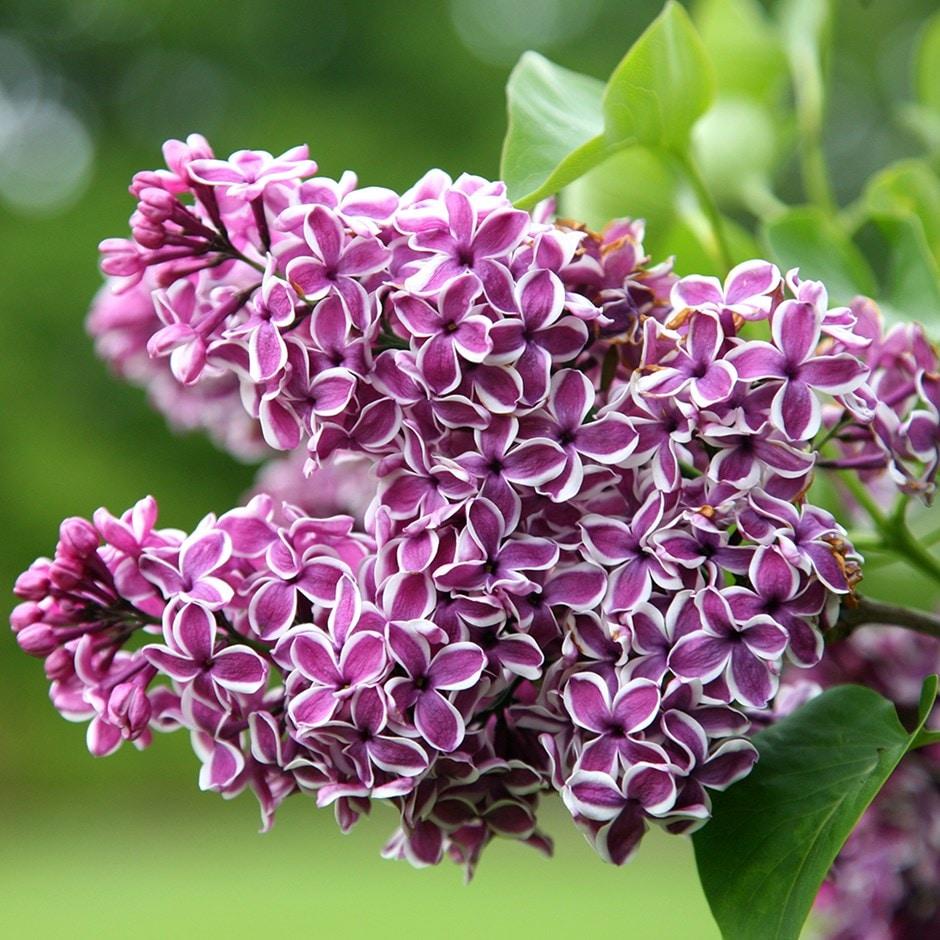
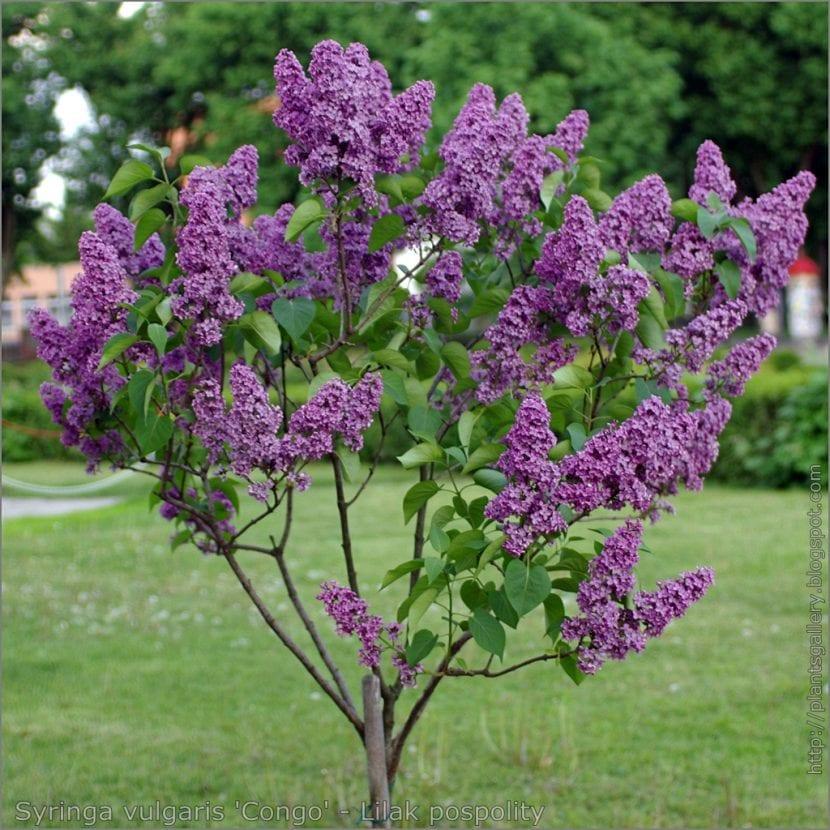
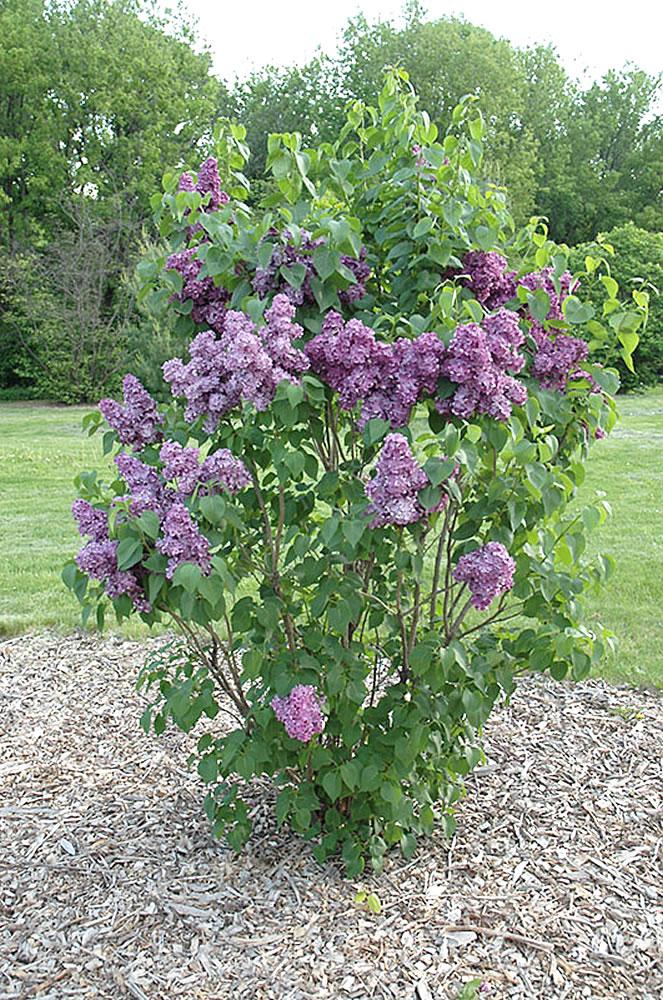
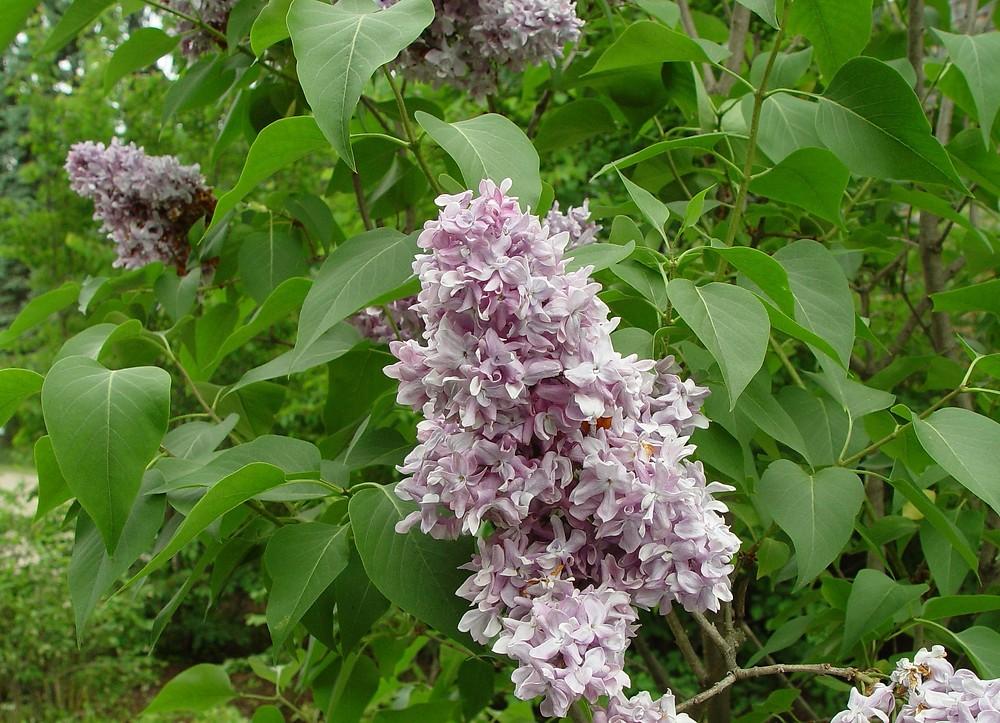
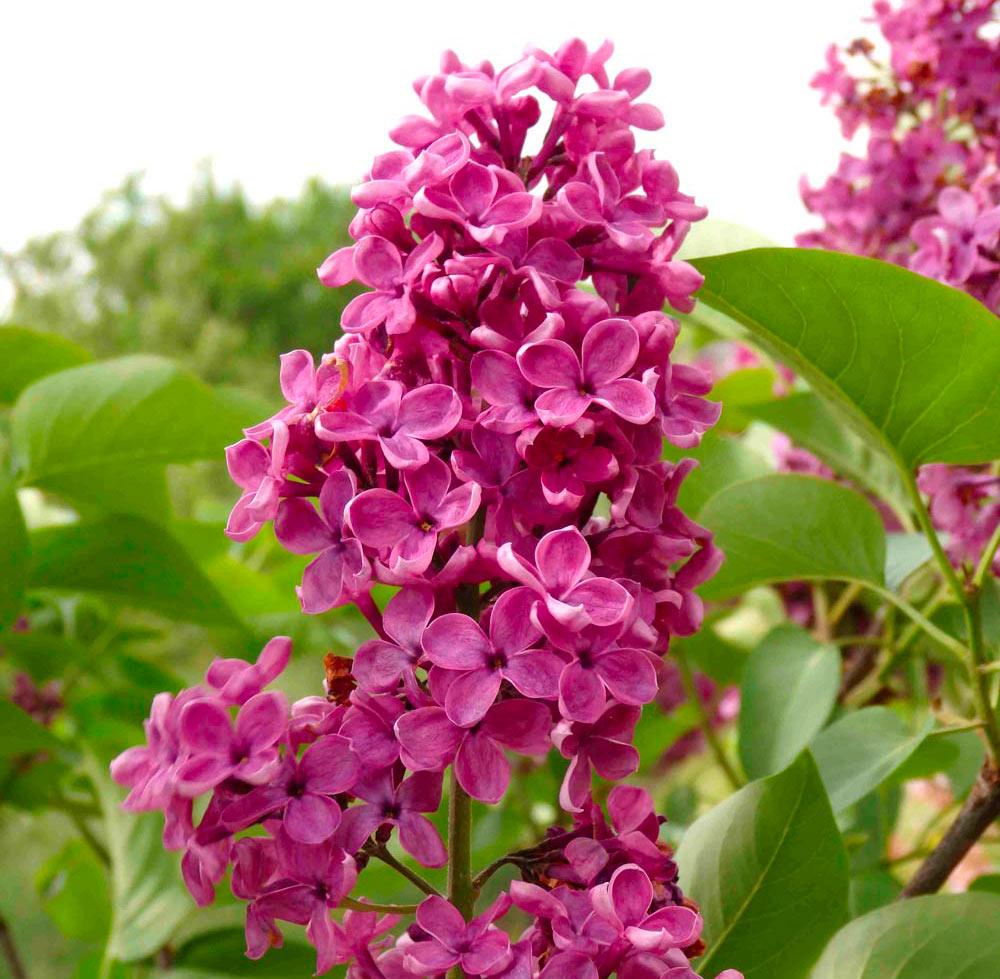
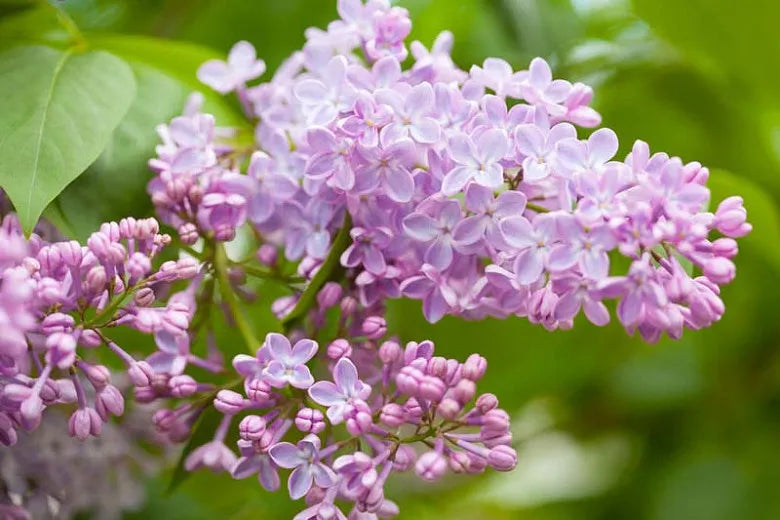
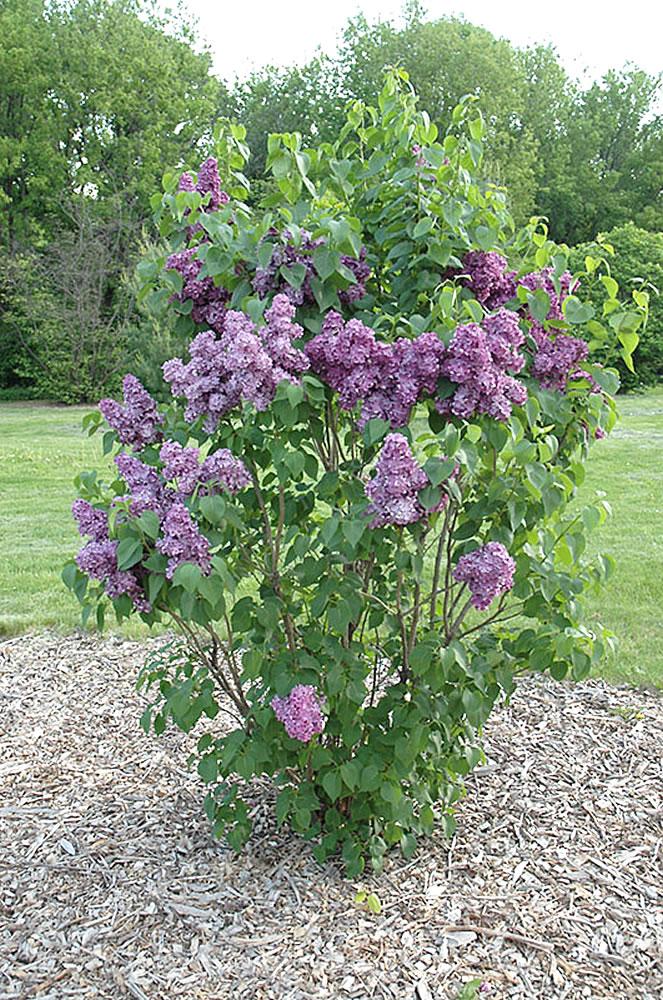
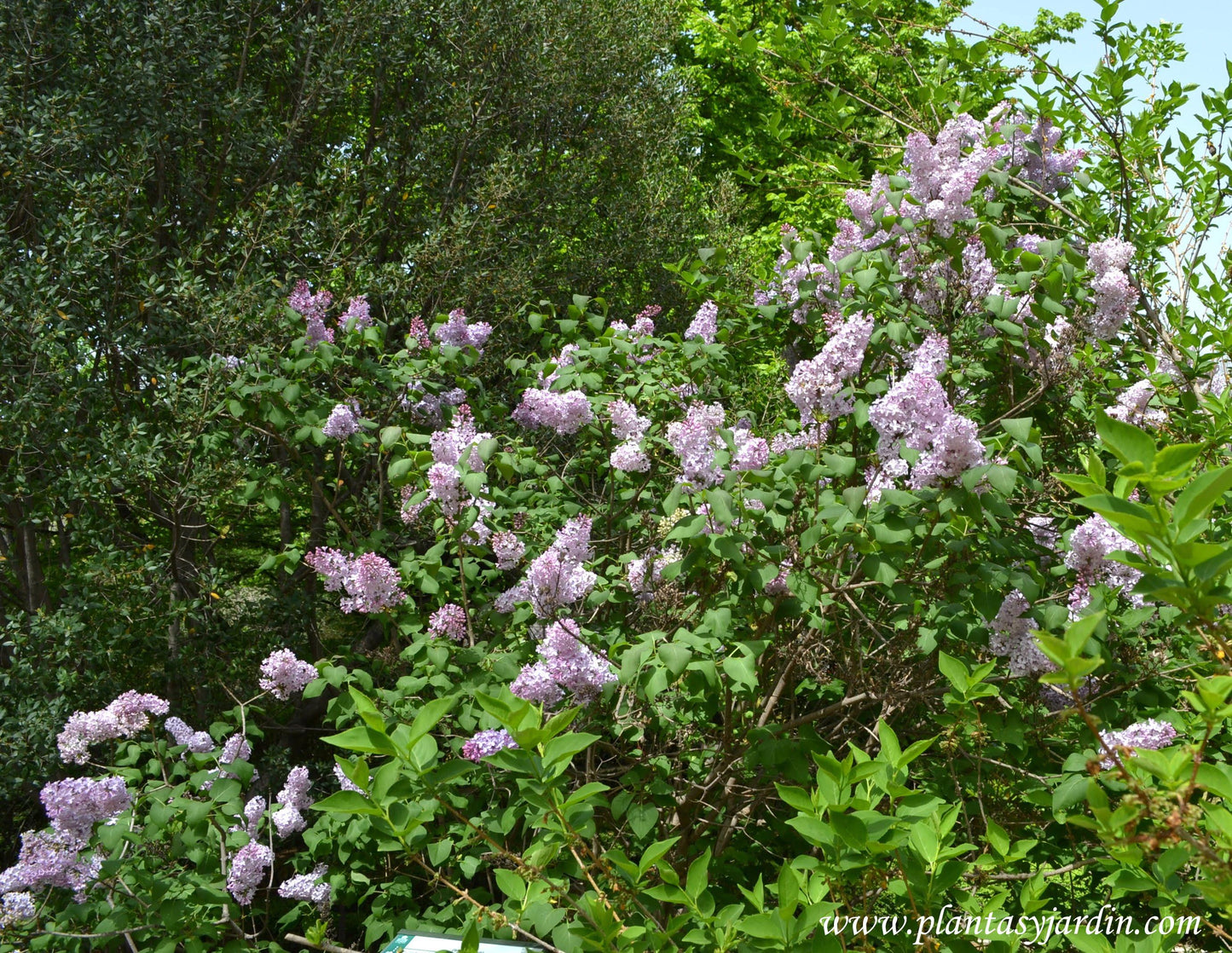
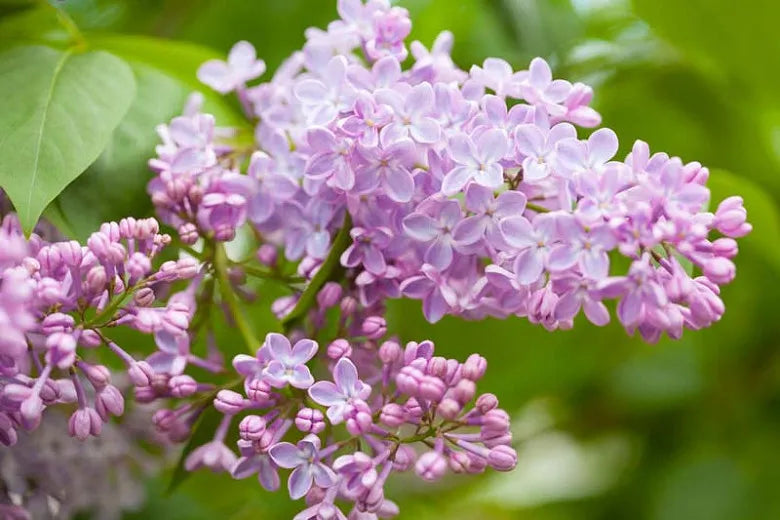
A deciduous shrub known for its fragrant, pastel purple flowers that bloom in spring. It features ovate green leaves and can grow up to 10-15 feet tall with a spreading habit.
Suggested Uses
Ideal for borders, hedges, or as a focal point in gardens. Suitable for naturalized areas and can be used to attract pollinators such as bees and butterflies.
Plant Details
-
 Botanical Name: Common Lilac Syringa vulgaris
 -
 Common Name: Common Lilac
 -
 Size & Growth: 10-15 ft tall with a spreading habit
 -
 Hardiness Zones: 3-7
 -
 Foliage Type: Deciduous
 -
 Growth Rate: Moderate
 -
 Light Requirements: Full Sun
 -
 Attracts Pollinators: Yes
 -
 Indoor Friendly: No
 -
 Container Friendly: Yes, with regular pruning
 -
 Deer Resistant: Yes
 -
 Pet Warning: Toxic if ingested
 -
 Fragrant: Yes
 -
 Cut Flower: Yes
 -
 Grows Well With: Roses, Spirea, and Lavender
 Bloom Time: Spring (April-May)
Care Tips
-
 Planting Instructions: Plant in well-drained soil in full sun, spacing 5-6 feet apart.
 -
 Soil Moisture: Keep consistently moist, especially during dry periods.
 -
 Soil Type: Prefers slightly acidic, well-drained loamy soil.
 -
 Humidity: Tolerant of average garden humidity.
 -
 Pruning Instructions: Prune right after bloom to shape and encourage new growth.
 -
 Winter Care: Mulch heavily and protect from harsh winter winds in colder zones.
 -
 Planting Depth: Dig hole twice as wide as root ball and plant with the top of roots even with soil surface.
 -
 Fertilization: Apply balanced fertilizer in early spring.
 -
 Special Care: Avoid overwatering and ensure good air circulation to prevent diseases.