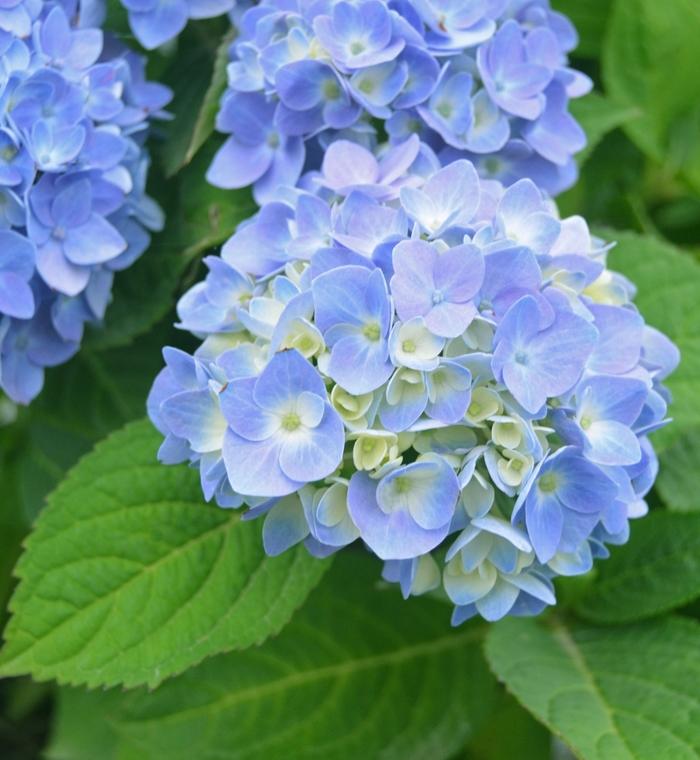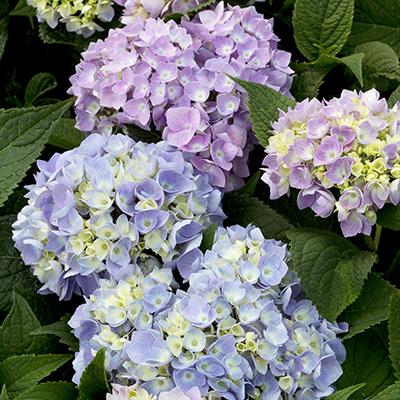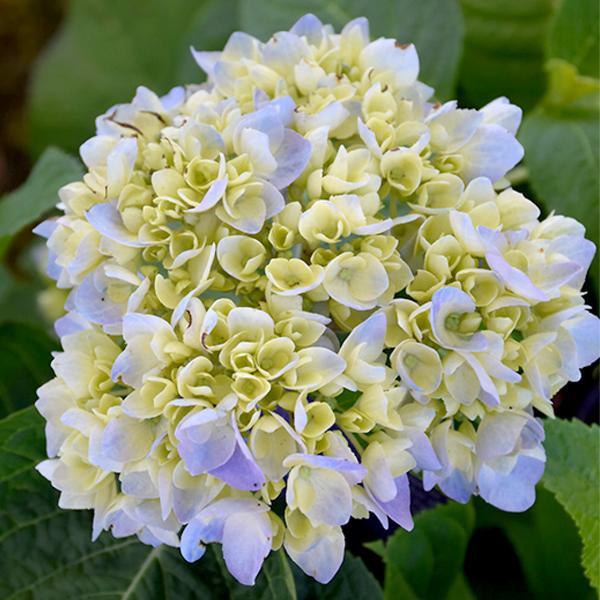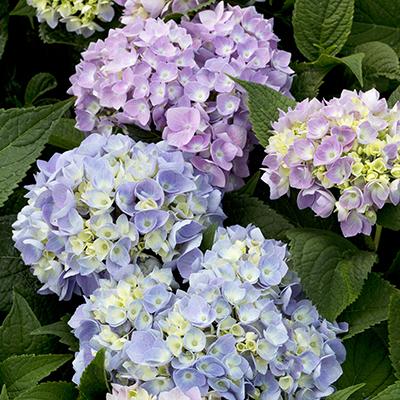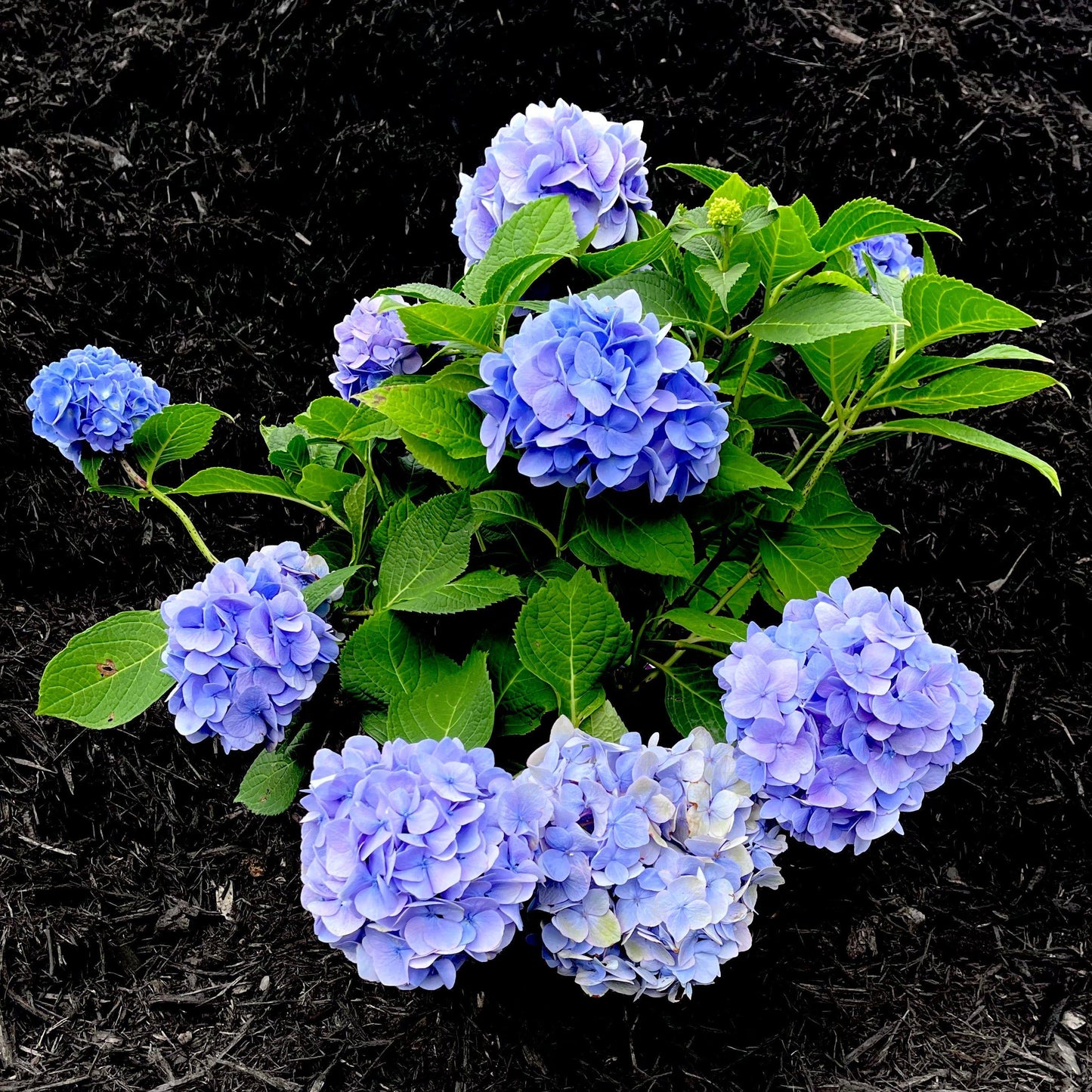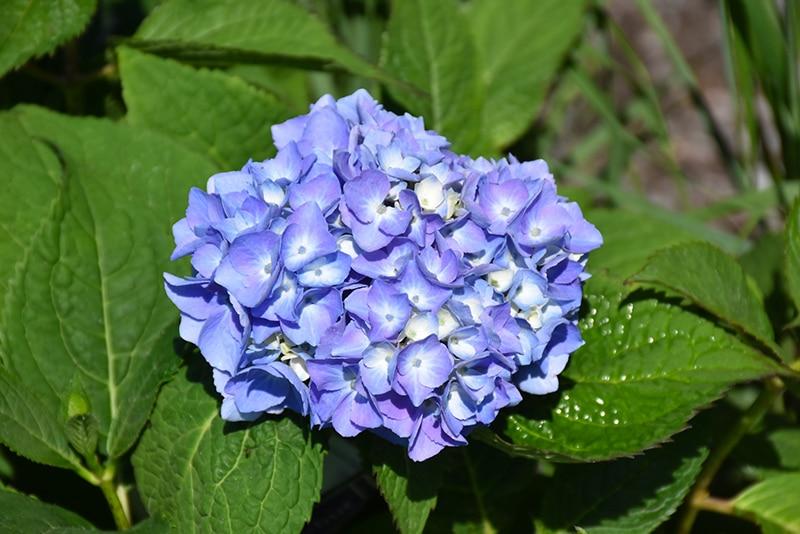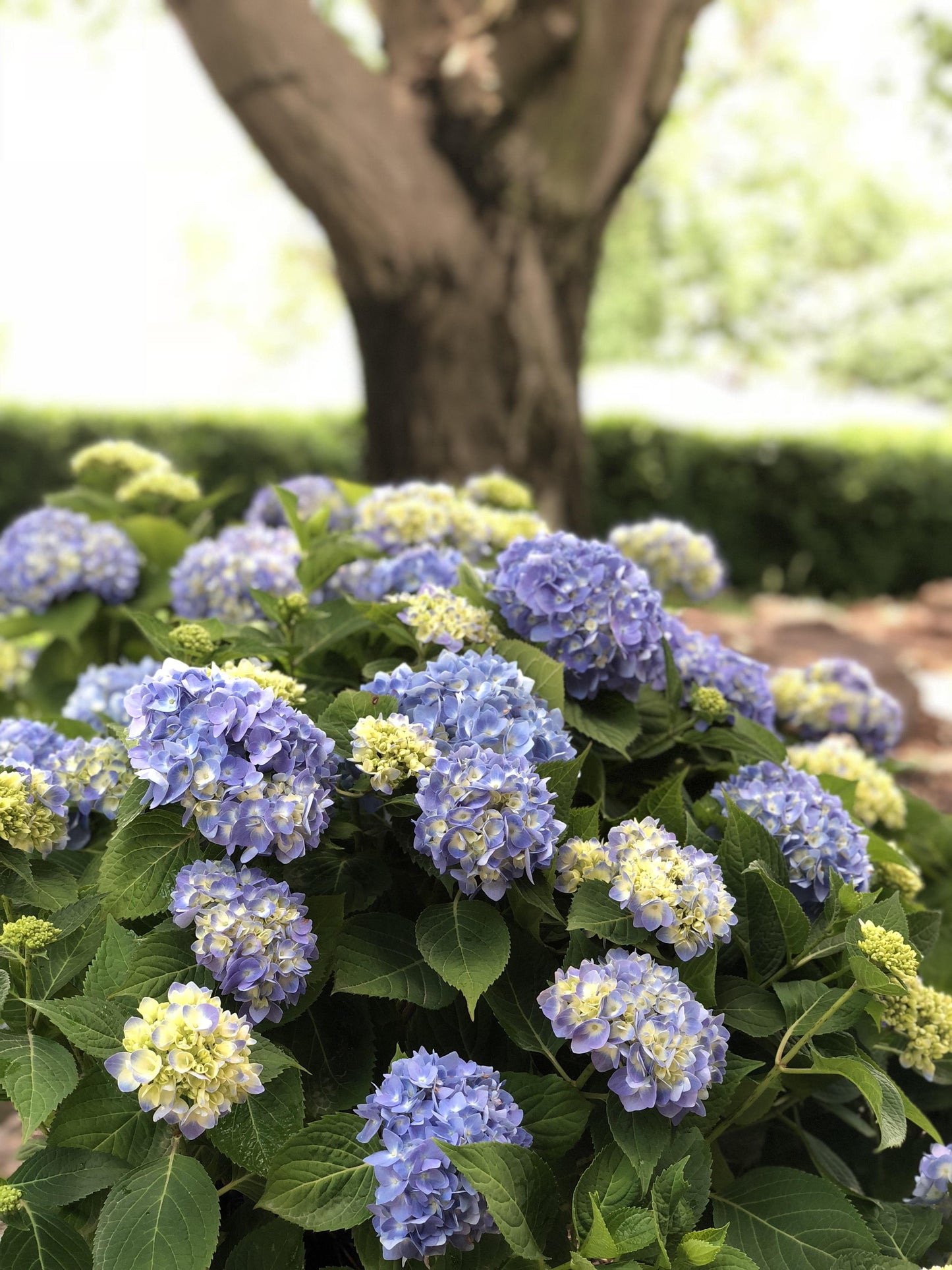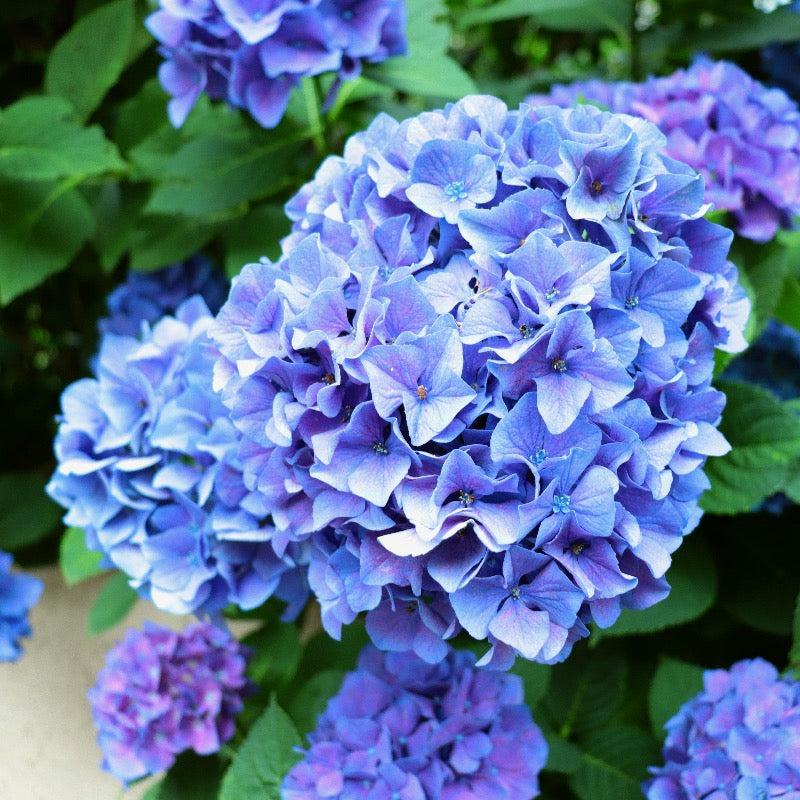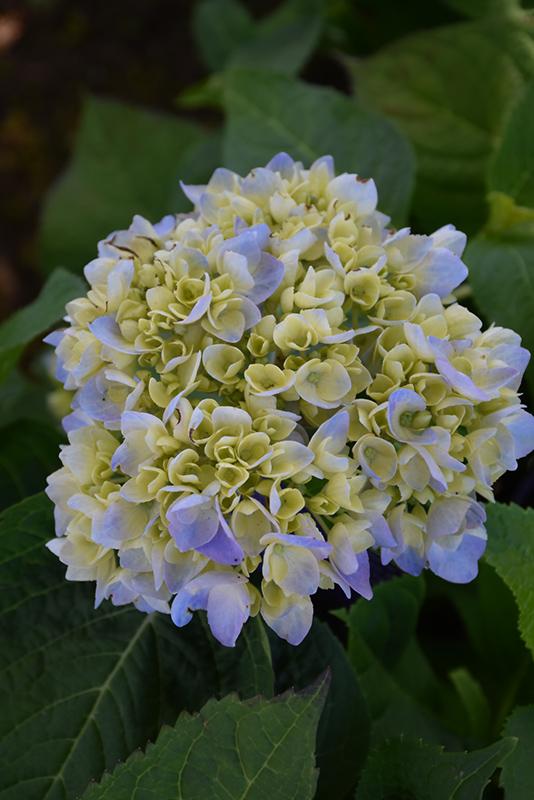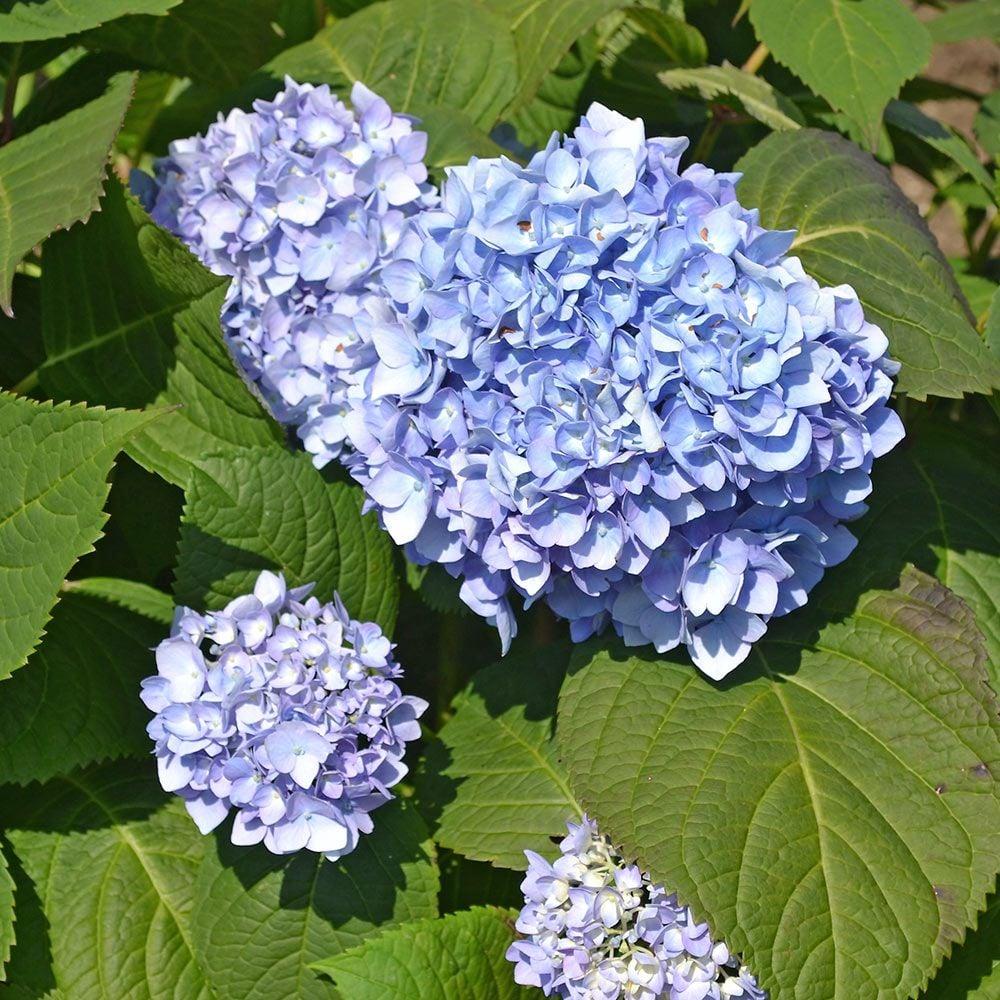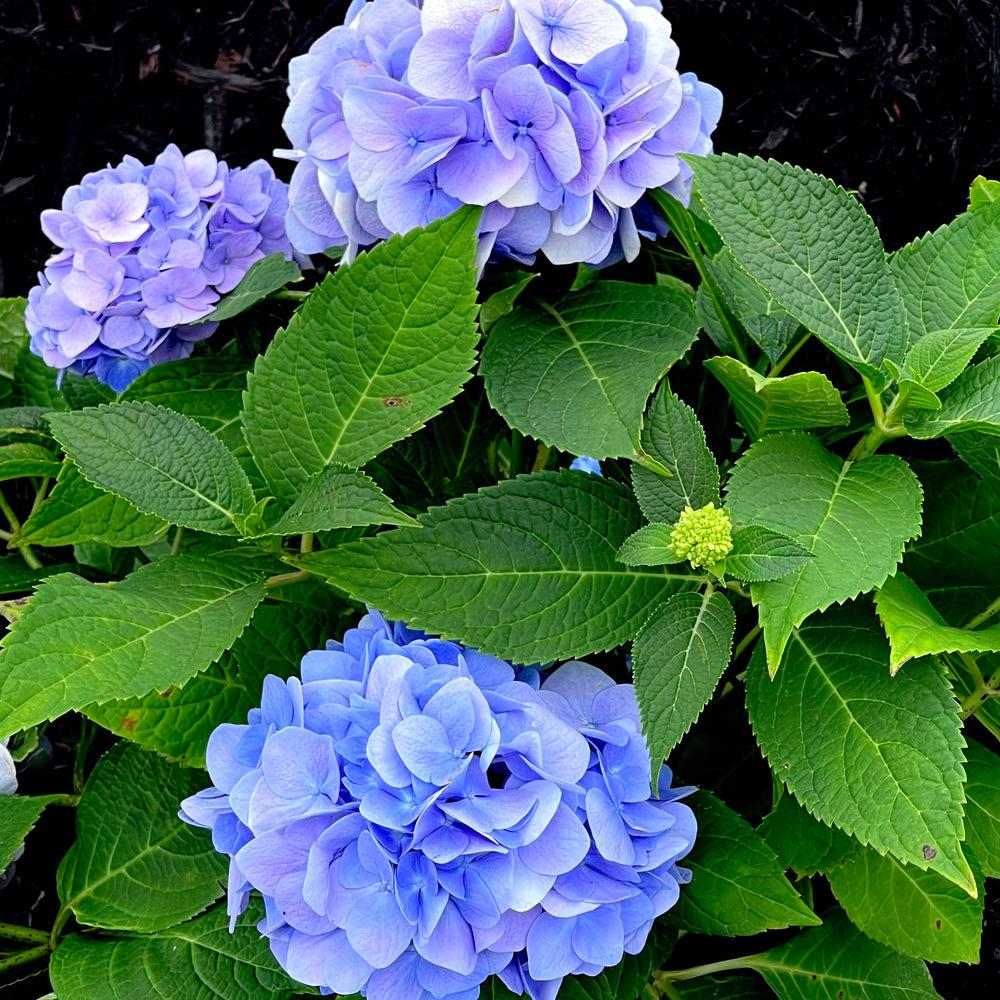


RedCrocus Nantucket Blue Bigleaf Hydrangea in Container- Vibrant Blue Blooms, Rich Green Foliage, Ideal for Gardens & Landscapes, Attracts Pollinators, Hardy Zones 5-9 7 Gallon
RedCrocus Nantucket Blue Bigleaf Hydrangea in Container- Vibrant Blue Blooms, Rich Green Foliage, Ideal for Gardens & Landscapes, Attracts Pollinators, Hardy Zones 5-9 7 Gallon
Regular price
$360.00 USD
Regular price
$468.00 USD
Sale price
$360.00 USD
Unit price
per
Shipping calculated at checkout.
SKU:nsf5198-redcrocus
Couldn't load pickup availability
'Nantucket Blue' Bigleaf Hydrangea (Hydrangea macrophylla 'Nantucket Blue')
Description
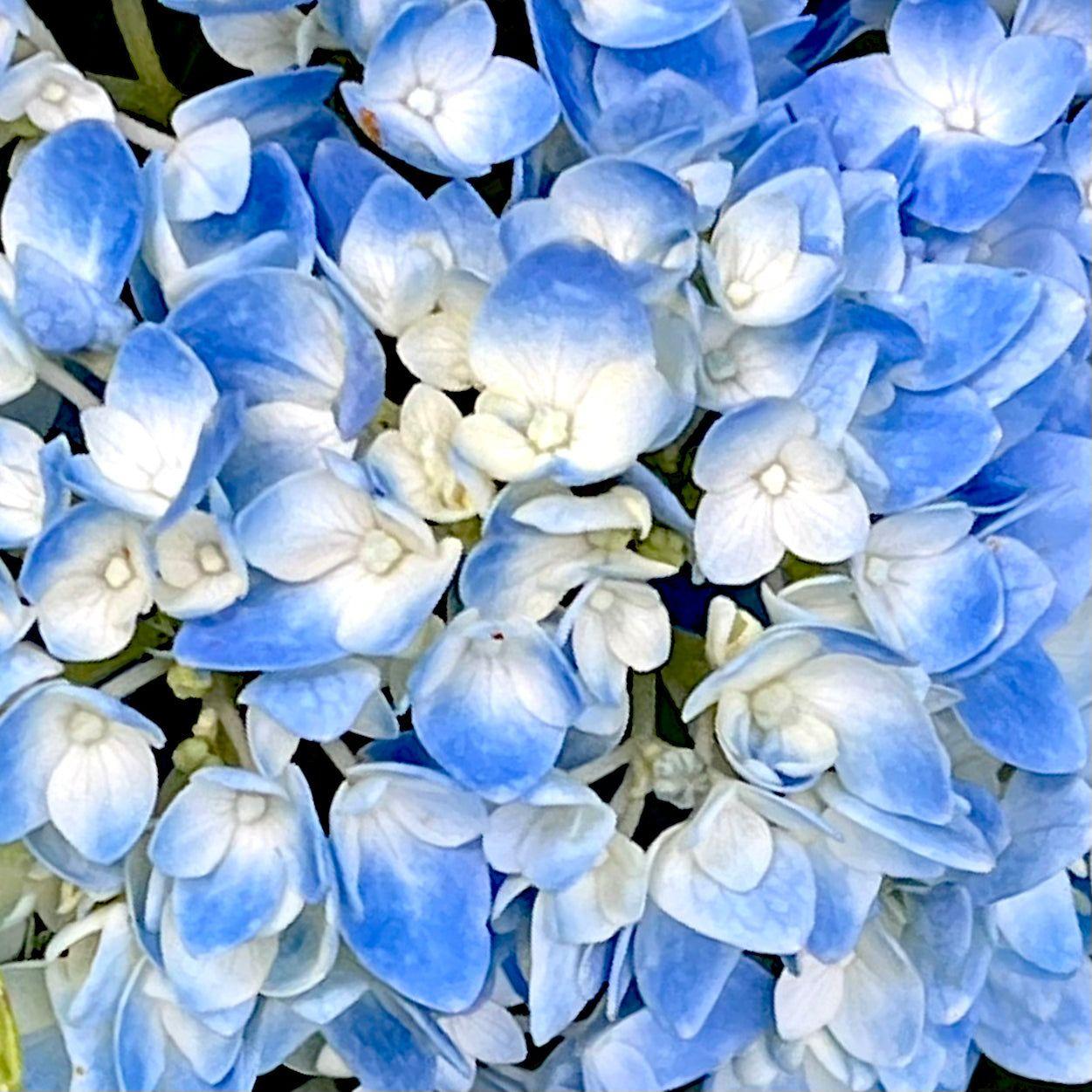
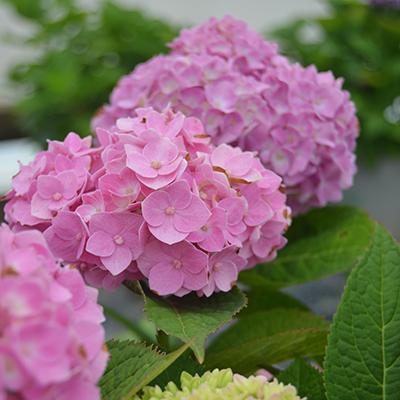
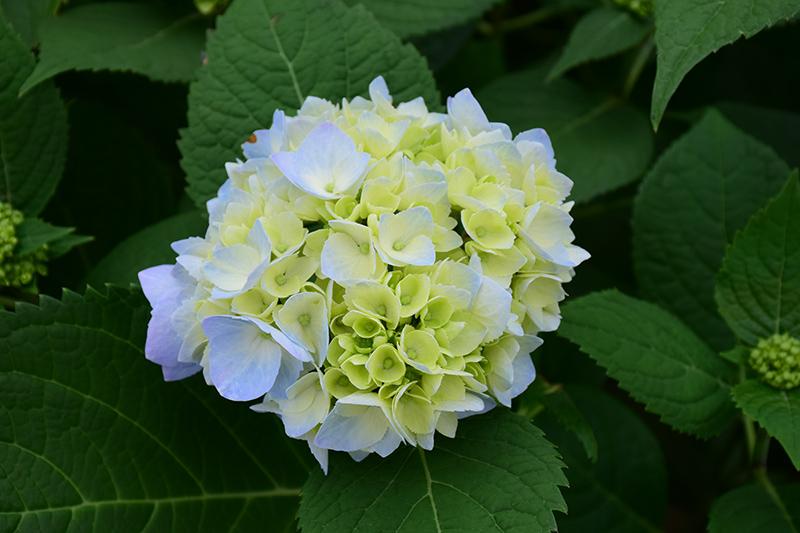
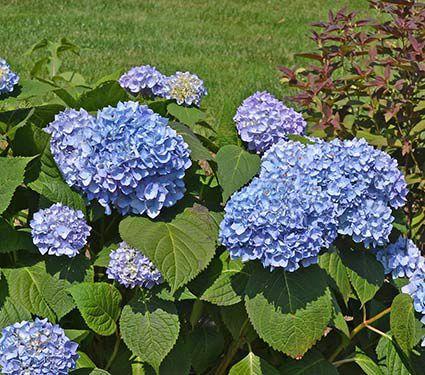
A deciduous shrub prized for its large, vibrant blue flower clusters and lush green foliage. It thrives in partial shade and well-drained soil, providing stunning blooms from summer to fall.
Suggested Uses
Ideal for gardens, shrub borders, and containers. Perfect as a focal point or hedge in shaded or partially shaded landscape areas.
Plant Details
-
 Botanical Name: Hydrangea macrophylla 'Nantucket Blue'
 -
 Common Name: Nantucket Blue Bigleaf Hydrangea
 -
 Size & Growth: Typically reaches 3-4 feet in height and width, with a bushy, upright habit.
 -
 Hardiness Zones: 5-9
 -
 Foliage Type: Deciduous, dark green leaves
 -
 Bloom Time: Summer to early fall
 -
 Growth Rate: Moderate
 -
 Light Requirements: Partial shade to full sun (morning sun preferred)
 -
 Attracts Pollinators: Yes
 -
 Indoor Friendly: No
 -
 Container Friendly: Yes
 -
 Deer Resistant: Moderately
 -
 Pet Warning: Toxic if ingested
 -
 Fragrant: Yes
 -
 Cut Flower: Suitable for floristry
 -
 Grows Well With: Ferns, hostas, and shade-loving perennials
Care Tips
-
 Planting Instructions: Dig a hole twice as wide as the root ball. Space plants at least 3 feet apart.
 -
 Soil Moisture: Keep consistently moist but not waterlogged.
 -
 Soil Type: Prefers rich, well-drained, slightly acidic soil.
 -
 Humidity: Tolerates average to high humidity.
 -
 Pruning Instructions: Prune after flowering to maintain shape and encourage new growth.
 -
 Winter Care: Mulch generously in colder zones to protect roots.
 -
 Planting Depth: Set the top of the root ball level with surrounding soil.
 -
 Fertilization: Feed with a balanced, slow-release fertilizer in early spring.
 -
 Special Care: Protect from strong winds and late frosts for best blooms.