

RedCrocus Red Heart Rose of Sharon Hibiscus syriacus Plant with Vibrant Red Blossoms, Attracts Pollinators, Seasonal Garden Flower, Ornamental Shrub 4/5' h B&B
RedCrocus Red Heart Rose of Sharon Hibiscus syriacus Plant with Vibrant Red Blossoms, Attracts Pollinators, Seasonal Garden Flower, Ornamental Shrub 4/5' h B&B
Regular price
$1,072.00 USD
Regular price
$1,393.60 USD
Sale price
$1,072.00 USD
Unit price
per
Shipping calculated at checkout.
SKU:nsf2087-redcrocus
Couldn't load pickup availability
Red Heart' Rose of Sharon Hibiscus syriacus 'Red Heart'
Description
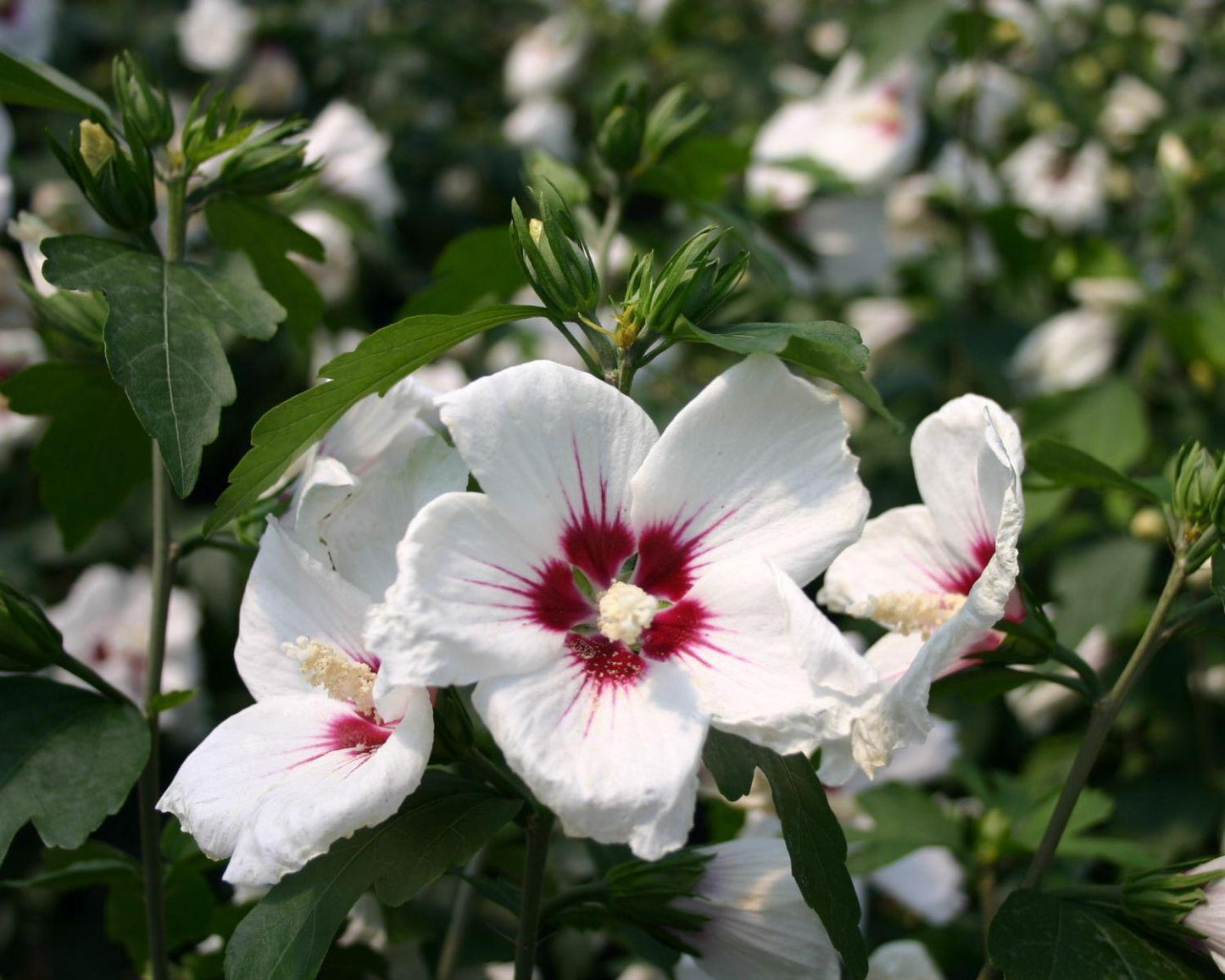
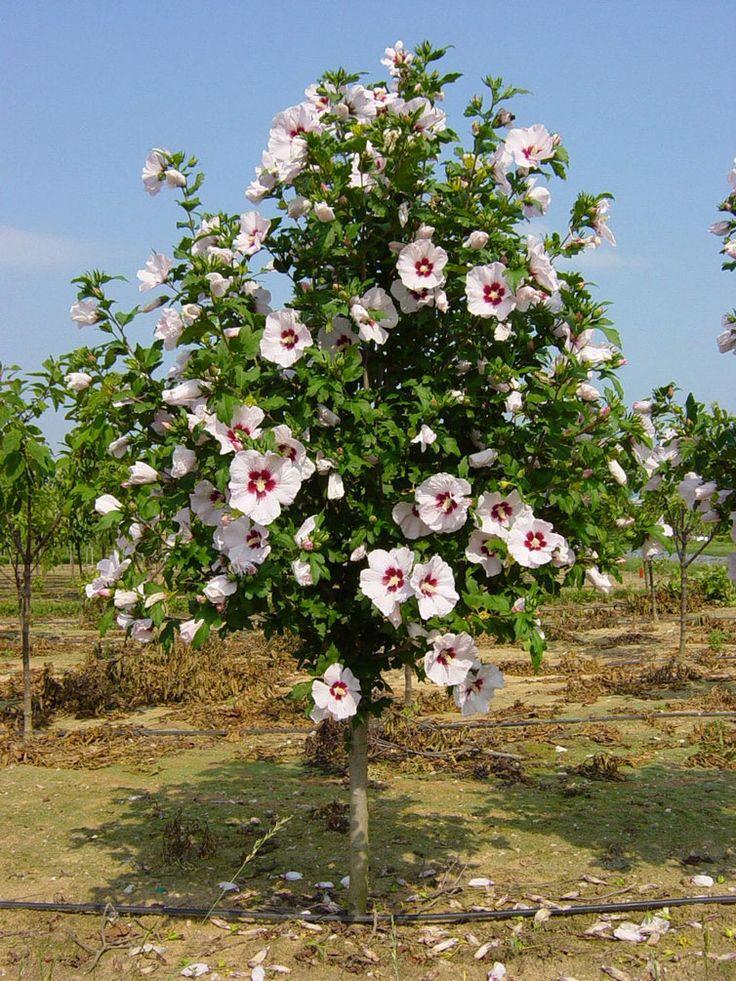
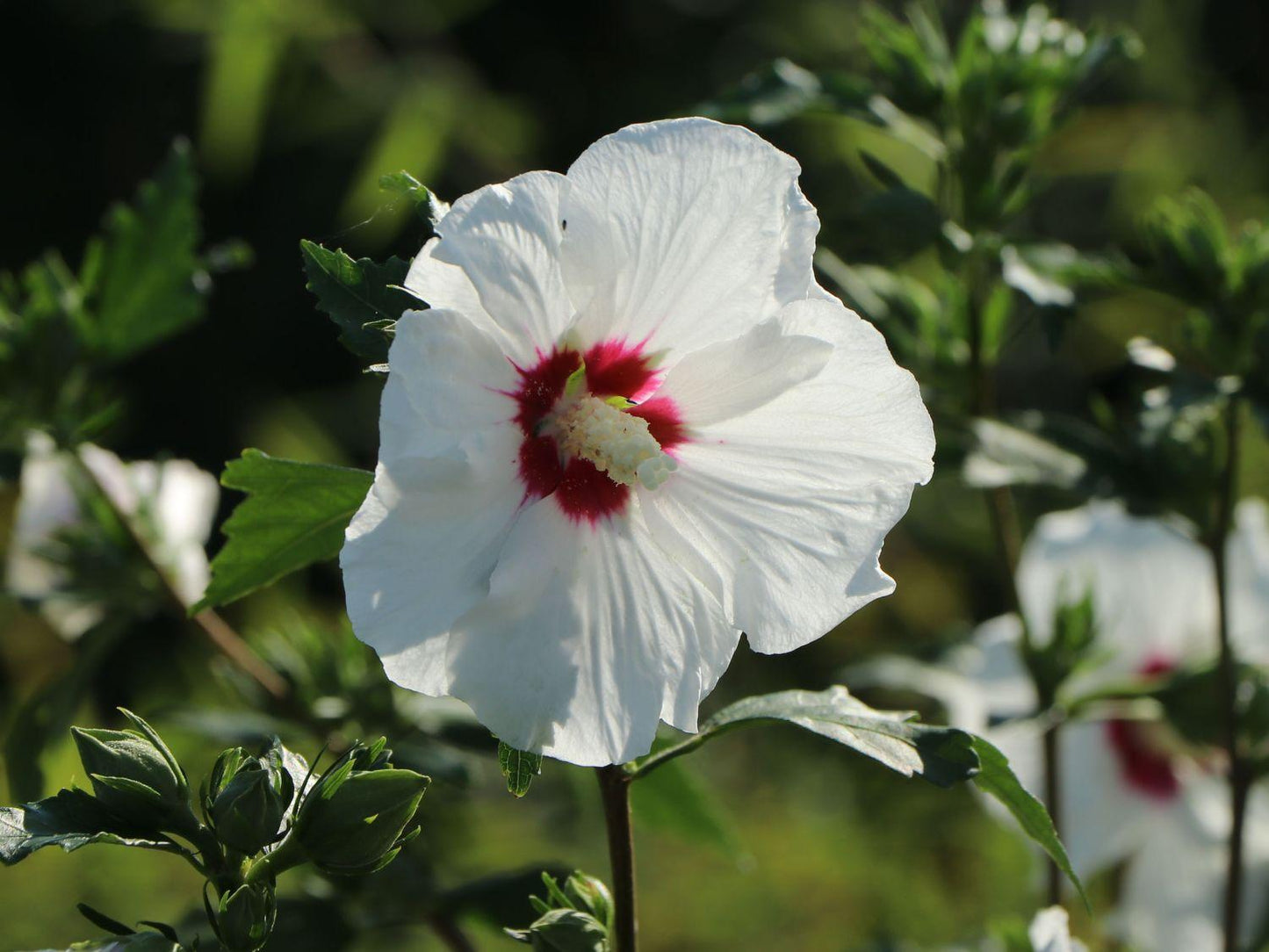
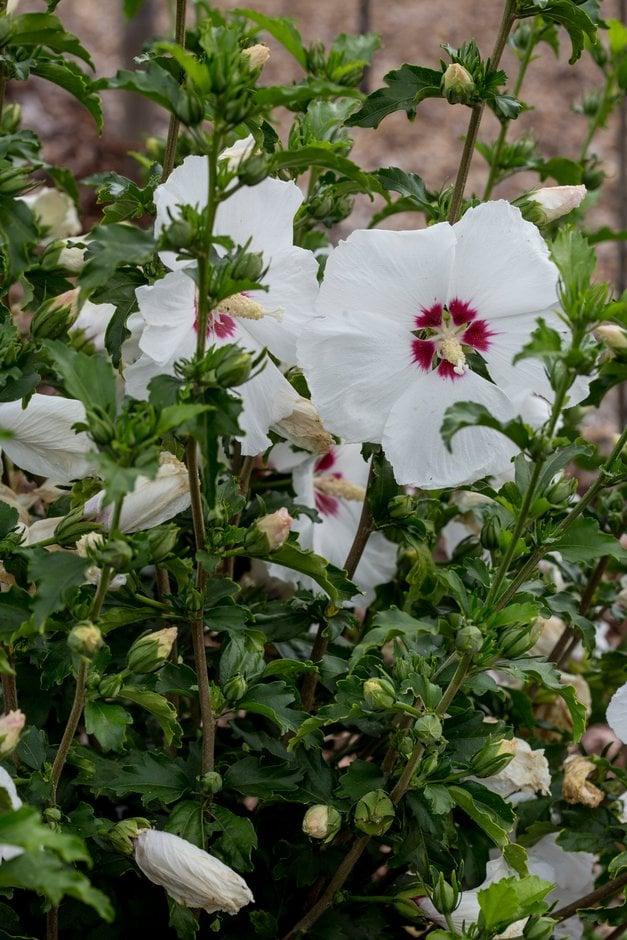
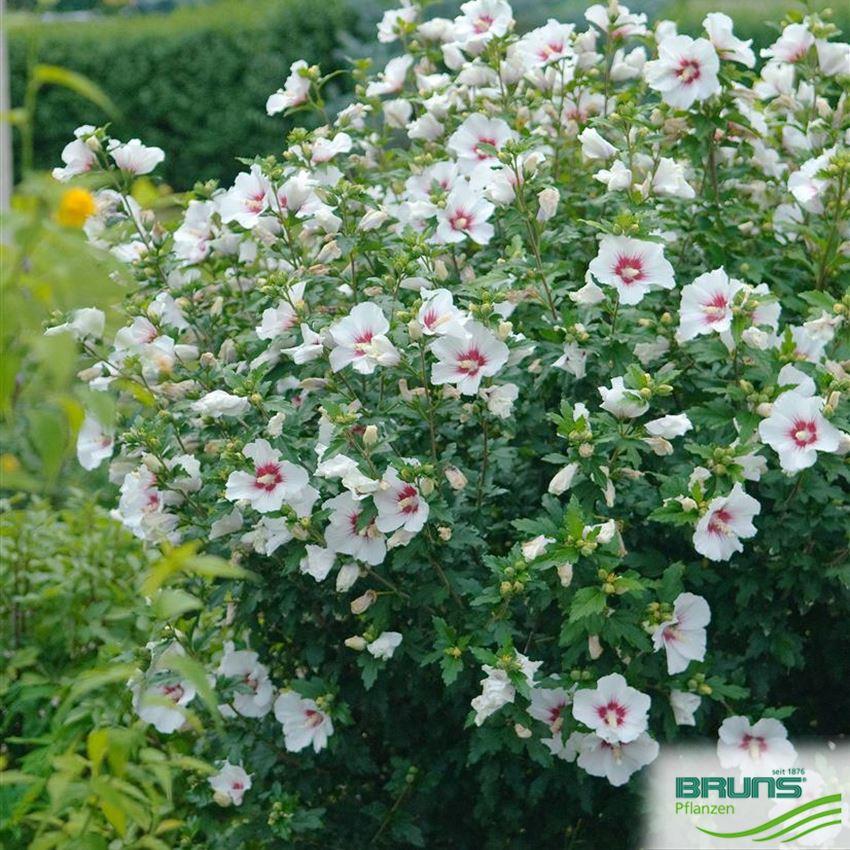
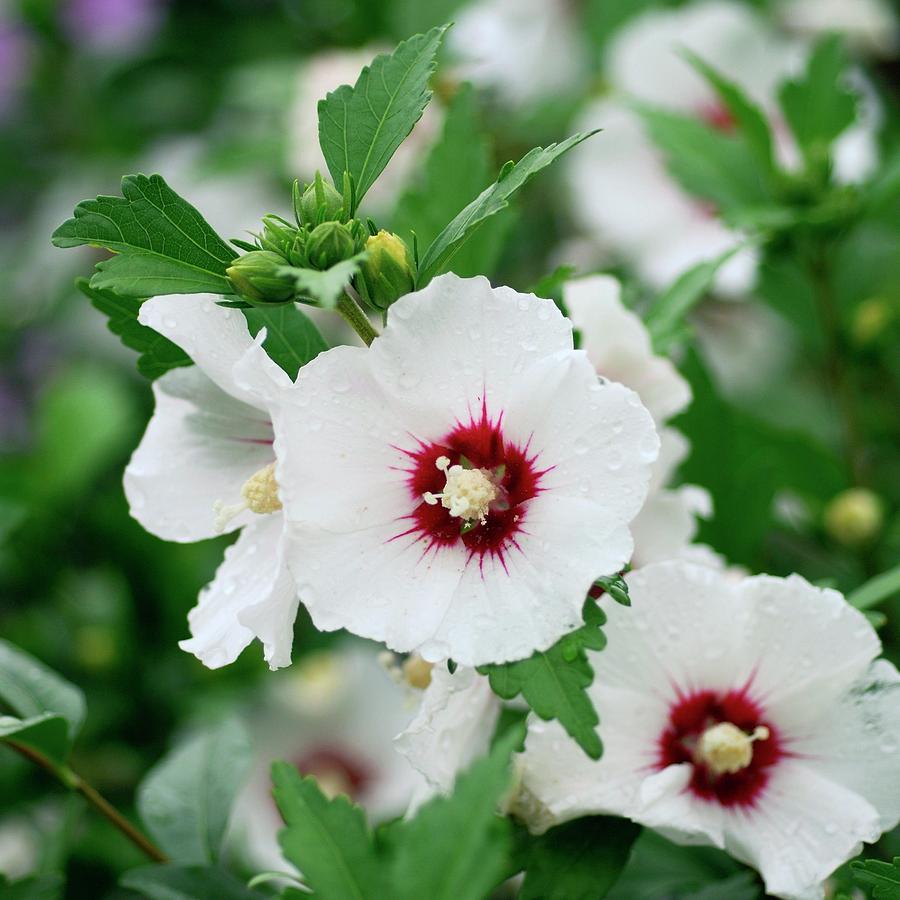
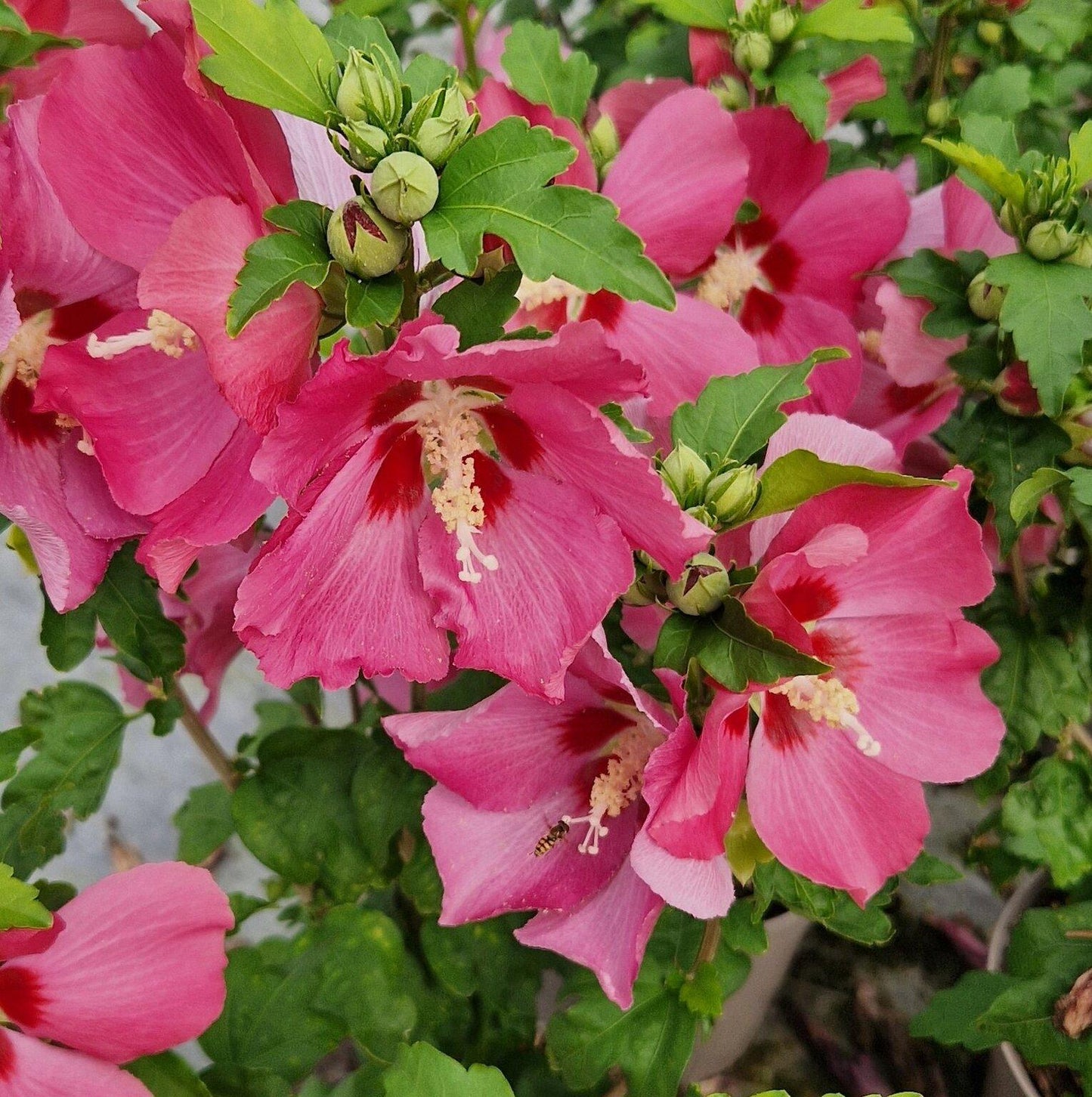
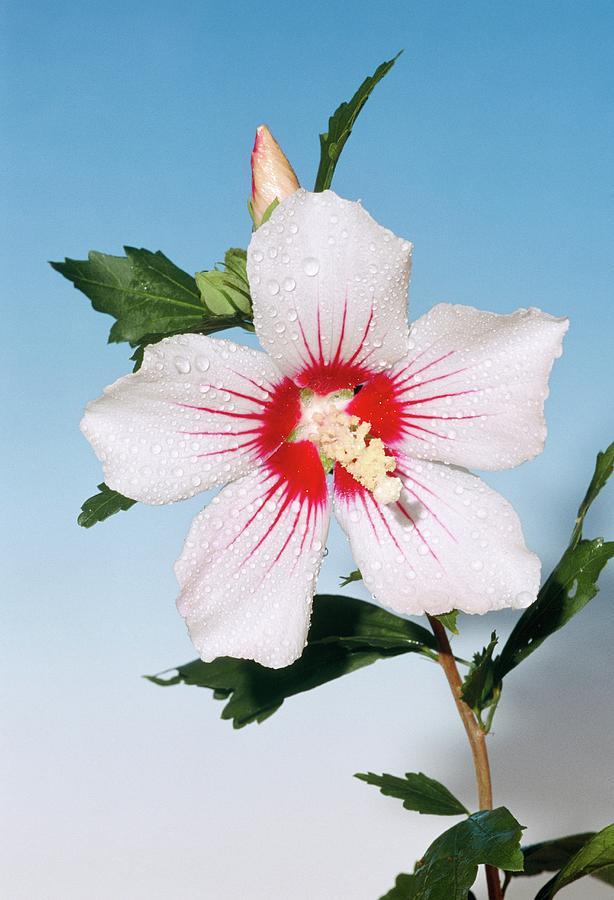
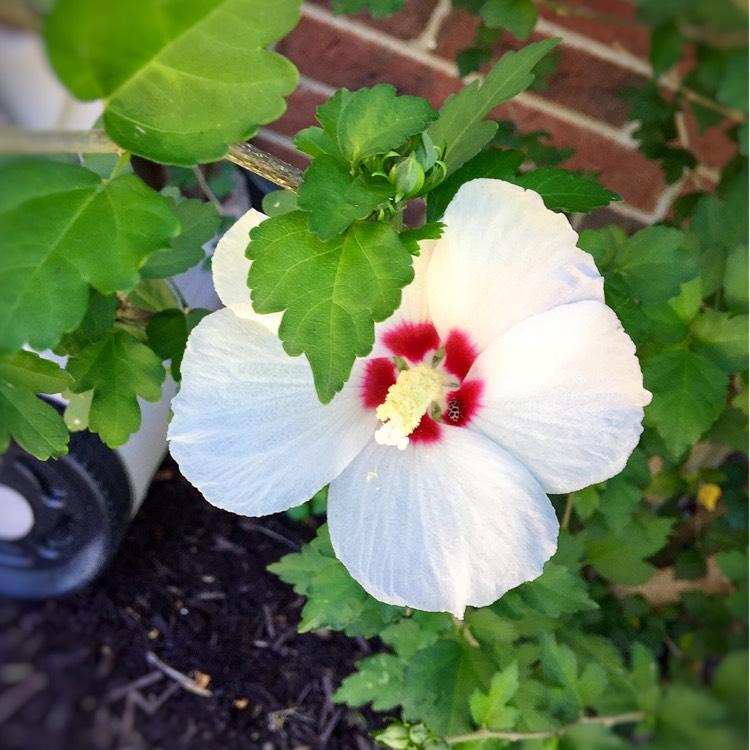
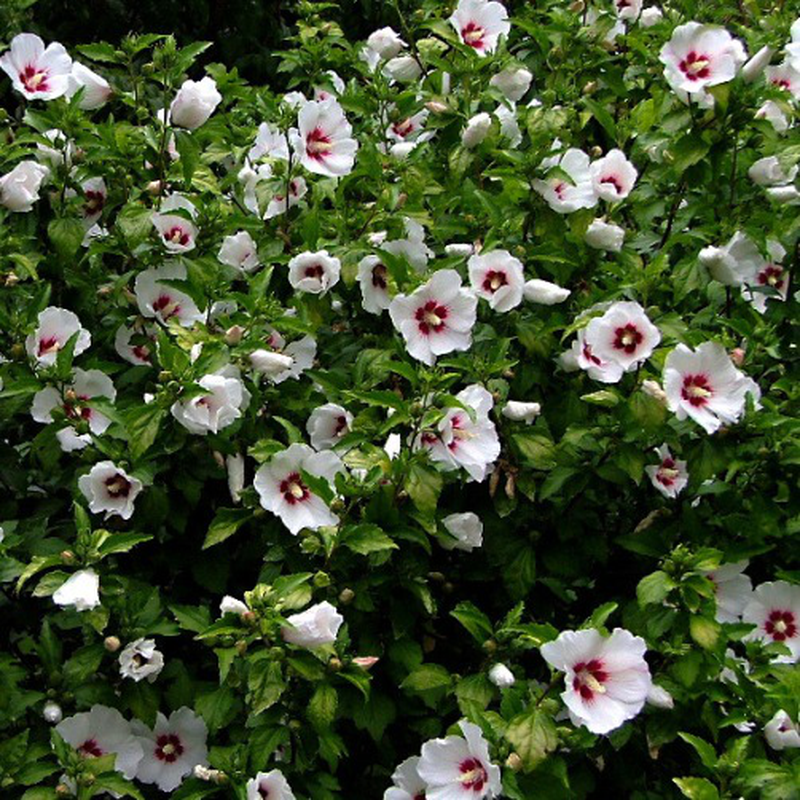
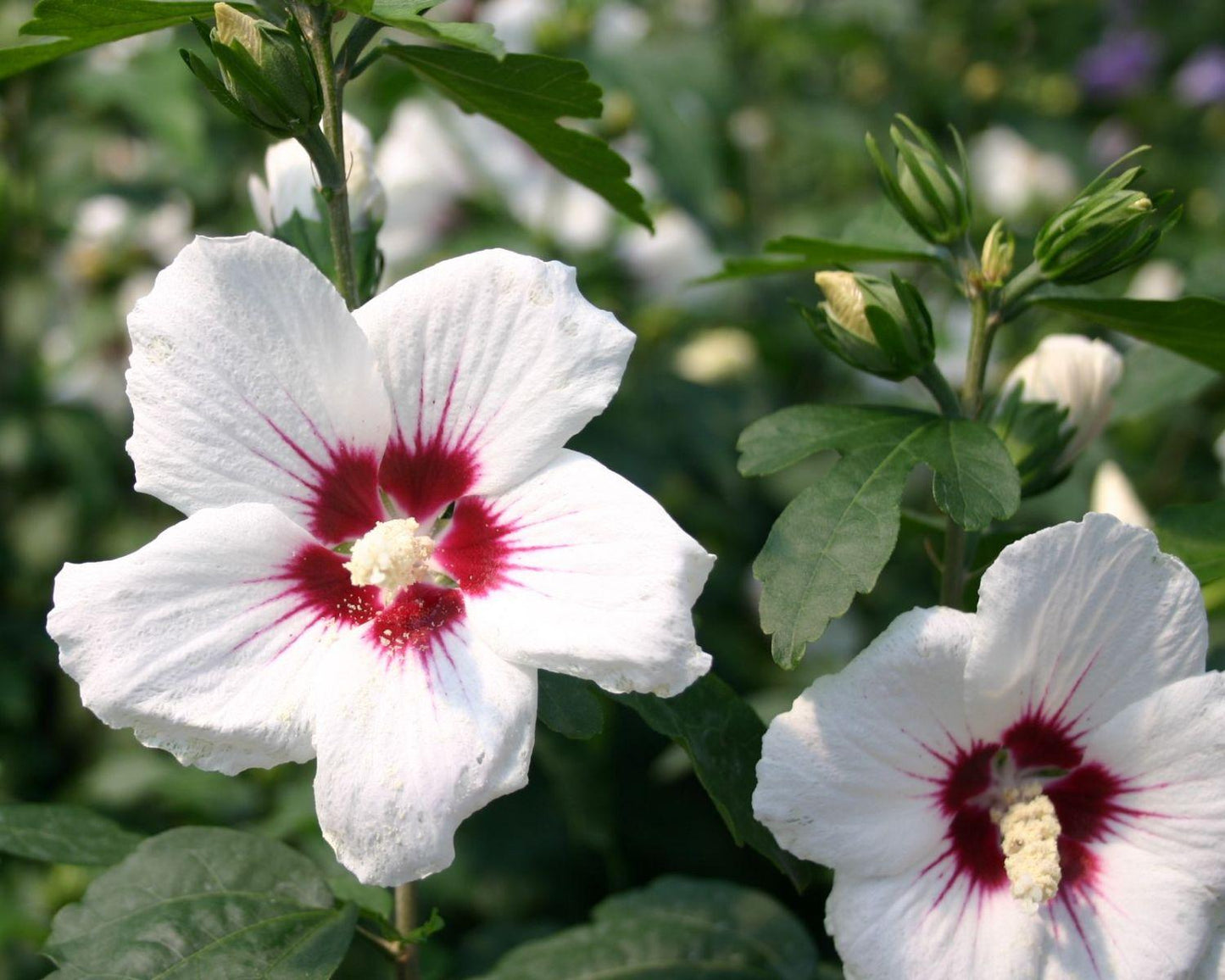
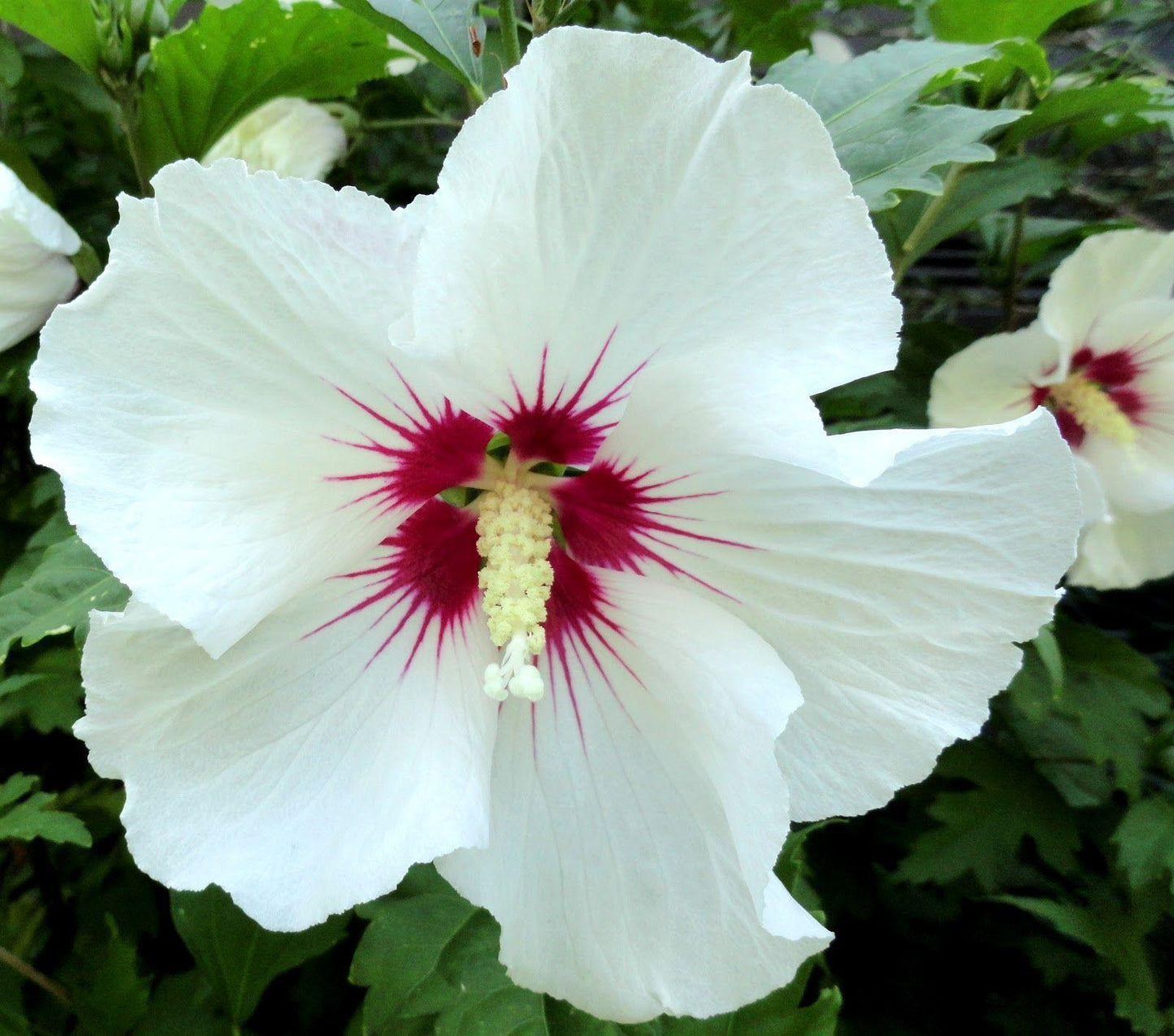
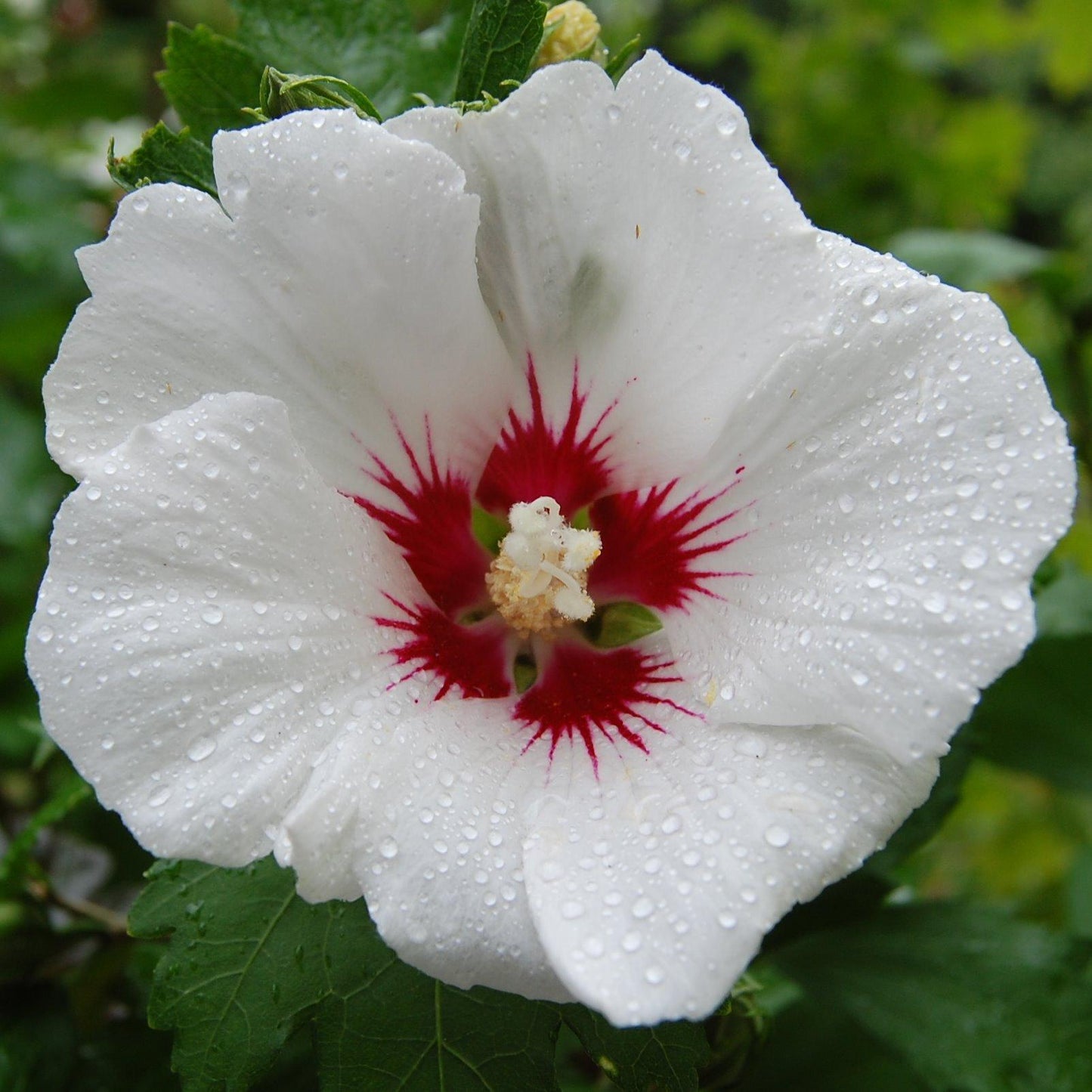
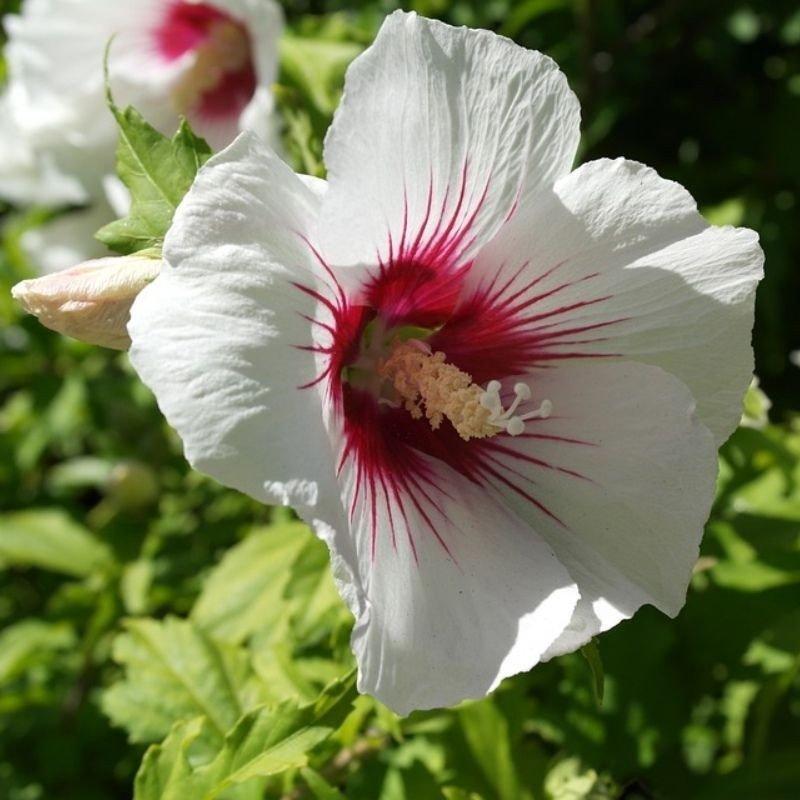
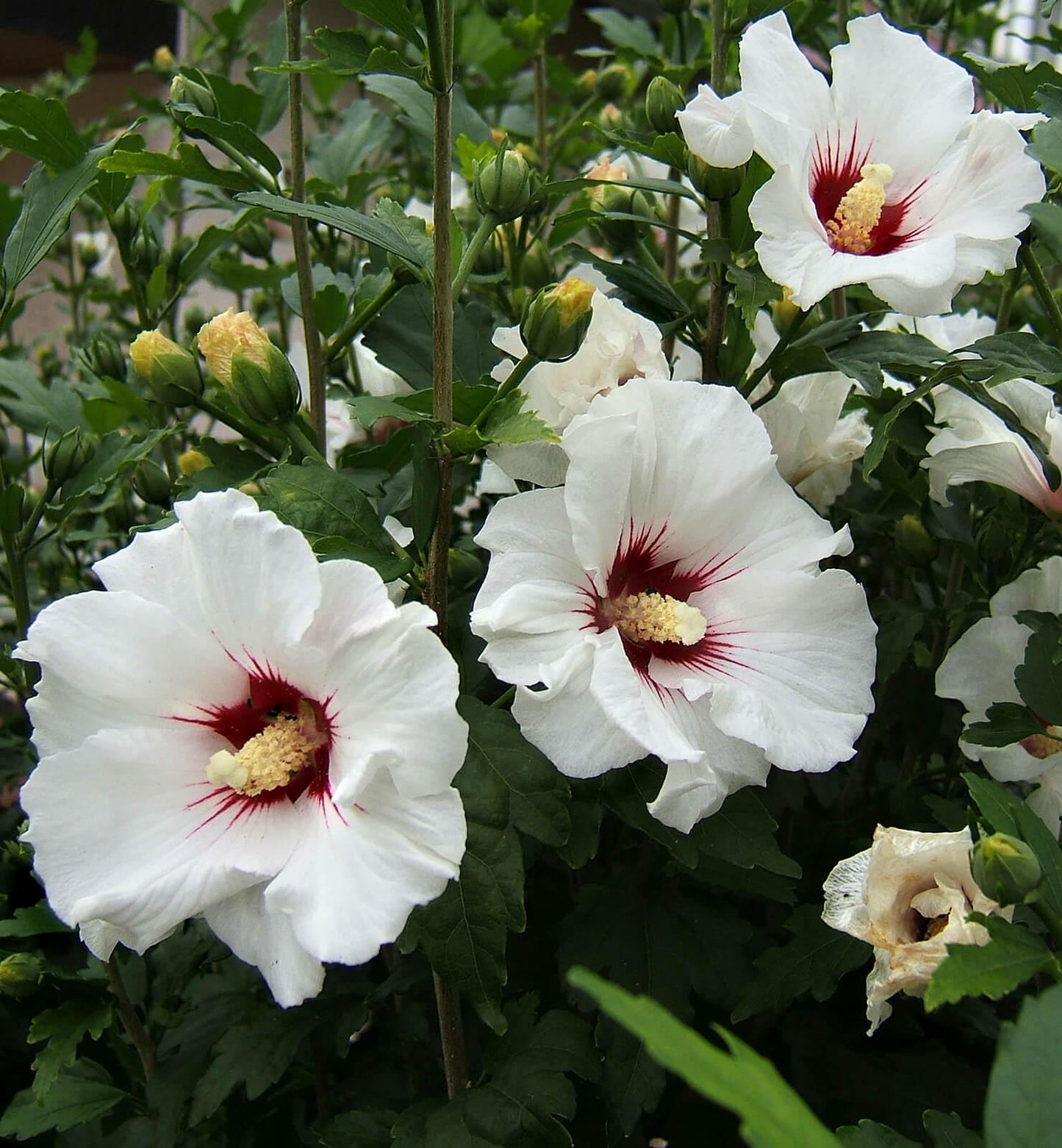
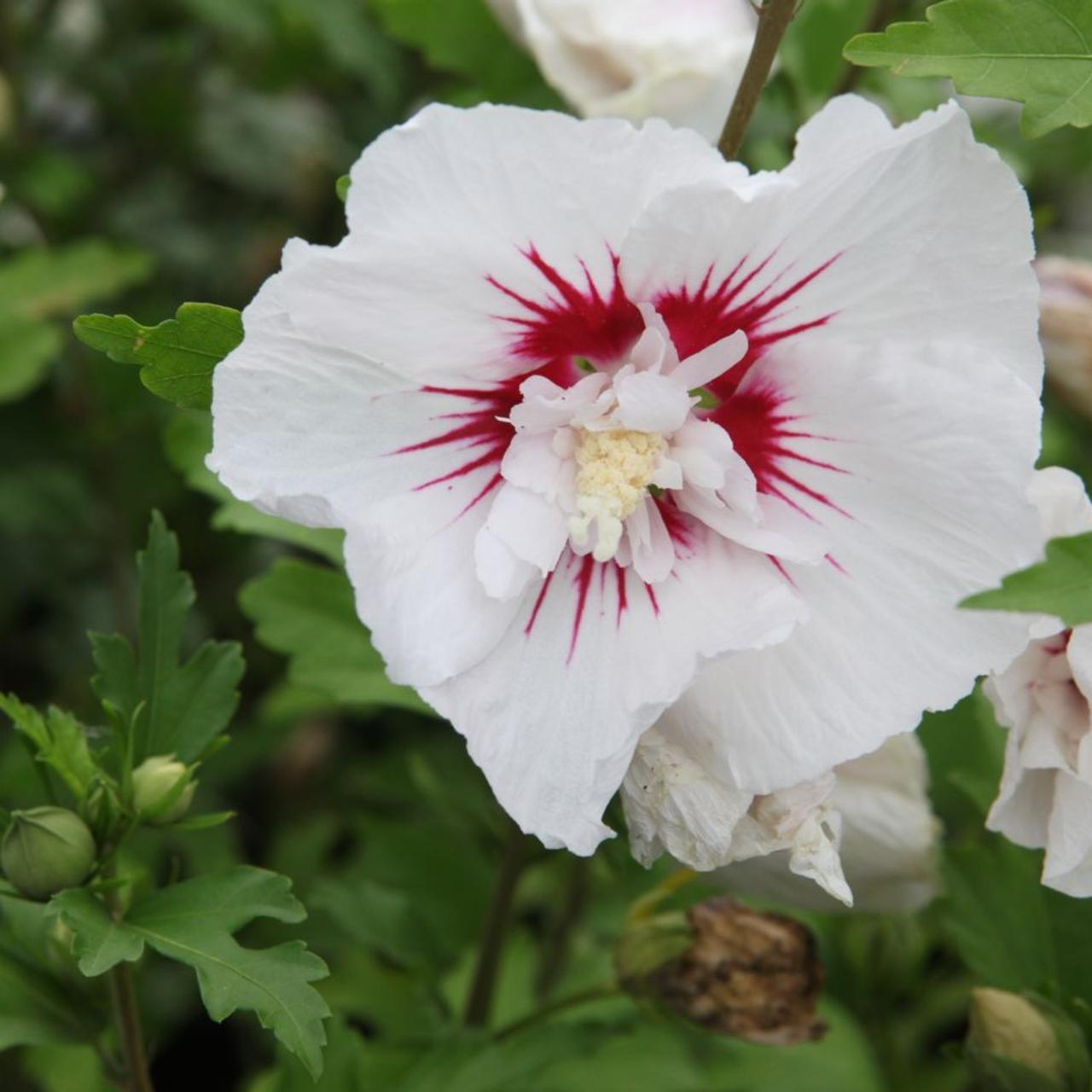
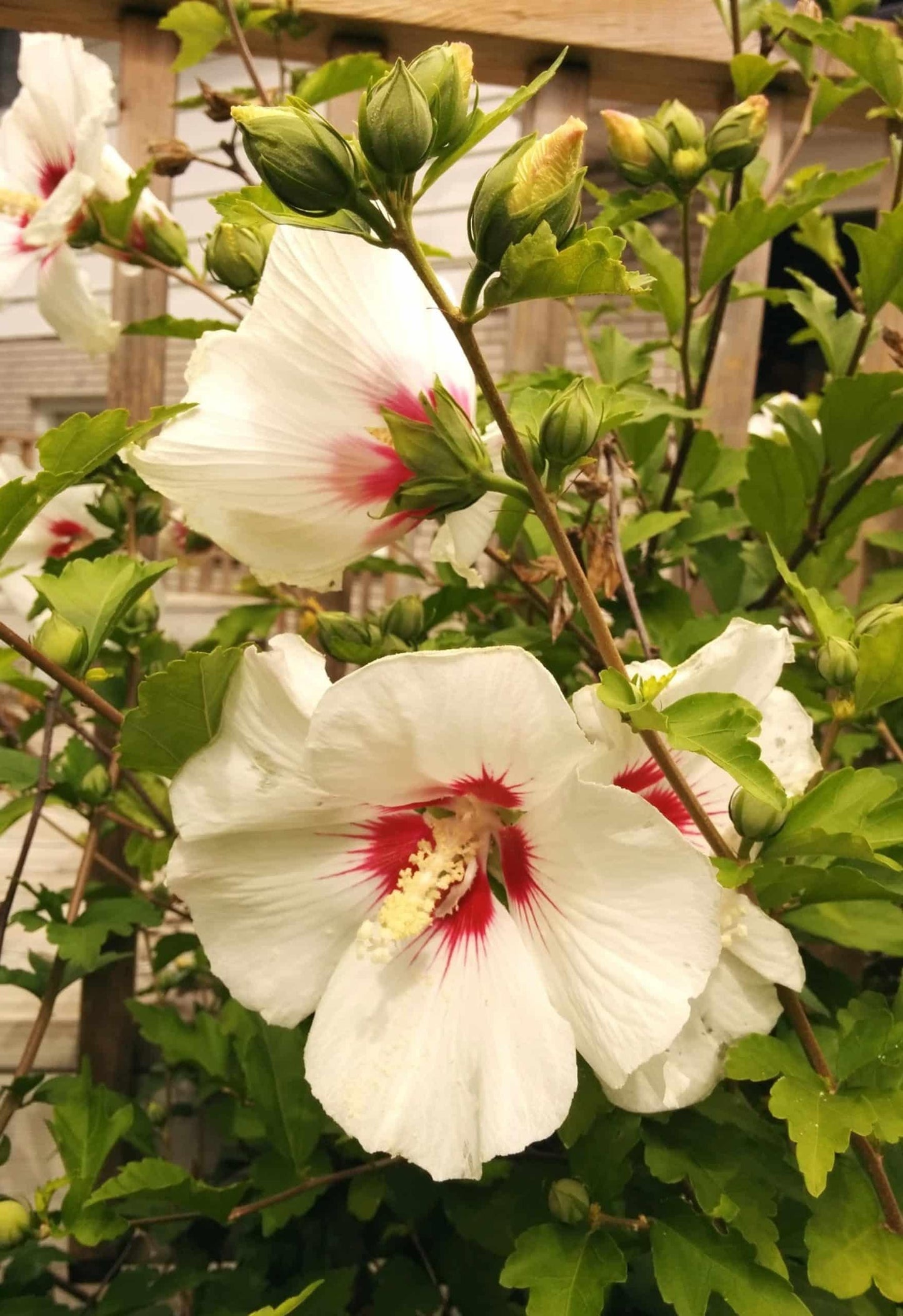
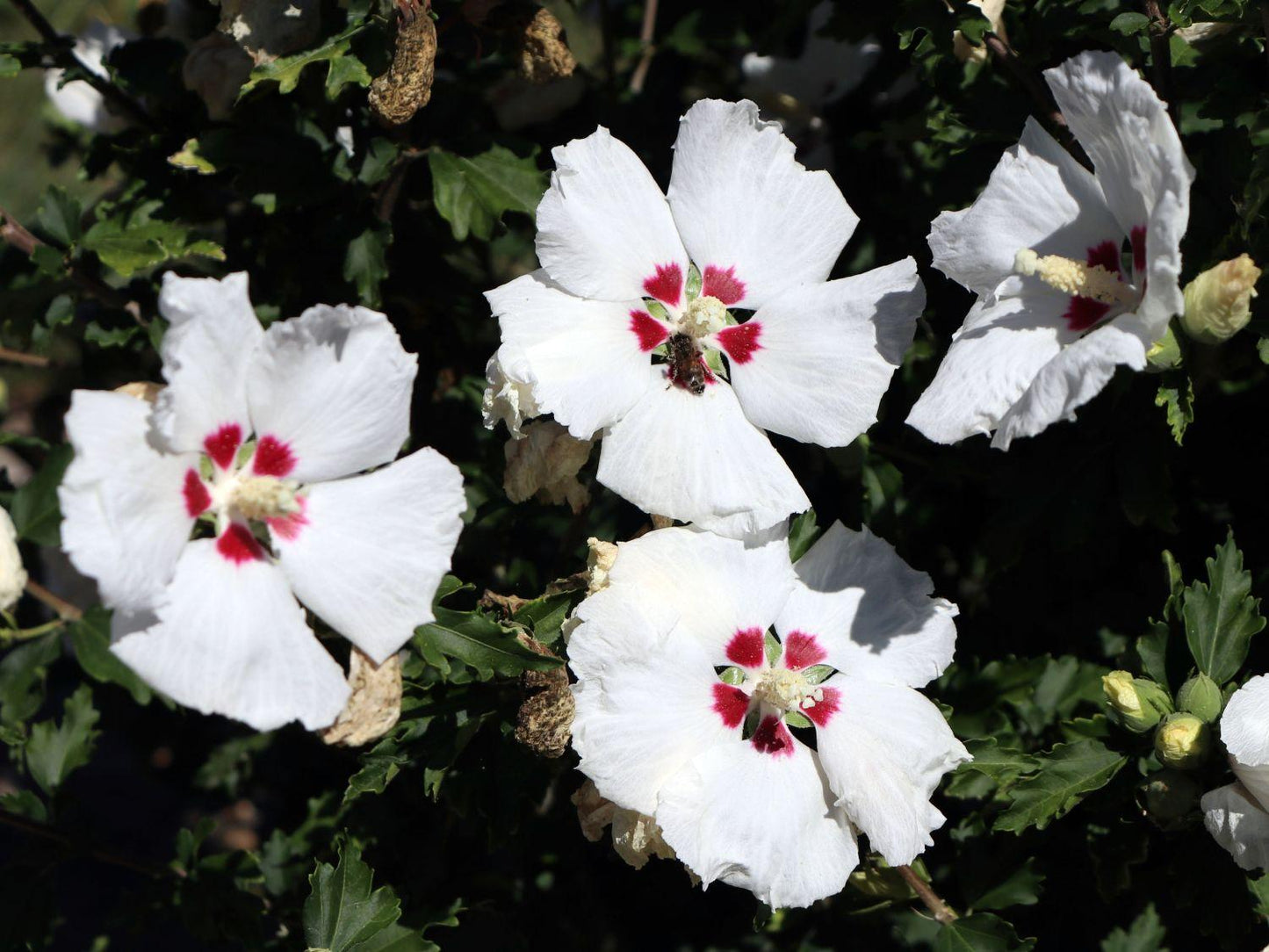
The Red Heart' Rose of Sharon Hibiscus syriacus 'Red Heart' is a flowering deciduous shrub characterized by its vibrant red blossoms and lush green foliage. It typically grows up to 8 feet tall and 6 feet wide, producing large, showy flowers during late summer. The plant is known for its vigorous growth and attractive ornamental appeal.
Suggested Uses
Ideal for garden borders, hedges, and privacy screens. Perfect for adding color and texture to landscape beds and attracting pollinators like hummingbirds and butterflies.
Plant Details
-
 Botanical Name: Red Heart' Rose of Sharon Hibiscus syriacus 'Red Heart'
 -
 Common Name: Red Heart' Rose of Sharon
 -
 Size & Growth: Up to 8 ft tall and 6 ft wide, fast-growing
 -
 Hardiness Zones: 5-9
 -
 Foliage Type: Deciduous
 -
 Bloom Time: Late Summer to Fall
 -
 Growth Rate: Fast
 -
 Light Requirements: Full Sun to Partial Shade
 -
 Attracts Pollinators: Yes
 -
 Indoor Friendly: No
 -
 Container Friendly: Yes, with adequate drainage
 -
 Deer Resistant: Moderately
 -
 Pet Warning: Contains toxins, handle with care
 -
 Fragrant: Yes
 -
 Cut Flower: Yes, suitable for floral arrangements
 -
 Grows Well With: Other flowering shrubs, perennials, and ornamental grasses
Care Tips
-
 Planting Instructions: Plant in spring or early fall in well-drained soil. Space 3-4 feet apart.
 -
 Soil Moisture: Keep evenly moist, avoid drought stress
 -
 Soil Type: Adaptable, prefers loamy, well-drained soil
 -
 Humidity: Moderate
 -
 Pruning Instructions: Remove dead or crossing branches in late winter or early spring
 -
 Winter Care: Mulch for protection in colder zones
 -
 Planting Depth: Plant at same depth as in nursery container
 -
 Fertilization: Apply a balanced fertilizer in early spring
 -
 Special Care: Monitor for pests like aphids and Japanese beetles, control as needed