

RedCrocus Tardiva' Panicle Hydrangea- Deciduous Shrub with Large Conical Blooms, Attracts Pollinators, Full Sun/Partial Shade, Non-Toxic, Container Friendly 4/5' h B&B
RedCrocus Tardiva' Panicle Hydrangea- Deciduous Shrub with Large Conical Blooms, Attracts Pollinators, Full Sun/Partial Shade, Non-Toxic, Container Friendly 4/5' h B&B
Regular price
$980.00 USD
Regular price
$1,274.00 USD
Sale price
$980.00 USD
Unit price
per
Shipping calculated at checkout.
SKU:nsf2071-redcrocus
Couldn't load pickup availability
Tardiva' Panicle Hydrangea Hydrangea paniculata 'Tardiva'
Description
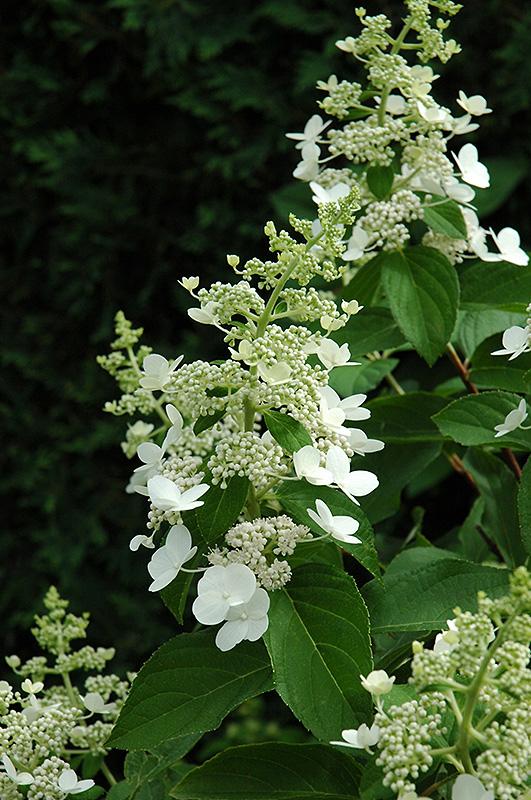
A deciduous shrub known for its large, conical flower clusters that bloom from mid-summer to fall. The Tardiva' Panicle Hydrangea features upright growth and lush green foliage, providing a striking focal point in gardens.
Suggested Uses
Ideal for border planting, mass displays, or as a specimen shrub in gardens and landscapes. It also works well in mixed shrub borders and can be used to provide seasonal interest and attract pollinators.
Plant Details
-
 Botanical Name: Tardiva' Panicle Hydrangea Hydrangea paniculata 'Tardiva'
 -
 Common Name: Tardiva' Panicle Hydrangea
 -
 Size & Growth: Typically reaches 6-8 feet in height with a similar spread, with upright, dense growth habits.
 -
 Hardiness Zones: 3-8
 -
 Foliage Type: Deciduous
 -
 Bloom Time: Mid to late summer through fall
 -
 Growth Rate: Moderate
 -
 Light Requirements: Full sun to partial shade
 -
 Attracts Pollinators: Yes
 -
 Indoor Friendly: No
 -
 Container Friendly: Yes, with proper pruning
 -
 Deer Resistant: Yes
 -
 Pet Warning: Non-toxic
 -
 Fragrant: Yes
 -
 Cut Flower: Yes
 -
 Grows Well With: Roses, ornamental grasses, other perennials
Care Tips
-
 Planting Instructions: Plant in well-drained, moist soil in a location with full sun to partial shade. Space plants approximately 5-6 feet apart.
 -
 Soil Moisture: Keep consistently moist, especially during dry periods.
 -
 Soil Type: Prefers rich, well-drained loam.
 -
 Humidity: Tolerant of average garden humidity.
 -
 Pruning Instructions: Prune immediately after flowering to shape and encourage new growth for next season's blooms.
 -
 Winter Care: Apply mulch around the roots in colder zones; prune in late winter or early spring if necessary.
 -
 Planting Depth: Plant so that the top of the root ball is level with the soil surface.
 -
 Fertilization: Feed in early spring with a balanced, slow-release fertilizer.
 -
 Special Care: Mulch to retain soil moisture and protect roots during winter.