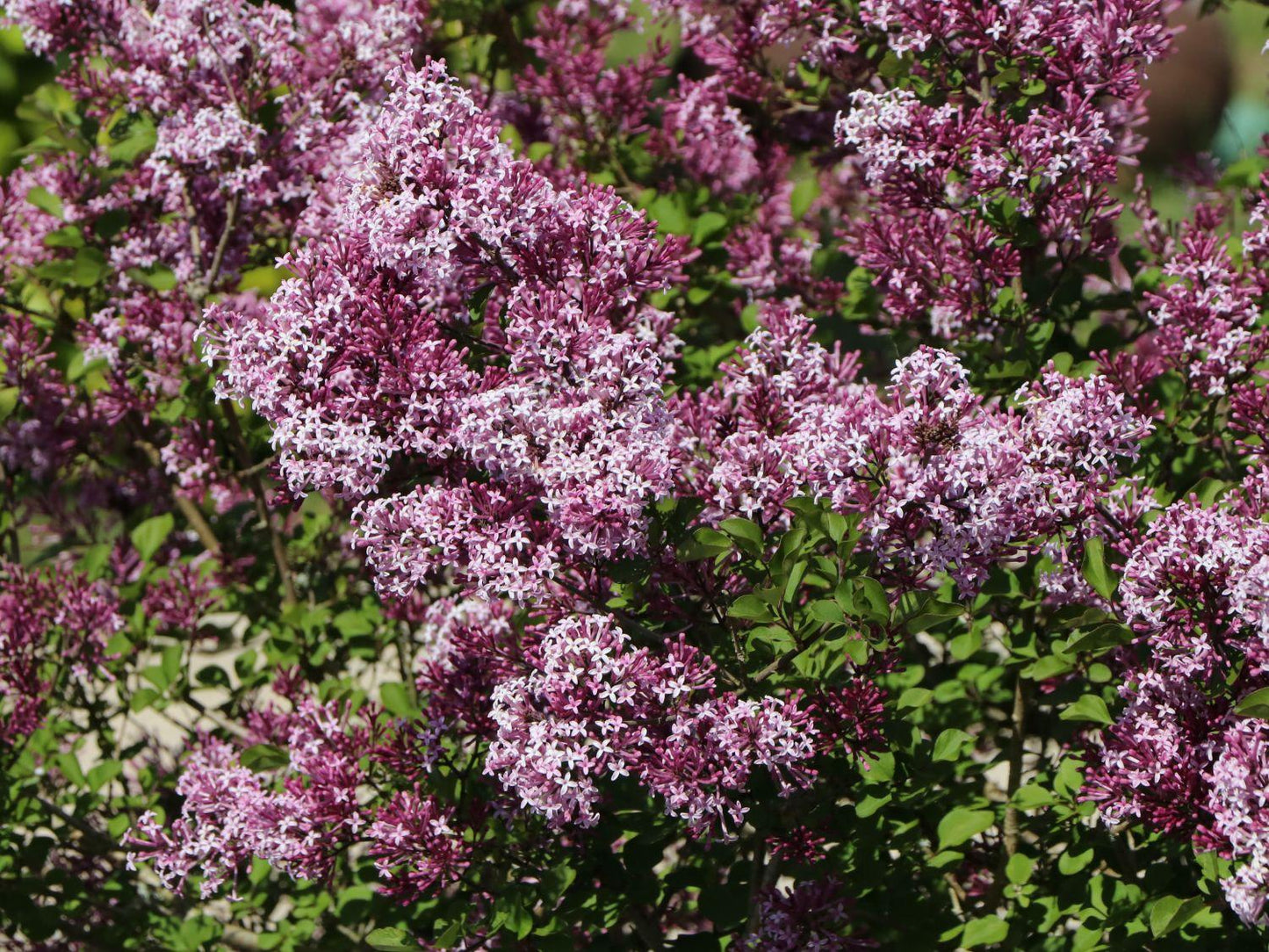


RedCrocus Palibin' Dwarf Korean Lilac Syringa meyeri 'Palibin' | Fragrant, Compact Shrub | Attracts Pollinators | Well-Drained Soil | Garden & Container Use 7 Gallon
RedCrocus Palibin' Dwarf Korean Lilac Syringa meyeri 'Palibin' | Fragrant, Compact Shrub | Attracts Pollinators | Well-Drained Soil | Garden & Container Use 7 Gallon
Regular price
$332.00 USD
Regular price
$431.60 USD
Sale price
$332.00 USD
Unit price
per
Shipping calculated at checkout.
SKU:nsf0470-redcrocus
Couldn't load pickup availability
Palibin' Dwarf Korean Lilac Syringa meyeri 'Palibin'
Description
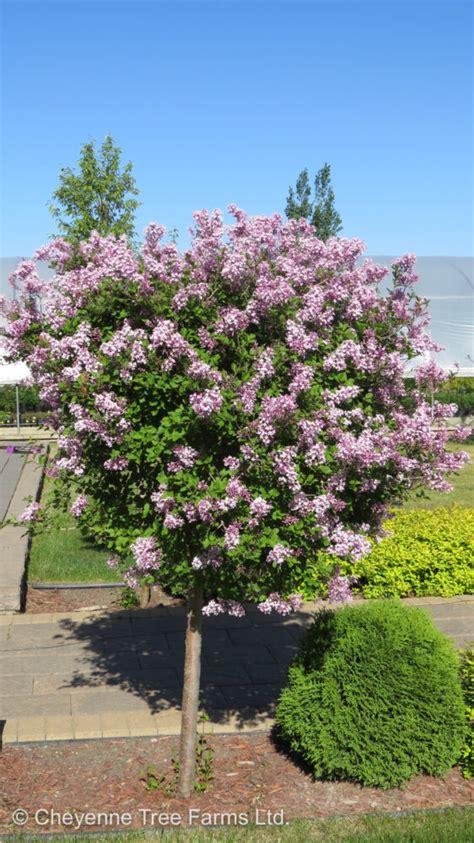
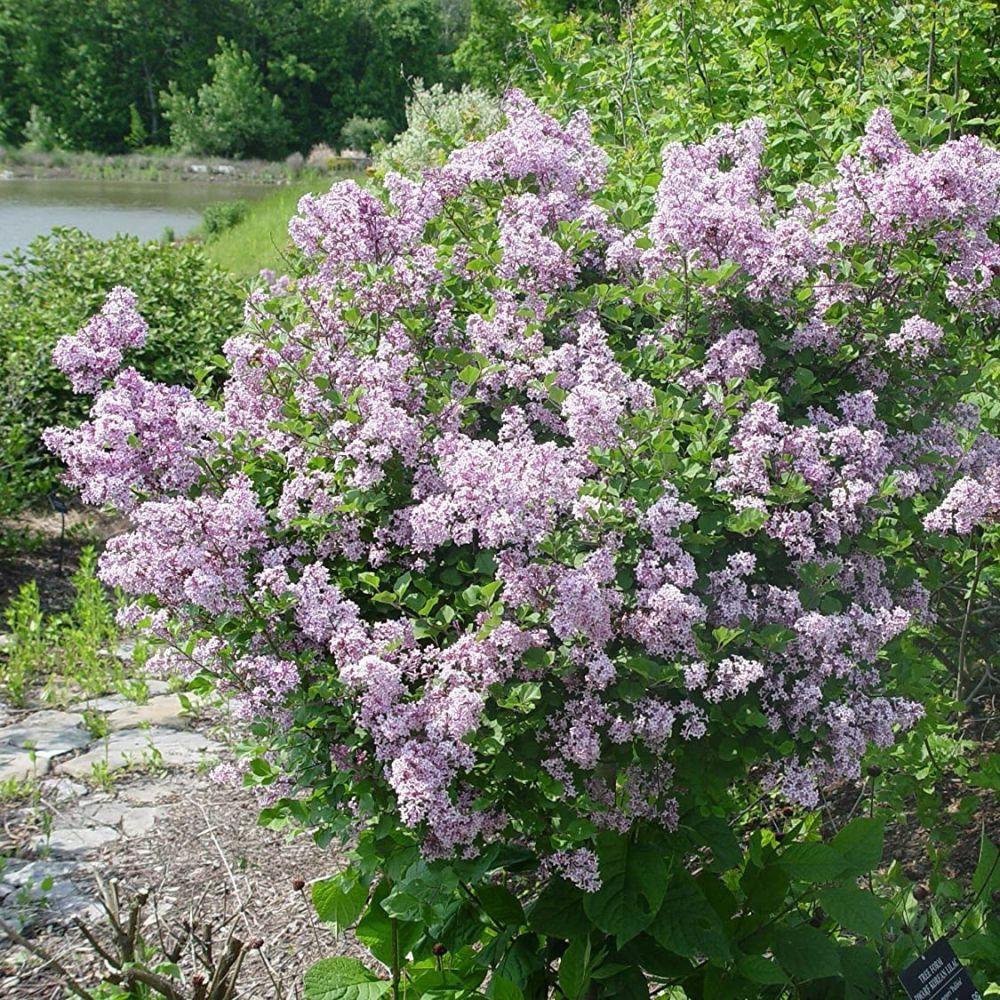
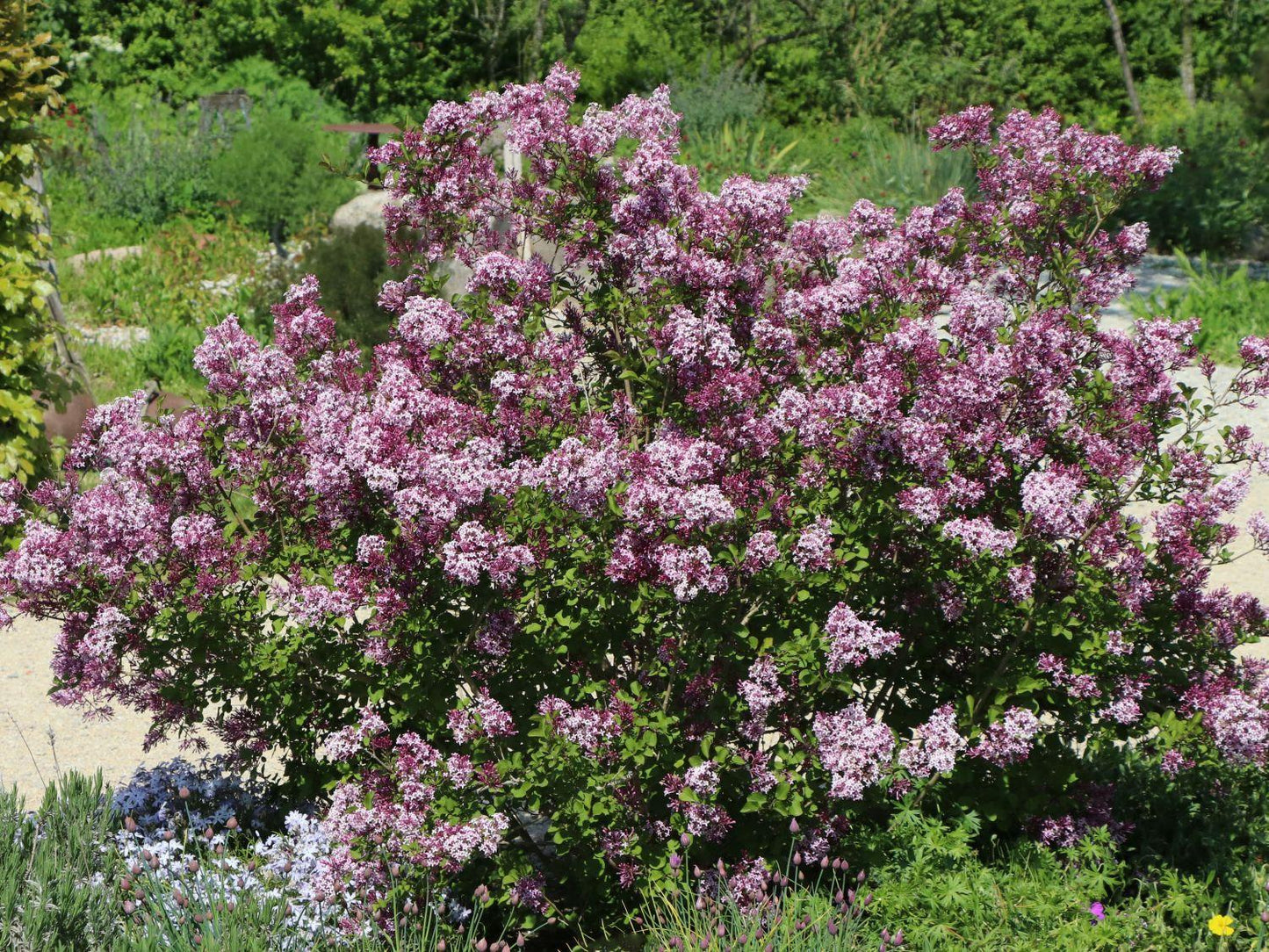
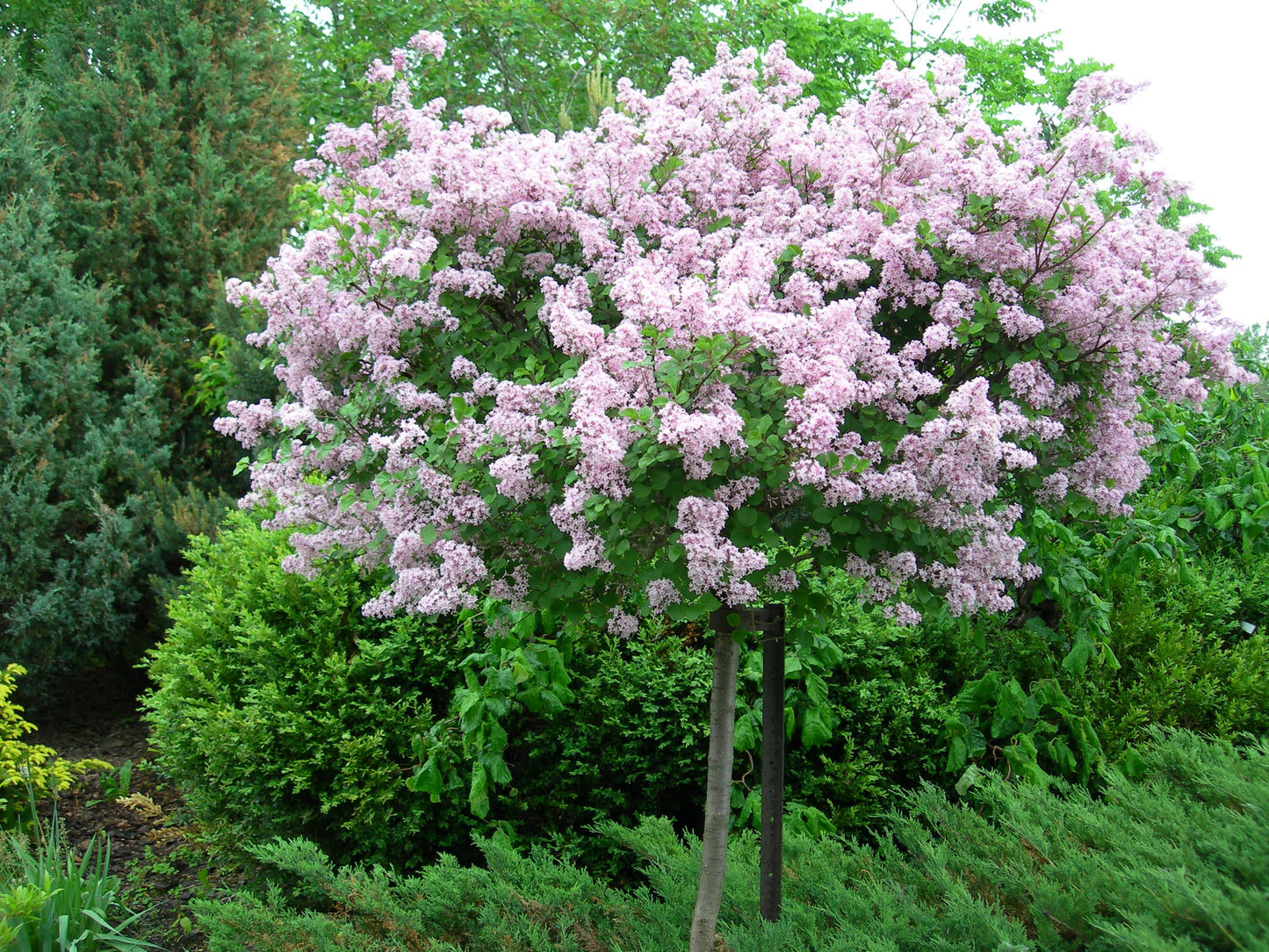
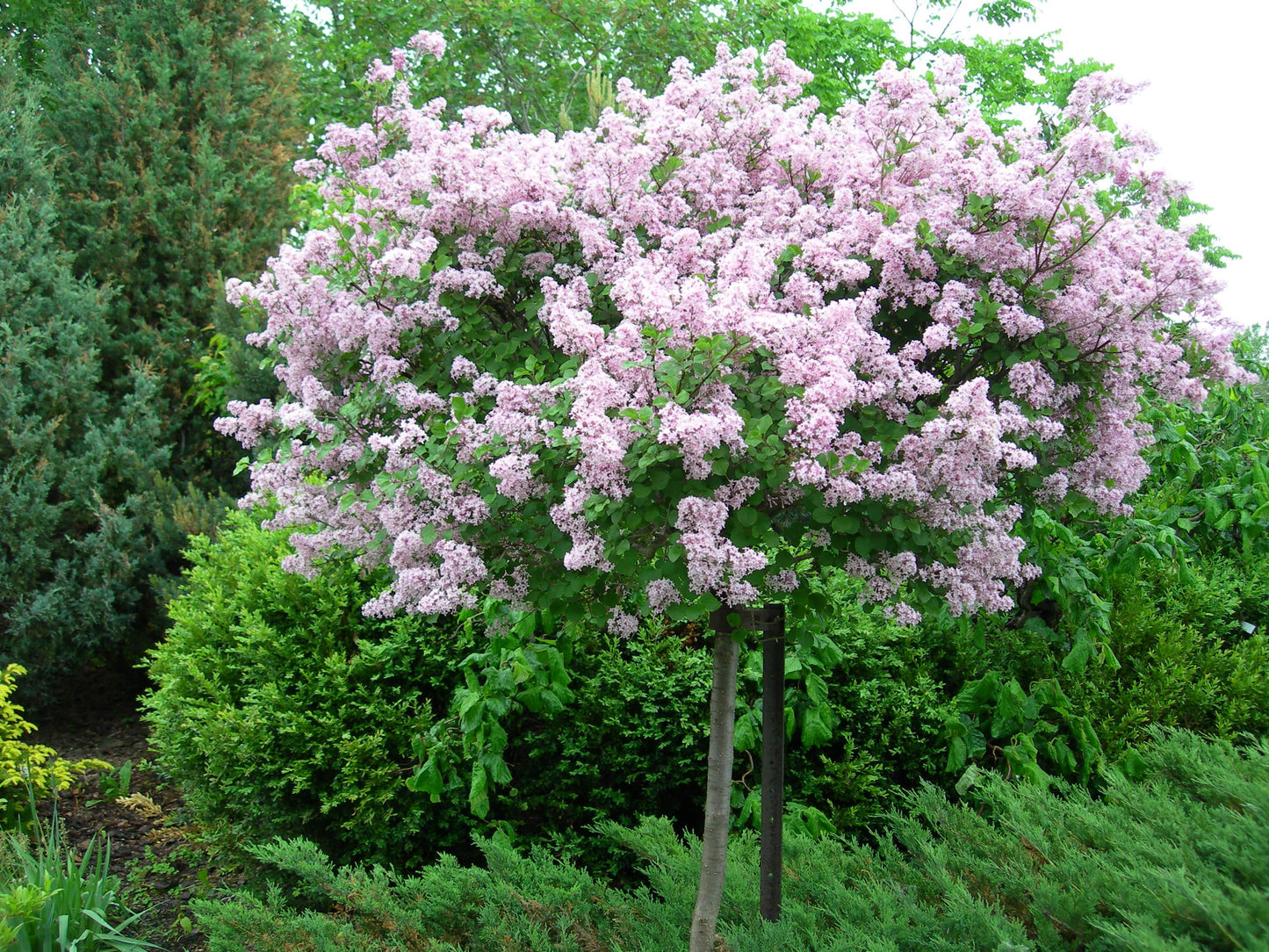
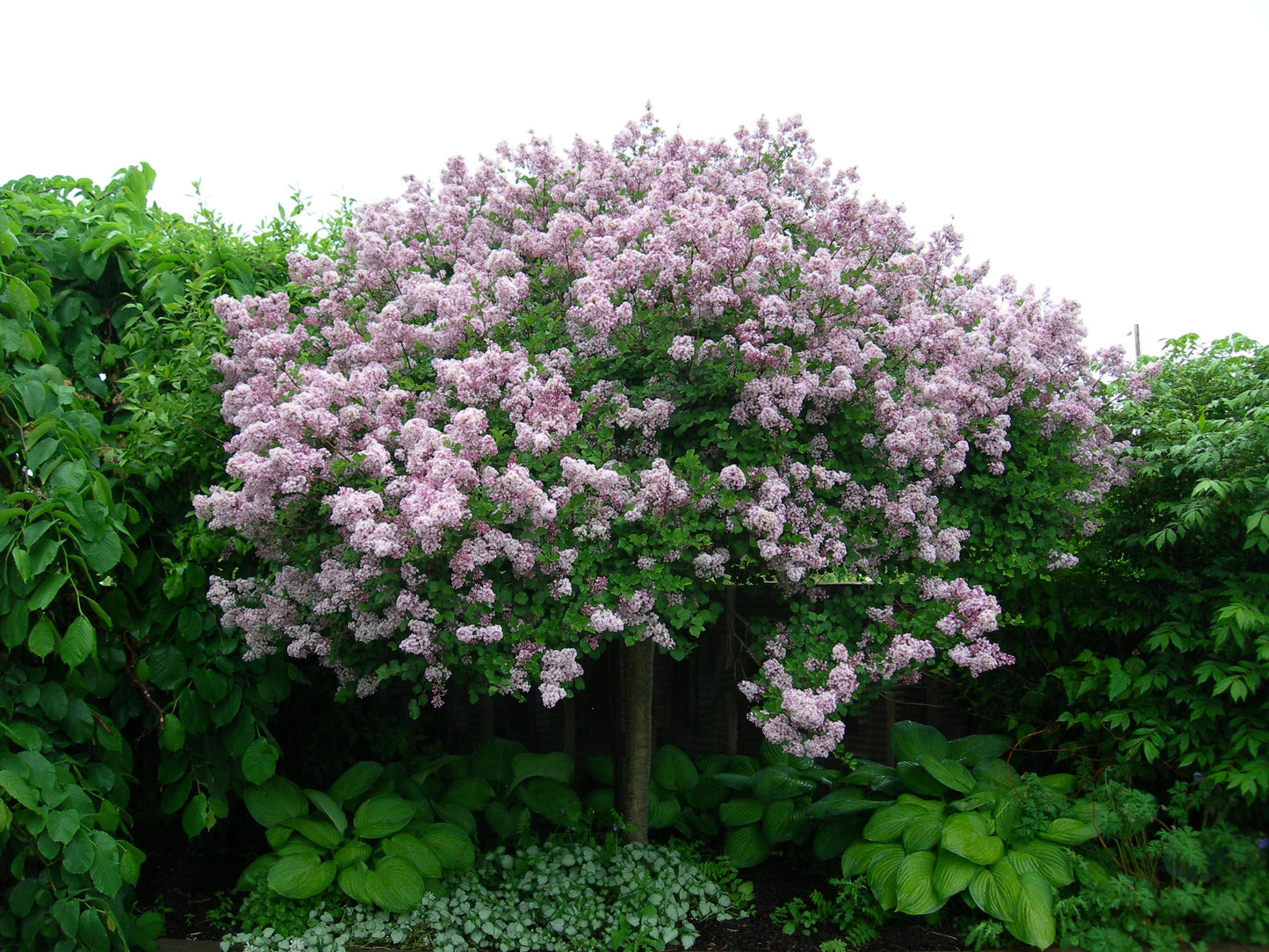
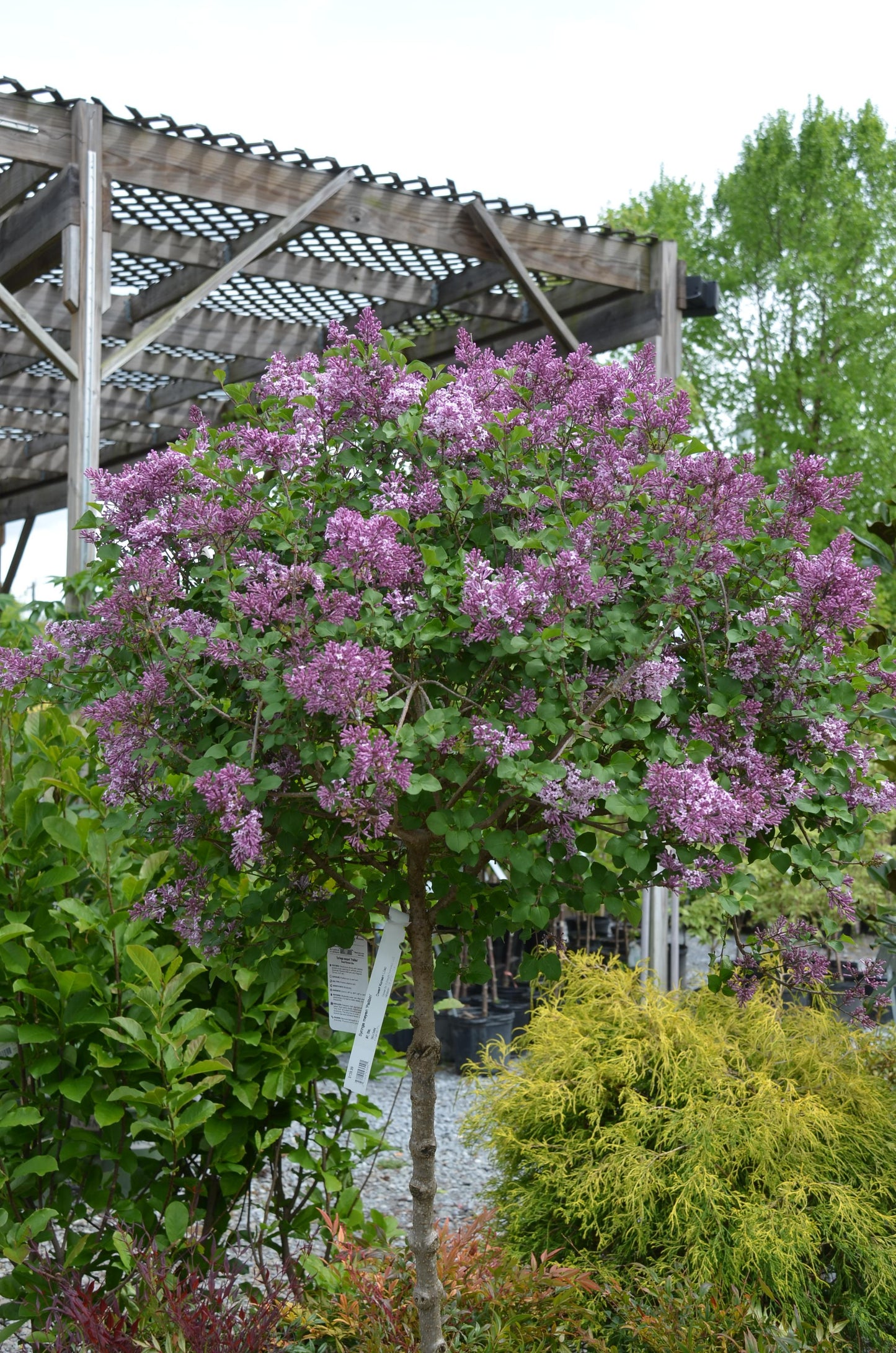
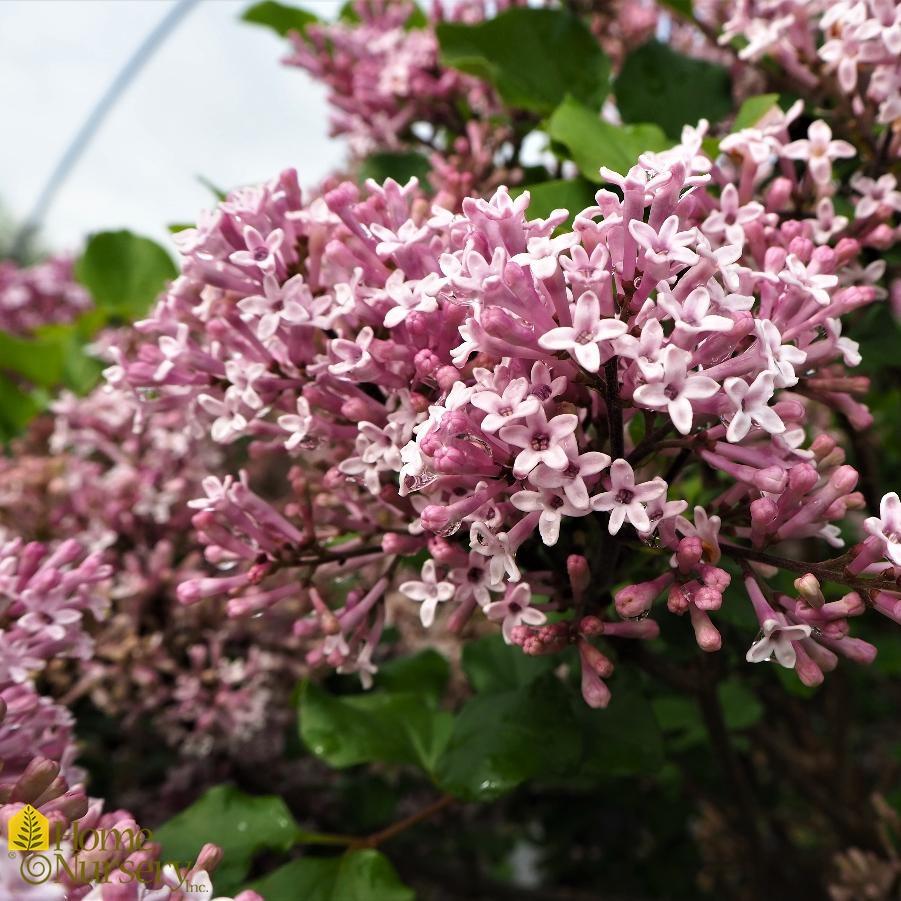
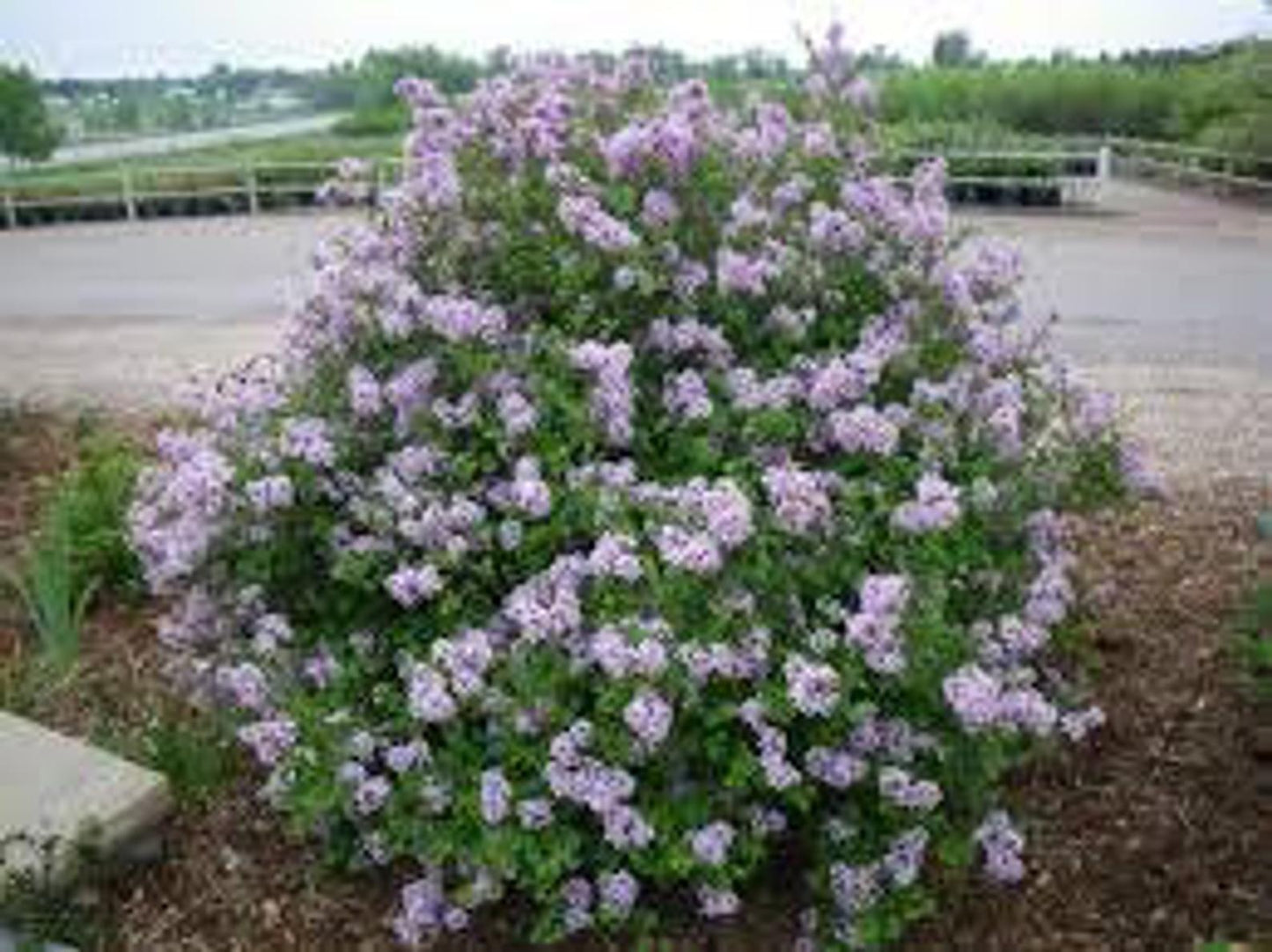
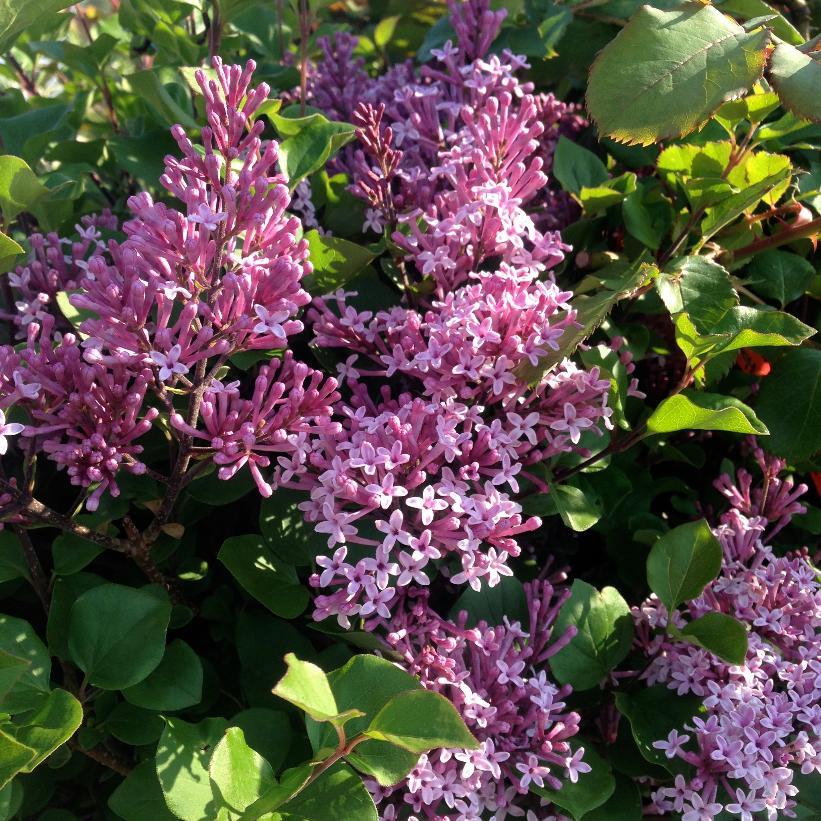
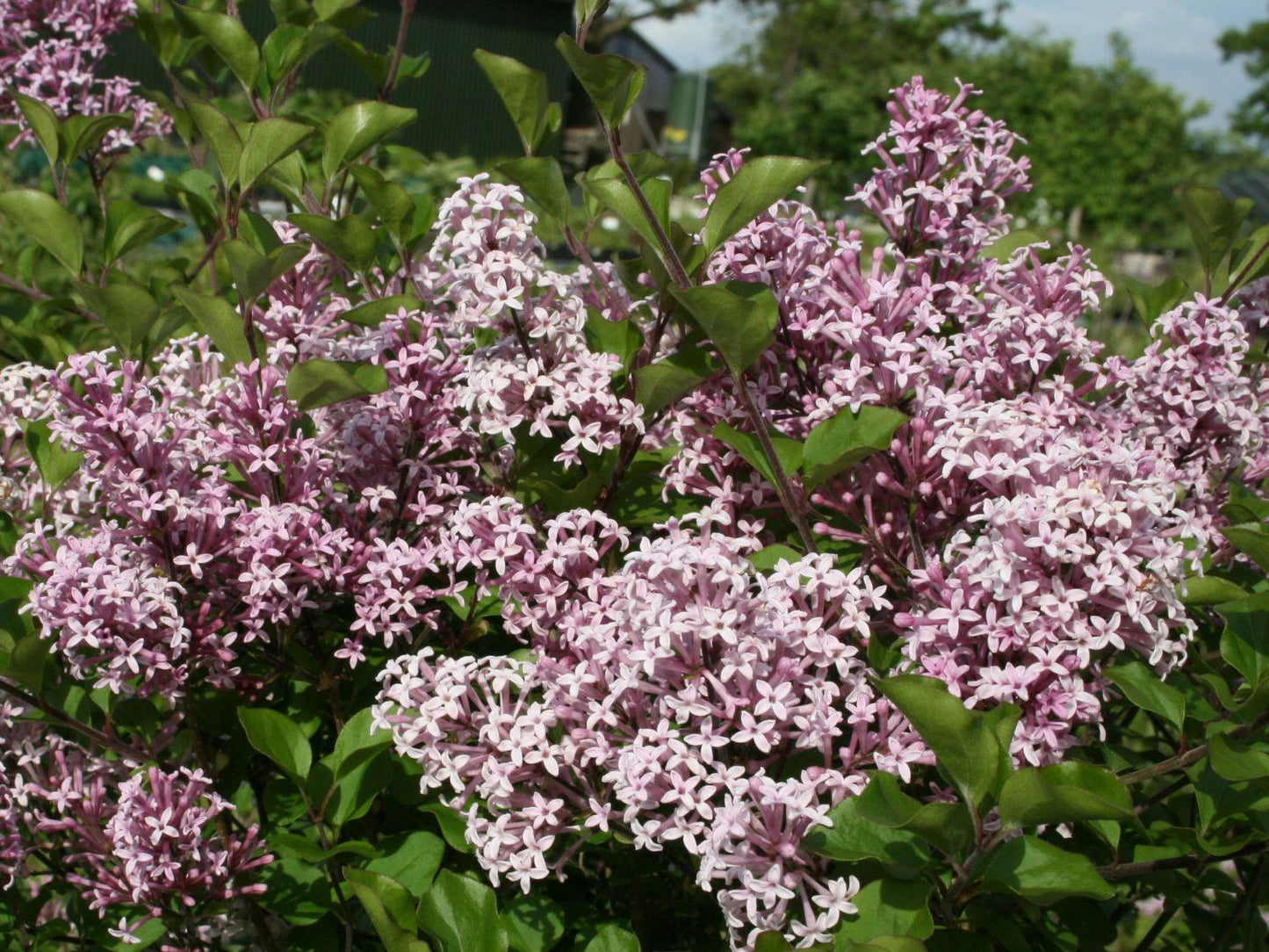
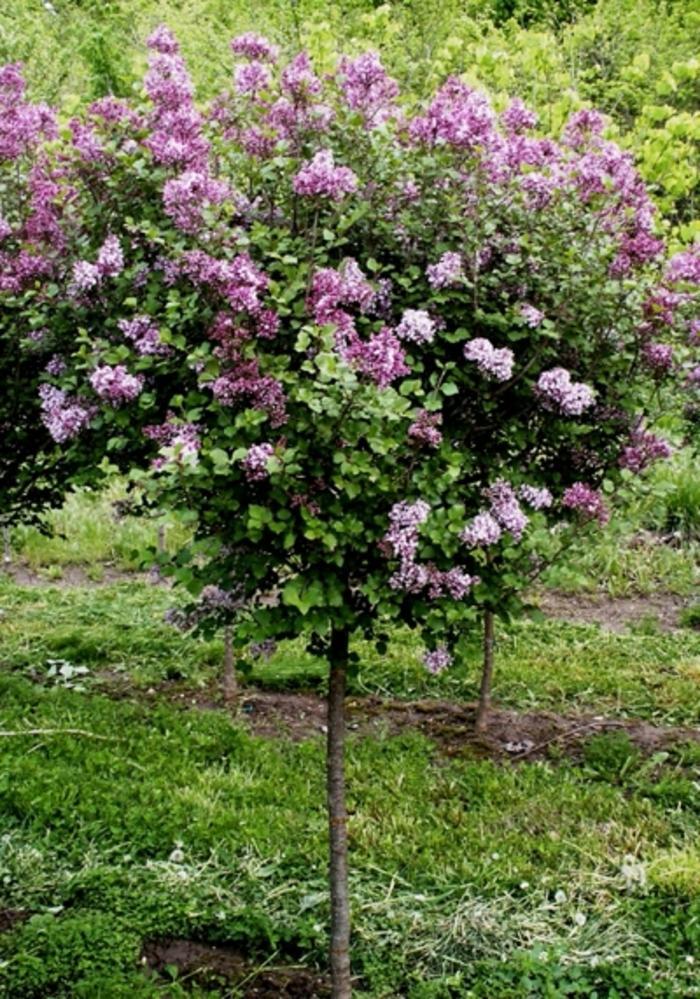
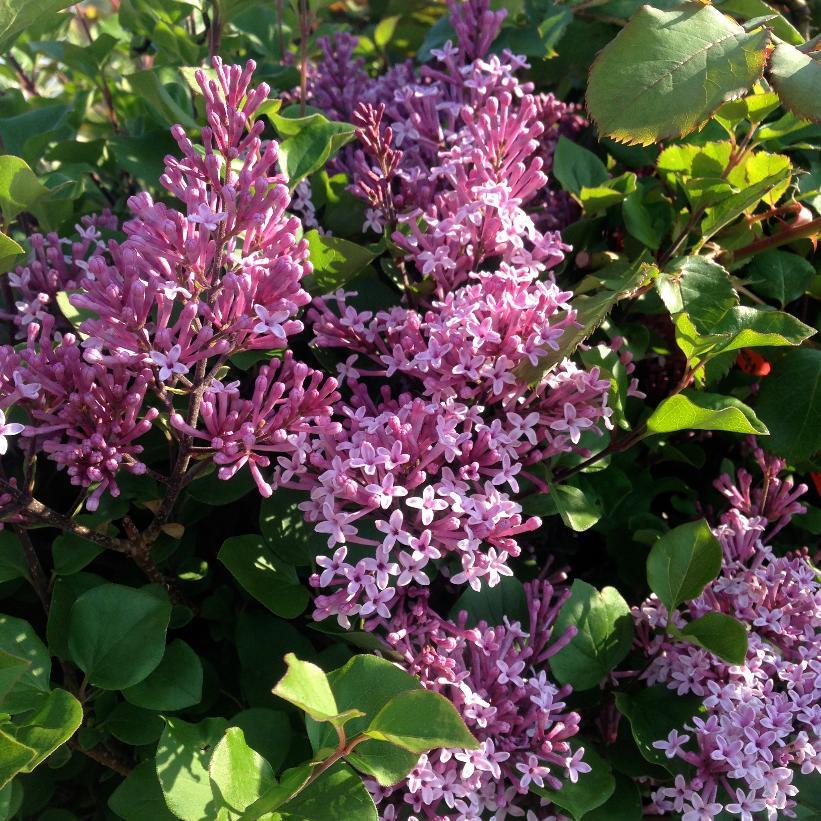
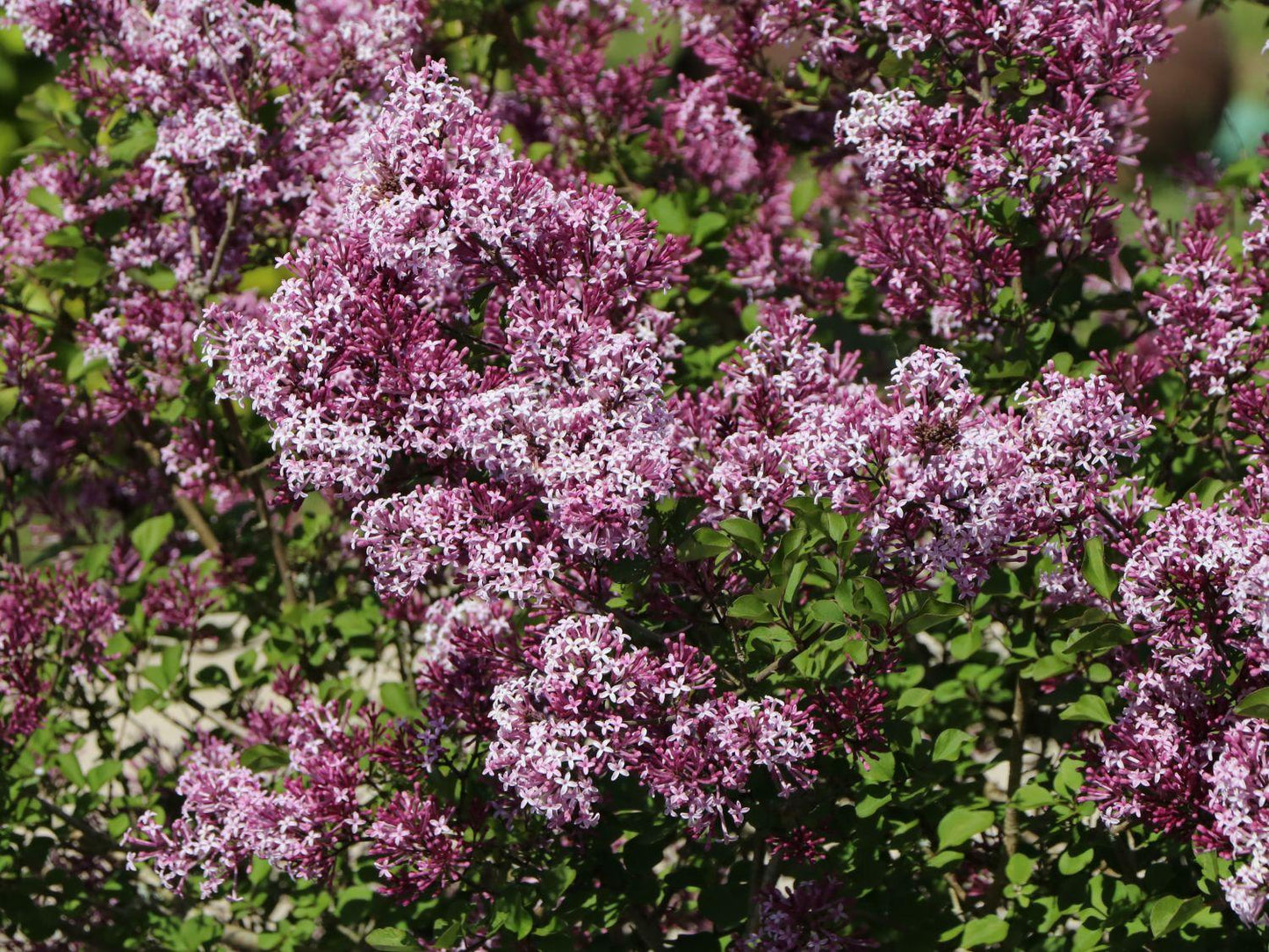
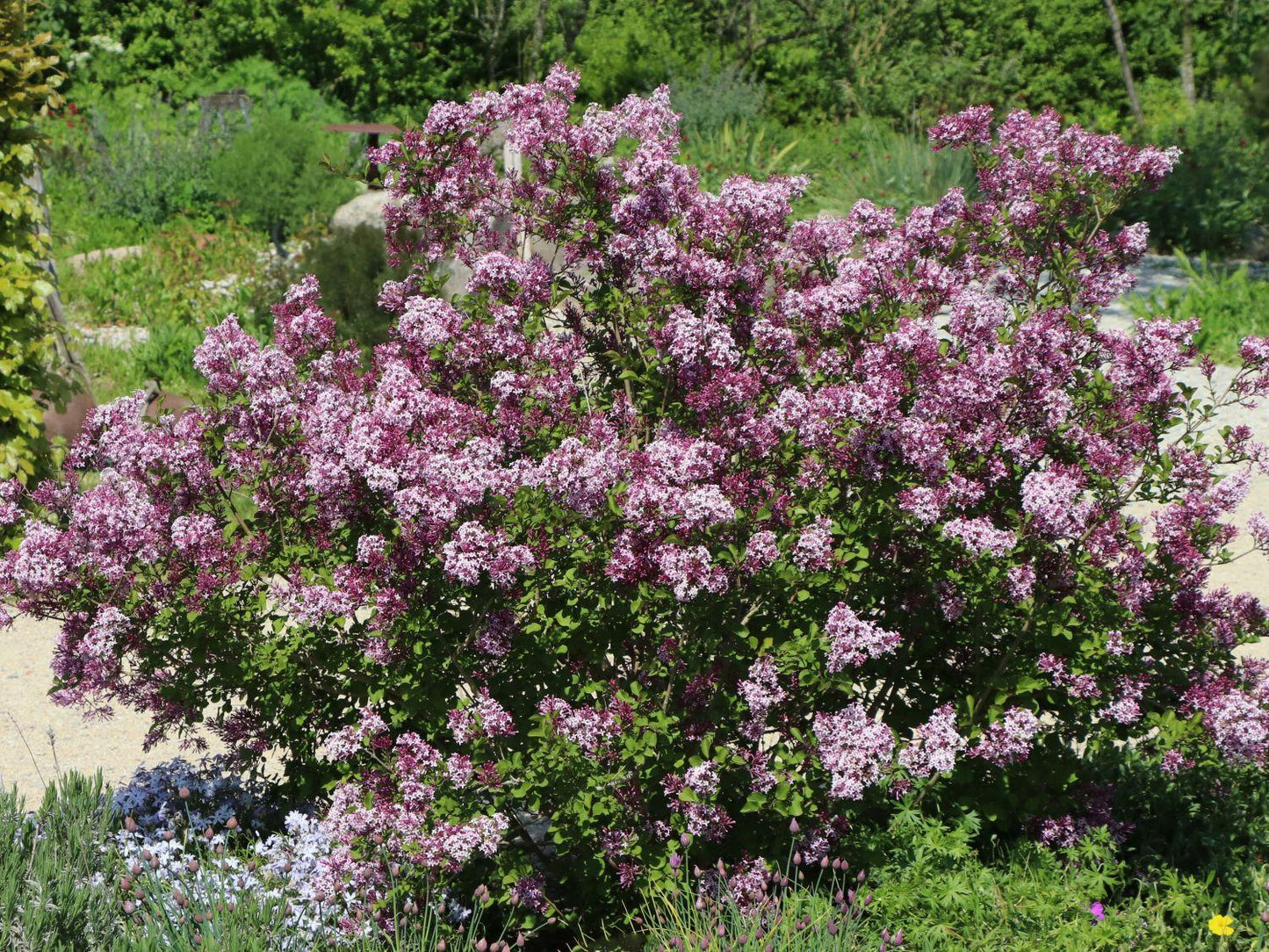
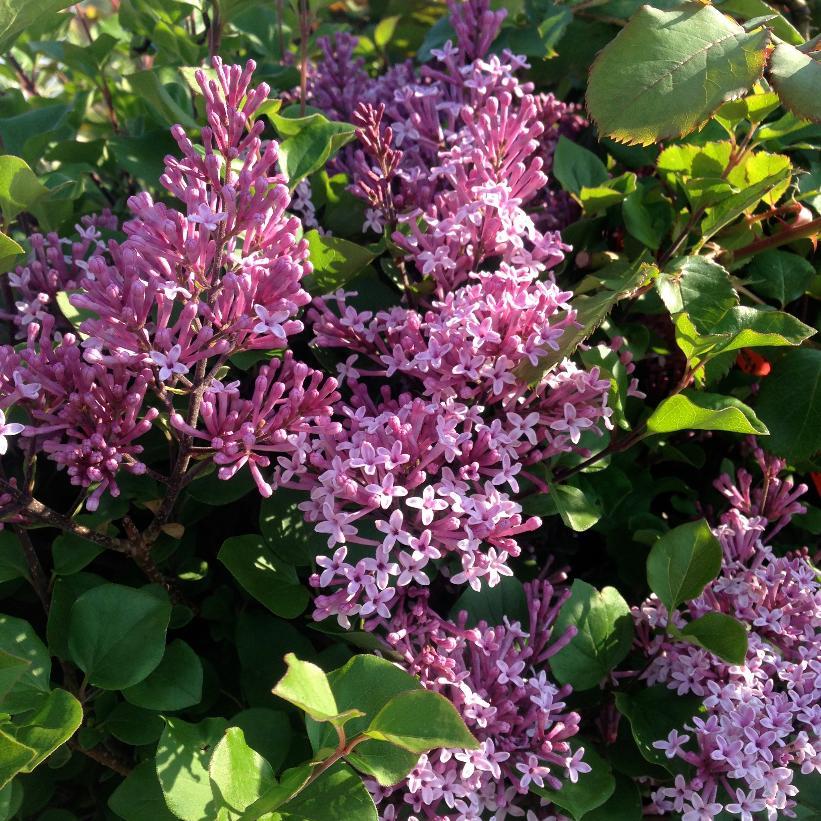
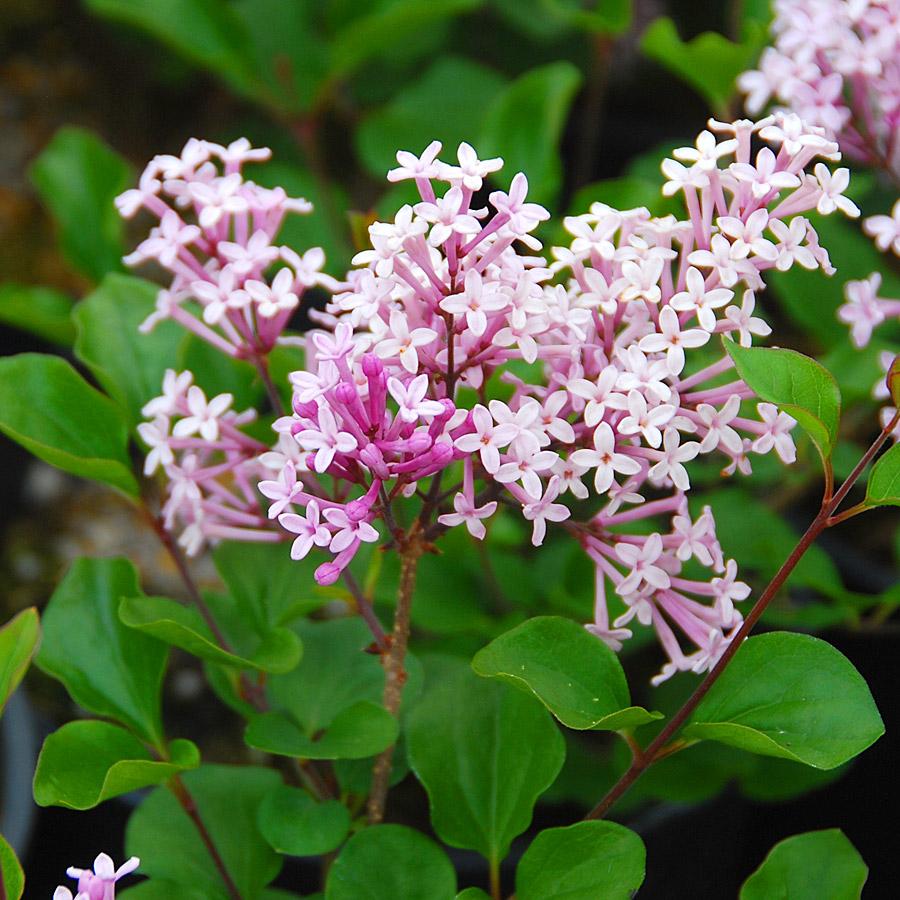
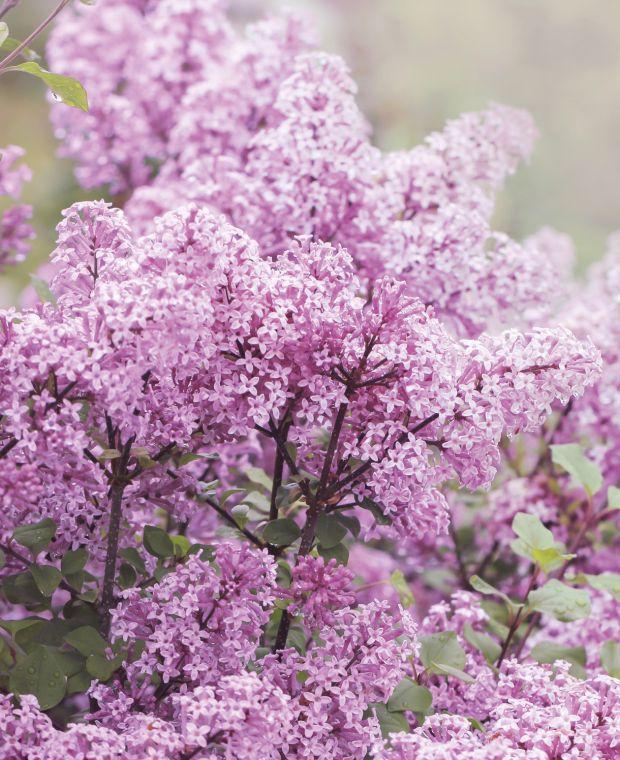
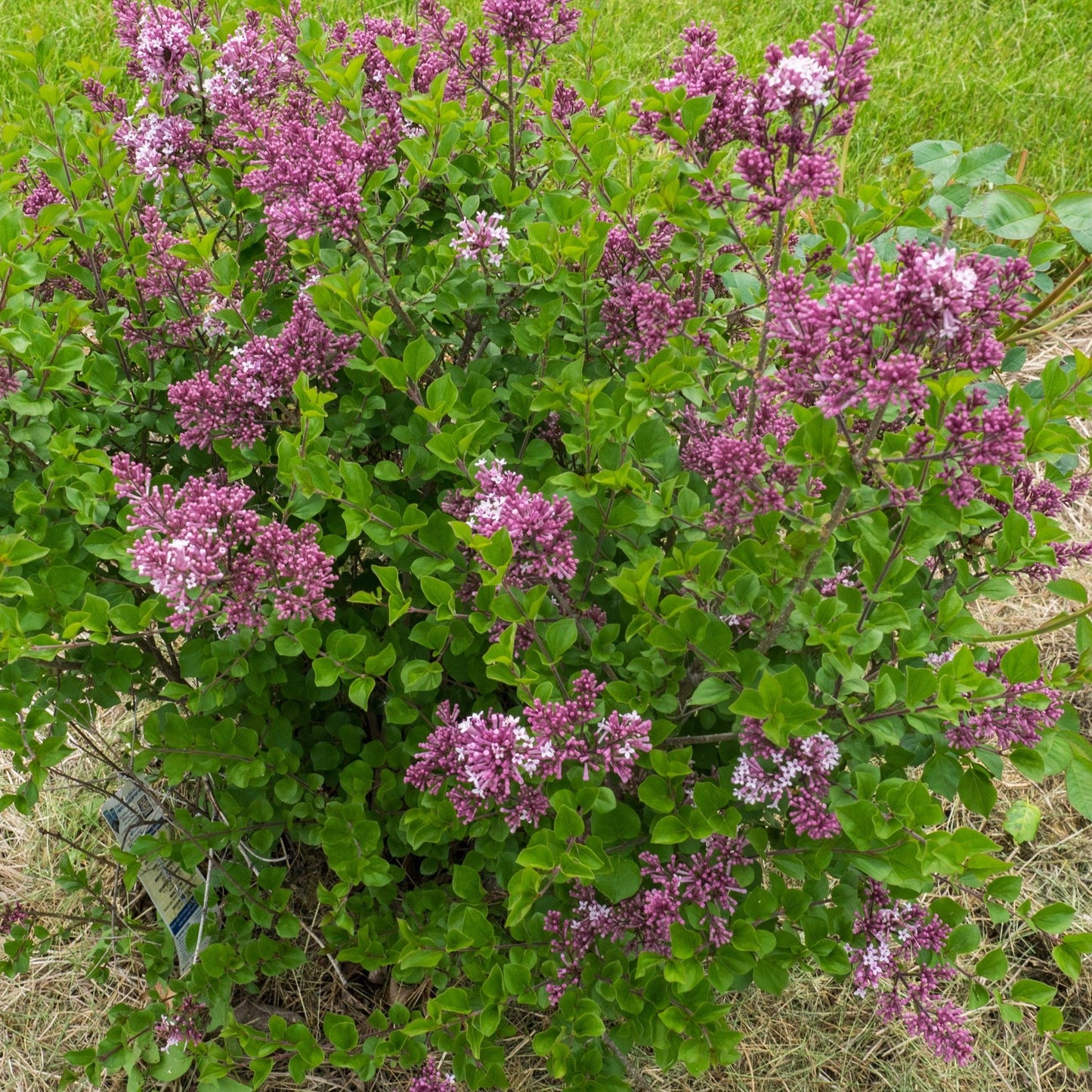
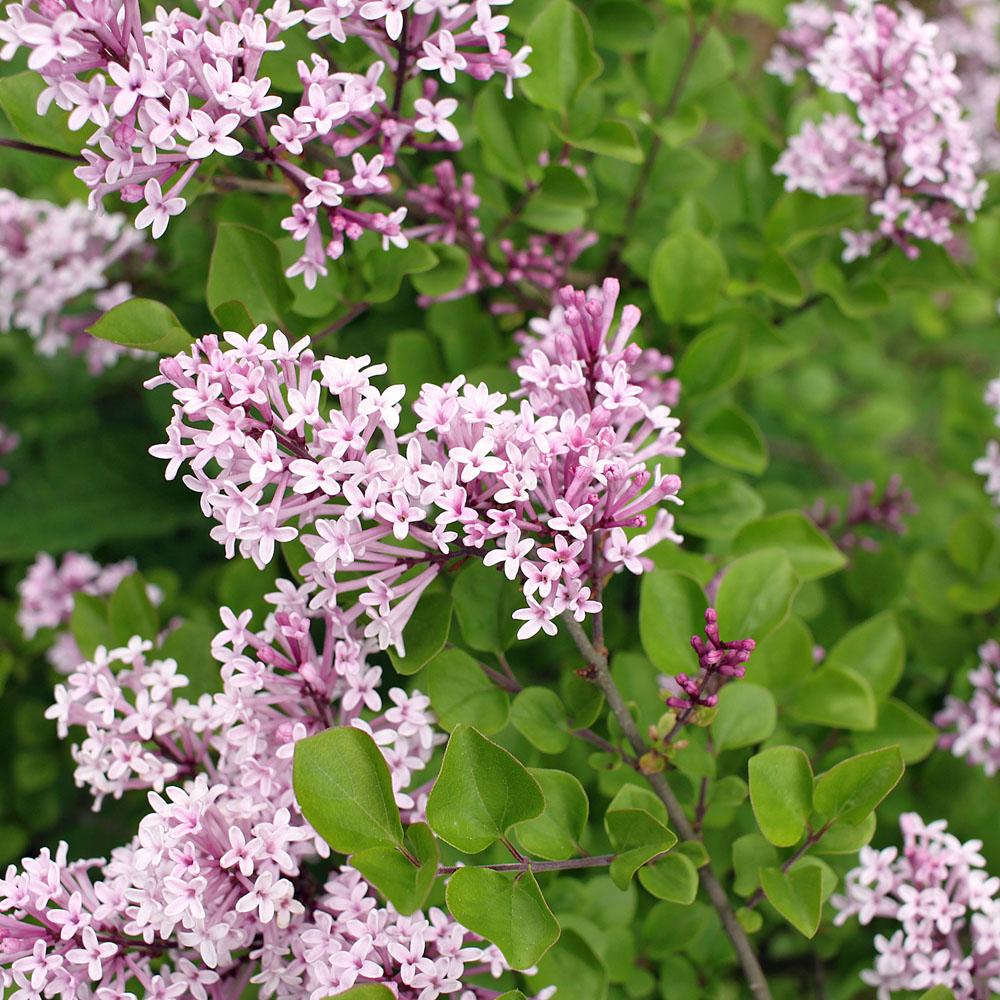
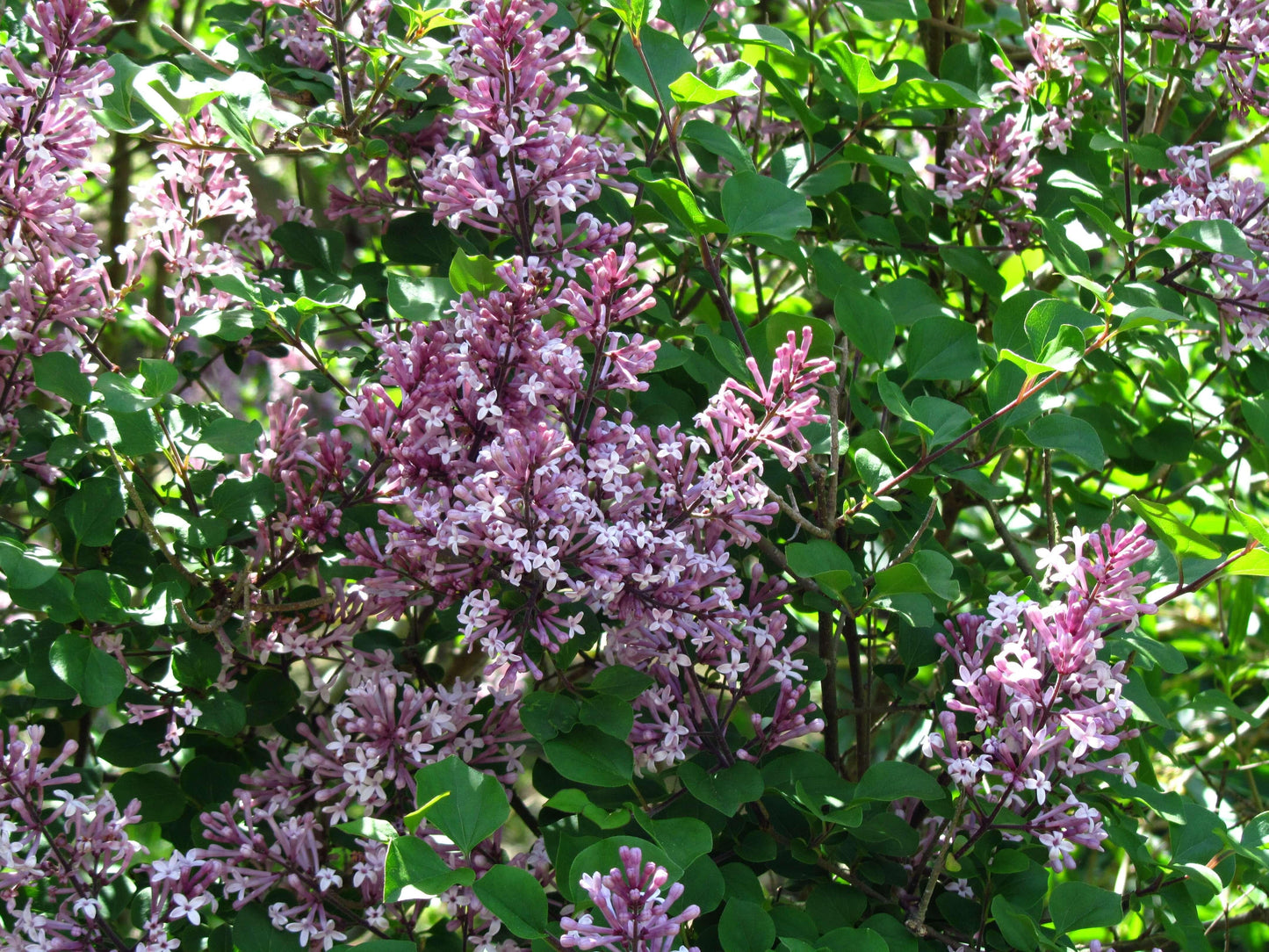
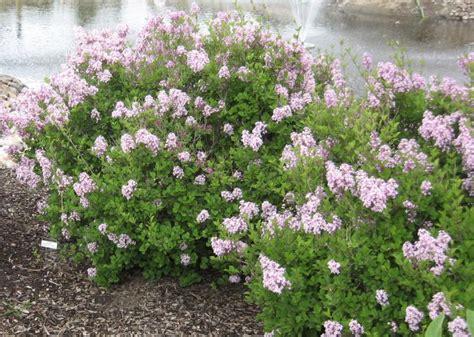
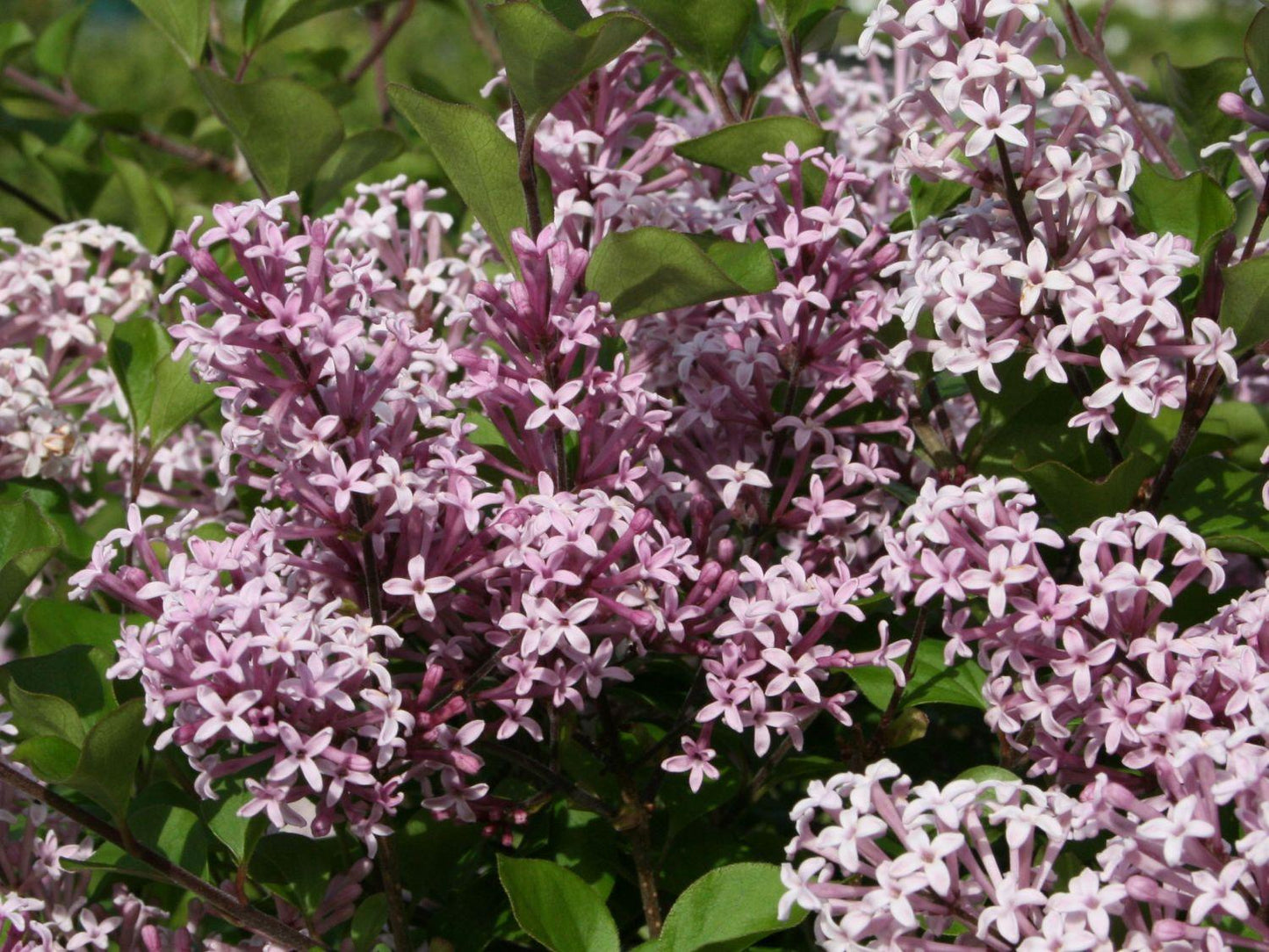
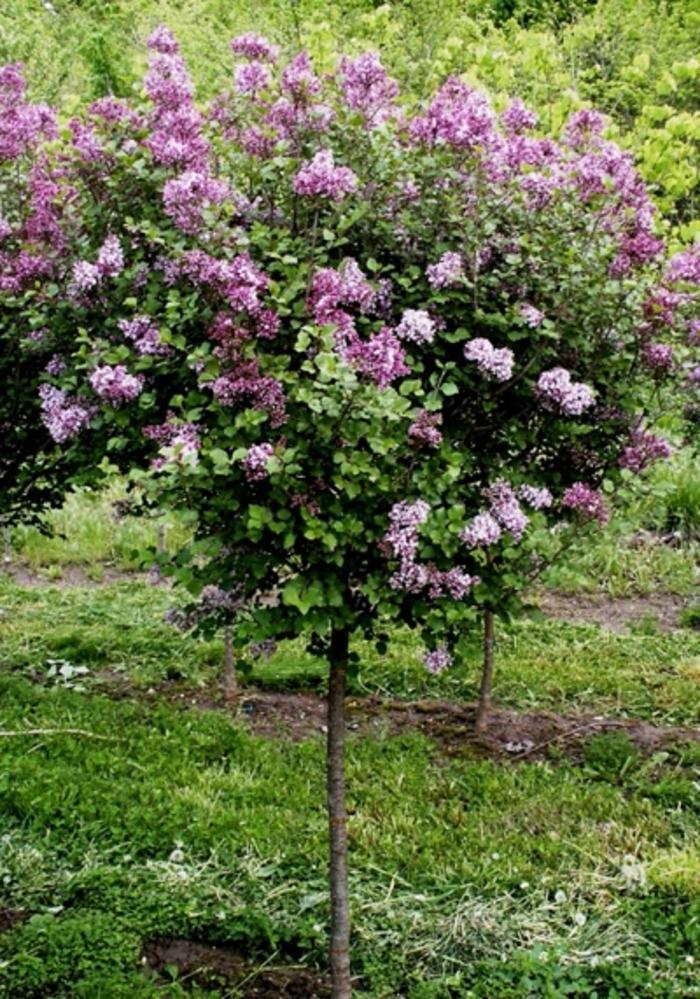
An compact flowering shrub valued for its fragrant, pale purple blossoms and dense, rounded form. It features small, deep green leaves and blooms in late spring, adding charm to gardens and landscapes.
Suggested Uses
Ideal for small gardens, hedges, foundation plantings, and containers. Its compact size makes it perfect for urban landscapes and patio decor.
Plant Details
-
 Botanical Name: Palibin' Dwarf Korean Lilac Syringa meyeri 'Palibin'
 -
 Common Name: Palibin' Dwarf Korean Lilac
 -
 Size & Growth: Typically reaches 3-4 feet in height with a width of about 4 feet, slow to moderate growth rate.
 -
 Hardiness Zones: 4-7
 -
 Foliage Type: Deciduous
 -
 Bloom Time: Late spring to early summer
 -
 Growth Rate: Slow to moderate
 -
 Light Requirements: Full sun to partial shade
 -
 Attracts Pollinators: Yes, bees and butterflies
 -
 Indoor Friendly: No
 -
 Container Friendly: Yes
 -
 Deer Resistant: Yes
 -
 Pet Warning: Slightly toxic; keep away from pets
 -
 Fragrant: Yes, richly fragrant blooms
 -
 Cut Flower: Suitable for bouquets
 -
 Grows Well With: Other flowering shrubs like spireas and hydrangeas
Care Tips
-
 Plant in well-drained soil with full sun for best flowering performance.
 -
 Keep soil evenly moist, especially during early establishment.
 -
 Prefers loamy, slightly acidic to neutral soil.
 -
 Tolerates average humidity levels.
 -
 Prune after flowering to maintain shape and promote healthy growth.
 -
 Provide winter protection in colder zones if necessary.
 -
 Plant with the root ball just below soil level for optimal growth.
 -
 Fertilize in early spring with a balanced fertilizer.
 -
 Mulching helps retain soil moisture and suppress weeds.