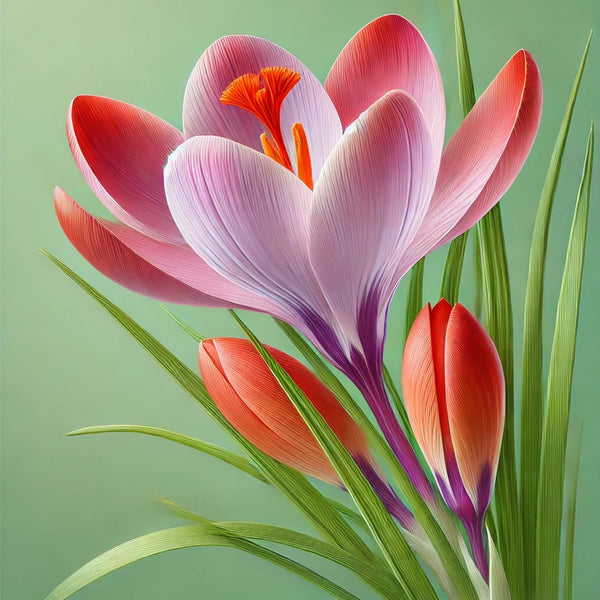


RedCrocus Red Heart Rose of Sharon Hibiscus syriacus | Vibrant red blooms, pollinator attractor, border or container plant, low-maintenance deciduous shrub, full sun. 7 Gallon
RedCrocus Red Heart Rose of Sharon Hibiscus syriacus | Vibrant red blooms, pollinator attractor, border or container plant, low-maintenance deciduous shrub, full sun. 7 Gallon
Regular price
$280.00 USD
Regular price
$364.00 USD
Sale price
$280.00 USD
Unit price
per
Shipping calculated at checkout.
SKU:nsf0416-redcrocus
Couldn't load pickup availability
Red Heart' Rose of Sharon Hibiscus syriacus 'Red Heart'
Description
A deciduous flowering shrub known for its vibrant, deep red blossoms with a striking heart-shaped center. It grows upright with a spreading habit, reaching medium to large sizes suitable for various garden styles.
Suggested Uses
Perfect for border plantings, privacy screens, and attracting pollinators in garden landscapes. Adds bold color and visual interest during its blooming season.
Plant Details
-
 Botanical Name: Hibiscus syriacus 'Red Heart'
 -
 Common Name: Red Heart' Rose of Sharon
 -
 Size & Growth: Typically grows 6-8 ft tall and wide, with a bushy, upright form.
 -
 Hardiness Zones: 5-9
 -
 Foliage Type: Deciduous
 -
 Bloom Time: Summer to early fall
 -
 Growth Rate: Moderate to fast
 -
 Light Requirements: Full sun to partial shade
 -
 Attracts Pollinators: Yes, including bees and butterflies
 -
 Indoor Friendly: No
 -
 Container Friendly: Yes, suitable for large containers
 -
 Deer Resistant: Yes
 -
 Pet Warning: May cause mild gastrointestinal upset if ingested
 -
 Fragrant: Yes, lightly fragrant blooms
 -
 Cut Flower: Yes, ideal for floral arrangements
 -
 Grows Well With: Other flowering shrubs, perennials, and ornamental grasses
Care Tips
-
 Plant in well-drained soil with full sun exposure for best flowering.
 -
 Keep soil consistently moist but not waterlogged.
 -
 Prefers loamy, slightly acidic to neutral soil.
 -
 Tolerates average humidity; avoid overly wet conditions in winter.
 -
 Prune after flowering to maintain shape and encourage new growth.
 -
 Plant at a depth that covers the root ball completely.
 Protect in colder zones with mulch or cover in winter.
 Fertilize in spring with a balanced fertilizer for vigorous bloom and healthy foliage.
 Minimal pruning required; deadhead spent blooms to promote continued flowering.