

RedCrocus Mock Bearberry Arctostaphylos x coloradensis- Evergreen Shrub for Drought Tolerance & Pollinator Attraction, Suitable for Containers & Ground Cover 1 Gallon
RedCrocus Mock Bearberry Arctostaphylos x coloradensis- Evergreen Shrub for Drought Tolerance & Pollinator Attraction, Suitable for Containers & Ground Cover 1 Gallon
Regular price
$76.00 USD
Regular price
$98.80 USD
Sale price
$76.00 USD
Unit price
per
Shipping calculated at checkout.
SKU:nse9618-redcrocus
Couldn't load pickup availability
Mock Bearberry Manzanita Arctostaphylos x coloradensis Mock Bearberry
Description
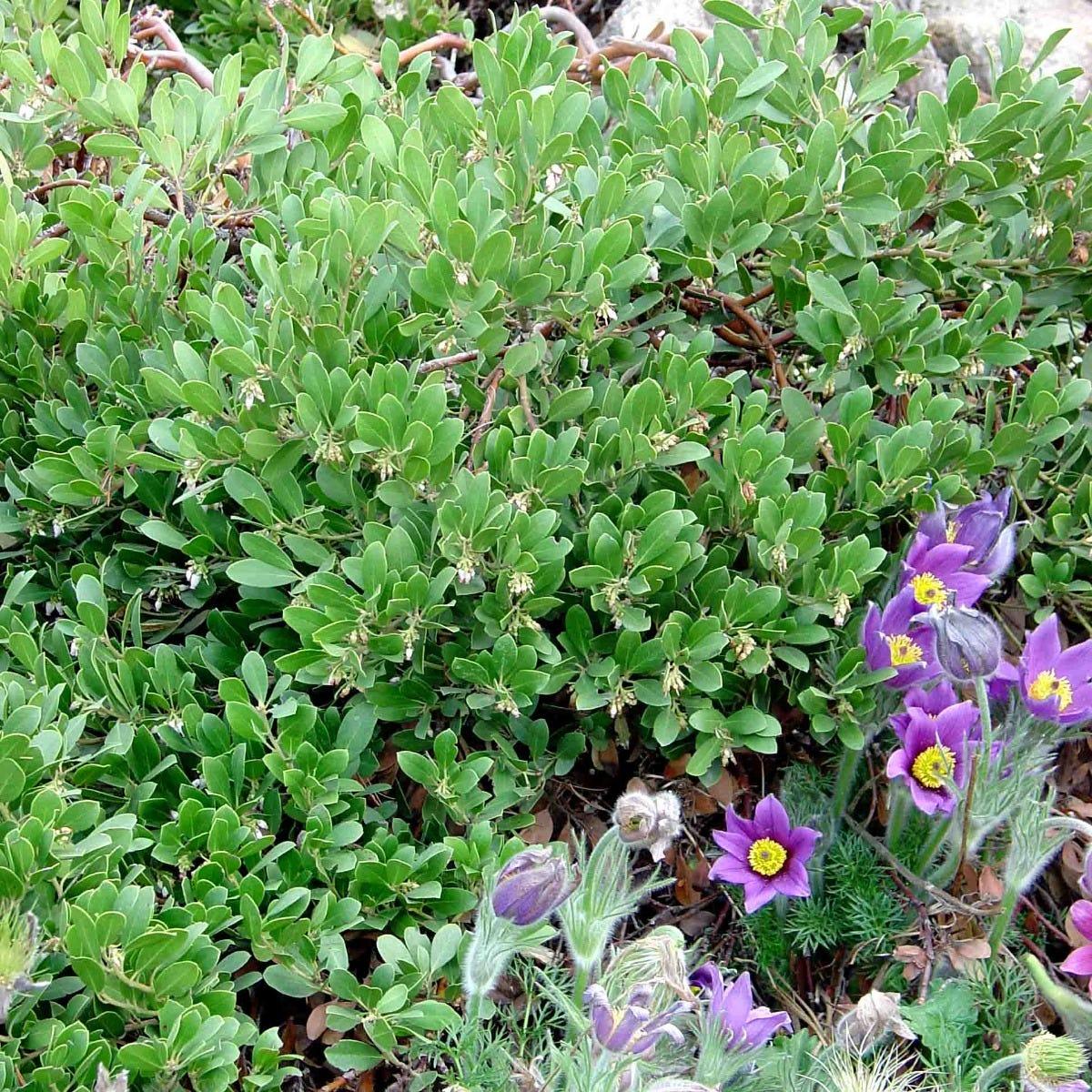
A low-growing evergreen shrub with dense, leathery leaves and clusters of small, urn-shaped white or pink flowers in late winter to early spring. Its distinctive reddish bark adds seasonal interest.
Suggested Uses
Ideal for xeriscapes, rock gardens, and native plant gardens. Perfect for ground cover and erosion control on slopes.
Plant Details
-
 Botanical Name: Arctostaphylos x coloradensis
 -
 Common Name: Mock Bearberry
 -
 Size & Growth: Typically 6-12 inches tall and spreading up to 3 feet wide.
 -
 Hardiness Zones: 6-9
 -
 Foliage Type: Evergreen
 -
 Bloom Time: Late Winter to Early Spring
 -
 Growth Rate: Slow to Moderate
 -
 Light Requirements: Full Sun to Partial Shade
 -
 Attracts Pollinators: Yes
 -
 Indoor Friendly: No
 -
 Container Friendly: Yes, suitable for containers
 -
 Deer Resistant: Yes
 -
 Pet Warning: Non-toxic
 -
 Fragrant: Mild scent when in bloom
 -
 Cut Flower: No
 -
 Grows Well With: other drought-tolerant plants like sedum and Sage
Care Tips
-
 Planting Instructions: Plant in well-draining soil in full sun. Space plants 12-24 inches apart.
 -
 Soil Moisture: Low; prefers dry to medium moisture levels.
 -
 Soil Type: Sandy, Gravelly, Well-draining
 -
 Humidity: Tolerant of dry conditions
 -
 Pruning Instructions: Minimal pruning needed, remove dead or damaged growth in early spring.
 -
 Winter Care: Generally hardy; provide mulch in colder zones if necessary.
 -
 Planting Depth: Plant at same depth as in container or nursery pot.
 -
 Fertilization: Minimal; apply a slow-release fertilizer in early spring if desired.
 -
 Special Care: Drought tolerant once established; avoid overwatering.