

RedCrocus Common Boxwood Buxus sempervirens Hedge- Evergreen Shrub for Formal Hedges & Landscaping 3/4' h
RedCrocus Common Boxwood Buxus sempervirens Hedge- Evergreen Shrub for Formal Hedges & Landscaping 3/4' h
Regular price
$1,492.00 USD
Regular price
$1,939.60 USD
Sale price
$1,492.00 USD
Unit price
per
Shipping calculated at checkout.
SKU:nse9511-redcrocus
Couldn't load pickup availability
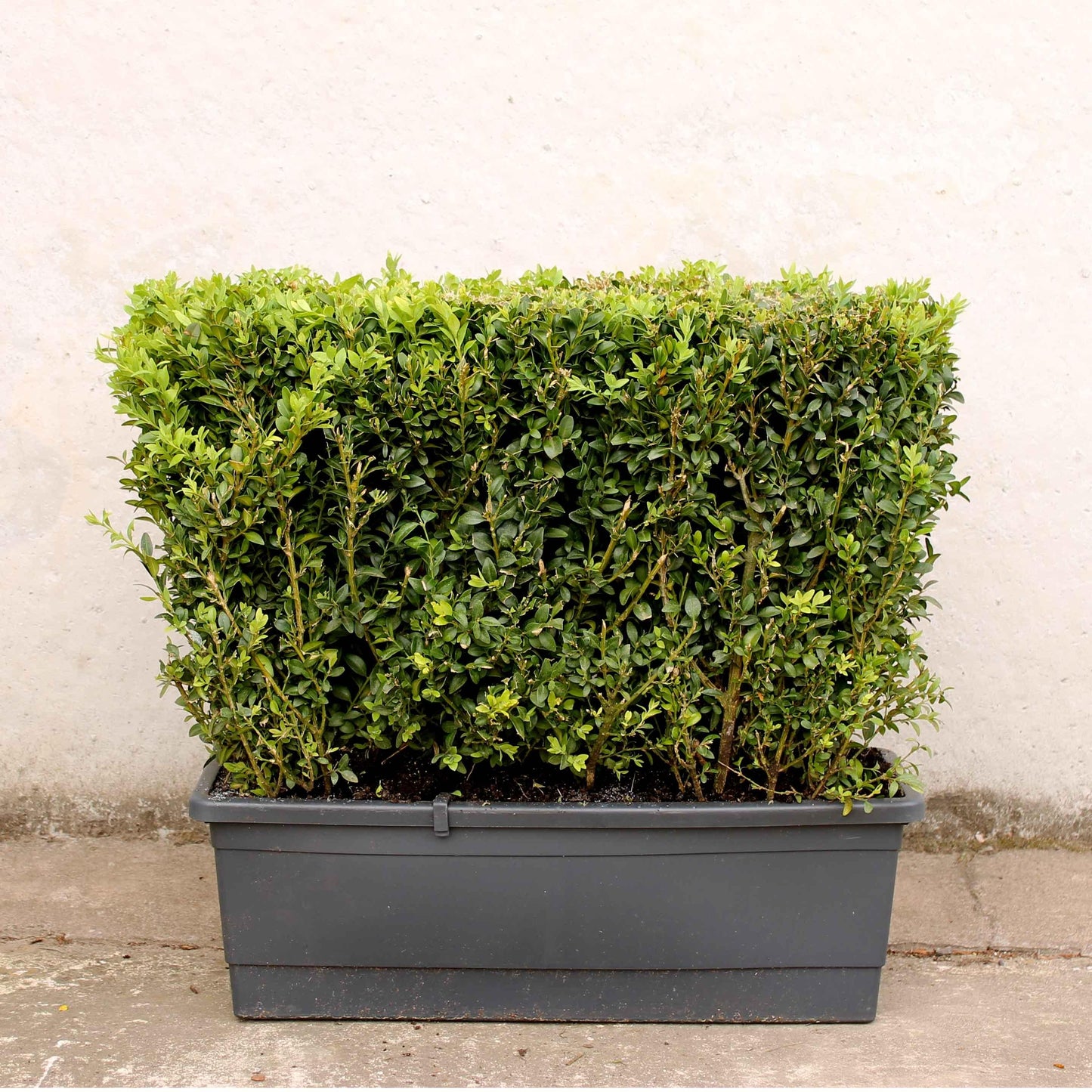
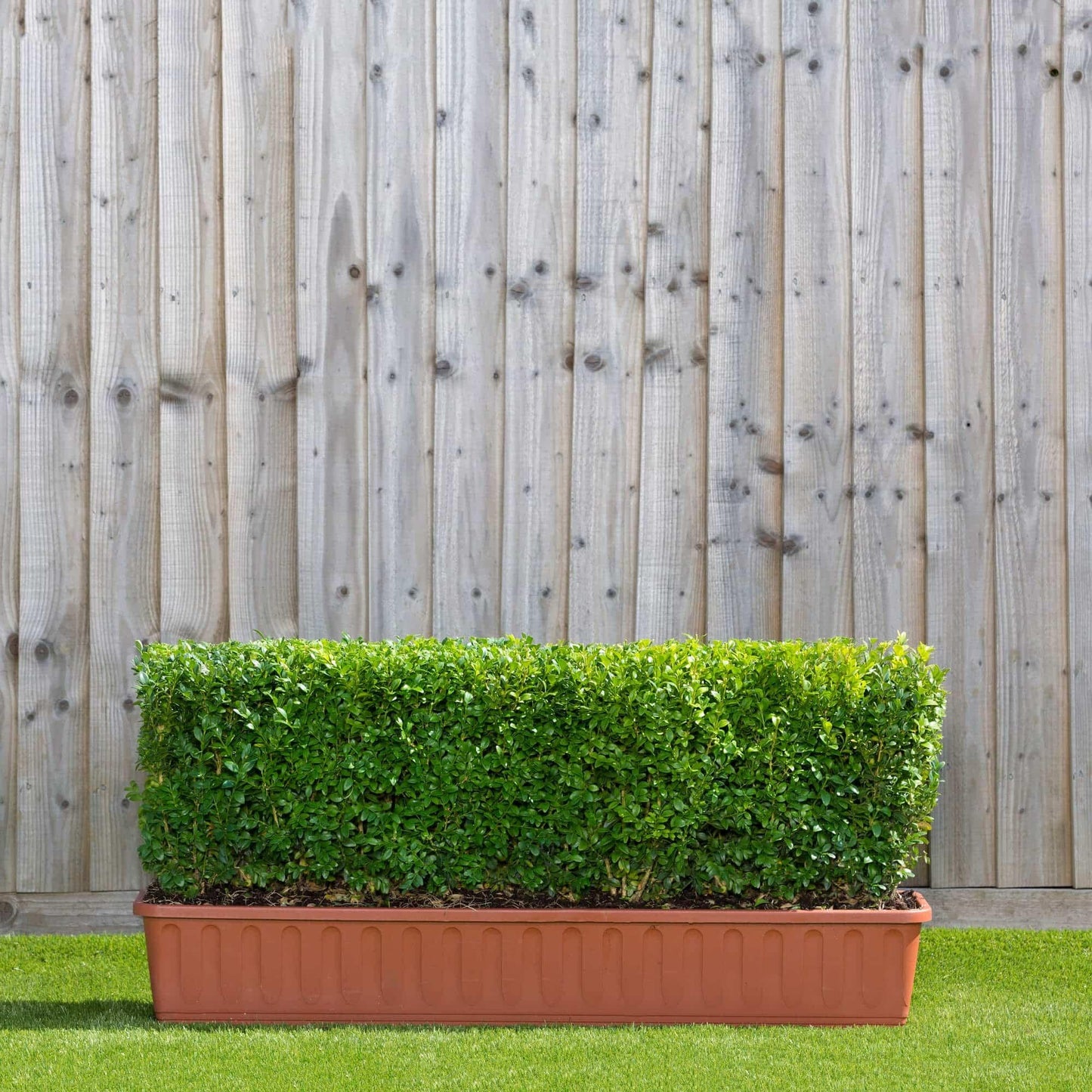
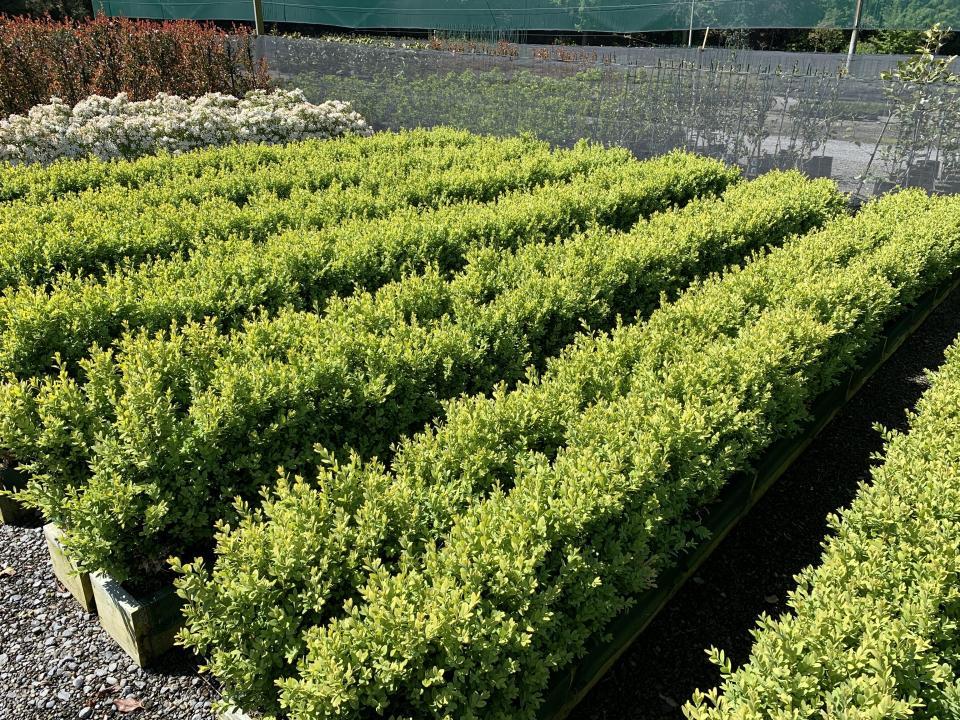
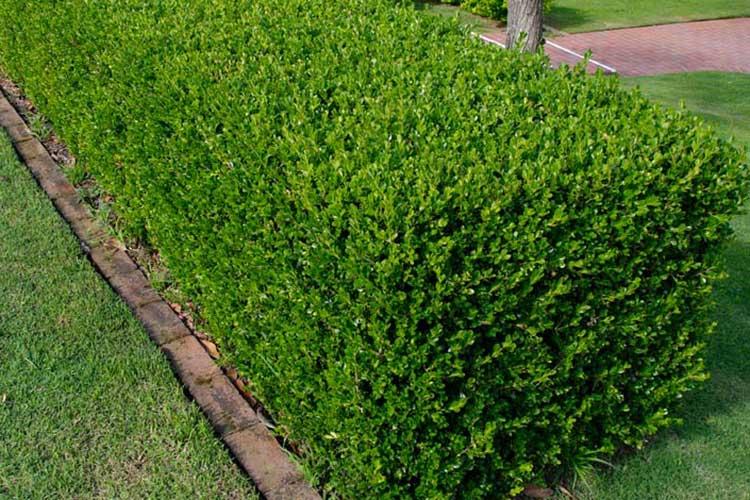
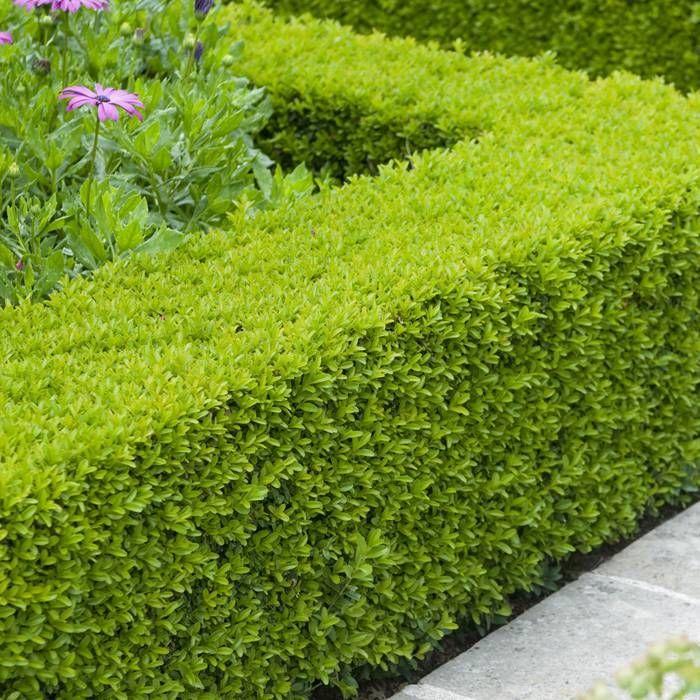
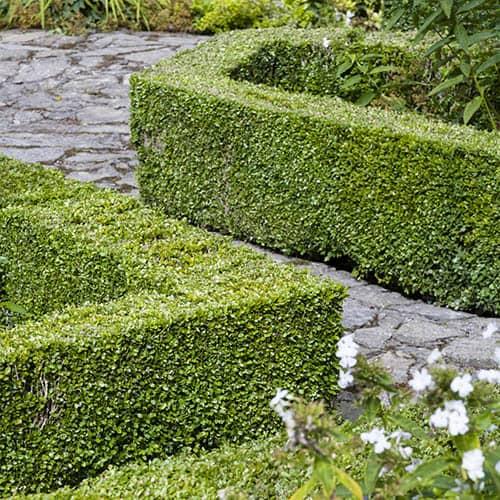
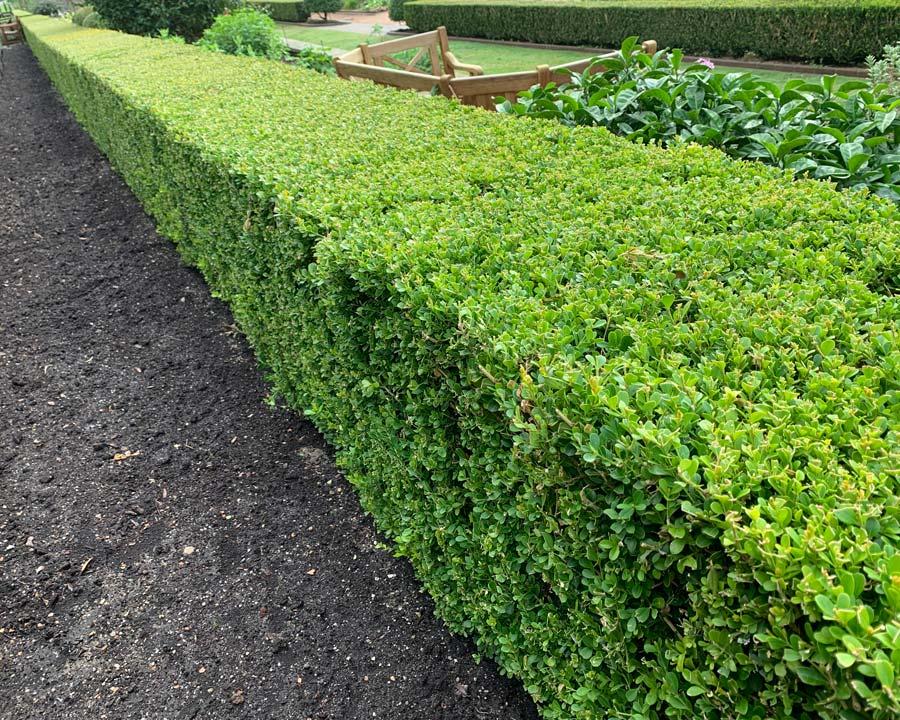
Common Boxwood Buxus sempervirens Hedge Form (Instant Hedge)
Description
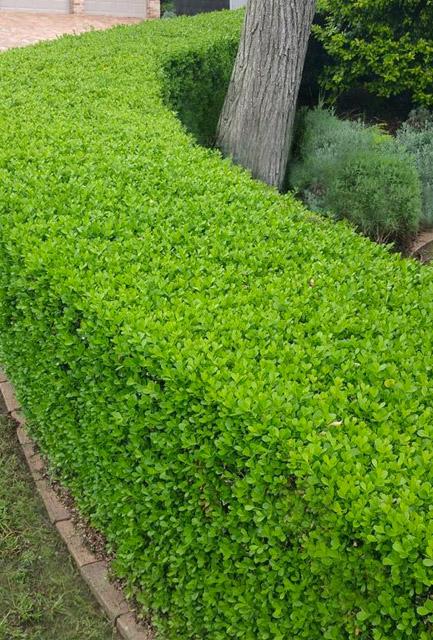
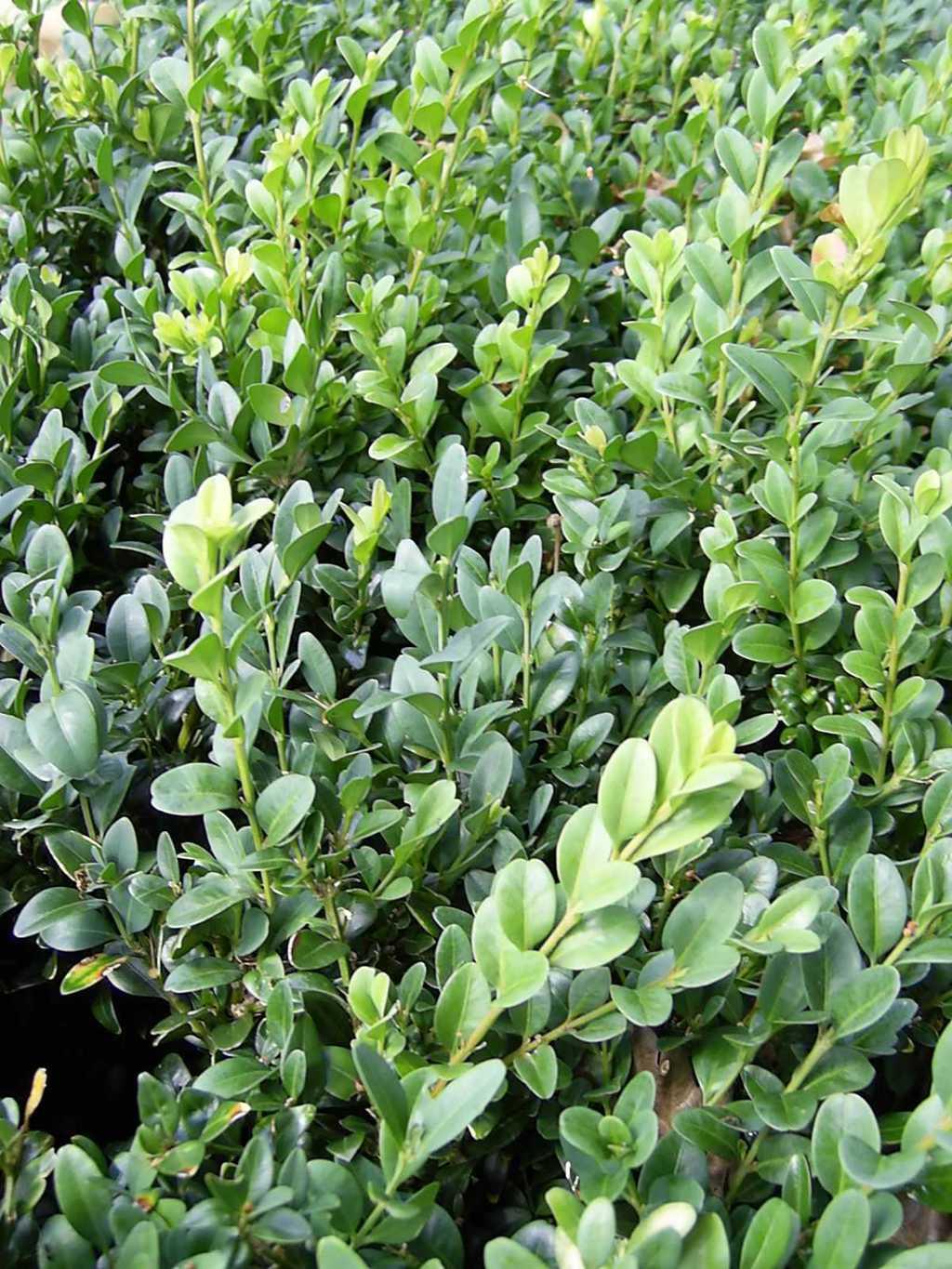
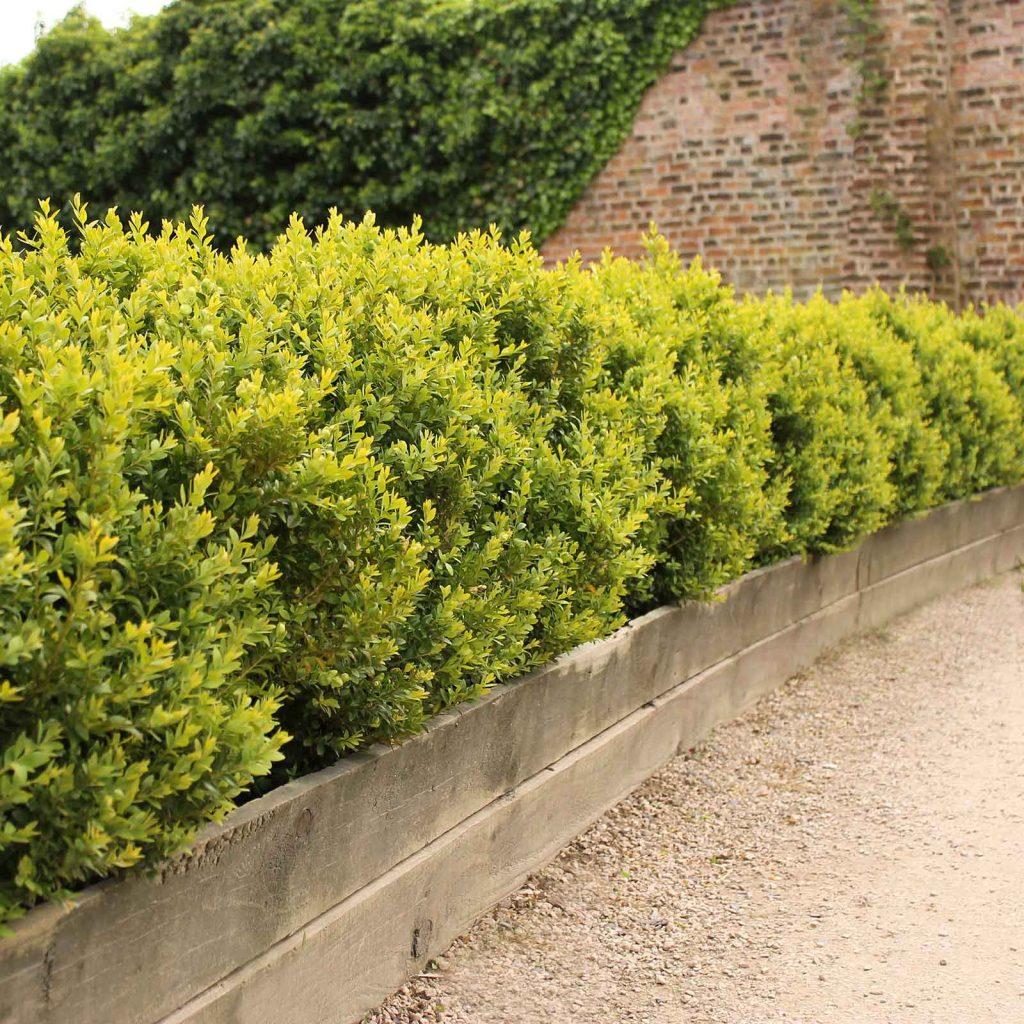
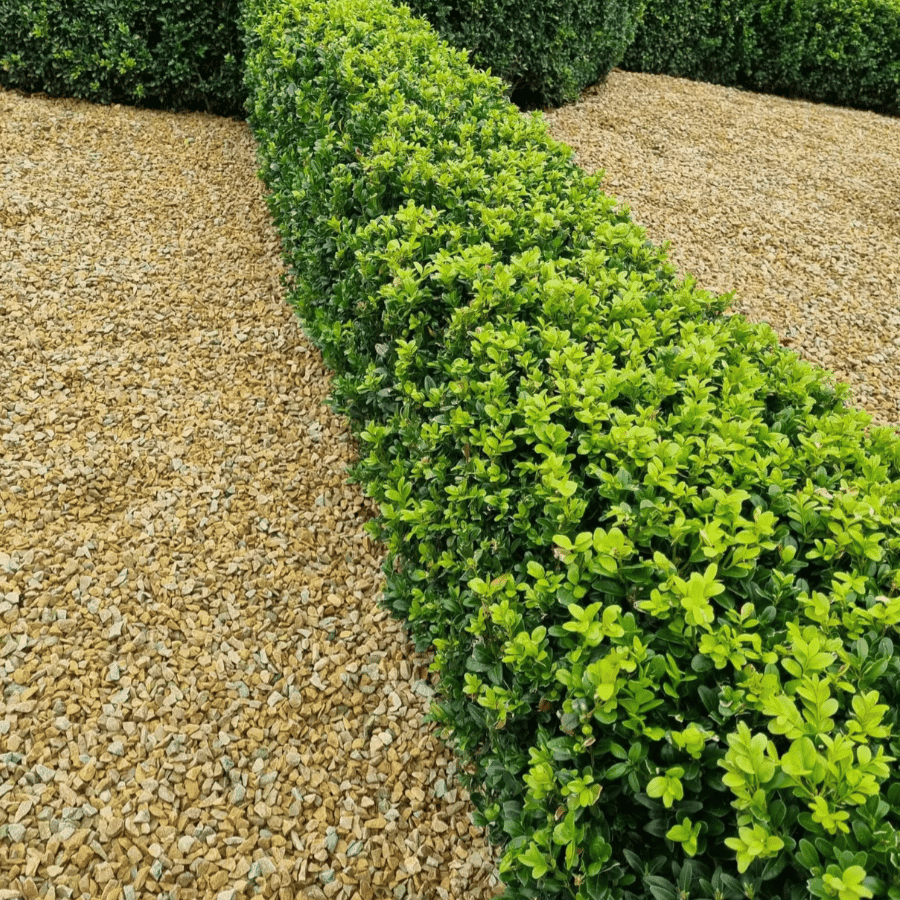
A dense, evergreen shrub with small, glossy green leaves, commonly used for hedges and shaping in gardens. Known for its resilience and classic appearance.
Suggested Uses
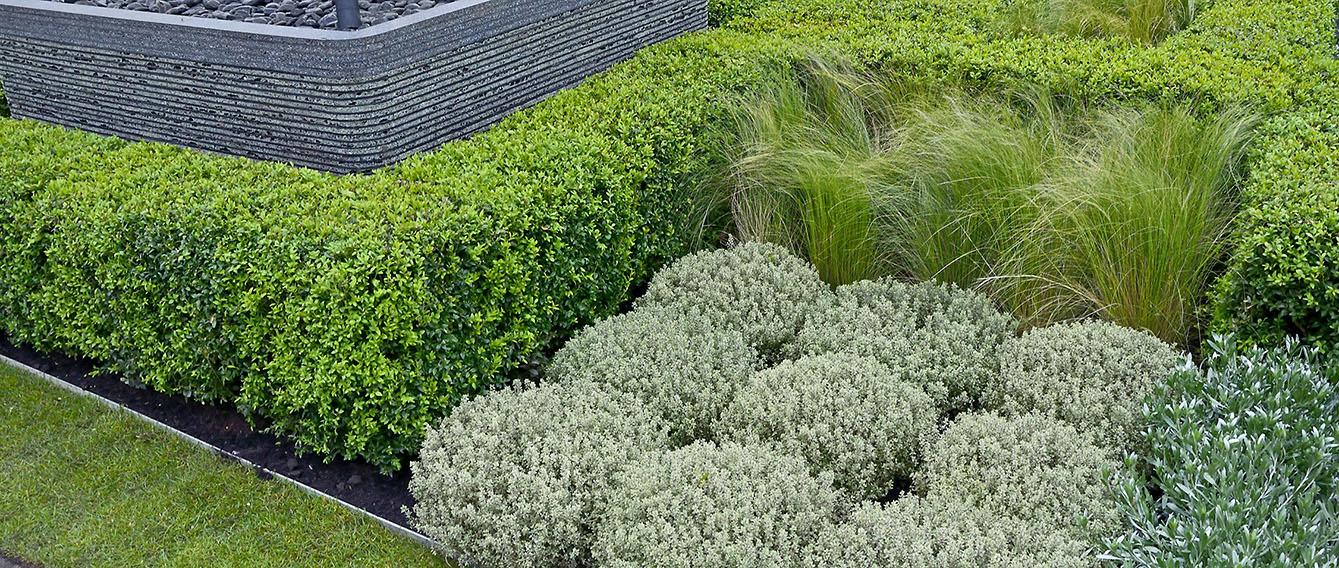
Perfect for formal hedges, topiary, patio containers, and landscape borders to create privacy screens and decorative features.
Plant Details
-
 Botanical Name: Buxus sempervirens (Hedge Form)
 -
 Common Name: Common Boxwood
 -
 Size & Growth: Typically reaches 2-4 ft in height with a dense, compact growth habit.
 -
 Hardiness Zones: 5-9
 -
 Foliage Type: Evergreen
 -
 Bloom Time: Spring (small, inconspicuous flowers)
 -
 Growth Rate: Slow to Moderate
 -
 Light Requirements: Full sun to partial shade
 -
 Attracts Pollinators: Yes
 -
 Indoor Friendly: No
 -
 Container Friendly: Yes
 -
 Deer Resistant: Yes
 -
 Pet Warning: Keep out of reach of pets if consumed in large quantities
 -
 Fragrant: No
 -
 Cut Flower: No
 -
 Grows Well With: Ferns, Hostas, and other shade-loving perennials
Care Tips
-
 Planting Instructions: Plant in well-drained soil with full sun to partial shade. Space plants 18-24 inches apart for a dense hedge.
 -
 Soil Moisture: Keep soil consistently moist but not waterlogged.
 -
 Soil Type: Adaptable, prefers loamy, well-draining soil.
 -
 Humidity: Tolerates average home humidity levels.
 -
 Pruning Instructions: Light pruning after flowering to maintain shape. Hard pruning can be done in early spring.
 -
 Winter Care: Protect with mulch in colder zones; generally hardy.
 -
 Planting Depth: Plant at same depth as in nursery, about 1-2 inches below soil surface.
 -
 Fertilization: Apply balanced slow-release fertilizer in early spring.
 -
 Special Care: Avoid overwatering; adequate air circulation reduces disease risk.