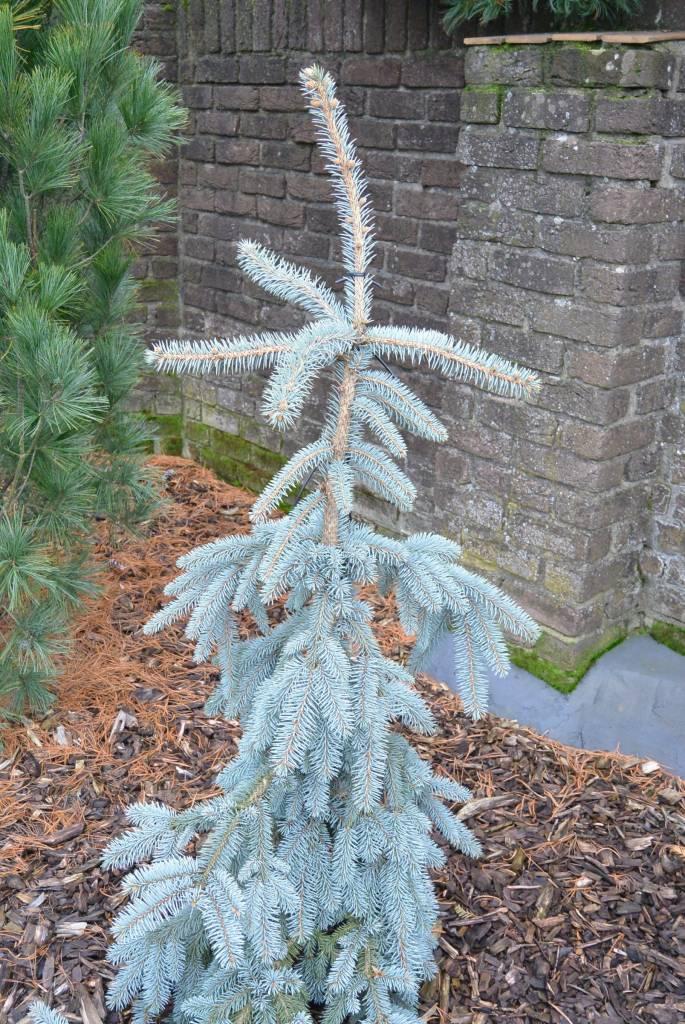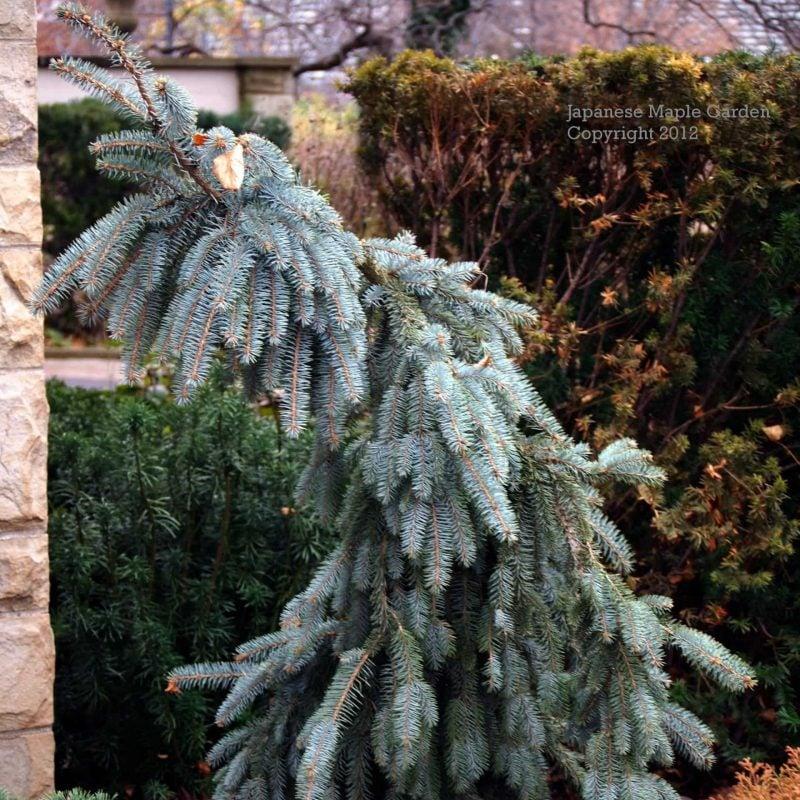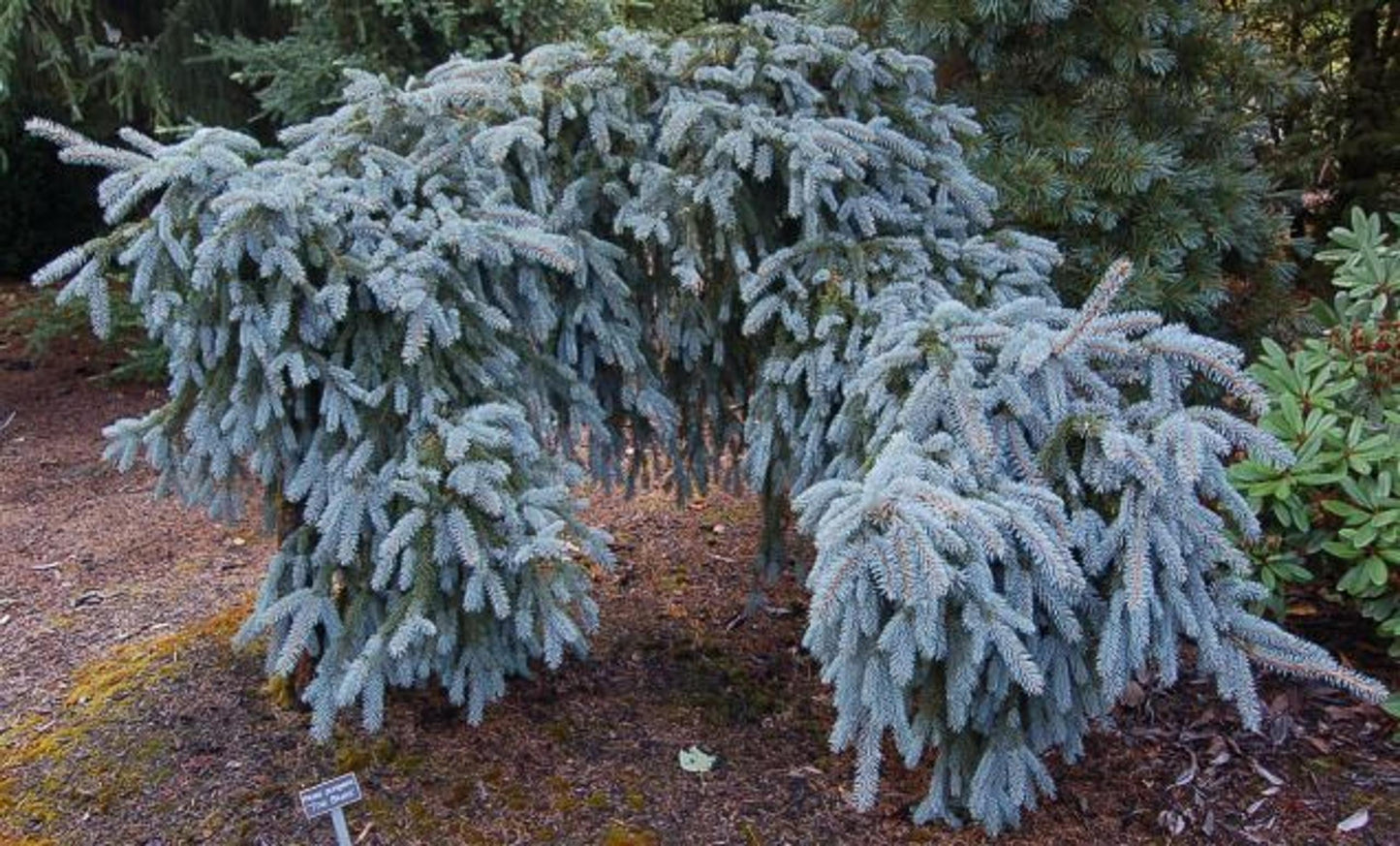


The Blues Weeping Blue Spruce–Unique Cascading Form 6 Gallon
The Blues Weeping Blue Spruce–Unique Cascading Form 6 Gallon
Regular price
$460.00 USD
Regular price
$598.00 USD
Sale price
$460.00 USD
Unit price
per
Shipping calculated at checkout.
SKU:nse7286-redcrocus
Couldn't load pickup availability
Picea pungens 'The Blues'
Description
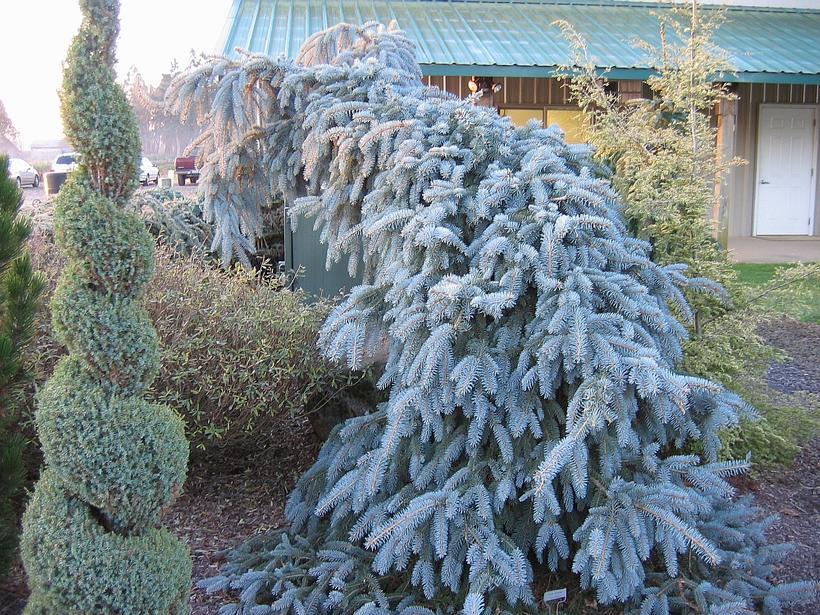
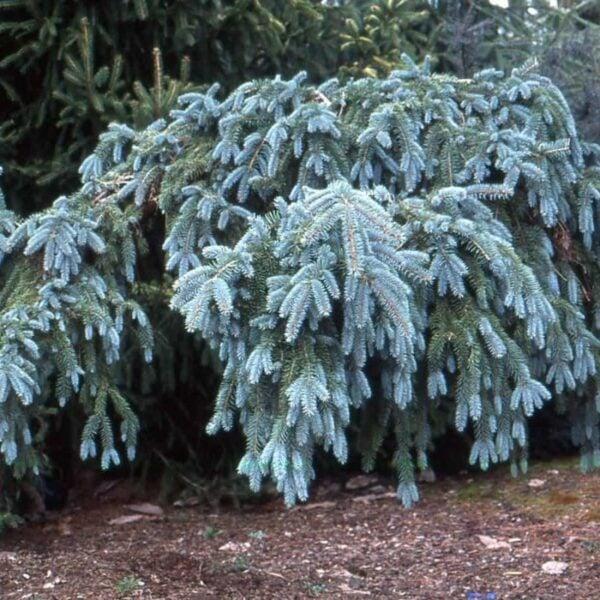
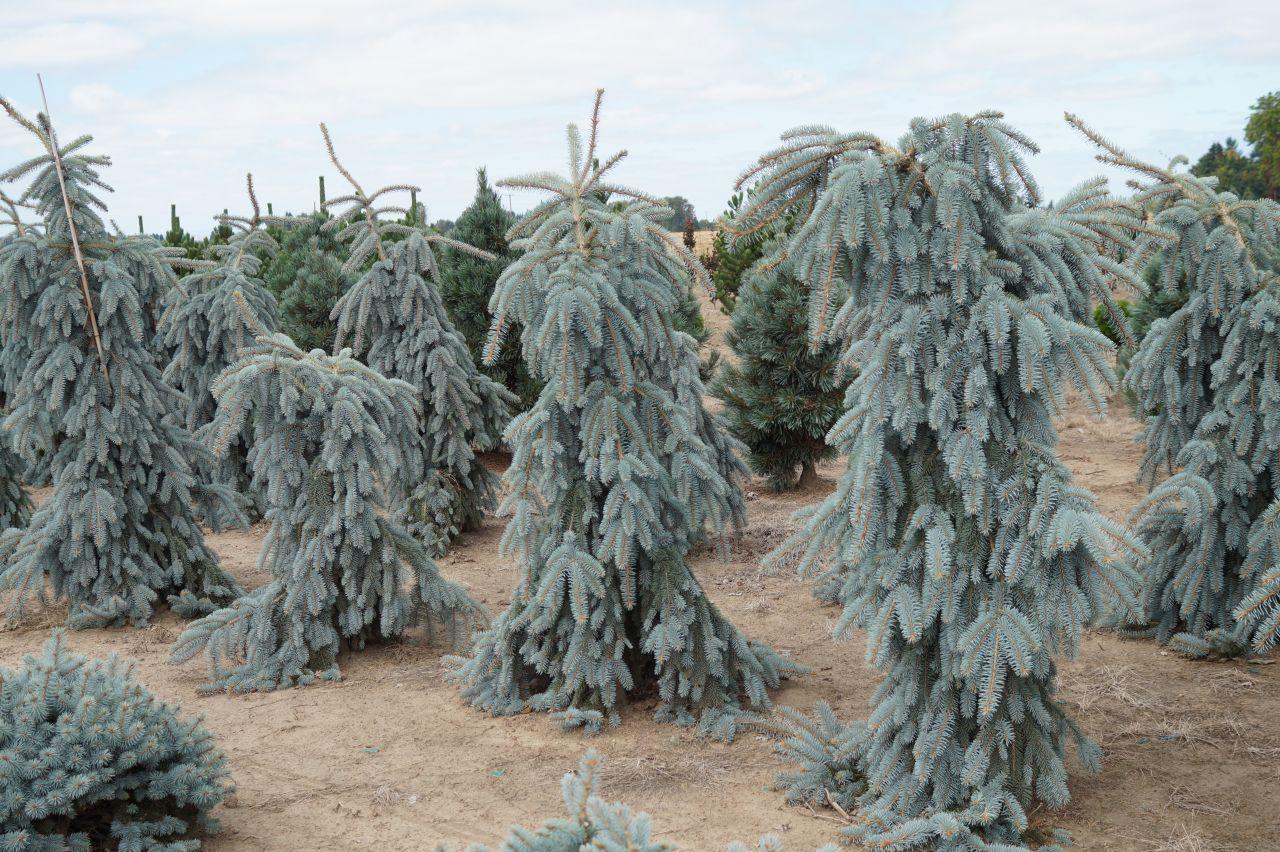
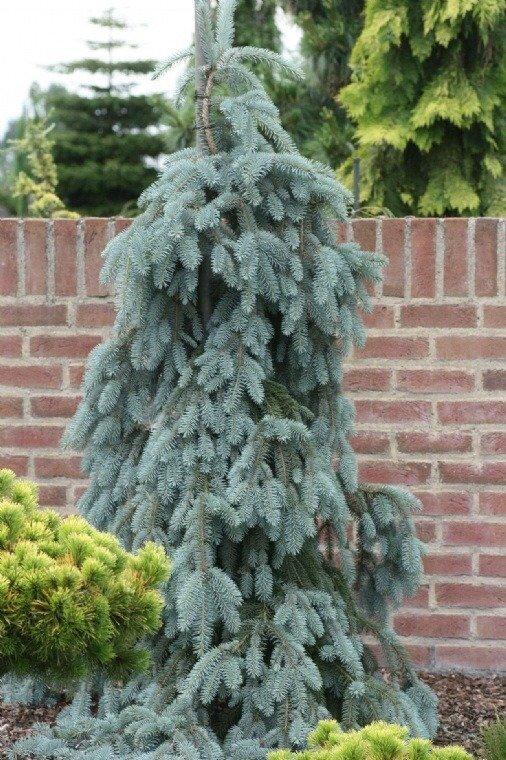
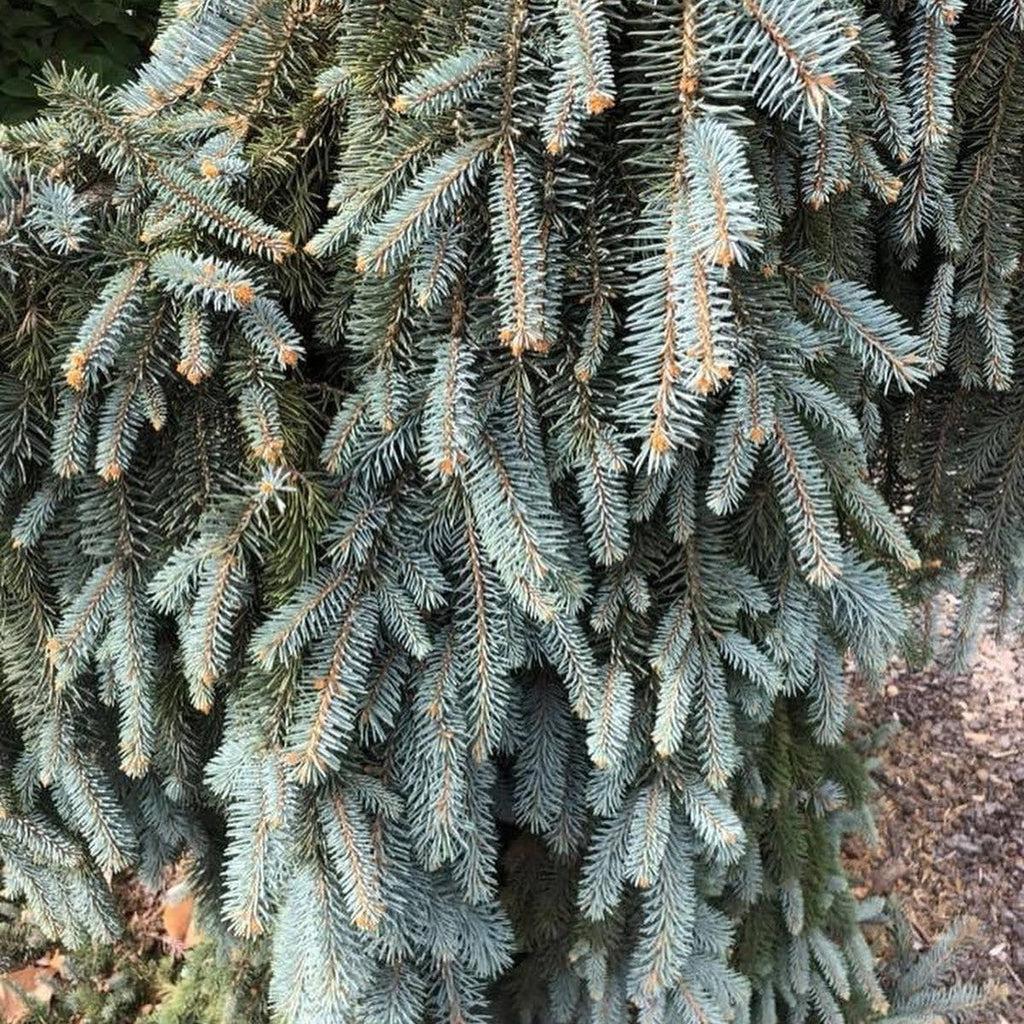
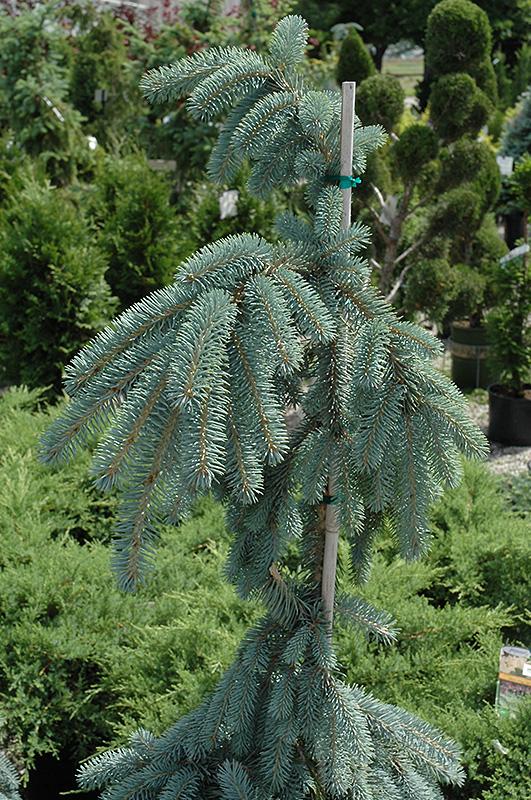
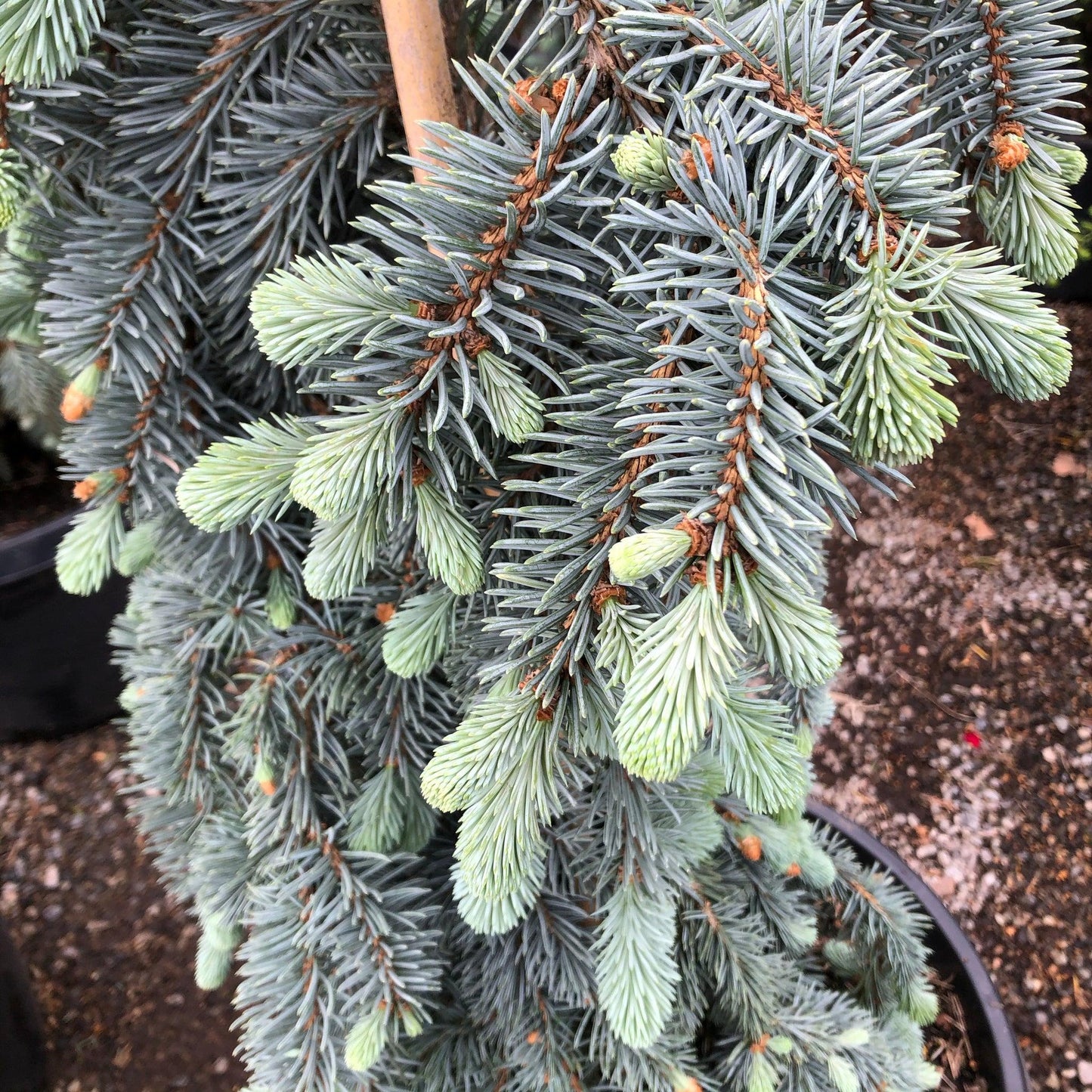
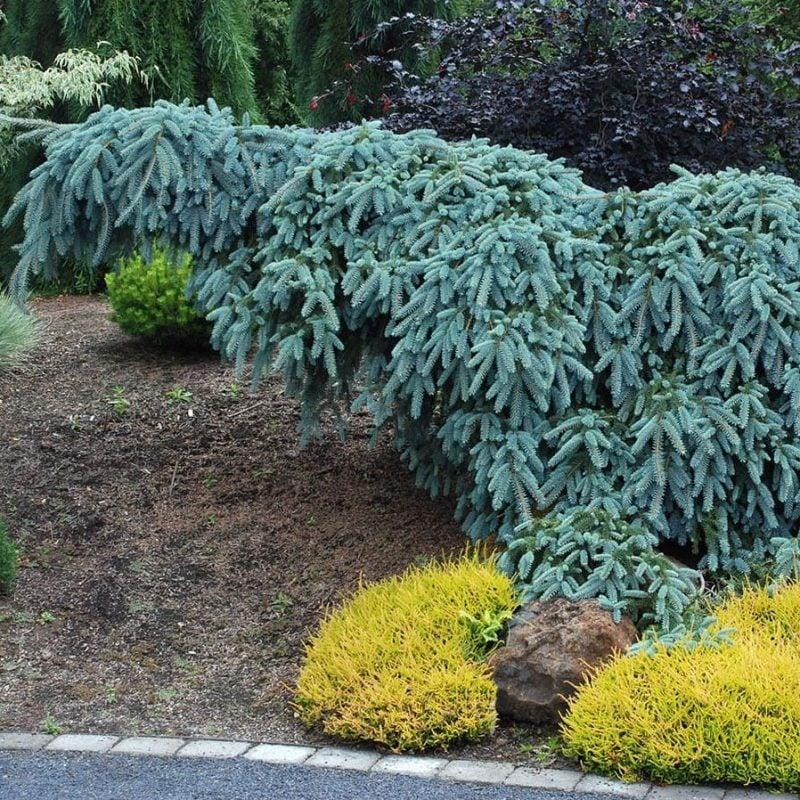
Picea pungens 'The Blues', commonly known as 'The Blues' Weeping Blue Spruce, is a striking conifer with a unique weeping habit and vibrant blue needles. This cultivar is prized for its cascading branches and dramatic appearance, making it a standout feature in any landscape.
Suggested Uses
Ideal for use as a focal point in gardens, rockeries, or as a specimen plant. It can also be used in large containers for patios and decks, adding a touch of elegance with its distinctive form and color.
Plant Details
-
 Botanical Name: Picea pungens 'The Blues'
 -
 Common Name: 'The Blues' Weeping Blue Spruce
 -
 Size & Growth: Typically reaches 6-8 feet in height with a spread of 4-6 feet
 -
 Hardiness Zones: 2-8
 -
 Foliage Type: Evergreen
 -
 Bloom Time: Non-flowering
 -
 Growth Rate: Slow
 -
 Light Requirements: Full sun to partial shade
 -
 Attracts Pollinators: No
 -
 Indoor Friendly: No
 -
 Container Friendly: Yes
 -
 Deer Resistant: Yes
 -
 Pet Warning: Non-toxic to pets
 -
 Fragrant: No
 -
 Cut Flower: No
 -
 Grows Well With: Other conifers and ornamental grasses
Care Tips
-
 Planting Instructions: Plant in well-drained soil, ensuring the root ball is level with the soil surface
 -
 Soil Moisture: Keep soil consistently moist, but not waterlogged
 -
 Soil Type: Prefers acidic to neutral, sandy or loamy soil
 -
 Humidity: Tolerates average humidity levels
 -
 Pruning Instructions: Minimal pruning needed; remove dead or damaged branches in late winter
 -
 Winter Care: Mulch around the base to protect roots from extreme cold
 -
 Planting Depth: Ensure the root flare is visible above the soil line
 -
 Fertilization: Apply a balanced, slow-release fertilizer in early spring
 -
 Special Care: Protect from strong winds to prevent branch damage