

RedCrocus Birdsnest Norway Spruce Picea abies 'Nidiformis'- Compact Evergreen, Perfect for Gardens & Containers, Drought & Deer Resistant, Pet Toxic, Slow-Growing 3 Gallon
RedCrocus Birdsnest Norway Spruce Picea abies 'Nidiformis'- Compact Evergreen, Perfect for Gardens & Containers, Drought & Deer Resistant, Pet Toxic, Slow-Growing 3 Gallon
Regular price
$192.00 USD
Regular price
$249.60 USD
Sale price
$192.00 USD
Unit price
per
Shipping calculated at checkout.
SKU:nse6636-redcrocus
Couldn't load pickup availability
Birdsnest Norway Spruce Picea abies 'Nidiformis'
Description
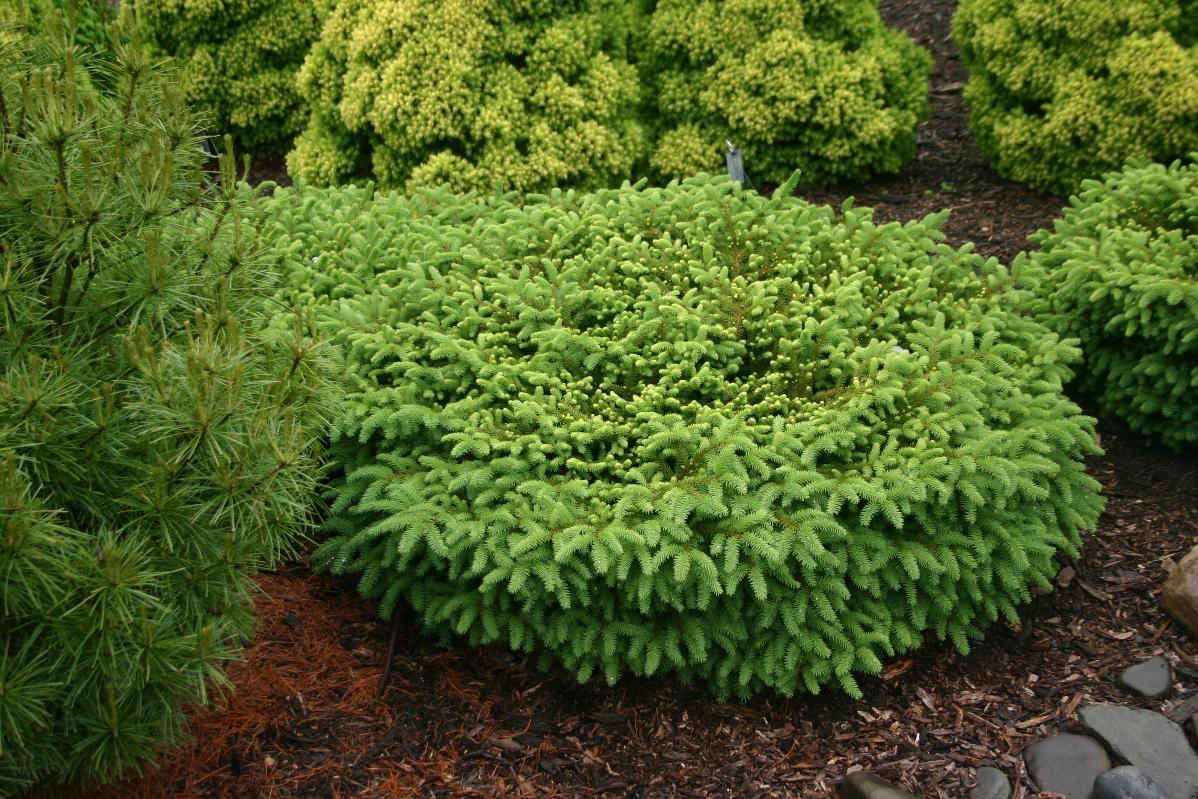
The Birdsnest Norway Spruce is a compact, low-growing evergreen conifer distinguished by its densely bushy, irregularly spreading branches. Its distinctive nest-like shape adds unique visual interest to gardens and landscapes.
Suggested Uses
Ideal for rock gardens, small gardens, container planting, and as an accent plant in borders. Its slow growth makes it suitable for bonsai or topiary.
Plant Details
-
 Botanical Name: Birdsnest Norway Spruce Picea abies 'Nidiformis'
 -
 Common Name: Birdsnest Norway Spruce
 -
 Size & Growth: 1-2 ft tall, spreading up to 4 ft over time; slow-growing
 -
 Hardiness Zones: 3-7
 -
 Foliage Type: Evergreen, needle-like foliage
 -
 Bloom Time: Not applicable, coniferous evergreen
 -
 Growth Rate: Slow
 -
 Light Requirements: Full sun to partial shade
 -
 Attracts Pollinators: No
 -
 Indoor Friendly: No
 -
 Container Friendly: Yes, suitable for containers
 -
 Deer Resistant: Yes
 -
 Pet Warning: Toxic to dogs and cats if ingested
 -
 Fragrant: No
 -
 Cut Flower: No
 -
 Grows Well With: Low-growing perennials, rocks, succulents
Care Tips
-
 Planting Instructions: Plant in well-drained soil in a sunny spot, spacing 3-4 ft apart.
 -
 Soil Moisture: Keep soil moist but not waterlogged.
 -
 Soil Type: Acidic to neutral, well-drained.
 -
 Humidity: Moderate
 -
 Pruning Instructions: Minimal pruning, remove dead or damaged branches.
 -
 Winter Care: Protect from harsh winter winds; mulch around base.
 -
 Planting Depth: Plant at the same depth as container or root ball.
 -
 Fertilization: Use balanced slow-release fertilizer in early spring.
 -
 Special Care: Avoid overwatering and fertilizing in late fall.