

RedCrocus Kelseyi Redosier Dogwood | Vibrant Red Stems, Spring Blooms, Easy Care Shrub | Moist Soil, Full Sun, Zone 3-7 3 Gallon
RedCrocus Kelseyi Redosier Dogwood | Vibrant Red Stems, Spring Blooms, Easy Care Shrub | Moist Soil, Full Sun, Zone 3-7 3 Gallon
Regular price
$180.00 USD
Regular price
$234.00 USD
Sale price
$180.00 USD
Unit price
per
Shipping calculated at checkout.
SKU:nsd4443-redcrocus
Couldn't load pickup availability
Kelseyi' Redosier Dogwood Cornus sericea 'Kelseyi'
Description
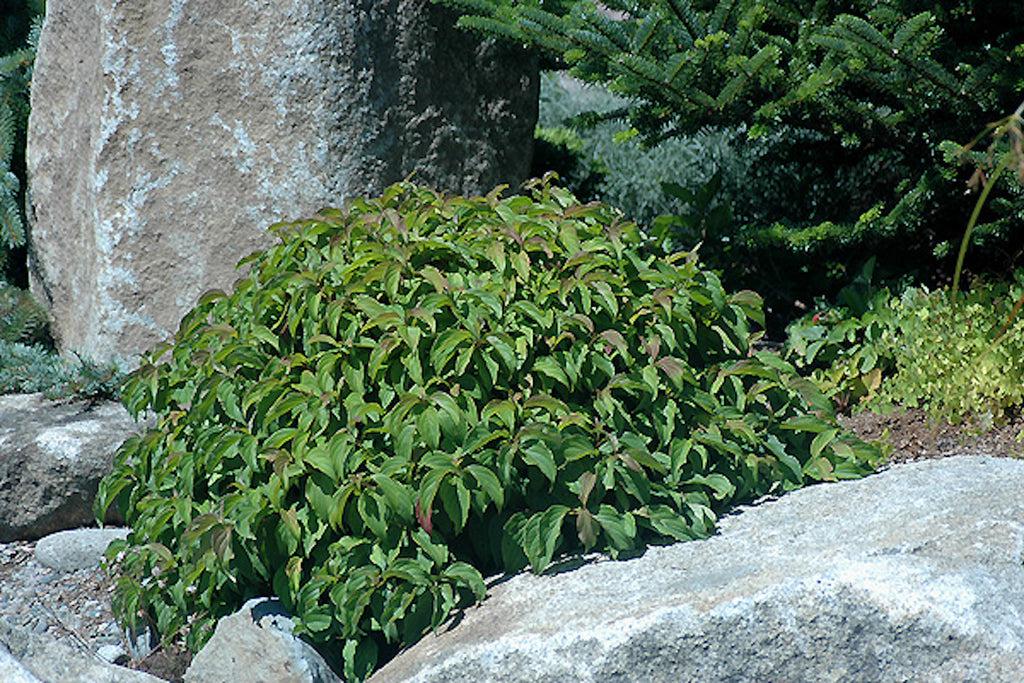
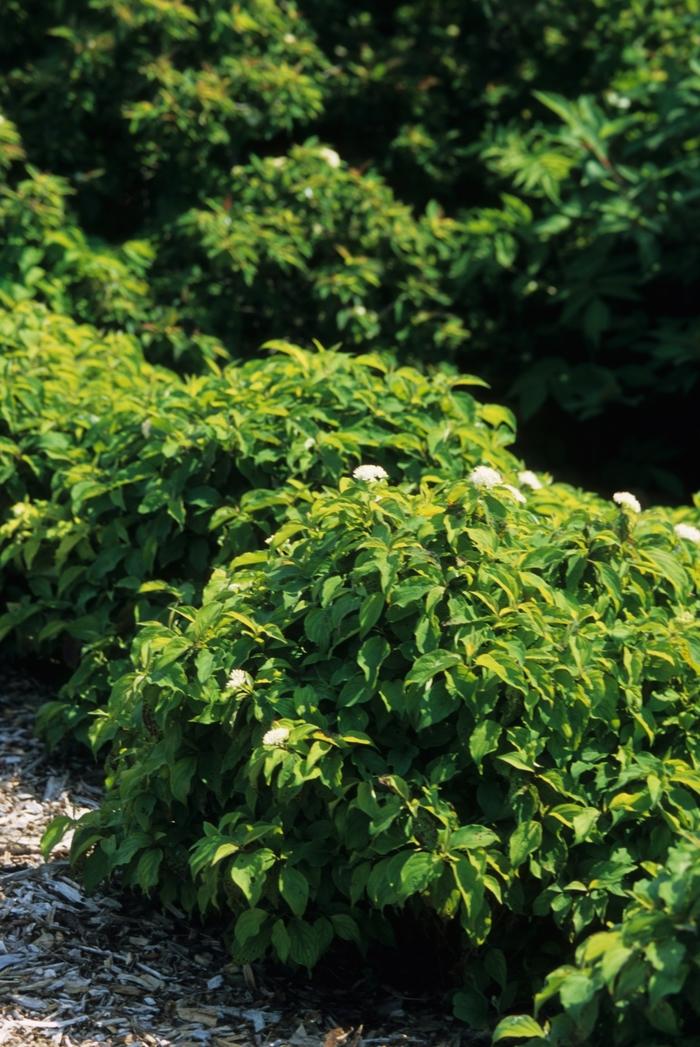
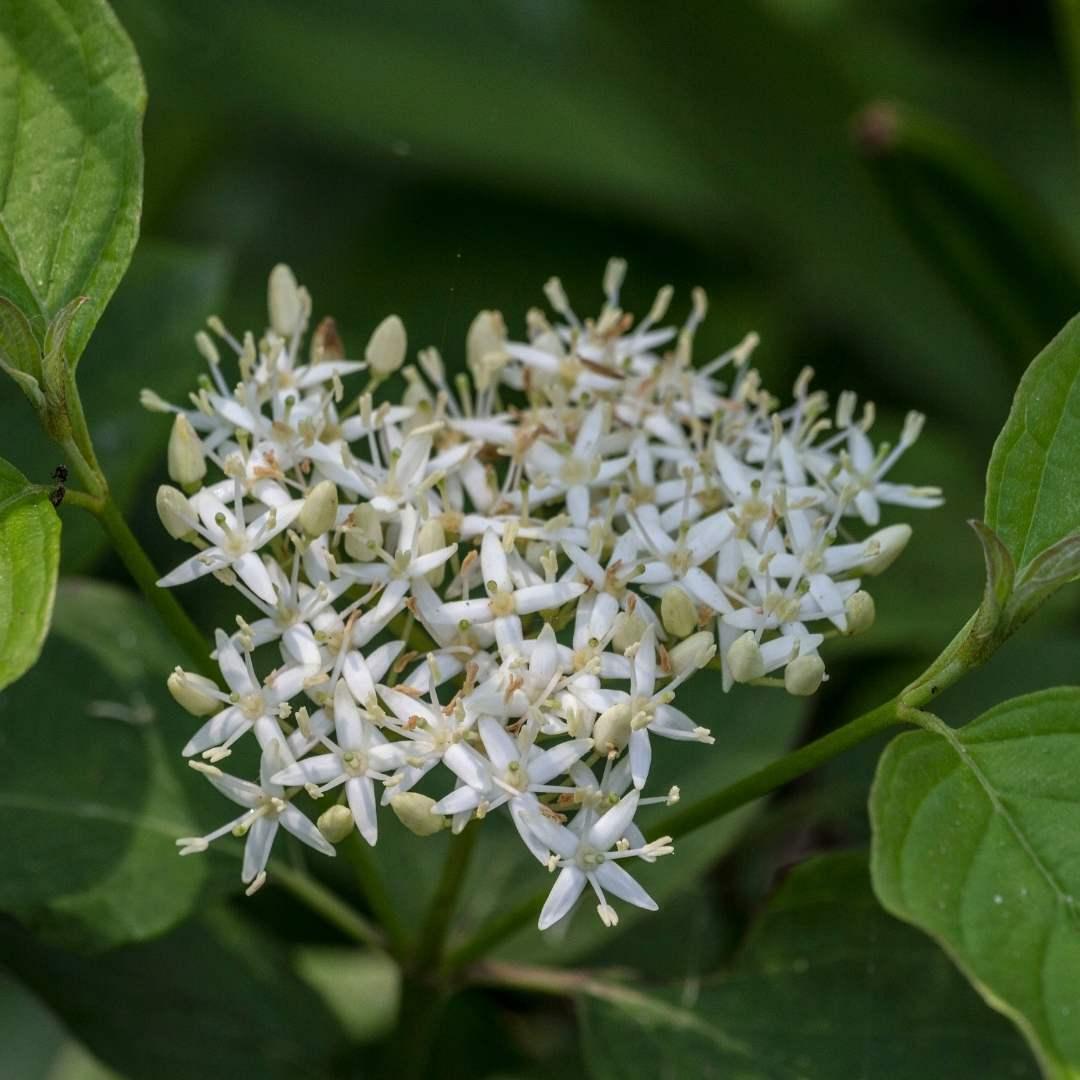
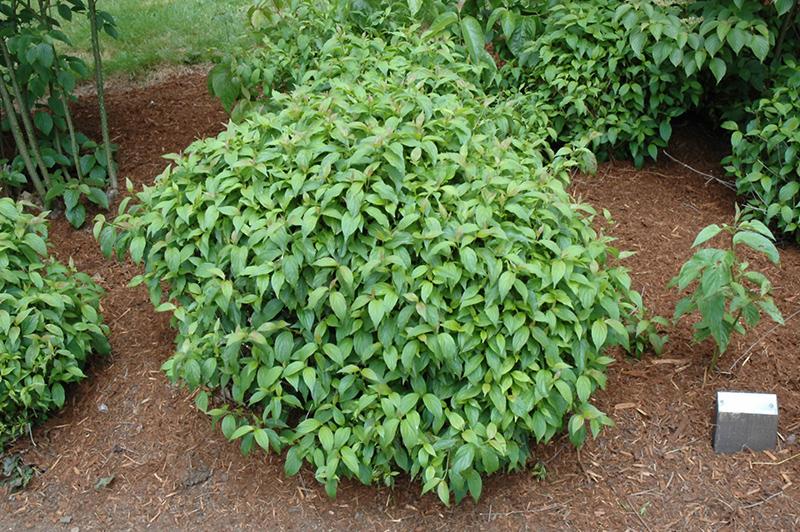
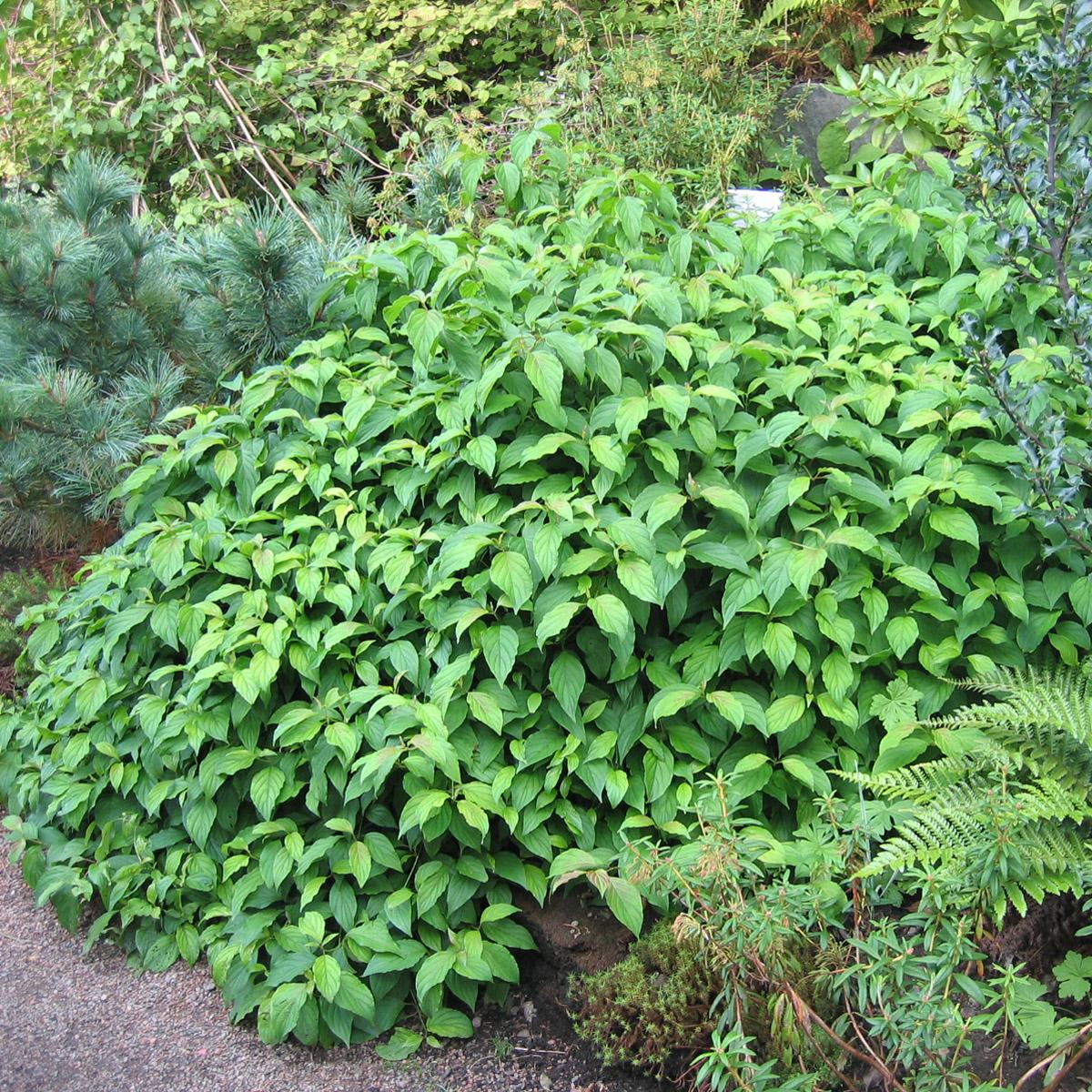
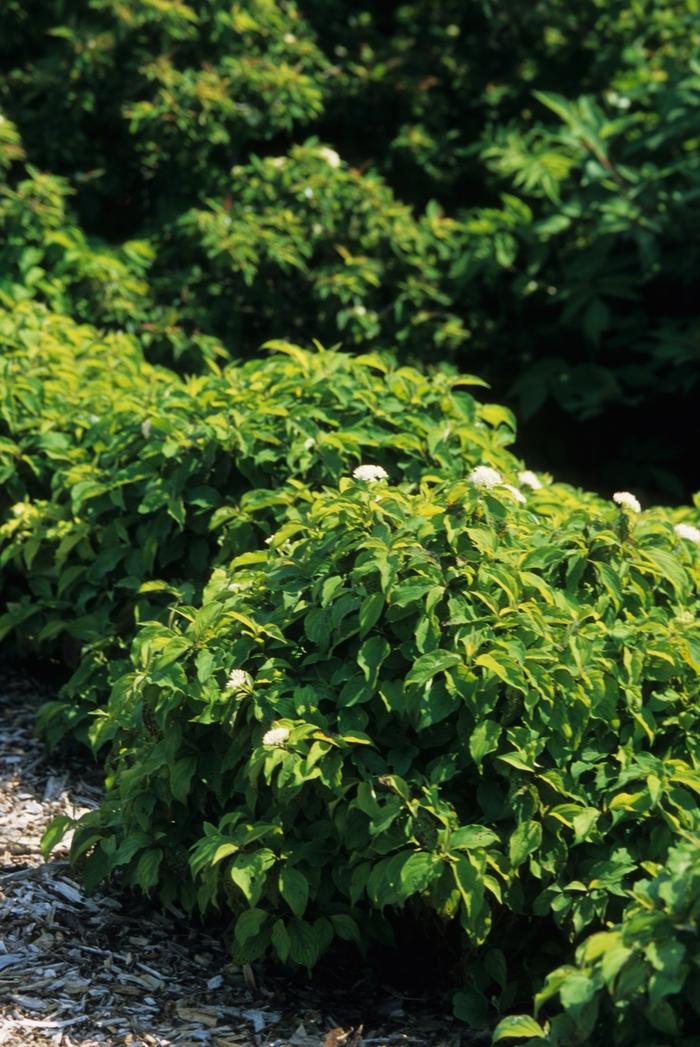
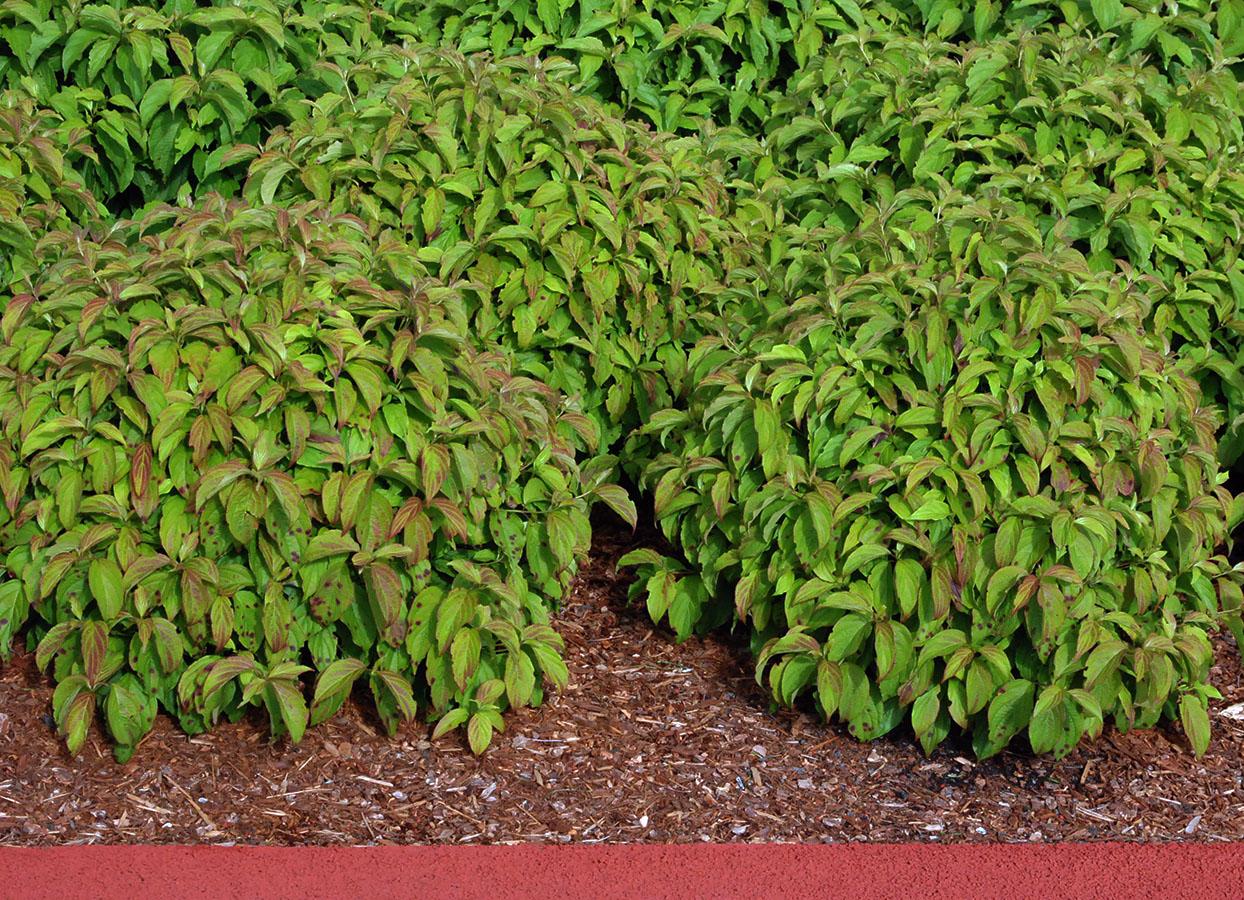
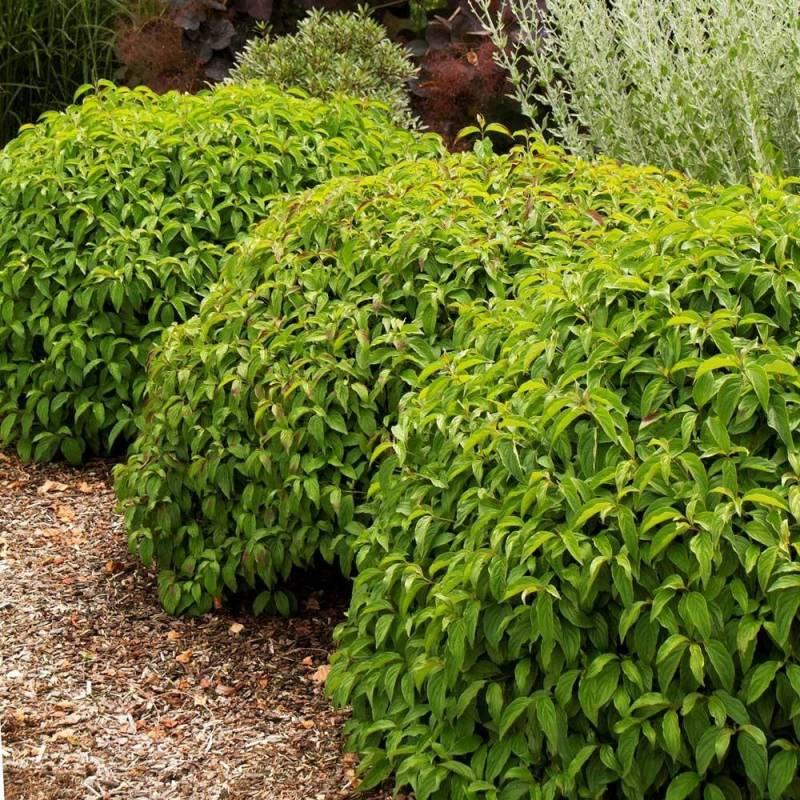
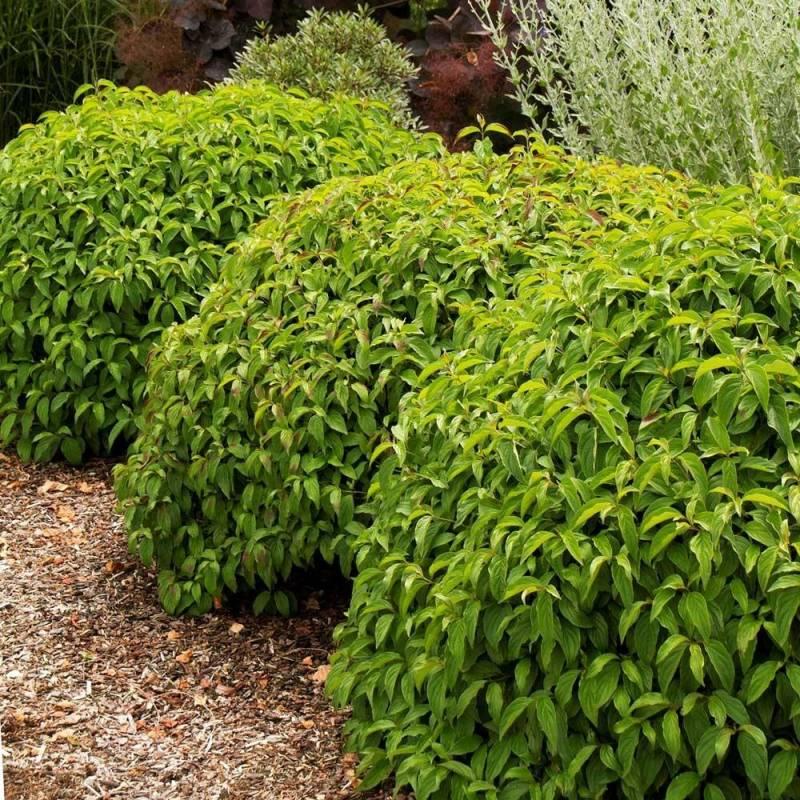
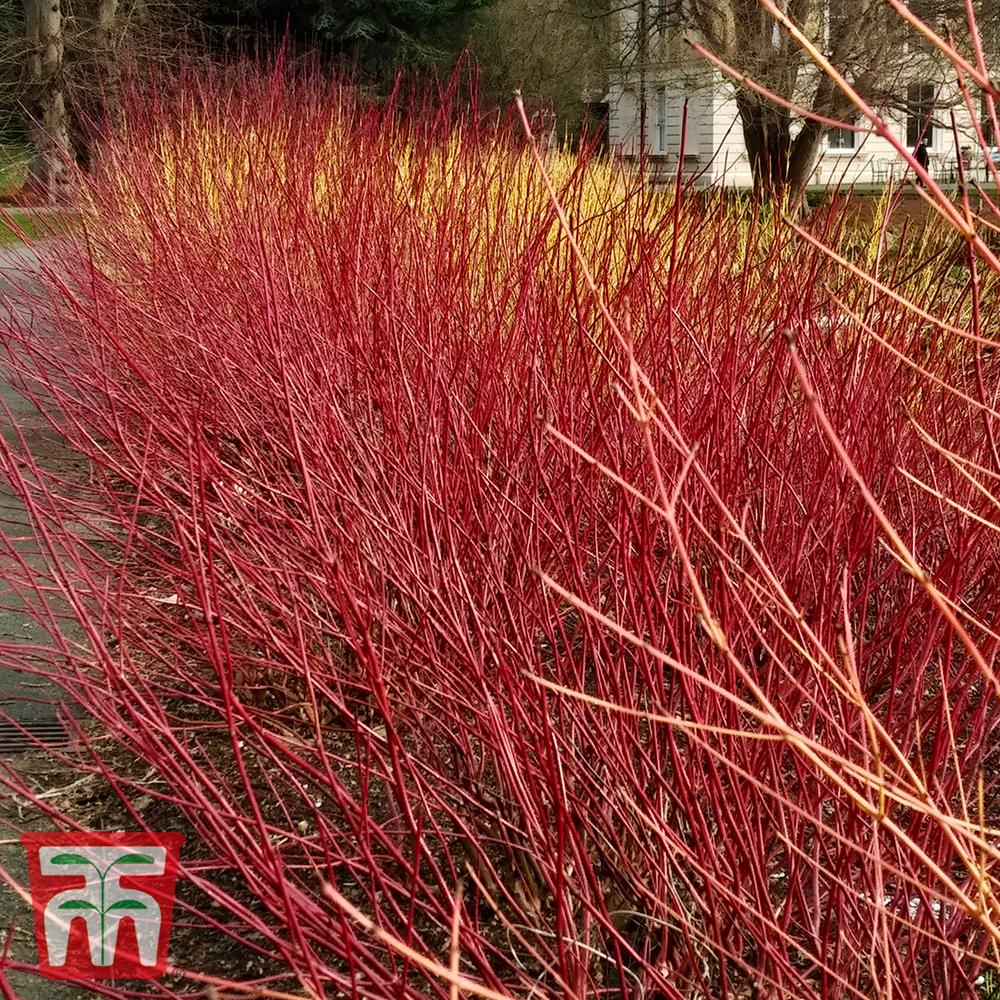
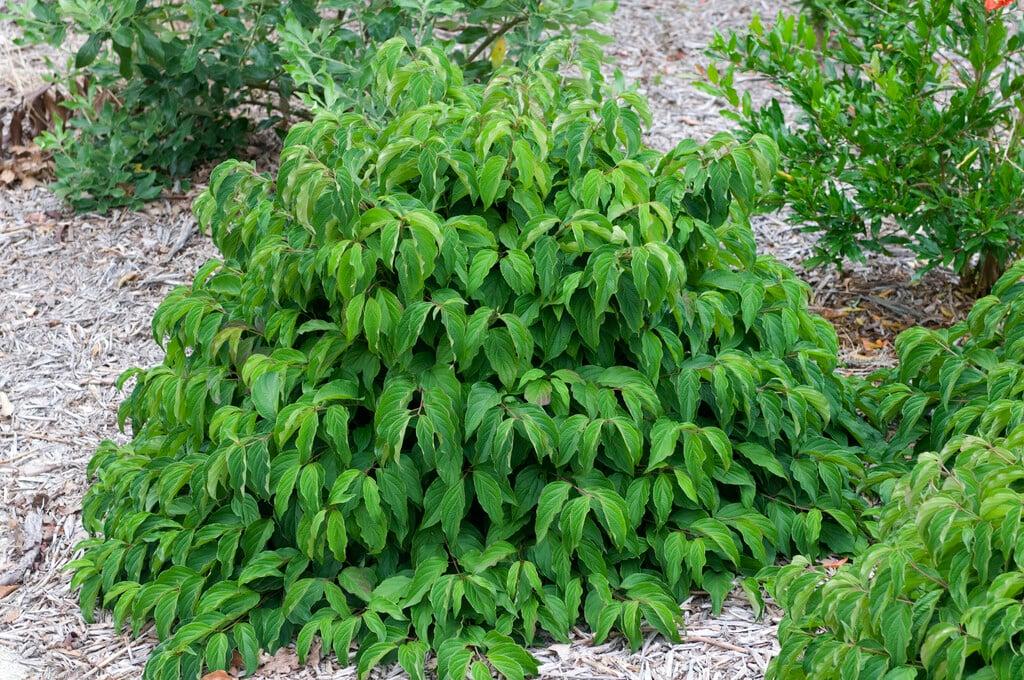
A deciduous shrub known for its vibrant red stems and cluster of white flowers in spring. It features ovate green foliage that turns red in fall and prefers moist, well-drained soils.
Suggested Uses
Ideal for border plantings, hedges, erosion control, and as a specimen shrub in water-friendly gardens.
Plant Details
-
 Botanical Name: Kelseyi' Redosier Dogwood Cornus sericea 'Kelseyi'
 -
 Common Name: Kelseyi' Redosier Dogwood
 -
 Size & Growth: Typically 6-8 ft tall and wide, with a vigorous growth rate
 -
 Hardiness Zones: 3 to 7
 -
 Foliage Type: Deciduous
 -
 Bloom Time: Spring (April-May)
 -
 Growth Rate: Moderate to Fast
 -
 Light Requirements: Full Sun to Part Shade
 -
 Attracts Pollinators: Yes
 -
 Indoor Friendly: No
 -
 Container Friendly: Yes
 -
 Deer Resistant: Yes
 -
 Pet Warning: Non-toxic
 -
 Fragrant: No
 -
 Cut Flower: Yes
 -
 Grows Well With: Other moisture-loving plants, native grasses
Care Tips
-
 Planting Instructions: Plant in spring or fall in moist, well-drained soil, ensuring full sun for best color development.
 -
 Soil Moisture: Prefers consistent moisture; mulching recommended to retain soil moisture.
 -
 Soil Type: Adaptable to clay, loam, and sandy soils
 -
 Humidity: Tolerates a range of humidity levels
 -
 Pruning Instructions: Prune in late winter or early spring to maintain shape and promote healthy growth.
 -
 Winter Care: Mulch around base for root protection; hardy in zones 3-7.
 -
 Planting Depth: Plant so that the top of the root ball is level with the soil surface.
 -
 Fertilization: Apply a balanced fertilizer in early spring each year.
 -
 Special Care: Avoid overwatering in winter; mulch to conserve moisture.