

RedCrocus Beach Plum Prunus maritima | Coastal Native Shrub for Gardens & Wildlife | Fragrant White Flowers, Edible Fruit, Suitable for Containers & Erosion Control 2 Gallon
RedCrocus Beach Plum Prunus maritima | Coastal Native Shrub for Gardens & Wildlife | Fragrant White Flowers, Edible Fruit, Suitable for Containers & Erosion Control 2 Gallon
Regular price
$132.00 USD
Regular price
$171.60 USD
Sale price
$132.00 USD
Unit price
per
Shipping calculated at checkout.
SKU:nsd4201-redcrocus
Couldn't load pickup availability
Beach Plum Prunus maritima
Description
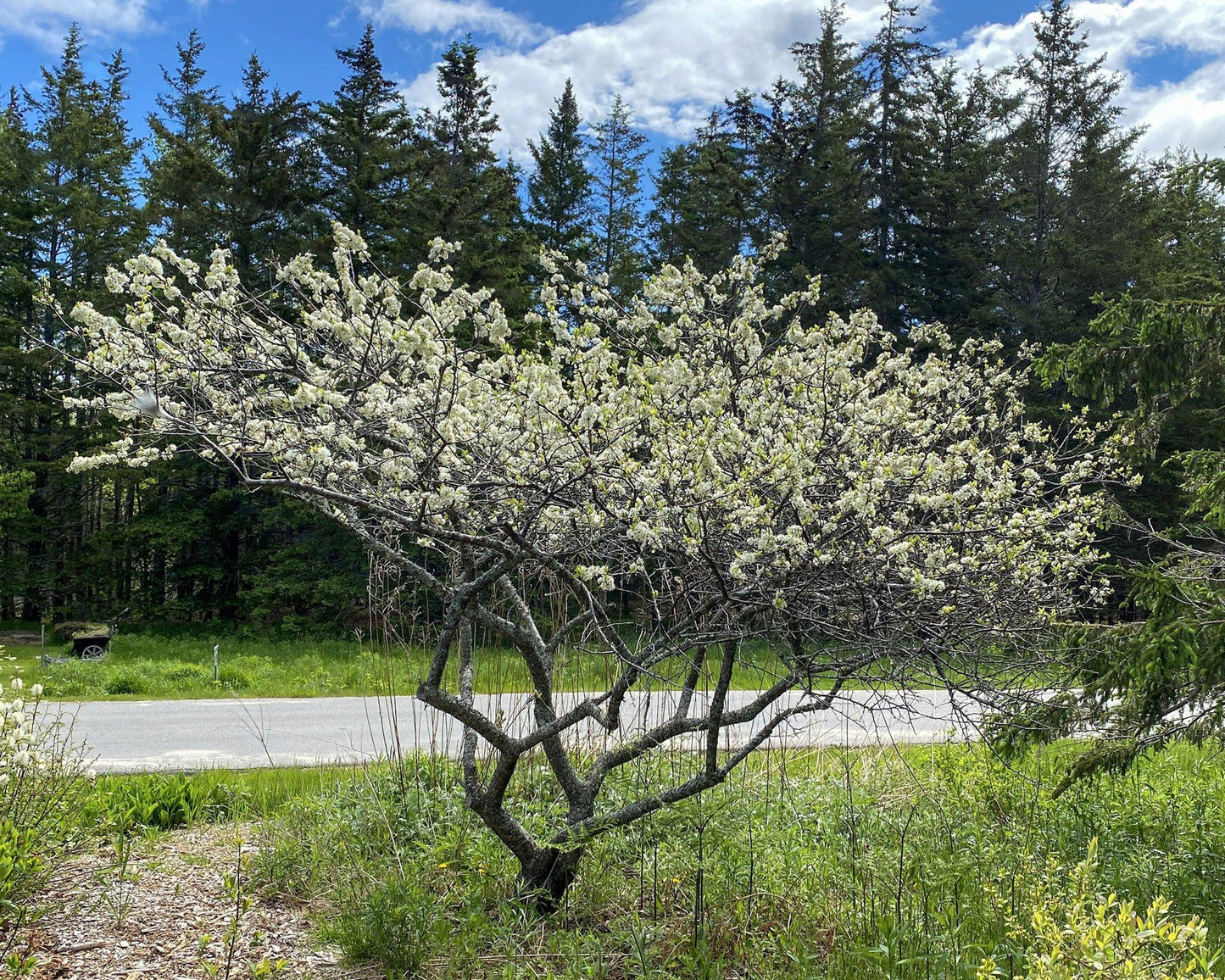
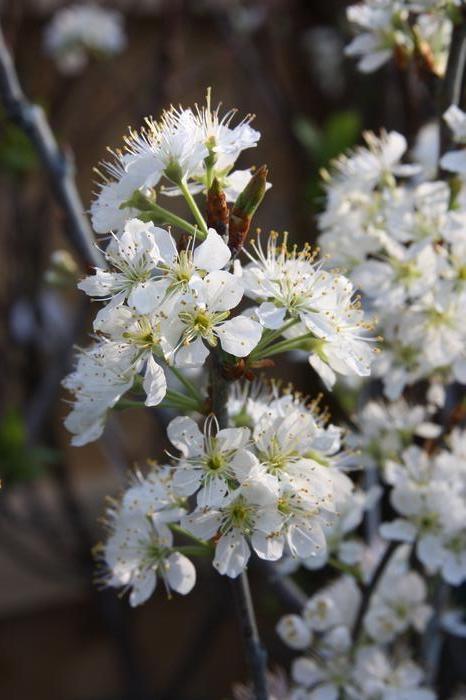
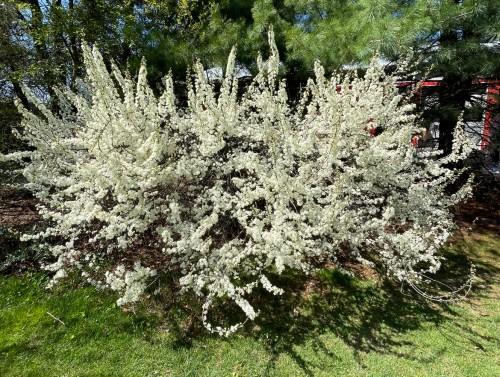
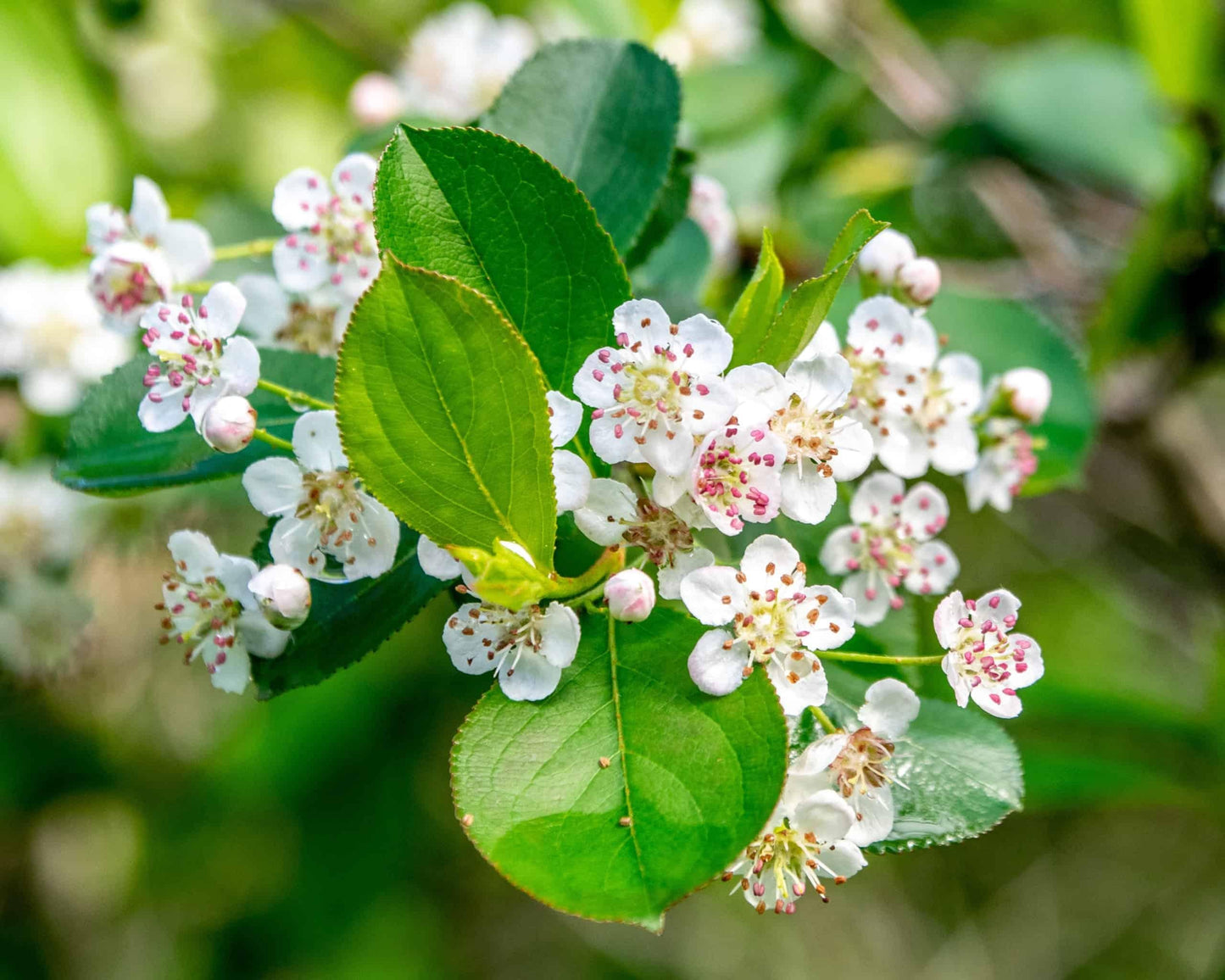
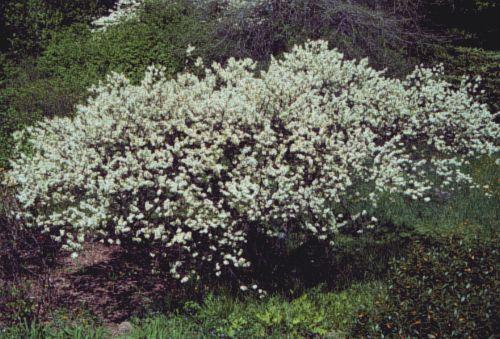
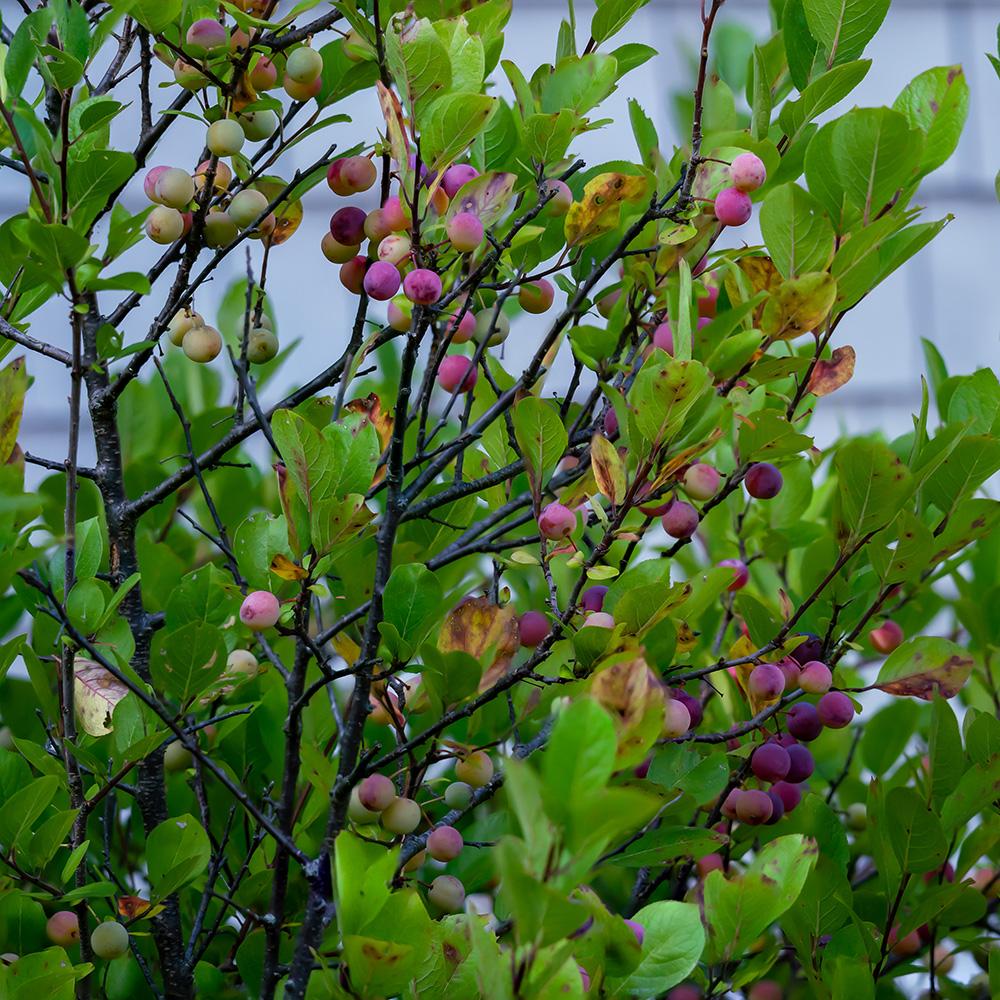
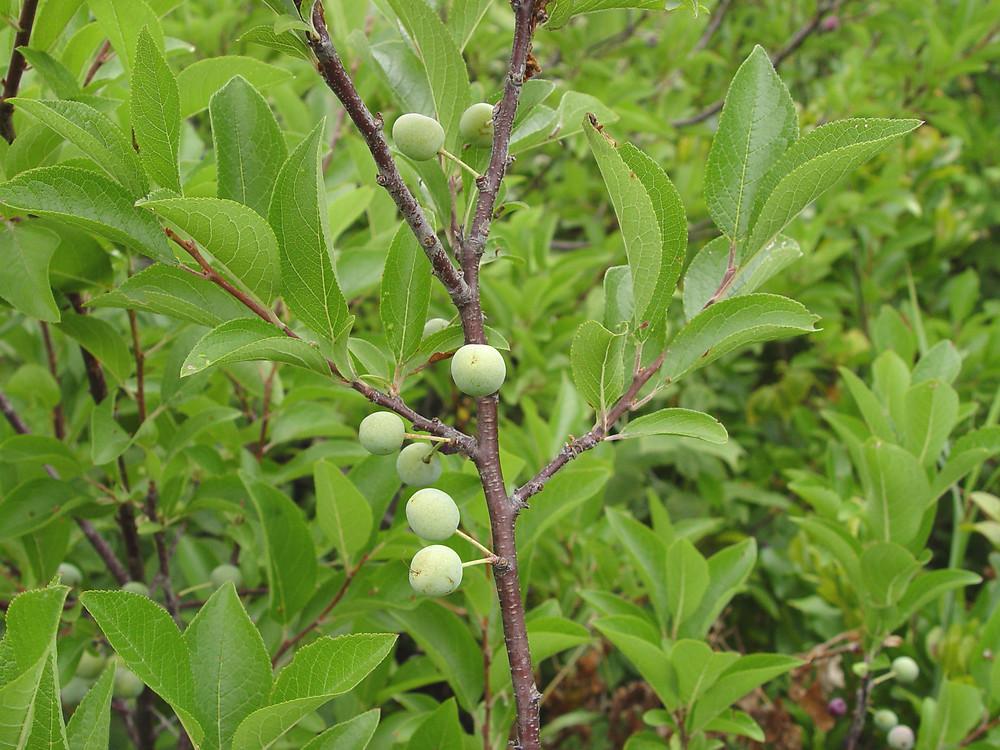
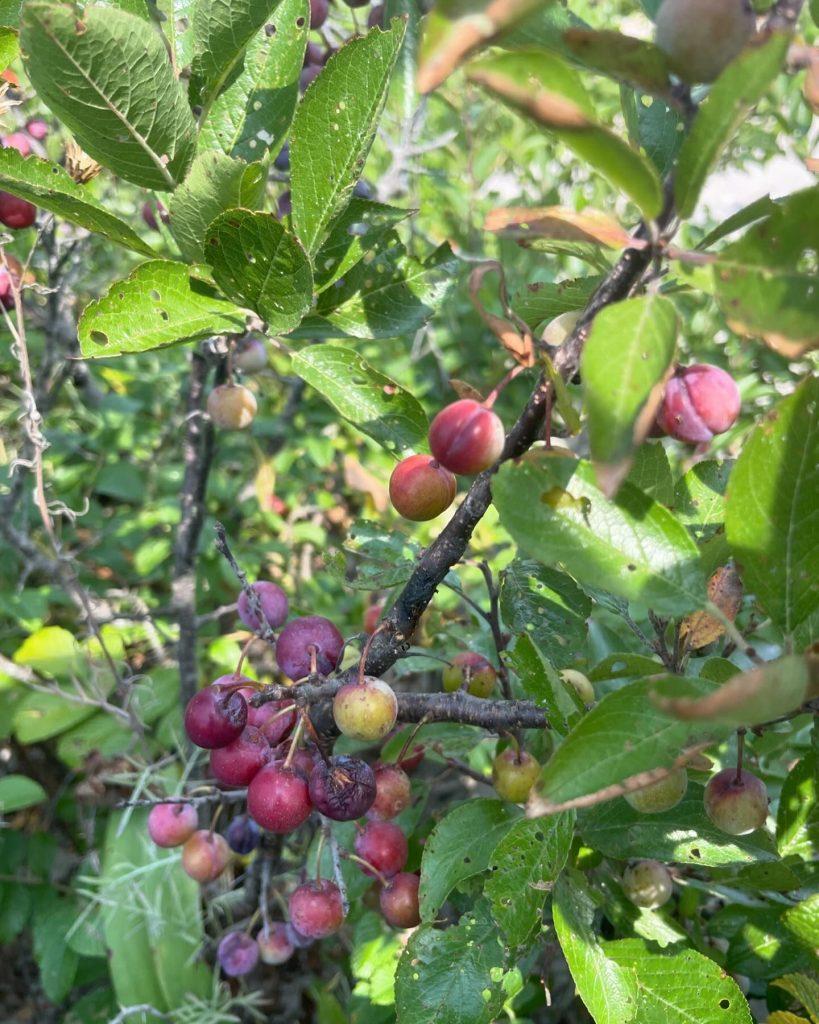
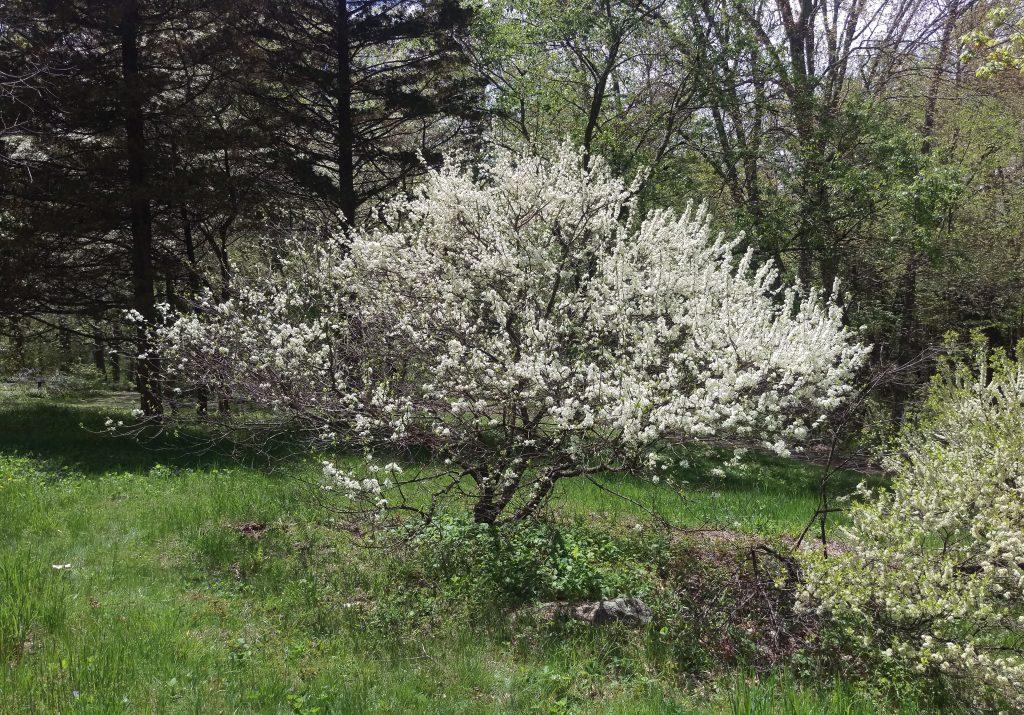
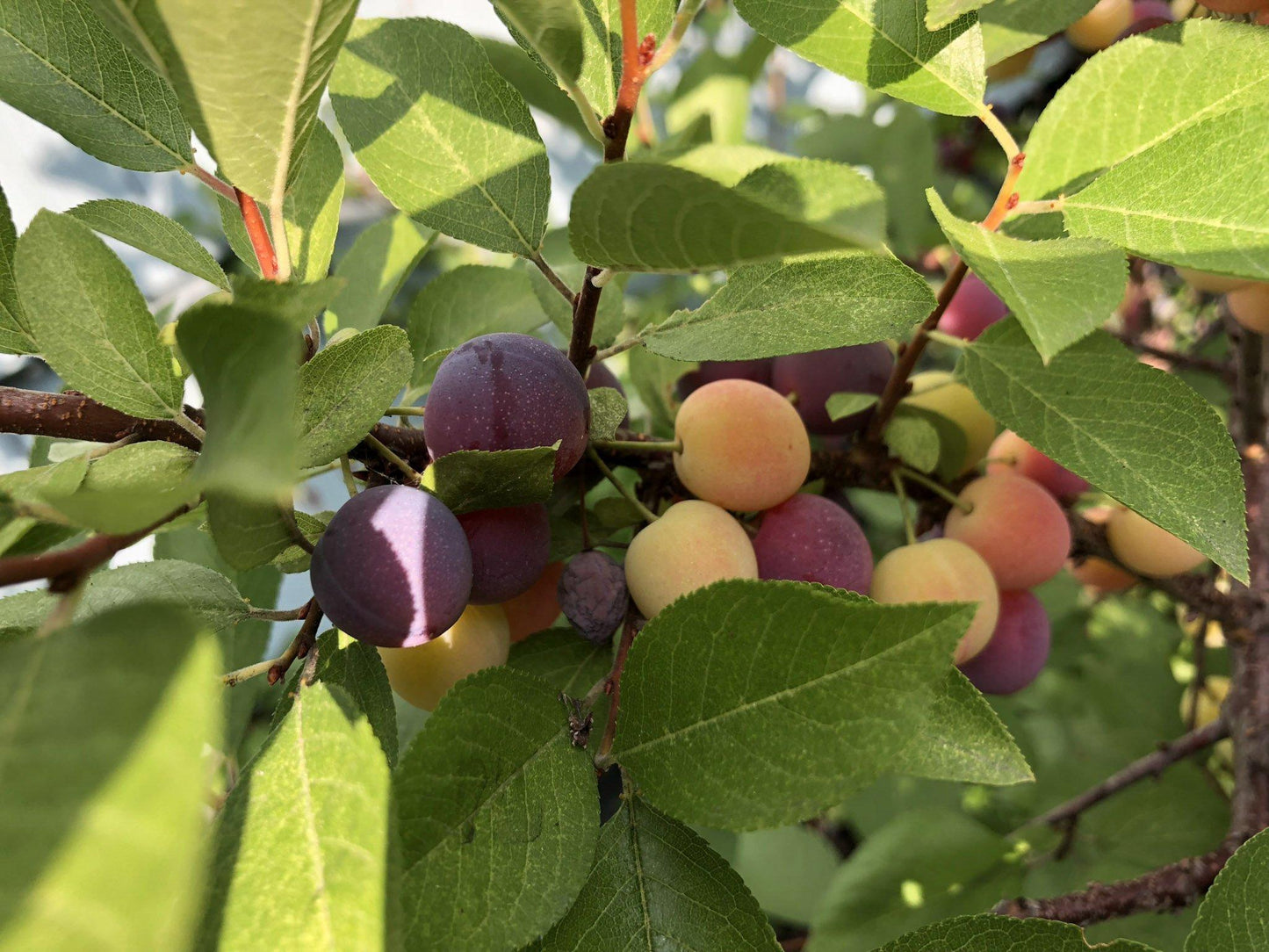
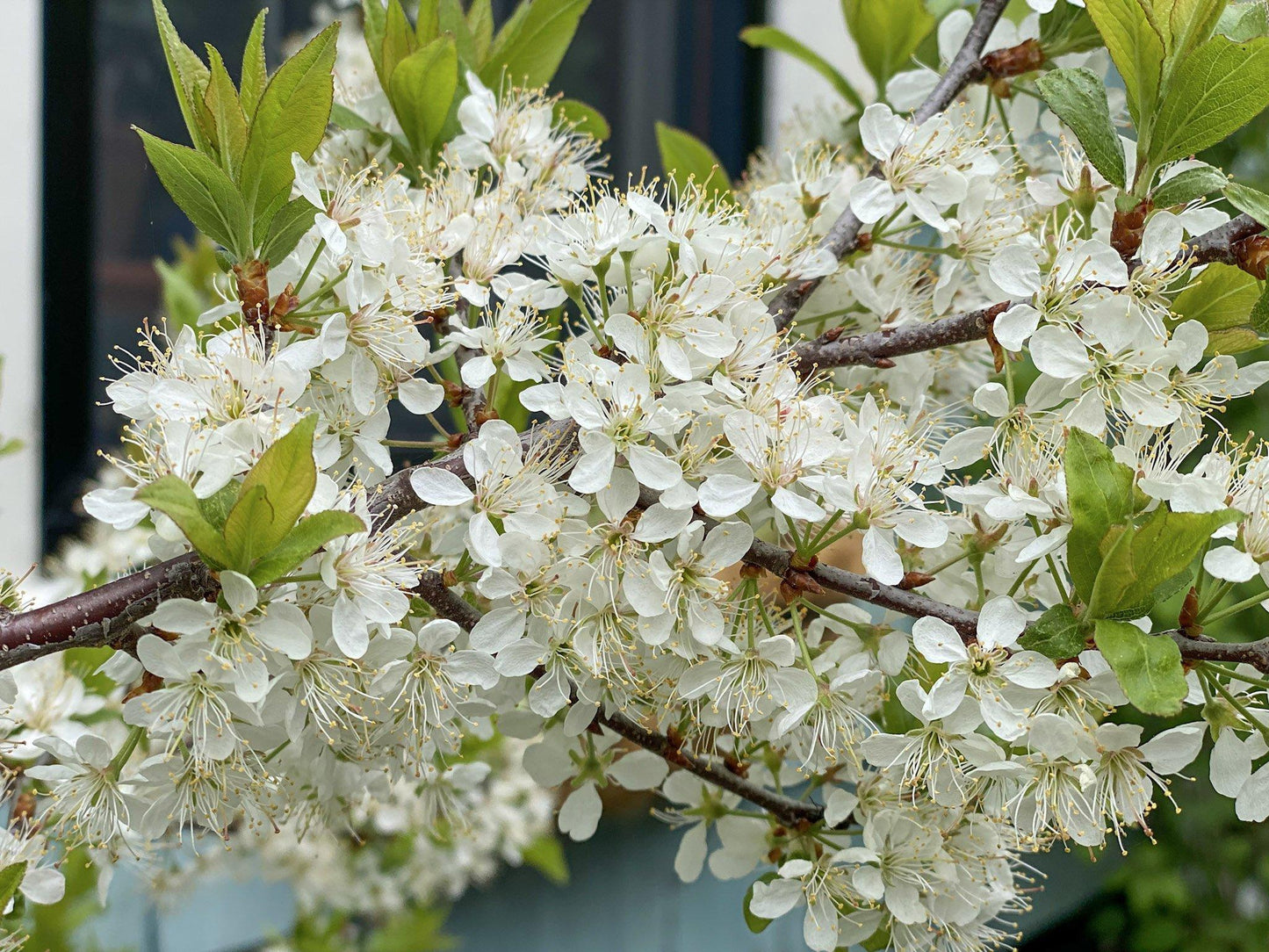
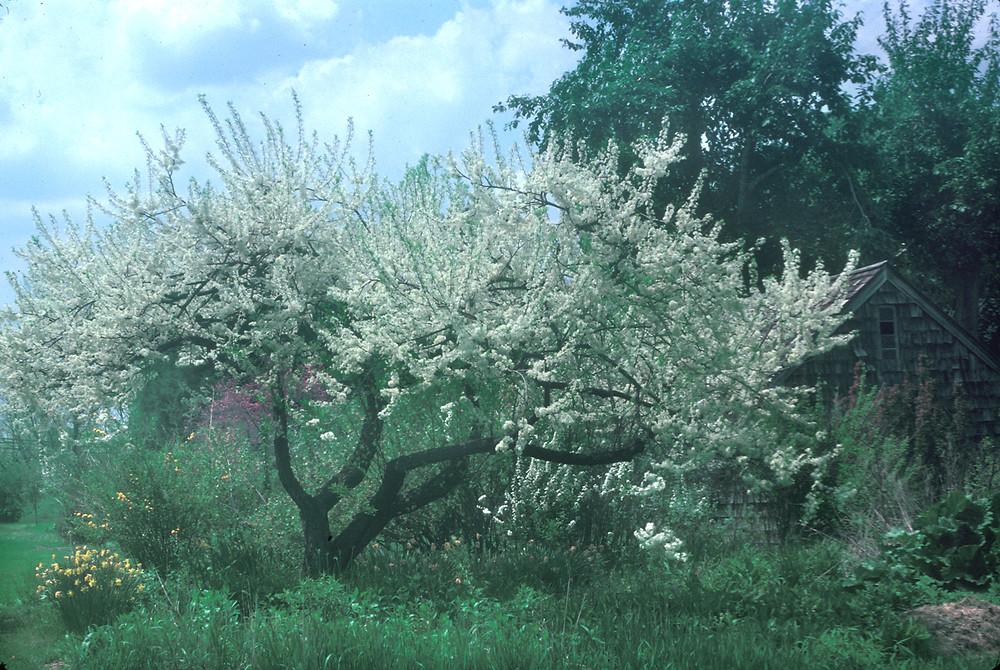
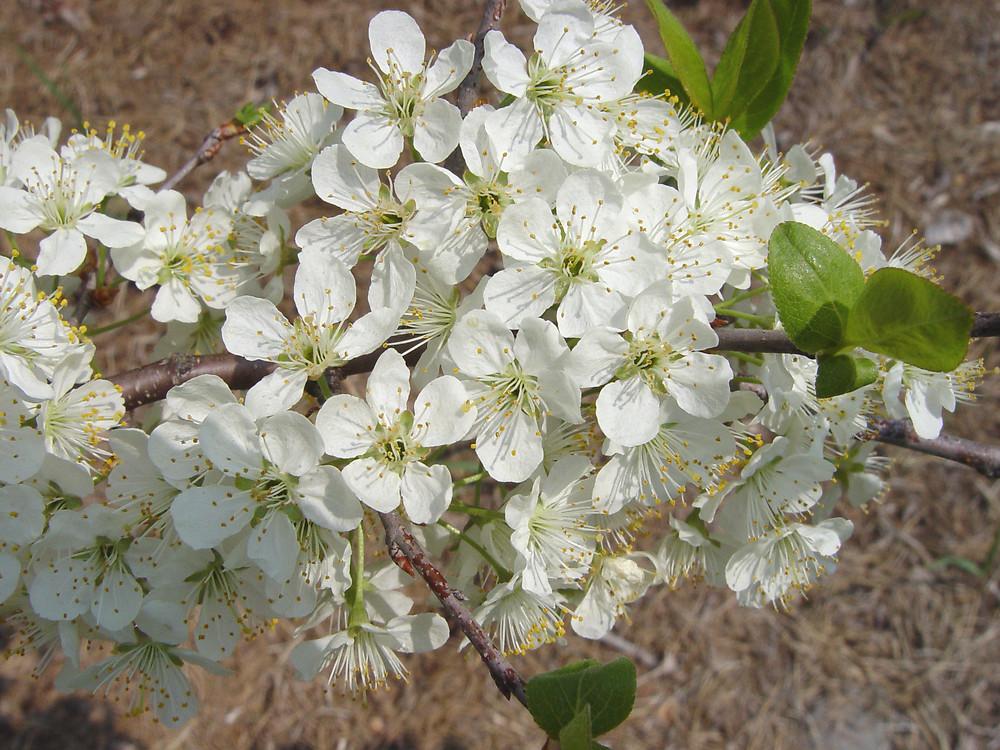
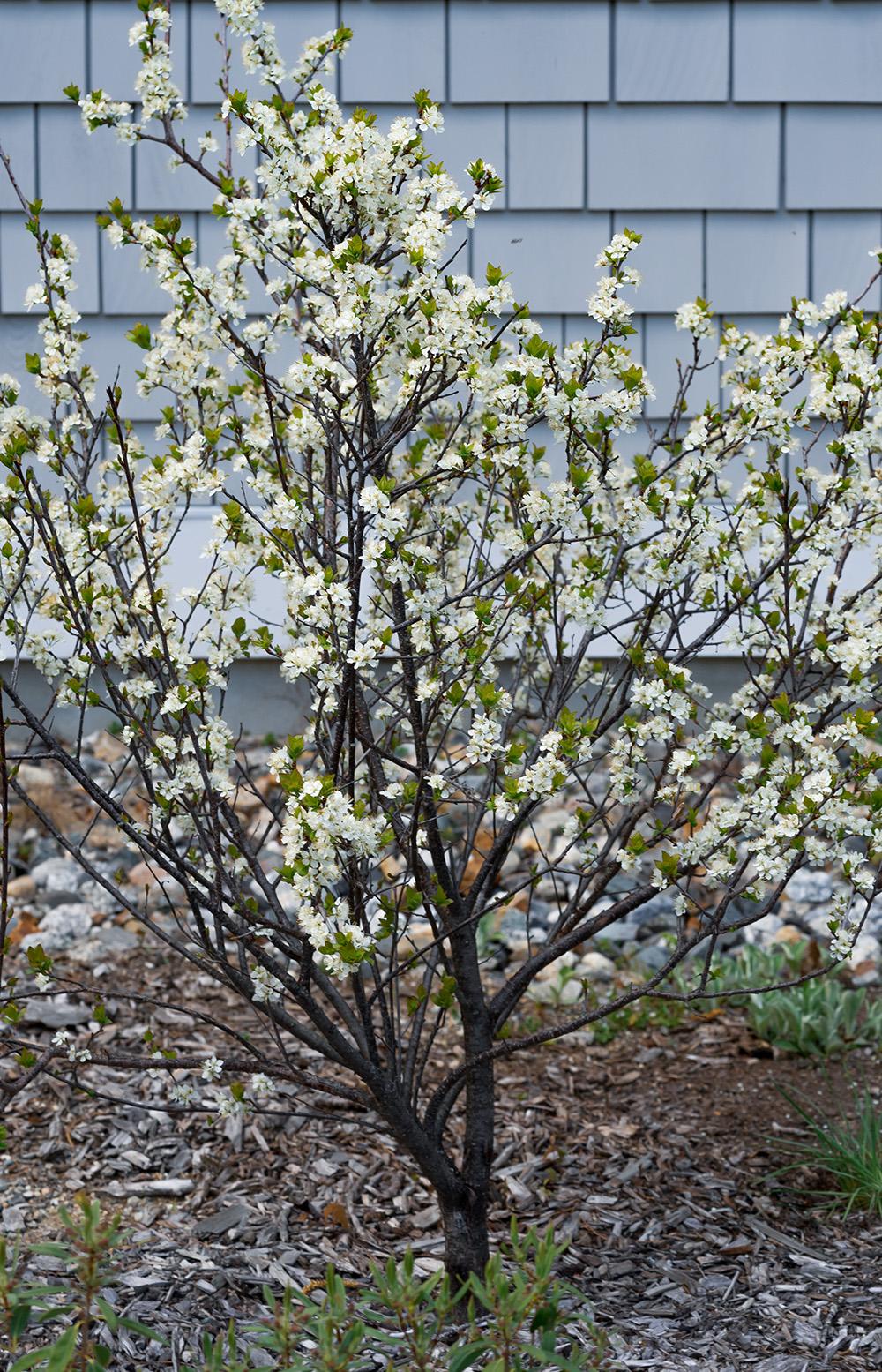
A native deciduous shrub featuring delicate white flowers in spring, followed by small, edible plums. It has dense, rounded growth with fine, gray-green foliage, thriving in coastal and sandy soils.
Suggested Uses
Ideal for naturalized gardens, coastal landscapes, erosion control, and wildlife habitats. Adds beauty and functionality to beachside settings and sunny borders.
Plant Details
-
 Botanical Name: Beach Plum Prunus maritima
 -
 Common Name: Beach Plum
 -
 Size & Growth: Typically 3-6 feet tall and wide, with dense, rounded form.
 -
 Hardiness Zones: 4-7
 -
 Foliage Type: Deciduous
 -
 Growth Rate: Moderate
 -
 Light Requirements: Full sun
 -
 Attracts Pollinators: Bees, butterflies
 -
 Indoor Friendly: No
 -
 Container Friendly: Yes, suitable for large containers
 -
 Deer Resistant: Yes
 -
 Pet Warning: Non-toxic to pets
 -
 Fragrant: Yes, fragrant white flowers
 -
 Cut Flower: Yes
 -
 Grows Well With: Other coastal natives, grasses, and perennials
 Bloom Time: Late spring to early summer
Care Tips
-
 Planting Instructions: Plant in full sun in well-drained, sandy or loamy soil, ideally at the same depth as in the nursery.
 -
 Soil Moisture: Keep soil consistently moist but not waterlogged.
 -
 Soil Type: Sandy, loamy, or rocky soils with excellent drainage.
 -
 Humidity: Tolerant of coastal humidity; optimal in moderate humidity conditions.
 -
 Pruning Instructions: Prune after flowering to maintain shape and remove dead wood.
 -
 Winter Care: Mulch around roots for insulation in colder zones; generally hardy to zone 4.
 -
 Planting Depth: Plant at the same depth as in the nursery container.
 -
 Fertilization: Apply balanced fertilizer in early spring.
 -
 Special Care: Avoid overwatering, especially in winter; tolerate drought once established.