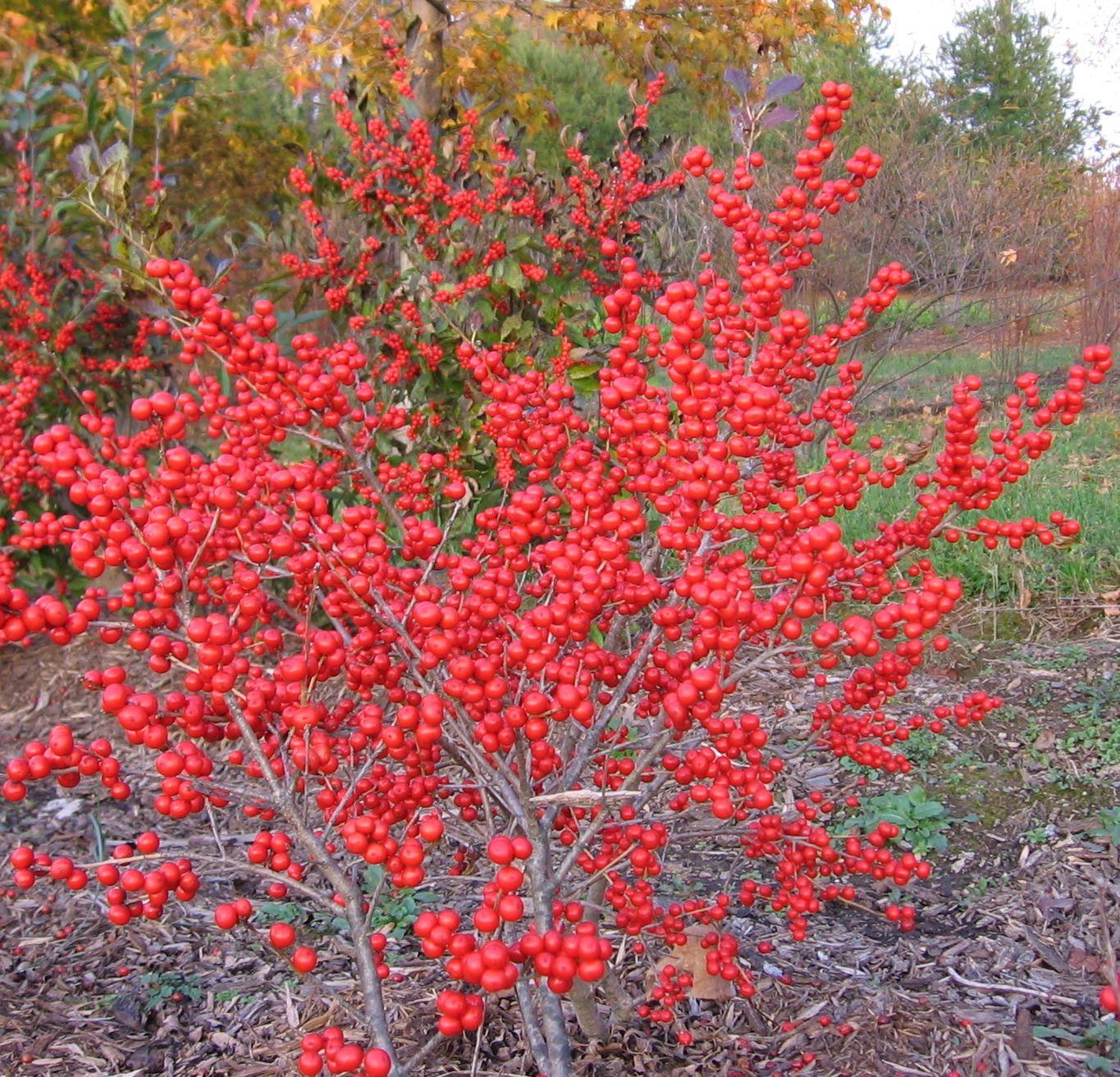


Winter Red' Winterberry Ilex verticillata | Vibrant Red Berries | Hardy Deciduous Shrub | Wildlife Garden Plant | Container Friendly 4/5' h B&B
Winter Red' Winterberry Ilex verticillata | Vibrant Red Berries | Hardy Deciduous Shrub | Wildlife Garden Plant | Container Friendly 4/5' h B&B
Regular price
$1,020.00 USD
Regular price
$1,326.00 USD
Sale price
$1,020.00 USD
Unit price
per
Shipping calculated at checkout.
SKU:nsd1046-redcrocus
Couldn't load pickup availability
Winter Red' Winterberry Ilex verticillata 'Winter Red'
Description
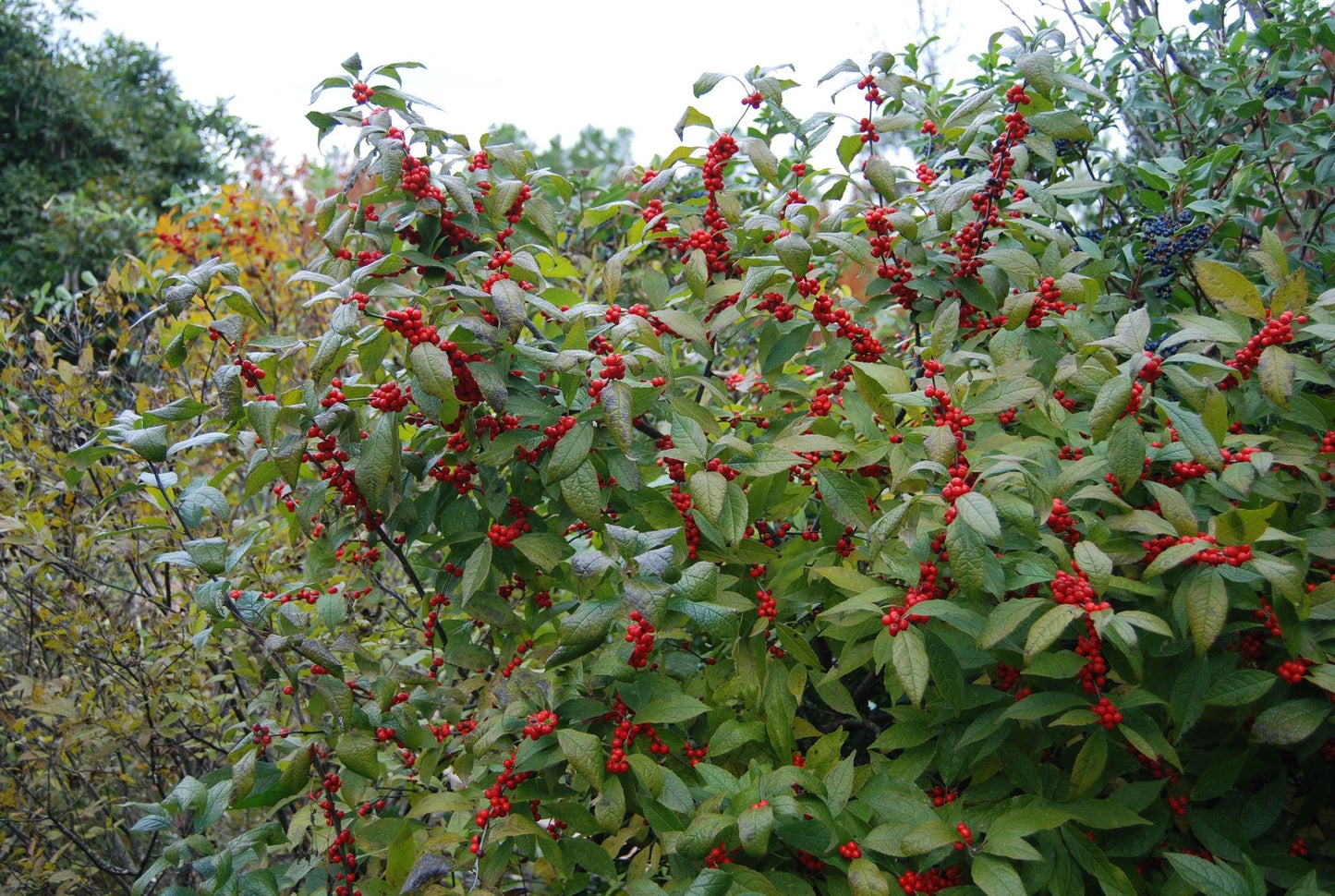
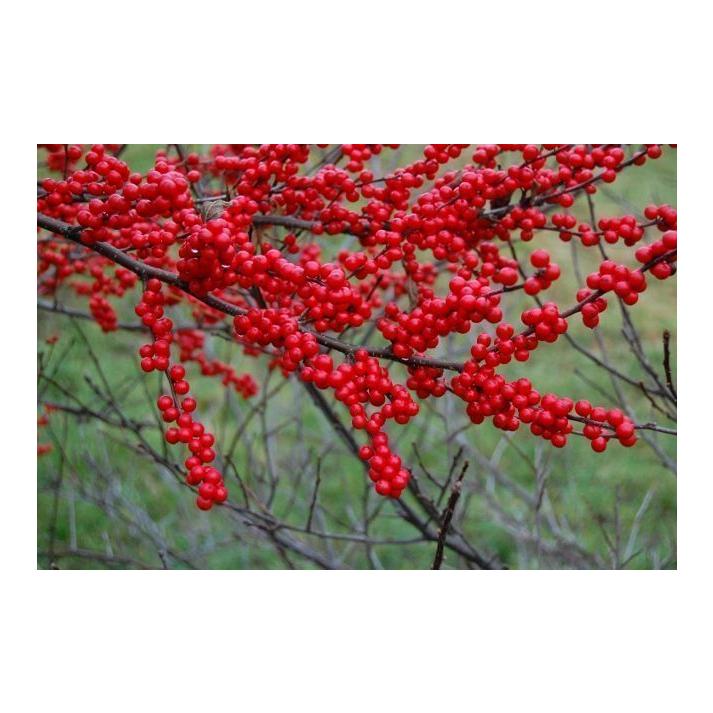
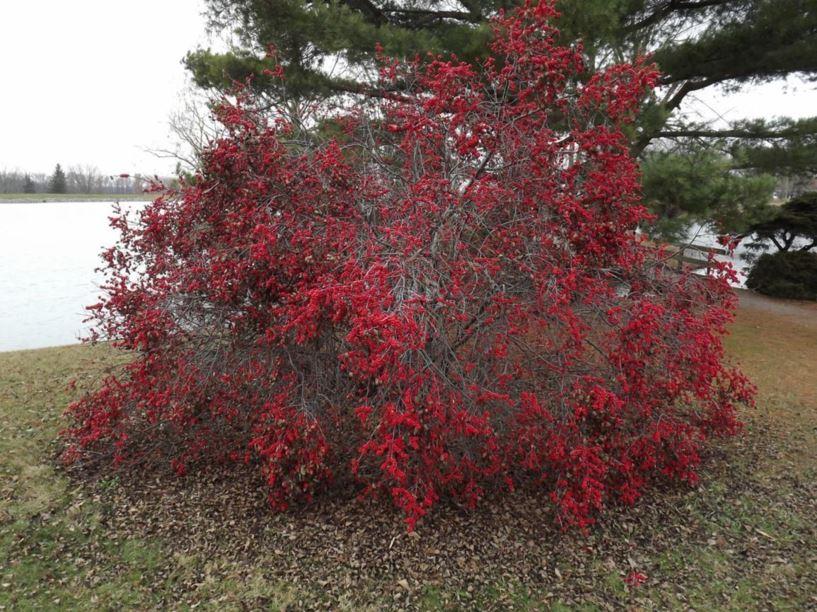
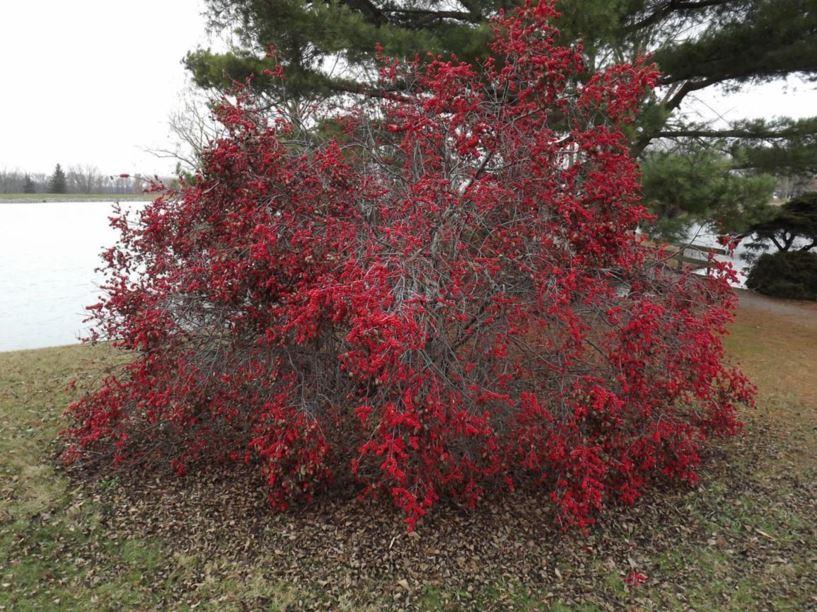
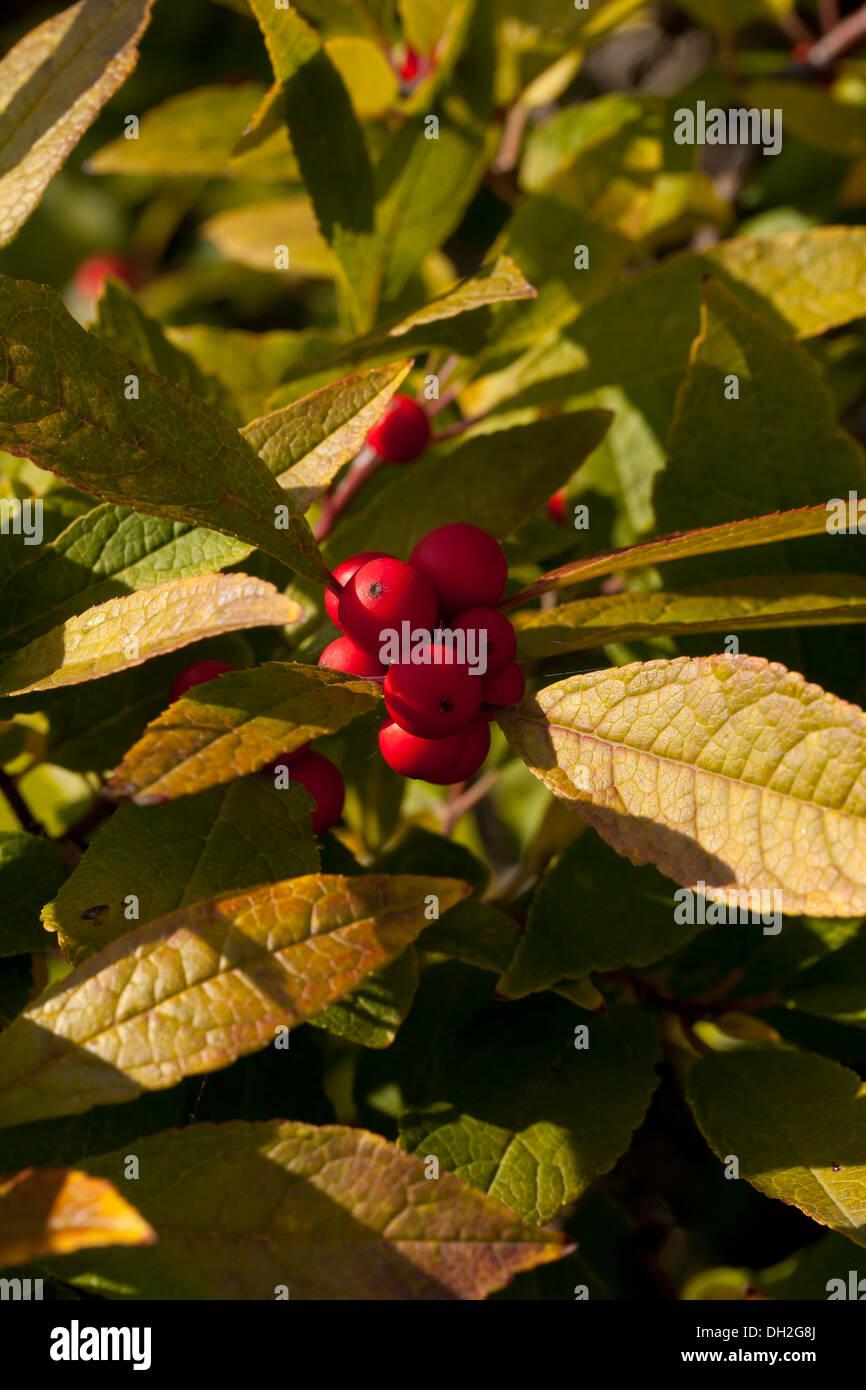
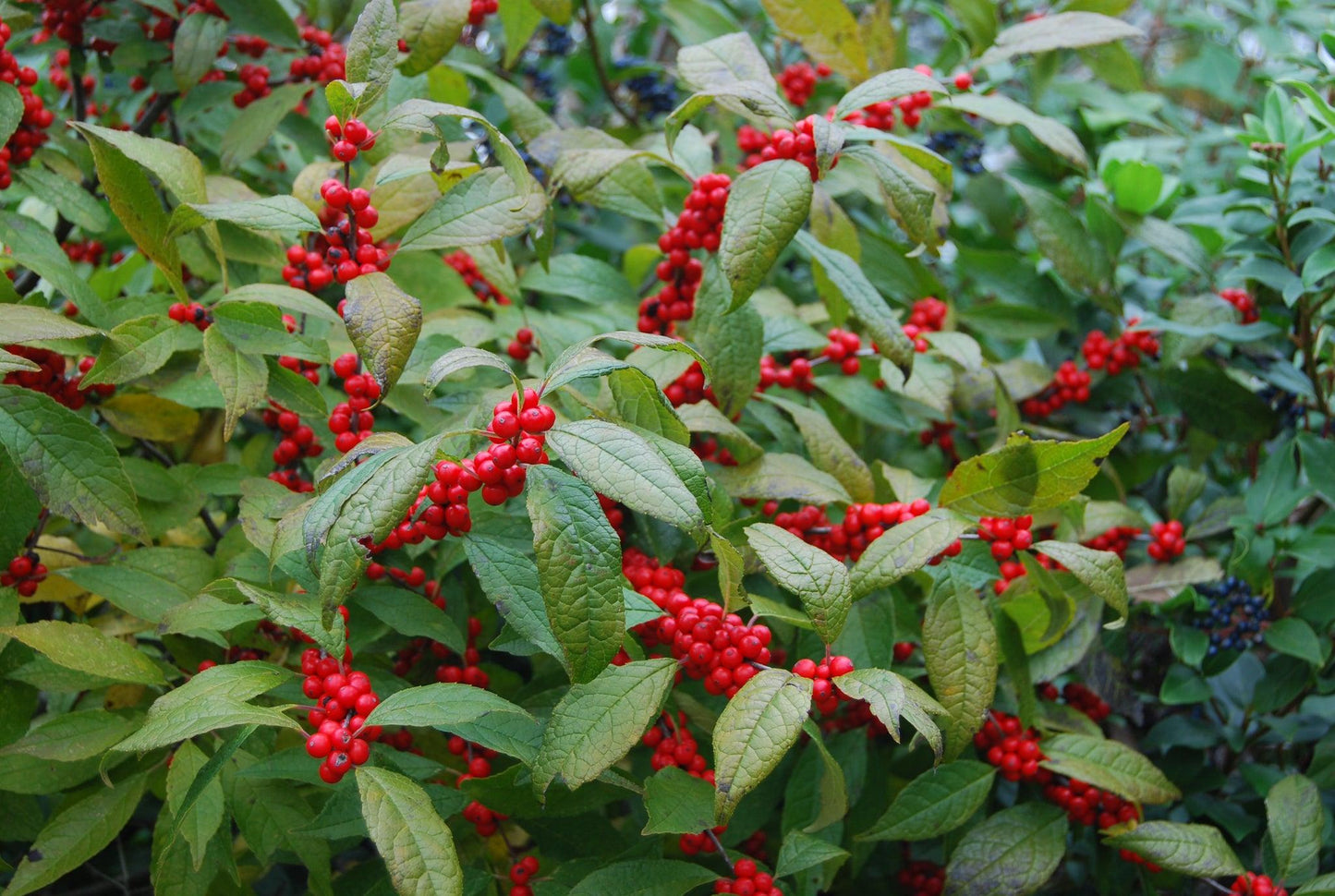
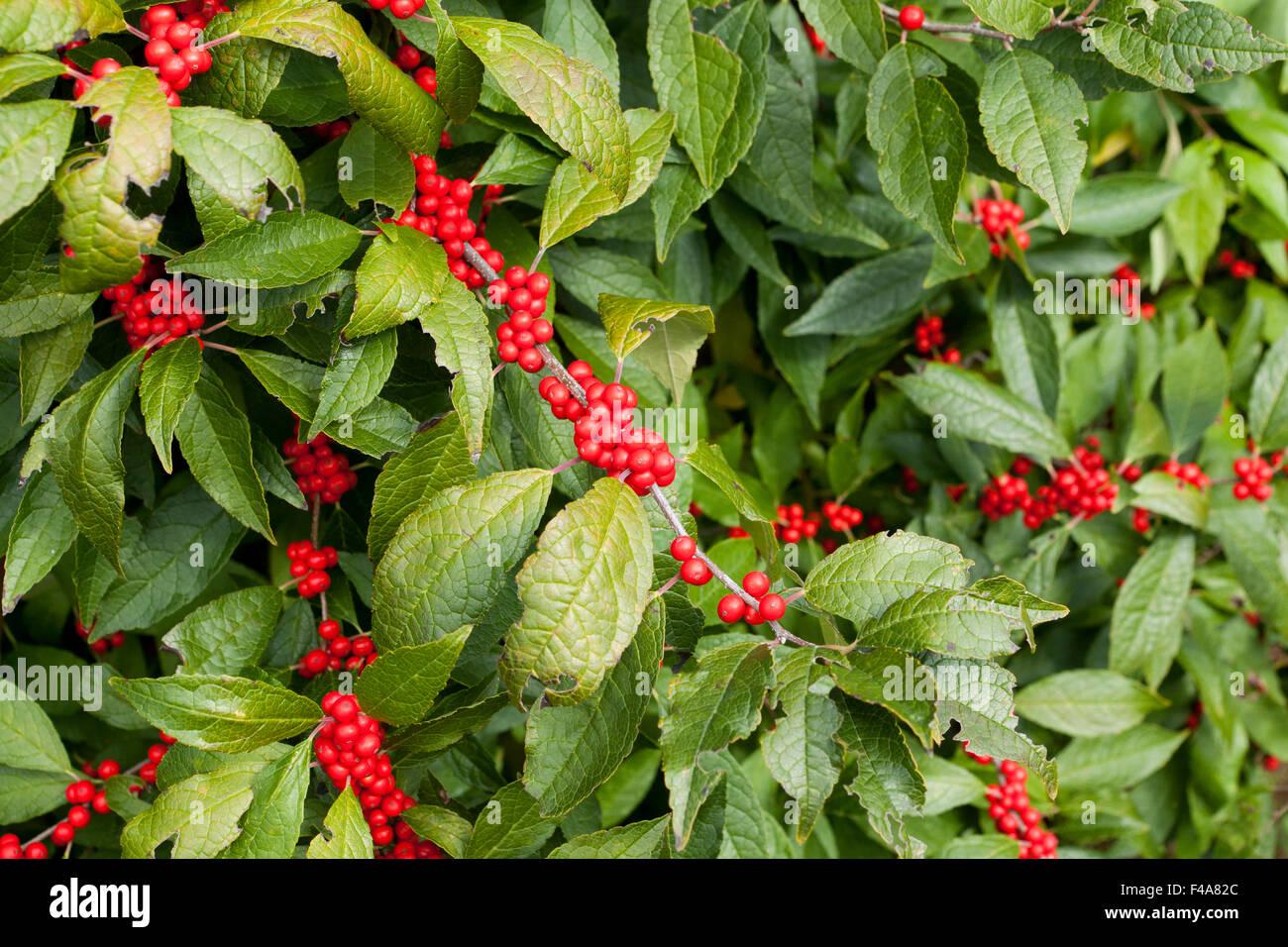
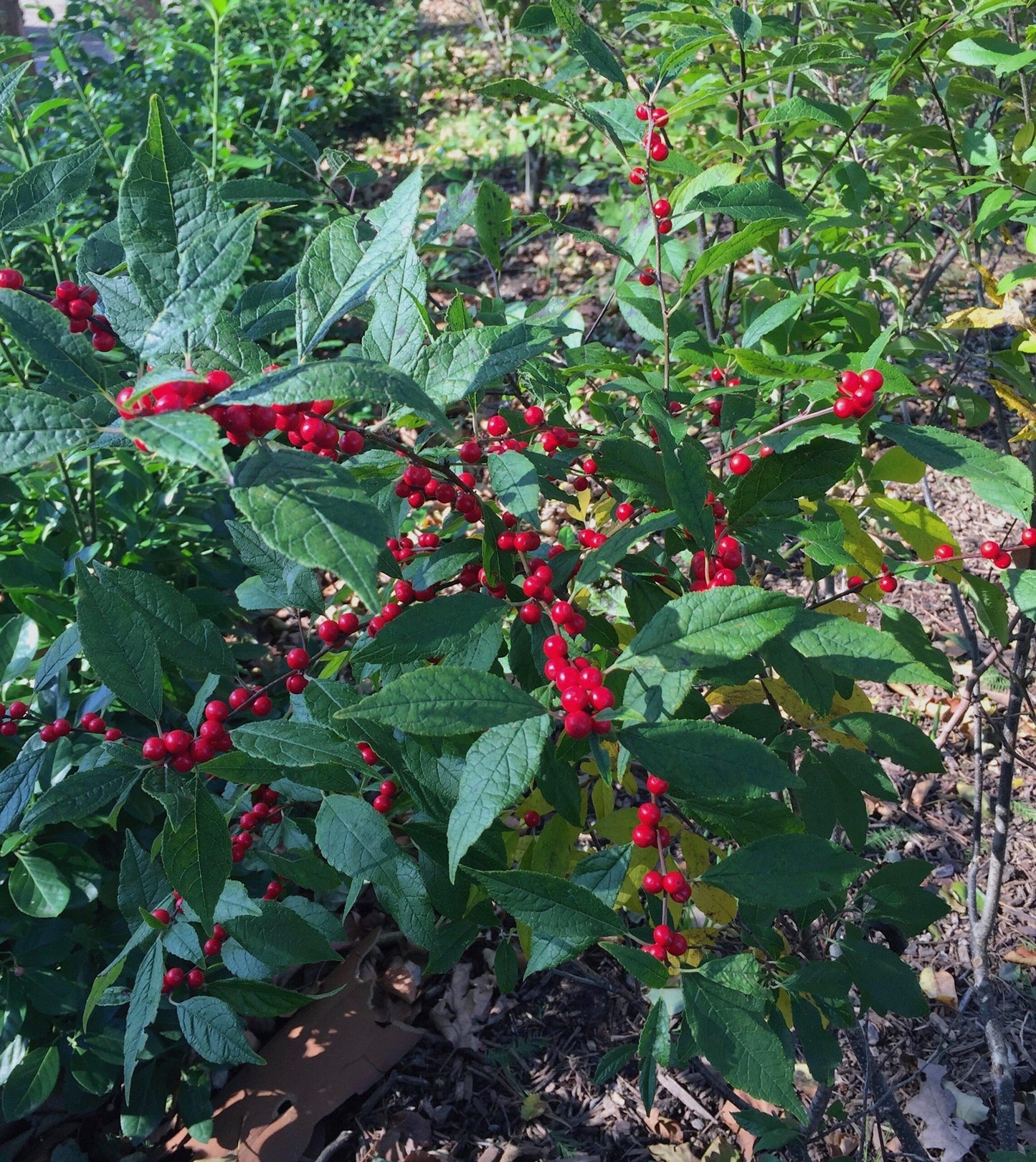
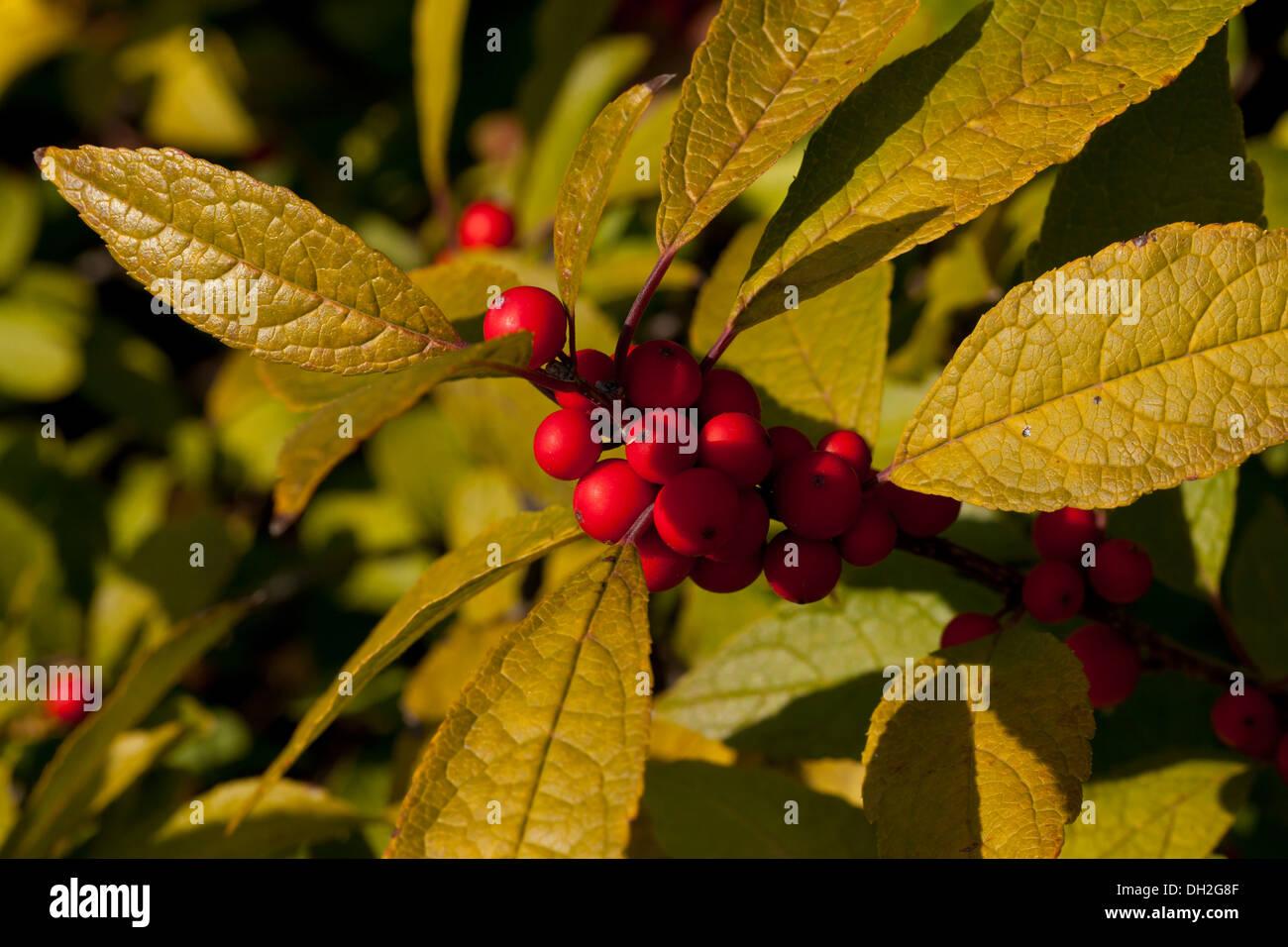
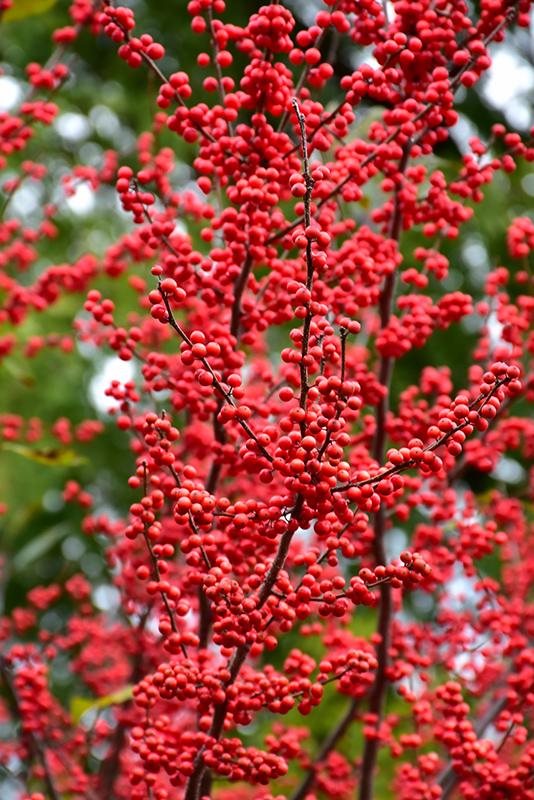
A deciduous shrub characterized by vibrant red berries in winter, with ovate green foliage. It thrives in moist, acidic soils and provides striking seasonal color.
Suggested Uses
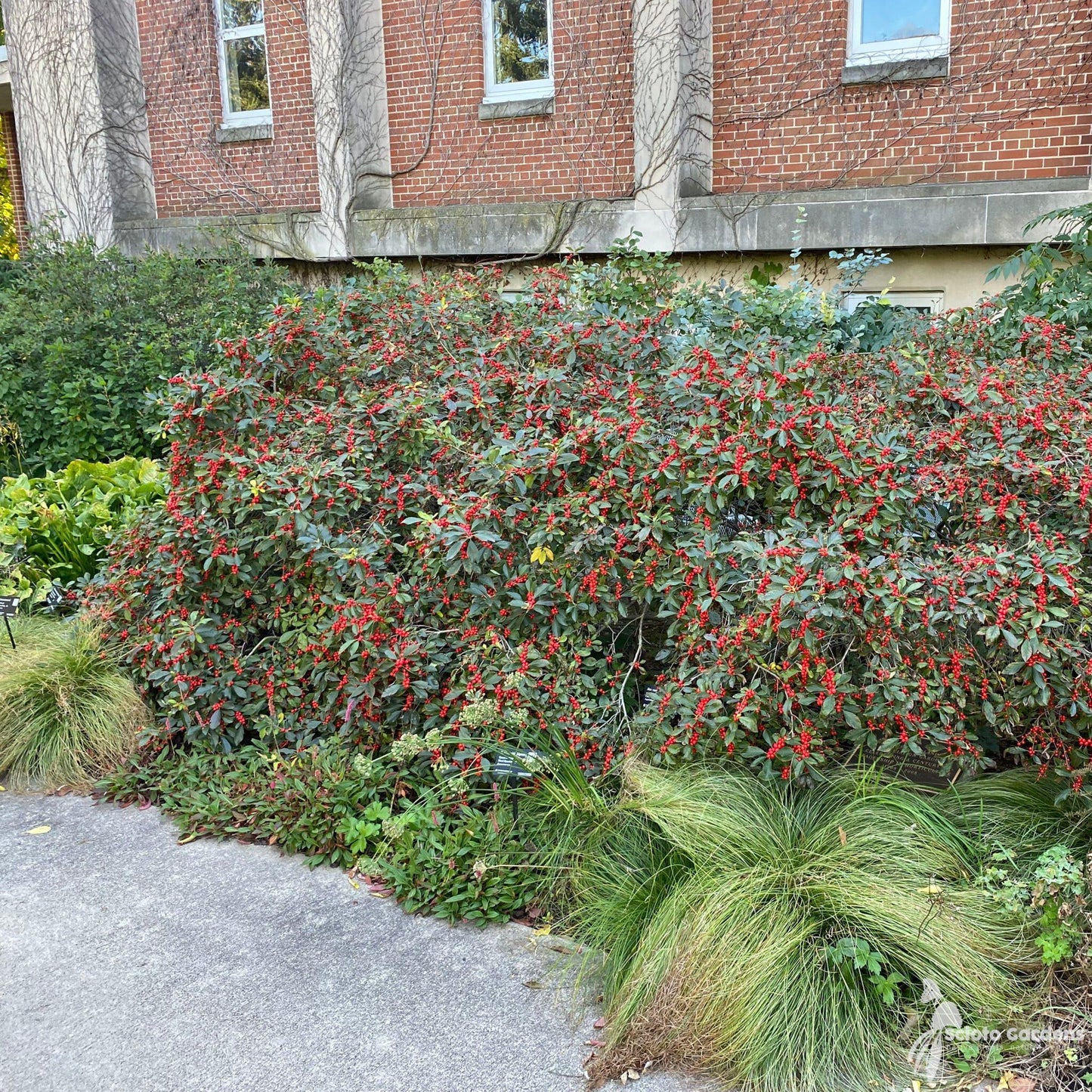
Ideal for hedges, border accents, wildlife gardens, and naturalized areas, adding visual interest during winter months.
Plant Details
-
 Botanical Name: Winter Red' Winterberry Ilex verticillata 'Winter Red'
 -
 Common Name: Winter Red' Winterberry
 -
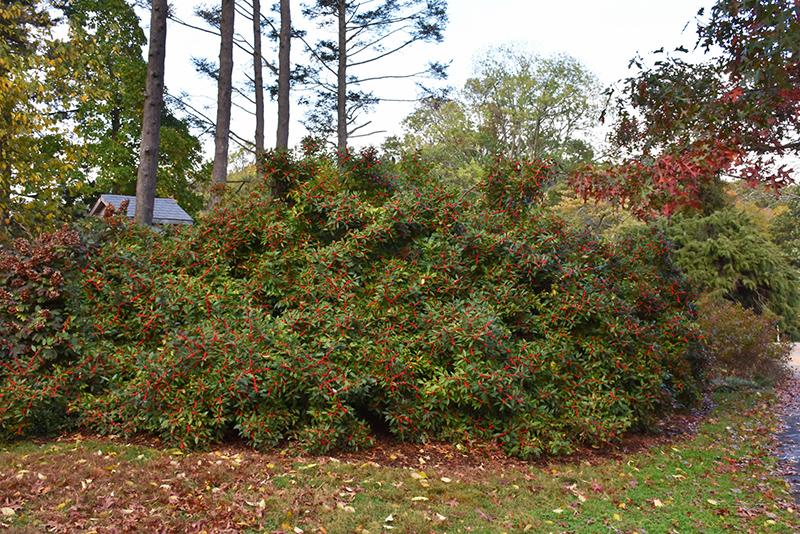
 Size & Growth: Typically reaches 4-6 ft tall and wide, with a rounded form.
 -
 Hardiness Zones: 3-9
 -
 Foliage Type: Deciduous
 -
 Bloom Time: Late spring to early summer
 -
 Growth Rate: Moderate
 -
 Light Requirements: Full sun to partial shade
 -
 Attracts Pollinators: Yes
 -
 Indoor Friendly: No
 -
 Container Friendly: Yes
 -
 Deer Resistant: Yes
 -
 Pet Warning: Toxic to pets if ingested
 -
 Fragrant: No
 -
 Cut Flower: Yes
 -
 Grows Well With: Other native shrubs and perennials
Care Tips
-
 Planting Instructions: Plant in spring or fall in well-drained, moist, acidic soil. Space plants about 4-6 feet apart.
 -
 Soil Moisture: Keep consistently moist, especially during dry periods.
 -
 Soil Type: Prefers acidic, loamy or sandy soils.
 -
 Humidity: Average to high humidity preferred.
 -
 Pruning Instructions: Thin out dead or crossing branches after flowering to maintain shape.
 -
 Winter Care: Mulch around base to protect roots in colder zones.
 -
 Planting Depth: Plant at same depth as in container.
 -
 Fertilization: Feed in early spring with a balanced fertilizer.
 -
 Special Care: Avoid overwatering once established to prevent root rot.