

RedCrocus Northern Bayberry Myrica pensylvanica | Fragrant, Evergreen Shrub, Wildlife Plant, Hedgerow, Container-Friendly, Drought-Tolerant, Hardy, Eco-Friendly 3 Gallon
RedCrocus Northern Bayberry Myrica pensylvanica | Fragrant, Evergreen Shrub, Wildlife Plant, Hedgerow, Container-Friendly, Drought-Tolerant, Hardy, Eco-Friendly 3 Gallon
Regular price
$128.00 USD
Regular price
$166.40 USD
Sale price
$128.00 USD
Unit price
per
Shipping calculated at checkout.
SKU:nsd0021-redcrocus
Couldn't load pickup availability
Northern Bayberry Myrica pensylvanica
Description
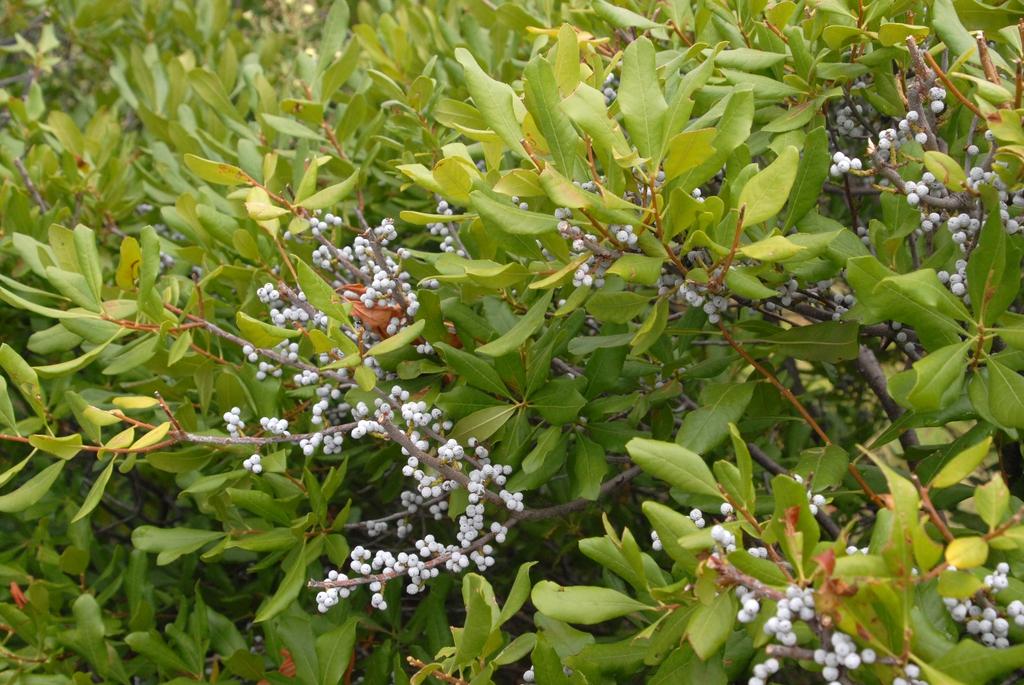
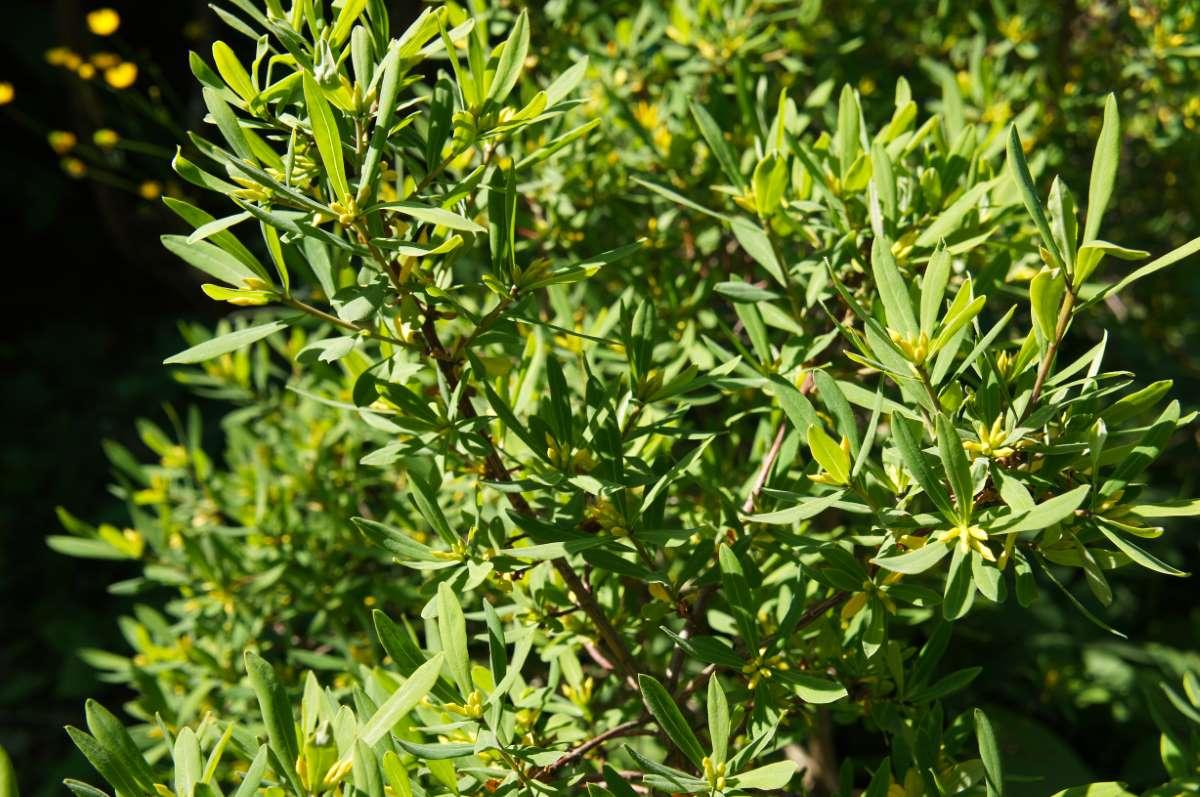
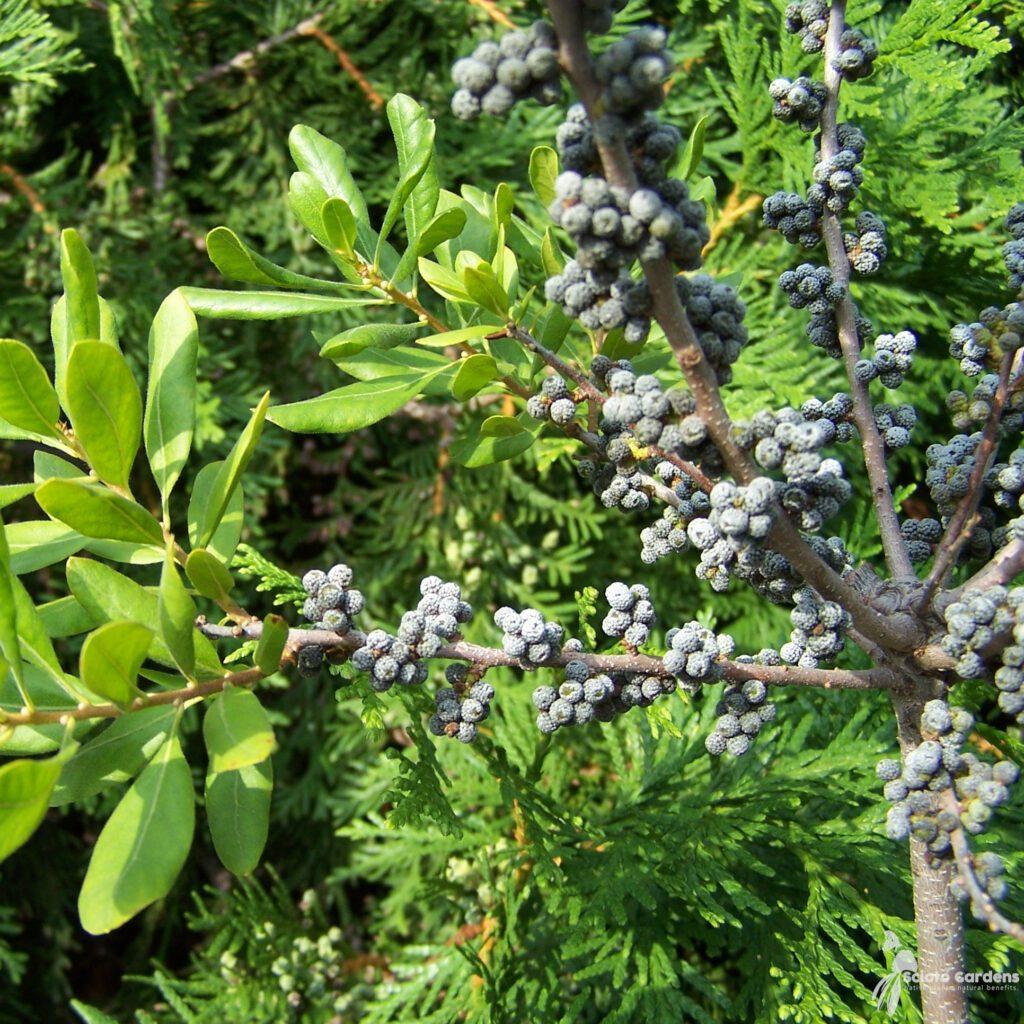
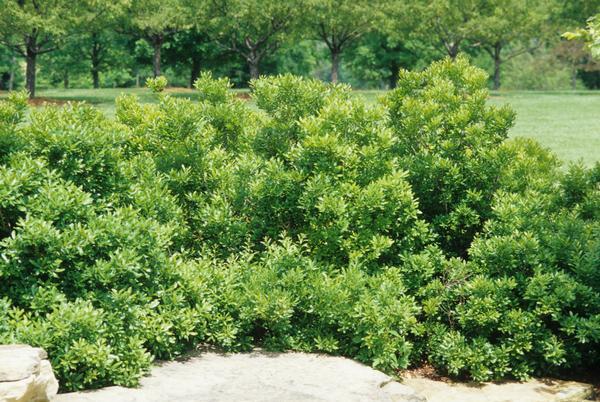
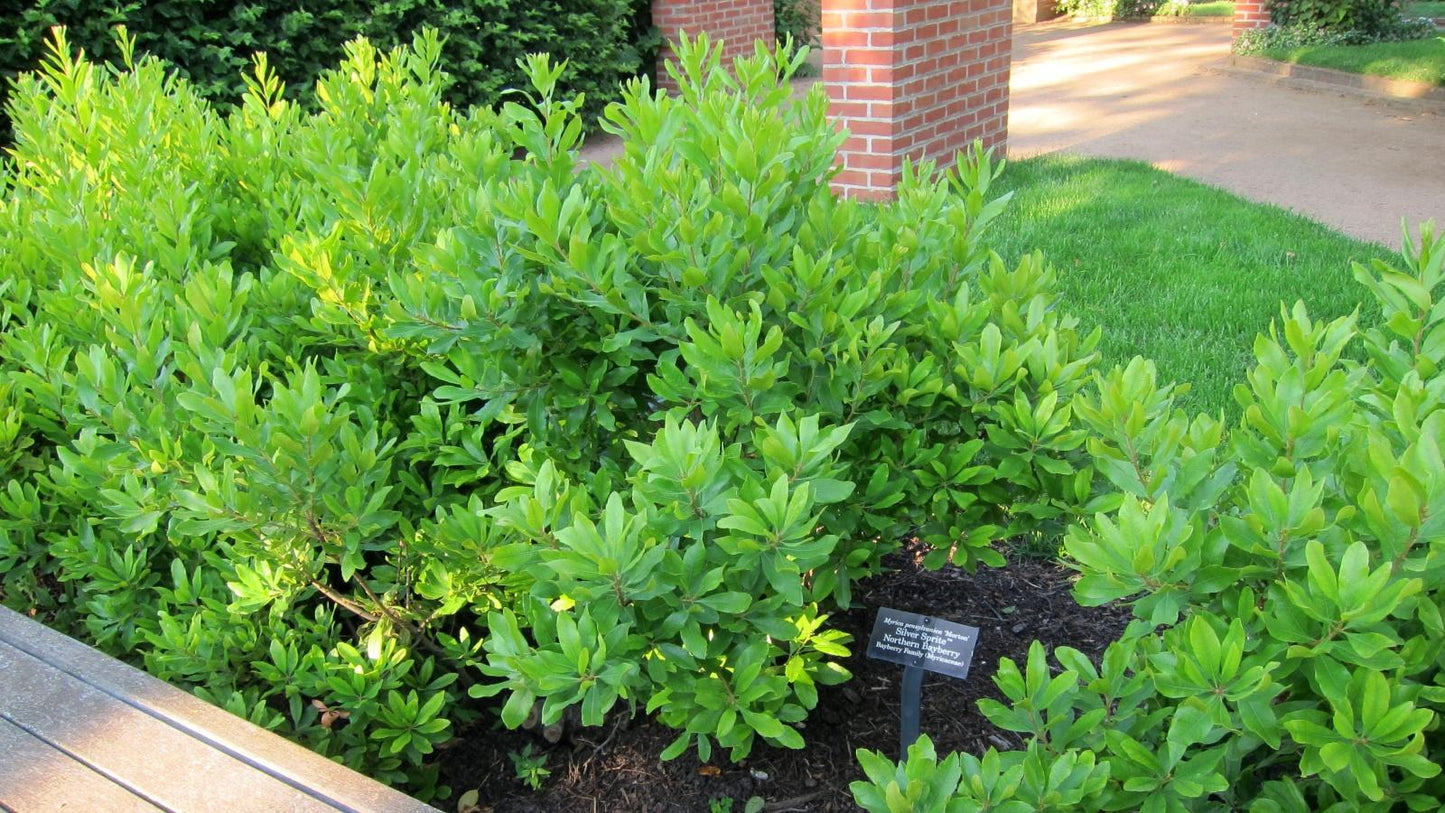
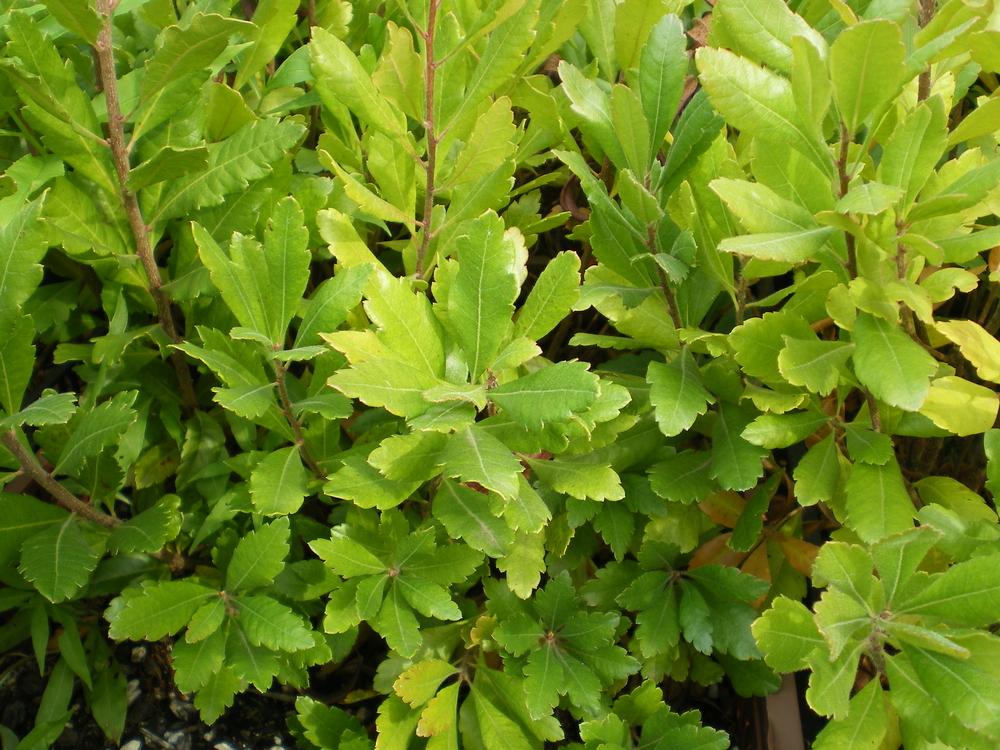
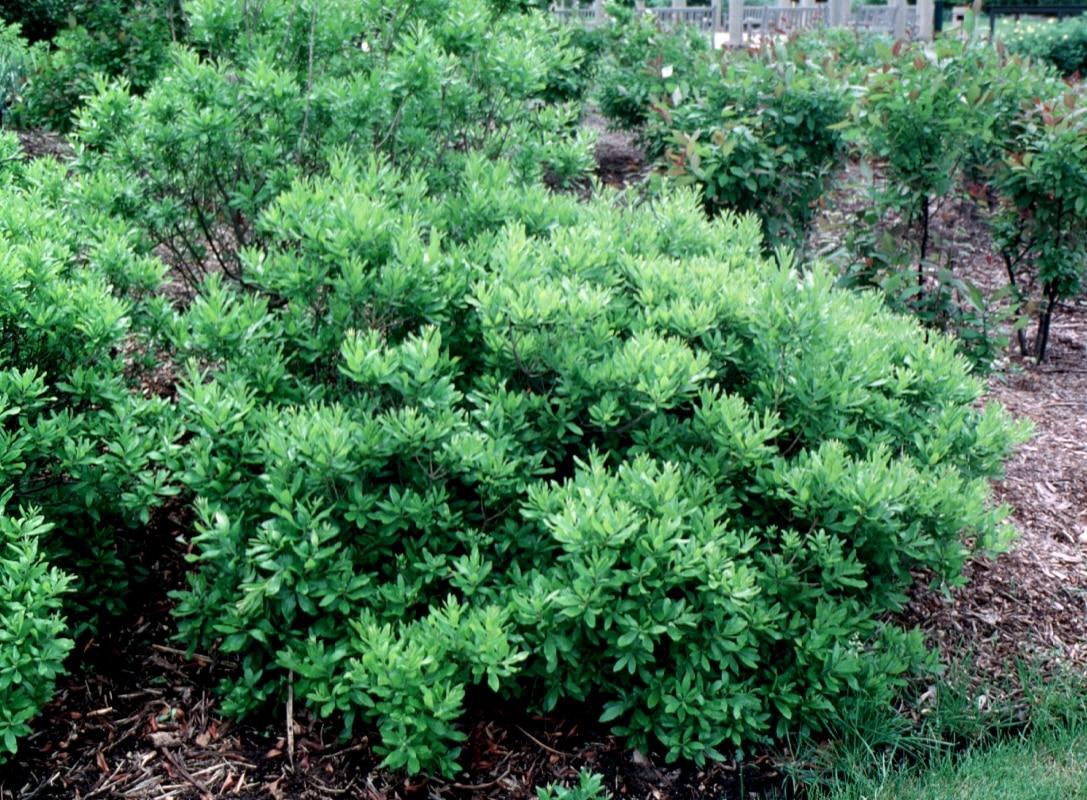
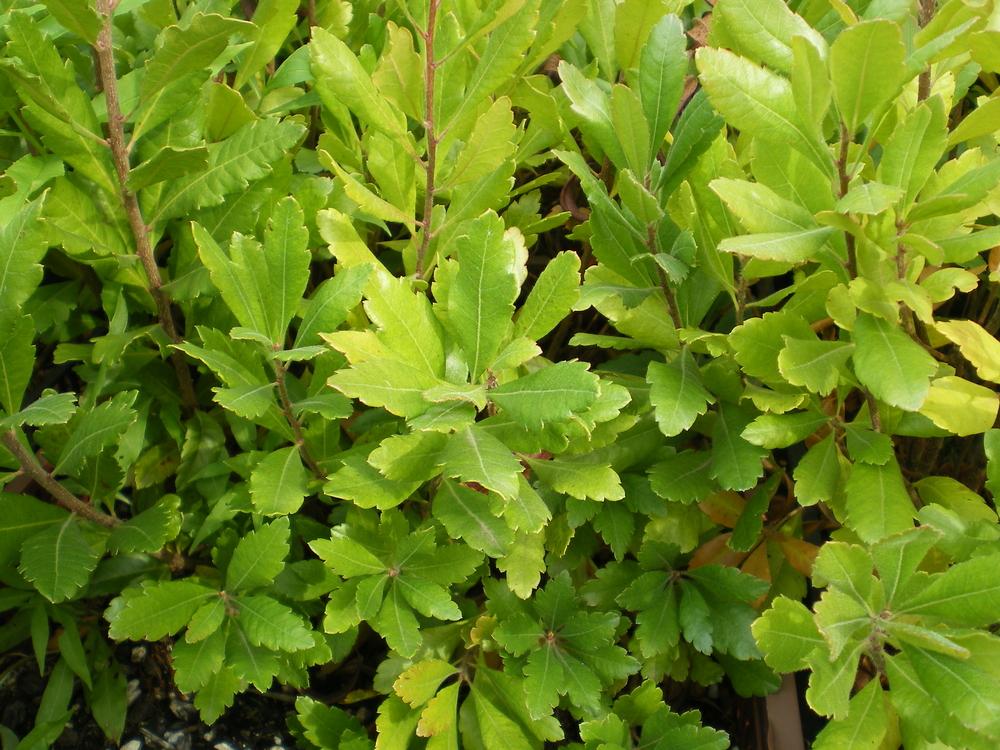
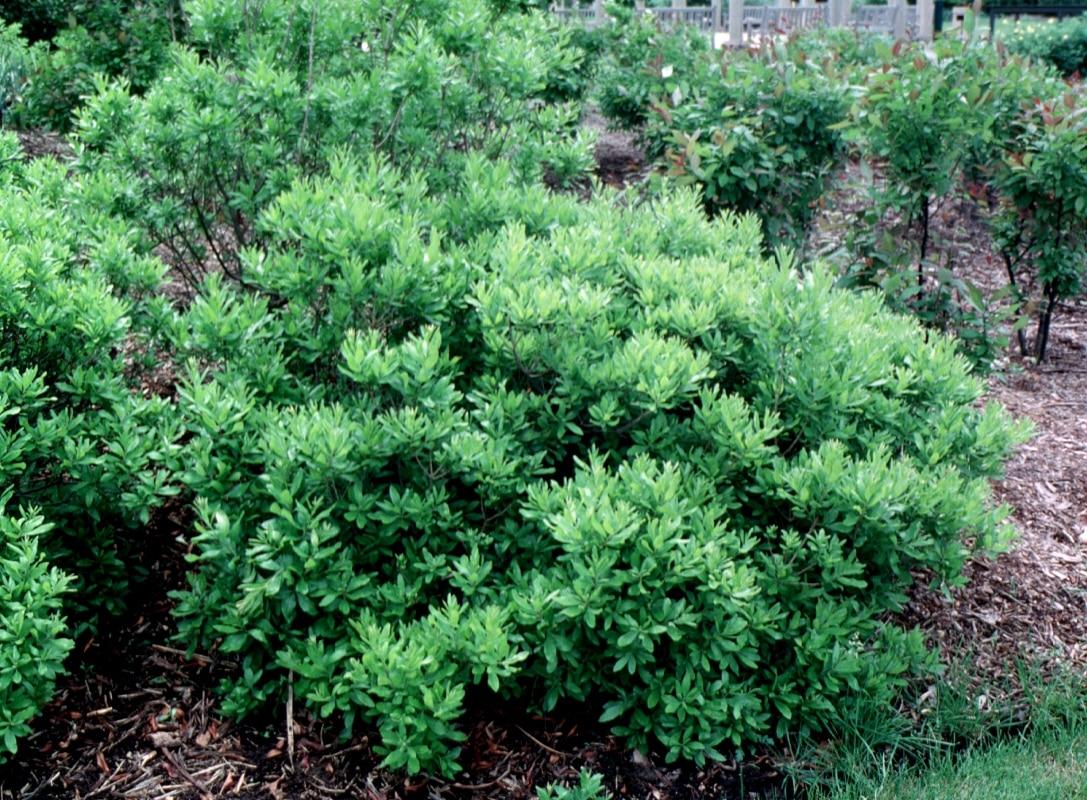
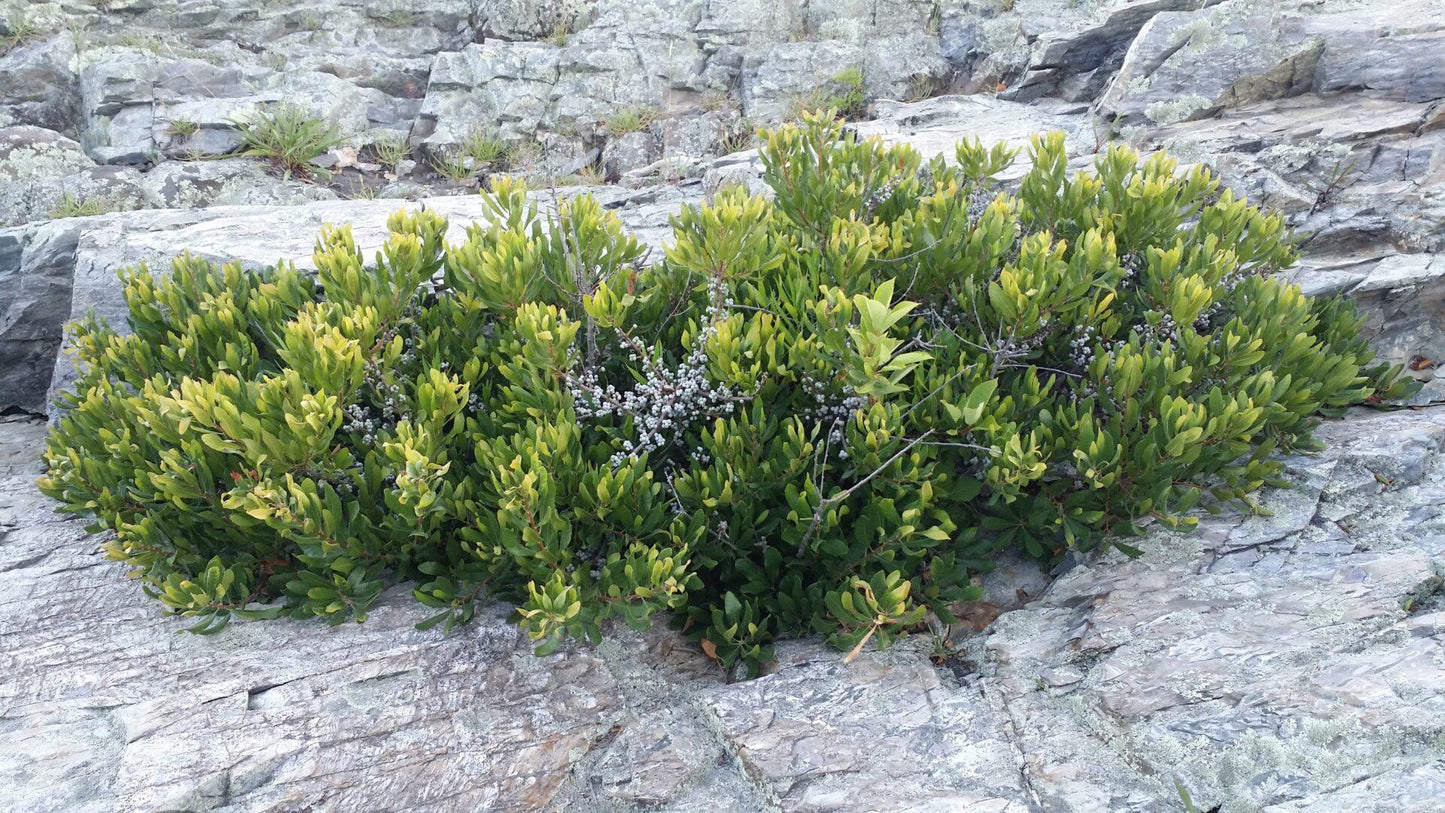
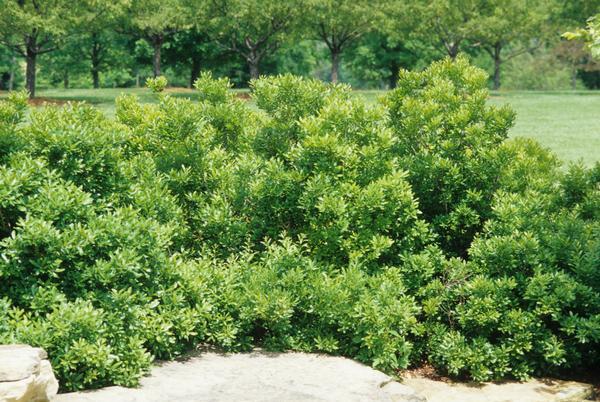
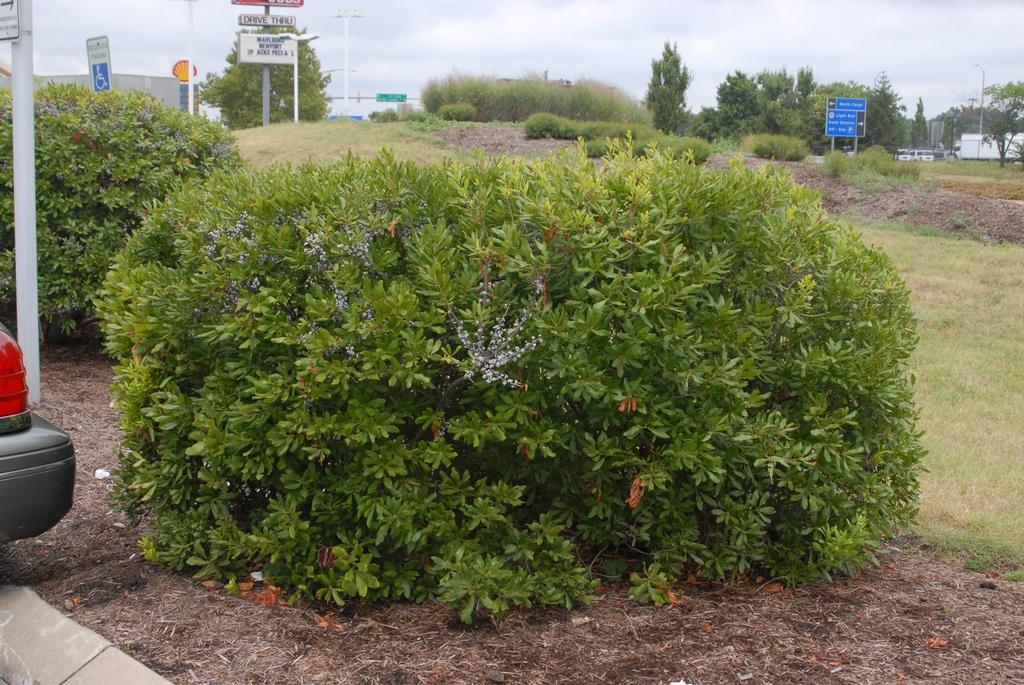
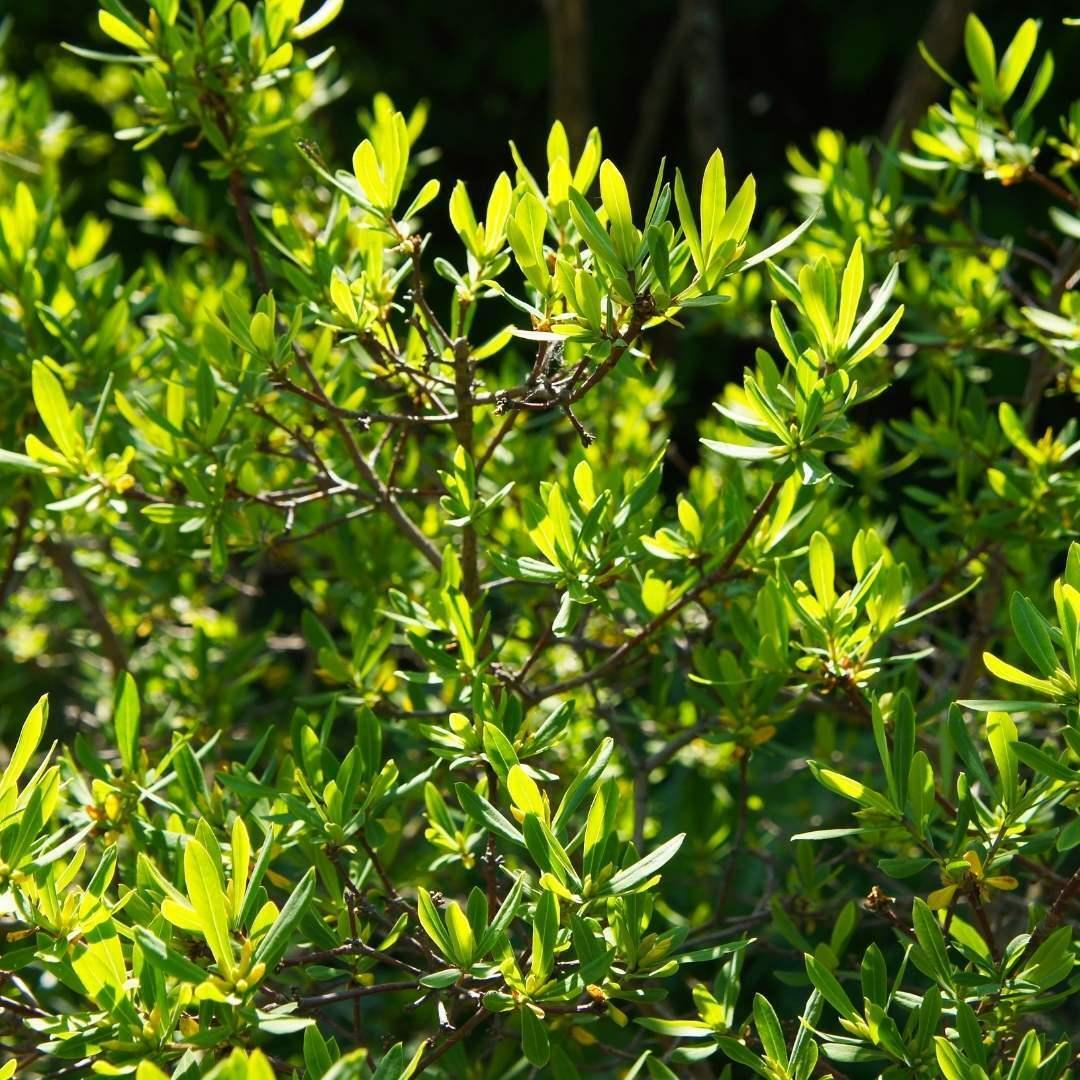
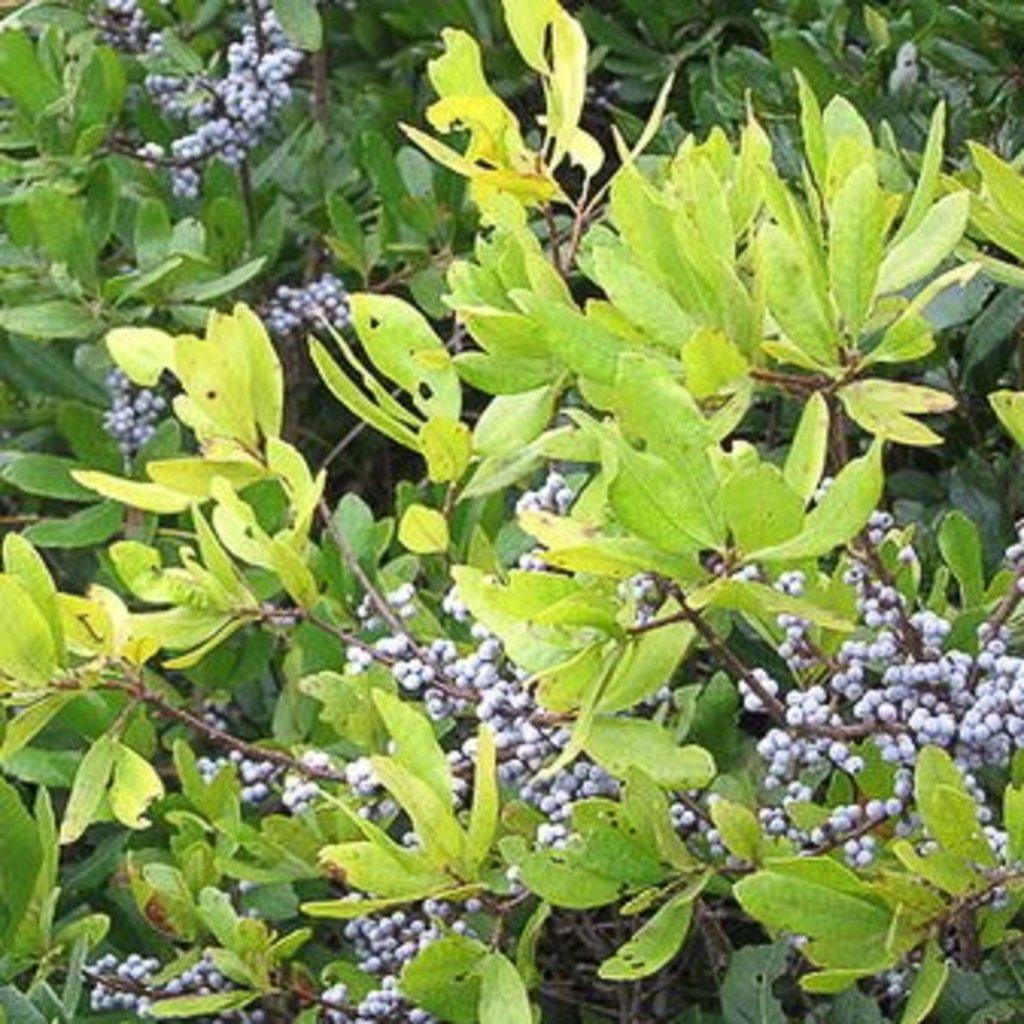
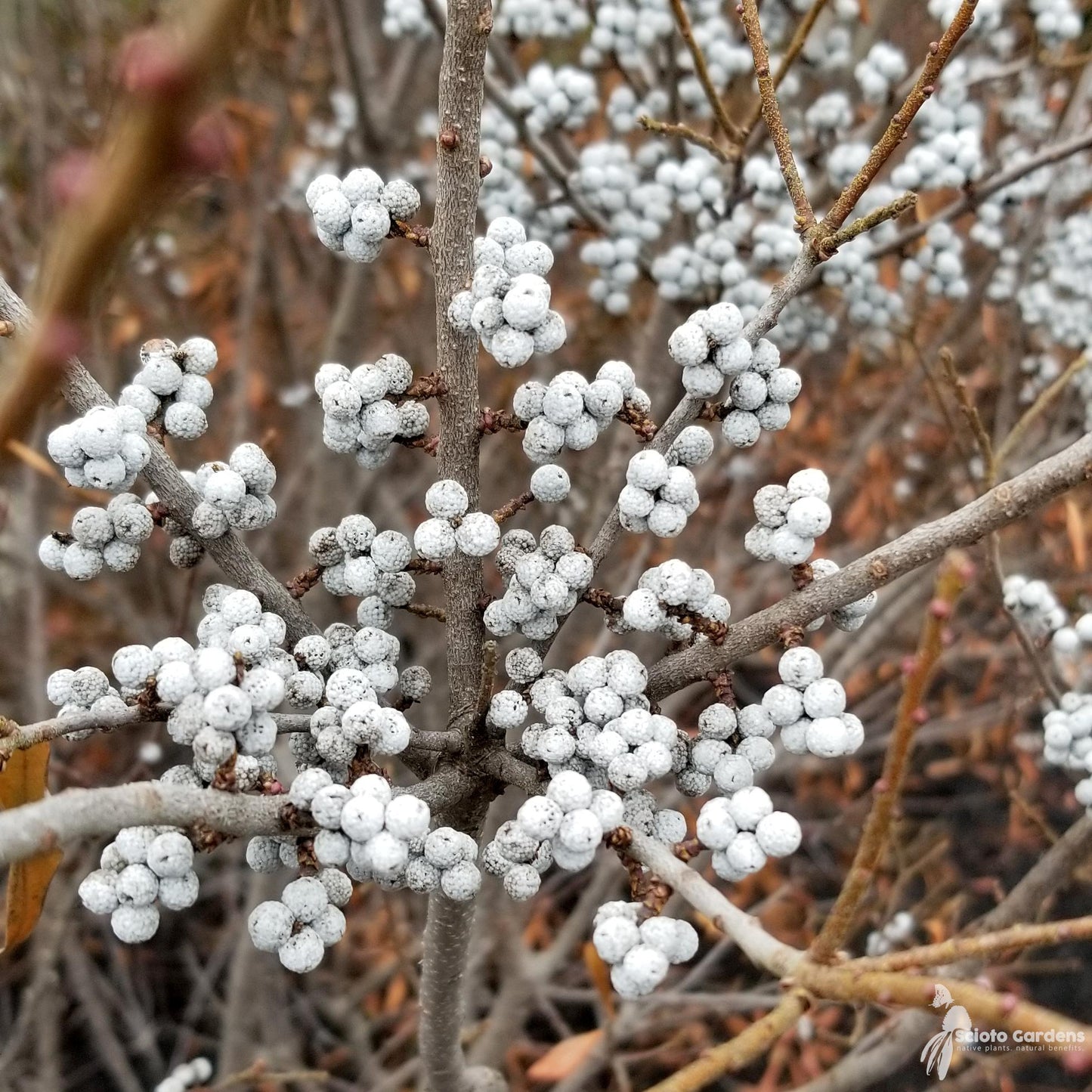
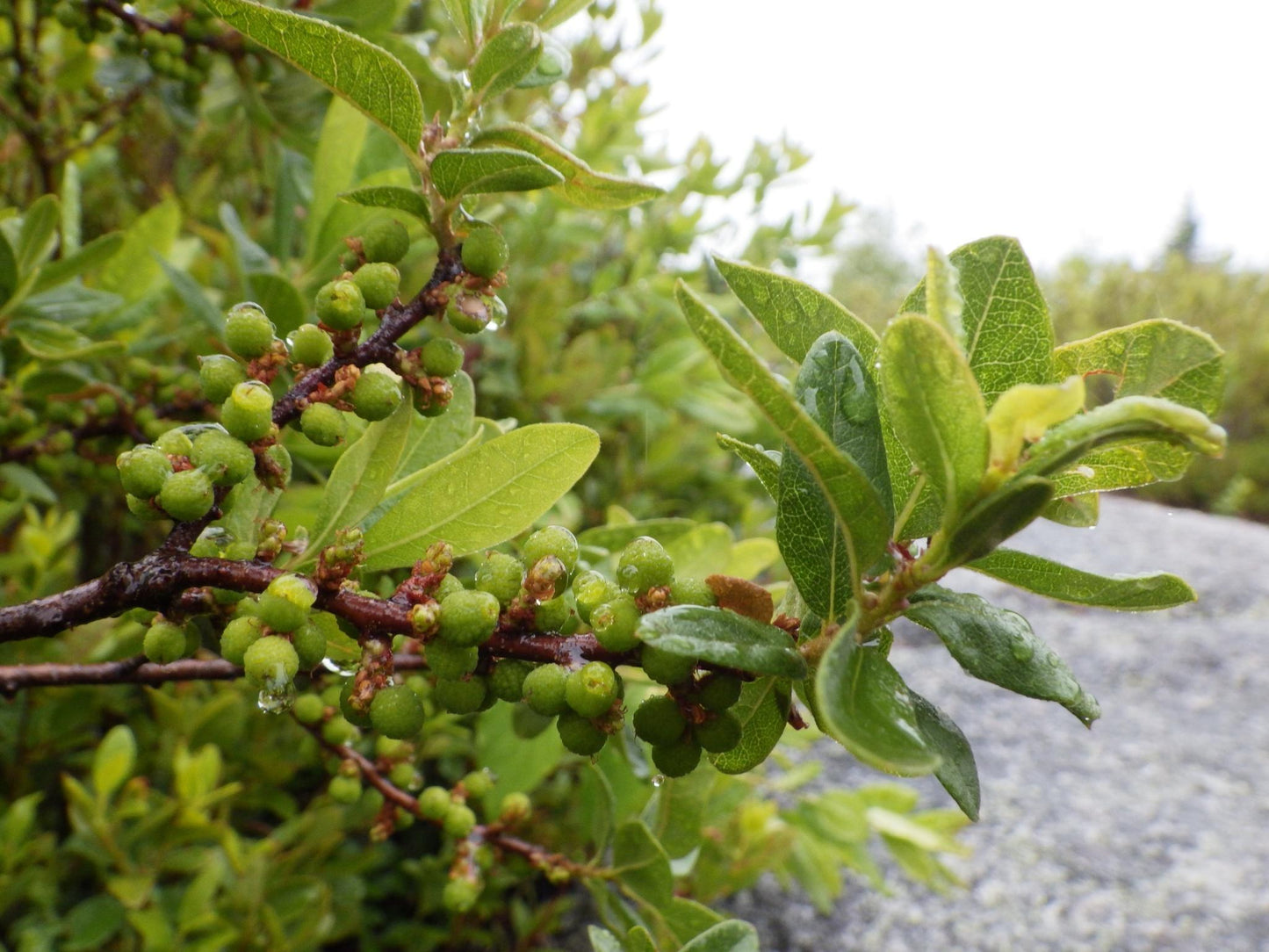
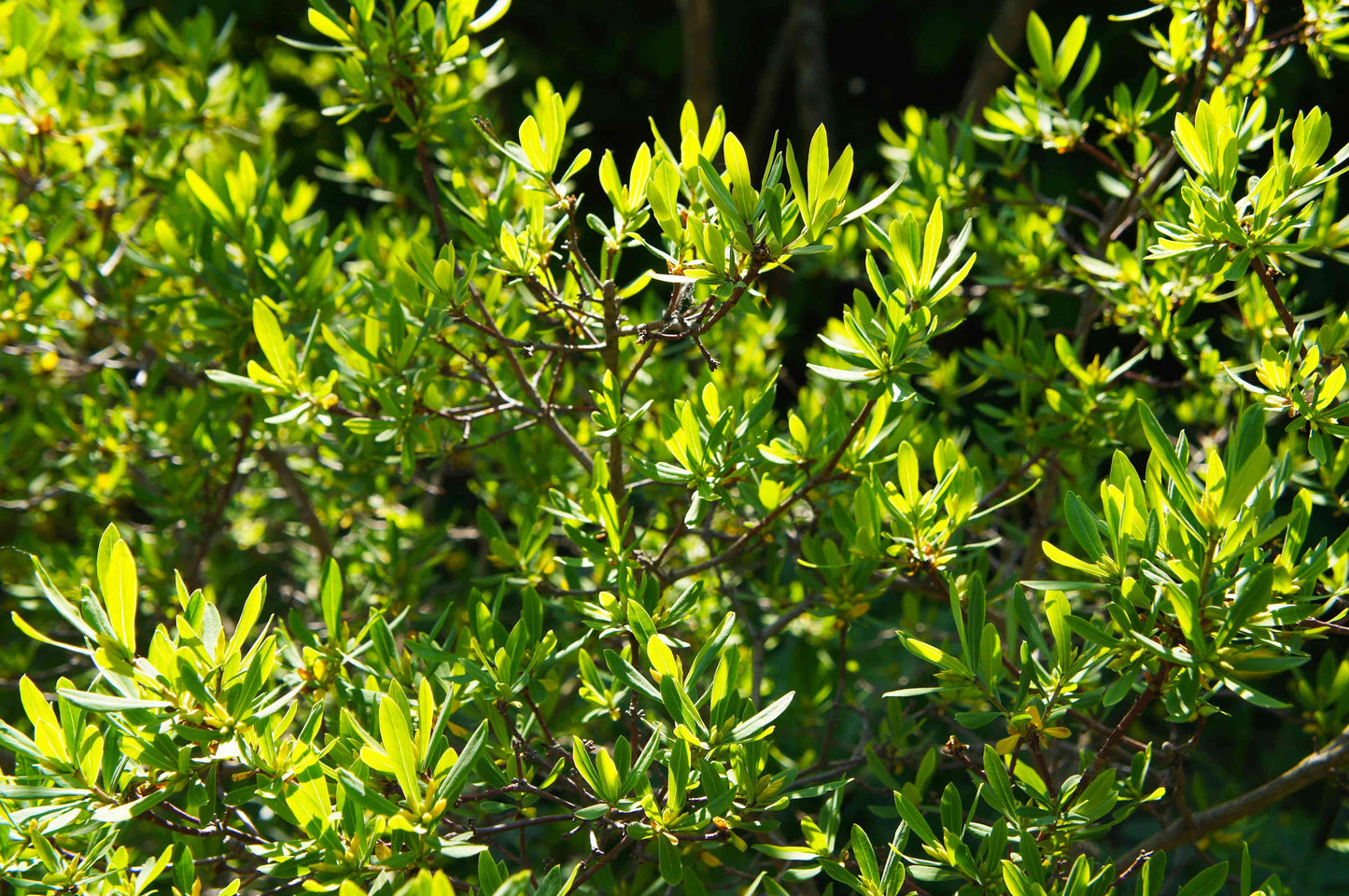
Northern Bayberry is a versatile deciduous shrub known for its fragrant foliage and attractive berries. It features dense green leaves in summer that turn grayish-green in winter, with aromatic qualities that enhance garden appeal. Its hardiness makes it suitable for various climates, offering both ecological and aesthetic benefits.
Suggested Uses
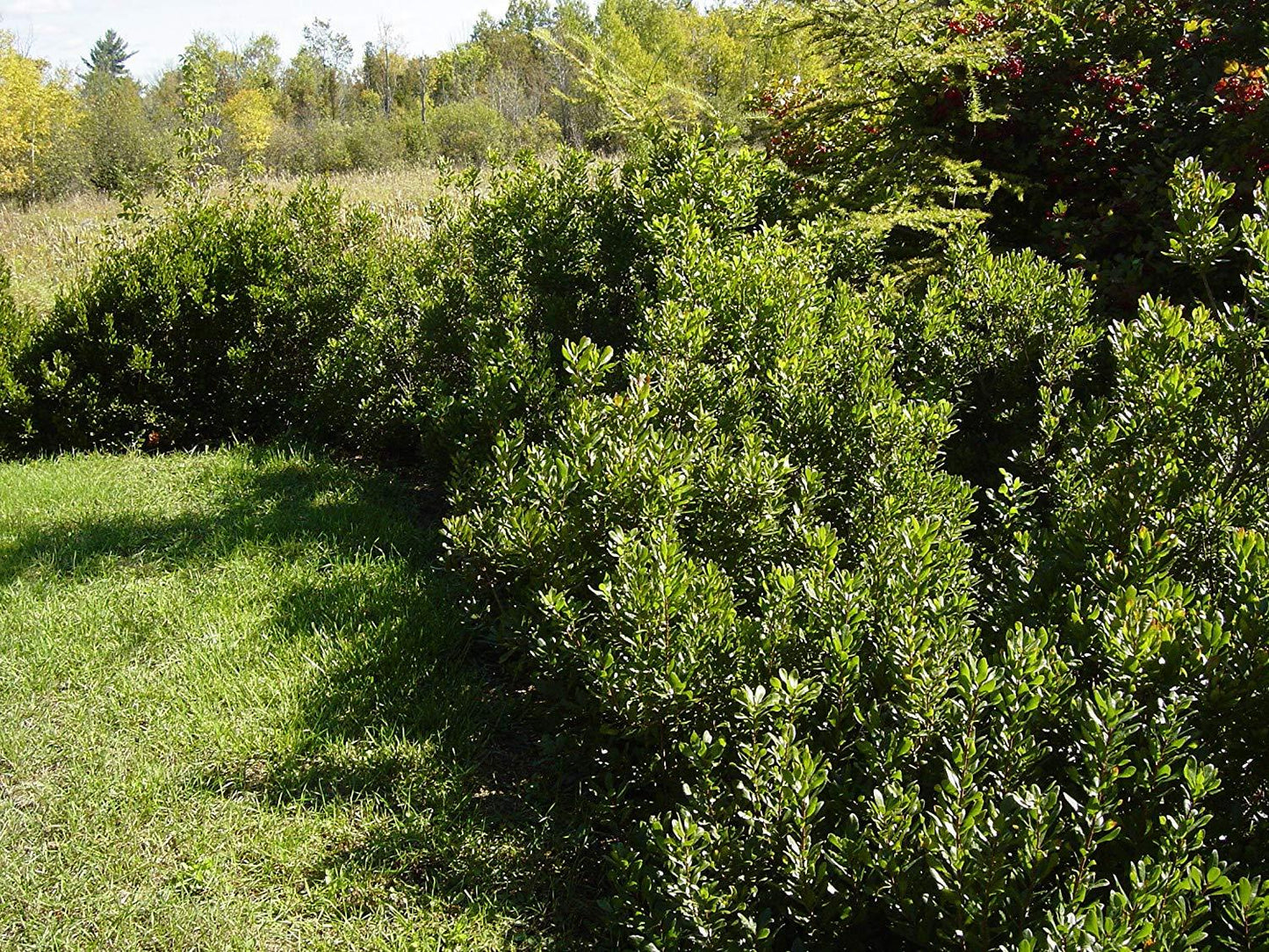
Ideal for naturalized landscapes, hedgerows, shoreline stabilization, and wildlife gardens. Its dense growth provides excellent cover, and the berries attract local birds during winter months.
Plant Details
-
 Botanical Name: Northern Bayberry Myrica pensylvanica
 -
 Common Name: Northern Bayberry
 -
 Size & Growth: Usually 6-10 feet tall and wide, forming dense thickets over time
 -
 Hardiness Zones: 4 to 7
 -
 Foliage Type: Deciduous
 -
 Growth Rate: Moderate
 -
 Light Requirements: Full sun to partial shade
 -
 Attracts Pollinators: Yes
 -
 Indoor Friendly: No
 -
 Container Friendly: Yes, suitable for larger containers
 -
 Deer Resistant: Yes
 -
 Pet Warning: Toxic if ingested
 -
 Fragrant: Yes, aromatic foliage
 -
 Cut Flower: Yes, berries and foliage
 -
 Grows Well With: Other native shrubs and perennials
 Bloom Time: Late spring to early summer
Care Tips
-
 Planting Instructions: Plant in well-drained soil in full sun to partial shade. Space plants about 5-10 feet apart.
 -
 Soil Moisture: Prefers moist, well-drained soil, tolerate occasional drought once established
 -
 Soil Type: Adaptable to sandy, loamy, or clay soils
 -
 Humidity: Tolerant of normal to high humidity
 -
 Pruning Instructions: Prune in late winter or early spring to shape and remove dead wood
 -
 Winter Care: Mulch and protect roots in colder zones
 -
 Planting Depth: Set depth so that the root ball is even with soil surface
 -
 Fertilization: Apply a balanced fertilizer in early spring
 -
 Special Care: Minimal; benefits from occasional pruning to control growth