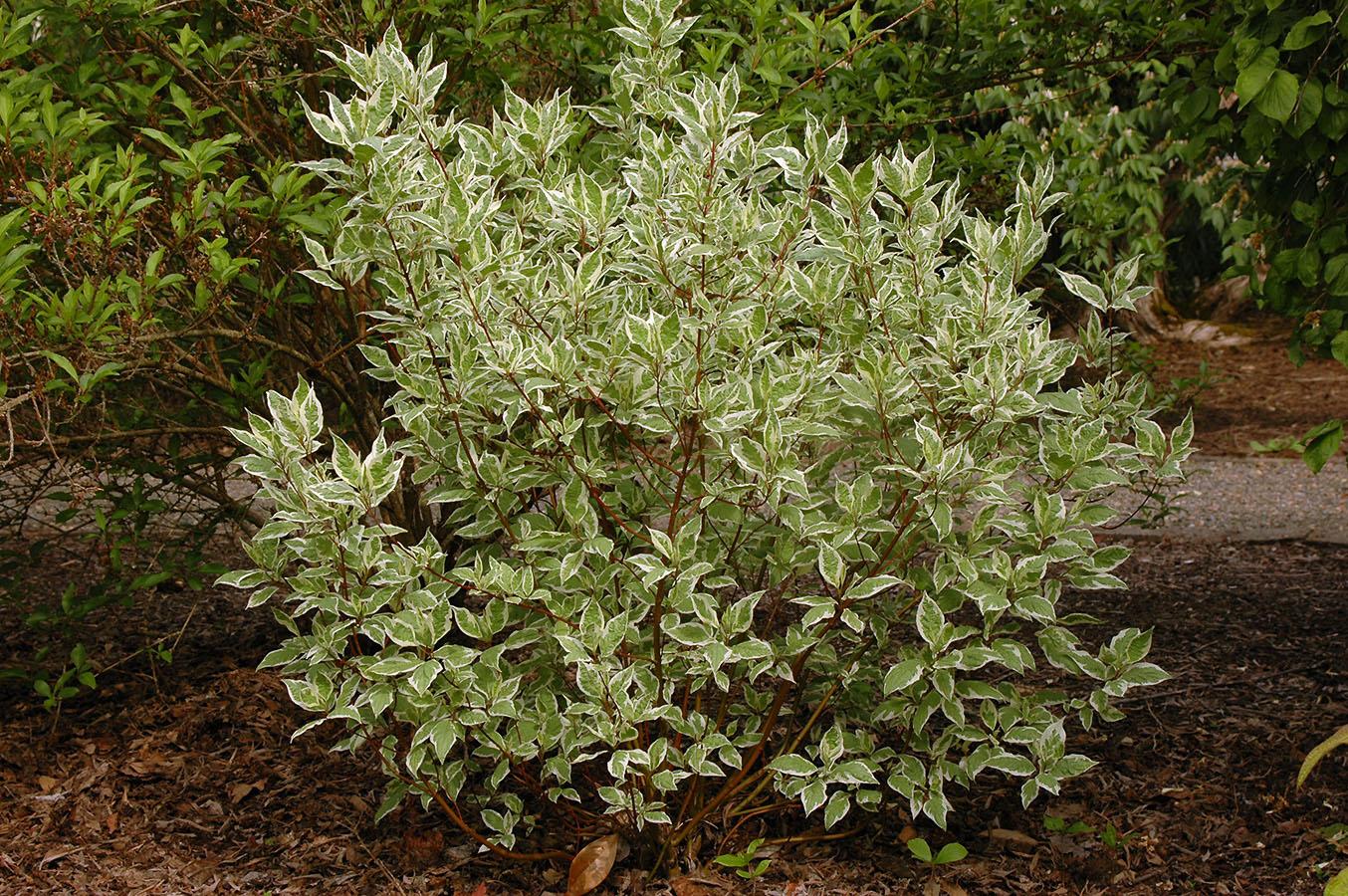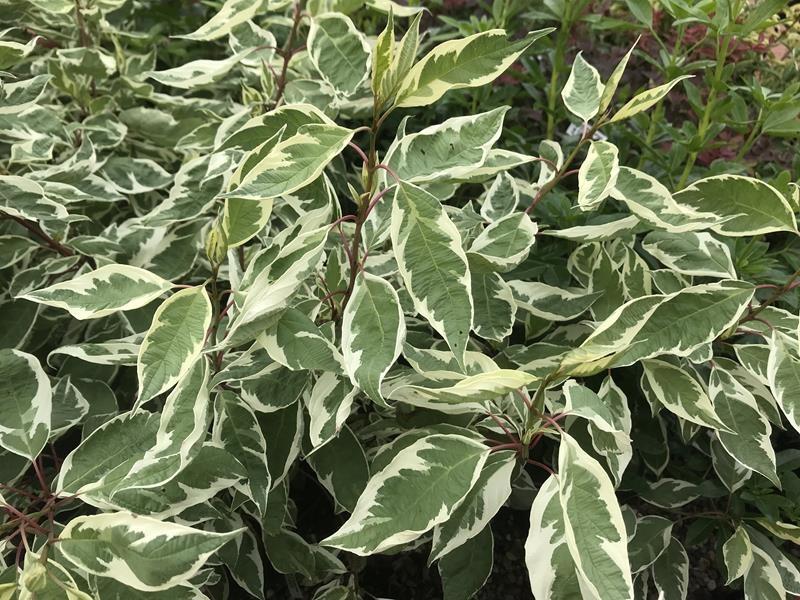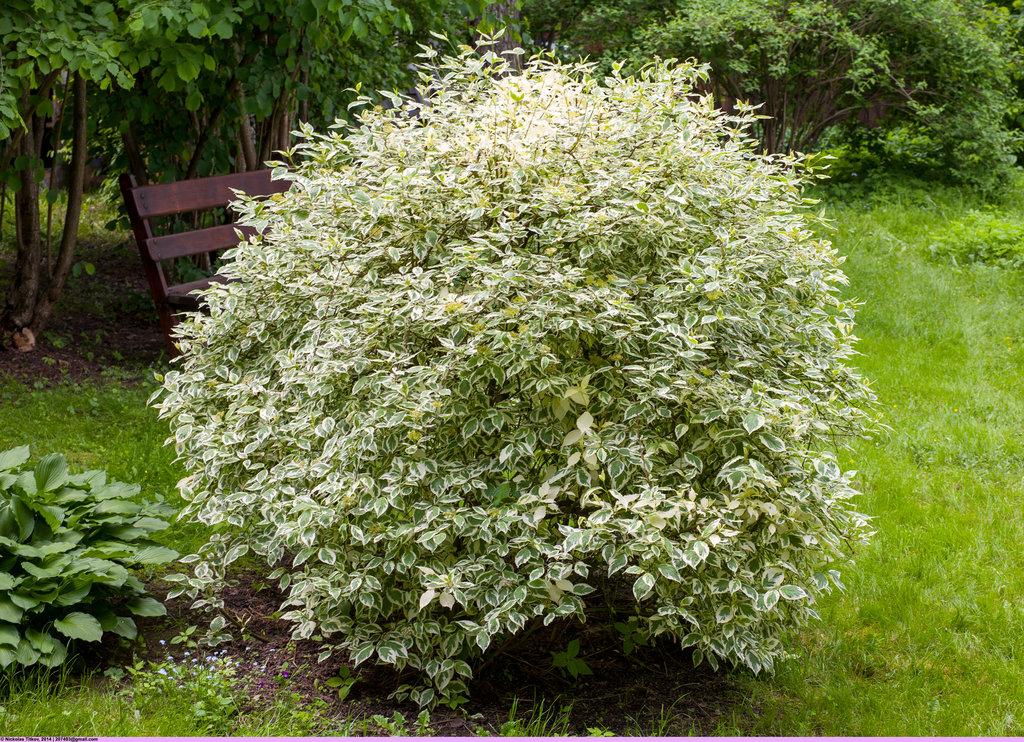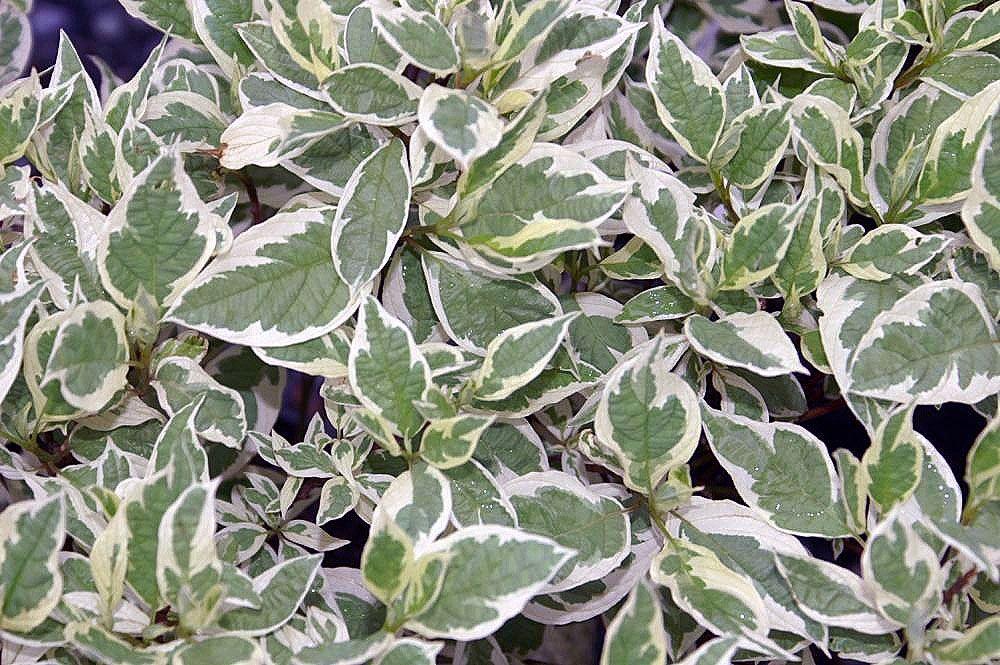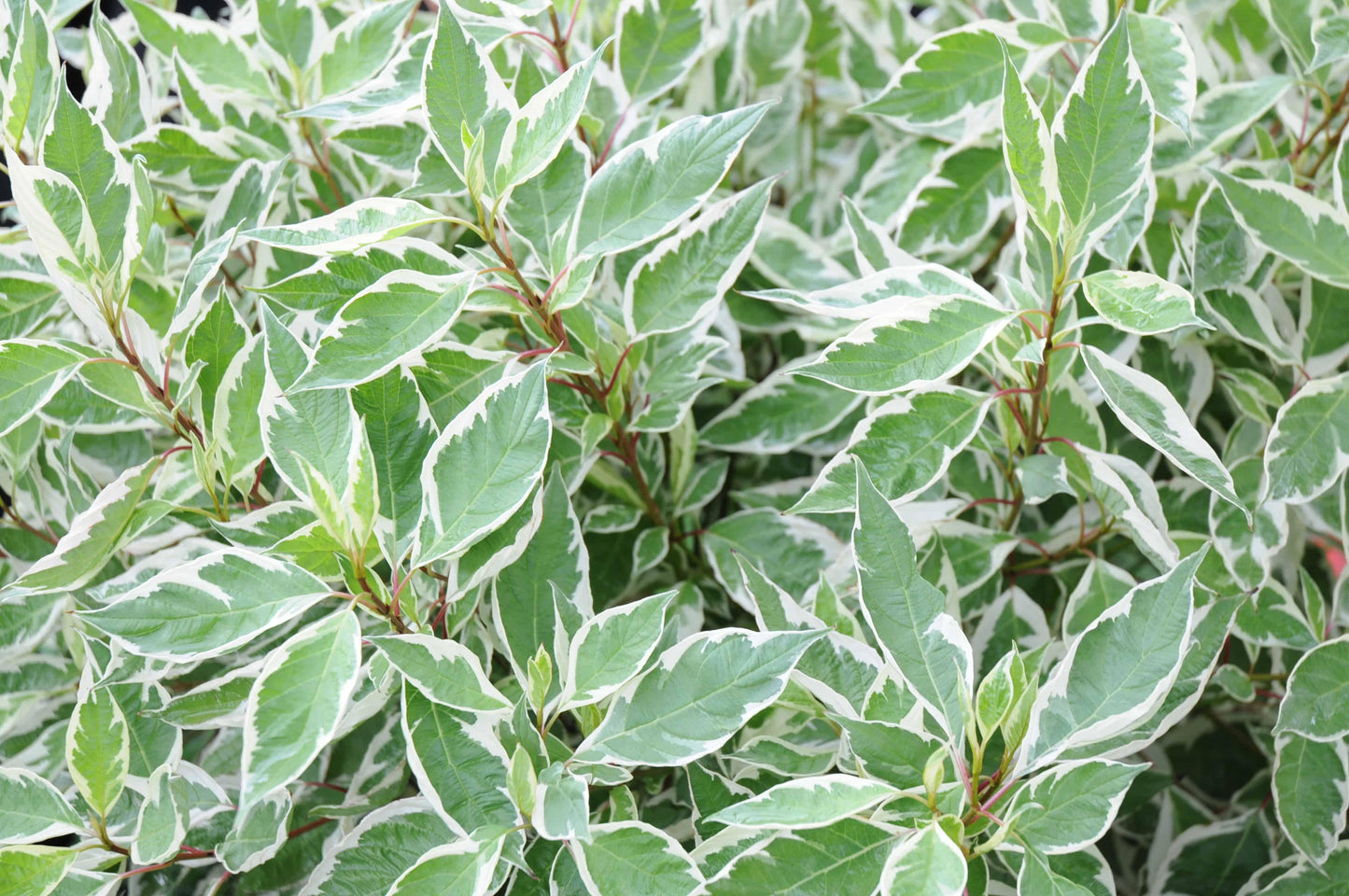


RedCrocus Ivory Halo Tatarian Dogwood- Variegated Shrub with White & Green Foliage, White Stems, Ideal for Hedges, Specimen, Winter Decor, Container-Friendly, Deer-Resistant 5 Gallon
RedCrocus Ivory Halo Tatarian Dogwood- Variegated Shrub with White & Green Foliage, White Stems, Ideal for Hedges, Specimen, Winter Decor, Container-Friendly, Deer-Resistant 5 Gallon
Regular price
$260.00 USD
Regular price
$338.00 USD
Sale price
$260.00 USD
Unit price
per
Shipping calculated at checkout.
SKU:nsd0009-redcrocus
Couldn't load pickup availability
Ivory Halo' Tatarian Dogwood Cornus alba 'Ivory Halo'
Description
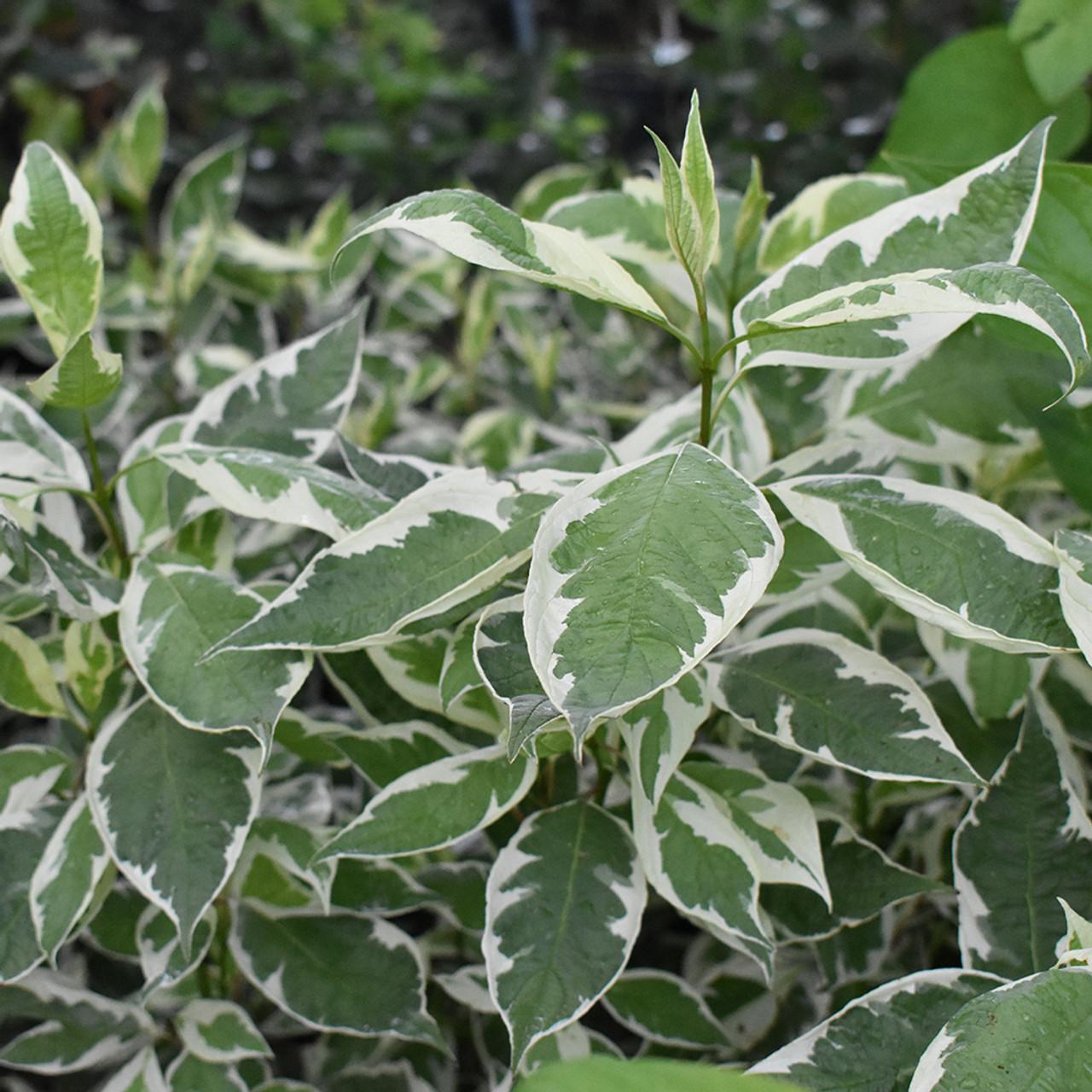
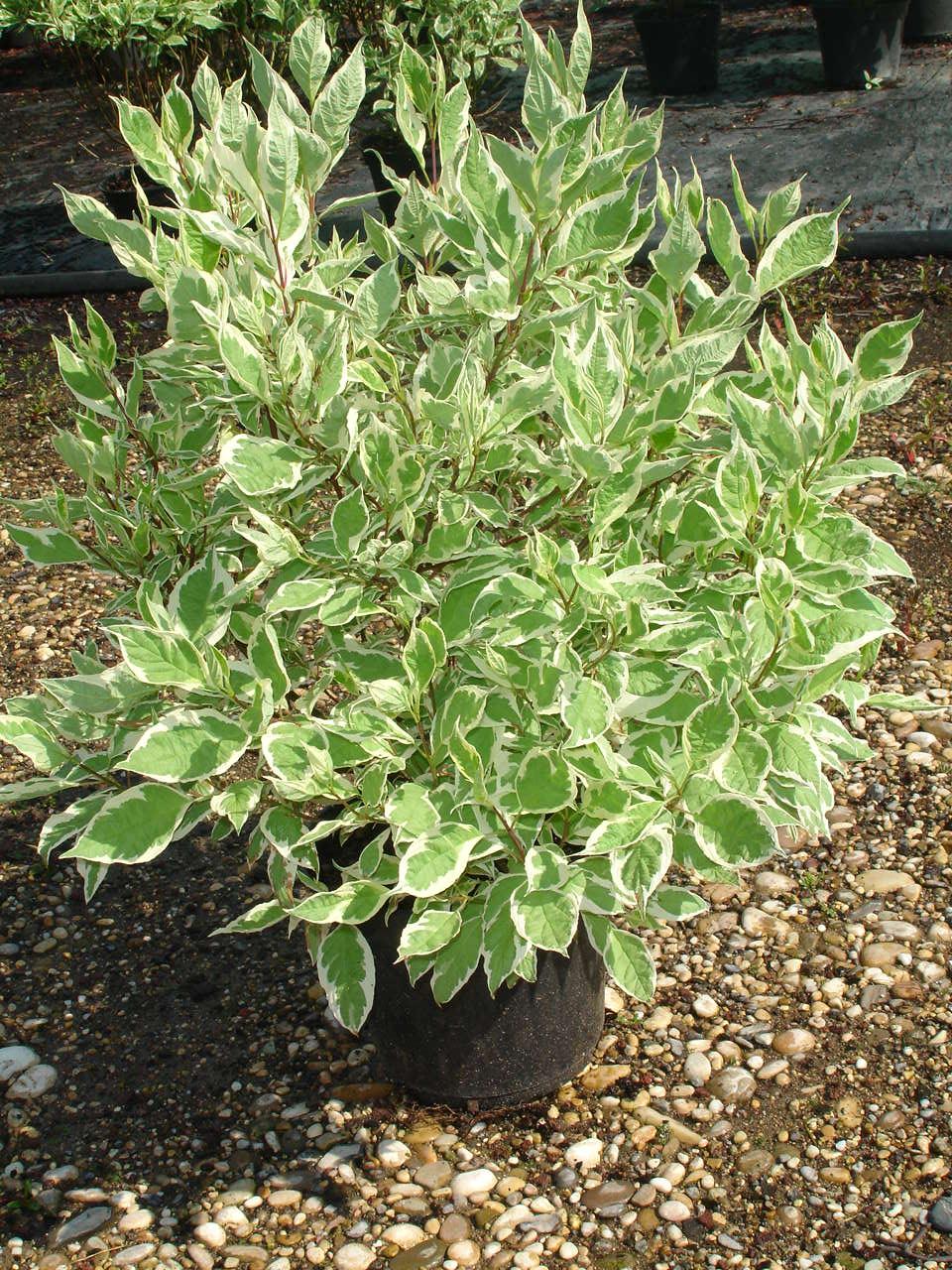
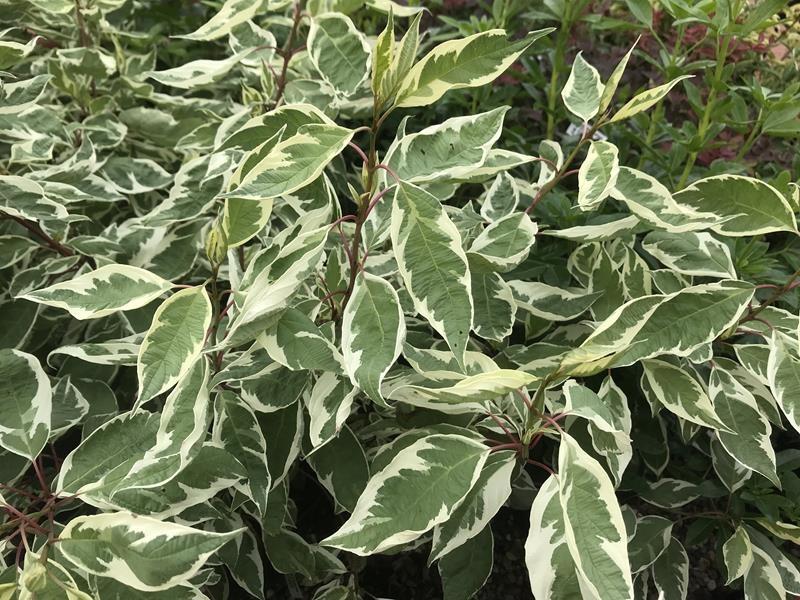
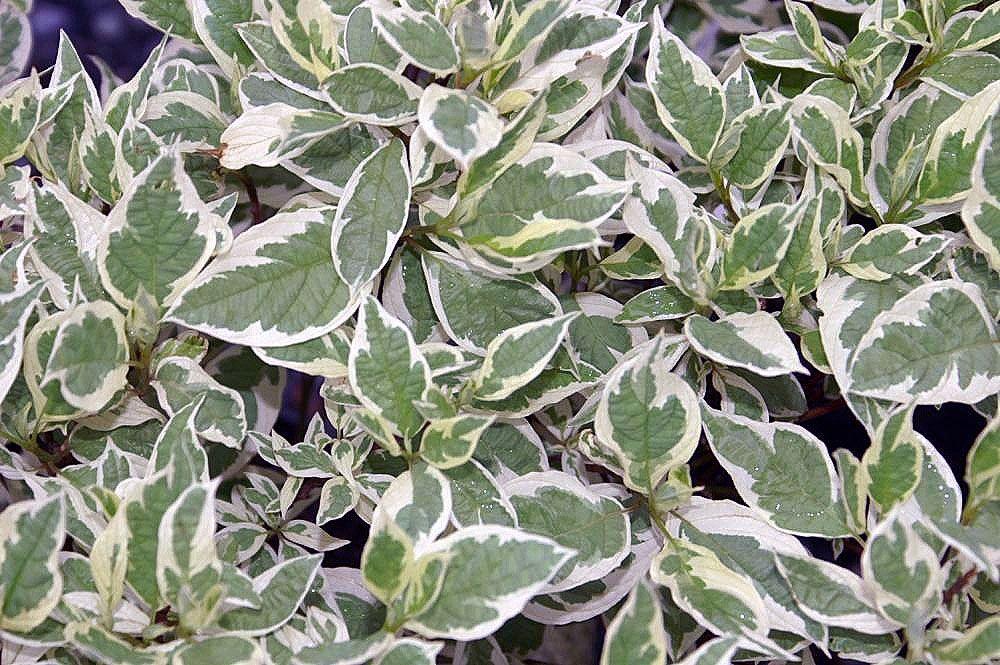
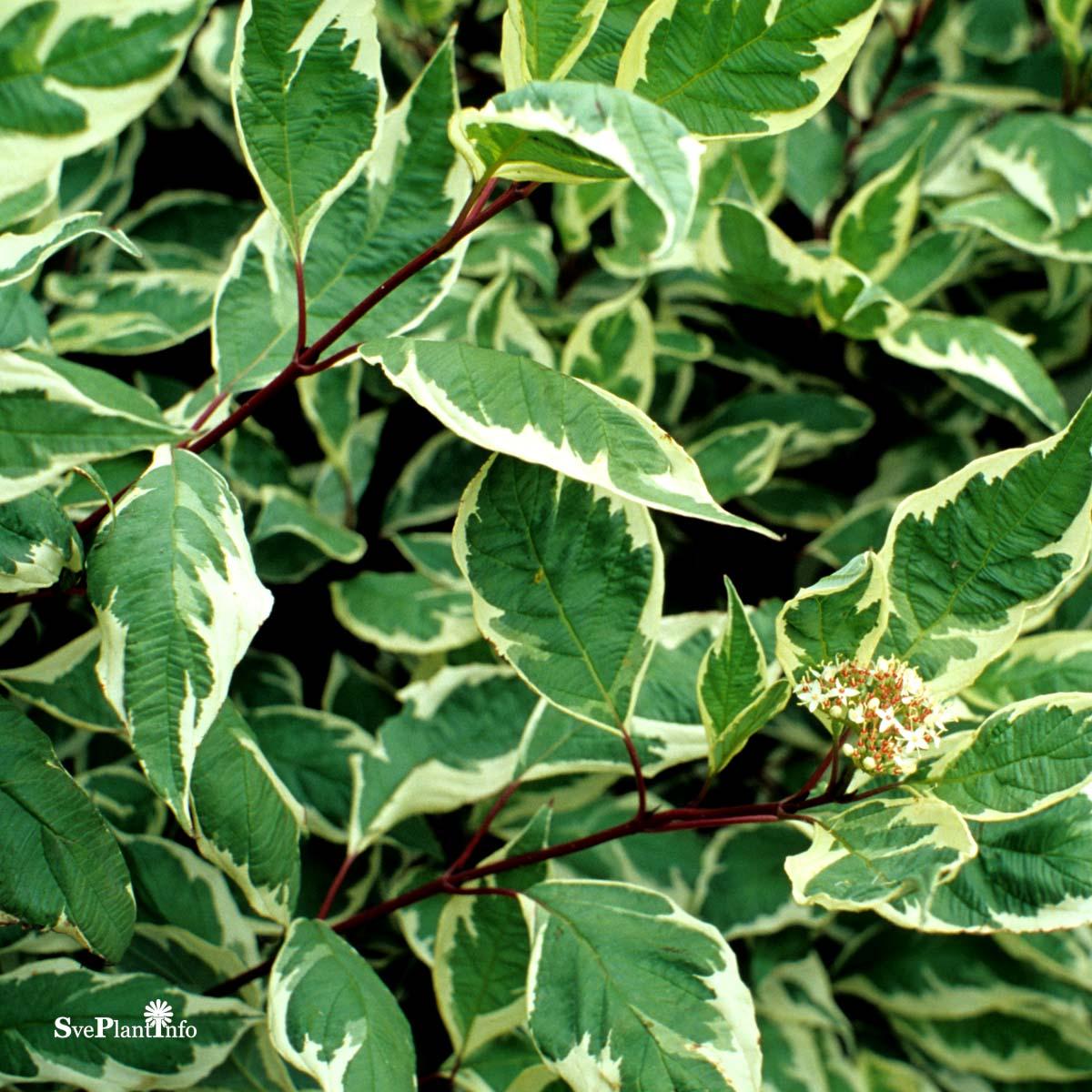
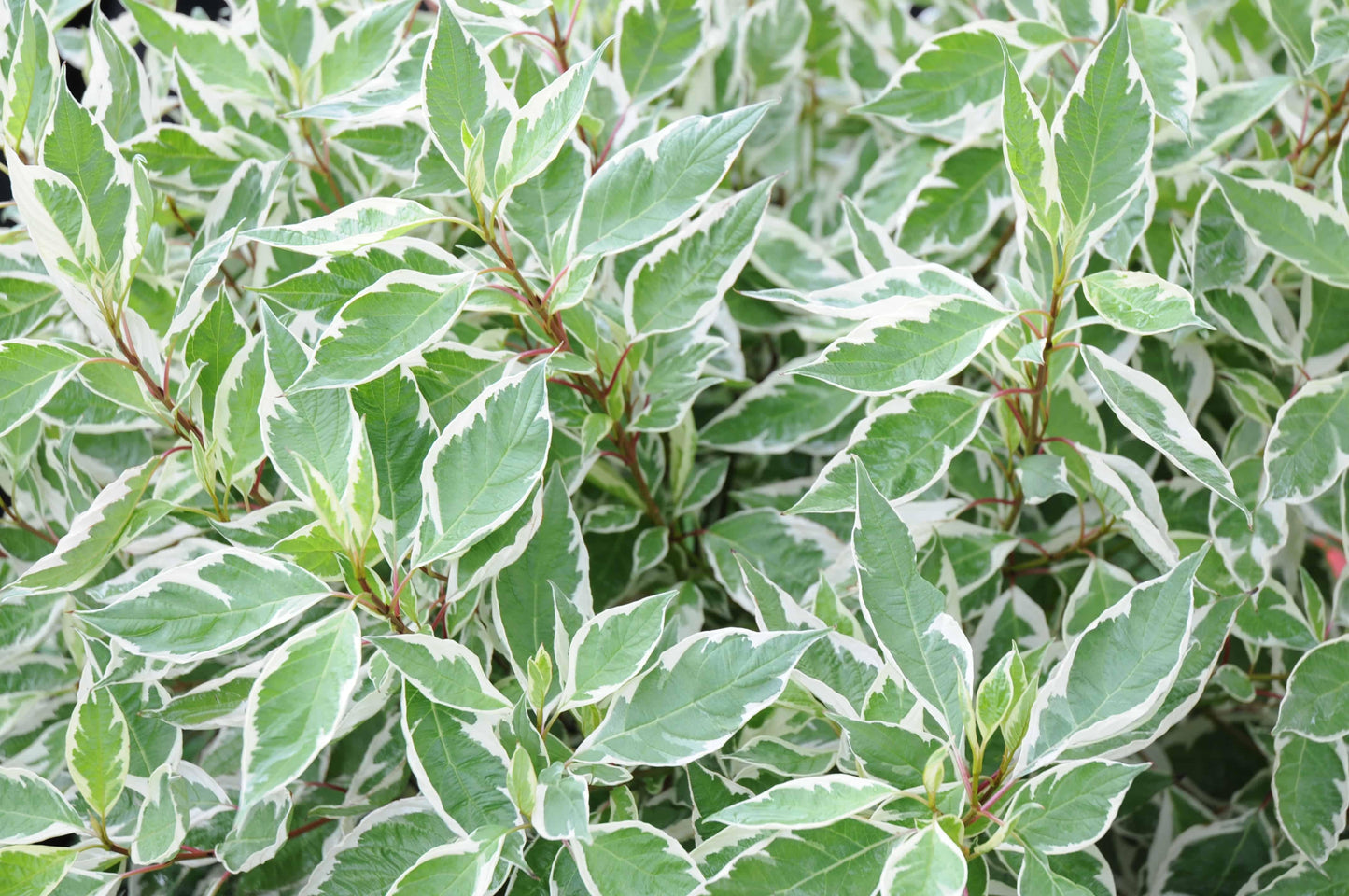
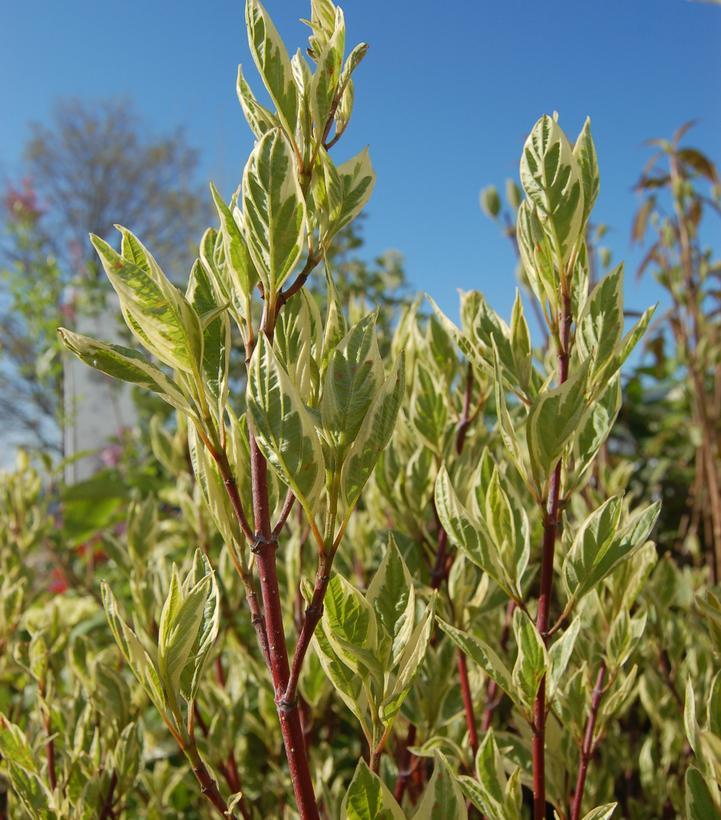
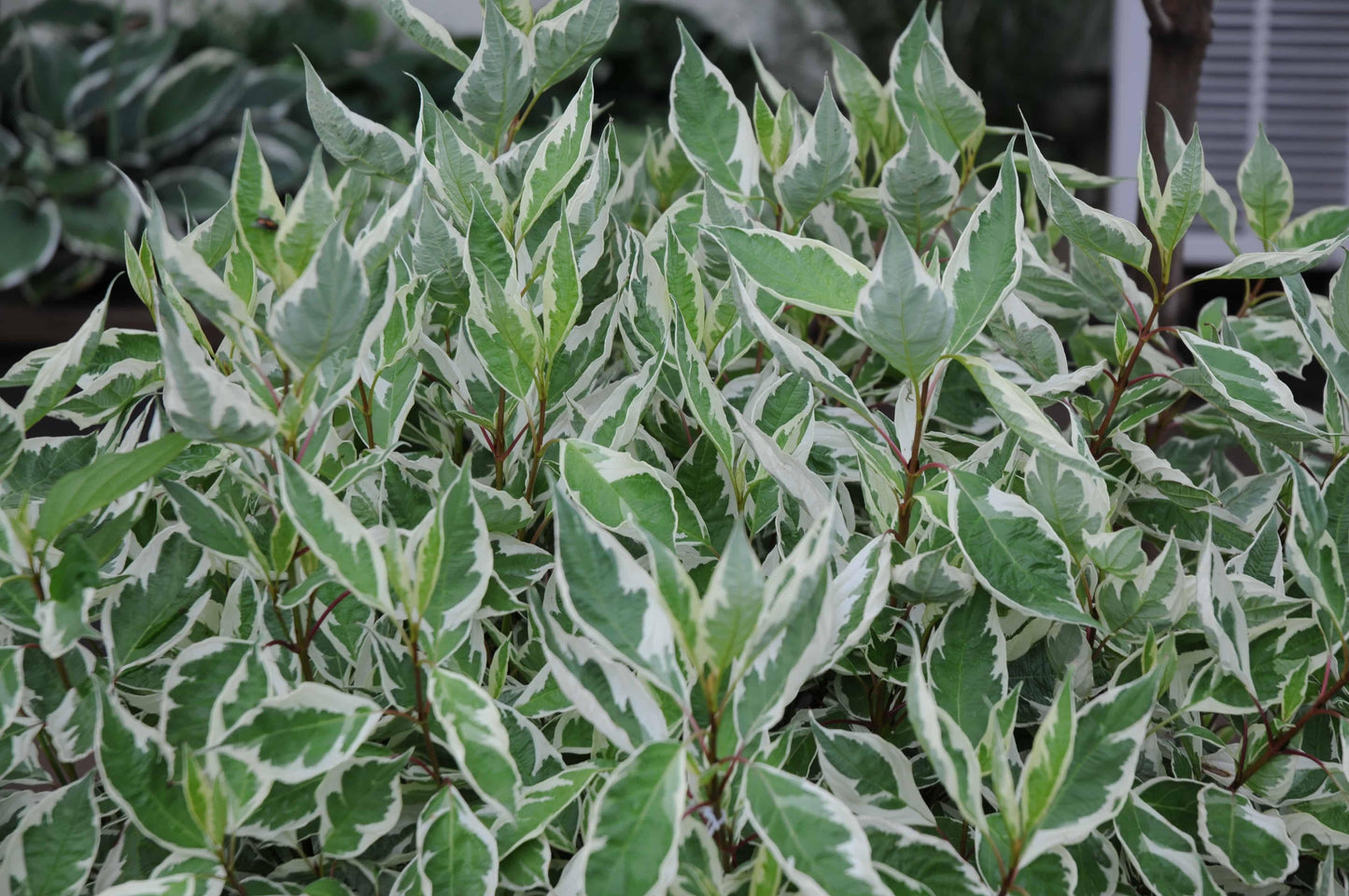
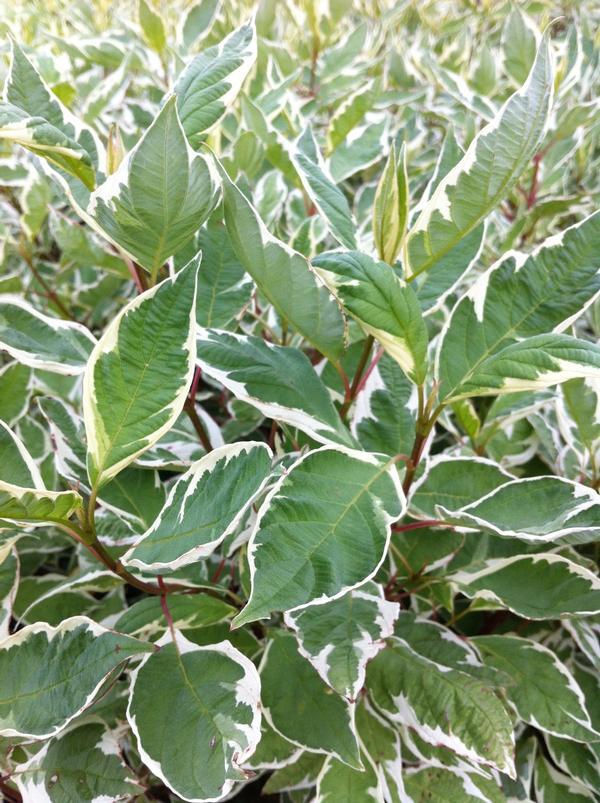
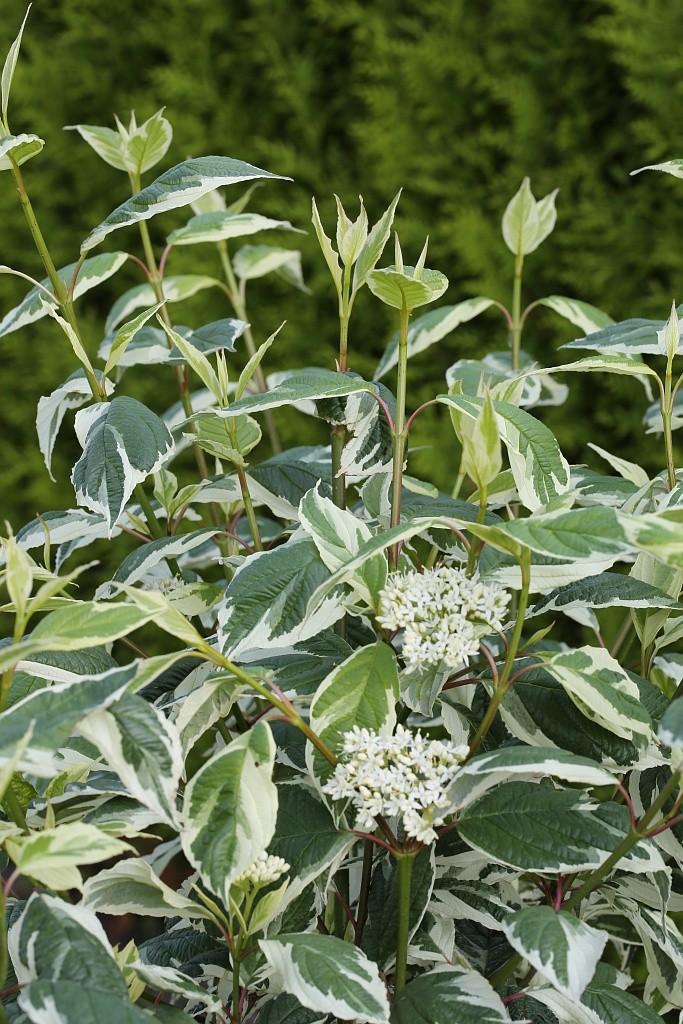
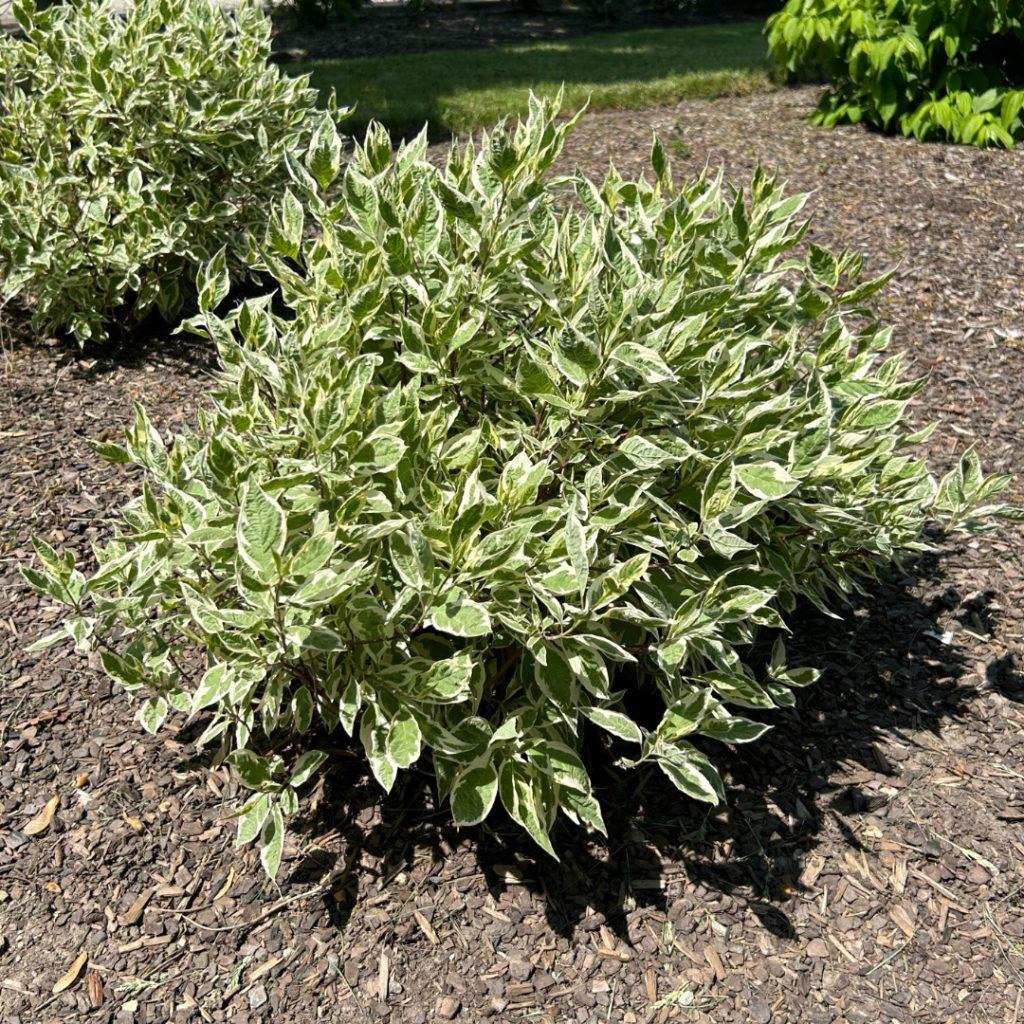
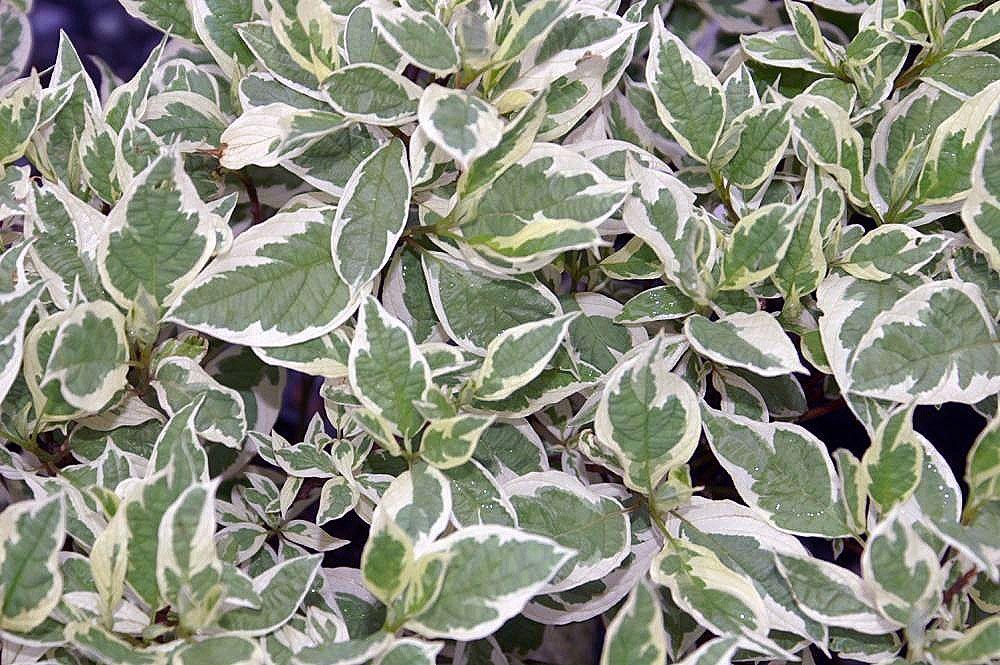
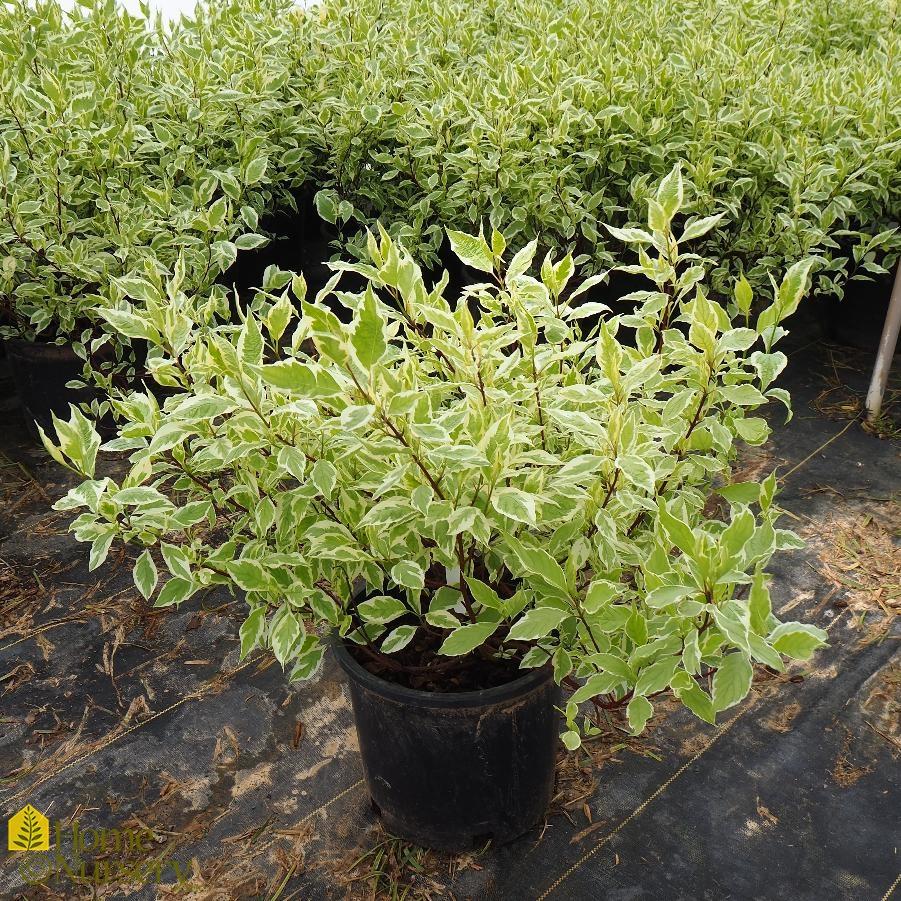
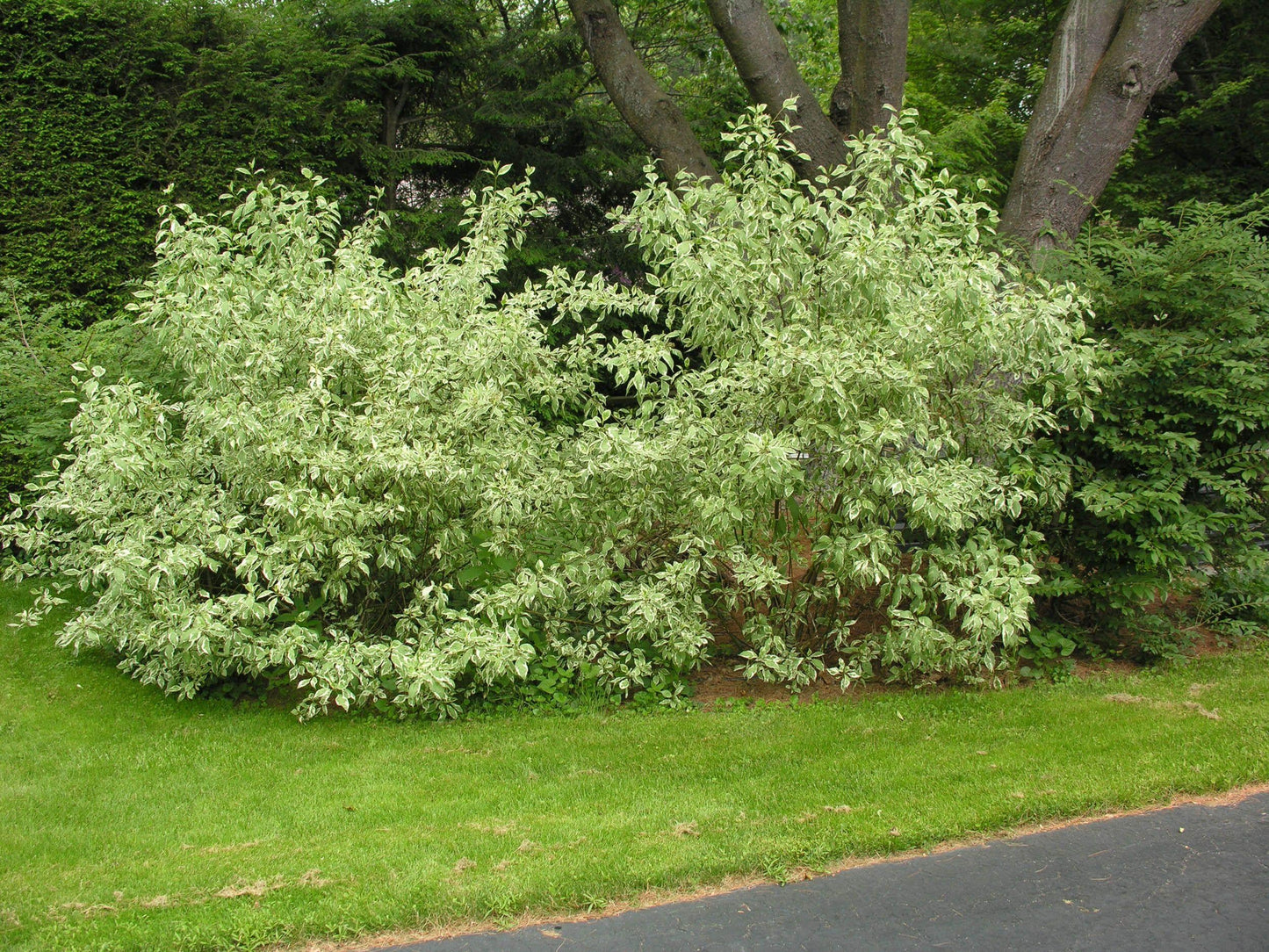
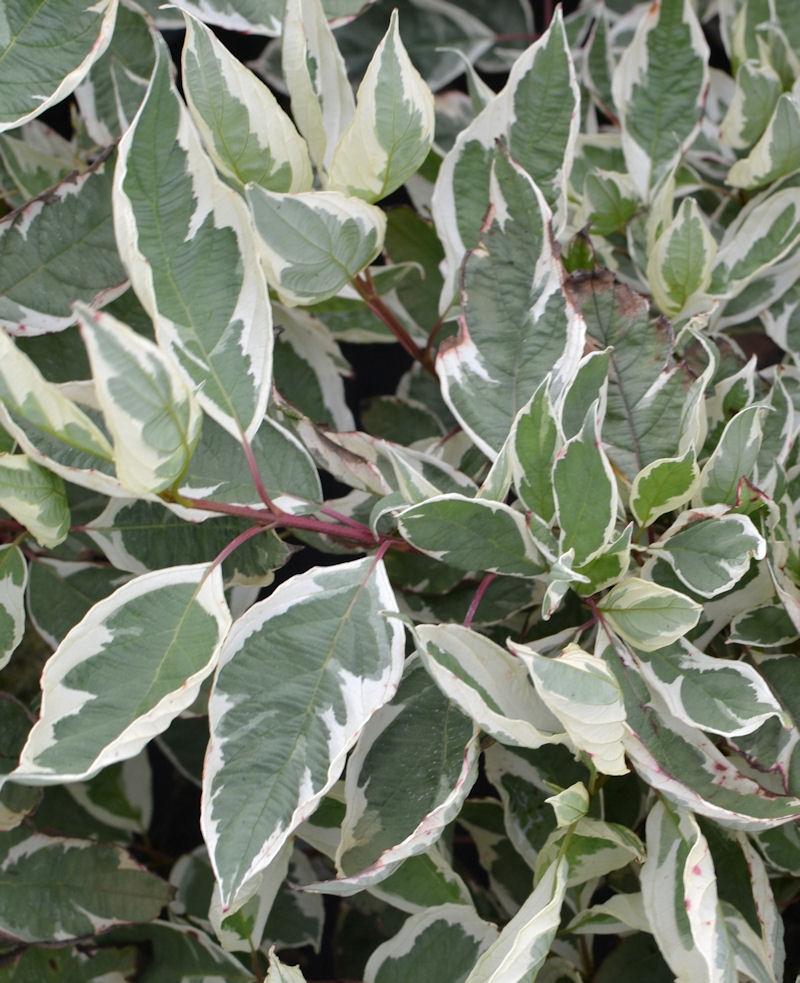
An ornamental deciduous shrub featuring variegated white and green foliage with striking white stems. It adds visual interest and texture to gardens and landscapes, especially in winter with its prominent stem color.
Suggested Uses
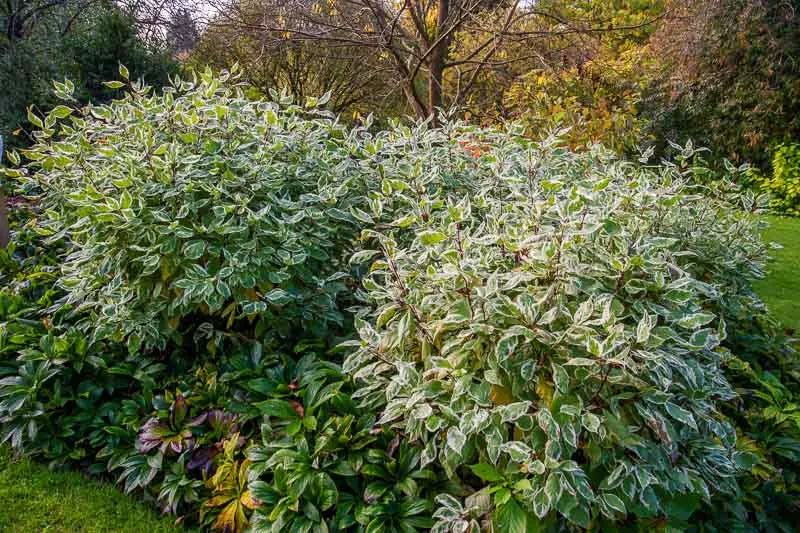
Ideal for hedges, specimen planting, water gardens, or as part of a border. Its bold stems make it a focal point in winter containers and landscape designs.
Plant Details
-
 Botanical Name: Cornus alba 'Ivory Halo'
 -
 Common Name: Ivory Halo Tatarian Dogwood
 -
 Size & Growth: Typically reaches 4-6 ft in height and spreading width of similar size, with moderate growth rate.
 -
 Hardiness Zones: 3-7
 -
 Foliage Type: Deciduous, variegated leaves
 -
 Bloom Time: Late Spring to Early Summer
 -
 Growth Rate: Moderate
 -
 Light Requirements: Full Sun to Partial Shade
 -
 Attracts Pollinators: Yes
 -
 Indoor Friendly: No
 -
 Container Friendly: Yes, suitable for containers with proper care
 -
 Deer Resistant: Yes
 -
 Pet Warning: Non-toxic
 -
 Fragrant: No
 -
 Cut Flower: Yes, for floral arrangements
 -
 Grows Well With: Hostas, ferns, and other shade-loving perennials
Care Tips
-
 Plant in well-drained soil with ample space for growth.
 -
 Keep soil consistently moist, especially during dry periods.
 -
 Prefers loamy, slightly acidic to neutral soil.
 -
 Tolerates average humidity levels.
 -
 Prune in late winter or early spring to shape and remove dead wood.
 -
 Apply mulch in winter to protect roots in colder zones.
 -
 Plant roots slightly below soil grade, ensuring good root contact.
 -
 Fertilize in early spring with balanced slow-release fertilizer.
 -
 Minimal special care required; avoid overwatering to prevent root rot.