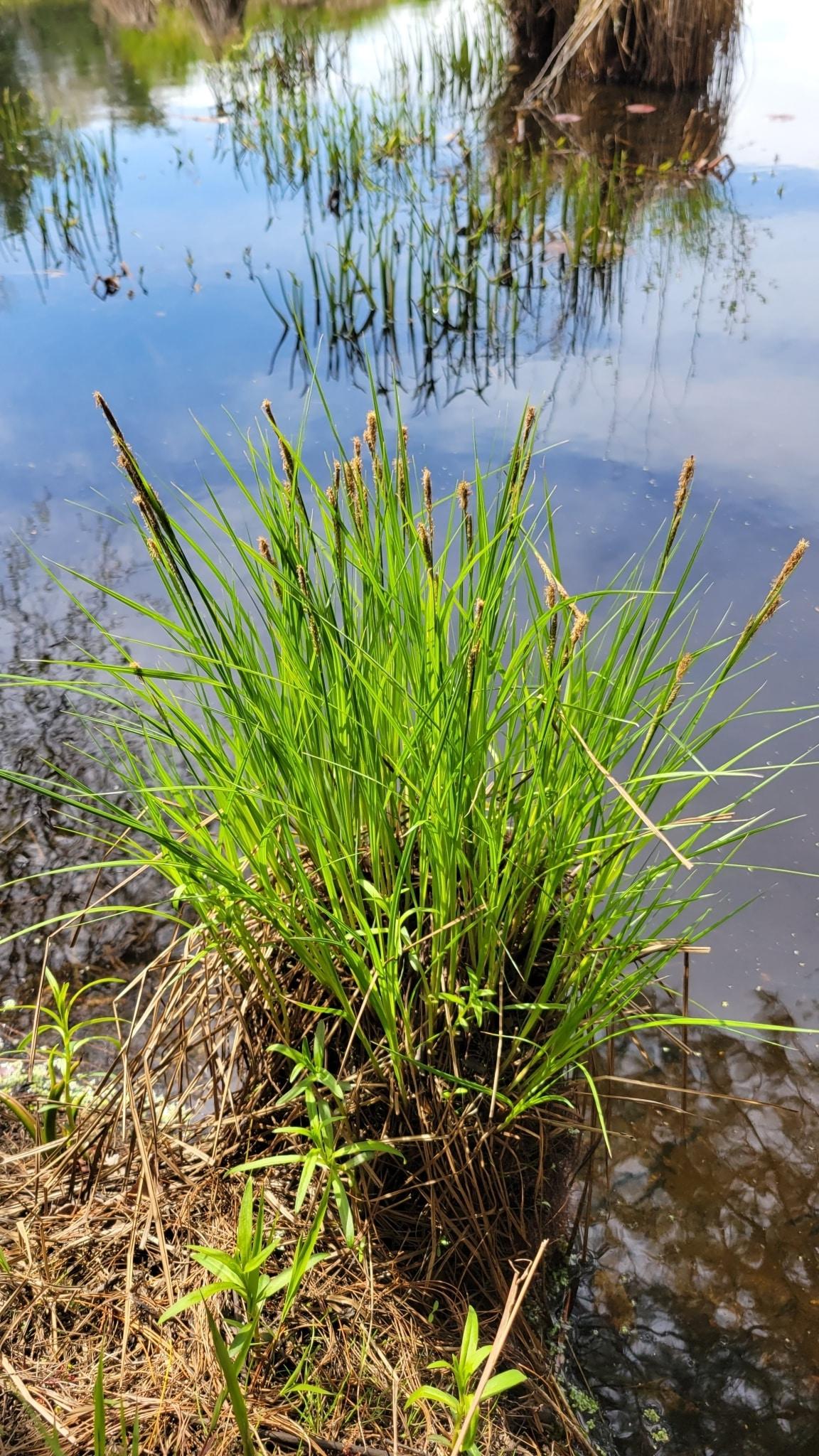


RedCrocus Tussock Sedge Grass Carex stricta Native Plant for Wetlands, Ponds, Erosion Control, Wildlife Habitat, Native Gardens 1 Gallon (Pack of 2)
Preorder
This item is available for preorder and is expected to ship after June 2026. Orders placed now reserve inventory and will be fulfilled once the plant becomes available.
RedCrocus Tussock Sedge Grass Carex stricta Native Plant for Wetlands, Ponds, Erosion Control, Wildlife Habitat, Native Gardens 1 Gallon (Pack of 2)
Regular price
$64.99 USD
Regular price
$84.49 USD
Sale price
$64.99 USD
Unit price
per
Shipping calculated at checkout.
SKU:gr1g0185-redcrocus
Couldn't load pickup availability
Tussock Sedge Grass, Carex stricta
Description
An ornamental grass characterized by dense tussocks of narrow, green foliage. It produces subtle seed heads in late summer, adding texture to naturalized landscapes.
Suggested Uses
Ideal for ponds, wet meadows, native plant gardens, and erosion-prone slopes, providing habitat for wildlife and enhancing natural scenery.
Plant Details
-
 Botanical Name: Tussock Sedge Grass, Carex stricta
 -
 Common Name: Tussock Sedge
 -
 Size & Growth: Typically reaches 2-3 feet in height with dense tussocks.
 -
 Hardiness Zones: 4 to 8
 -
 Foliage Type: Narrow, Grass-like
 -
 Bloom Time: Late Spring to Early Summer
 -
 Growth Rate: Moderate
 -
 Light Requirements: Full Sun to Partial Shade
 -
 Attracts Pollinators: Yes
 -
 Indoor Friendly: No
 -
 Container Friendly: Yes, when kept moist
 -
 Deer Resistant: Yes
 -
 Pet Warning: Non-toxic
 -
 Fragrant: No
 -
 Cut Flower: No
 -
 Grows Well With: Other native grasses and wetland plants
Care Tips
-
 Planting Instructions: Prefers moist, well-drained soils in full sun to partial shade.
 -
 Soil Moisture: Moist to wet
 -
 Soil Type: Sandy, loamy, or silty
 -
 Humidity: Tolerant of high humidity
 -
 Pruning Instructions: Remove dead or damaged foliage in early spring.
 -
 Winter Care: Mulch for protection in colder zones; generally hardy to zone 4.
 -
 Planting Depth: Plant at same depth as in nursery
 -
 Fertilization: Minimal required; use a balanced fertilizer in early spring if desired.
 -
 Special Care: Keep soil consistently moist for optimal growth.