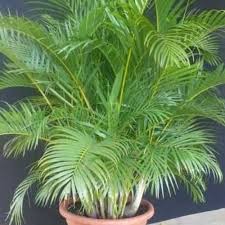


RedCrocus Neanthabella Palm - Indoor & Outdoor Tropical Plant, Pet & Deer Resistant, Evergreen Foliage, Easy Care, 10 ft Tall 4" Pot (Pack of 2)
RedCrocus Neanthabella Palm - Indoor & Outdoor Tropical Plant, Pet & Deer Resistant, Evergreen Foliage, Easy Care, 10 ft Tall 4" Pot (Pack of 2)
Regular price
$36.00 USD
Regular price
$46.80 USD
Sale price
$36.00 USD
Unit price
per
Shipping calculated at checkout.
SKU:berfe9d-redcrocus
Couldn't load pickup availability
Palm - Neanthabella
Description
A tall, evergreen palm featuring arching fronds with feather-like leaves, suitable for tropical and subtropical gardens.
Suggested Uses
Perfect for landscape borders, tropical gardens, indoor decor, and patio accents.
Plant Details
-
 Botanical Name: Palm - Neanthabella
 -
 Common Name: Neanthabella Palm
 -
 Size & Growth: Up to 10 ft tall; Slow to moderate growth rate
 -
 Hardiness Zones: 10-11
 -
 Foliage Type: Evergreen, feather-like fronds
 -
 Bloom Time: Spring to early summer
 -
 Growth Rate: Moderate
 -
 Light Requirements: Full sun to partial shade
 -
 Attracts Pollinators: Yes
 -
 Indoor Friendly: Yes
 -
 Container Friendly: Yes
 -
 Deer Resistant: Yes
 -
 Pet Warning: Non-toxic to pets
 -
 Fragrant: No
 -
 Cut Flower: No
 -
 Grows Well With: Hibiscus, Crotons, Bird of Paradise
Care Tips
-
 Planting Instructions: Plant in well-drained soil in a sunny or partially shaded location.
 -
 Soil Moisture: Keep soil evenly moist but not waterlogged.
 -
 Soil Type: Rich, loamy soil preferred.
 -
 Humidity: Tolerates standard humidity levels.
 -
 Pruning Instructions: Remove dead or damaged fronds as needed.
 -
 Winter Care: Protect from frost; grow in indoor or sheltered locations in colder zones.
 -
 Planting Depth: Plant at same depth as in container or nursery
 -
 Fertilization: Feed with balanced palm fertilizer during the growing season.
 -
 Special Care: Avoid overwatering and ensure good drainage.