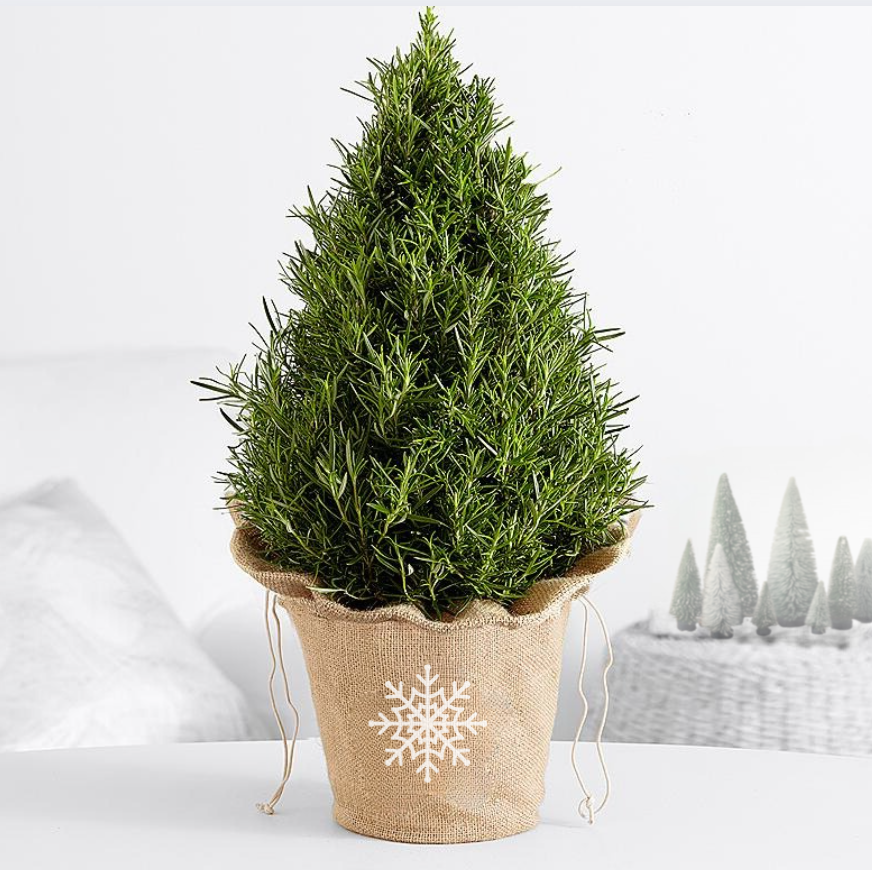


RedCrocus Rosemary Cone- Aromatic Evergreen Herb for Culinary & Garden | Full Sun, Well-Drained Soil 6"
RedCrocus Rosemary Cone- Aromatic Evergreen Herb for Culinary & Garden | Full Sun, Well-Drained Soil 6"
Regular price
$60.00 USD
Regular price
$78.00 USD
Sale price
$60.00 USD
Unit price
per
Shipping calculated at checkout.
SKU:berf837-redcrocus
Couldn't load pickup availability
Rosemary Cone Cone Shape
Description
A compact, conical evergreen shrub featuring aromatic, needle-like foliage. Perfect for culinary uses and ornamental landscapes, it thrives in well-drained soils and full sun.
Suggested Uses
Ideal for herb gardens, containers, and borders. It also attracts pollinators such as bees and butterflies, enhancing garden biodiversity.
Plant Details
-
 Botanical Name: Rosmarinus officinalis 'Cones
 -
 Common Name: Rosemary Cone
 -
 Size & Growth: 2-3 ft tall, 2 ft wide; slow to moderate growth
 -
 Hardiness Zones: 8-11
 -
 Foliage Type: Evergreen, aromatic needle-like
 -
 Bloom Time: Late spring to early summer
 -
 Growth Rate: Moderate
 -
 Light Requirements: Full sun
 -
 Attracts Pollinators: Yes
 -
 Indoor Friendly: No
 -
 Container Friendly: Yes
 -
 Deer Resistant: Yes
 -
 Pet Warning: Use with caution; contains essential oils that may be harmful to pets if ingested in large quantities
 -
 Fragrant: Yes
 -
 Cut Flower: Yes
 -
 Grows Well With: Lavender, thyme, and sage
Care Tips
-
 Planting Instructions: Plant in full sun in well-drained soil. Space plants approximately 2 feet apart.
 -
 Soil Moisture: Well-drained, slightly dry to moist
 -
 Soil Type: Sandy or loamy
 -
 Humidity: Tolerant of dry conditions
 -
 Pruning Instructions: Prune after flowering to maintain shape and promote bushiness
 -
 Winter Care: Mulch in colder zones and container plants indoors or in a protected location
 -
 Fertilization: Lightly feed with a balanced fertilizer in spring
 -
 Special Care: Avoid overwatering; prefers dry conditions once established
 Planting Depth: Bury the root ball level with the soil surface